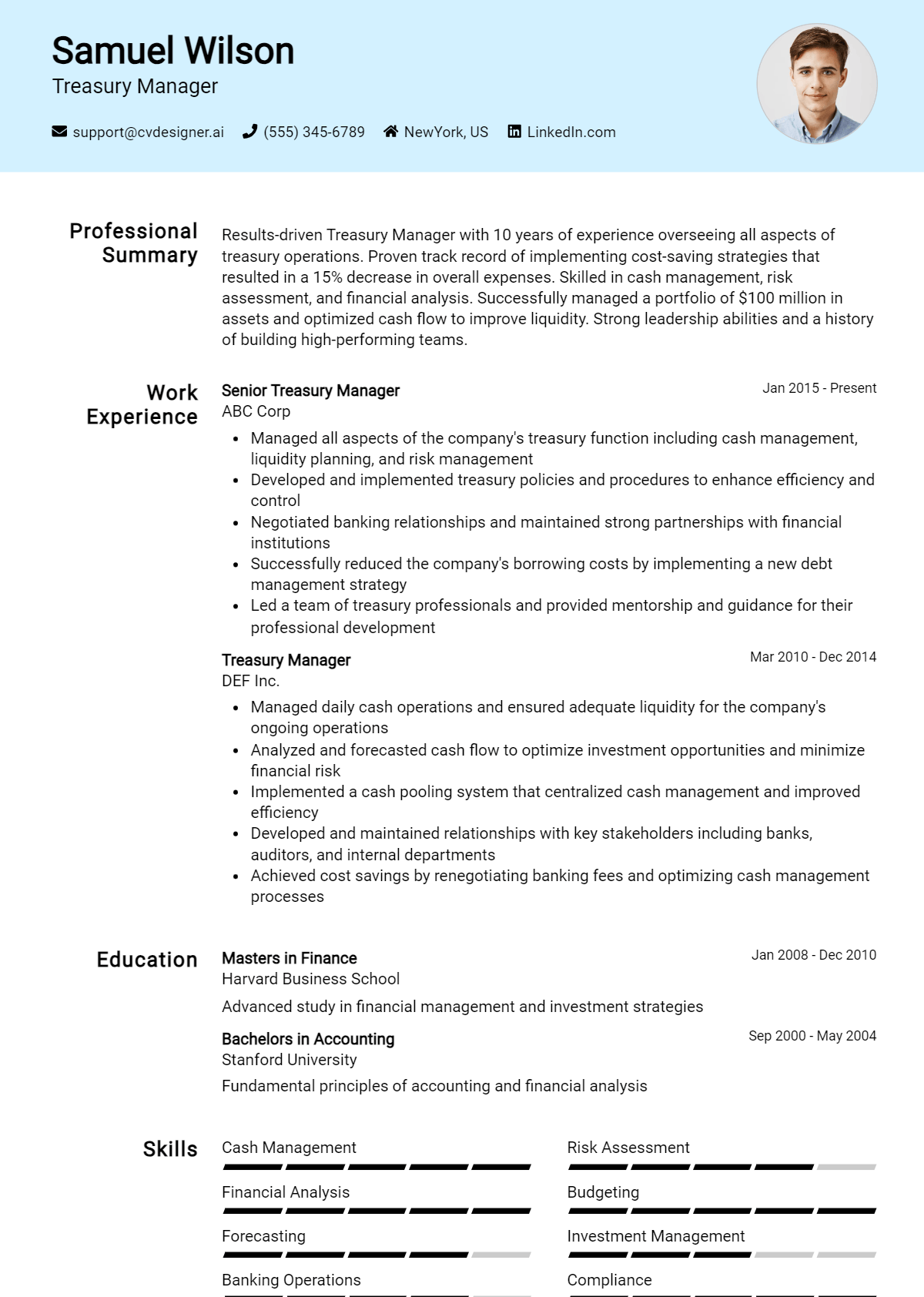
When preparing for a Treasury Manager interview, it’s essential to anticipate the types of questions that may arise. These questions are designed to assess your financial acumen, leadership capabilities, and strategic thinking skills within the context of treasury management. Understanding the nuances of these inquiries can significantly enhance your confidence and performance during the interview process.
Here is a list of common job interview questions for the Treasury Manager position, along with examples of the best answers. These questions cover your work history and experience in managing cash flow, investments, and risk management, as well as what you can offer the employer in terms of financial strategy and operational efficiency. Additionally, they delve into your long-term career goals and how they align with the organization’s objectives, ensuring that you present yourself as a forward-thinking candidate ready to contribute to the company’s financial success.
1. Can you explain your experience with cash flow forecasting?
In my previous role, I developed a cash flow forecasting model that improved accuracy by 20%. I collaborated with various departments to gather data, which helped in predicting cash needs and optimizing working capital.
Example:
I created a cash flow forecasting tool that integrated data from sales and operations, leading to a more accurate cash position and better decision-making regarding investments and expenditures.
2. How do you manage relationships with banks and financial institutions?
I prioritize clear communication and transparency with financial partners. Regular meetings and updates help maintain strong relationships. I also negotiate terms that benefit both parties, ensuring favorable credit lines and service agreements.
Example:
I held quarterly reviews with our bank partners to discuss performance and explore better terms, which resulted in reduced fees and improved service delivery.
3. What strategies do you use to minimize financial risk?
I employ a mix of hedging strategies and diversification of investments. By analyzing market trends and implementing risk management protocols, I effectively safeguard the organization’s assets and maintain liquidity.
Example:
I developed a hedging strategy to mitigate currency risk, which successfully protected our revenue during volatile market conditions while ensuring compliance with our risk tolerance levels.
4. Describe a time when you improved a treasury process.
I identified inefficiencies in our payment processing and implemented an automated system that reduced processing time by 30%. This allowed the team to focus on strategic initiatives rather than routine tasks.
Example:
By automating our reconciliation process, I improved accuracy and reduced manual errors, resulting in faster reporting and enhanced cash management.
5. How do you stay current with financial regulations and compliance?
I subscribe to industry newsletters, participate in webinars, and attend relevant seminars. I also collaborate with compliance teams to ensure our treasury operations align with regulatory changes.
Example:
I regularly attend regulatory update sessions and actively engage with compliance teams to ensure our practices meet current standards and minimize any risk of non-compliance.
6. What tools and software do you use in treasury management?
I have extensive experience with treasury management systems like Kyriba and SAP. I leverage these tools for cash management, forecasting, and reporting, enhancing overall efficiency and accuracy in our operations.
Example:
Using Kyriba, I streamlined our reporting process, which allowed for real-time cash visibility and improved decision-making across departments.
7. How do you handle discrepancies in financial reports?
I address discrepancies by conducting a thorough investigation to identify the root cause. Collaborating with relevant teams is essential to resolve issues quickly and implement controls to prevent future occurrences.
Example:
Upon discovering a discrepancy, I worked with the accounting team to trace the error back to a data input issue, implementing a new validation process to prevent it from happening again.
8. Can you discuss your experience with debt management?
I have managed various forms of debt, including loans and credit facilities. By analyzing our debt portfolio, I negotiated better terms and reduced interest expenses while ensuring we maintain a favorable credit rating.
Example:
I renegotiated our loan agreements, which led to a 15% reduction in interest rates, ultimately saving the company significant costs over the loan's lifespan.
9. How do you manage liquidity risk in your treasury operations?
I regularly conduct cash flow forecasting and scenario analysis to assess liquidity needs. By maintaining a diversified funding strategy and establishing credit lines, I ensure the organization can meet its obligations even during unexpected market fluctuations.
Example:
In my previous role, I implemented a cash flow model that improved our liquidity management, allowing us to navigate a market downturn without disruption.
10. Can you explain your experience with foreign exchange risk management?
I have developed hedging strategies using options and forward contracts to mitigate foreign exchange risks. By analyzing market trends and economic indicators, I can effectively forecast currency fluctuations and protect our profit margins.
Example:
In my last position, I reduced our exposure by 30% through strategic hedging, which saved the company significant costs during currency volatility.
11. Describe a time when you improved a treasury process.
At my previous company, I automated the cash reconciliation process, reducing the time spent on manual entries by 50%. This efficiency allowed the team to focus on strategic analysis rather than routine tasks, improving overall productivity.
Example:
After implementing an automated system, our monthly closing process improved significantly, leading to better reporting timelines and accuracy.
12. How do you assess the creditworthiness of counterparties?
I evaluate creditworthiness by analyzing financial statements, credit ratings, and market position. Additionally, I conduct regular reviews of counterparties to ensure ongoing stability and compliance with our risk management policies.
Example:
In practice, I use a combination of quantitative metrics and qualitative assessments to maintain a thorough understanding of our counterparties' financial health.
13. What strategies do you employ for effective cash management?
I use a combination of cash flow forecasting and bank relationship management to optimize cash balances. By monitoring daily cash positions and adjusting our investment strategies, I ensure liquidity while maximizing returns on surplus funds.
Example:
In my last role, I implemented a cash flow forecast that improved our investment returns by 20%, while maintaining optimal liquidity levels.
14. How do you stay updated with changes in treasury regulations?
I subscribe to industry newsletters, attend webinars, and participate in professional networks. Additionally, I regularly engage with regulatory bodies to ensure our practices align with current laws and best practices in treasury management.
Example:
By staying active in professional organizations, I can quickly adapt our treasury policies to meet new regulatory requirements.
15. What role does technology play in your treasury management?
Technology is crucial for enhancing efficiency and accuracy in treasury functions. I leverage treasury management systems for real-time reporting, cash management, and risk assessment, enabling informed decision-making and streamlined operations.
Example:
I implemented a treasury management solution that integrated with our ERP, resulting in improved data accuracy and reporting efficiency across departments.
16. How do you handle treasury audits?
I prepare for audits by maintaining thorough documentation and ensuring compliance with internal controls. I work closely with auditors to provide necessary information and address any concerns, ensuring a smooth audit process while identifying areas for improvement.
Example:
In my last audit, I successfully addressed all inquiries and implemented feedback, which enhanced our treasury processes and strengthened compliance.
17. How do you manage cash flow forecasting?
I utilize historical data and current market trends to create accurate cash flow forecasts. Regular updates and collaboration with departments ensure precision, allowing proactive management of liquidity and investment opportunities.
Example:
In my previous role, I implemented a weekly cash flow forecast that improved accuracy by 30%, enabling better investment decisions and reducing idle cash.
18. Can you describe your experience with risk management in treasury operations?
I assess financial risks by analyzing market conditions and implementing hedging strategies. My proactive approach mitigates risks related to interest rates and foreign exchange fluctuations, ensuring financial stability.
Example:
I developed a hedging strategy that reduced our exposure to currency fluctuations by 25%, which significantly protected our margins during volatile market conditions.
19. How do you ensure compliance with financial regulations?
I stay updated on relevant regulations and implement internal controls to ensure compliance. Regular training sessions for the team and audits help maintain standards and mitigate compliance risks.
Example:
At my last company, I led a compliance initiative that resulted in zero audit findings for two consecutive years, reflecting our adherence to financial regulations.
20. What strategies do you use for effective bank relationship management?
Building strong relationships with banks is key. I prioritize open communication, negotiate favorable terms, and regularly review banking services to ensure they meet our needs efficiently.
Example:
I successfully negotiated a reduced interest rate with our primary bank, saving the company 15% annually on loan repayments by fostering a strong partnership.
21. Describe a challenging treasury project you managed.
I led a project to integrate a new treasury management system, facing initial resistance. Through training and clear communication, I ensured a smooth transition, leading to increased efficiency in cash management.
Example:
The project resulted in a 40% reduction in transaction processing time, ultimately enhancing our cash management capabilities and reporting accuracy.
22. How do you handle discrepancies in financial reports?
I conduct a thorough investigation by cross-referencing data and collaborating with relevant departments. Identifying the root cause allows for timely resolution and implementation of measures to prevent future discrepancies.
Example:
When faced with a $50,000 variance, my analysis revealed a data entry error, which I corrected and updated our reporting process to avoid recurrence.
23. What tools and technologies do you use for treasury management?
I leverage advanced treasury management systems and analytics tools for cash flow analysis, reporting, and risk management. Familiarity with Excel and ERP systems enhances my efficiency in managing treasury functions.
Example:
Utilizing a treasury management system improved our cash forecasting accuracy by 35%, allowing for better decision-making and liquidity management.
24. How do you evaluate investment opportunities for the company?
I evaluate investment opportunities by conducting thorough financial analyses and assessing their alignment with company goals. I also consider risk factors and potential returns to make informed recommendations.
Example:
By implementing a structured evaluation process, I identified an investment that delivered a 20% ROI, significantly contributing to our overall financial growth.
25. Can you describe your experience with cash flow forecasting?
I have developed cash flow forecasts using historical data and predictive analytics. By analyzing trends and market conditions, I ensure our forecasts reflect realistic scenarios, enabling effective decision-making. This has helped my previous company manage liquidity and optimize investments. Example: In my last role, I implemented a quarterly cash flow forecast that improved accuracy by 20%, allowing us to better navigate seasonal fluctuations and allocate resources effectively.
26. How do you manage banking relationships?
I prioritize regular communication and transparency with banking partners. By understanding their offerings and aligning them with our needs, I foster strong relationships. This approach has enabled us to negotiate better terms and access funding when necessary, enhancing our financial strategies. Example: I scheduled quarterly reviews with our banks, which resulted in improved terms for our credit facilities, saving the company significant interest costs over time.
27. What strategies do you employ to mitigate financial risks?
I assess potential risks by analyzing market conditions, currency exposures, and interest rate changes. Implementing hedging strategies and diversifying investments are key tactics I utilize to mitigate risks. This proactive approach protects our assets and stabilizes cash flow. Example: I implemented a currency hedging strategy that reduced our exposure by 30%, ensuring that fluctuations did not adversely affect our profitability during market volatility.
28. Describe a time you improved the treasury operations in your company.
I identified inefficiencies in our payment processing system, which led to delays. I introduced automation software that streamlined operations, reduced processing time by 40%, and enhanced accuracy. This improvement significantly increased our team's productivity and strengthened supplier relationships. Example: Post-automation, our payment cycle shortened from 10 to 6 days, improving vendor satisfaction and allowing us to take advantage of early payment discounts.
29. How do you stay updated on treasury regulations and compliance?
I regularly attend industry seminars, webinars, and subscribe to financial newsletters. Networking with peers also provides insights into emerging regulations. Staying informed ensures our treasury operations comply with evolving laws, minimizing risks and maintaining our reputation. Example: By attending an annual compliance conference, I learned about new regulations and subsequently updated our policies, ensuring we remain compliant and avoid potential penalties.
30. What tools or software do you use for treasury management?
I utilize treasury management systems like Kyriba and SAP for cash management, forecasting, and risk analysis. These tools enhance efficiency and provide real-time insights into our financial position, allowing for informed decision-making and better resource allocation. Example: Using Kyriba, I integrated cash flow metrics, which improved our liquidity management and provided visibility that enhanced our investment strategies.
31. How do you evaluate investment opportunities?
I assess investment opportunities through a comprehensive analysis of risk-return profiles, market conditions, and alignment with our strategic goals. Additionally, I conduct scenario analyses to gauge potential outcomes, ensuring informed decisions that maximize returns while minimizing risks. Example: When evaluating a new project, I performed a detailed ROI analysis, which revealed a potential return significantly above our hurdle rate, justifying the investment.
32. Can you explain your approach to debt management?
I manage debt strategically by analyzing our capital structure and refinancing opportunities. Regular monitoring of interest rates and loan covenants allows me to optimize our debt portfolio, minimize costs, and maintain flexibility for future growth. Example: I successfully refinanced existing debt at a lower interest rate, resulting in annual savings of 15% and improving our overall financial health.
33. How do you assess and manage liquidity risk in your treasury operations?
I assess liquidity risk by analyzing cash flow forecasts and stress testing various scenarios. Maintaining a cash reserve and establishing credit lines are key strategies I employ to ensure we can meet obligations in any situation.
Example:
In my previous role, I implemented a comprehensive cash flow model that identified potential shortfalls, allowing us to secure additional credit lines, which proved essential during economic downturns.
34. Can you describe a time when you identified a significant financial risk and how you mitigated it?
I once identified a risk related to fluctuating interest rates affecting our debt portfolio. I recommended converting some variable-rate loans to fixed rates, which stabilized our interest expenses and reduced exposure to market volatility.
Example:
This proactive approach saved the company approximately 15% in interest expenses annually, significantly enhancing our financial stability during uncertain market conditions.
35. What tools or software do you use for treasury management, and why?
I primarily use Treasury Management Systems (TMS) like Kyriba and SAP Treasury. These tools provide real-time cash visibility, automate reporting, and enhance decision-making capabilities, ensuring we manage our resources efficiently.
Example:
Utilizing Kyriba allowed us to reduce manual errors and streamline our cash forecasting process, improving accuracy by 20% within the first quarter of its implementation.
36. How do you ensure compliance with regulations in treasury operations?
I stay updated on regulations through continuous education and collaboration with compliance teams. Implementing internal controls and conducting regular audits ensures our treasury practices adhere to legal requirements, minimizing risks.
Example:
In my last position, I led training sessions on new regulations, which resulted in a 30% reduction in compliance issues identified during audits.
37. Describe your experience with foreign exchange risk management.
I have managed foreign exchange risk by utilizing hedging strategies such as forward contracts and options. This approach helps stabilize costs and protects our margins from currency fluctuations.
Example:
In a recent project, I implemented a hedging strategy that reduced our exposure to currency fluctuations by over 25%, significantly protecting our profit margins.
38. How do you evaluate investment opportunities for excess cash?
I evaluate investment opportunities by analyzing risk-adjusted returns, liquidity, and alignment with our overall financial strategy. Utilizing tools like Monte Carlo simulations helps in assessing potential outcomes.
Example:
Last year, I identified a short-term bond fund that offered a 3% yield while maintaining high liquidity, contributing positively to our overall returns without compromising cash availability.
39. What is your approach to developing a cash flow forecasting model?
My approach involves historical analysis, considering seasonality and expected business changes. I collaborate with various departments to gather insights and refine the model for accuracy, ensuring it reflects realistic cash flow scenarios.
Example:
In my last role, I developed a model that improved forecast accuracy by 30%, allowing the company to make better-informed financial decisions.
40. How do you handle treasury reporting and communication with stakeholders?
I prioritize clear and concise reporting tailored to stakeholders' needs. Regular updates, visual dashboards, and one-on-one discussions help ensure that all parties are informed and aligned with treasury objectives.
Example:
In my previous position, I implemented a monthly dashboard that improved stakeholder engagement and understanding of cash positions, leading to more effective decision-making.
41. How do you manage foreign exchange risk in a global organization?
To manage foreign exchange risk, I implement hedging strategies, such as forwards and options, to mitigate volatility. Regularly analyzing market trends and aligning them with corporate goals ensures informed decision-making and protection against adverse currency fluctuations.
Example:
In my previous role, I utilized currency forwards to hedge against expected revenue in euros, successfully reducing our exposure and stabilizing cash flow over the fiscal year.
42. Can you describe your experience with cash flow forecasting?
I have extensive experience in cash flow forecasting by utilizing historical data, analyzing trends, and collaborating with department heads to gather insights. This multifaceted approach ensures accuracy and helps identify potential cash shortfalls in advance.
Example:
At my last job, I improved our forecasting model, which increased accuracy by 20%, allowing us to make proactive financial decisions and optimize liquidity management.
43. How do you ensure compliance with financial regulations and standards?
I ensure compliance by maintaining up-to-date knowledge of relevant regulations and implementing robust internal controls. Regular training and audits help foster a culture of compliance, minimizing risks associated with financial reporting.
Example:
In my previous role, I led a compliance initiative that resulted in a successful audit, demonstrating our adherence to both internal policies and external regulations.
44. What strategies do you use for effective liquidity management?
Effective liquidity management involves forecasting cash needs, optimizing working capital, and maintaining a strong relationship with banking partners. I regularly assess our cash position and adjust strategies accordingly to ensure sufficient liquidity.
Example:
I implemented a cash management system that streamlined our processes, resulting in a 15% increase in available liquidity and improved overall financial flexibility.
45. How do you evaluate investment opportunities for the organization?
I evaluate investment opportunities by conducting thorough financial analysis, assessing risk versus return, and aligning them with strategic goals. Collaborating with cross-functional teams helps ensure all perspectives are considered in the decision-making process.
Example:
In my last position, I analyzed several investment proposals, leading to a successful project that generated a 25% return on investment within the first year.
46. How do you handle discrepancies in financial reports?
When discrepancies arise, I conduct a thorough investigation to identify the root cause. Collaborating with teams across departments helps resolve issues quickly, ensuring accurate financial reporting and maintaining stakeholder trust.
Example:
In a previous role, I discovered a reporting error through routine checks, worked with the accounting team to rectify it, and implemented a new review process to prevent future discrepancies.
How Do I Prepare For A Treasury Manager Job Interview?
Preparing for a Treasury Manager job interview is crucial for making a positive impression on the hiring manager. A well-prepared candidate not only demonstrates their expertise in treasury management but also shows their commitment to the role and organization. Here are some key preparation tips to help you stand out during the interview:
- Research the company and its values to understand its financial goals and culture.
- Practice answering common interview questions related to treasury management, such as cash flow forecasting and risk management strategies.
- Prepare examples that demonstrate your skills and experience, particularly in areas like liquidity management and investment strategies.
- Familiarize yourself with current trends and regulations in the treasury field that may impact the company's operations.
- Review your resume and be ready to discuss your previous roles and achievements in detail.
- Prepare insightful questions to ask the interviewer about the company's treasury functions and future initiatives.
- Dress professionally and arrive on time to convey your seriousness about the position.
Frequently Asked Questions (FAQ) for Treasury Manager Job Interview
Preparing for an interview is crucial, especially for a specialized role like Treasury Manager. Understanding commonly asked questions can help you present yourself confidently and effectively. Here are some frequently asked questions that can guide you in your preparation.
What should I bring to a Treasury Manager interview?
When heading to a Treasury Manager interview, it’s essential to bring several key items that can help you make a positive impression. Start with multiple copies of your resume, a list of references, and any certifications relevant to treasury management. Additionally, consider bringing a notepad and pen to take notes during the interview. If you have a portfolio showcasing your achievements or any relevant projects, that can also serve as a great conversation starter.
How should I prepare for technical questions in a Treasury Manager interview?
To prepare for technical questions, it's important to familiarize yourself with the core competencies of treasury management, including cash management, risk assessment, and financial forecasting. Review relevant financial regulations and tools commonly used in the industry. You may also want to practice with common technical scenarios that a Treasury Manager might face, such as liquidity management or investment strategies. Engaging in mock interviews can also help you articulate your thoughts under pressure.
How can I best present my skills if I have little experience?
If you have limited experience in treasury management, focus on transferable skills from previous roles that demonstrate your analytical, problem-solving, and financial management capabilities. Highlight any relevant coursework, internships, or certifications that showcase your commitment to the field. Emphasizing your eagerness to learn and adapt can also resonate well with interviewers, so be sure to express your enthusiasm for the position and willingness to grow within the role.
What should I wear to a Treasury Manager interview?
Your attire for a Treasury Manager interview should be professional and polished, reflecting the seriousness of the role. Opt for a tailored suit in conservative colors like navy, gray, or black. Men should wear a collared shirt and tie, while women can choose a blouse or a professional dress. Pay attention to grooming and accessories—aim for a clean, sophisticated look. Dressing appropriately can enhance your confidence and make a strong first impression.
How should I follow up after the interview?
Following up after your Treasury Manager interview is a crucial step that can set you apart from other candidates. Send a personalized thank-you email to your interviewer(s) within 24 hours, expressing your gratitude for the opportunity and reiterating your interest in the position. Mention any specific topics discussed that resonated with you, and if applicable, include any additional information that supports your candidacy. A thoughtful follow-up can reinforce your enthusiasm and professionalism.
Conclusion
In this interview guide for the Treasury Manager role, we have covered essential topics that highlight the importance of thorough preparation and practice. Candidates should focus on demonstrating their relevant skills and understanding both technical and behavioral aspects of the position. By preparing for a wide range of questions, candidates can significantly enhance their chances of success in the interview process.
Remember, a well-rounded preparation strategy that includes both technical expertise and soft skills will set you apart from other candidates. We encourage you to take advantage of the tips and examples provided in this guide to approach your interviews with confidence.
For further assistance, explore our helpful resources such as our resume templates, use our resume builder, check out our interview preparation tips, and design your standout application with our cover letter templates.