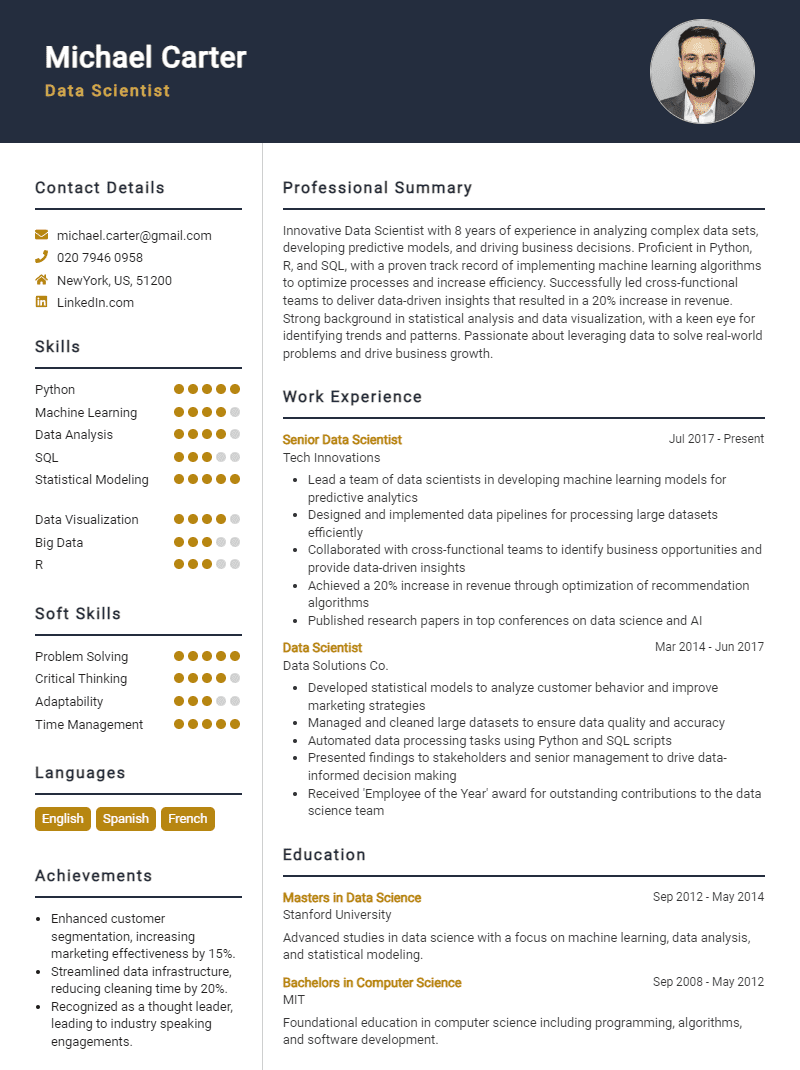
In the dynamic field of tourism, the role of Human Resources is pivotal in shaping a positive workplace culture and ensuring that the right talent is in place to deliver exceptional experiences to travelers. As the tourism industry continues to evolve, it is essential for HR professionals to be well-prepared for job interviews that assess their ability to manage a diverse workforce, navigate the challenges of a fast-paced environment, and foster employee engagement.
Here is a list of common job interview questions for the Tourism Human Resources role, along with examples of the best answers. These questions cover your work history and experience, your unique contributions to the employer, and your aspirations for the future within the tourism sector. By preparing thoughtful responses, you can effectively demonstrate your knowledge of the industry and your commitment to enhancing the employee experience.
1. What strategies do you use to recruit talent in the tourism industry?
I utilize social media, industry job boards, and networking at tourism events to attract talent. Additionally, I focus on building relationships with local universities to tap into fresh talent and offer internships that can lead to permanent positions.
Example:
I often attend tourism fairs and collaborate with universities to create internship programs, ensuring a steady influx of qualified candidates who are passionate about the industry.
2. How do you ensure employee engagement in the tourism sector?
I prioritize communication and feedback through regular check-ins and employee surveys. Implementing recognition programs and team-building activities fosters a positive work environment, which is crucial for maintaining high levels of employee engagement in the fast-paced tourism sector.
Example:
I conduct quarterly surveys to gather employee feedback and implement team-building activities, enhancing workplace morale and ensuring everyone feels valued in their roles.
3. How do you handle conflicts between employees in a tourism setting?
I approach conflicts by facilitating open communication between the parties involved, ensuring they feel heard. I guide them to find common ground and work towards a mutually agreeable solution, fostering teamwork and collaboration in the long run.
Example:
I mediate conflicts by encouraging employees to express their concerns openly, then help them collaboratively find solutions that promote understanding and teamwork.
4. What role does training play in your HR strategy for tourism?
Training is vital for enhancing employee skills and ensuring exceptional customer service. I develop tailored training programs, focusing on hospitality standards, cultural sensitivity, and safety protocols to equip staff for the diverse challenges in tourism.
Example:
I prioritize ongoing training in customer service and safety, ensuring employees are well-prepared to handle various situations and meet guest expectations.
5. How do you measure the success of HR initiatives in tourism?
I measure success through key performance indicators such as employee retention rates, satisfaction surveys, and training effectiveness. Analyzing these metrics helps refine HR initiatives to better align with the organization's goals and employee needs.
Example:
I track employee turnover and satisfaction scores, using this data to continuously improve our HR programs and align them with corporate objectives.
6. What challenges do you foresee in tourism HR, and how would you address them?
One major challenge is high employee turnover. I would address this by enhancing employee engagement through career development opportunities and maintaining a positive workplace culture to foster loyalty and reduce attrition rates.
Example:
To combat turnover, I emphasize career growth opportunities and create a supportive environment where employees feel valued and connected to our mission.
7. How do you integrate diversity and inclusion into your HR practices?
I promote diversity by implementing inclusive hiring practices and conducting training on cultural competency. Creating a welcoming environment ensures all employees feel valued and enhances our service to diverse customers in the tourism industry.
Example:
I actively seek diverse candidates and provide training on inclusivity, ensuring all employees can contribute to a welcoming atmosphere for both staff and guests.
8. Can you describe your experience with performance management in tourism HR?
I implement a structured performance management system that includes regular evaluations and feedback. This approach allows me to identify high performers, provide necessary support for underperformers, and align individual goals with organizational objectives.
Example:
I utilize quarterly reviews to assess performance, providing constructive feedback and setting clear goals for employees to drive their professional development.
9. How do you handle conflicts between employees in a tourism setting?
I prioritize open communication, facilitating a meeting to address the issues directly. Listening to both parties helps identify the root cause, allowing me to mediate effectively while ensuring a supportive environment for all employees involved.
Example:
In a previous role, I mediated a dispute between two team members by organizing a discussion where they could express their concerns, leading to a mutually agreeable solution that improved team dynamics and productivity.
10. What strategies do you implement for employee training in tourism?
I focus on a combination of hands-on training and interactive workshops that cater to different learning styles. Regular assessments and feedback ensure that employees are not only learning but also applying their knowledge effectively in real-world scenarios.
Example:
For instance, I developed a training program that included role-playing scenarios to enhance customer service skills, which resulted in a noticeable increase in guest satisfaction ratings.
11. Describe your experience with recruitment in the tourism sector.
I have managed recruitment campaigns targeting diverse talent pools through job fairs, social media, and partnerships with local universities. This approach has successfully attracted candidates with the necessary skills and passion for the tourism industry.
Example:
In my last position, I revamped our recruitment process, which led to a 30% increase in qualified applicants and a more diverse workforce that better represented our clientele.
12. How do you ensure compliance with labor laws in tourism?
I stay updated on local and national labor laws, implementing regular training sessions for staff. I also conduct audits to ensure policies are followed, addressing any compliance issues promptly to avoid potential legal complications.
Example:
By establishing a compliance checklist, I helped my previous company maintain adherence to labor laws, which minimized legal risks and fostered a fair workplace culture.
13. How do you measure employee satisfaction in your tourism organization?
I utilize anonymous surveys and feedback sessions to gauge employee satisfaction regularly. Analyzing this data helps identify areas for improvement and informs strategies to enhance the overall work environment, ultimately leading to better retention rates.
Example:
In my last role, I implemented quarterly surveys that revealed key areas for enhancement, allowing us to address concerns and increase employee satisfaction scores significantly.
14. Can you discuss a time when you improved employee retention?
I initiated an employee recognition program that celebrated achievements and offered growth opportunities. This fostered a sense of belonging and motivation, which ultimately improved retention rates and decreased turnover dramatically within a year.
Example:
By introducing monthly recognition awards, I saw a 25% decrease in turnover rates, as employees felt valued and motivated to continue their careers with us.
15. What role does diversity play in your HR strategy?
Diversity is crucial in tourism, enhancing creativity and customer service. I actively promote inclusive hiring practices and training programs, ensuring our workforce reflects the diverse clientele we serve, which ultimately enriches the guest experience.
Example:
In my previous position, I led initiatives that resulted in a 40% increase in minority representation, which positively impacted our service delivery and customer satisfaction ratings.
16. How do you assess training needs in your tourism organization?
I conduct regular performance evaluations and solicit employee feedback to identify gaps in skills and knowledge. This data-driven approach helps tailor training programs that address specific needs, ensuring our team remains competitive and efficient.
Example:
After analyzing performance reviews, I designed a targeted training program that improved staff competencies in customer service, resulting in enhanced guest experiences and higher satisfaction scores.
17. How do you measure the effectiveness of a training program in the tourism sector?
To measure effectiveness, I utilize feedback surveys, performance metrics, and observation. Analyzing employee performance pre- and post-training helps me identify areas of improvement. I also consider guest feedback to ensure trainings align with customer satisfaction goals. Example: I once implemented surveys after a training session that revealed an increase in customer service ratings by 20%, indicating the program's success in enhancing employee skills.
18. Can you describe a time when you resolved a conflict between employees in a tourism setting?
I once mediated a disagreement between a hotel front desk staff and a manager regarding scheduling. I facilitated a meeting to allow both parties to express their concerns. By establishing clear communication, we reached a compromise that improved their working relationship and team morale. Example: After the mediation, both employees expressed appreciation for the resolution, leading to a more collaborative environment and increased productivity.
19. What strategies do you use to attract diverse talent in the tourism industry?
I promote inclusive job postings, partner with diverse organizations, and participate in community events. By highlighting our commitment to diversity in recruitment materials, I ensure a wider pool of candidates, fostering a more innovative and culturally competent workforce. Example: Collaborating with local universities helped us reach underrepresented groups, resulting in a 30% increase in diverse applicants for seasonal positions.
20. How do you handle high turnover rates in the tourism industry?
I analyze exit interviews to identify common dissatisfaction factors and implement changes accordingly. I focus on enhancing employee engagement through recognition programs and career development opportunities, which are essential for retaining talent in a competitive industry. Example: By introducing an employee recognition program, we reduced turnover by 15% within a year, significantly enhancing job satisfaction.
21. Describe your experience with performance management in tourism HR.
I implement regular performance reviews, aligning individual goals with organizational objectives. I provide constructive feedback and create development plans to support employee growth, which is crucial for maintaining high service standards in the tourism sector. Example: This approach led to a 25% improvement in team performance ratings over two review cycles, demonstrating enhanced accountability and motivation.
22. What role does employee feedback play in your HR practices?
Employee feedback is vital for shaping HR practices. I conduct regular surveys and focus groups to gather insights on workplace culture and policies. This data informs decision-making and helps create a more supportive and engaging work environment. Example: Implementing changes based on feedback increased employee satisfaction scores by 15%, highlighting the importance of listening to staff concerns.
23. How do you ensure compliance with labor laws in the tourism industry?
I stay updated on labor laws and regulations through continuous education and industry workshops. Regular audits of HR practices ensure compliance, and I conduct training sessions for staff to promote awareness and understanding of legal responsibilities. Example: After a compliance audit, our team improved adherence to regulations, which resulted in zero violations during the following review, fostering a compliant culture.
24. How do you approach workforce planning in a seasonal tourism environment?
I analyze historical data and current market trends to forecast staffing needs. Creating flexible staffing plans helps accommodate peak seasons while ensuring we maintain a skilled workforce. Cross-training employees also prepares us for unexpected demands. Example: This approach led to a 20% increase in efficiency during peak season, allowing us to meet customer demands without compromising service quality.
25. How do you promote diversity and inclusion within the tourism workforce?
Promoting diversity involves implementing hiring practices that prioritize varied backgrounds, training staff on cultural competence, and fostering an inclusive environment. I’ve successfully organized workshops that celebrate diverse cultures, enhancing teamwork and ensuring all voices are heard.
Example:
I initiated a diversity training program, which included workshops on unconscious bias. This not only improved team dynamics but also enhanced our customer service, as staff could better relate to guests from different backgrounds.
26. Can you describe your experience with recruitment in the tourism sector?
I have five years of recruitment experience specifically within tourism, where I utilized targeted advertising and networking at industry events to attract top talent. My approach focuses on understanding the unique demands of various tourism roles.
Example:
At my previous job, I revamped the recruitment process, resulting in a 30% faster hire rate while improving candidate quality through specialized job fairs tailored to tourism professionals.
27. How do you handle staff conflicts in a tourism environment?
I approach staff conflicts with open communication, encouraging both parties to share their perspectives. By mediating discussions and focusing on collaborative problem-solving, I aim to restore team harmony and ensure a positive work atmosphere.
Example:
When two team members had a disagreement over task responsibilities, I facilitated a mediation session. This helped clarify expectations and led to a stronger collaboration moving forward.
28. What strategies do you use for employee retention in tourism?
I prioritize employee engagement through regular feedback sessions, career development opportunities, and recognition programs. Implementing mentorship initiatives has also proven effective in retaining talent by fostering professional growth and loyalty.
Example:
By introducing a mentorship program, we saw a 20% increase in employee retention over two years, as staff felt more supported and invested in their career paths.
29. How do you assess the training needs of tourism staff?
I assess training needs through performance evaluations, staff surveys, and direct observations. By identifying skill gaps and aligning them with organizational goals, I can develop tailored training programs that enhance team performance.
Example:
After conducting a training needs assessment, I implemented a customer service training program, which increased our guest satisfaction scores by 15% within three months.
30. Describe a successful onboarding program you have implemented.
I designed a comprehensive onboarding program that includes orientation sessions, mentorship pairings, and hands-on training. This program has led to improved employee confidence and a smoother integration into our workplace culture.
Example:
Our onboarding program reduced time-to-productivity by 25% and enhanced new hires' engagement, as they felt welcomed and well-prepared for their roles.
31. How do you ensure compliance with labor laws in the tourism industry?
I stay updated on labor laws and regulations relevant to tourism, conducting regular audits of our policies and practices. Training staff on compliance ensures everyone understands their rights and responsibilities, minimizing legal risks.
Example:
By implementing quarterly compliance training, we maintained a 100% compliance rate during inspections, safeguarding our organization against legal issues.
32. What role does technology play in your HR strategies for tourism?
Technology enhances HR strategies by streamlining recruitment processes, improving communication, and facilitating online training. Utilizing HR software allows for better data management and analysis, resulting in more informed decision-making.
Example:
By adopting an HR management system, we reduced administrative tasks by 40%, allowing us to focus more on employee engagement and development initiatives.
33. How do you ensure compliance with labor laws in the tourism industry?
I stay updated on local labor laws and regulations by attending workshops and reading industry publications. I also implement regular training sessions for staff to ensure they are aware of compliance requirements and encourage open communication to address concerns promptly.
Example:
For example, I organized quarterly training for staff on labor laws, which resulted in a 30% increase in compliance awareness and significantly reduced potential legal issues.
34. Can you describe your experience with recruitment in the tourism sector?
I have extensive experience in recruiting for various roles in the tourism sector. I utilize targeted job boards, social media, and networking events to attract candidates. My focus is on finding talent that aligns with our organization's culture and values.
Example:
For instance, I successfully filled over 50 positions last year by leveraging industry-specific job fairs and enhancing our employer brand online.
35. How do you handle employee conflicts in a tourism environment?
I approach employee conflicts by facilitating open discussions to understand each party's perspective. I aim to mediate a solution that respects everyone’s needs while maintaining a positive workplace culture that aligns with our customer service goals.
Example:
Recently, I mediated a dispute between two team members, leading to a resolution that improved their collaboration and increased overall team productivity.
36. What strategies do you use to improve employee retention in tourism?
To improve retention, I focus on creating a supportive work environment, offering professional development opportunities, and recognizing employee contributions. Regular feedback sessions help me understand their needs and adapt our strategies accordingly.
Example:
For example, implementing an employee recognition program reduced turnover by 25% in one year, showing staff that their efforts are valued.
37. How do you assess the training needs of employees in the tourism sector?
I conduct regular performance evaluations and feedback surveys to identify skills gaps. I also hold discussions with team leaders to understand the specific needs of their departments and tailor training programs accordingly.
Example:
For instance, after identifying a gap in customer service skills, I organized targeted training sessions that improved guest satisfaction ratings significantly.
38. Describe a time when you implemented a successful HR initiative in tourism.
I launched a mentorship program connecting new hires with experienced staff, enhancing their onboarding experience. This initiative fostered a sense of belonging and improved retention rates among new employees in the tourism sector.
Example:
As a result, we saw a 40% increase in employee satisfaction scores within six months of the program's implementation.
39. How do you stay informed about trends affecting tourism HR?
I regularly read industry reports, attend HR conferences, and participate in webinars focused on tourism trends. Networking with other HR professionals also provides valuable insights into emerging practices and challenges in the field.
Example:
For instance, attending a recent conference introduced me to innovative recruitment strategies that I successfully applied to our hiring process.
40. What role does technology play in your HR practices for tourism?
Technology is crucial in streamlining HR processes, from recruitment to performance management. I use HR software for applicant tracking and employee scheduling, which enhances efficiency and improves communication across departments.
Example:
By implementing an HR management system, we reduced administrative tasks by 50%, allowing more focus on employee engagement initiatives.
41. How do you handle conflicts between employees in a tourism setting?
To manage conflicts, I facilitate open communication between the parties involved, ensuring each person's perspective is heard. I promote collaboration to find a mutually agreeable solution, which strengthens team dynamics and enhances the work environment.
Example:
In a previous role, I mediated a dispute between front desk and housekeeping staff by organizing a meeting, allowing each side to express concerns, which led to a better understanding and improved cooperation.
42. What strategies do you implement for employee retention in tourism?
I focus on creating a positive work culture through recognition programs, professional development opportunities, and regular feedback sessions. Understanding employees' needs and aspirations helps in tailoring retention strategies that align with their career goals.
Example:
By introducing monthly recognition awards and career progression workshops, I successfully increased our annual retention rate by 20%, fostering a more engaged and motivated workforce.
43. Can you describe your experience with recruitment in the tourism industry?
I have extensive experience sourcing talent through various channels, including job fairs, online platforms, and partnerships with hospitality schools. I prioritize candidates with strong interpersonal skills, as they are crucial for delivering exceptional customer service in tourism.
Example:
I successfully recruited over 50 seasonal staff members for a resort by leveraging social media and local universities, ensuring we had the right mix of skills and enthusiasm to meet our service demands.
44. How do you ensure compliance with labor laws and regulations in tourism?
I stay updated on labor laws relevant to the tourism sector by attending workshops and reviewing legal publications. I implement training sessions for staff to ensure everyone is aware of compliance requirements and best practices.
Example:
I conducted quarterly compliance audits and training sessions, which led to a 100% compliance rate for our team during inspections, reinforcing our commitment to legal and ethical standards.
45. What role does diversity play in your HR strategy for tourism?
Diversity is essential in tourism as it enhances creativity and improves service delivery. I promote inclusive hiring practices and create training programs that celebrate cultural differences, ensuring all employees feel valued and engaged.
Example:
By launching an inclusive hiring initiative, we increased our workforce diversity by 30%, which significantly improved our customer satisfaction ratings due to a wider range of cultural perspectives.
46. How do you measure the effectiveness of your HR initiatives in tourism?
I utilize key performance indicators (KPIs) such as employee satisfaction surveys, turnover rates, and training completion metrics. Regular analysis of these metrics helps fine-tune HR initiatives to ensure they align with organizational goals and improve employee engagement.
Example:
By analyzing employee feedback and turnover statistics, I adjusted our training programs, leading to a 15% increase in employee satisfaction and a significant decrease in turnover in the following year.
How Do I Prepare For A Tourism Human Resources Job Interview?
Preparing for a job interview is crucial to making a positive impression on the hiring manager. A well-prepared candidate not only demonstrates their interest in the role but also showcases their qualifications and understanding of the tourism industry. Here are some essential tips to help you get ready for your interview:
- Research the company and its values to align your responses with their mission and culture.
- Practice answering common interview questions specific to human resources and the tourism sector.
- Prepare examples that demonstrate your skills and experience relevant to Tourism Human Resources, such as conflict resolution, recruitment strategies, and employee engagement.
- Familiarize yourself with current trends and challenges in the tourism industry to discuss them knowledgeably.
- Dress professionally and appropriately for the tourism setting, considering the company's dress code.
- Prepare thoughtful questions to ask the interviewer about the company’s HR practices and future goals.
- Review your resume thoroughly to discuss your past experiences confidently and accurately.
Frequently Asked Questions (FAQ) for Tourism Human Resources Job Interview
Preparing for a job interview, especially in the dynamic field of Tourism Human Resources, is essential for success. Familiarizing yourself with commonly asked questions can help you present your best self and demonstrate your suitability for the role. Below are some frequently asked questions that can guide your preparation and ensure you are ready for the interview process.
What should I bring to a Tourism Human Resources interview?
When attending a Tourism Human Resources interview, it's important to come prepared with essential documents. Bring multiple copies of your resume, a list of references, and any certifications that are relevant to the position. Additionally, having a notepad and pen for taking notes can be beneficial. If applicable, consider bringing a portfolio showcasing your past work or projects related to HR in the tourism sector, as this can help you stand out.
How should I prepare for technical questions in a Tourism Human Resources interview?
To prepare for technical questions in a Tourism Human Resources interview, it's crucial to review the fundamentals of HR practices and policies, especially those relevant to the tourism industry. Familiarize yourself with labor laws, recruitment processes, employee relations, and performance management specific to tourism. Additionally, consider practicing common HR scenarios or case studies that may arise in the interview to illustrate your problem-solving abilities and expertise.
How can I best present my skills if I have little experience?
If you have limited experience in the field, focus on highlighting transferable skills that are relevant to Tourism Human Resources, such as communication, organization, and customer service. Additionally, discuss any internships, volunteer work, or coursework that showcases your commitment and knowledge of the industry. Be prepared to demonstrate your eagerness to learn and grow within the role, as well as your understanding of current trends in tourism and HR practices.
What should I wear to a Tourism Human Resources interview?
Dressing appropriately for a Tourism Human Resources interview is key to making a positive first impression. Aim for business professional attire, such as a tailored suit or a smart dress, which conveys professionalism and respect for the interview process. Consider the company culture; if the organization has a more casual vibe, you might opt for business casual attire. Regardless, ensure your clothing is neat, clean, and appropriate for a formal interview setting.
How should I follow up after the interview?
Following up after an interview is a crucial step in demonstrating your interest in the position and appreciation for the opportunity. Send a personalized thank-you email to the interviewer within 24 hours, expressing gratitude for their time and reiterating your enthusiasm for the role. In your message, reference specific points discussed during the interview to reinforce your engagement. This follow-up not only keeps you on their radar but also highlights your professionalism and attention to detail.
Conclusion
In summary, this interview guide for Tourism Human Resources has covered essential aspects that candidates must consider when preparing for their interviews. Emphasizing the importance of preparation, practice, and showcasing relevant skills can significantly enhance your performance. By focusing on both technical and behavioral questions, you can effectively demonstrate your fit for the role and increase your chances of success.
As you embark on your interview journey, remember to leverage the tips and examples provided in this guide. With the right preparation, you can approach your interviews with confidence and poise.
For further assistance, check out these helpful resources: resume templates, resume builder, interview preparation tips, and cover letter templates.