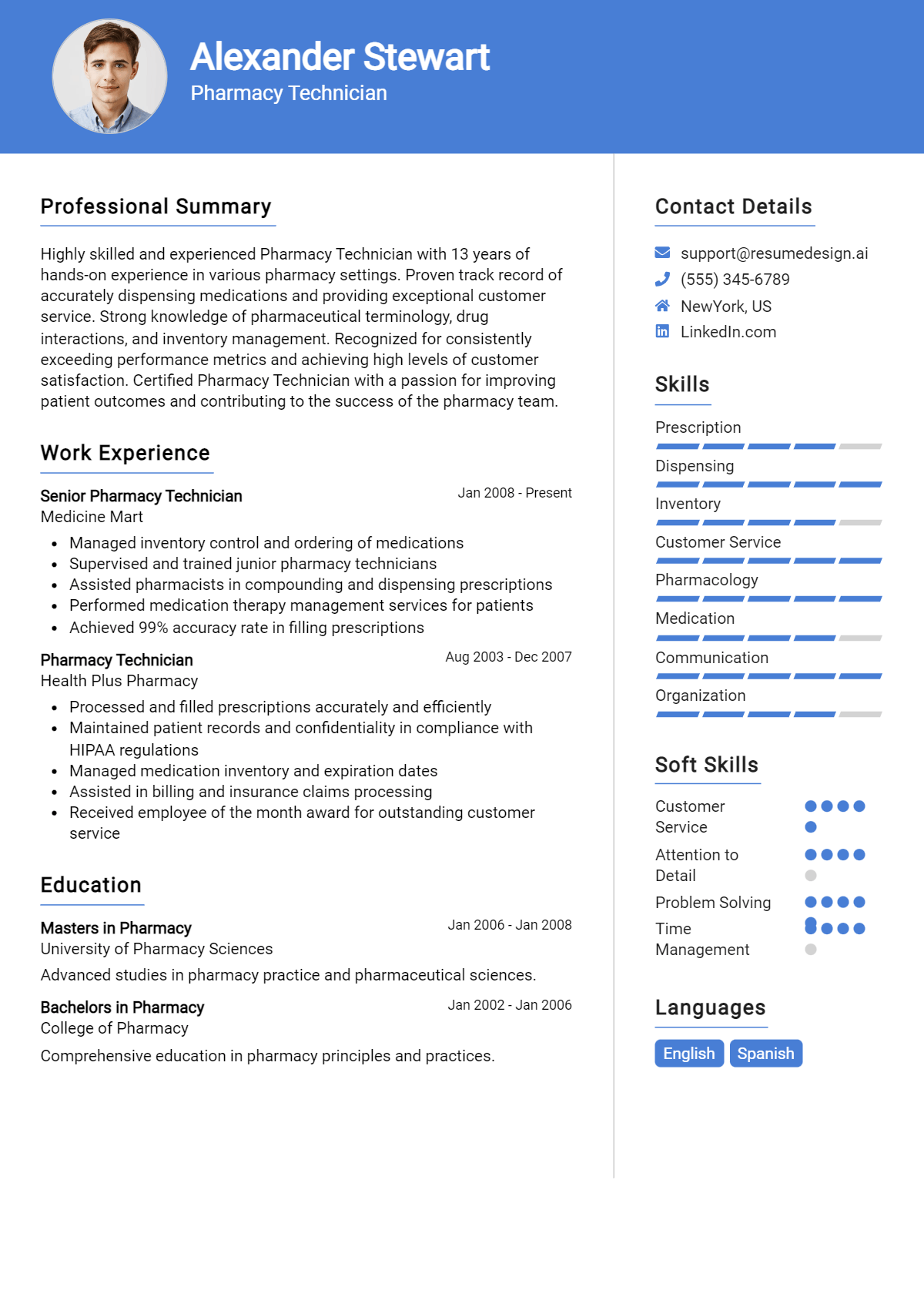
When preparing for a job interview as a Pharmacy Technician, it’s essential to understand the types of questions you may be asked to effectively showcase your skills and experiences. Employers often look for candidates who not only have the right qualifications but also demonstrate a strong understanding of the pharmacy environment and patient care. Being ready to answer these questions can set you apart from other applicants and highlight your commitment to the role.
Here is a list of common job interview questions for Pharmacy Technicians, along with examples of the best answers. These questions cover your work history and experience, what you have to offer the employer, and your goals for the future, providing a comprehensive insight into your capabilities and aspirations within the pharmacy field.
1. Can you describe your experience with medication dispensing?
In my previous role, I accurately dispensed medications under the supervision of a pharmacist. I ensured proper labeling and patient information was provided, while adhering to safety protocols. My attention to detail and organizational skills helped minimize errors and improve workflow.
Example:
During my internship, I processed over 100 prescriptions daily, verifying that each was correct before dispensing. This experience taught me the importance of precision and thoroughness in medication management.
2. How do you handle difficult customers in a pharmacy setting?
I approach difficult customers with empathy and patience, actively listening to their concerns. I strive to resolve issues by communicating clearly and providing solutions. If necessary, I escalate to the pharmacist to ensure customer satisfaction while maintaining professionalism throughout the interaction.
Example:
Once, a customer was upset about a prescription delay. I listened to her concerns, apologized, and assured her I would expedite the process, ultimately resolving the issue and restoring her trust.
3. What steps do you take to ensure accuracy in your work?
To ensure accuracy, I double-check prescriptions against patient records, confirm dosages, and review labeling before dispensing. I also maintain a clean workspace to minimize distractions, enabling me to focus on each task with precision and care.
Example:
I developed a checklist system to verify prescriptions, which significantly reduced errors. This method not only improved my accuracy but also enhanced the overall workflow in the pharmacy.
4. Can you explain the importance of HIPAA in a pharmacy?
HIPAA is essential for protecting patient privacy and confidentiality in healthcare. As a Pharmacy Technician, I ensure that patient information is only shared with authorized personnel and handled securely to maintain trust and comply with legal regulations, safeguarding sensitive data.
Example:
I always ensure that patient conversations are held discreetly and that electronic records are accessed securely, demonstrating my commitment to HIPAA compliance and patient confidentiality.
5. How do you stay updated on new medications and pharmacy practices?
I stay informed by regularly reading pharmaceutical journals, attending workshops, and participating in online courses. Networking with colleagues and discussing new developments also helps me keep my knowledge current and ensures I provide the best care to patients.
Example:
I recently completed a course on immunization practices, which enhanced my understanding of new vaccines and allowed me to assist in our pharmacy's vaccination efforts effectively.
6. Describe a time you made a mistake in the pharmacy. What did you learn?
I once misread a prescription label, dispensing the wrong dosage. Upon realizing, I immediately reported it to my supervisor and corrected the error. This experience taught me the importance of thoroughness and reinforced my commitment to double-checking all prescriptions to prevent future mistakes.
Example:
After the incident, I implemented a personal verification process, which significantly decreased my error rate and improved my confidence in handling prescriptions.
7. What do you consider the most challenging aspect of being a Pharmacy Technician?
The most challenging aspect is managing high volumes of prescriptions during peak hours while maintaining accuracy and customer service. I prioritize tasks and remain calm under pressure, which helps me meet deadlines without compromising quality or patient care.
Example:
During flu season, I handled increased traffic by streamlining processes and collaborating with coworkers, ensuring we met patient needs efficiently without sacrificing service quality.
8. How do you prioritize your tasks during a busy shift?
I prioritize tasks by assessing urgency and patient needs. I address critical prescriptions first, then move to routine tasks. Effective communication with my team also helps us manage workload collaboratively, ensuring all duties are completed efficiently and accurately.
Example:
For instance, during a busy flu season, I focused on urgent prescriptions while delegating less urgent tasks to team members, optimizing our workflow and maintaining service levels.
9. How do you handle stressful situations in the pharmacy?
I prioritize tasks and remain calm under pressure. For example, during peak hours, I focus on urgent prescriptions first while maintaining accuracy. Good communication with my team ensures we support each other, reducing stress and improving workflow.
Example:
In a busy pharmacy, I stay organized by using checklists and prioritize tasks. This helps me focus on urgent needs while supporting my colleagues, ensuring we maintain a high level of service even during peak times.
10. Can you describe a time when you made an error? How did you handle it?
Once, I incorrectly labeled a medication. I immediately informed my supervisor and corrected the mistake before it affected a patient. I learned the importance of double-checking and now implement additional verification steps to prevent future errors.
Example:
I mistakenly labeled a prescription. I quickly reported it, corrected the label, and informed my supervisor. This taught me to double-check my work and implement new verification practices, significantly reducing the chances of future errors.
11. How do you ensure that you stay updated with new medications and pharmacy practices?
I subscribe to pharmacy journals and attend continuing education seminars. I also participate in online forums and discussions with colleagues to share knowledge about new medications, ensuring that I remain informed about the latest developments in the field.
Example:
I regularly read pharmacy journals and attend webinars. I also engage in discussions with peers to exchange information about new medications, ensuring I stay current with industry trends and best practices.
12. What steps do you take to ensure patient confidentiality?
I adhere strictly to HIPAA regulations and always ensure that patient information is stored securely. I avoid discussing patient details in public areas and ensure that electronic records are password-protected, reinforcing the importance of confidentiality in my daily practices.
Example:
I follow HIPAA guidelines meticulously, ensuring all patient information is secure. I avoid discussing sensitive information publicly and ensure electronic systems are protected by strong passwords to maintain confidentiality.
13. How do you handle difficult patients?
I listen actively to their concerns and empathize with their situation. Maintaining a calm demeanor helps to de-escalate tensions. I provide clear information and solutions, ensuring they feel heard, valued, and respected throughout the interaction.
Example:
When dealing with a difficult patient, I remain calm and listen to their concerns. I empathize with their situation and provide clear, respectful solutions, ensuring they feel understood and valued.
14. What is your experience with medication inventory management?
I have managed medication inventories by conducting regular audits, ensuring stock levels are maintained. I utilize inventory management software to track medications, monitor expiration dates, and place orders timely, preventing shortages and ensuring patient safety.
Example:
I regularly conduct inventory audits and use management software to track stock levels and expiration dates. This proactive approach ensures we maintain adequate supplies and avoid medication shortages.
15. How would you handle a situation where a prescription seems suspicious?
I would verify the prescription with the prescribing physician and check for any discrepancies. Maintaining a clear, professional approach is essential to ensure patient safety while complying with legal regulations regarding potential abuse or fraud.
Example:
If a prescription seems suspicious, I verify it with the prescriber to clarify any discrepancies. This ensures patient safety and compliance with legal regulations regarding potential fraud.
16. Why do you want to work as a Pharmacy Technician in our pharmacy?
I admire your pharmacy's commitment to patient care and community service. I believe my skills in customer service and medication management align well with your values. I am eager to contribute to your team and help enhance the patient experience.
Example:
I admire your pharmacy's focus on patient care and community engagement. My experience and dedication to excellent service align with your values, and I am excited to contribute to your team.
17. How do you handle high-pressure situations, especially during busy pharmacy hours?
In high-pressure situations, I prioritize tasks based on urgency, maintain clear communication with my team, and ensure accuracy in every prescription. Staying organized helps me manage stress effectively, ensuring patient safety and satisfaction.
Example:
During peak hours, I focus on urgent prescriptions first while coordinating with my colleagues to streamline workflows, ensuring we provide prompt service without compromising accuracy.
18. Can you describe your experience with pharmacy software and technology?
I have extensive experience with various pharmacy management systems, including Rx30 and PioneerRx. I am proficient in entering prescriptions, managing inventory, and generating reports, which enhances workflow efficiency and accuracy in medication dispensing.
Example:
At my previous job, I trained new employees on using Rx30, which improved their confidence and efficiency, resulting in a smoother operation during busy hours.
19. How do you ensure accuracy when filling prescriptions?
I follow a systematic approach to ensure accuracy, including double-checking dosages, confirming patient details, and utilizing technology for verification. I also engage in regular training to stay updated on best practices in medication dispensing.
Example:
I always verify the prescription against the patient's profile and cross-reference with the pharmacist to prevent any errors before dispensing medications.
20. How do you manage and maintain inventory in the pharmacy?
I regularly conduct inventory checks, utilizing inventory management software to track stock levels. I also implement a first-in, first-out (FIFO) system to reduce medication waste and ensure that we are stocked with necessary medications.
Example:
By conducting weekly inventory audits and adjusting our ordering schedule, I helped reduce medication shortages and ensured the pharmacy was always well-stocked.
21. Describe a time when you had to resolve a conflict in the workplace.
In a previous role, a disagreement arose regarding medication dispensing procedures. I facilitated a discussion between the involved parties, promoting open communication and understanding, which led to a resolution and improved team collaboration.
Example:
I encouraged my colleagues to share their perspectives, which helped us agree on a standardized procedure that everyone felt comfortable following.
22. What steps do you take to stay updated with pharmaceutical regulations and changes?
I subscribe to industry newsletters, attend workshops, and participate in online courses to stay informed about pharmaceutical regulations. Networking with other professionals also provides insights into best practices and recent changes in the field.
Example:
I recently completed a course on new FDA regulations, ensuring my knowledge is current and applicable in my daily work.
23. How do you handle patient inquiries regarding medications?
I listen attentively to patient inquiries, providing clear and concise information while ensuring confidentiality. If I cannot answer their questions, I promptly refer them to the pharmacist for further assistance, ensuring patients receive accurate information.
Example:
When patients ask about side effects, I explain them in simple terms and reassure them that they can always consult the pharmacist for more detailed information.
24. How do you approach teamwork in a pharmacy setting?
I believe effective teamwork is essential in a pharmacy. I communicate openly with my colleagues, support them in their tasks, and contribute to a positive work environment. Collaboration ensures that we provide the best care for our patients.
Example:
I often coordinate with my team to share workload during busy hours, which not only improves efficiency but also fosters a supportive atmosphere.
25. How do you manage your time and prioritize tasks in a busy pharmacy environment?
I prioritize tasks by assessing urgency and importance, using a checklist to ensure nothing is overlooked. I also communicate with my team to delegate effectively during peak times. Efficient time management minimizes errors and enhances patient satisfaction.
Example:
During busy hours, I create a priority list, focusing on prescriptions that are due first and managing incoming calls without disrupting workflow, ensuring all tasks are handled promptly and accurately.
26. Describe a time when you had to handle a difficult customer. What was the situation and outcome?
I once encountered a frustrated customer upset about a medication shortage. I listened actively and empathized with their concerns, providing alternative solutions and ensuring they received their medication promptly. This approach calmed them and built trust in our service.
Example:
I calmly addressed a customer's concerns about a medication delay by offering alternatives and keeping them updated, which turned their frustration into appreciation for our proactive communication.
27. How do you ensure accuracy when filling prescriptions?
I double-check the prescription against patient records and verify dosages and medication interactions. I also utilize technology, like barcode scanning, and confirm with pharmacists when in doubt to minimize any potential errors.
Example:
I always cross-reference the prescription label with the original request and use technology to scan medications, ensuring accuracy before final verification by a pharmacist.
28. What steps do you take if you discover a medication error?
If I discover a medication error, I immediately notify the pharmacist and follow our protocols to rectify the mistake. I document the incident for future reference and review the circumstances to prevent similar occurrences.
Example:
Upon noticing a mislabeling error, I promptly informed my supervisor, corrected the label, and documented the incident to enhance our training procedures moving forward.
29. How do you stay updated with pharmacy laws and regulations?
I regularly attend training sessions, subscribe to industry newsletters, and participate in professional organizations. This commitment ensures I remain informed about the latest changes in pharmacy laws and best practices, which is essential for compliance.
Example:
I actively participate in continuing education courses and follow reputable sources online to keep abreast of new regulations, ensuring compliance within my pharmacy.
30. Can you describe your experience with pharmacy software systems?
I have experience using various pharmacy management systems, including dispensing software and electronic health records. I am proficient in entering prescriptions, managing inventory, and generating reports, which enhances overall pharmacy efficiency.
Example:
In my previous role, I utilized a pharmacy software system to accurately enter and track prescriptions, managing inventory seamlessly, which improved our workflow significantly.
31. What would you do if a patient asked for a medication without a prescription?
I would politely explain the importance of having a prescription for safety and legal reasons. I would also offer to assist them in contacting their healthcare provider to obtain one, ensuring they understand the process and feel supported.
Example:
If approached for medication without a prescription, I would kindly inform the patient of the requirement and guide them to their doctor for a proper prescription.
32. How do you handle stress in a fast-paced work environment?
I manage stress by maintaining organized workflows and taking short breaks when possible. Practicing deep breathing techniques helps me stay focused, allowing me to deliver quality service even during high-pressure situations.
Example:
During peak hours, I prioritize my tasks effectively and use breathing exercises to maintain clarity, which helps me handle stress and provide excellent patient care.
33. How do you prioritize tasks when working in a busy pharmacy?
I assess the urgency of prescriptions and patient needs, then organize my tasks accordingly. This helps me manage workflow effectively and maintain high service levels during peak times.
Example:
In busy hours, I focus on filling urgent prescriptions first and then tackle refill requests. Using a checklist keeps me organized and ensures no task is overlooked.
34. Describe a time you dealt with a difficult customer.
I encountered a frustrated customer whose insurance claim was denied. I listened empathetically, explained the situation, and assisted them in finding alternative payment options, which resolved their concerns and maintained their trust.
Example:
I calmly listened to the customer's issue about their prescription cost, provided clear explanations of their options, and ensured they left satisfied with a suitable solution.
35. What steps do you take to ensure accuracy when filling prescriptions?
I double-check the medication name, dosage, and patient information against the prescription. I also consult with pharmacists for any clarifications before finalizing the order to ensure precision.
Example:
Before dispensing, I verify the prescription details against the system and perform a final check with a colleague to confirm accuracy, preventing any potential errors.
36. How do you stay updated with pharmacy laws and regulations?
I regularly attend continuing education workshops, subscribe to pharmacy journals, and participate in online forums. This helps me stay compliant with current regulations and best practices in the pharmacy field.
Example:
I follow reputable pharmacy organizations online and attend monthly training sessions to keep my knowledge current regarding laws and regulations affecting our practice.
37. Can you explain the process for handling medication returns?
I follow established protocols to inspect returned medications for integrity and expiry. Then, I process them according to pharmacy policy, ensuring proper documentation for inventory management and compliance.
Example:
I check each return against our guidelines, ensuring it’s unopened and within the return period, then properly document the return in our system for inventory accuracy.
38. What would you do if you noticed a colleague making a mistake?
I would address the issue privately with my colleague, providing constructive feedback. If necessary, I would inform a pharmacist to ensure patient safety and maintain the integrity of our pharmacy.
Example:
I would first speak with my colleague to clarify the mistake, then involve a supervisor if the error could impact patient safety, ensuring we uphold pharmacy standards.
39. How do you handle stress during busy periods in the pharmacy?
I prioritize tasks and maintain a calm demeanor. Taking short breaks when needed helps me recharge. I also practice deep breathing techniques to manage stress effectively during peak hours.
Example:
When stress levels rise, I focus on one task at a time and take brief moments to breathe deeply, which helps me maintain my composure and efficiency.
40. What role do you think a Pharmacy Technician plays in patient care?
A Pharmacy Technician plays a crucial role in patient care by ensuring accurate medication dispensing, providing drug information, and assisting in patient education, ultimately supporting the pharmacist in delivering optimal health outcomes.
Example:
I believe we are essential in bridging communication between patients and pharmacists, ensuring patients understand their medications and feel supported in their health journeys.
41. How do you handle a situation where a customer's prescription is not ready on time?
I would promptly apologize for the inconvenience and explain the reason for the delay. I would reassure the customer that I am prioritizing their prescription and offer to expedite the process while keeping them updated on the timeline.
Example:
In a previous role, I encountered a similar situation and immediately communicated with the pharmacist. I informed the customer and provided updates, ensuring they felt valued and informed throughout the process.
42. Can you describe your experience with inventory management in a pharmacy?
I have experience managing pharmacy inventory by regularly checking stock levels, placing orders for medications, and ensuring that expired items are removed. I use inventory management software to track medications and maintain optimal stock levels.
Example:
At my previous job, I implemented a more efficient inventory tracking system, which reduced medication shortages by 20% and minimized waste from expired products.
43. How do you ensure the accuracy of prescriptions before dispensing medications?
I double-check each prescription against the patient's profile, verifying details such as dosage, frequency, and any potential drug interactions. I also consult with the pharmacist if there are any discrepancies or concerns.
Example:
In my last position, I developed a checklist to cross-verify prescriptions, which led to a notable decrease in dispensing errors.
44. Describe a time you had to handle a difficult customer. What did you do?
I approached the situation calmly, listened to the customer's concerns, and validated their feelings. I then offered solutions and worked to resolve the issue promptly, ensuring the customer left satisfied with the service provided.
Example:
Once, a customer was upset about a prescription delay. I listened attentively, apologized, and expedited their order while keeping them informed, which turned their frustration into appreciation.
45. What strategies do you use to stay updated on pharmaceuticals and regulations?
I regularly attend training sessions, read industry publications, and participate in online forums. I also collaborate with colleagues to share knowledge about new medications and any changes in regulations to ensure compliance and best practices.
Example:
Recently, I completed a workshop on new drug interactions which helped enhance my knowledge and improved patient counseling in our pharmacy.
46. How do you prioritize your tasks during a busy shift?
I assess the urgency of each task and prioritize based on patient needs and prescription deadlines. I utilize tools such as checklists and communication with team members to ensure that critical tasks are completed efficiently.
Example:
During peak hours, I focus on filling prescriptions first while managing customer inquiries simultaneously, maintaining an organized workflow to ensure timely service.
How Do I Prepare For A Pharmacy Technician Job Interview?
Preparing for a pharmacy technician job interview is crucial to making a positive impression on the hiring manager. A well-prepared candidate not only demonstrates their interest in the position but also showcases their professionalism and readiness to contribute to the pharmacy team. Here are some essential tips to help you prepare effectively:
- Research the company and its values to understand its mission and culture.
- Practice answering common interview questions related to pharmacy practices and customer service.
- Prepare examples that demonstrate your skills and experience relevant to the pharmacy technician role.
- Familiarize yourself with the latest pharmacy technologies and regulations to discuss them confidently.
- Plan your attire ahead of time, ensuring it is professional and appropriate for the interview setting.
- Prepare thoughtful questions to ask the interviewer about the role and the company.
- Review your resume and be ready to discuss any experiences or qualifications listed.
Frequently Asked Questions (FAQ) for Pharmacy Technician Job Interview
Being well-prepared for your Pharmacy Technician job interview is crucial for making a positive impression. Understanding the common questions that may arise can help you articulate your experience and skills effectively, boosting your confidence and enhancing your chances of success.
What should I bring to a Pharmacy Technician interview?
When attending a Pharmacy Technician interview, it's essential to bring several key items to demonstrate your professionalism and preparedness. Start with multiple copies of your resume and any relevant certifications, such as your pharmacy technician certification or state licenses. Additionally, bring a notepad and pen for taking notes during the interview, as well as a list of questions you might want to ask the interviewer. If you have any references, consider bringing a list of them as well. Being organized with these materials shows your commitment to the role.
How should I prepare for technical questions in a Pharmacy Technician interview?
To prepare for technical questions, review the essential duties and responsibilities of a Pharmacy Technician, such as medication dispensing, understanding drug interactions, and familiarity with pharmaceutical terminology. Brush up on relevant laws and regulations, including those pertaining to pharmacy practices in your state. Additionally, consider practicing common technical questions with a friend or family member, focusing on articulating your thoughts clearly and confidently. Familiarity with the pharmacy software used at the facility can also be beneficial.
How can I best present my skills if I have little experience?
If you have limited experience, focus on transferable skills and any relevant training or education you have completed. Highlight your attention to detail, ability to work in a fast-paced environment, and strong communication skills. Discuss any internships, volunteer work, or related coursework that has equipped you with practical knowledge. Emphasize your willingness to learn and adapt, as a positive attitude and enthusiasm for the role can often resonate well with employers.
What should I wear to a Pharmacy Technician interview?
Your attire for a Pharmacy Technician interview should reflect professionalism and respect for the position. Opt for business casual clothing, such as slacks or a skirt paired with a button-up shirt or blouse. Avoid overly casual items like jeans or sneakers. Ensure that your outfit is clean, neat, and comfortable, as this will help you feel more confident during the interview. Remember that first impressions matter, so dressing appropriately can positively influence how interviewers perceive you.
How should I follow up after the interview?
Following up after your Pharmacy Technician interview is an important step in demonstrating your continued interest in the position. Send a thank-you email within 24 hours to express your gratitude for the opportunity to interview. In your message, briefly reiterate your enthusiasm for the role and mention any key points discussed during the interview that reinforced your fit for the position. This thoughtful gesture not only shows your professionalism but also keeps you fresh in the interviewer's mind as they make their decision.
Conclusion
In summary, this interview guide has highlighted the essential elements of preparing for a Pharmacy Technician interview, emphasizing the importance of thorough preparation, practice, and showcasing relevant skills. Candidates who focus on both technical and behavioral questions significantly enhance their chances of success in the interview process.
By taking advantage of the tips and examples provided in this guide, candidates can approach their interviews with confidence and a clear understanding of what to expect. Remember, preparation is key, and with the right mindset, you can excel in your interview.
For further assistance, check out these helpful resources: resume templates, resume builder, interview preparation tips, and cover letter templates.