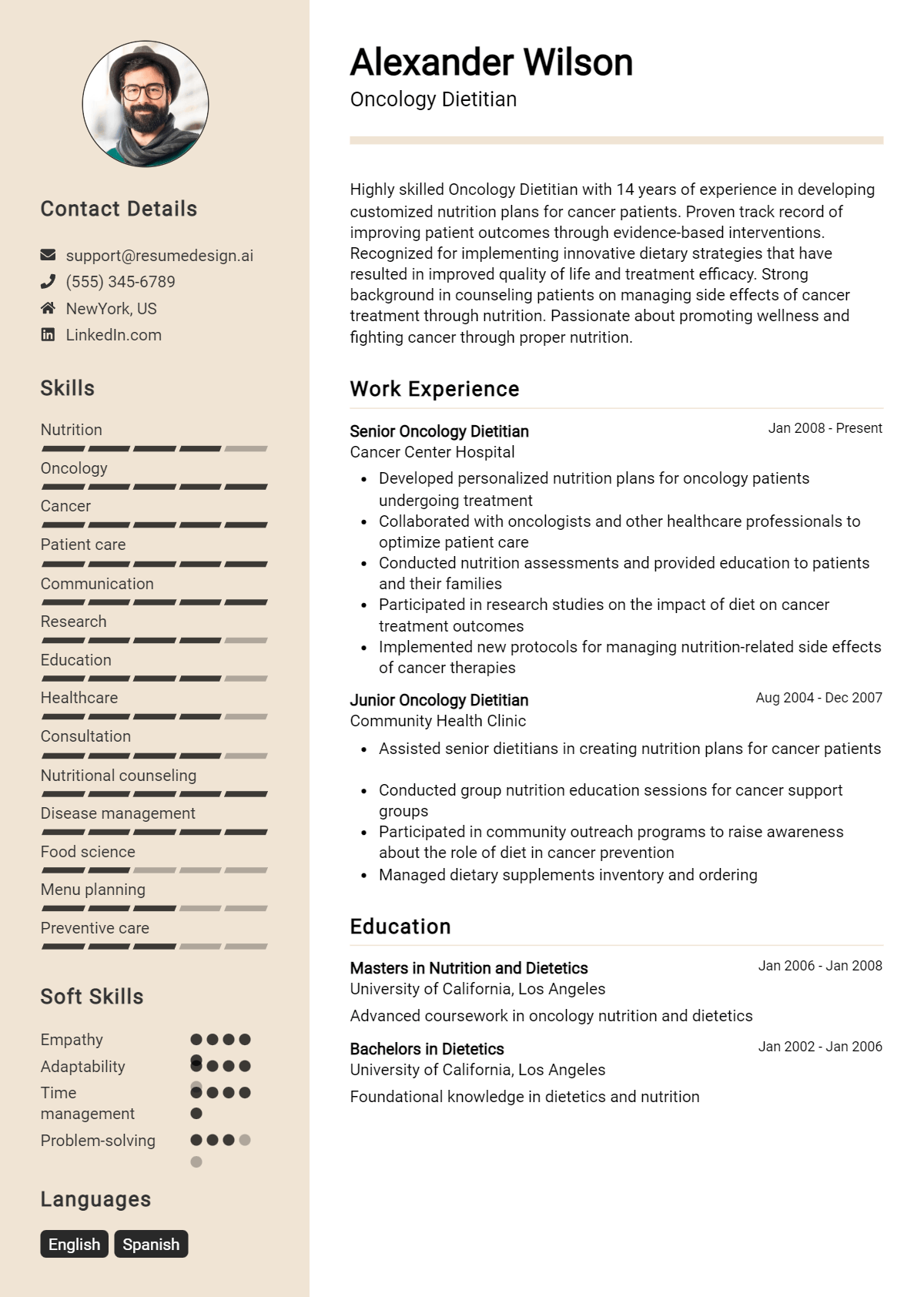
When preparing for a job interview as an Oncology Dietitian, it's essential to anticipate the types of questions that may be asked. The interview process not only assesses your technical knowledge and experience in nutrition as it relates to cancer care, but also evaluates your ability to connect with patients and collaborate with a multidisciplinary team. Being well-prepared with thoughtful responses can help you convey your passion for patient care and your expertise in dietary strategies that support oncology treatment.
Here is a list of common job interview questions, with examples of the best answers tailored for the Oncology Dietitian role. These questions will explore your work history and experience in oncology nutrition, what unique skills you bring to the table, and how your professional goals align with the mission of the healthcare facility. Preparing for these inquiries can help you articulate your qualifications and demonstrate your commitment to enhancing patient outcomes through nutrition.
1. Can you describe your experience working with oncology patients?
I have over five years of experience as an oncology dietitian, working closely with patients undergoing chemotherapy and radiation. I develop individualized nutrition plans that support their specific needs, helping to manage side effects and improve overall well-being.
Example:
In my previous role, I created tailored meal plans for patients, focusing on nutrient-dense foods to combat fatigue and nausea, which significantly improved their treatment tolerance.
2. How do you assess the nutritional needs of oncology patients?
I conduct comprehensive assessments including dietary history, weight changes, and biochemical data. Collaborating with the healthcare team ensures that I address both the physical and emotional aspects of nutrition during treatment, leading to more effective care plans.
Example:
I utilize tools like the Subjective Global Assessment and work with nurses to monitor weight changes, tailoring interventions accordingly.
3. What strategies do you use to manage patients' side effects from treatment?
I focus on dietary modifications to alleviate common side effects such as nausea and loss of appetite. This includes recommending small, frequent meals and incorporating ginger or peppermint for nausea relief, while also ensuring adequate hydration.
Example:
For a patient experiencing nausea, I suggested bland foods and smoothies, which helped them maintain their caloric intake during treatment.
4. How do you stay updated on the latest research in oncology nutrition?
I regularly read professional journals, attend conferences, and participate in online courses. Engaging with professional organizations like the Academy of Nutrition and Dietetics ensures I apply the latest evidence-based practices in my work.
Example:
Recently, I attended a webinar on the role of nutrition in immunotherapy, which helped me enhance my patient education materials.
5. Can you give an example of a challenging case you handled?
I once worked with a patient who was severely malnourished due to treatment side effects. I collaborated with the medical team to create a high-calorie, high-protein diet, and we introduced enteral nutrition to stabilize their health.
Example:
With ongoing support and adjustments, the patient regained strength, which positively impacted their treatment outcomes.
6. How do you involve patients and their families in the nutrition care process?
I prioritize open communication, educating patients and their families about nutrition's role in treatment. I involve them in setting goals, ensuring that dietary choices are culturally appropriate and sustainable for their lifestyles.
Example:
By conducting family meetings, I empower them to support healthy eating habits at home, enhancing adherence.
7. What role does hydration play in the care of oncology patients?
Hydration is crucial, especially for patients experiencing vomiting or diarrhea. I assess fluid intake and educate patients on electrolyte-rich beverages to prevent dehydration, which can worsen fatigue and impact overall treatment effectiveness.
Example:
I encourage patients to drink fluids throughout the day, personalizing recommendations based on their treatment and symptoms.
8. How do you handle patients who refuse to follow dietary recommendations?
I approach this with empathy, trying to understand their concerns. I offer alternative suggestions and involve them in creating practical, enjoyable meal plans. Building trust is key to helping them see the importance of nutrition.
Example:
In one case, I discovered a patient's dislike for certain foods and helped them find alternatives that met their nutritional needs.
9. How do you stay current with the latest research in oncology nutrition?
I subscribe to reputable journals, attend professional conferences, and participate in webinars. Networking with other oncology dietitians also helps me share insights and resources, ensuring my practice is based on the most current evidence and guidelines.
Example:
I regularly read journals like "Nutrition and Cancer" and attend annual oncology nutrition conferences to keep my knowledge updated. I also engage in online forums with fellow dietitians to discuss new findings and best practices.
10. Can you describe your experience working with patients undergoing chemotherapy?
I’ve worked closely with chemotherapy patients, focusing on managing nausea and weight loss through tailored meal plans. I emphasize nutrient-dense foods and hydration to support their treatment while addressing their specific dietary preferences and restrictions.
Example:
In my previous role, I helped a patient experiencing severe nausea by suggesting small, frequent meals and incorporating ginger and peppermint. This approach improved their appetite and overall well-being during treatment.
11. How do you approach dietary modifications for patients with specific cancer types?
I customize dietary plans based on the type of cancer and its treatment, considering the patient's nutritional needs and side effects. I collaborate with the healthcare team to ensure a holistic approach that supports their overall health.
Example:
For a patient with colorectal cancer, I focused on high-fiber foods post-surgery while ensuring their diet was easy to digest. This balance helped in their recovery and long-term digestive health.
12. How do you handle patients who are resistant to dietary changes?
I first listen to their concerns and try to understand their perspective. I then provide education on the benefits of dietary changes and offer simple, realistic options that align with their preferences to encourage gradual acceptance.
Example:
Once, I worked with a patient hesitant to reduce sugar intake. I listened to her concerns and suggested healthier alternatives she enjoyed, which made her more open to change.
13. What strategies do you use to educate patients about nutrition during treatment?
I use a combination of one-on-one counseling, printed materials, and visual aids to make the information accessible. I tailor my approach based on the patient’s literacy level and health literacy to ensure comprehension.
Example:
I often create handouts with easy-to-understand visuals. For instance, I developed a chart that illustrates portion sizes, which helped patients grasp the importance of balanced meals during treatment.
14. How do you assess a patient’s nutritional status effectively?
I assess nutritional status through various methods, including dietary recalls, physical assessments, and laboratory values. This comprehensive approach allows me to identify deficiencies and tailor interventions accordingly to meet their needs.
Example:
In assessing a patient, I combine a 24-hour dietary recall with a physical exam. This helps me identify any potential deficiencies and develop a targeted nutrition plan for them.
15. Can you discuss a challenging case and how you approached it?
I once worked with a patient who had advanced cancer and severe malnutrition. I collaborated with the medical team to create a high-calorie, nutrient-dense meal plan and encouraged the use of oral supplements to improve their intake and strength.
Example:
I collaborated with the oncology team to develop a tailored meal plan for a severely malnourished patient. We focused on high-calorie shakes and nutrient-dense foods, which significantly improved their energy levels.
16. What role do you think nutrition plays in cancer prevention?
Nutrition is vital in cancer prevention, as a balanced diet rich in fruits, vegetables, and whole grains can reduce risk factors. I educate patients on how lifestyle choices impact their health and promote dietary habits that support overall well-being.
Example:
I emphasize the role of antioxidants and fiber in my education sessions, highlighting studies linking these nutrients to lower cancer risks, encouraging patients to make healthier choices.
17. Can you describe your experience with nutritional counseling for cancer patients?
I have extensive experience providing nutritional counseling to cancer patients, focusing on their unique dietary needs. I employ a personalized approach, assessing each patient's condition and treatment plan to recommend tailored dietary strategies that enhance their quality of life and support their overall health.
Example:
In my previous role, I worked closely with a breast cancer patient, helping her manage side effects through tailored meal plans that supported her treatment while ensuring adequate nutrient intake.
18. How do you handle patients who are reluctant to change their diets?
I approach reluctant patients with empathy, understanding their concerns. I engage them in open discussions about the benefits of dietary changes and work collaboratively to identify small, manageable modifications that align with their preferences and cultural background, fostering a supportive environment for change.
Example:
For a patient resistant to dietary changes, I initiated a conversation about their food preferences and gradually introduced healthier options that matched their tastes, leading to a successful adoption of a more nutritious diet.
19. What role do you think hydration plays in cancer care?
Hydration is crucial in cancer care, as it aids in nutrient absorption, helps manage side effects, and supports overall bodily functions. I emphasize proper hydration strategies tailored to each patient's needs, ensuring they understand the importance of fluid intake during treatment.
Example:
I often educate patients about hydration, especially those undergoing chemotherapy, stressing how it can alleviate symptoms like nausea and fatigue, which enhances their treatment experience.
20. Describe a time you collaborated with other healthcare professionals.
I regularly collaborate with oncologists, nurses, and social workers to ensure comprehensive care for patients. In one instance, I coordinated with a medical team to address a patient’s nutritional needs post-surgery, ensuring a seamless transition in care and effective recovery.
Example:
I worked with a multidisciplinary team to develop a care plan for a patient with esophageal cancer, aligning dietary recommendations with their medical treatment and recovery goals.
21. How do you stay updated on the latest research in oncology nutrition?
I stay updated on oncology nutrition by subscribing to professional journals, attending relevant workshops and conferences, and participating in online courses. This continuous education helps me provide evidence-based dietary recommendations to my patients and stay informed about emerging trends.
Example:
I recently attended a conference focused on nutrition in cancer care, where I learned about new dietary interventions that I am currently incorporating into my practice.
22. What strategies do you utilize for managing cachexia in cancer patients?
I utilize strategies such as high-calorie, nutrient-dense foods and frequent small meals to combat cachexia. Additionally, I work closely with patients to monitor their intake and adjust dietary plans to ensure they receive adequate nutrition throughout their treatment journey.
Example:
By creating a customized meal plan for a patient experiencing cachexia, I focused on high-protein snacks and supplements that fit their lifestyle, significantly improving their nutritional status.
23. How do you assess the nutritional status of your patients?
I assess nutritional status through comprehensive evaluations that include dietary histories, anthropometric measurements, and biochemical data. This holistic approach allows me to identify deficiencies and tailor dietary interventions that best meet the specific needs of each patient.
Example:
I recently assessed a patient’s nutritional status using a combination of food diaries and weight monitoring, which helped identify key areas for dietary improvement.
24. Can you give an example of how you have improved a patient's quality of life through dietary changes?
I once worked with a patient experiencing severe fatigue during treatment. By adjusting their diet to include more energy-dense foods and scheduling frequent meals, I was able to enhance their energy levels and overall well-being, significantly improving their quality of life.
Example:
After implementing a meal plan rich in whole grains and proteins, my patient reported increased energy, allowing them to engage more in daily activities and enjoy life during treatment.
25. How do you approach creating a personalized nutrition plan for a cancer patient?
I begin by assessing the patient's medical history, dietary preferences, and treatment plan. Collaboration with the healthcare team is essential to address unique needs. I focus on nutrient-dense foods to enhance their overall health and wellbeing throughout treatment.
Example:
I assess their preferences and medical history, then collaborate with the medical team to develop a plan. For example, I once tailored a nutrient-dense plan for a patient undergoing chemotherapy, ensuring it met their unique dietary needs and preferences.
26. Can you describe a time when you had to educate a patient about nutrition during treatment?
I once worked with a patient struggling with weight loss during chemotherapy. I provided educational materials and one-on-one counseling, focusing on high-calorie, nutrient-rich foods. This approach empowered the patient to make informed choices, ultimately improving their intake and energy levels.
Example:
I educated a chemotherapy patient on high-calorie snacks, providing handouts and discussing strategies. This led to improved weight maintenance and energy levels, showcasing the importance of tailored nutrition education during treatment.
27. How do you stay updated with the latest research in oncology nutrition?
I regularly attend professional conferences, participate in webinars, and read peer-reviewed journals related to oncology nutrition. Staying connected with professional organizations also helps me access the latest guidelines and research findings, ensuring my practice remains evidence-based.
Example:
I attend annual oncology nutrition conferences and subscribe to relevant journals. I also follow professional organizations’ updates, ensuring I remain informed about emerging research and best practices in the field.
28. What strategies do you use to address the nutritional needs of patients experiencing side effects from treatment?
I assess the specific side effects each patient experiences and tailor my recommendations accordingly. For example, if a patient has nausea, I suggest small, frequent meals with bland foods. Continuous monitoring and adjusting the plan are key to managing their nutritional intake effectively.
Example:
I adjust recommendations based on side effects. For nausea, I suggest bland foods and small meals. Continuous assessment helps me adapt their plan, ensuring they maintain adequate nutrition throughout their treatment.
29. How do you collaborate with other healthcare professionals in the oncology setting?
Collaboration is vital; I regularly communicate with oncologists, nurses, and social workers. We hold multidisciplinary meetings to discuss patient care plans, ensuring everyone is aligned. This teamwork enhances patient outcomes and provides comprehensive support throughout the treatment process.
Example:
I participate in multidisciplinary team meetings to discuss patient care. By collaborating with oncologists and nurses, we align our strategies, ensuring comprehensive support and improved patient outcomes throughout their treatment journey.
30. How do you handle cultural differences in dietary preferences among patients?
I approach cultural differences with respect and curiosity. I ask patients about their dietary preferences and traditions, integrating their cultural foods into their nutrition plans. This personalized approach fosters trust and encourages adherence to the dietary recommendations.
Example:
I respect cultural dietary preferences by asking about traditional foods. For example, I once incorporated a patient’s cultural dishes into their nutrition plan, enhancing their comfort and adherence to the recommendations.
31. Can you discuss the importance of hydration for cancer patients?
Hydration is crucial for cancer patients, especially those undergoing treatment. It helps prevent dehydration, assists in nutrient absorption, and supports overall bodily functions. I educate patients on recognizing hydration needs and suggest strategies for maintaining adequate fluid intake.
Example:
I emphasize hydration’s role in preventing dehydration and aiding nutrient absorption. I provide practical tips, such as incorporating broths and hydrating foods, to help patients maintain adequate fluid intake during treatment.
32. How do you support patients in maintaining a healthy weight during treatment?
I assess each patient’s weight status and nutritional needs, providing personalized meal planning and counseling. Encouraging nutrient-dense foods and regular monitoring of their weight helps ensure they maintain a healthy weight throughout their treatment journey.
<strong>Example:</strong>
<div class='interview-answer'>
    I create personalized meal plans focused on nutrient-dense foods, encouraging regular monitoring. This approach helps patients maintain a
33. Can you describe your experience with dietary management in cancer patients undergoing chemotherapy?
I have worked closely with chemotherapy patients to develop individualized meal plans focusing on nutrient-dense foods. I monitor their side effects and adjust the diets accordingly to improve tolerance and maintain strength throughout treatment.
Example:
In my previous role, I created meal plans for patients experiencing nausea, ensuring they received adequate calories while focusing on easy-to-digest foods.
34. How do you stay current with the latest research in oncology nutrition?
I subscribe to leading journals, attend conferences, and participate in webinars focused on oncology and nutrition. This helps me integrate new evidence-based practices into my patient care and counseling.
Example:
Recently, I attended a workshop on the impact of gut microbiota on cancer treatment, which has influenced my dietary recommendations for patients.
35. Describe a time when you had to educate a patient about nutrition during their treatment.
I once worked with a patient who was hesitant about changing their diet. I provided evidence-based resources and tailored advice to address their concerns, ultimately helping them understand the importance of nutrition in their recovery process.
Example:
During a consultation, I shared studies showing how certain foods can enhance treatment efficacy, which motivated the patient to make dietary changes.
36. How do you approach meal planning for patients with different treatment side effects?
I assess each patient's side effects and preferences, then create flexible meal plans that address their specific needs, like soft foods for mouth sores or high-protein snacks for fatigue, ensuring they receive balanced nutrition.
Example:
For a patient with nausea, I suggested small, frequent meals with bland foods, which significantly improved their intake and comfort.
37. What strategies do you use to encourage patients to adhere to their prescribed dietary plans?
I employ motivational interviewing techniques to understand patients' barriers and collaboratively set realistic goals. This patient-centered approach fosters ownership and improves adherence to dietary recommendations.
Example:
By discussing their preferences, I helped a patient choose foods they enjoyed, which made it easier for them to follow the diet.
38. How do you handle a situation where a patient refuses to follow dietary recommendations?
I listen to their concerns and explore the reasons behind their refusal. By providing education and involving them in the decision-making process, I aim to find a compromise that respects their choices while promoting better health.
Example:
When a patient refused to cut out certain foods, I worked with them to find healthier alternatives they were willing to try.
39. Can you explain the role of hydration in cancer treatment and how you address it with patients?
Hydration is crucial for maintaining overall health and supporting bodily functions during cancer treatment. I educate patients on fluid needs and provide practical tips for increasing their intake, such as incorporating hydrating foods and setting reminders.
Example:
I often recommend smoothies and soups, which can be both hydrating and nutritious, to help patients meet their hydration goals.
40. What challenges have you faced in your role as an oncology dietitian, and how did you overcome them?
One challenge was addressing patients' varied nutritional beliefs. I overcame this by providing evidence-based information and creating a respectful dialogue that allowed patients to express their views while guiding them towards healthier choices.
Example:
Through open discussions, I helped a patient reconcile their dietary beliefs with the need for balanced nutrition during treatment.
41. How do you approach nutritional counseling for patients with different cancer types?
I assess each patient's unique needs and preferences, considering their specific cancer type and treatment plan. I create tailored nutrition strategies that support their treatment, manage symptoms, and improve quality of life. I prioritize open communication to ensure they feel supported throughout their journey.
Example:
For example, I worked with a breast cancer patient to develop a high-protein meal plan that helped combat fatigue and weight loss during chemotherapy, while also incorporating her dietary preferences.
42. Can you describe a time when you had to modify a nutrition plan due to a patient's changing condition?
I once had a patient whose treatment caused severe nausea. I quickly adapted their meal plan to include small, frequent meals high in carbohydrates and low in fat. This approach minimized discomfort while ensuring they received adequate nutrition throughout their treatment.
Example:
In one case, I recommended bland foods like rice and applesauce, which helped the patient tolerate meals better during chemotherapy.
43. How do you stay updated with the latest research in oncology nutrition?
I regularly read peer-reviewed journals, attend oncology nutrition conferences, and participate in online webinars. Networking with other professionals in the field also enriches my understanding and helps me apply new findings to my practice for better patient outcomes.
Example:
For instance, I recently attended a conference where I learned about the role of probiotics in managing treatment side effects, which I now incorporate in my recommendations.
44. How do you handle patients who are resistant to dietary changes?
I focus on building rapport and understanding their concerns. I provide education on the benefits of dietary changes in relation to their treatment and encourage small, manageable adjustments. This collaborative approach helps them feel more empowered and willing to try new strategies.
Example:
For a patient hesitant about increasing protein intake, I suggested simple swaps, like adding Greek yogurt to their breakfast, which they found more acceptable.
45. Describe your experience in working with a multidisciplinary team.
I regularly collaborate with oncologists, nurses, and social workers to provide comprehensive care. By sharing insights and strategies, we ensure our patients receive well-rounded support. This teamwork enhances patient outcomes and fosters a holistic approach to cancer care.
Example:
In one case, I coordinated with a social worker to address a patient's financial concerns about nutrition supplements, leading to a more effective care plan.
46. What role does cultural sensitivity play in your dietary recommendations?
Cultural sensitivity is crucial in my practice. I respect and incorporate patients' cultural backgrounds and food preferences into their nutrition plans. This personalized approach not only improves adherence but also fosters trust and enhances the overall patient experience during their treatment.
Example:
For example, I once tailored a meal plan for a patient from an Asian background by including familiar foods that aligned with their dietary restrictions.
How Do I Prepare For A Oncology Dietitian Job Interview?
Preparing for an interview is essential to creating a positive impression on the hiring manager. It showcases your professionalism, commitment to the role, and understanding of the unique challenges faced by oncology patients. By taking the time to thoroughly prepare, you can confidently demonstrate your qualifications and passion for the position of Oncology Dietitian.
- Research the company and its values to understand their mission and how you can contribute.
- Practice answering common interview questions related to dietetics and oncology to articulate your expertise.
- Prepare examples that demonstrate your skills and experience specific to the Oncology Dietitian role.
- Familiarize yourself with current trends and advancements in oncology nutrition to discuss during the interview.
- Review the job description carefully, aligning your qualifications with the requirements listed.
- Dress professionally to make a strong first impression and convey your respect for the opportunity.
- Prepare thoughtful questions to ask the interviewer, showing your genuine interest in the position and the organization.
Frequently Asked Questions (FAQ) for Oncology Dietitian Job Interview
Being well-prepared for commonly asked questions during an interview can significantly boost a candidate's confidence and performance. Understanding what to expect and how to respond can help you present yourself as a knowledgeable and capable Oncology Dietitian, making a strong impression on your potential employers.
What should I bring to an Oncology Dietitian interview?
When preparing for an Oncology Dietitian interview, it’s essential to bring several key items. Start with multiple copies of your resume, including any relevant certifications or licenses. A notepad and pen for taking notes during the interview can be very helpful. Additionally, consider bringing a portfolio that highlights your previous work, case studies, or any research relevant to oncology nutrition. Having these materials on hand demonstrates your professionalism and preparedness.
How should I prepare for technical questions in an Oncology Dietitian interview?
To effectively prepare for technical questions, review the latest research and guidelines related to oncology nutrition. Familiarize yourself with common dietary concerns and interventions for cancer patients, such as managing side effects from treatment and tailoring nutrition plans to individual needs. Practicing responses to potential questions can help solidify your knowledge and allow you to articulate your thoughts clearly during the interview. Consider engaging in mock interviews with peers or mentors in the field to refine your answers.
How can I best present my skills if I have little experience?
If your experience in oncology nutrition is limited, focus on highlighting your relevant skills, education, and any internships or volunteer work that relate to the position. Emphasize your passion for oncology dietetics and your willingness to learn. Use examples from your academic projects, research, or other relevant experiences to showcase your knowledge and commitment. Additionally, discuss transferable skills from previous roles that may apply to the position, such as communication, teamwork, and critical thinking.
What should I wear to an Oncology Dietitian interview?
Choosing the right attire for your interview is crucial for making a positive first impression. Opt for professional business attire that conveys confidence and competence. For women, this might include a tailored dress or a blouse paired with dress pants or a skirt. For men, a suit or dress pants with a button-up shirt and tie works well. Ensure your clothing is neat, clean, and appropriate for a healthcare setting. Dressing professionally not only reflects well on you but also shows respect for the interview process and the organization.
How should I follow up after the interview?
Following up after your interview is an important step in the job application process. Within 24 to 48 hours, send a thank-you email to your interviewers expressing your gratitude for the opportunity to interview. In your message, briefly reiterate your interest in the position and highlight a key point discussed during the interview that reinforces your suitability. This not only keeps you top of mind but also demonstrates your professionalism and appreciation for the time they invested in you.
Conclusion
In summary, this interview guide for the Oncology Dietitian role has covered essential aspects to help you prepare effectively for your upcoming interviews. Emphasizing the importance of preparation and practice, we've highlighted how demonstrating both technical knowledge and relevant skills can significantly enhance your chances of success. Additionally, being ready for both technical and behavioral questions will allow you to present yourself as a well-rounded candidate.
We encourage you to take advantage of the tips and examples provided in this guide. By doing so, you'll be better equipped to approach your interviews with confidence and poise. Remember, every interview is an opportunity to showcase your passion for oncology nutrition and your commitment to patient care.
For further assistance, check out these helpful resources: resume templates, resume builder, interview preparation tips, and cover letter templates.