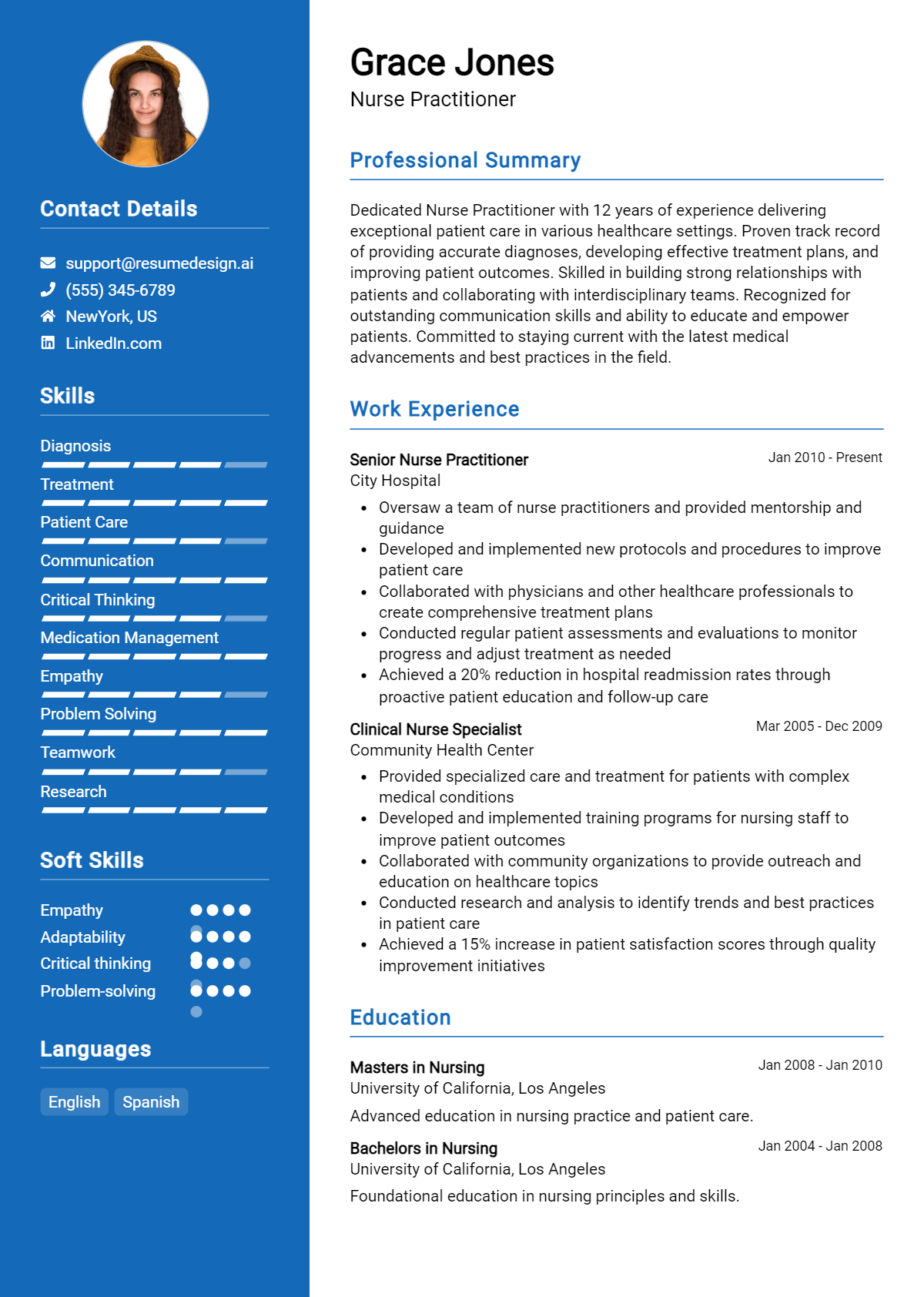
When preparing for a job interview as a Nurse Practitioner, it's essential to understand the types of questions you may encounter. These interviews often focus on your clinical expertise, patient care philosophy, and ability to work collaboratively within a healthcare team. Being well-prepared can help you articulate your qualifications and demonstrate your fit for the role.
Here is a list of common job interview questions for Nurse Practitioners, along with examples of the best answers. These questions cover your work history and experience, what you have to offer the employer, and your goals for the future. From discussing your clinical skills to highlighting your approach to patient care and teamwork, this guide will help you showcase your strengths and make a positive impression during your interview.
1. Can you describe your experience as a Nurse Practitioner?
I have over five years of experience as a Nurse Practitioner in a busy family practice. My focus has been on chronic disease management and preventive care, allowing me to build strong patient relationships while improving health outcomes through personalized care plans.
Example:
In my previous role, I managed a diverse patient population, focusing on diabetes and hypertension. I developed individualized care plans that led to significant improvements in patient adherence and health outcomes.
2. How do you prioritize patient care?
I prioritize patient care by assessing urgency and complexity of cases. I utilize triage systems to ensure that critical patients receive immediate attention while managing my schedule efficiently, ensuring timely follow-ups for all patients, and maintaining quality care.
Example:
When faced with multiple patients, I assess vital signs and symptoms to prioritize those needing immediate intervention, while also ensuring follow-up appointments are scheduled for stable patients to maintain continuity of care.
3. How do you handle difficult patients or families?
I approach difficult patients with empathy and active listening. I strive to understand their concerns and frustrations, working collaboratively to find solutions. Building rapport helps de-escalate tension and fosters a more productive relationship.
Example:
In a situation where a family was upset about treatment options, I listened to their concerns, provided clear information, and involved them in the decision-making process, which helped alleviate their worries and build trust.
4. What is your approach to patient education?
I believe patient education is vital for promoting health literacy. I tailor my educational strategies to each patient’s learning style, using visual aids and teach-back methods to ensure understanding, empowering them to make informed decisions about their health.
Example:
I often use diagrams and pamphlets for visual learners. After explaining a condition, I ask patients to repeat the information back to me to confirm their understanding and address any questions they may have.
5. How do you stay updated with medical advancements?
I stay current by subscribing to relevant medical journals, attending conferences, and participating in online forums. Continuous education is crucial for my practice, and I also engage in peer discussions to share insights and experiences.
Example:
I regularly attend professional development workshops and webinars on the latest treatments for chronic diseases, ensuring that I integrate the most recent evidence-based practices into my patient care strategies.
6. Can you describe a challenging case you managed?
I once managed a patient with multiple chronic illnesses requiring complex medication management. Collaborating with a multidisciplinary team, I developed a comprehensive care plan that improved adherence and overall health outcomes, demonstrating the importance of teamwork in patient care.
Example:
In this case, I coordinated with a pharmacist to simplify the medication regimen, leading to a 50% improvement in adherence and significant health gains for the patient over six months.
7. What strategies do you use for effective teamwork?
I foster effective teamwork through open communication, respect, and collaboration. I ensure that all team members are informed and valued, encouraging input and feedback, which enhances our collective approach to patient care and improves outcomes.
Example:
During team meetings, I encourage everyone to share insights and discuss challenges, which promotes a culture of collaboration and ensures all perspectives are considered in our patient care strategies.
8. How do you manage your time effectively in a busy clinic?
I manage my time by implementing structured scheduling, prioritizing tasks, and utilizing electronic health records efficiently. By setting realistic goals for each patient visit, I ensure that I provide quality care while maintaining clinic flow.
Example:
I allocate specific time slots for routine follow-ups and complex cases, which helps me stay organized and focused, allowing for adjustments if unexpected situations arise without compromising patient care.
9. How do you prioritize patient care when faced with multiple patients needing attention?
I assess the urgency of each patient's condition, prioritizing those with critical needs. I also communicate with my team to ensure we manage our resources effectively, keeping all patients informed about their care status, which helps in managing expectations.
Example:
In a busy clinic, I triage patients by assessing vital signs and symptoms, ensuring that critical cases receive immediate attention while keeping others informed about wait times to maintain trust.
10. Can you describe a time when you had to educate a patient about their health condition?
I once assisted a diabetic patient in understanding their condition by explaining blood sugar management. I used visual aids and encouraged questions, ensuring they felt confident in their self-care. This approach fosters better health outcomes and patient compliance.
Example:
I educated a newly diagnosed diabetic patient by using diagrams to explain the importance of monitoring blood sugar levels and dietary choices, which empowered them to manage their health effectively.
11. How do you handle conflicts with colleagues or team members?
I approach conflicts with an open mind, seeking to understand the other person's perspective. I believe in direct communication to resolve misunderstandings and aim for a collaborative solution that focuses on patient care and team harmony.
Example:
In a disagreement about treatment plans, I initiated a discussion to clarify our viewpoints, ultimately reaching a consensus that prioritized the patient’s best interests and improved our teamwork.
12. What strategies do you use to stay current with medical advancements and best practices?
I regularly attend professional development workshops and subscribe to relevant medical journals. I also participate in online forums and collaborate with colleagues to share knowledge about new treatments and technologies that can improve patient outcomes.
Example:
I dedicate time each week to read medical journals and attend webinars, ensuring that I stay informed about the latest research and clinical best practices in nursing.
13. Describe a situation where you had to make a quick decision in a clinical setting.
In an emergency, I had a patient with severe allergic reactions. I promptly administered epinephrine and called for immediate assistance. My swift assessment and action helped stabilize the patient until further care arrived, underscoring the importance of quick thinking.
Example:
When a patient showed signs of anaphylaxis, I quickly administered epinephrine and monitored their vitals, ensuring they received the necessary care within minutes, which was crucial for their safety.
14. How do you approach patient confidentiality and privacy?
I strictly adhere to HIPAA regulations and organizational policies regarding patient information. I ensure that all communications about patients are conducted in private settings and use secure methods for documentation and data storage to protect patient privacy.
Example:
I always discuss patient details in private areas and ensure that electronic records are password-protected, demonstrating my commitment to upholding patient confidentiality and trust.
15. What experience do you have with managing chronic illnesses in patients?
I have extensive experience managing chronic conditions like hypertension and diabetes. I develop comprehensive care plans that include medication management, lifestyle modifications, and regular follow-ups to monitor progress, ensuring patients remain engaged in their health journey.
Example:
In my previous role, I managed a patient with diabetes, implementing a tailored care plan that included dietary counseling and regular glucose monitoring, which significantly improved their health outcomes.
16. How do you ensure effective communication with patients of diverse backgrounds?
I adapt my communication style to meet the needs of each patient, using interpreters if necessary and being culturally sensitive. I also encourage patients to express their concerns, ensuring they understand their health information regardless of background.
Example:
I once worked with a non-English speaking patient and arranged for an interpreter, ensuring clear communication and understanding, which led to better adherence to their treatment plan.
17. How do you prioritize your tasks during a busy shift?
I assess the urgency of each task, focusing on patient needs first. I use checklists to manage my duties and communicate effectively with the team to delegate where possible. This approach ensures that critical patients receive timely care while maintaining workflow efficiency.
Example:
I prioritize by triaging patient needs, addressing emergencies first. During a busy shift, I usually handle critical cases and delegate routine tasks to other staff, ensuring all patients receive the attention they need in a timely manner.
18. Can you describe a challenging case you managed?
I once managed a patient with multiple chronic conditions requiring a comprehensive care plan. I coordinated with specialists, tailored medication, and provided education to the patient. This resulted in improved adherence and significantly better health outcomes, showcasing my ability to handle complex cases.
Example:
I managed a diabetic patient with heart issues. By collaborating with cardiologists and adjusting their treatment plan, I improved their overall health. Regular follow-ups and education about medication adherence were key, leading to noticeable health improvements.
19. How do you handle patient non-compliance?
I address non-compliance by first understanding the underlying reasons through open dialogue. I then provide education and support tailored to the patient’s lifestyle. Building a trusting relationship encourages adherence, and I follow up regularly to monitor progress and adjust the plan as necessary.
Example:
In cases of non-compliance, I engage the patient in conversation to understand their challenges. I provide education and create a collaborative care plan that fits their lifestyle, which encourages them to adhere to treatment protocols.
20. What strategies do you use for patient education?
I employ a variety of teaching methods, including visual aids, demonstrations, and written materials. I tailor the education to the patient's learning style and ensure they understand their condition and treatment. Encouraging questions fosters an interactive environment for better comprehension.
Example:
I use visual aids and simple language to explain medical concepts. After discussing their condition, I invite questions and provide written materials for reference, ensuring the patient feels empowered and knowledgeable about their health.
21. How do you stay updated with medical advancements?
I regularly participate in continuing education courses, subscribe to relevant medical journals, and attend conferences. Networking with colleagues and engaging in professional organizations also keeps me informed about the latest research and best practices in healthcare.
Example:
I stay updated by attending webinars and reading current medical literature. I also participate in professional organizations, which provide resources and networking opportunities to learn about advancements in my field.
22. Describe your experience with electronic health records (EHR).
I have extensive experience using EHR systems for documentation, patient management, and data analysis. I find EHRs enhance communication among healthcare providers and streamline workflows. I also prioritize training and troubleshooting to optimize the system for our team's needs.
Example:
I have used EHR systems for five years, focusing on accurate documentation and patient care coordination. I assist colleagues with training and troubleshooting, ensuring our team maximizes the benefits of EHR technology.
23. How do you approach cultural competence in patient care?
I prioritize cultural competence by actively listening to my patients and respecting their diverse backgrounds. I seek to understand their beliefs and values, which helps me provide personalized care. Ongoing training in cultural sensitivity also enhances my ability to address patients' unique needs.
Example:
I approach cultural competence by learning about my patients' backgrounds and beliefs. This understanding allows me to tailor my care to respect their values, improving the patient-provider relationship and outcomes.
24. What role do you think a Nurse Practitioner plays in a healthcare team?
Nurse Practitioners are vital in providing high-quality care and serving as a bridge between patients and physicians. We assess, diagnose, and treat patients while collaborating with the healthcare team to ensure comprehensive care and improve patient outcomes.
Example:
As a Nurse Practitioner, I play a crucial role in patient assessment and management. I collaborate with physicians and other healthcare providers, contributing to a team-based approach that enhances patient care and facilitates better health outcomes.
25. How do you prioritize patient care when faced with multiple urgent cases?
I assess each situation's urgency and potential impact on patient outcomes. I communicate with the team to delegate tasks efficiently while ensuring that the most critical cases receive immediate attention. This organized approach minimizes risks and enhances patient safety.
Example:
In a previous role, I used a triage system to prioritize cases, ensuring that patients with life-threatening conditions received immediate attention while coordinating care for others, which improved overall patient outcomes and workflow efficiency.
26. Describe a situation where you had to advocate for a patient.
I once noticed discrepancies in a patient’s medication history that could lead to serious side effects. I advocated by collaborating with the prescribing physician to adjust the treatment plan, ensuring the patient received the safest and most effective care possible.
Example:
For instance, I identified a patient’s allergy to a prescribed medication. I promptly communicated this to the healthcare team, advocating for an alternative treatment, which resulted in a successful outcome and reinforced the importance of patient safety.
27. How do you handle difficult patients or families?
I approach difficult patients or families with empathy and active listening. By understanding their concerns and providing clear communication, I create a rapport that often diffuses tension. This approach fosters trust and helps in delivering better care.
Example:
Once, a family was upset about wait times. I listened to their concerns, explained the situation, and assured them that their loved one was receiving quality care, which helped to calm them and improve their overall experience.
28. What strategies do you use to stay current with medical guidelines and practices?
I subscribe to relevant medical journals, attend conferences, and participate in continuous education courses. Engaging with professional networks and utilizing online platforms also helps me stay updated with the latest evidence-based practices and guidelines in healthcare.
Example:
For instance, I recently attended a webinar on new diabetes management protocols, which I implemented in my practice, resulting in improved patient outcomes and adherence to the latest standards.
29. Can you provide an example of how you’ve improved patient care in your previous roles?
I initiated a patient education program focusing on preventive care, which significantly increased patient engagement and reduced hospital readmission rates. This proactive approach empowered patients to take charge of their health, leading to better long-term outcomes.
Example:
By introducing weekly workshops on chronic disease management, we saw a 30% decrease in emergency visits, illustrating the power of education in enhancing patient care and adherence to treatment plans.
30. How do you ensure effective communication with your healthcare team?
I prioritize open communication by participating in regular team meetings and utilizing electronic health records for updates. I foster a collaborative environment where team members feel comfortable sharing insights, which ultimately leads to coordinated patient care.
Example:
During a recent case, I organized daily briefings with the team to discuss patient progress, which enhanced our collaborative approach and ensured that everyone was on the same page regarding care plans.
31. What is your approach to patient education?
I tailor patient education to individual needs, using clear language and visual aids when appropriate. I encourage questions to ensure understanding and help patients feel empowered to manage their health conditions, enhancing their engagement in the treatment process.
Example:
For example, I developed handouts on managing hypertension, which patients found helpful. I also followed up to address any questions, reinforcing their understanding and commitment to their health management.
32. How do you handle ethical dilemmas in your practice?
I consult ethical guidelines and collaborate with colleagues when faced with dilemmas. Engaging in open discussions allows me to consider multiple perspectives, ensuring that I make informed decisions that align with patient values and best practices.
Example:
In a situation involving end-of-life care, I facilitated a team meeting to discuss options, ensuring the patient's wishes were prioritized, leading to a respectful and compassionate resolution.
33. Can you describe a time when you had to manage a difficult patient?
In my previous role, I encountered a patient who was non-compliant with treatment. I took the time to listen to their concerns, providing education on the importance of following the treatment plan while addressing their fears. This approach improved our communication and the patient’s adherence to the regimen.
Example:
I once managed a patient who was resistant to medication. I scheduled a follow-up visit to discuss their concerns, which led to a better understanding and ultimately improved compliance with their treatment plan.
34. How do you prioritize your tasks during a busy shift?
I prioritize tasks by assessing the urgency and importance of each. I utilize a triage system, focusing first on critical patient needs, followed by routine care. I also communicate with my team to delegate tasks effectively, ensuring that all patients receive timely attention.
Example:
During peak hours, I prioritize by evaluating patient needs, addressing emergencies first, and then managing routine check-ups. Team collaboration is key in maintaining workflow efficiency.
35. How do you approach patient education?
I believe in using clear, simple language and visual aids to enhance understanding. I assess the patient’s current knowledge and tailor the education to their specific needs. Encouraging questions helps ensure they grasp essential information for their health management.
Example:
I use teach-back methods to confirm understanding. For example, when discussing medication management, I ask patients to explain what they’ve learned to ensure clarity and retention.
36. Describe your experience with electronic health records (EHR).
I have extensive experience with EHR systems, including documentation, patient charting, and data analysis. I ensure accuracy and timeliness in updates, which enhances patient care and communication among the healthcare team. I also provide training to new staff on best practices.
Example:
I’ve worked with various EHR systems, optimizing workflow by entering data promptly and accurately. Training new team members on EHR functionalities has also been part of my role.
37. How do you handle a situation where a colleague disagrees with your clinical judgment?
In such situations, I remain open-minded and encourage a professional discussion. I listen to their perspective while presenting my rationale based on evidence-based practices. Our goal is the best patient outcome, so collaboration is essential in resolving differences.
Example:
I once had a disagreement over a treatment plan. I proposed we review current guidelines together, which led to a constructive conversation and a unified approach for the patient’s benefit.
38. What strategies do you use to stay current with medical advancements?
I regularly participate in continuing education courses, attend conferences, and subscribe to relevant medical journals. Networking with colleagues also provides insights into innovative practices, ensuring I remain informed about the latest developments in patient care.
Example:
I stay updated by attending annual conferences and participating in webinars. I also engage in online forums where I exchange insights with fellow professionals.
39. How do you ensure cultural competency in your practice?
I prioritize understanding the diverse backgrounds of my patients by actively listening to their values and beliefs. I also engage in training and workshops focused on cultural sensitivity, which helps me provide personalized care that respects each patient’s unique context.
Example:
I once worked with a patient from a different culture. I took the time to learn about their beliefs, which allowed me to tailor my care and respect their preferences effectively.
40. How do you handle ethical dilemmas in your practice?
I approach ethical dilemmas by consulting established guidelines and engaging in open discussions with colleagues. I consider the patient’s rights, preferences, and best interests, ensuring that I uphold ethical standards while providing compassionate care.
Example:
When faced with a conflict between patient autonomy and medical advice, I facilitated a team discussion to weigh options and respect the patient's wishes while ensuring they were fully informed.
41. How do you handle a situation where a patient refuses treatment?
In such situations, I prioritize understanding the patient's concerns. I engage in active listening, provide information about the consequences of refusal, and explore alternatives. It's essential to respect their autonomy while ensuring they are fully informed of their options.
Example:
I once had a patient refuse a recommended medication. I took time to discuss their fears and provided evidence-based information, which ultimately helped them feel comfortable about their decision.
42. Describe a time when you had to work with a difficult colleague.
I encountered a colleague who was resistant to collaboration. I initiated a private conversation to understand their perspective and found common ground. By fostering open communication, we improved our teamwork and ultimately enhanced patient care.
Example:
During a hectic shift, a colleague and I had differing opinions on treatment. After discussing our viewpoints, we agreed on a compromise that benefited our patients and strengthened our working relationship.
43. How do you ensure continuity of care for your patients?
I ensure continuity of care by maintaining thorough documentation, coordinating with other healthcare providers, and scheduling follow-up appointments. My goal is to create a seamless transition for patients between different levels of care and ensure they receive consistent treatment.
Example:
I regularly communicate with specialists involved in my patients' care and use electronic health records to share updates, ensuring everyone is on the same page regarding treatment plans.
44. What strategies do you use to educate patients about their health conditions?
I tailor my education strategies to each patient’s learning style, utilizing visual aids, handouts, and interactive discussions. By encouraging questions, I ensure they understand their health conditions, empowering them to make informed decisions about their care.
Example:
For a diabetic patient, I used a visual chart to explain blood sugar levels, which helped them grasp the importance of diet management and medication adherence.
45. How do you stay current with medical advancements and best practices?
I commit to lifelong learning through attending conferences, subscribing to relevant journals, and participating in online courses. Networking with peers also provides insight into best practices, which I incorporate into my daily practice.
Example:
I recently attended a webinar on telehealth innovations, which inspired me to implement new strategies in my practice, improving patient engagement and accessibility.
46. Can you discuss a case where you made a significant impact on a patient’s health?
I once worked with a patient suffering from severe hypertension. Through lifestyle modifications and medication management, I monitored their progress closely. After a few months, their blood pressure stabilized significantly, greatly improving their quality of life.
Example:
By creating a tailored care plan and supporting the patient with regular follow-ups, we successfully reduced their hypertension to a manageable level, decreasing their risk of complications.
How Do I Prepare For A Nurse Practitioner Job Interview?
Preparing for a Nurse Practitioner job interview is crucial for making a positive impression on the hiring manager. Being well-prepared not only boosts your confidence but also showcases your commitment to the role and the organization. Here are some essential tips to help you get ready:
- Research the company and its values to align your answers with their mission.
- Practice answering common interview questions specific to Nurse Practitioners.
- Prepare examples that demonstrate your skills and experience relevant to the Nurse Practitioner role.
- Review the job description thoroughly to understand the required qualifications and responsibilities.
- Dress professionally and arrive on time to convey your seriousness about the position.
- Bring copies of your resume and any supporting documents to share with the interviewers.
- Prepare thoughtful questions to ask the interviewer about the role and organization.
Frequently Asked Questions (FAQ) for Nurse Practitioner Job Interview
Preparing for a job interview can be a daunting task, especially in the healthcare field where the stakes are high. Understanding and anticipating common questions can significantly enhance your confidence and performance during the interview process. Below are some frequently asked questions that Nurse Practitioner candidates may encounter, along with practical advice on how to tackle them effectively.
What should I bring to a Nurse Practitioner interview?
When attending a Nurse Practitioner interview, it's essential to come prepared. Bring multiple copies of your resume, a list of references, and any relevant certifications or credentials. Additionally, having a notepad and pen can be helpful for taking notes or jotting down important points during the interview. If you have a portfolio showcasing your clinical experiences or achievements, consider bringing that as well to provide tangible evidence of your qualifications.
How should I prepare for technical questions in a Nurse Practitioner interview?
Technical questions in a Nurse Practitioner interview often revolve around clinical knowledge and decision-making skills. To prepare, review common medical conditions, treatment protocols, and recent evidence-based practices relevant to your specialty. Consider conducting mock interviews with a peer or mentor who can ask you these technical questions. Familiarizing yourself with the types of cases you might encounter in the role can help you articulate your thought process and demonstrate your expertise effectively.
How can I best present my skills if I have little experience?
If you're a new graduate or have limited experience, focus on your education, clinical rotations, and any relevant volunteer work. Highlight specific skills you learned during your training and how they apply to the position you're interviewing for. Share examples from your clinical experiences that demonstrate your ability to handle responsibilities, work in a team, and provide patient-centered care. Emphasizing your eagerness to learn and adapt can also make a significant impression.
What should I wear to a Nurse Practitioner interview?
Choosing the right attire for your Nurse Practitioner interview is crucial, as it reflects your professionalism. Aim for business casual attire, such as dress slacks or a skirt paired with a blouse or a collared shirt. A blazer can add a polished touch. Ensure your clothing is clean, well-fitted, and appropriate for a healthcare setting. It's also advisable to avoid overly casual items like jeans or sneakers, as they may not convey the seriousness of the role you're applying for.
How should I follow up after the interview?
Following up after your Nurse Practitioner interview is an important step that can reinforce your interest in the position. Send a thank-you email within 24 hours, expressing gratitude for the opportunity to interview and reiterating your enthusiasm for the role. Personalize your message by mentioning specific topics discussed during the interview. This not only shows your appreciation but also keeps you fresh in the interviewer's mind as they make their decision.
Conclusion
In summary, this interview guide for Nurse Practitioners has outlined essential strategies for success, emphasizing the significance of thorough preparation, consistent practice, and the ability to showcase relevant skills effectively. Candidates should focus on preparing for both technical and behavioral questions, as this dual approach significantly enhances the likelihood of a successful interview outcome.
As you prepare for your interviews, remember that the insights and examples provided in this guide are designed to empower you. Take advantage of these tips to approach your interviews with confidence and clarity. You have the skills and knowledge necessary to excel—now it's time to demonstrate them!
For further assistance, check out these helpful resources: resume templates, resume builder, interview preparation tips, and cover letter templates.