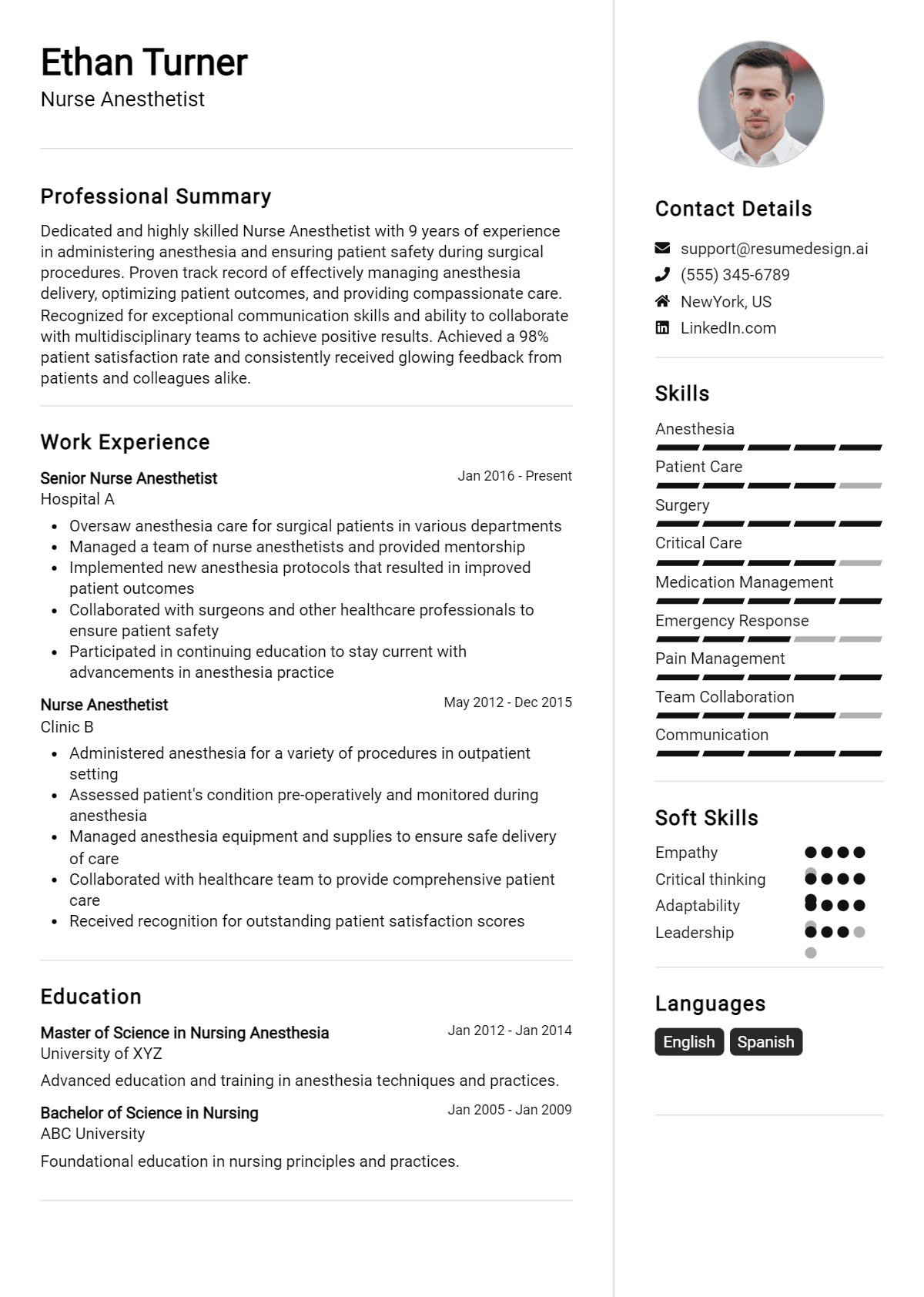
Navigating the job interview process can be particularly challenging for Nurse Anesthetists, given the specialized skills and knowledge required in this critical role. To help you prepare effectively, we have compiled a list of top job interview questions that are frequently asked in this field. Each question is designed to assess your clinical expertise, understanding of anesthesia practices, and ability to work collaboratively in a healthcare setting.
Here is a list of common job interview questions for Nurse Anesthetists, along with examples of the best answers. These questions cover your work history and experience, what you have to offer the employer, and your goals for the future, ensuring that you can showcase your qualifications and passion for this vital profession.
1. Can you describe your experience with anesthesia administration?
I have over five years of experience in administering various types of anesthesia, including general, regional, and local. I prioritize patient safety and comfort, regularly collaborating with surgical teams to ensure optimal outcomes and address any concerns that arise during procedures.
Example:
In my previous role, I managed anesthesia for over 300 surgeries, adapting techniques based on patient conditions and surgical requirements, which enhanced patient satisfaction and minimized complications.
2. How do you handle a patient who is anxious about anesthesia?
I take the time to educate the patient about the anesthesia process, addressing their concerns and answering any questions. I use calming techniques and offer reassurance to help them feel more comfortable, fostering trust and creating a positive experience.
Example:
For a particularly anxious patient, I explained the process in detail and provided them with breathing exercises, which helped reduce their anxiety significantly before the procedure.
3. What protocols do you follow for patient safety during anesthesia?
I strictly adhere to established protocols, including conducting thorough pre-anesthesia assessments and continuous monitoring during procedures. I ensure all equipment is checked and functioning properly, and I maintain clear communication with the surgical team throughout to promptly address any issues.
Example:
I always double-check the patient's medical history and allergies, and I use a checklist to verify equipment, which helps minimize risks and enhances patient safety.
4. How do you stay current with anesthesia practices and technologies?
I regularly attend professional conferences, participate in workshops, and read relevant journals. Continuous education is crucial in our field, and I also engage with peers to discuss new techniques and best practices, ensuring my skills remain sharp.
Example:
I recently attended a seminar on innovative anesthetic agents, which inspired me to implement new techniques that improved recovery times for my patients.
5. Describe a time when you had to manage an emergency during anesthesia administration.
During a procedure, the patient exhibited signs of an allergic reaction. I quickly assessed the situation, administered the necessary medications, and communicated with the surgical team to stabilize the patient, ensuring their safety and minimizing complications.
Example:
I swiftly identified anaphylaxis symptoms and responded by administering epinephrine, which stabilized the patient and allowed us to continue with the surgery safely.
6. How do you assess a patient's readiness for anesthesia?
I conduct a comprehensive pre-anesthesia assessment, reviewing medical history, current medications, and any previous reactions to anesthesia. This evaluation helps me determine the most appropriate anesthetic plan and ensures the patient is physically and psychologically ready for the procedure.
Example:
For a patient with a complex history, I collaborated with their physician to ensure comprehensive care, which confirmed their readiness and reduced anxiety before surgery.
7. What steps do you take to ensure effective communication with the surgical team?
I prioritize clear communication by conducting pre-operative briefings and maintaining constant dialogue during procedures. I ensure everyone is informed about the anesthesia plan, any patient concerns, and any changes that arise, fostering teamwork and enhancing patient care.
Example:
During a recent surgery, I communicated effectively with the surgeon about adjusting the anesthetic plan, which contributed to a smoother operation and better outcomes.
8. How do you manage pain control post-operatively?
I develop individualized pain management plans based on the patient's needs and type of surgery. I educate patients on pain expectations and provide options for pain relief, including medications and alternative therapies, ensuring their comfort during recovery.
Example:
After surgery, I implemented a multimodal approach incorporating opioids and adjunct therapies, which effectively managed the patient’s pain and improved their overall satisfaction with recovery.
9. How do you handle a situation where a patient has an adverse reaction to anesthesia?
In such situations, I quickly assess the patient's condition, notify the surgical team, and initiate appropriate interventions. My training in emergency protocols equips me to stabilize the patient while ensuring effective communication with the team to manage the situation efficiently.
Example:
I once encountered a patient experiencing hypotension. I promptly administered IV fluids and adjusted medications while informing the surgeon. The quick response stabilized the patient, demonstrating the importance of teamwork and effective communication in critical situations.
10. What strategies do you use to ensure patient safety during anesthesia?
Patient safety is my top priority. I conduct thorough pre-anesthesia assessments, monitor vital signs continuously, and use checklists to verify medications and equipment. My proactive approach helps minimize risks and enhances patient care during procedures.
Example:
I always perform a comprehensive pre-operative assessment and verify patient history. Additionally, I use a safety checklist before administering anesthesia, ensuring equipment readiness and double-checking medications, which significantly reduces the risk of errors.
11. Can you describe a time when you had to advocate for a patient?
Advocacy is crucial in nursing. I once noticed discrepancies in a patient's medication history that could lead to complications. I immediately communicated with the surgical team to address the issue, ensuring the patient's safety and proper care during the procedure.
Example:
During a pre-op assessment, I identified a potential drug interaction. I advocated for the patient by discussing my concerns with the surgeon, leading to an adjustment in the anesthesia plan and safeguarding the patient's well-being.
12. How do you stay current with advancements in anesthesia practices?
I stay current by attending professional conferences, participating in continuing education courses, and subscribing to relevant journals. Networking with peers also provides insights into best practices and emerging technologies, ensuring I deliver the highest standard of care.
Example:
I regularly attend anesthesia workshops and webinars, and I am part of a professional nursing organization. This commitment to lifelong learning allows me to implement the latest evidence-based practices in my daily work.
13. Describe your experience with regional anesthesia techniques.
I have extensive experience with regional anesthesia, including nerve blocks and epidurals. My training involved hands-on practice under supervision, allowing me to develop proficiency in administering these techniques safely and effectively for various surgical procedures.
Example:
In my previous role, I frequently performed nerve blocks for orthopedic surgeries. I ensured proper patient positioning and utilized ultrasound guidance to enhance accuracy, resulting in improved pain management and patient satisfaction post-operatively.
14. How do you manage your stress during high-pressure situations?
Stress management is vital in my role. I practice mindfulness and maintain a focused mindset during high-pressure situations. Additionally, I prioritize effective communication with my team, which helps diffuse tension and fosters a supportive environment during challenging cases.
Example:
In a particularly tense surgery, I took a moment to center myself and relied on clear communication with my colleagues. This focus helped us work together efficiently, ensuring patient safety and a successful outcome despite the pressure.
15. What role does teamwork play in your practice as a Nurse Anesthetist?
Teamwork is essential in anesthesia practice. I collaborate closely with surgeons, nurses, and other healthcare professionals to ensure comprehensive patient care. Open communication and mutual respect among team members enhance patient outcomes and create a positive work environment.
Example:
During a multi-disciplinary procedure, effective teamwork was crucial. I coordinated with the surgical team to align our efforts, ensuring seamless communication. This collaboration led to a successful surgery and a well-managed anesthesia plan.
16. How do you approach educating patients about anesthesia?
I prioritize patient education by providing clear, concise information tailored to their understanding. I encourage questions and address concerns to ensure they feel informed and comfortable regarding the anesthesia process, which enhances their overall experience and trust in care.
Example:
I take time to explain the anesthesia process to patients, using simple language and diagrams when necessary. This approach not only alleviates their anxieties but also empowers them to make informed decisions about their care.
17. How do you prioritize patient safety during anesthesia administration?
Patient safety is my top priority. I strictly follow protocols, conduct thorough pre-anesthesia assessments, and monitor vital signs continuously. I also ensure clear communication with the surgical team and stay alert for any changes in the patient’s condition throughout the procedure. Example: I prioritize safety by using checklists for pre-anesthesia assessments, ensuring all equipment is functional, and maintaining communication with the surgical team. This approach helps me quickly identify and address any potential risks during anesthesia administration.
18. Describe a challenging case you encountered and how you managed it.
I once managed a patient with a complex medical history requiring anesthesia. I conducted a detailed assessment, collaborated with the physician to adjust the anesthesia plan, and monitored the patient closely. This teamwork ensured a safe and successful outcome. Example: In a challenging case, I encountered a patient with a history of respiratory issues. I coordinated with the surgeon to modify the anesthesia plan, used advanced monitoring techniques, and ensured rapid interventions if any complications arose, leading to a successful procedure.
19. How do you handle a situation where a patient is anxious about anesthesia?
I take time to listen to the patient’s concerns and provide clear, reassuring information about the anesthesia process. I also explain the safety measures in place and encourage them to ask questions to alleviate their anxiety. Example: When faced with an anxious patient, I sit down to discuss their concerns, provide detailed information about the anesthesia process, and share safety protocols. This open communication often helps to ease their worries significantly.
20. What techniques do you use to ensure accurate dosage of anesthesia?
I utilize weight-based calculations, double-check dosages with the surgical team, and rely on electronic health records for accurate information. Continuous monitoring of the patient’s response during administration also helps in making any necessary adjustments. Example: I ensure accurate dosage by calculating based on the patient's weight and medical history, consulting with colleagues for verification, and using advanced monitoring tools during the procedure to adjust the dosage as needed for optimal patient care.
21. How do you stay updated with advancements in anesthesia practices?
I stay informed by attending professional conferences, subscribing to relevant journals, and participating in continuing education courses. Networking with peers also provides valuable insights into new techniques and technologies in anesthesia. Example: To stay updated, I regularly attend anesthesia workshops and webinars, read scientific journals, and collaborate with colleagues on best practices. This commitment to learning helps me integrate new advancements into my practice.
22. Can you explain your approach to managing postoperative pain?
I assess the patient's pain levels regularly and collaborate with the surgical team to create a multimodal pain management plan. This includes medications, regional anesthesia techniques, and non-pharmacological interventions for optimal comfort and recovery. Example: My approach involves assessing pain levels post-surgery and implementing a tailored pain management plan that combines medication, regional anesthesia, and alternative therapies, ensuring that the patient experiences minimal discomfort during recovery.
23. How do you ensure effective communication with the surgical team?
I prioritize clear and concise communication by participating in pre-operative briefings and using standardized handoff protocols. I ensure that all team members are aware of the patient's status and any special considerations related to the anesthesia plan. Example: I ensure effective communication by participating in team briefings before surgery, using checklists, and maintaining open dialogue during the procedure to promptly address any concerns, ensuring everyone is aligned on the anesthesia plan.
24. What steps do you take to prevent and manage anesthesia-related complications?
I focus on thorough pre-operative assessments, continuous monitoring during anesthesia, and quick response protocols for any complications. I also conduct post-operative evaluations to ensure any issues are promptly addressed and learned from to improve future practices. Example: To prevent complications, I conduct comprehensive assessments, closely monitor vital signs during procedures, and have protocols in place for rapid intervention if issues arise, emphasizing learning from each experience to enhance future patient safety.
25. Can you describe a time when you had to manage a critical situation during a procedure?
In a recent surgery, the patient experienced a sudden drop in blood pressure. I quickly assessed the situation, adjusted the anesthesia levels, and communicated with the surgical team to stabilize the patient, ensuring their safety throughout the procedure.
Example:
During a lung resection, the patient's blood pressure fell sharply. I promptly reduced the anesthetic depth and collaborated with the surgeon to address the issue, effectively stabilizing the patient without compromising the procedure.
26. How do you stay current with advancements in anesthesia practices?
I regularly attend professional conferences, participate in continuing education courses, and subscribe to reputable anesthesia journals. Staying updated on the latest research and techniques ensures I provide the safest and most effective care to my patients.
Example:
I attend annual anesthesia conferences and follow various online forums. This helps me stay informed about new techniques and technologies, ensuring I can apply the best practices in my daily work as a Nurse Anesthetist.
27. What strategies do you use to manage patient anxiety before anesthesia?
I take the time to listen to patients' concerns and provide clear explanations about the anesthesia process. Utilizing calming techniques, such as deep breathing exercises, and reassuring them about their safety helps alleviate their anxiety effectively.
Example:
I often engage in conversation with patients, answering their questions thoroughly. Additionally, I teach them deep breathing techniques, which significantly reduces their anxiety and helps create a more relaxed atmosphere before the procedure.
28. Describe your experience with regional anesthesia techniques.
I have extensive experience performing regional anesthesia, including epidurals and nerve blocks. My training involved numerous hands-on procedures, allowing me to develop precision and confidence in delivering effective pain management for various surgical patients.
Example:
I have successfully performed numerous epidurals and peripheral nerve blocks. My thorough understanding of anatomy and technique ensures optimal patient outcomes and minimizes postoperative pain, enhancing recovery times significantly.
29. How do you approach informed consent for anesthesia?
I ensure that patients understand the anesthesia process by explaining the risks, benefits, and alternatives clearly. I encourage them to ask questions and confirm their understanding before obtaining their consent, promoting an informed decision-making process.
Example:
I take time to explain the anesthesia procedure, risks, and benefits to patients. I encourage open dialogue, ensuring they feel comfortable asking questions, which fosters a trusting relationship and a better understanding of the consent process.
30. What role does teamwork play in your daily practice?
Teamwork is essential in anesthesia practice. I collaborate closely with surgeons, nurses, and other healthcare professionals to ensure seamless care. Effective communication and mutual support enhance patient safety and improve overall surgical outcomes.
Example:
In the OR, I work closely with surgeons and nurses, discussing patient needs and anesthesia plans. This collaboration ensures everyone is on the same page, which ultimately leads to a safer and more efficient surgical environment.
31. Can you discuss a challenging case you've managed?
I once managed a patient with a complex medical history undergoing major surgery. I carefully tailored the anesthesia plan, coordinating with the healthcare team to monitor the patient's vital signs closely and adjusting the anesthesia as needed for optimal safety throughout the procedure.
Example:
I managed a patient with severe respiratory issues during surgery. I collaborated with the surgical team to modify our approach, ensuring effective ventilation and monitoring, resulting in a successful operation and a smooth recovery.
32. How do you handle a situation where a patient has an adverse reaction to anesthesia?
In the event of an adverse reaction, I remain calm and immediately assess the patient. I follow established protocols to manage the situation while keeping the surgical team informed. My priority is ensuring the patient’s safety and providing appropriate interventions.
Example:
I experienced a patient having a reaction during surgery. I quickly assessed their vital signs, administered appropriate medications, and communicated effectively with the surgical team, ensuring the patient was stabilized and received the necessary care without delay.
33. How do you prioritize patients when managing multiple cases?
I assess each patient's needs, urgency, and complexity. By maintaining clear communication with the surgical team and using a triage system, I ensure that critical cases receive immediate attention while still monitoring less urgent patients effectively.
Example:
When faced with multiple patients, I prioritize based on surgery complexity and patient stability. For instance, I once expedited a high-risk patient while closely monitoring others in recovery, ensuring all received appropriate attention.
34. Describe a challenging case you faced and how you managed it.
I once encountered a patient with a severe allergy to anesthesia. I collaborated with the surgical team to devise an alternative plan, ensuring patient safety and comfort. My proactive approach helped avoid complications and fostered trust with the patient.
Example:
In a challenging case with a patient allergic to standard anesthesia, I coordinated with the team to use a different anesthetic, ensuring safety. My quick thinking and teamwork led to a successful surgery without complications.
35. How do you stay current with advancements in anesthesia practices?
I engage in continuous education through webinars, workshops, and professional organizations. Additionally, I subscribe to relevant journals and participate in peer discussions to stay informed about the latest techniques and guidelines in anesthesia.
Example:
I regularly attend anesthesia conferences and participate in online courses. Staying connected with professional organizations also helps me keep up with industry advancements and best practices to enhance my skills.
36. What strategies do you use to manage patient anxiety before anesthesia?
I take time to listen to patients' concerns, provide clear information about the procedure, and explain what to expect. Building rapport and offering reassurance can significantly reduce anxiety and help patients feel more comfortable.
Example:
To manage patient anxiety, I engage them in conversation, addressing their concerns and explaining the anesthesia process. This approach not only calms them but also fosters a sense of trust and safety.
37. Can you describe your experience with regional anesthesia techniques?
I have extensive experience with regional anesthesia, including epidurals and nerve blocks. I ensure precise administration through thorough patient assessments, which enhances pain management during and after surgical procedures.
Example:
I frequently administer epidurals and nerve blocks for various surgeries. My attention to detail and patient assessment skills ensure effective pain management and minimize complications, enhancing overall surgical outcomes.
38. How do you handle a situation where a patient is not responding to anesthesia as expected?
I would quickly assess the situation by monitoring vital signs and anesthesia depth. If necessary, I would adjust dosages or switch techniques, maintaining communication with the surgical team to ensure patient safety throughout the procedure.
Example:
In a case where a patient didn't respond well to anesthesia, I promptly adjusted the dosage and communicated with the surgical team. This quick response ensured patient safety and a smooth continuation of the procedure.
39. What role does patient history play in your anesthesia plan?
Patient history is crucial in forming an anesthesia plan. I review medical records, allergies, and previous anesthesia experiences to tailor my approach, ensuring safety and effectiveness during the procedure while minimizing risks.
Example:
Before any procedure, I meticulously review patient histories. By understanding their medical background and previous anesthesia reactions, I customize my anesthesia plan to enhance safety and effectiveness.
40. How do you ensure effective communication with the surgical team?
I prioritize clear and concise communication before, during, and after procedures. Regular check-ins and collaborative discussions foster teamwork and help address any concerns promptly, ensuring a smooth workflow and patient safety.
Example:
I hold pre-operative meetings with the surgical team to discuss patient specifics and anesthesia plans. Keeping lines of communication open throughout the procedure ensures we effectively address any issues that arise.
41. How do you prioritize patient safety in your practice?
Patient safety is my top priority. I ensure thorough pre-anesthesia assessments, adhere to protocols, and maintain open communication with the surgical team. Regularly updating my skills through continuing education also plays a vital role in enhancing patient safety.
Example:
I conduct comprehensive assessments and utilize checklists to confirm all safety measures. In my last role, I implemented a safety protocol that reduced medication errors by 20% through careful monitoring and team communication.
42. Describe your experience with regional anesthesia techniques.
I have extensive experience with various regional anesthesia techniques, including epidurals and nerve blocks. My training involved hands-on practice and simulations, enabling me to effectively manage patients' pain while minimizing complications during procedures.
Example:
In my previous position, I performed over 200 nerve blocks, collaborating closely with surgeons to tailor anesthesia plans for each patient, ensuring optimal pain control and recovery.
43. How do you handle a difficult patient who is anxious about anesthesia?
I approach anxious patients with empathy and clear communication. I take the time to explain the anesthesia process, addressing their concerns, and offer reassurance. This helps to build trust and ease their anxiety before the procedure.
Example:
When I encountered a particularly anxious patient, I spent extra time answering their questions and provided a demonstration of equipment, which significantly reduced their fears and allowed for a smoother induction.
44. Can you discuss a time you had to manage a crisis during anesthesia?
During a procedure, a patient experienced an unexpected allergic reaction to anesthesia. I quickly assessed the situation, administered the appropriate medication, and coordinated with the surgical team to stabilize the patient, ensuring a positive outcome.
Example:
I maintained composure, communicated actions clearly, and utilized my training to manage the crisis effectively, resulting in a successful resolution without further complications.
45. What steps do you take to stay current with anesthesia practices?
I dedicate time to continuing education through workshops, seminars, and online courses. I also subscribe to relevant journals and participate in professional organizations to stay informed about the latest anesthesia techniques and safety protocols.
Example:
Last year, I attended a national conference on advancements in anesthesia, which provided me insight into new technologies, enhancing my practice and patient care significantly.
46. How do you ensure effective communication with the surgical team?
I prioritize clear, concise communication with the surgical team. Before procedures, I discuss anesthesia plans and potential challenges, and during surgery, I provide timely updates to ensure everyone is aligned and responsive to any changes.
Example:
In a recent surgery, I established a routine check-in protocol, which improved our team's coordination and minimized delays, ultimately leading to better patient outcomes.
How Do I Prepare For A Nurse Anesthetist Job Interview?
Preparing for a nurse anesthetist job interview is crucial to making a positive impression on the hiring manager. A thorough preparation not only boosts your confidence but also showcases your professionalism and commitment to the role. Here are some key tips to help you excel in your interview:
- Research the company and its values to understand its culture and mission.
- Practice answering common interview questions related to anesthesia and patient care.
- Prepare examples that demonstrate your skills and experience specific to the nurse anesthetist role.
- Review the latest advancements in anesthesia practice and relevant guidelines.
- Dress professionally and ensure you arrive on time for the interview.
- Prepare thoughtful questions to ask the interviewer about the team and work environment.
- Reflect on your career goals and how they align with the position you are applying for.
Frequently Asked Questions (FAQ) for Nurse Anesthetist Job Interview
Preparing for an interview is crucial, especially for specialized roles like Nurse Anesthetist. Familiarizing yourself with commonly asked questions can help you articulate your skills and experiences effectively, boosting your confidence and ensuring you make a positive impression on your potential employer.
What should I bring to a Nurse Anesthetist interview?
When attending a Nurse Anesthetist interview, it's essential to come prepared with several key items. Bring multiple copies of your resume, a list of professional references, and any certifications relevant to the position. Additionally, having a notepad and pen can be helpful for jotting down important information or questions you may want to ask. Consider also carrying a portfolio that includes any accolades or commendations that showcase your qualifications and experiences in the field.
How should I prepare for technical questions in a Nurse Anesthetist interview?
To prepare for technical questions, review the fundamental principles of anesthesia practice, including drug mechanisms, patient assessment, and safety protocols. Brush up on current best practices and any recent advancements in anesthesia. It may also be beneficial to practice answering scenario-based questions that assess your critical thinking and problem-solving skills. Joining study groups or participating in mock interviews can provide a valuable opportunity to refine your responses and gain confidence.
How can I best present my skills if I have little experience?
If you have limited experience as a Nurse Anesthetist, focus on demonstrating your relevant skills and the knowledge you have gained from your education and any clinical rotations. Highlight transferrable skills from previous roles, such as teamwork, communication, and critical thinking. Discuss specific instances where you applied your training in practical situations, and emphasize your commitment to learning and professional development. Showing enthusiasm and a willingness to grow can impress interviewers, even in the absence of extensive experience.
What should I wear to a Nurse Anesthetist interview?
Choosing the right attire for your Nurse Anesthetist interview is essential for making a good first impression. Opt for professional business attire, such as a tailored suit or a smart dress, that reflects the seriousness of the role. Avoid overly casual clothing and ensure that your outfit is neat and well-fitted. Additionally, consider wearing comfortable shoes, as you may be walking around the facility. Remember, looking polished and professional can help reinforce your dedication to the position.
How should I follow up after the interview?
Following up after your Nurse Anesthetist interview is a crucial step in the process. Send a thank-you email to your interviewers within 24 hours, expressing your gratitude for the opportunity to interview and reiterating your enthusiasm for the position. Personalize your message by mentioning specific topics discussed during the interview that resonated with you. This not only demonstrates your professionalism but also keeps you fresh in the interviewer's mind as they make their final decisions.
Conclusion
In summary, this interview guide for Nurse Anesthetists has covered essential aspects of preparing for your upcoming interviews, highlighting the significance of thorough preparation, practice, and showcasing relevant skills. Candidates who take the time to prepare for both technical and behavioral questions will greatly enhance their chances of success in this competitive field.
Remember, your confidence in presenting your qualifications can make a significant difference. Utilize the tips and examples provided in this guide to approach your interviews with assurance and poise.
For further assistance, check out these helpful resources: resume templates, resume builder, interview preparation tips, and cover letter templates.