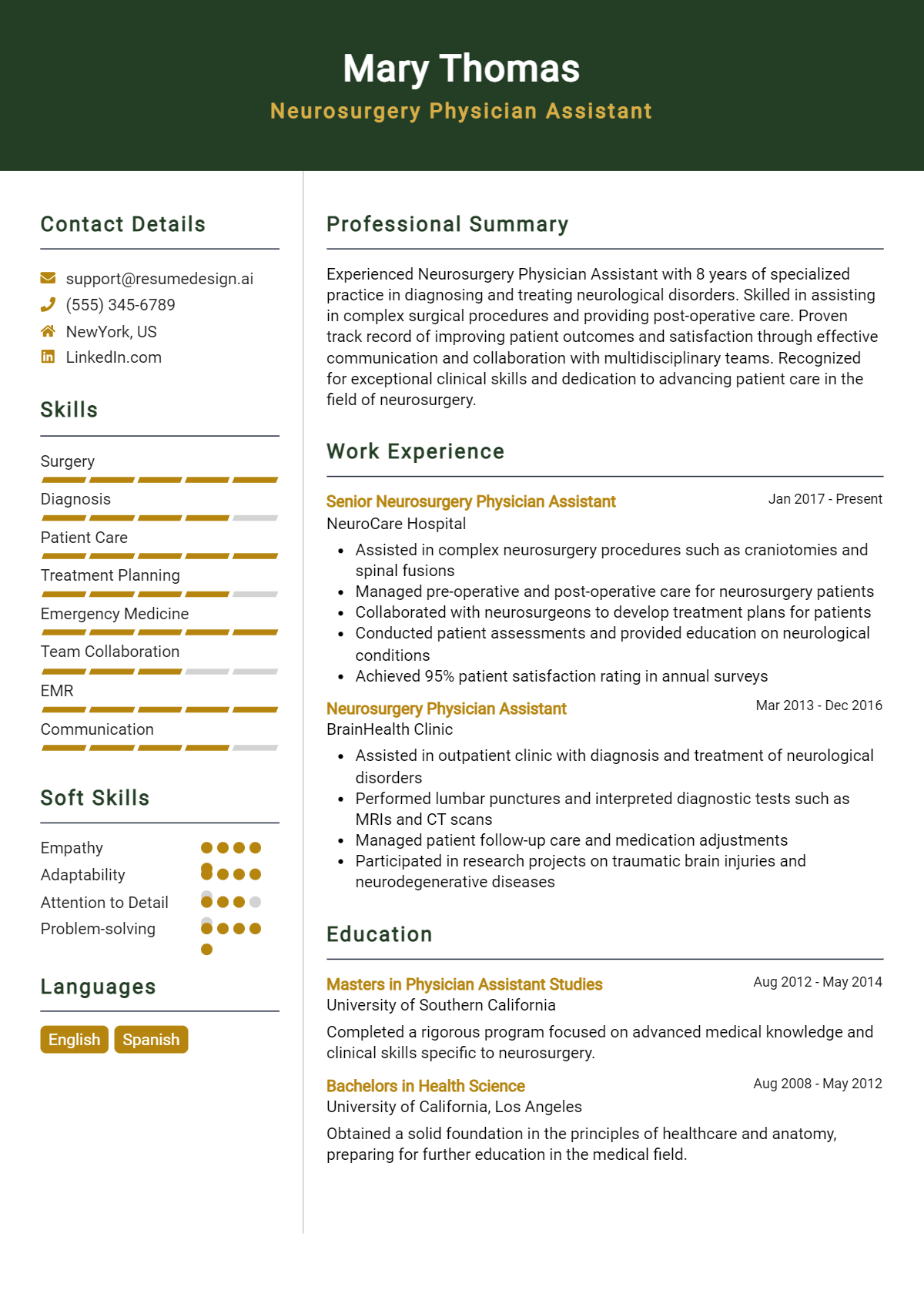
When preparing for an interview as a Neurosurgery Physician Assistant, it’s essential to anticipate the types of questions that may arise. This specialized role demands not only medical expertise but also strong interpersonal skills and a deep understanding of neurosurgical procedures. Candidates should be ready to discuss their clinical experiences, problem-solving abilities, and commitment to patient care, as these factors are crucial in a high-stakes environment like neurosurgery.
Here is a list of common job interview questions, with examples of the best answers tailored for a Neurosurgery Physician Assistant. These questions cover your work history and experience in surgical settings, what you have to offer the employer in terms of skills and teamwork, and your goals for the future, ensuring you can effectively demonstrate your qualifications and passion for the role.
1. Can you describe your experience in neurosurgery?
I completed my clinical rotations in neurosurgery during my PA program, where I assisted in surgical procedures and patient care. Additionally, I have worked in a neurosurgery clinic for two years, managing pre-operative and post-operative patients, which strengthened my skills in patient assessment and care planning.
Example:
During my rotations, I assisted in over 50 surgeries and gained hands-on experience with patient evaluations, which has been invaluable in my current clinic role.
2. How do you handle high-pressure situations in the operating room?
I remain calm and focused in high-pressure situations. I prioritize effective communication with the surgical team to ensure everyone is on the same page and can quickly address any challenges that arise, which is crucial for patient safety and successful outcomes.
Example:
In one instance, we had a sudden drop in a patient’s blood pressure during surgery. I quickly relayed the information to the surgeon and managed the anesthesiologist, which helped stabilize the patient.
3. What techniques do you use for patient education regarding neurosurgery?
I utilize clear, concise language and visual aids to explain complex concepts. By breaking down procedures into understandable steps, I ensure patients feel informed and empowered, which helps alleviate their anxiety and fosters trust in the treatment plan.
Example:
I created a brochure detailing common neurosurgical procedures, which has significantly improved patient satisfaction and understanding of their care.
4. Describe a challenging case you have worked on.
I once managed a post-operative patient who developed an infection. I collaborated with the attending physician to adjust the treatment plan, ensuring timely interventions. This experience reinforced the importance of teamwork and vigilance in patient monitoring for successful recovery.
Example:
We implemented a rapid response protocol, which ultimately led to a swift recovery for the patient, and highlighted the need for proactive care.
5. How do you stay current with advancements in neurosurgery?
I regularly participate in professional development through conferences, subscriptions to medical journals, and online courses. Networking with peers also provides insights into the latest techniques and innovations in neurosurgery, which I can apply to my practice.
Example:
Attending the annual neurosurgery conference last year introduced me to new surgical techniques that I’ve since incorporated into our practice.
6. What qualities do you believe are essential for a Neurosurgery PA?
Essential qualities include strong communication skills, attention to detail, and the ability to work collaboratively with a multidisciplinary team. Additionally, empathy and resilience are crucial in providing compassionate care to patients facing serious health challenges.
Example:
I strive to embody these qualities daily, ensuring my interactions with patients and colleagues foster a supportive environment.
7. How do you manage a heavy patient load effectively?
I prioritize tasks based on urgency and complexity, utilizing time management strategies and delegating when appropriate. Efficient electronic health record systems also help streamline documentation, allowing me to focus more on patient care without sacrificing quality.
Example:
Using a prioritization checklist has significantly improved my workflow, ensuring I meet the needs of all my patients effectively.
8. What do you find most rewarding about working in neurosurgery?
The most rewarding aspect is witnessing the positive impact of our interventions on patients’ lives. Helping individuals regain their health and independence after complex surgeries is truly fulfilling and motivates me to continually improve my skills and knowledge.
Example:
Seeing a patient walk again after a challenging procedure is a constant reminder of why I chose this specialty.
9. How do you prioritize tasks in a high-pressure environment like neurosurgery?
I prioritize tasks by assessing urgency and impact on patient safety. I create a checklist, communicate with the surgical team, and remain flexible to adapt as situations evolve. This systematic approach ensures effective patient care in high-pressure scenarios.
Example:
In a recent surgery, I prioritized patient monitoring over documentation, ensuring all vital signs were stable before recording data. This method safeguarded patient safety while maintaining efficient workflow.
10. Describe your experience with patient education in neurosurgery.
I actively engage patients in their care by explaining procedures, risks, and post-operative care. I use clear language, visual aids, and encourage questions to ensure understanding, which helps reduce anxiety and promotes adherence to treatment plans.
Example:
When educating a patient about spinal surgery, I used diagrams to illustrate the procedure and addressed their concerns, which helped them feel empowered and informed about their care.
11. How do you handle difficult conversations with patients and families?
I approach difficult conversations with empathy, clarity, and honesty. I ensure a private setting, listen actively, and provide information about options and outcomes, facilitating an open dialogue to help families cope with challenging news.
Example:
During a recent case, I delivered news about a patient’s poor prognosis compassionately, allowing the family to ask questions and express their feelings, which helped them navigate the situation better.
12. Can you discuss your experience with surgical procedures in neurosurgery?
I have assisted in various neurosurgical procedures, including craniotomies and spinal fusions. My role involves preparing instruments, monitoring patients, and collaborating closely with the surgical team to ensure optimal outcomes and patient safety throughout the process.
Example:
In my last surgery, I managed the surgical instruments effectively and observed vital signs, contributing to a smooth operation and a successful outcome for the patient.
13. How do you stay current with advancements in neurosurgery?
I stay updated through continuous education, attending conferences, and reading peer-reviewed journals. Engaging with professional networks and participating in workshops also helps me integrate the latest techniques and knowledge into my practice.
Example:
Recently, I attended a neurosurgery conference that introduced innovative minimally invasive techniques, which I have since incorporated into my practice to enhance patient care.
14. Describe a challenging case you encountered and how you managed it.
I faced a complex case involving post-operative complications. I coordinated with the surgical team, implemented immediate interventions, and communicated effectively with the patient's family. This proactive approach ensured timely resolution and reinforced patient trust in our care.
Example:
In one instance, a patient developed an infection post-surgery. I promptly escalated the issue, and together with the team, we adjusted the treatment plan, leading to a successful recovery.
15. What strategies do you use to support your team in the OR?
I foster a supportive environment by promoting open communication, encouraging teamwork, and ensuring everyone understands their roles. Regular briefings before surgeries help align our goals, enhancing collaboration and efficiency during procedures.
Example:
Before a recent surgery, I led a team briefing, discussing roles and potential challenges, which streamlined our workflow and improved our response to unexpected situations.
16. How do you approach post-operative care and follow-ups with patients?
I emphasize thorough post-operative care through detailed discharge instructions and scheduled follow-ups. I ensure patients understand their recovery process and encourage them to report any concerns, fostering a supportive environment for optimal healing.
Example:
After a patient’s discharge, I scheduled a follow-up call to address their recovery questions, reinforcing their understanding and promoting a successful healing process.
17. Can you describe your experience with pre-operative patient assessments in neurosurgery?
I have conducted thorough pre-operative assessments, including reviewing patient history, performing neurological exams, and collaborating with surgeons to ensure all necessary imaging and labs are completed. This process is crucial for identifying potential complications and optimizing patient outcomes.
Example:
In my previous role, I assessed a patient with a brain tumor, coordinating with the surgical team to review imaging results and address potential risks before surgery, ensuring a comprehensive approach to patient care.
18. How do you handle stressful situations in the operating room?
I remain calm and focused during stressful situations by prioritizing tasks, effective communication, and maintaining a positive attitude. I follow protocols and support my team, which helps ensure patient safety and successful outcomes even in high-pressure environments.
Example:
During a complex spinal surgery, unexpected bleeding occurred. I quickly assisted the surgeon by providing necessary instruments while communicating with the nursing staff to ensure rapid response, ultimately leading to a successful resolution of the situation.
19. What strategies do you use for post-operative patient education?
I use clear, simple language and visual aids to explain post-operative care instructions. I encourage questions to ensure understanding and provide written materials for patients to review at home, which helps them feel more confident in their recovery process.
Example:
After a craniotomy, I provided verbal instructions and a pamphlet outlining medication schedules, warning signs, and activity restrictions, ensuring the patient felt informed and empowered to manage their recovery effectively.
20. Describe a time when you had to advocate for a patient’s needs.
I once noticed a patient experiencing severe pain post-operatively that was inadequately managed. I advocated for a pain management consult, ensuring the patient's discomfort was addressed promptly, which significantly improved their recovery experience and overall satisfaction with care.
Example:
When a post-op patient expressed concerns about pain control, I promptly discussed their needs with the attending physician, resulting in an updated pain management plan that greatly improved the patient’s comfort level.
21. How do you stay current with advancements in neurosurgery?
I regularly attend neurosurgery conferences, participate in webinars, and subscribe to relevant medical journals. Networking with peers and engaging in continuous education helps me stay informed about the latest techniques and technologies in the field.
Example:
By attending annual neurosurgery conferences and reading journals like the Journal of Neurosurgery, I stay updated on new techniques, which I incorporate into my practice for improved patient care.
22. What role does teamwork play in your approach as a Physician Assistant?
Teamwork is essential in neurosurgery. I believe in open communication and collaboration with surgeons, nurses, and other healthcare professionals to provide comprehensive care. This synergy enhances patient outcomes and fosters a supportive work environment.
Example:
In my last position, I collaborated with the surgical team to develop post-operative care protocols, ensuring everyone was on the same page, which streamlined patient recovery and improved overall team dynamics.
23. Can you provide an example of managing a challenging patient interaction?
I once managed a patient who was anxious about their upcoming procedure. I took the time to listen to their concerns, provided thorough explanations, and reassured them about the process, which helped build trust and alleviated their anxiety.
Example:
During a pre-op visit, a patient was visibly distressed about surgery. By actively listening and answering their questions, I helped them feel more comfortable, ultimately leading to a more positive outlook on their procedure.
24. What is your approach to documenting patient care in the electronic health record (EHR)?
I prioritize accuracy and detail in EHR documentation, ensuring all patient interactions, assessments, and plans are recorded promptly. This practice supports continuity of care and provides a reliable reference for the entire healthcare team.
Example:
I ensure that every patient encounter is thoroughly documented in the EHR immediately after visits, which enhances communication among the healthcare team and ensures high-quality patient care.
25. How do you prioritize your tasks in a fast-paced neurosurgery environment?
I prioritize tasks based on urgency and patient needs, often using a checklist for efficiency. I assess the severity of cases and communicate with the surgical team to ensure critical tasks are addressed first while remaining adaptable to any changes.
Example:
In my previous role, I utilized a priority matrix to manage tasks, ensuring that critical surgeries were prepared for first. This method helped streamline the workflow, allowing me to adapt quickly while keeping the surgical team informed at all times.
26. Describe a challenging case you encountered and how you managed it.
I once assisted in a complex spinal surgery where unexpected bleeding occurred. I remained calm, quickly informed the lead surgeon, and helped stabilize the patient by applying pressure while preparing necessary tools for intervention. Communication and teamwork were vital in managing the situation effectively.
Example:
During a spinal fusion, we faced significant hemorrhaging. I immediately alerted the surgeon and organized the surgical instruments needed for rapid response. This proactive approach enabled us to address the issue promptly, ensuring patient safety and successful surgery completion.
27. How do you handle conflicts with team members in a high-stress environment?
I believe in open communication and addressing conflicts promptly. I listen to the concerns of my teammates, seek to understand their perspectives, and work collaboratively to find a resolution. Maintaining professionalism is crucial in ensuring patient care is not compromised.
Example:
When disagreements arise, I engage in a private discussion with the team member to understand their viewpoint. Together, we explore solutions, ensuring the focus remains on patient care and fostering a cooperative environment for everyone involved.
28. What experience do you have in patient education regarding neurosurgical procedures?
I regularly educate patients and their families about procedures, risks, and post-operative care. I use clear, empathetic communication to ensure understanding, often utilizing visual aids to enhance comprehension. My goal is to empower patients to make informed decisions regarding their healthcare.
Example:
In my previous position, I developed educational materials for patients undergoing craniotomies, simplifying complex information. This approach improved patient understanding and comfort levels, leading to better outcomes and more engaged patients during their recovery process.
29. How do you stay current with advancements in neurosurgery?
I stay current by attending conferences, participating in webinars, and subscribing to leading neurosurgery journals. Networking with peers and engaging in continuous education ensures I remain informed about the latest techniques, technologies, and best practices in neurosurgery.
Example:
I regularly attend national neurosurgery conferences and participate in online forums. Recently, I completed a course on minimally invasive techniques, which I subsequently applied in my practice, enhancing my skill set and improving patient outcomes.
30. Can you discuss your experience with postoperative care for neurosurgery patients?
I have extensive experience in postoperative care, monitoring patients for complications, managing pain, and providing education about recovery. I collaborate with nursing staff to ensure comprehensive care and regularly assess patients to facilitate a smooth transition to rehabilitation.
Example:
In the postoperative unit, I routinely assessed neurological status and pain levels, adjusting care plans as needed. My proactive approach ensured timely interventions, which significantly contributed to shorter recovery times and improved patient satisfaction.
31. How do you approach communicating bad news to patients or their families?
I approach such conversations with empathy and clarity, ensuring the environment is private and supportive. I provide information honestly while allowing time for questions. My goal is to be compassionate while ensuring families understand the situation and available options.
Example:
When delivering bad news, I sit down with the family, explain the situation in clear terms, and encourage questions. I focus on providing emotional support and discussing next steps, which helps them feel more in control during a difficult time.
32. What qualities do you believe are essential for a successful Neurosurgery Physician Assistant?
Key qualities include strong communication skills, critical thinking, empathy, and teamwork. A successful PA must be detail-oriented and adaptable, able to thrive under pressure while providing exceptional patient care and supporting the surgical team in complex environments.
<strong>Example:</strong>
<div class='interview-answer'>I believe empathy, resilience, and communication skills are vital. Working in neurosurgery requires a deep understanding of patient emotions and the ability to collaborate
33. How do you prioritize patient care in a high-pressure environment?
In a high-pressure environment, I prioritize patient care by assessing the urgency of each case, communicating effectively with the surgical team, and ensuring that critical patients receive timely intervention. Multitasking and staying organized are key to managing my responsibilities efficiently.
Example:
I prioritize by quickly evaluating patients, identifying those in critical need, and coordinating with the surgical team to ensure immediate attention. Effective communication helps streamline care in urgent situations.
34. Describe a situation where you had to advocate for a patient.
I once encountered a patient who was hesitant about a recommended procedure. I took the time to explain the benefits and risks, ensuring they felt informed and supported. By actively listening to their concerns, I was able to advocate effectively for their care.
Example:
I advocated for a patient by providing clear explanations of their treatment options, addressing their concerns, and ensuring they were comfortable with the decision. This empowered them to make an informed choice.
35. How do you stay current with advancements in neurosurgery?
I stay current by subscribing to reputable medical journals, attending conferences, and participating in online courses focused on neurosurgery advancements. Networking with colleagues also helps me share knowledge and learn about new techniques in the field.
Example:
I regularly read journals like the Journal of Neurosurgery and attend annual conferences. Engaging with peers in discussions about new techniques also enhances my knowledge and skills.
36. Can you explain your experience with electronic health records (EHR) in neurosurgery?
I have extensive experience using EHR systems to document patient information, streamline workflows, and enhance communication among healthcare providers. My proficiency helps ensure accurate and timely data management for better patient care.
Example:
I have utilized EHR systems like Epic to document patient histories and surgical notes, improving accuracy and facilitating better communication among the healthcare team, ultimately enhancing patient outcomes.
37. Describe a time when you had to make a quick clinical decision.
During a surgery, I noticed a sudden drop in a patient’s vitals. I quickly assessed the situation, alerted the surgeon, and prepared necessary medications. This swift action helped stabilize the patient until further interventions could be applied.
Example:
I quickly recognized a patient's sudden drop in blood pressure during surgery, communicated with the surgeon, and administered fluids. This prompt response was crucial in stabilizing the patient’s condition.
38. How do you handle conflicts within a surgical team?
I address conflicts by promoting open communication and ensuring that everyone’s perspective is considered. If necessary, I facilitate a discussion to resolve issues while keeping the focus on patient care and team cohesion.
Example:
In a conflict situation, I encourage team members to express their concerns openly. By facilitating respectful dialogue, we can resolve disagreements and refocus on our primary goal: patient safety and care.
39. What role do you think empathy plays in patient interactions?
Empathy is crucial in patient interactions as it helps build trust and rapport. Understanding patients' emotions allows me to address their concerns effectively, ensuring they feel heard and valued throughout their healthcare journey.
Example:
Empathy is essential; it builds trust and helps patients feel understood. By actively listening and validating their feelings, I can provide better support and care tailored to their needs.
40. How do you approach patient education regarding neurosurgical procedures?
I approach patient education by simplifying complex medical information into understandable terms. I use visual aids when necessary and encourage questions to ensure patients feel informed and empowered to make decisions about their care.
Example:
I ensure patients understand procedures by breaking down complex concepts into layman's terms, using diagrams, and encouraging questions. This helps patients feel more comfortable and informed about their treatment options.
41. How do you prioritize tasks in a high-pressure environment like neurosurgery?
I prioritize by assessing urgency and impact on patient care. I often use a checklist to manage tasks, ensuring that critical procedures and patient needs are addressed first. Effective communication with the surgical team is vital to streamline workflow.
Example:
In a recent surgery, I prioritized patient monitoring and communication with the surgeon regarding any changes, allowing us to respond quickly to complications. This approach ensured patient safety and streamlined our surgical process.
42. Describe a challenging case you encountered in neurosurgery.
I once assisted in a complex brain tumor resection where the patient had significant comorbidities. Constantly monitoring vitals and adjusting our approach helped us navigate complications. Collaborating with the team was crucial to achieving a successful outcome for the patient.
Example:
During a challenging case, I identified a sudden drop in the patient’s blood pressure. I quickly alerted the lead surgeon, and we adjusted our approach, ensuring the patient's stability and ultimately contributing to a positive surgical outcome.
43. How do you keep up with the latest advancements in neurosurgery?
I regularly attend conferences and workshops, subscribe to relevant journals, and participate in online forums. Continuous education is essential in neurosurgery to ensure the best patient care and stay informed about innovative surgical techniques and technologies.
Example:
I recently attended the annual neurosurgery conference, where I learned about new minimally invasive techniques. I also subscribe to several journals, which help me stay updated on research and advancements in our field.
44. Can you discuss your experience with patient education in neurosurgery?
I emphasize clear and compassionate communication when educating patients about their conditions and treatments. Providing tailored information helps patients understand complex concepts and encourages their involvement in the decision-making process, ultimately improving their compliance and outcomes.
Example:
In my last position, I developed educational materials for patients undergoing spinal surgery. I ensured they understood the procedure, risks, and recovery, which improved their confidence and adherence to post-operative instructions.
45. How do you handle conflicts within a surgical team?
I approach conflicts by fostering open communication and collaboration. I encourage team members to voice their concerns respectfully and seek a resolution through discussion. Prioritizing patient care helps refocus the team on our shared goals, easing tensions.
Example:
In a recent case, there was a disagreement about the surgical approach. I facilitated a team discussion, allowing each perspective to be heard, which led to a consensus that ultimately benefited the patient’s outcome.
46. What do you find most rewarding about being a Neurosurgery Physician Assistant?
The most rewarding aspect is positively impacting patients’ lives. Assisting in complex surgeries and seeing patients recover motivates me. Building relationships with patients and their families while guiding them through challenging times adds a profound sense of fulfillment to my role.
Example:
I find immense joy when a patient I assisted in surgery shares their recovery story. Knowing I played a role in improving their quality of life makes all the challenges worthwhile and reinforces my commitment to this profession.
How Do I Prepare For A Neurosurgery Physician Assistant Job Interview?
Preparing for a job interview is crucial in making a positive impression on the hiring manager. A well-prepared candidate can demonstrate their skills, knowledge, and enthusiasm for the role of a Neurosurgery Physician Assistant, significantly increasing their chances of success. Here are some essential tips to help you prepare:
- Research the company and its values to understand its mission and how you can contribute.
- Practice answering common interview questions, particularly those specific to the role of a Physician Assistant in neurosurgery.
- Prepare examples that demonstrate your skills and experience relevant to the Neurosurgery Physician Assistant position.
- Review the latest advancements and techniques in neurosurgery to showcase your ongoing commitment to the field.
- Prepare thoughtful questions to ask the interviewer about the team, work environment, and expectations for the role.
- Dress professionally and appropriately to make a good first impression.
- Bring multiple copies of your resume and any necessary certifications to the interview.
Frequently Asked Questions (FAQ) for Neurosurgery Physician Assistant Job Interview
Preparing for a job interview can be a daunting task, especially for specialized roles like a Neurosurgery Physician Assistant. Understanding the types of questions you may encounter can significantly enhance your confidence and performance. This FAQ section addresses common concerns and specifics related to the interview process, offering guidance to help you stand out as a candidate.
What should I bring to a Neurosurgery Physician Assistant interview?
When attending a Neurosurgery Physician Assistant interview, it’s essential to be well-prepared. Bring several copies of your resume, a list of references, a notebook to take notes, and a pen. If applicable, include any certifications or documentation that validate your qualifications. Additionally, having questions prepared to ask the interviewer shows your interest in the position and helps you gather important information about the role and the team.
How should I prepare for technical questions in a Neurosurgery Physician Assistant interview?
Technical questions in a Neurosurgery Physician Assistant interview are likely to focus on your understanding of neurosurgical procedures, anatomy, and patient care protocols. To prepare, review relevant medical literature, guidelines, and recent advances in neurosurgery. Consider practicing answers to common technical scenarios you might face in the role. Engaging in mock interviews with peers or mentors can also help you articulate your knowledge confidently during the actual interview.
How can I best present my skills if I have little experience?
If you have limited experience in neurosurgery, focus on highlighting transferable skills from your previous roles or education. Emphasize your willingness to learn, adaptability, and any related experiences, such as internships or volunteer work in medical settings. Discuss relevant coursework, clinical rotations, or shadowing experiences that demonstrate your commitment to the field. Articulating your passion for neurosurgery and your proactive approach to gaining knowledge can make a positive impression.
What should I wear to a Neurosurgery Physician Assistant interview?
Choosing the right attire for your Neurosurgery Physician Assistant interview is crucial for making a good first impression. Aim for professional, conservative clothing that reflects the seriousness of the medical field. A tailored suit, dress shirt, and closed-toe shoes are generally appropriate for both men and women. Ensure your outfit is clean, pressed, and fits well, as this will convey your professionalism and respect for the interview process.
How should I follow up after the interview?
Following up after your interview is an important step to reinforce your interest in the position. Send a thank-you email to your interviewers within 24 hours, expressing gratitude for the opportunity to interview and highlighting a key point discussed during the meeting. This not only shows your appreciation but also keeps you fresh in their minds. If you haven’t heard back after a week or two, it’s acceptable to send a polite inquiry about the status of your application, demonstrating your ongoing interest in the role.
Conclusion
In summary, this interview guide for the Neurosurgery Physician Assistant role has highlighted the critical components necessary for a successful interview experience. Preparation is key—having a thorough understanding of both technical and behavioral questions can significantly enhance a candidate's performance and confidence during the interview process. Practicing responses tailored to the unique demands of neurosurgery will allow candidates to showcase their skills and experience effectively.
As you prepare for your interviews, remember that the insights and examples shared in this guide are designed to empower you. Utilize these tips to not only navigate the interview but to stand out as a compelling candidate. Embrace the opportunity to demonstrate your passion and expertise in the field, and approach your interviews with confidence!
For further assistance, check out these helpful resources: resume templates, resume builder, interview preparation tips, and cover letter templates.