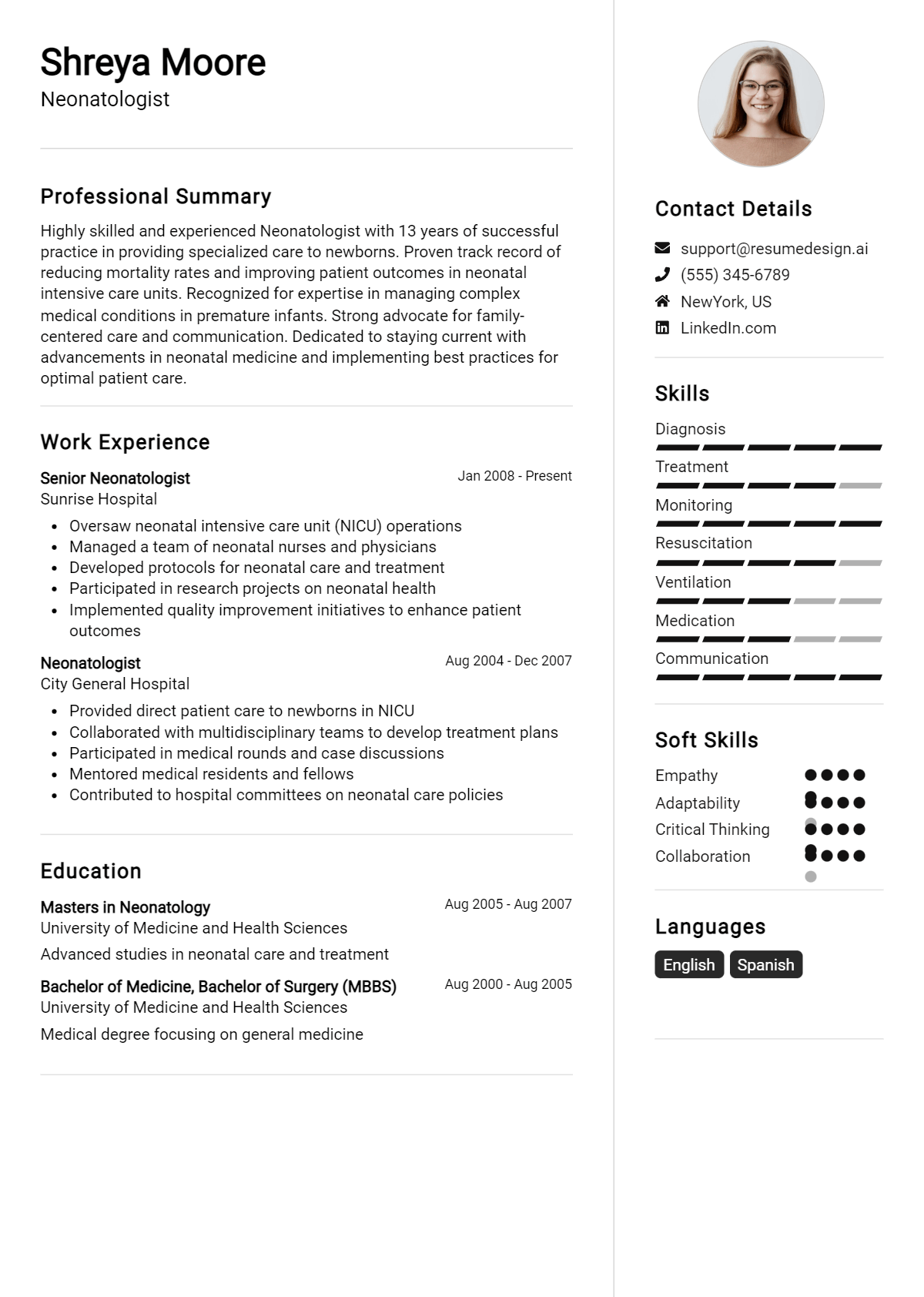
When preparing for a job interview as a neonatologist, it's crucial to anticipate the questions that may arise and formulate thoughtful responses. The role of a neonatologist demands not only specialized medical knowledge but also the ability to communicate effectively with both families and healthcare teams. Understanding the types of questions you may face can help you present yourself as a strong candidate who is ready to make a positive impact in the lives of vulnerable newborns.
Here is a list of common job interview questions specifically tailored for neonatologists, along with examples of the best answers. These questions delve into your work history and clinical experience, what unique skills and qualities you offer the employer, and your professional aspirations for the future. By preparing for these inquiries, you can demonstrate your expertise and commitment to providing exceptional neonatal care.
9. How do you handle difficult conversations with parents regarding their newborn's prognosis?
I approach difficult conversations with empathy. I ensure that I provide clear, honest information while being sensitive to the emotional state of the parents. I encourage questions and offer support resources to help them cope with the situation.
Example:
When discussing a poor prognosis, I calmly explain the situation, offer emotional support, and ensure parents understand their options, fostering a compassionate dialogue.
10. Can you describe a time when you had to make a quick decision in the NICU?
In a critical situation, I quickly assessed a newborn's respiratory distress and initiated immediate intubation. My experience and teamwork allowed us to stabilize the baby effectively, demonstrating the importance of swift decision-making in high-pressure environments.
Example:
During a night shift, I noticed a sudden drop in oxygen saturation and promptly intubated the infant, resulting in improved stability and outcomes.
11. How do you stay updated with the latest research and advancements in neonatology?
I regularly read neonatology journals, attend conferences, and engage in online forums. Collaborating with colleagues and participating in research projects also helps me stay informed about the latest advancements that can enhance patient care.
Example:
I subscribe to key journals and attend annual conferences, ensuring I apply the latest findings in clinical practice.
12. Describe your approach to working with a multidisciplinary team in the NICU.
I prioritize open communication and collaboration among team members. Regular meetings allow us to discuss patient progress, share insights, and develop cohesive care plans, ensuring each professional’s expertise is utilized effectively for optimal outcomes.
Example:
In our weekly rounds, we collaboratively assess each infant's condition, integrating feedback from nurses, therapists, and specialists to enhance care.
13. How do you support families dealing with the stress of having a premature baby?
I provide emotional support by actively listening to their concerns, offering educational resources, and encouraging them to participate in their baby's care. Building trust helps families feel involved and less isolated during this challenging time.
Example:
I regularly check in with families, provide educational materials, and invite them to engage in their baby's care, fostering a supportive environment.
14. What strategies do you use to manage your time effectively in a busy NICU?
I prioritize tasks by assessing urgency and importance, delegate when necessary, and utilize checklists to ensure all duties are completed efficiently. Effective time management ensures that I deliver high-quality care without compromising attention to any infant.
Example:
I use a prioritization matrix to manage my daily tasks and ensure timely care for all patients while remaining adaptable to emergencies.
15. How do you approach ethical dilemmas in neonatology?
I approach ethical dilemmas by considering the best interests of the infant while involving the family in decision-making. Consulting with colleagues and ethics committees aids in navigating complex situations, ensuring a balanced and thoughtful approach.
Example:
In a case involving life support, I engaged the parents in discussions, consulted with the ethics committee, and respected their wishes while prioritizing the infant’s best interests.
16. What role does parental involvement play in the care of neonates?
Parental involvement is crucial as it fosters attachment and promotes the newborn's emotional and physical development. I encourage parents to participate in care routines, which can enhance bonding and provide them with a sense of control in a challenging situation.
Example:
I encourage parents to perform skin-to-skin contact and participate in feeding, which significantly boosts both their confidence and the infant’s recovery.
17. How do you approach communication with parents of critically ill neonates?
I prioritize clear and compassionate communication, ensuring parents understand their child's condition and care plan. I provide regular updates and encourage questions to foster trust and collaboration, making sure they feel supported during this challenging time.
Example:
I hold family meetings to discuss updates and treatment plans. I ensure parents have all the information they need and encourage them to express their concerns, creating a supportive environment.
18. What strategies do you use to manage stress in a high-pressure environment?
I practice mindfulness techniques and prioritize self-care to manage stress. Collaborating with my team also helps distribute the workload, and I regularly participate in debriefing sessions to process challenging cases, ensuring I remain focused and effective.
Example:
I engage in daily meditation and encourage team check-ins after stressful shifts. This helps me and my colleagues process our experiences and maintain emotional well-being.
19. Can you describe a challenging case you managed and the outcome?
I once treated a premature infant with multiple complications. By collaborating with a multidisciplinary team, we developed a tailored care plan that addressed each issue. The infant gradually stabilized, showcasing the importance of teamwork and adaptability in neonatology.
Example:
We worked closely to manage the infant's respiratory distress and infections. Ultimately, the infant was discharged healthy after weeks of comprehensive care and monitoring.
20. How do you stay updated with advancements in neonatology?
I regularly attend conferences, participate in webinars, and read peer-reviewed journals to stay informed about the latest research and treatment protocols. Continuous education is vital in this ever-evolving field to provide the best care for my patients.
Example:
I subscribe to leading neonatology journals and engage in online forums for pediatric specialists to discuss new findings and share insights.
21. What role does family-centered care play in your practice?
Family-centered care is fundamental in my practice. I involve families in decision-making, respect their preferences, and support them emotionally. This approach fosters a nurturing environment that promotes better outcomes for both the neonate and the family.
Example:
I encourage families to participate in their infant's care, allowing them to hold and bond with their baby, which is crucial for emotional support and healing.
22. How do you handle difficult conversations with parents regarding prognosis?
I approach difficult conversations with empathy and honesty, providing clear information while being sensitive to the parents' emotional state. I allow them to express their feelings and provide support, ensuring they feel heard and understood during such challenging discussions.
Example:
I take time to explain the situation clearly and compassionately, allowing parents to ask questions and express concerns, which helps them cope with the news.
23. Describe your experience with neonatal resuscitation.
I have extensive experience in neonatal resuscitation, having participated in numerous simulated and real-life scenarios. I’m certified in NRP and regularly conduct training sessions for staff, ensuring our team is prepared to respond effectively in critical situations.
Example:
In one case, prompt resuscitation led to a positive outcome for a newborn who presented with low APGAR scores, highlighting the importance of teamwork and quick action.
24. How do you prioritize care in a high-acuity unit?
I prioritize care based on clinical severity, ensuring that the most critical patients receive immediate attention. Regular team huddles help us assess workload and redistribute tasks efficiently, optimizing patient care while preventing burnout among staff.
Example:
I assess patients continuously and adjust priorities as conditions change, ensuring that urgent cases are addressed promptly while maintaining overall unit efficiency.
25. How do you approach communication with the parents of premature infants?
I prioritize clear, compassionate communication, ensuring parents understand their infant's condition. I provide regular updates and encourage questions to foster trust. My goal is to empower parents, helping them feel involved in care decisions and mitigating their anxiety during a challenging time.
Example:
I hold daily briefings with parents, explaining their infant’s progress and addressing concerns. I also provide written materials to reinforce information, allowing parents to revisit complex topics at their own pace, which helps ease their fears and enhances understanding.
26. Can you describe your experience with neonatal resuscitation?
I have extensive experience in neonatal resuscitation, having participated in numerous high-risk deliveries. My training includes simulation exercises, allowing me to remain calm and decisive. I ensure my team is well-prepared, executing protocols efficiently to maximize the infant's chances of survival.
Example:
In a recent case, I successfully led a resuscitation team during a code blue. My quick assessment and clear directives helped stabilize the newborn, emphasizing teamwork and communication, which was crucial in that critical moment.
27. How do you stay updated with the latest research in neonatology?
I regularly read peer-reviewed journals, attend conferences, and participate in online webinars. Staying connected with colleagues through professional organizations also helps me share insights and advancements, ensuring my practice reflects the latest evidence-based care.
Example:
Recently, I attended a conference that focused on advancements in neonatal care. I returned with actionable insights that I implemented in our unit, improving our protocols and patient outcomes based on the latest research findings.
28. What strategies do you use for managing a high-stress environment in the NICU?
I emphasize teamwork and open communication among staff to create a supportive atmosphere. Regular debriefings help us process stressful experiences together. I also practice mindfulness techniques to maintain focus and composure, ensuring optimal patient care despite the pressures we face.
Example:
In a particularly intense situation, I organized a team huddle post-crisis, allowing everyone to express feelings and share strategies. This not only fostered team cohesion but also helped us learn from the experience to manage future stressors better.
29. How do you handle ethical dilemmas in neonatal care?
I approach ethical dilemmas by gathering input from a multidisciplinary team and considering the best interests of the infant and family. Open discussions with parents ensure their values are respected while making decisions that align with medical ethics and the infant's prognosis.
Example:
In a case where a family faced difficult decisions, I facilitated a meeting with the ethics committee and the family, ensuring all perspectives were heard. This collaborative approach helped the family feel supported in their choices, leading to a consensus.
30. What is your experience with congenital anomalies in neonates?
I have managed numerous cases of congenital anomalies, collaborating with pediatric surgeons and specialists for coordinated care. My focus is on developing comprehensive treatment plans that address both immediate needs and long-term outcomes, while also providing support to families throughout the process.
Example:
For a neonate with a congenital heart defect, I coordinated with cardiology and initiated early interventions. This collaborative effort ensured the infant received timely surgery, and I maintained ongoing communication with the family to support them through the treatment journey.
31. How do you assess the developmental progress of infants after discharge from the NICU?
I utilize standardized developmental screening tools and collaborate with pediatricians for follow-up assessments. I emphasize the importance of early intervention services when needed, ensuring families are informed and engaged in their child's development post-discharge.
Example:
I routinely schedule follow-up visits at 6, 12, and 24 months for discharged infants. During these visits, I assess developmental milestones and discuss any concerns with families, reinforcing the importance of early intervention if delays are observed.
32. What role do you believe family involvement plays in the NICU?
Family involvement is crucial in the NICU, as it fosters bonding and emotional support for both the infant and parents. Encouraging parental participation in care routines enhances their confidence and understanding, which can positively impact the infant's recovery and overall well-being.
<strong>Example:</strong>
<div class='interview-answer'>I implement family-centered care practices, allowing parents to participate in feedings and
33. How do you approach the care of a premature infant with multiple health complications?
I prioritize a multidisciplinary approach, collaborating with specialists to tailor a comprehensive care plan. Monitoring vital signs closely and adjusting interventions based on real-time data is crucial. I also communicate effectively with the family, providing updates and support throughout the process.
Example:
In a recent case, I coordinated with cardiology and nutrition to stabilize a premature infant, ensuring all specialists contributed to a unified care plan while keeping the parents informed and engaged.
34. How do you handle ethical dilemmas in neonatology?
Ethical dilemmas require careful consideration of the infant's best interests and the family's values. I consult with ethics committees and engage in open discussions with parents to reach decisions that respect their wishes while ensuring the best possible outcomes for the infant.
Example:
In a case involving resuscitation preferences, I facilitated a family meeting to discuss options, ensuring they felt supported and informed about the implications of each decision.
35. Can you discuss your experience with neonatal resuscitation?
I have extensive experience in neonatal resuscitation, participating in numerous successful resuscitation efforts in the delivery room. I stay updated on protocols and lead training sessions for staff to ensure our team is well-prepared for emergencies.
Example:
During a recent delivery, my prompt actions and adherence to NRP guidelines led to the successful resuscitation of a newborn, demonstrating the effectiveness of our training program.
36. How do you ensure effective communication with parents of critically ill infants?
I prioritize clear, compassionate communication, providing regular updates and encouraging questions. Utilizing visual aids and written information helps parents understand complex medical terms, ensuring they feel informed and involved in their child's care.
Example:
I once created a simple brochure for parents detailing common conditions and treatments, which improved their understanding and comfort during a stressful time.
37. What methods do you use to minimize stress for infants in the NICU?
I implement gentle handling techniques, minimize noise and light, and encourage skin-to-skin contact when possible. Creating a calm environment promotes stability in vital signs and aids in the infant's development and recovery.
Example:
In my NICU, we adopted a "quiet time" policy, which significantly reduced stress levels in infants and improved their overall health outcomes.
38. How do you stay current with advancements in neonatology?
I regularly attend conferences, participate in webinars, and read leading journals in neonatology. Collaborating with colleagues and engaging in research projects also keeps me informed of the latest evidence-based practices and technologies.
Example:
Recently, I implemented new guidelines from a neonatology conference on managing neonatal jaundice, resulting in improved treatment protocols in our unit.
39. Describe a challenging case you managed and the outcome.
I managed a case of a newborn with severe congenital heart defects. Through careful monitoring and coordination with pediatric cardiology, we initiated timely interventions, ultimately leading to successful surgery and a positive recovery trajectory for the infant.
Example:
This experience reinforced the importance of teamwork in complex cases, culminating in a successful outcome that exceeded the family's expectations.
40. How do you support families dealing with loss in the NICU?
I provide compassionate support by actively listening to families, offering bereavement resources, and creating a space for them to express their grief. Follow-up care and memorial options help families honor their infants and begin the healing process.
Example:
After a loss, I organized a memorial service, allowing families to connect with others in similar situations, fostering a supportive community during their difficult time.
41. How do you approach parental education regarding their premature infant's care?
I prioritize clear communication and empathy. I ensure parents understand their infant's condition and care plan by providing informative resources and encouraging questions. This helps build trust and eases their anxiety, which is crucial for both parents and the infant's wellbeing.
Example:
I explain the care process step-by-step, using simple language and visuals. I also invite parents to participate in care activities, reinforcing their role in their infant's recovery and helping them feel more connected.
42. Describe a challenging case you managed and the outcomes.
I once managed a preterm infant with multiple complications. Collaborating with specialists, we developed a comprehensive care plan, focusing on nutrition and infection prevention. The infant stabilized and was discharged healthy, demonstrating the importance of teamwork and tailored interventions in neonatology.
Example:
A preterm infant with respiratory distress required multi-faceted care. Through close monitoring and adjustments to our treatment plan, we achieved significant progress and ultimately sent the infant home thriving after a successful NICU stay.
43. How do you stay updated with the latest research and advancements in neonatology?
I regularly attend conferences, subscribe to leading medical journals, and participate in webinars. Networking with colleagues also helps me stay informed about new practices and findings, ensuring I provide evidence-based care to my patients.
Example:
I read journals like Pediatrics and attend annual neonatology conferences. I also engage in online forums to discuss advancements, sharing insights with peers to keep abreast of best practices in our field.
44. What strategies do you employ to manage pain in neonates?
I utilize a combination of pharmacological and non-pharmacological methods. This includes administering appropriate analgesics and implementing soothing techniques like skin-to-skin contact and swaddling, which are crucial for pain management and promoting comfort in neonates.
Example:
For managing pain, I often use sucrose for minor procedures and encourage parents to hold their infants during care activities. This holistic approach helps reduce stress and promotes a calmer environment.
45. How do you handle ethical dilemmas in the NICU?
I approach ethical dilemmas by involving a multidisciplinary team, including ethics committees when necessary. Clear communication with the family is essential, as I strive to respect their values while ensuring the best medical outcomes for the infant.
Example:
In cases of conflicting opinions, I facilitate discussions among the care team and family. This collaborative approach helps us navigate difficult decisions while prioritizing the infant's best interests and family values.
46. What role does teamwork play in your daily practice?
Teamwork is vital in neonatology. I collaborate daily with nurses, respiratory therapists, and specialists to ensure comprehensive care for our infants. Open communication and mutual respect among team members enhance patient outcomes and create a supportive environment.
Example:
In my practice, I rely on a cohesive team to discuss patient care plans. Regular team meetings help us align our goals, ensuring we provide the best possible support for our vulnerable patients and their families.
How Do I Prepare For A Neonatologist Job Interview?
Preparing for a neonatologist job interview is crucial to making a positive impression on the hiring manager. A well-prepared candidate not only showcases their qualifications but also demonstrates their commitment to the role and the organization. Below are some key preparation tips to help you excel in your interview.
- Research the company and its values to understand its mission and how you can contribute.
- Practice answering common interview questions related to neonatology to build confidence.
- Prepare examples that demonstrate your skills and experience as a neonatologist, focusing on specific cases or challenges you have faced.
- Familiarize yourself with the latest advancements in neonatal care to discuss current trends and practices.
- Gather questions to ask the interviewer about the team, the work environment, and expectations for the role.
- Review your CV and be ready to discuss your education, training, and any relevant research or publications.
- Dress professionally and arrive early to make a good first impression.
Frequently Asked Questions (FAQ) for Neonatologist Job Interview
Preparing for a job interview can be a daunting task, especially for specialized roles like a Neonatologist. Understanding the commonly asked questions can help candidates feel more confident and articulate during the interview process. Below are some frequently asked questions that can aid in your preparation.
What should I bring to a Neonatologist interview?
When attending an interview for a Neonatologist position, it's essential to be well-prepared. Bring multiple copies of your resume, a list of references, and any relevant certifications or licenses. Additionally, having a portfolio of your work or any significant projects can demonstrate your competencies. It’s also a good idea to bring a notepad and pen to take notes during the interview, which can show your attentiveness and interest in the position.
How should I prepare for technical questions in a Neonatologist interview?
Technical questions in a Neonatologist interview will focus on your medical knowledge and clinical skills. To prepare, review common conditions treated in the neonatal unit, current guidelines, and recent advancements in neonatal care. Familiarize yourself with case studies and be ready to discuss how you would manage specific scenarios. Practicing with colleagues or mentors can also help you articulate your thoughts clearly and confidently during the interview.
How can I best present my skills if I have little experience?
If you have limited experience as a Neonatologist, focus on highlighting your educational background, internships, and any hands-on training you've undergone. Discuss relevant skills you developed during your residency or volunteer work, emphasizing your eagerness to learn and adapt. Use examples to demonstrate your critical thinking, teamwork, and compassion—qualities that are highly valued in neonatal care—even if they come from non-clinical experiences.
What should I wear to a Neonatologist interview?
When interviewing for a Neonatologist position, it’s important to present a professional appearance. Opt for business attire that conveys professionalism and respect for the medical field. A tailored suit or a professional dress, paired with conservative shoes, is often appropriate. Ensure your clothing is clean and pressed, as this reflects your attention to detail. Avoid overly casual attire, as you want to make a positive first impression with your potential employers.
How should I follow up after the interview?
Following up after a Neonatologist interview is a critical step that can reinforce your interest in the position. Send a thank-you email to the interviewers within 24 hours, expressing your gratitude for the opportunity to interview and reiterating your enthusiasm for the role. Mention specific points from the conversation that resonated with you, which can help keep you top-of-mind. If you haven’t heard back within the timeframe discussed during the interview, a polite follow-up email inquiring about the status of your application is advisable.
Conclusion
In this interview guide for aspiring neonatologists, we have covered essential strategies for preparation and practice that are crucial for success in the interview process. Understanding the importance of both technical and behavioral questions can significantly enhance a candidate's ability to showcase their relevant skills and experiences effectively.
By diligently preparing for these types of questions, candidates can improve their chances of standing out in a competitive field. Remember, the key is not just to know the answers but to communicate them confidently and clearly.
We encourage you to take full advantage of the tips and examples provided in this guide. Equip yourself with the knowledge and skills necessary to approach your interviews with confidence and poise. Best of luck on your journey to becoming a successful neonatologist!
For further assistance, check out these helpful resources: resume templates, resume builder, interview preparation tips, and cover letter templates.