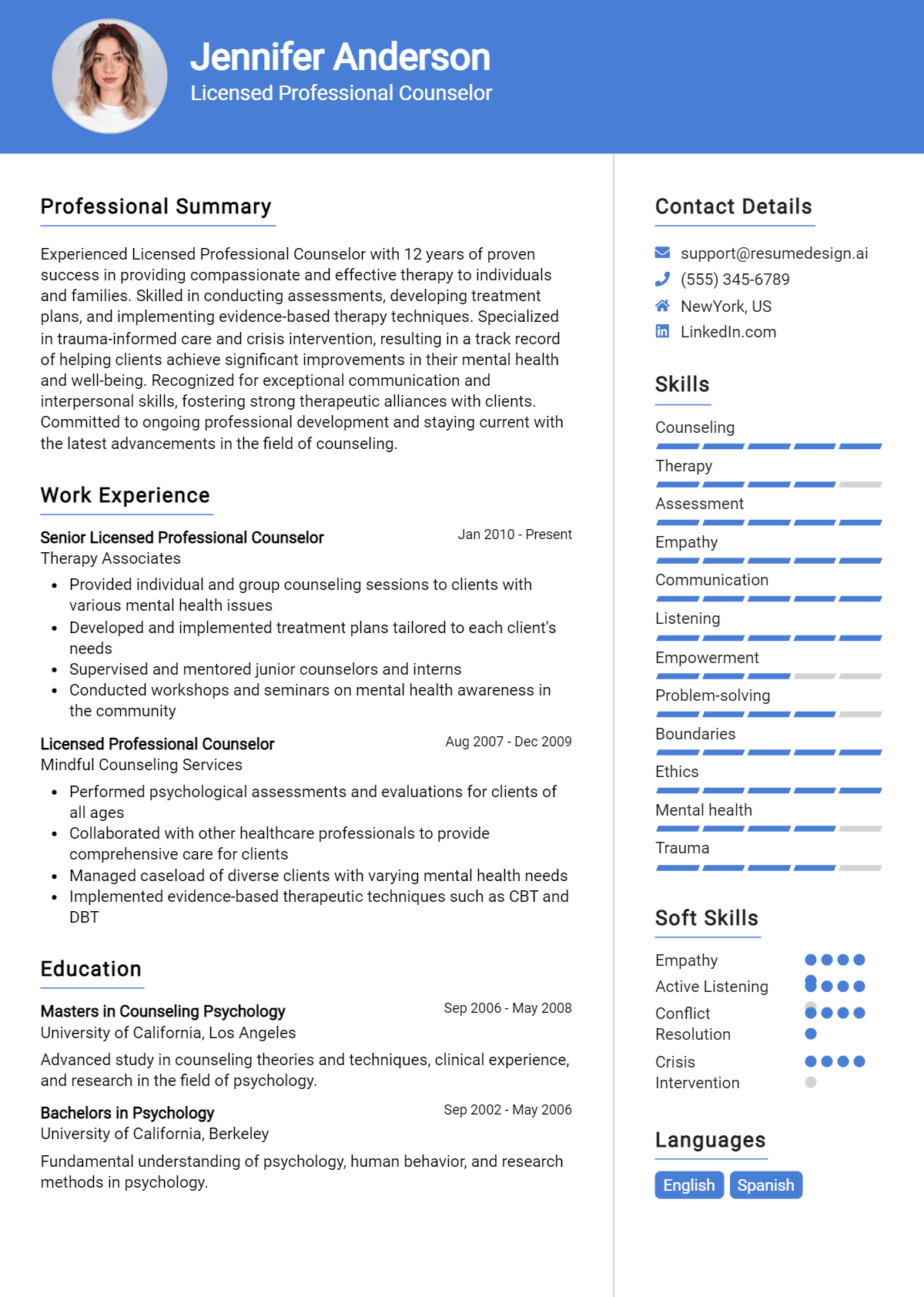
When preparing for a job interview as a Licensed Professional Counselor, it's essential to anticipate the types of questions you may face. Employers seek to understand not only your professional qualifications but also your interpersonal skills, therapeutic approaches, and how you handle various client situations. Being well-prepared with thoughtful responses can help you convey your suitability for the role and your commitment to supporting clients' mental health needs.
Here is a list of common job interview questions for Licensed Professional Counselors, along with examples of the best answers. These questions will cover your work history and experience, what you can offer to the employer, and your aspirations for the future in the field of counseling. By reflecting on these key areas, you can present yourself as a competent and compassionate candidate ready to make a positive impact in the lives of those you serve.
1. Can you describe your counseling philosophy?
My counseling philosophy centers on empathy, respect, and collaboration. I believe in creating a safe space for clients to explore their feelings and thoughts, fostering resilience and self-discovery while guiding them toward achieving their personal goals. Example: I prioritize a client-centered approach, believing that each individual has the capacity for growth. My role is to facilitate that process, providing support and encouragement while respecting their autonomy and unique experiences.
2. How do you handle difficult clients?
I approach difficult clients with patience and understanding. Building rapport is essential; I listen actively to their concerns and validate their feelings. I also adapt my techniques to meet their needs, ensuring they feel heard and respected throughout the process. Example: For a resistant client, I focused on establishing trust first. Once comfortable, I encouraged open dialogue, allowing them to express their frustrations, which ultimately led to a more productive therapeutic relationship.
3. Describe your experience with various counseling techniques.
I have trained in multiple techniques, including Cognitive Behavioral Therapy (CBT), Solution-Focused Brief Therapy, and mindfulness practices. My experience allows me to tailor my approach based on client needs, ensuring effective and personalized treatment plans that promote healing and growth. Example: I often use CBT for clients with anxiety, helping them challenge negative thoughts. However, I also incorporate mindfulness techniques when clients are receptive, as it can enhance self-awareness and emotional regulation.
4. How do you maintain client confidentiality?
I prioritize client confidentiality by adhering to ethical standards and legal regulations. I ensure that all client records are securely stored and only discuss cases in supervision or consultation with consent, fostering trust and safety in the therapeutic relationship. Example: I explain confidentiality clearly during the first session, emphasizing its importance. I also remind clients that any limits to confidentiality will be discussed, ensuring they feel secure sharing their personal information.
5. What strategies do you use for self-care?
I believe self-care is crucial in maintaining my effectiveness as a counselor. I engage in regular exercise, mindfulness meditation, and supervision sessions to process my experiences. This balance allows me to bring my best self to my clients consistently. Example: After a challenging week, I often take time for a nature walk, allowing me to recharge. I also regularly attend peer supervision for support and to reflect on my counseling practices.
6. Can you discuss a challenging case and how you handled it?
I once worked with a client struggling with severe depression and suicidal ideation. I employed a safety plan and regular check-ins while integrating CBT techniques. This comprehensive approach helped them develop coping strategies, ultimately leading to significant improvement in their mental health. Example: I worked collaboratively with the client to create a safety plan, identifying triggers and coping mechanisms. Over time, we established more positive daily routines, which contributed to their recovery and enhanced resilience.
7. How do you approach cultural competence in counseling?
I recognize the importance of cultural competence in counseling. I actively seek to understand my clients' backgrounds and values, integrating their cultural context into the therapeutic process. Continuous education and self-reflection are essential for me to remain aware of my biases and assumptions. Example: I attended workshops on cultural sensitivity, which enhanced my understanding of diverse backgrounds. This knowledge allows me to tailor my approach, ensuring clients feel valued and understood in their unique contexts.
8. What do you believe is the most important quality for a counselor?
I believe empathy is the most crucial quality for a counselor. It allows me to connect with clients on a deeper level, fostering trust and openness. Empathy helps create a safe environment where clients feel validated, promoting healing and growth throughout the therapeutic process. Example: I actively listen to my clients, reflecting their feelings back to them. This practice not only builds rapport but also encourages clients to explore their emotions more deeply, enhancing the therapeutic experience.
9. How do you approach developing a treatment plan for a client?
I start by conducting a comprehensive assessment to understand the client’s needs, strengths, and goals. Collaboratively, we establish measurable objectives and select appropriate therapeutic techniques tailored to their unique situation. Regular reviews ensure the plan remains relevant and effective.
Example:
I begin by assessing my clients through interviews and standardized tools. Together, we outline specific goals and choose modalities like cognitive-behavioral therapy, which we then monitor weekly to adjust based on their progress.
10. Can you describe a challenging case and how you handled it?
A challenging case involved a client with severe anxiety. By employing a combination of cognitive-behavioral therapy and mindfulness techniques, I helped them develop coping strategies. Regular check-ins allowed us to adjust our approach, ultimately leading to significant improvement in their condition.
Example:
I once worked with a client who faced debilitating anxiety. Through CBT and mindfulness techniques, we gradually built their coping skills, allowing them to manage triggers more effectively. This approach led to noticeable improvements in their daily life.
11. How do you maintain professional boundaries with clients?
I prioritize clear communication regarding the therapeutic relationship and ethical guidelines from the outset. Regular supervision and professional development help me reflect on my boundaries, ensuring I remain objective and focused on the client’s best interests throughout our sessions.
Example:
I establish boundaries during the initial session by discussing the limits of our relationship. Continuous professional development and supervision help me stay aware of any potential boundary issues, ensuring I focus on my clients’ needs without personal involvement.
12. What strategies do you use to work with clients from diverse backgrounds?
I employ culturally responsive practices, actively seeking to understand each client's cultural context. This involves adapting my therapeutic techniques to align with their values and beliefs, fostering an environment of respect and understanding, which enhances the therapeutic alliance.
Example:
When working with clients from diverse backgrounds, I prioritize cultural competence. I ask open-ended questions to understand their values and beliefs, allowing me to tailor my approach, ensuring they feel understood and respected throughout our sessions.
13. How do you assess the effectiveness of your therapy?
I assess therapy effectiveness through continuous feedback from clients and standardized assessments. Regularly reviewing progress toward treatment goals allows me to adjust techniques as needed, ensuring clients feel supported and actively engaged in their therapeutic journey.
Example:
I utilize client feedback and standardized measures to evaluate therapy effectiveness. By setting clear, measurable goals, I can track progress and make necessary adjustments, ensuring my clients are actively involved in their growth.
14. Describe how you handle a situation where a client is resistant to treatment.
I approach resistance with empathy, seeking to understand underlying concerns. By fostering a safe space for open dialogue, I help clients explore their feelings about therapy, adjusting my approach to better align with their readiness for change.
Example:
When facing resistance, I first listen to the client’s concerns without judgment. I encourage an open discussion about their feelings towards therapy and adapt my methods to meet them where they are, fostering a supportive environment.
15. What role does self-care play in your work as a counselor?
Self-care is crucial for maintaining my well-being and effectiveness as a counselor. I engage in regular supervision, mindfulness practices, and personal therapy to manage stress and prevent burnout, ensuring I can provide my clients with the best support possible.
Example:
I prioritize self-care through regular supervision and mindfulness activities, which help me manage stress. Additionally, I attend workshops that reinforce my skills and allow me to bring my best self to my clients.
16. How do you handle confidentiality in your practice?
I maintain strict confidentiality by adhering to ethical guidelines and legal requirements. I inform clients about the limits of confidentiality at the outset and ensure secure handling of their records, creating a safe environment for open communication.
Example:
I emphasize confidentiality in our initial session, explaining its importance and limitations. I also ensure all records are securely stored, reinforcing trust and safety in our therapeutic relationship.
17. How do you approach creating treatment plans for your clients?
I tailor treatment plans by conducting thorough assessments and collaborating with clients to identify their goals. This ensures a personalized approach that considers individual needs, preferences, and cultural backgrounds, promoting better engagement and outcomes throughout the therapeutic process.
Example:
For instance, I once worked with a client who struggled with anxiety. We created a plan that included CBT techniques and mindfulness exercises, which significantly improved their coping skills and overall mental health.
18. Describe a time you had to handle a crisis situation with a client.
In a crisis, I focus on immediate safety and stabilization. I once assisted a client experiencing suicidal ideation by conducting a risk assessment, developing a safety plan, and involving their support system, ultimately ensuring they received necessary care and support.
Example:
During a session, a client expressed suicidal thoughts. I calmly assessed their situation and established a crisis intervention plan, which included emergency contacts and follow-up sessions, ensuring they felt supported and safe.
19. What techniques do you use to build rapport with clients?
I utilize active listening, empathy, and open body language to build rapport with clients. Establishing a non-judgmental environment encourages trust, allowing clients to express themselves freely and facilitating a stronger therapeutic relationship.
Example:
Once, I spent the first session simply listening to a client’s life story. This approach fostered trust and helped them feel comfortable sharing deeper issues in subsequent sessions.
20. How do you ensure cultural competence in your counseling practice?
I prioritize cultural competence by continuously educating myself on different cultures and perspectives. I incorporate culturally relevant practices and actively seek feedback from clients about their cultural preferences, ensuring that my approach is respectful and effective.
Example:
I once adjusted my therapeutic techniques for a client from a collectivist culture by incorporating family dynamics into our sessions, which enhanced their engagement and understanding of the therapeutic process.
21. How do you handle clients who are resistant to therapy?
I approach resistance with curiosity, exploring the underlying reasons for their reluctance. By validating their feelings and providing a safe space, I encourage open dialogue, which often leads to breakthroughs and increased willingness to engage in the therapeutic process.
Example:
With a resistant client, I asked about their hesitations. This led to a discussion about their previous negative experiences, which I addressed, ultimately improving their openness to explore therapy.
22. What is your experience with group therapy?
I have facilitated various group therapy sessions, focusing on anxiety and grief. My experience includes creating a safe and supportive atmosphere where participants share their experiences, learn from one another, and develop coping strategies together through structured activities.
Example:
In one group, I led discussions on coping mechanisms during grief. The shared experiences fostered connection, allowing participants to support each other, which was incredibly rewarding.
23. How do you measure the success of your counseling interventions?
I measure success through client feedback, progress toward treatment goals, and observable changes in behavior or mood. Regular assessments and check-ins help adjust interventions as necessary, ensuring clients experience tangible improvements throughout our work together.
Example:
After implementing CBT techniques, I checked in with clients to assess their anxiety levels. Their reports of reduced symptoms confirmed that our interventions were effective.
24. What strategies do you employ to maintain your own mental health?
I prioritize self-care by engaging in regular supervision, attending workshops, and practicing mindfulness. These strategies help me process my experiences, avoid burnout, and remain present for my clients while ensuring my own well-being.
Example:
I schedule monthly supervision sessions to discuss challenging cases, and I practice meditation daily, which rejuvenates my focus and enhances my effectiveness as a counselor.
25. How do you approach building rapport with new clients?
Building rapport starts with active listening and showing empathy. I create a safe space for clients to share their thoughts and feelings, ensuring they feel understood. I also share relevant experiences to create trust and connection.
Example:
I typically start sessions with open-ended questions and validate their feelings. For instance, I once worked with a hesitant client by actively listening and reflecting their emotions, which helped establish a solid therapeutic relationship.
26. How do you handle clients who are resistant to therapy?
I address resistance by exploring the underlying reasons for their hesitance. I use motivational interviewing techniques to encourage discussion and help them see the benefits of therapy. Building trust is essential for overcoming these barriers.
Example:
With a resistant client, I asked open-ended questions to understand their fears. I acknowledged their concerns and shared success stories, which encouraged them to engage more actively in the therapeutic process.
27. Can you describe your experience with group counseling?
I have facilitated various group counseling sessions, focusing on topics like anxiety and grief. I prioritize creating a supportive environment where participants can share their experiences and learn from each other, leading to collective healing.
Example:
In my last role, I led a weekly support group for individuals dealing with grief. I encouraged sharing personal stories, which fostered connection and support among members, promoting a sense of community.
28. How do you stay current with developments in counseling practices?
I regularly attend workshops, webinars, and conferences related to counseling. I also subscribe to professional journals and participate in peer supervision groups to discuss new techniques and research findings relevant to my practice.
Example:
Recently, I attended a conference on trauma-informed care, which introduced me to new methodologies. I implemented these strategies in my practice, enhancing my ability to support clients with trauma backgrounds effectively.
29. How do you manage your own mental health while helping others?
I prioritize self-care by engaging in regular therapy, exercise, and mindfulness practices. Setting boundaries and seeking supervision helps me process my experiences and maintain my emotional well-being, allowing me to be fully present for my clients.
Example:
I schedule weekly self-care activities, like yoga and journaling, to recharge. Additionally, I participate in supervision sessions, allowing me to reflect and discuss challenging cases, which is vital for my mental health.
30. Describe a time when you had to handle a crisis situation with a client.
During a session, a client expressed suicidal thoughts. I immediately implemented a safety plan, ensuring they felt secure. I contacted emergency services and involved their support system while providing reassurance and empathy throughout the process.
Example:
Once, a client threatened self-harm during a session. I calmly engaged them in a conversation about their feelings, assessed the risk, and then collaborated with emergency services to ensure their safety and provide immediate support.
31. How do you incorporate cultural competence into your counseling practice?
Cultural competence is vital in my practice. I actively seek to understand each client’s cultural background and integrate that knowledge into our sessions. This approach fosters respect, understanding, and more effective therapy tailored to their unique perspectives.
Example:
I once worked with a client from a different cultural background. I researched their traditions and values, which helped us build a stronger rapport and allowed me to tailor my approach to fit their cultural context.
32. What strategies do you use to set and maintain boundaries with clients?
I establish clear boundaries during the initial session, discussing expectations and limits. I reinforce these boundaries consistently while maintaining a professional yet warm demeanor, which helps clients understand the therapeutic framework and feel safe.
Example:
In our first session, I clearly outlined my professional boundaries, discussing confidentiality and communication methods. I revisit these boundaries as needed, ensuring clients feel secure while respecting the therapeutic relationship.
33. How do you build rapport with new clients?
Building rapport starts with active listening and showing empathy. I create a safe environment where clients feel respected and understood, often using open-ended questions to encourage them to share their thoughts and feelings.
Example:
I initiate sessions by asking about their interests and experiences. I ensure to reflect their emotions back to them, which helps them feel heard and valued, fostering a strong therapeutic relationship from the outset.
34. Describe a challenging case you handled and how you approached it.
I once worked with a client who was resistant to therapy. I approached this by establishing trust and gradually introducing therapeutic techniques, focusing on their strengths and interests, which eventually led to meaningful progress.
Example:
In one case, I spent several sessions building trust. I used motivational interviewing to explore their resistance, which helped them open up about their fears and ultimately engage more actively in the therapeutic process.
35. How do you handle ethical dilemmas in counseling?
I adhere to the ethical guidelines provided by the ACA and consult with supervisors when faced with dilemmas. I prioritize client welfare, confidentiality, and informed consent while considering all perspectives involved.
Example:
In a situation where a client disclosed harmful intentions, I followed ethical protocols by assessing risk, ensuring their safety, and involving appropriate authorities, all while maintaining open communication with the client about my actions.
36. What techniques do you use for trauma-informed care?
I employ techniques such as grounding exercises, mindfulness, and cognitive restructuring to help clients process trauma. I ensure to create a supportive environment that respects their pace and fosters empowerment throughout the healing journey.
Example:
I often use narrative therapy to allow clients to share their stories in a safe space, helping them reframe their experiences. This approach encourages them to reclaim their narrative and fosters resilience and empowerment.
37. How do you assess a client's progress in therapy?
I assess progress through regular check-ins, goal-setting, and evaluating changes in behavior, mood, and coping strategies. I also utilize standardized assessment tools to quantify improvements and ensure that our therapeutic goals are being met.
Example:
During sessions, I ask clients to reflect on their progress compared to their initial goals. Additionally, I use tools like the Beck Depression Inventory to measure changes in their symptoms over time, facilitating discussions on their journey.
38. What role does supervision play in your practice?
Supervision is crucial for my professional growth. It provides a space for reflection, feedback, and learning from experienced colleagues. I use supervision to discuss challenging cases and ensure I maintain ethical standards and improve my therapeutic skills.
Example:
In my supervision sessions, I present difficult cases and seek guidance on best practices, which enhances my clinical skills and helps me gain new perspectives, ultimately benefiting my clients’ therapeutic outcomes.
39. How do you approach multicultural counseling?
I prioritize cultural competence by actively educating myself about my clients' backgrounds and experiences. I adapt my approach to respect their values, beliefs, and traditions, ensuring that therapy is relevant and effective.
Example:
I once worked with a client from a different culture. I took the time to learn about their customs and integrated culturally relevant practices into our sessions, which greatly improved their engagement and comfort level.
40. What self-care practices do you implement to prevent burnout?
I prioritize self-care by maintaining a balanced lifestyle that includes regular exercise, mindfulness practices, and supervision. I also take time off when needed, ensuring I am mentally and emotionally available for my clients.
Example:
I engage in yoga and meditation weekly, which helps me recharge. Additionally, I schedule regular vacations and time for hobbies, ensuring I remain balanced and passionate about my work as a counselor.
41. How do you handle clients who are resistant to therapy?
I approach resistant clients with empathy and patience, exploring their concerns and building rapport. I often use motivational interviewing techniques to help them express their feelings and identify their goals, creating a safe space for discussion. This method fosters trust and opens pathways for engagement.
Example:
In my previous role, I encountered a client hesitant to share. By actively listening and validating their feelings, I gradually helped them open up, leading to a productive therapeutic relationship and significant progress in their treatment.
42. Can you describe a challenging case and how you managed it?
One challenging case involved a client with severe anxiety and depression. I employed cognitive-behavioral techniques while collaborating with a psychiatrist for medication management. This integrated approach helped stabilize their condition, enabling us to work on coping strategies and personal goals effectively.
Example:
A client struggling with social anxiety was challenging. I introduced gradual exposure techniques, which helped them slowly engage in social settings. Over time, their confidence grew, and they reported significant improvements in their overall well-being.
43. How do you maintain confidentiality in your practice?
I prioritize confidentiality by adhering strictly to HIPAA regulations and ethical guidelines. I ensure that all client records are secured and limit information sharing to necessary personnel. I also educate clients about confidentiality to foster a trusting therapeutic environment.
Example:
In my practice, I explain confidentiality protocols during the first session. I also keep sensitive files locked and utilize secure electronic systems, ensuring that clients feel safe disclosing personal information without fear of breaches.
44. What strategies do you use to develop treatment plans?
I develop treatment plans collaboratively with clients, incorporating their goals, strengths, and challenges. Assessments and feedback inform tailored strategies, ensuring the plan is relevant and achievable. Regular reviews of progress help adjust goals and techniques as needed.
Example:
I once collaborated with a client to identify their career goals. Together, we created a plan emphasizing stress management and self-esteem building, allowing for modifications based on their evolving needs and progress throughout therapy.
45. How do you approach cultural competence in counseling?
I prioritize cultural competence by continually educating myself on diverse backgrounds and integrating clients' cultural contexts into therapy. I actively listen to their experiences and values, adapting my approach to ensure sensitivity and respect throughout the counseling process.
Example:
I worked with a client from a different cultural background. By researching their cultural values and discussing them in our sessions, I tailored my approach, which greatly improved our therapeutic relationship and led to more effective outcomes.
46. How do you handle burnout in your profession?
I manage burnout by prioritizing self-care, setting boundaries, and seeking supervision when needed. Regularly engaging in professional development and peer support groups helps me stay motivated and connected, allowing me to provide the best care for my clients.
Example:
After feeling overwhelmed, I implemented a self-care routine, including regular exercise and mindfulness practices. This not only revitalized my energy but also improved my focus and empathy in sessions, benefiting both my well-being and my clients.
How Do I Prepare For A Licensed Professional Counselor Job Interview?
Preparing for a job interview as a Licensed Professional Counselor is crucial for making a positive impression on the hiring manager. A well-prepared candidate demonstrates professionalism and a genuine interest in the role, which can set them apart from others. Here are some essential tips to help you get ready for your interview:
- Research the company and its values: Understand the organization's mission, vision, and the specific services they offer to align your answers with their goals.
- Practice answering common interview questions: Be ready to discuss your counseling approach, ethical considerations, and scenarios that demonstrate your ability to handle various situations.
- Prepare examples that demonstrate your skills and experience: Use the STAR method (Situation, Task, Action, Result) to articulate your past experiences effectively.
- Review relevant laws and ethical guidelines: Brush up on the regulations and ethical standards that govern counseling practices in your state to showcase your professionalism.
- Dress appropriately for the interview: Opt for professional attire that reflects the seriousness of the counseling profession, ensuring you make a strong first impression.
- Bring necessary documents: Prepare copies of your resume, licenses, certifications, and any other relevant documentation to present during the interview.
- Prepare thoughtful questions for the interviewer: Show your interest in the position by asking insightful questions about the team dynamics, client population, and opportunities for professional development.
Frequently Asked Questions (FAQ) for Licensed Professional Counselor Job Interview
Preparing for an interview as a Licensed Professional Counselor can significantly impact your performance and confidence. Being aware of commonly asked questions allows you to articulate your experiences, skills, and approach more effectively, leading to a successful interview outcome.
What should I bring to a Licensed Professional Counselor interview?
When attending a Licensed Professional Counselor interview, it's essential to bring several key items to make a positive impression. Prepare multiple copies of your resume, a list of references, and any relevant certifications or licenses. Additionally, consider bringing a notebook and pen to take notes during the interview, as well as any questions you may have for the interviewer. This preparation demonstrates your professionalism and readiness for the role.
How should I prepare for technical questions in a Licensed Professional Counselor interview?
To prepare for technical questions, review the core competencies and ethical guidelines relevant to the Licensed Professional Counselor role. Familiarize yourself with common therapeutic techniques, assessment tools, and treatment modalities that may be discussed. Consider practicing with a peer or mentor by role-playing potential scenarios. This will not only boost your confidence but also help you articulate your knowledge and skills clearly during the interview.
How can I best present my skills if I have little experience?
If you have limited experience, focus on highlighting transferable skills and relevant training. Discuss your academic background, internships, volunteer experiences, and any workshops or certifications you've completed. Emphasize your passion for counseling, your ability to connect with clients, and your eagerness to learn and grow in the field. Framing your limited experience in terms of your potential can resonate positively with interviewers.
What should I wear to a Licensed Professional Counselor interview?
Your attire for a Licensed Professional Counselor interview should be professional and reflect the setting in which you wish to work. Opt for business casual or formal clothing, such as dress slacks and a button-up shirt or a knee-length dress. Ensure your outfit is clean, pressed, and comfortable. Dressing appropriately not only presents a professional image but also helps you feel more confident during the interview.
How should I follow up after the interview?
Following up after the interview is a crucial step in the job application process. Send a thank-you email within 24 hours, expressing your gratitude for the opportunity to interview. In your message, briefly reiterate your interest in the position and mention a specific discussion point from the interview that resonated with you. This not only demonstrates your professionalism but also keeps you fresh in the interviewer's mind as they make their decision.
Conclusion
In this interview guide for Licensed Professional Counselors, we have covered essential aspects of preparation, including the importance of demonstrating your skills, experience, and personal philosophy. Being well-prepared can significantly enhance your confidence and performance during interviews. By practicing responses to both technical and behavioral questions, you can improve your chances of making a positive impression on your potential employer.
As you embark on your interview journey, remember to utilize the tips and examples provided in this guide to approach your interviews with confidence. Embrace the opportunity to showcase your qualifications and passion for helping others. Best of luck!
For further assistance, check out these helpful resources: resume templates, resume builder, interview preparation tips, and cover letter templates.