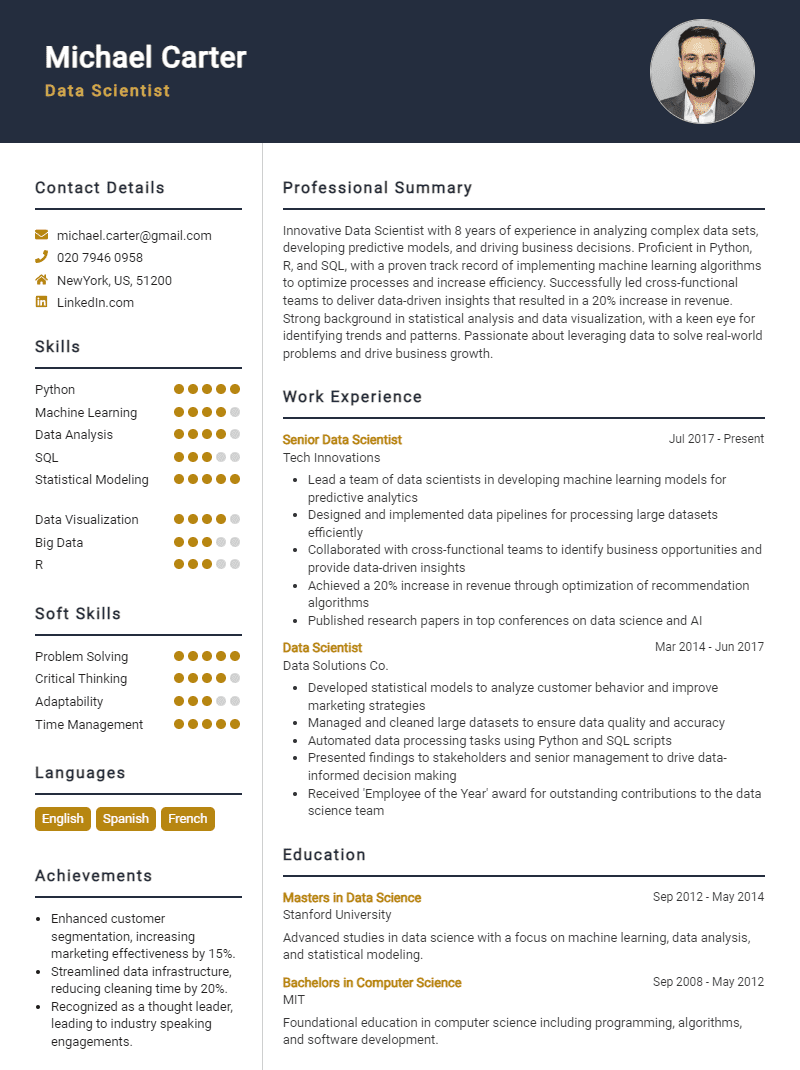
When preparing for an interview in the IT Service Desk role, it's essential to anticipate the questions that may arise, as they can help you demonstrate your technical knowledge, problem-solving skills, and customer service expertise. Being well-prepared not only boosts your confidence but also allows you to effectively showcase your qualifications and fit for the position.
Here is a list of common job interview questions for the IT Service Desk position, along with examples of the best answers. These questions will delve into your work history and experience, highlight what you can bring to the employer, and explore your professional goals for the future, ensuring that you present a well-rounded picture of your capabilities and aspirations.
1. Can you describe your experience with IT Service Desk tools?
I have extensive experience using ticketing systems like ServiceNow and JIRA for incident management. I’m skilled in tracking, prioritizing, and resolving issues efficiently while ensuring effective communication with end-users to provide timely updates and solutions.
Example:
In my previous role, I used ServiceNow to manage over 100 tickets daily, ensuring all were addressed within SLA. This experience honed my ability to streamline workflows and enhance user satisfaction.
2. How do you prioritize multiple urgent requests?
I assess the impact and urgency of each request by considering user needs and business operations. I use a triage method to categorize tickets and communicate expected resolution times clearly to users, ensuring transparency and managing expectations effectively.
Example:
When faced with multiple urgent requests, I prioritize those that affect critical operations first, then update users on timelines. This approach minimizes downtime and improves overall service delivery.
3. How do you handle difficult customers?
I approach difficult customers with empathy and patience, actively listening to their concerns. I strive to understand their perspective and provide clear solutions, ensuring they feel valued and respected throughout the process. Keeping a calm demeanor is key.
Example:
Once, a frustrated user was upset about a prolonged issue. I listened attentively, offered updates, and escalated the matter efficiently, which turned the situation around and improved their satisfaction.
4. What steps do you take to troubleshoot a technical issue?
I follow a systematic troubleshooting process: gather information, replicate the issue, consult documentation, and apply potential solutions. If needed, I escalate to higher-level support, ensuring I keep the user informed at each step of the process.
Example:
When troubleshooting a network issue, I first collected user details, replicated the problem, and consulted the network logs. I then implemented a fix, restoring connectivity quickly while keeping the user updated throughout.
5. How do you ensure effective communication with users?
I prioritize clear and concise communication by using simple language and avoiding technical jargon. I provide regular updates on ticket status and encourage users to ask questions, fostering an open dialogue that builds trust and understanding.
Example:
I always summarize our conversation and confirm next steps after each interaction. This practice ensures that users feel informed and reassured about how their issues are being handled.
6. Can you provide an example of a time you resolved a challenging technical issue?
In a previous role, I resolved a persistent software bug that impacted several users. I collaborated with the development team to identify the root cause, tested the solution, and communicated the fix to all affected users, significantly improving their productivity.
Example:
After identifying a software bug affecting multiple users, I coordinated with developers to prioritize the fix. My proactive communication kept users informed, and the issue was resolved within two days.
7. What do you think is the most important skill for an IT Service Desk professional?
I believe the most important skill is effective communication. Being able to convey technical information clearly to non-technical users is vital for resolving issues efficiently and ensuring user satisfaction.
Example:
In my experience, clear communication has helped bridge gaps between technical teams and users, reducing misunderstandings and leading to quicker resolutions of issues.
8. How do you stay updated with the latest technology trends?
I stay updated by subscribing to tech blogs, participating in online forums, and attending webinars. Additionally, I engage in continuous learning through certifications and courses, which helps me provide better support and stay relevant in a rapidly changing field.
Example:
I regularly read industry publications like TechCrunch and attend webinars related to IT service management to ensure I’m informed about emerging technologies and best practices.
9. How do you prioritize multiple support requests?
I assess the urgency and impact of each request, categorizing them by severity. Critical issues affecting multiple users are addressed first, while minor issues are scheduled appropriately. This helps maintain efficient service delivery and user satisfaction.
Example:
For instance, if a network outage affects the entire department, I prioritize it over a single user's software issue, ensuring the most critical needs are addressed first.
10. Can you describe a time when you resolved a difficult technical issue?
In a previous role, I encountered a recurring printer issue. After thorough troubleshooting, I identified outdated drivers as the culprit. Updating them resolved the problem, enhancing productivity and minimizing downtime for the users involved.
Example:
For example, I fixed a persistent printing error by researching driver updates, which not only solved the issue but also improved user satisfaction significantly.
11. How do you handle a situation where you don’t know the answer to a user's question?
I remain calm and assure the user that I will find the answer. I then either consult knowledge bases or escalate the issue to a senior technician. Following up with the user is crucial to ensure their needs are met.
Example:
For instance, if I’m unsure about a software feature, I’ll research it and get back to the user promptly to provide a solution.
12. What tools do you use for ticket management?
I have experience with various ticket management tools such as ServiceNow and Zendesk. These platforms enable efficient tracking, prioritization, and reporting of incidents, helping teams deliver timely support and improve user satisfaction.
Example:
For example, using ServiceNow allowed us to streamline our ticket workflow and reduce response times significantly.
13. How do you ensure effective communication with users?
I maintain clear and concise communication by actively listening to users, summarizing their issues, and explaining solutions in simple terms. Regular updates during the resolution process also keep users informed and engaged.
Example:
For instance, I always follow up with users after resolving their issues to ensure they are satisfied with the solution and understand the steps taken.
14. Describe a time when you received negative feedback. How did you respond?
I once received feedback about slow response times during a high-volume period. I acknowledged the concern, reviewed our processes, and implemented a triage system to improve efficiency. This led to faster resolutions and increased user satisfaction.
Example:
For example, I took the feedback as a learning opportunity and adjusted our workflow, resulting in improved response times and user happiness.
15. How do you stay updated with the latest technology trends?
I subscribe to IT newsletters, participate in online forums, and attend webinars. Continuous learning is vital in IT, and I make it a priority to stay informed about emerging technologies and best practices that can enhance our service delivery.
Example:
For instance, I recently attended a webinar on cloud technologies, which has helped me advise users on transitioning to cloud services effectively.
16. What do you believe is the most critical skill for an IT Service Desk professional?
I believe communication is the most critical skill for an IT Service Desk professional. Effectively conveying information and understanding user needs is essential for resolving issues quickly and maintaining positive relationships with users.
Example:
For example, clear communication helps me translate technical jargon into user-friendly terms, ensuring users feel supported and informed throughout the process.
17. How do you prioritize multiple service requests from users?
In a busy IT Service Desk, I prioritize requests based on urgency and impact. Critical issues affecting multiple users or key business functions take precedence. I also communicate with users to manage expectations and ensure transparency in my prioritization process.
Example:
When prioritizing requests, I first assess the impact on business operations. For example, if a software issue affects the finance department, it becomes my top priority over single-user requests.
18. Can you describe a time you turned a negative customer experience into a positive one?
I once handled an upset user due to a prolonged outage. I listened empathetically, provided regular updates, and escalated the issue promptly. After resolving it, I followed up to ensure satisfaction, turning their frustration into appreciation for our support.
Example:
A user was frustrated with a recurring issue. I listened, assured them I’d escalate it, and kept them updated. After resolution, they thanked me for my support and prompt communication.
19. How do you stay updated on the latest technologies relevant to your role?
I regularly participate in webinars, online courses, and industry forums. Additionally, I subscribe to technology newsletters and follow relevant blogs. This continuous learning helps me stay informed about emerging tools and best practices that enhance our service desk operations.
Example:
I attend monthly webinars and subscribe to tech newsletters. Recently, I completed an online course on cloud services to enhance my understanding and support capabilities.
20. Describe your experience with ticketing systems.
I have extensive experience using ticketing systems like ServiceNow and JIRA. I efficiently log, track, and resolve tickets, ensuring accurate documentation. This practice helps maintain clear communication with users and provides valuable metrics for service improvement.
Example:
In my previous role, I used ServiceNow daily to manage tickets, prioritize issues, and document resolutions, which improved our response times significantly.
21. How do you handle a situation where you don’t know the answer to a user’s question?
If I encounter a question I cannot answer, I remain calm and assure the user I will find the information. I actively research or consult with colleagues, then follow up promptly. This approach builds trust and showcases my commitment to resolving their issue.
Example:
When faced with an unfamiliar issue, I tell the user I'll find the answer. I then consult resources or colleagues and update the user as soon as possible.
22. What steps do you take to ensure documentation is clear and useful for the team?
I ensure documentation is clear by using simple language and consistent formatting. I include step-by-step instructions for common issues and update documents regularly based on feedback and new solutions. This makes it easier for team members to find and use the information.
Example:
I create user-friendly guides with clear language and visuals. Regular updates based on team feedback help maintain accuracy and user-friendliness.
23. How would you handle a situation with a difficult or irate user?
I approach difficult users with patience and empathy. I listen actively to their concerns without interruption, validate their feelings, and calmly provide solutions. Remaining professional and focused on resolution helps de-escalate the situation and rebuilds trust.
Example:
I once calmed an irate user by listening to their issue thoroughly, acknowledging their frustration, and assuring them I’d resolve it quickly. This approach diffused tension.
24. What is your approach to training new team members in the service desk?
My training approach includes a structured onboarding plan that covers essential tools, processes, and customer service skills. I pair new team members with experienced staff for shadowing, provide hands-on practice, and encourage questions to foster confidence and competence.
Example:
I developed a comprehensive training program for new hires, including shadowing experienced staff, hands-on exercises, and regular feedback to ensure they feel supported and confident.
25. How do you prioritize multiple support requests?
I assess the urgency and impact of each request, categorizing them based on business needs. Critical issues affecting many users take precedence, while minor problems are addressed later. I utilize ticketing systems to track and manage priorities effectively.
Example:
When faced with multiple tickets, I first address those that impact business operations, like network outages, followed by user-specific issues. This ensures minimal disruption and maintains productivity across the team.
26. Describe a time you dealt with a difficult customer.
I encountered a frustrated user who faced repeated issues. I listened actively, empathized, and assured them I would resolve their problem. By providing consistent updates and ultimately resolving the issue, I regained their trust and improved their experience.
Example:
I once assisted a user who was upset about a software error. I listened patiently, provided a solution, and followed up to ensure satisfaction. This approach transformed their frustration into appreciation.
27. What tools do you use for IT support?
I use ticketing systems like JIRA and ServiceNow for tracking issues, remote desktop software for troubleshooting, and communication tools like Slack for team collaboration. These tools enhance efficiency and streamline the support process.
Example:
I frequently utilize ServiceNow for ticket management, TeamViewer for remote support, and Microsoft Teams for communication. These tools allow seamless collaboration and timely issue resolution.
28. How do you ensure customer satisfaction?
I prioritize clear communication, setting realistic expectations, and following up post-resolution. Gathering feedback through surveys also helps me understand areas for improvement. Building rapport with users is essential for long-term satisfaction.
Example:
After resolving an issue, I always check in with users to ensure they’re satisfied with the solution. This not only reassures them but also fosters a positive relationship.
29. What steps do you take to troubleshoot a technical issue?
I start by gathering detailed information from the user about the issue. Then, I replicate the problem, analyze logs, and identify potential causes. Once diagnosed, I apply a solution and verify its effectiveness with the user.
Example:
When addressing a software crash, I first ask the user for error messages, then replicate the issue on my system, analyze logs for clues, and implement a fix based on my findings.
30. How do you handle software updates and maintenance notifications?
I communicate scheduled updates in advance, providing users with clear timelines and potential impacts. During updates, I ensure support is available to address any immediate concerns, and I follow up afterward to confirm that all systems are functioning properly.
Example:
Before applying updates, I send notifications detailing the schedule and expected downtime. After updates, I check in with users to ensure their systems are working smoothly.
31. Describe your experience with documentation in IT support.
I believe thorough documentation is crucial for effective IT support. I maintain clear records of issues, solutions, and user interactions in our knowledge base. This practice helps in training new team members and provides quick reference for recurring issues.
Example:
I consistently document all support tickets and resolutions in our internal wiki. This not only aids future troubleshooting but also serves as a valuable training resource for new staff.
32. How do you stay updated with IT trends and technologies?
I subscribe to industry newsletters, participate in webinars, and engage in online forums. Additionally, I take relevant courses to enhance my skills. Staying informed allows me to deliver better service and advise users on the latest technologies.
Example:
I regularly read tech blogs and attend webinars on new software tools. This helps me stay ahead of trends and better support our users' evolving needs.
33. How do you prioritize multiple support tickets that come in simultaneously?
I prioritize tickets based on urgency and impact. Critical issues affecting multiple users take precedence, followed by those affecting single users. I also communicate with the users to manage expectations and ensure timely resolutions.
Example:
I assess the tickets based on impact and urgency. For instance, a network outage affecting the whole office would be handled before a single user’s software issue.
34. Can you describe a time when you had to handle a difficult customer? How did you resolve the situation?
I once dealt with an upset customer due to a prolonged system outage. I listened actively to their concerns, assured them I was working on a solution, and provided regular updates until the issue was resolved, which helped regain their trust.
Example:
I encountered a frustrated user during a major outage. I listened, empathized, and kept them updated, which eased their concerns and led to a successful resolution.
35. What steps do you take to document a support issue effectively?
I ensure to capture essential details like the user's information, issue description, steps to reproduce, and troubleshooting performed. This documentation aids in tracking recurring issues and helps other team members understand the context.
Example:
I document the user's data, issue specifics, troubleshooting steps, and any resolutions provided. This thoroughness supports future reference and team collaboration.
36. How do you stay up to date with the latest technology trends and tools?
I regularly read industry blogs, participate in webinars, and attend workshops. Networking with peers also provides insights into new tools and best practices, ensuring I remain informed and effective in my role.
Example:
I subscribe to tech newsletters, attend webinars, and engage with online forums to stay informed about the latest trends and tools in IT.
37. Describe your experience with ticketing systems. Which ones have you used?
I have experience with several ticketing systems, including ServiceNow and JIRA. I find them effective for tracking issues, managing workloads, and maintaining clear communication with users throughout the support process.
Example:
I’ve used ServiceNow and JIRA extensively, which helped me manage support requests efficiently and maintain clear communication with users.
38. How do you handle a situation where you don't know the answer to a user's question?
If I don’t know an answer, I remain calm and assure the user I will find the information. I then consult my resources or escalate the issue to a more experienced colleague while keeping the user informed.
Example:
I would acknowledge my lack of knowledge, assure the user I'll find the answer, and either research or escalate it while keeping them updated.
39. Can you explain the importance of providing excellent customer service in an IT Service Desk role?
Providing excellent customer service is crucial as it builds user trust and satisfaction. Positive experiences encourage users to seek help when needed, fostering a collaborative environment and improving overall productivity within the organization.
Example:
Excellent customer service builds trust and satisfaction, encouraging users to seek help, which ultimately enhances productivity and teamwork.
40. What strategies do you employ to troubleshoot hardware issues effectively?
I follow a systematic approach: I first gather information from the user, then check for common issues like connectivity or power problems. If needed, I run diagnostic tools before consulting manuals or escalating the issue to a technician.
Example:
I gather information, check basic connectivity, run diagnostics, and consult manuals. If unresolved, I escalate to ensure prompt resolution.
41. How do you prioritize multiple service desk tickets?
I prioritize tickets based on urgency and impact. Critical issues affecting many users take precedence, while minor ones can wait. I also consider the SLA and communicate with users to manage expectations effectively.
Example:
For instance, if a network outage affects all users, I'd prioritize that over a single user's password reset request, ensuring minimal disruption to the business.
42. Can you describe a time when you went above and beyond for a customer?
I once had a user facing recurring issues with their software. I took the initiative to investigate further, collaborating with the development team to find a permanent solution, which greatly improved the user's experience and productivity.
Example:
After resolving the issue, I provided the user with a personalized training session, ensuring they felt confident using the software moving forward.
43. How do you handle difficult customers?
I remain calm and empathetic, actively listening to their concerns. I acknowledge their frustration and assure them I will do my best to resolve the issue. This approach often diffuses tension and fosters a collaborative atmosphere.
Example:
In one instance, a customer was upset about a delayed response. I listened, apologized, and provided a clear timeline for resolution, which helped rebuild their trust in our service.
44. What tools do you use for ticket management?
I have experience with several ticket management tools like ServiceNow and JIRA. These platforms help streamline ticket tracking, prioritize tasks, and ensure efficient communication among team members to enhance customer service.
Example:
For instance, while using ServiceNow, I utilized its reporting features to identify trends and areas for improvement in our service delivery.
45. How do you keep your technical knowledge up to date?
I regularly engage in professional development through online courses, webinars, and industry forums. I also participate in relevant certification programs to ensure my skills and knowledge align with current technologies and practices.
Example:
Recently, I completed a course on cloud services, which has been invaluable as our organization transitions to cloud-based solutions.
46. How do you assess and improve service desk performance?
I assess performance through key metrics like ticket resolution time, customer satisfaction ratings, and ticket volume trends. Regular team meetings and feedback sessions help identify areas for improvement and implement best practices.
Example:
By analyzing our metrics, we adjusted our training approach, which led to a 20% reduction in average resolution time over the next quarter.
How Do I Prepare For A IT Service Desk Job Interview?
Preparing for an IT Service Desk job interview is crucial in making a positive impression on the hiring manager. A well-prepared candidate not only showcases their skills and experience but also demonstrates their enthusiasm and commitment to the role. Here are some key preparation tips to help you succeed:
- Research the company and its values to align your answers with their mission.
- Practice answering common interview questions specific to IT Service Desk roles.
- Prepare examples that demonstrate your skills and experience relevant to the IT Service Desk.
- Familiarize yourself with common IT terminology and tools used in the industry.
- Understand the basics of troubleshooting and customer service best practices.
- Dress appropriately to convey professionalism and confidence.
- Prepare questions to ask the interviewer about the team and company culture.
Frequently Asked Questions (FAQ) for IT Service Desk Job Interview
Preparing for an interview can be a daunting task, especially in the IT Service Desk field where both technical and soft skills are crucial. Understanding common questions that may arise can help candidates feel more confident and articulate during their interview. Below are some frequently asked questions that can guide your preparation.
What should I bring to an IT Service Desk interview?
When attending an IT Service Desk interview, it's essential to come prepared with several key items. Bring multiple copies of your resume, a list of references, and any certifications relevant to the position. Additionally, consider having a notepad and pen for taking notes during the interview. If you have a portfolio of relevant work or projects, it can be beneficial to bring that as well. Having these materials ready shows your professionalism and readiness for the role.
How should I prepare for technical questions in an IT Service Desk interview?
To prepare for technical questions, familiarize yourself with common IT concepts and tools relevant to the Service Desk role. Review basic troubleshooting steps for hardware and software issues, and be ready to discuss any specific technologies mentioned in the job description, such as ticketing systems or remote support tools. Practicing with mock interviews or using online resources can also enhance your confidence in answering technical queries effectively.
How can I best present my skills if I have little experience?
If you're new to the IT Service Desk field, focus on highlighting your transferable skills and any relevant experiences, even if they are not directly from an IT role. Emphasize your problem-solving abilities, communication skills, and willingness to learn. If you've completed any coursework, certifications, or volunteer work related to IT, make sure to mention these as they demonstrate your commitment to the field. Frame your lack of experience as an opportunity for growth and eagerness to develop in the role.
What should I wear to an IT Service Desk interview?
Dressing appropriately for an IT Service Desk interview is important as it reflects your professionalism. Aim for business casual attire unless the company culture suggests otherwise. This might include slacks or a skirt with a collared shirt or blouse. Avoid overly casual clothing like jeans or sneakers. Looking polished will help create a positive first impression and convey that you take the interview seriously.
How should I follow up after the interview?
Following up after an interview is a vital step in the job application process. Send a thank-you email to your interviewer within 24 hours, expressing gratitude for the opportunity to interview and reiterating your interest in the position. Mention specific points discussed during the interview to personalize your message. This not only shows your appreciation but also reinforces your enthusiasm for the role, keeping you top of mind as they make their decision.
Conclusion
In this interview guide, we have covered essential aspects of preparing for an IT Service Desk position, emphasizing the importance of thorough preparation, practice, and the demonstration of relevant skills. Candidates should focus on both technical expertise and behavioral competencies, as being well-rounded in these areas significantly enhances your chances of success in the interview process.
By preparing for a variety of technical and behavioral questions, you position yourself as a strong candidate who can effectively address the challenges of the role. Remember, confidence is key, and with the insights and examples provided in this guide, you are equipped to approach your interviews with assurance.
Take advantage of the tips and resources provided, and step into your interviews ready to impress. Best of luck on your journey to securing your IT Service Desk role!
For further assistance, check out these helpful resources: resume templates, resume builder, interview preparation tips, and cover letter templates.