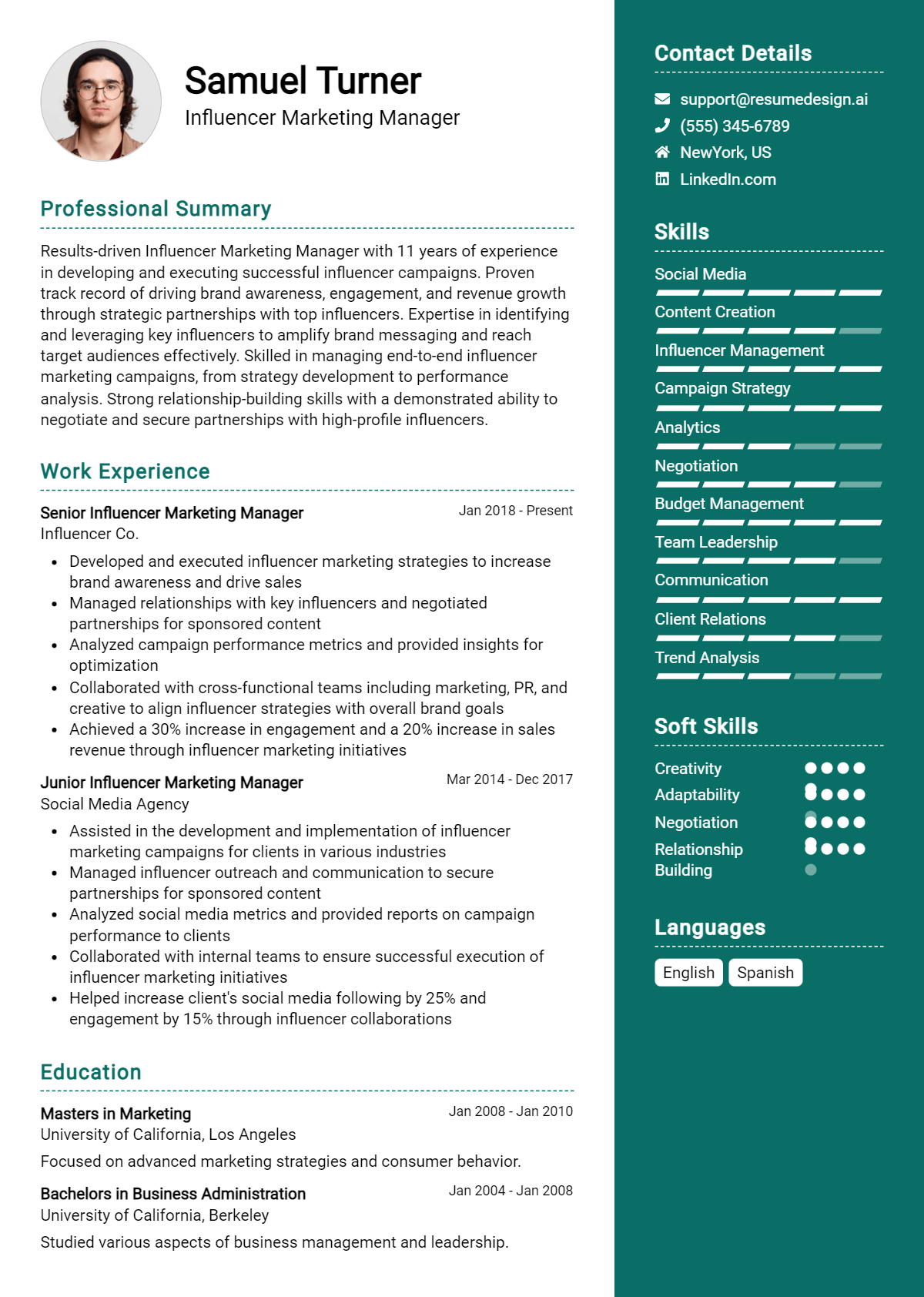
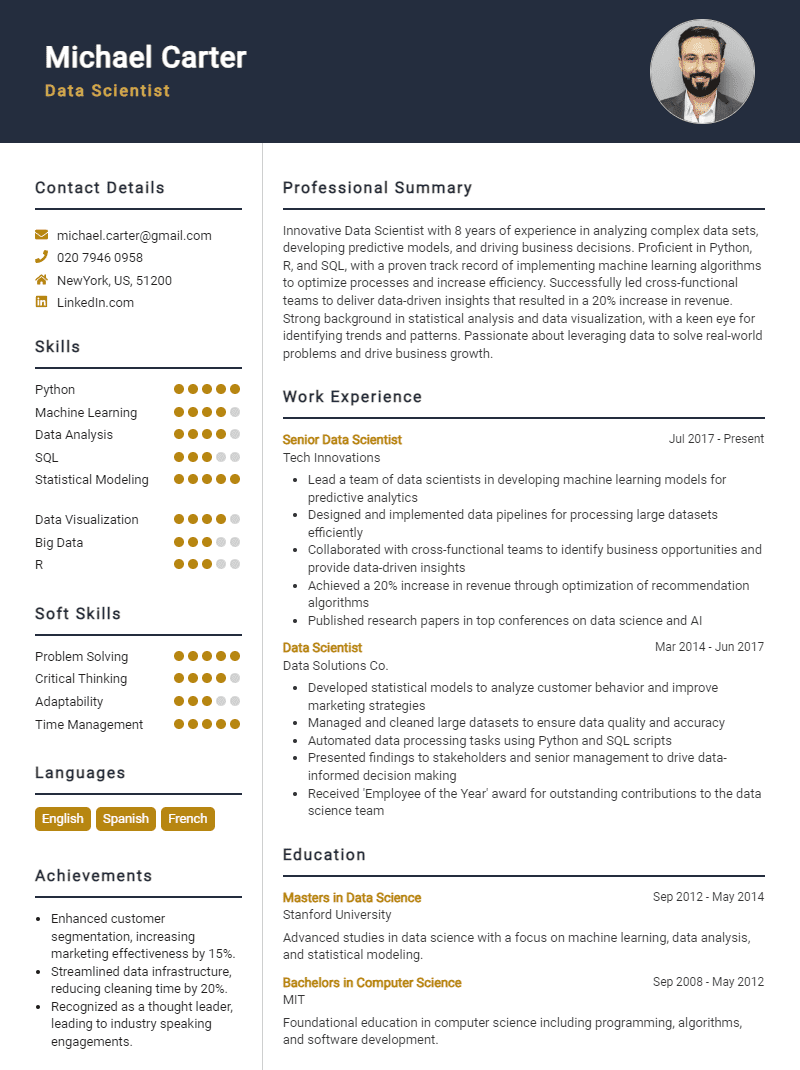
When preparing for a role as an Influencer Marketing Manager, it's essential to anticipate the questions that hiring managers may ask during the interview process. Understanding these questions will not only help you articulate your experience and skills but also demonstrate your knowledge of the influencer landscape and your strategic approach to marketing. As you gear up for your interview, consider how your past experiences align with the specific requirements of this dynamic role.
Here is a list of common job interview questions, with examples of the best answers tailored for the Influencer Marketing Manager position. These questions will delve into your work history and experience, highlight what you can bring to the table for the employer, and explore your long-term goals in the ever-evolving realm of influencer marketing.
1. What do you think are the key metrics for measuring the success of an influencer marketing campaign?
Key metrics include engagement rate, reach, conversion rate, and ROI. These metrics help in evaluating the effectiveness of the campaign and ensuring alignment with brand goals. Analyzing these can guide future strategies and maximize impact.
Example:
I focus on engagement and conversion rates to assess the campaign's performance. Tracking these metrics allows me to adjust strategies in real-time, ensuring we meet our objectives and optimize future collaborations.
2. How do you choose the right influencers for a campaign?
I select influencers based on audience alignment, engagement rates, and content quality. Analyzing their previous work ensures they resonate with our target demographic, ultimately enhancing brand credibility and campaign success.
Example:
I analyze potential influencers’ audience demographics and past campaigns. For example, I once chose an influencer whose values aligned with our brand, resulting in significant engagement and positive feedback from our target audience.
3. Can you describe a time when a campaign did not go as planned?
In a previous campaign, an influencer’s post received negative feedback. I quickly addressed the situation by communicating with the influencer, adjusting the messaging, and engaging with the audience to clarify our brand values, which helped regain trust.
Example:
During a campaign, an influencer faced backlash for a personal post. I collaborated with them to issue a statement, shifted focus to positive messaging, and successfully mitigated the situation while maintaining our audience’s trust.
4. How do you ensure compliance and authenticity in influencer partnerships?
I establish clear guidelines and contracts outlining disclosure requirements. Regular communication with influencers helps maintain authenticity and ensures they understand our brand values, fostering genuine representation in their content.
Example:
I provide influencers with a detailed brief, emphasizing the importance of transparency. Regular check-ins ensure they feel supported, allowing for authentic content that aligns with our brand while complying with regulations.
5. What strategies do you use to build long-term relationships with influencers?
I prioritize open communication, collaborative projects, and shared goals. By recognizing their contributions and providing consistent support, I foster trust, ensuring both parties benefit from the relationship and remain engaged over time.
Example:
I focus on personalized outreach and collaborative projects with influencers. For instance, I regularly share updates and feedback, fostering a partnership that encourages ongoing engagement and loyalty to our brand.
6. How do you stay updated on influencer marketing trends?
I subscribe to industry newsletters, attend webinars, and participate in online communities. Engaging with influencers and marketers on social media allows me to gain insights and adapt our strategies to current trends.
Example:
I follow industry leaders and engage in forums like LinkedIn groups. Staying connected with the influencer community helps me spot trends early, ensuring our campaigns remain innovative and relevant.
7. Describe your experience with influencer marketing tools and platforms.
I have used tools like Hootsuite, BuzzSumo, and Traackr for influencer identification, campaign management, and performance analysis. These platforms streamline the process, allowing me to focus on strategy and relationship-building.
Example:
I regularly use Traackr for influencer discovery and campaign tracking, which allows for effective measurement of engagement and outreach, ensuring our campaigns are data-driven and effective.
8. How do you handle negative feedback from influencers or their followers?
I approach negative feedback with empathy, addressing concerns promptly. Open communication with influencers and their audience helps clarify misunderstandings and rebuilds trust, ensuring a positive experience moving forward.
Example:
When faced with criticism, I engage directly with the influencer to address the issue. By acknowledging concerns and providing solutions, we can mitigate negativity and strengthen our partnership.
9. How do you measure the success of an influencer marketing campaign?
I measure success through KPIs like engagement rates, reach, conversion rates, and ROI. Analyzing these metrics helps determine the campaign's impact and informs future strategies, ensuring alignment with overall marketing goals.
Example:
For a recent campaign, we tracked engagement metrics and conversion rates, discovering a 25% increase in sales, which validated our strategy and informed our approach for subsequent campaigns.
10. Can you describe a time you had to manage a difficult influencer relationship?
I once worked with an influencer who missed deadlines. I addressed this by initiating open communication, discussing expectations, and offering support. This improved our collaboration and delivered successful campaign results, fostering a stronger relationship.
Example:
After addressing issues directly, we established a new timeline that worked for both sides, ultimately leading to a successful campaign that exceeded our engagement targets.
11. How do you select the right influencers for a brand?
I evaluate influencers based on audience demographics, engagement rates, content relevance, and overall brand alignment. I also consider their previous partnerships to ensure they resonate with our target audience effectively.
Example:
For a health brand, I chose fitness influencers with authentic engagement and a following that mirrored our target demographic, ensuring a more impactful campaign.
12. What strategies do you use to negotiate contracts with influencers?
I approach negotiations with flexibility and transparency, outlining mutual benefits. I ensure influencers understand the value of collaboration while being open to their terms, creating a win-win situation for both parties.
Example:
During negotiations, I highlighted potential audience reach and past campaign successes, which helped justify our budget and secured a favorable agreement.
13. How do you handle negative feedback about an influencer or campaign?
I address negative feedback promptly by acknowledging concerns, assessing the situation, and communicating transparently with our audience. This approach helps maintain brand integrity and fosters trust with our community.
Example:
In response to backlash, I issued a public statement addressing the issue and outlining our next steps, which reassured our audience and improved brand sentiment.
14. What tools do you use for influencer marketing analytics?
I utilize tools like Hootsuite, BuzzSumo, and Google Analytics. These platforms provide insights into influencer performance, audience engagement, and campaign effectiveness, allowing data-driven decisions for future strategies.
Example:
Using BuzzSumo, I tracked content performance across platforms, which enabled me to refine our influencer selection for enhanced engagement.
15. Describe a successful influencer marketing campaign you managed.
I spearheaded a campaign for a skincare line, collaborating with micro-influencers. Their authentic content increased brand awareness by 40% within a month, leading to a 30% sales uptick, demonstrating the effectiveness of leveraging relatable influencers.
Example:
The campaign's targeted approach and alignment with influencers’ audiences resulted in exceeding our sales goals and building lasting brand loyalty.
16. How do you stay updated on influencer marketing trends?
I regularly read industry blogs, attend webinars, and participate in networking events. Staying connected with peers and following key influencers helps me remain informed about emerging trends and best practices.
Example:
By subscribing to newsletters and joining relevant online forums, I continually gather insights that shape my influencer marketing strategies.
17. How do you measure the success of an influencer marketing campaign?
I evaluate success using KPIs such as engagement rates, reach, conversion rates, and ROI. Analyzing these metrics helps determine which strategies worked and how to optimize future campaigns for better results.
Example:
For instance, I recently tracked engagement and sales figures post-campaign, which revealed a 30% increase in conversions, affirming our strategy's effectiveness.
18. Can you describe a time when an influencer partnership didn’t go as planned?
In a previous campaign, an influencer's content didn’t resonate with our audience. We quickly gathered feedback and adjusted our messaging to better align with the target demographic, ultimately salvaging the campaign’s effectiveness.
Example:
I engaged the influencer to tweak the content, resulting in a 20% engagement boost and improved audience connection.
19. What strategies do you use to identify the right influencers for a brand?
I utilize tools to analyze audience demographics, engagement rates, and content relevance. Collaborating closely with the brand’s values and goals ensures that selected influencers authentically represent the brand and resonate with the target audience.
Example:
For example, I once matched a fitness influencer with a health food brand, resulting in a successful campaign that increased brand awareness by 40%.
20. How do you handle negative feedback from influencers or their followers?
I address negative feedback by promptly acknowledging concerns and engaging in open communication. Listening to the influencers and their audience fosters trust and often leads to constructive solutions and improved relationships.
Example:
Once, I resolved a follower's complaint through direct dialogue, turning a negative experience into a positive rapport.
21. How do you stay updated with the latest trends in influencer marketing?
I regularly attend industry webinars, read marketing blogs, and follow leading influencers on social media. Engaging in professional networks keeps me informed about emerging trends and best practices within influencer marketing.
Example:
For instance, I recently learned about the rise of micro-influencers, which I integrated into our strategy, enhancing campaign effectiveness.
22. Describe a successful influencer campaign you managed from start to finish.
I led a campaign that partnered with lifestyle influencers to promote a new product. We planned, executed, and analyzed the results, achieving a 50% increase in sales and significant brand visibility through targeted content across multiple platforms.
Example:
This comprehensive approach allowed us to maximize impact and refine our strategies for future initiatives.
23. What tools do you use for influencer marketing management and why?
I use platforms like AspireIQ and Traackr for influencer discovery and campaign management. These tools streamline the process of tracking performance metrics, ensuring efficient collaboration and effective campaign execution.
Example:
By utilizing these tools, I improved campaign tracking accuracy by 35%, enhancing overall performance analysis.
24. How do you balance creative freedom for influencers with brand guidelines?
I encourage influencers to express their creativity while providing clear brand guidelines to ensure alignment. This balance fosters authentic content that resonates with their audience while maintaining brand integrity.
Example:
For instance, I provide a flexible brief that allows them to incorporate their style while highlighting key product features.
25. How do you measure the success of an influencer marketing campaign?
I measure success through KPIs such as engagement rates, reach, conversions, and ROI. Each campaign is tailored, so I analyze metrics that align with specific goals to assess overall effectiveness and identify areas for improvement.
Example:
For instance, I once tracked engagement and conversion metrics after a campaign launch, which helped us refine our strategy for future collaborations and improve overall performance.
26. How do you select the right influencers for a campaign?
I consider factors like audience alignment, engagement rates, content quality, and past collaborations. I also conduct thorough research to ensure the influencer’s values and style resonate with our brand and target market.
Example:
For a recent campaign, I used analytics tools to evaluate potential influencers, ensuring they matched our target demographic and had a history of successful collaborations.
27. Describe a time you faced a challenge in influencer marketing.
Once, an influencer failed to deliver content on time, jeopardizing our campaign. I quickly developed a backup plan, communicated transparently with the team, and adjusted our timeline, ensuring minimal impact on our launch.
Example:
By proactively addressing the issue and coordinating with the influencer, we managed to reschedule and maintain campaign integrity while keeping stakeholders informed.
28. What tools do you use for influencer marketing management?
I utilize tools like AspireIQ, Hootsuite, and Google Analytics for managing campaigns, tracking performance, and analyzing data. These platforms streamline collaboration and enhance our ability to assess influencer impact effectively.
Example:
For instance, I used AspireIQ to identify potential influencers and streamline our outreach process, significantly improving our campaign's efficiency and effectiveness.
29. How do you handle negative feedback from influencers or their audiences?
I address negative feedback by responding promptly and professionally, seeking to understand the concerns. Open communication is essential to resolve issues and maintain healthy relationships with influencers and their audiences.
Example:
In one case, I facilitated a dialogue between an influencer and a dissatisfied follower, leading to a positive resolution and reinforcing our brand’s commitment to customer satisfaction.
30. Can you discuss a successful influencer collaboration you've managed?
I successfully managed a collaboration with a well-known lifestyle influencer, resulting in a 150% increase in brand engagement. We created authentic content that resonated with her audience, significantly driving traffic to our website.
Example:
The campaign included unique content formats and a giveaway, which not only engaged her followers but also led to a substantial increase in our social media following.
31. How do you stay updated on influencer marketing trends?
I regularly follow industry blogs, attend webinars, and participate in networking events. Staying connected with peers and influencers helps me understand emerging trends and adapt strategies to remain competitive.
Example:
For example, I recently attended a digital marketing conference, which provided insights into new technologies and strategies that I implemented in our campaigns.
32. What strategies do you use to build long-term relationships with influencers?
I focus on transparent communication, regular check-ins, and creating value for influencers. By collaborating on multiple campaigns and showing appreciation, I foster a sense of partnership that encourages loyalty and continued collaboration.
Example:
For instance, I organized exclusive events for top influencers, strengthening relationships and encouraging them to share their experiences with their audiences.
33. How do you measure the success of an influencer marketing campaign?
To measure success, I focus on KPIs such as engagement rates, conversion rates, and reach. I utilize analytics tools to track these metrics and analyze feedback to assess the campaign's impact on brand awareness and sales. Example: I once analyzed a campaign's reach and engagement metrics, discovering a 25% increase in website traffic and a 15% rise in sales, which confirmed the campaign's effectiveness.
34. How do you handle negative feedback from an influencer's audience?
I believe in addressing negative feedback promptly and professionally. Engaging with the audience to clarify misunderstandings and using constructive criticism to improve future campaigns is key. Transparency fosters trust and can turn negative situations into positive interactions. Example: When an influencer faced backlash, I coordinated a response that acknowledged concerns and highlighted our commitment to quality, which helped to rebuild trust with the audience.
35. What criteria do you use to select influencers for campaigns?
I assess influencers based on relevance to our brand, audience demographics, engagement rates, and authenticity. A strong alignment with our brand values and a genuine connection with their audience ensure the influencer can effectively convey our message. Example: For a recent campaign, I chose an influencer whose values mirrored ours, resulting in a 30% higher engagement rate compared to previous partnerships.
36. Can you describe a time when a campaign did not go as planned?
Yes, during one campaign, the influencer's content did not resonate as expected. I quickly gathered data to understand the disconnect and adjusted our strategy, focusing on more engaging content. This adaptability led to a successful re-launch and improved results. Example: After identifying content misalignment, we pivoted our messaging and engaged the audience with polls, which ultimately increased engagement by 40% in the second phase.
37. How do you ensure compliance with advertising regulations in influencer marketing?
I keep abreast of advertising regulations and guidelines, ensuring all influencers disclose partnerships clearly. Providing them with clear guidelines helps maintain compliance. Regular training sessions also ensure everyone understands the legal requirements of influencer promotions. Example: I developed a compliance checklist for influencers and held workshops to educate them on disclosure, ensuring 100% adherence in our latest campaign.
38. What tools or software do you use for influencer management?
I utilize tools like AspireIQ and Traackr for influencer discovery and management. These platforms streamline outreach, track performance, and analyze campaign metrics, enabling me to make data-driven decisions and optimize our influencer strategies effectively. Example: By using Traackr, I was able to identify high-performing influencers quickly, leading to a 20% increase in our campaign's overall effectiveness.
39. How do you maintain relationships with influencers post-campaign?
I prioritize ongoing communication by regularly checking in, sharing updates, and providing feedback. Recognizing their contributions and involving them in future campaigns fosters loyalty and strengthens our partnership, creating a mutually beneficial relationship. Example: I sent personalized thank-you notes and involved influencers in brainstorming for future projects, which helped maintain strong relationships and enthusiasm for collaboration.
40. What trends do you foresee impacting influencer marketing in the next few years?
I anticipate a rise in authenticity, with audiences favoring micro-influencers. Additionally, the integration of AI for personalized content and the focus on video platforms will shape future strategies. Staying ahead of these trends will be key to successful campaigns. Example: I'm already exploring partnerships with micro-influencers and video content, as I believe these trends will significantly enhance engagement and authenticity in our marketing efforts.
41. How do you measure the success of an influencer marketing campaign?
Measuring success involves analyzing engagement metrics, conversion rates, and overall ROI. I utilize tools like Google Analytics and social media insights to track campaign performance. I also assess brand sentiment and audience growth to ensure comprehensive evaluation.
Example:
I measure success by analyzing KPIs such as engagement rate, reach, and conversions. Tools like Google Analytics help track traffic from campaigns, while social listening tools gauge brand sentiment and audience feedback.
42. Can you describe a time when an influencer partnership didn’t go as planned? How did you handle it?
In one campaign, the influencer didn’t meet deadlines, causing a delay. I quickly communicated with them, adjusted the timeline, and offered support. Ultimately, we launched the campaign successfully, learning to set clearer expectations and contingencies for future collaborations.
Example:
An influencer missed a deadline, affecting our launch. I addressed it promptly, discussed the issues, and adjusted our timeline. This experience taught me the importance of clear communication and better contingency planning for future campaigns.
43. How do you select the right influencers for a campaign?
I evaluate influencers based on their audience demographics, engagement rates, and content alignment with our brand values. I also consider previous collaborations and their authenticity to ensure a genuine connection with our target audience.
Example:
I select influencers by analyzing their audience demographics, engagement rates, and content relevance. I prioritize those who align with our brand values and have a proven track record of successful partnerships in similar campaigns.
44. What strategies do you use to foster strong relationships with influencers?
Building relationships involves consistent communication, transparency, and mutual respect. I engage with influencers regularly through personalized outreach, feedback on their content, and providing value, such as exclusive offers or insights, which fosters loyalty and collaboration.
Example:
I foster relationships by maintaining open communication, offering personalized feedback, and providing exclusive opportunities. Regular check-ins and support help develop trust and loyalty, ensuring long-term partnerships with influencers.
45. How do you stay updated with the latest trends in influencer marketing?
I stay updated through industry blogs, webinars, and networking with other professionals. Following influential figures on social media and participating in relevant conferences helps me understand emerging trends and adapt our strategies accordingly.
Example:
I regularly read industry publications, attend webinars, and follow thought leaders on social media. Networking at conferences also keeps me informed about the latest trends and best practices in influencer marketing.
46. Describe how you would handle a negative campaign response from an influencer’s audience.
I would address the situation promptly by monitoring feedback and engaging with the audience professionally. Acknowledging concerns and providing clear communication can help mitigate negativity. I’d also collaborate with the influencer to develop a response that aligns with our brand values.
Example:
In case of negative feedback, I’d monitor comments closely, engage professionally, and acknowledge concerns. Collaborating with the influencer on a thoughtful response would help address issues while maintaining our brand integrity and audience trust.
How Do I Prepare For A Influencer Marketing Manager Job Interview?
Preparing for an interview is crucial to making a positive impression on the hiring manager. Adequate preparation not only boosts your confidence but also demonstrates your genuine interest in the role and the company. Here are some key tips to help you get ready for your Influencer Marketing Manager interview:
- Research the company and its values to understand its culture and mission.
- Familiarize yourself with the company's previous influencer campaigns and their outcomes.
- Practice answering common interview questions, particularly those related to influencer marketing strategies.
- Prepare examples that demonstrate your skills and experience relevant to the Influencer Marketing Manager role.
- Stay updated on current trends in influencer marketing and social media platforms.
- Develop thoughtful questions to ask the interviewer about the company's influencer strategy and goals.
- Dress appropriately to convey professionalism, aligning your appearance with the company's culture.
Frequently Asked Questions (FAQ) for Influencer Marketing Manager Job Interview
Preparing for an interview is crucial, especially when it comes to understanding the common questions that may arise. Being ready for these inquiries can help you showcase your skills and experience effectively, making a strong impression on potential employers.
What should I bring to a Influencer Marketing Manager interview?
When attending an interview for an Influencer Marketing Manager position, it's essential to come prepared. Bring multiple copies of your resume, a portfolio showcasing successful campaigns you've managed, and any relevant case studies. Additionally, consider having a notepad and pen handy for taking notes or jotting down important points during the conversation. Having these materials at your disposal demonstrates professionalism and readiness.
How should I prepare for technical questions in a Influencer Marketing Manager interview?
To effectively prepare for technical questions during your interview, familiarize yourself with the latest trends in influencer marketing, analytics tools, and social media platforms. Review common metrics used to measure campaign success, and be ready to discuss specific tools you’ve utilized in past campaigns. Additionally, consider practicing your responses to potential scenario-based questions that assess your problem-solving abilities and strategic thinking.
How can I best present my skills if I have little experience?
If you have limited experience, focus on transferable skills and relevant coursework or projects. Highlight any internships, volunteer work, or personal projects that demonstrate your knowledge of influencer marketing and your ability to engage with audiences. Emphasize your willingness to learn and adapt, and share examples of how you've successfully tackled challenges in other roles or contexts.
What should I wear to a Influencer Marketing Manager interview?
Your attire for an Influencer Marketing Manager interview should reflect a professional yet stylish appearance, in line with the creative nature of the role. Opt for business casual attire, such as tailored pants or a skirt paired with a smart blouse or blazer. Consider incorporating a trendy accessory to showcase your sense of style. The goal is to look polished while still aligning with the industry’s informal vibe.
How should I follow up after the interview?
Following up after your interview is an important step in the process. Send a thank-you email within 24 hours, expressing your appreciation for the opportunity to interview and reiterating your interest in the position. Personalize your message by mentioning specific points from the conversation that resonated with you. This not only shows your gratitude but also reinforces your enthusiasm for the role and keeps you top of mind for the interviewer.
Conclusion
In this interview guide for the Influencer Marketing Manager role, we have covered essential strategies for preparation, the significance of practicing both technical and behavioral questions, and how to effectively demonstrate relevant skills during your interview. Being well-prepared not only boosts your confidence but also significantly enhances your chances of making a lasting impression on your interviewers.
By focusing on honing your responses to both technical and behavioral inquiries, you will be better equipped to showcase your expertise and adaptability in the dynamic field of influencer marketing. Remember, preparation is key, and the more you practice, the more adept you will become in articulating your experiences and insights.
As you gear up for your interviews, take full advantage of the tips and examples provided in this guide. Approach each interview with confidence, knowing you have the tools to succeed. Best of luck on your journey to becoming a standout candidate!
For further assistance, check out these helpful resources: resume templates, resume builder, interview preparation tips, and cover letter templates.