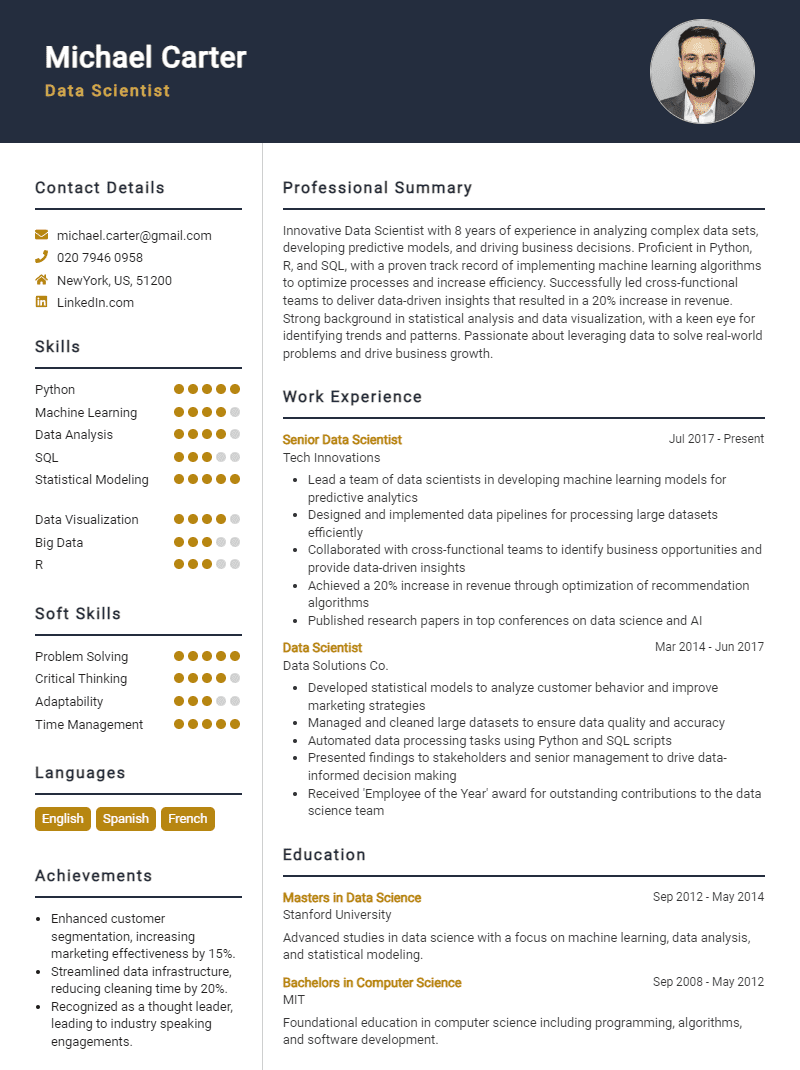
As a Contract Negotiation Specialist, the interview process is a critical step in showcasing your expertise in navigating complex agreements and fostering effective communication between parties. Employers will be keen to understand your negotiation strategies, conflict resolution skills, and ability to build and maintain relationships. Preparing for the interview by anticipating common questions can significantly enhance your chances of making a positive impression.
Here is a list of common job interview questions for Contract Negotiation Specialists, along with examples of the best answers. These questions will address your work history and experience in contract management, what unique skills you bring to the employer, and your professional aspirations moving forward. By articulating your responses effectively, you can demonstrate your proficiency in contract negotiations and your value to the organization.
1. Can you describe your experience with contract negotiations?
I have over five years of experience negotiating contracts across various industries. I focus on understanding client needs, ensuring compliance, and minimizing risk. My success comes from thorough preparation and strong communication skills, enabling me to build rapport and find win-win solutions.
Example:
In my previous role, I successfully negotiated a $1 million contract by identifying key concerns and addressing them proactively, resulting in a mutually beneficial agreement that enhanced our long-term partnership.
2. What strategies do you use to prepare for a negotiation?
Preparation is essential. I research the other party's background, analyze previous contracts, and identify key objectives. I also outline potential concessions and alternatives. This thorough preparation helps me anticipate challenges and approach negotiations with confidence and clarity.
Example:
Before a recent negotiation, I compiled market data and historical contract performance, enabling me to propose terms that were competitive yet favorable for my organization, ultimately leading to a successful agreement.
3. How do you handle conflicts during negotiations?
I prioritize active listening and empathy to understand the other party's perspective. If conflicts arise, I remain calm, seek common ground, and explore creative solutions. This approach fosters collaboration and often leads to a resolution that satisfies both parties.
Example:
During a tense negotiation, I facilitated a discussion that allowed each side to express concerns, leading to a compromise that preserved the relationship and met both parties' needs.
4. Can you give an example of a successful negotiation you led?
In my last position, I negotiated a long-term supply agreement that reduced costs by 15%. By leveraging market analysis and fostering open communication, I was able to persuade the vendor to agree to more favorable terms, enhancing our profit margins.
Example:
I negotiated with a supplier to secure a 20% discount on bulk orders, which not only saved us money but also solidified a strategic partnership that benefited both sides long-term.
5. How do you ensure compliance with legal and regulatory requirements in contracts?
I stay updated on relevant laws and regulations, using checklists and templates to guide the drafting process. I also collaborate with legal teams to review contracts, ensuring they meet compliance standards and protect the organization’s interests.
Example:
I regularly consult with our legal department during contract reviews to ensure that all terms align with current regulations, which has minimized our exposure to potential legal issues.
6. What role does communication play in your negotiation process?
Effective communication is crucial. I actively listen to understand concerns, articulate my position clearly, and maintain a professional tone. This helps build trust and facilitates a more productive negotiation atmosphere, leading to better outcomes.
Example:
By maintaining open lines of communication, I was able to clarify misunderstandings during negotiations, which ultimately led to a smoother process and a favorable agreement.
7. How do you evaluate the success of a negotiation?
I assess success based on whether the negotiated terms align with our strategic goals and stakeholder satisfaction. Additionally, I consider the long-term implications of the agreement and the relationship established with the other party.
Example:
In a recent negotiation, I evaluated success not just by the financial terms but also by the strengthened partnership, which has led to additional collaborative opportunities.
8. Describe a time you had to adapt your negotiation style.
During a complex negotiation with a diverse team, I shifted from a direct approach to a more collaborative style. This adaptation fostered a more inclusive environment, allowing all voices to be heard and leading to a successful agreement that satisfied all parties.
Example:
When negotiating with international partners, I adjusted my communication style to be more relationship-focused, which resulted in a stronger bond and a successful long-term contract.
9. Can you describe a time when you had to resolve a conflict during contract negotiations?
In a recent negotiation, two parties had conflicting terms regarding delivery timelines. I facilitated a meeting to clarify expectations and proposed a compromise that balanced urgency and feasibility, leading to a successful agreement that satisfied both sides.
Example:
During a contract with a supplier, we faced a disagreement on delivery dates. I organized a discussion, allowing both sides to voice concerns, which helped us agree on a revised timeline that met our operational needs without straining the supplier.
10. How do you prioritize your tasks when dealing with multiple contracts at once?
I prioritize tasks based on deadlines, complexity, and stakeholder impact. I use project management tools to track progress and ensure timely communication, allowing me to manage my workload effectively while maintaining high-quality standards across all contracts.
Example:
When handling multiple contracts, I assess urgency and impact. I create a priority list, focusing first on contracts nearing their deadlines while ensuring I allocate time for negotiation and revision, balancing quality with efficiency.
11. What strategies do you employ to ensure compliance with contract terms?
I implement regular audits and establish clear communication channels with stakeholders to ensure compliance. By providing training on contract obligations and setting up reminder systems, I help all parties stay informed and accountable throughout the contract lifecycle.
Example:
To ensure compliance, I schedule quarterly reviews and maintain open communication with teams involved. I also create checklists for contract terms and conduct training sessions on compliance requirements, fostering an environment of accountability.
12. Can you give an example of how you handled a last-minute change in contract terms?
In one instance, a client requested a significant change just before signing. I quickly assessed the implications, consulted with my team, and negotiated a fair adjustment that maintained the project's integrity while meeting the client's needs, ensuring a smooth transition.
Example:
When a client requested a last-minute change, I convened a quick team meeting to assess the impact. We proposed a modified timeline, which the client accepted, allowing us to proceed without significant disruption to the project.
13. How do you stay updated on industry regulations that affect contract negotiations?
I regularly attend industry webinars, subscribe to relevant publications, and participate in professional networks. This continuous learning approach helps me stay informed about changes in regulations that could impact contract negotiations and compliance requirements.
Example:
I stay updated by attending industry conferences and subscribing to legal journals. Additionally, I am part of a professional group that shares insights on regulatory changes, ensuring I remain knowledgeable and compliant in contract negotiations.
14. What role does technology play in your contract negotiation process?
Technology is crucial in my process. I use contract management software for tracking versions, automating reminders, and ensuring collaboration among stakeholders. This enhances efficiency and mitigates risks associated with manual processes, leading to better negotiation outcomes.
Example:
I leverage contract management tools to streamline negotiations. These platforms help track changes, manage deadlines, and store documents securely, making the entire process more efficient and reducing the likelihood of errors during negotiations.
15. Describe a successful negotiation you led and what made it successful.
I recently led a negotiation with a key vendor, achieving a 15% cost reduction while extending payment terms. Success stemmed from thorough preparation, understanding the vendor's motivations, and fostering a collaborative atmosphere, which built trust and led to a win-win outcome.
Example:
In negotiating with a vendor, I prepared by analyzing their pricing structure. I proposed a lower cost in exchange for longer contract duration, which they accepted. This mutually beneficial agreement strengthened our partnership and saved costs.
16. How do you handle confidential information during negotiations?
I implement strict protocols for handling confidential information, including NDAs and secure communication channels. I ensure all team members are trained on confidentiality practices, reinforcing the importance of protecting sensitive data in all negotiations.
Example:
To handle confidential information, I enforce NDAs and use encrypted email for sensitive discussions. I also provide training for my team on confidentiality protocols, ensuring everyone understands the importance of safeguarding proprietary information.
17. Can you describe a time when you had to manage conflicting interests during a negotiation?
In a recent negotiation, I balanced supplier and client interests by facilitating open communication. I proposed alternative solutions that addressed both parties' concerns, ultimately leading to a win-win agreement that strengthened our partnership and increased trust.
Example:
In a software licensing negotiation, I encouraged both sides to share their priorities. By identifying common ground, we developed a compromise that satisfied the client’s budget constraints and the supplier’s need for sustainability.
18. How do you ensure compliance with contractual obligations?
I implement a systematic approach to monitor contract performance, ensuring all parties adhere to the terms. Regular communication and scheduled reviews facilitate prompt identification of issues, allowing for immediate corrective actions to maintain compliance.
Example:
I set up quarterly reviews with stakeholders to assess compliance. When discrepancies arise, I quickly address them through open dialogue and collaborative problem-solving, ensuring everyone remains aligned with the contract's terms.
19. What strategies do you use to prepare for a negotiation?
Preparation involves thorough research, understanding both parties’ needs, and setting clear objectives. I also develop a comprehensive negotiation plan that includes potential concessions and alternatives, ensuring I’m ready to adapt my approach during discussions.
Example:
Before a major contract negotiation, I analyzed previous agreements and market trends. I created a list of key points to address, anticipated counterarguments, and rehearsed my negotiation techniques to boost my confidence and effectiveness.
20. How do you approach building relationships with clients and suppliers?
Building strong relationships requires transparency, trust, and consistent communication. I prioritize understanding their goals and challenges, fostering an environment where both parties feel valued, which ultimately leads to more successful negotiations and long-term partnerships.
Example:
I regularly check in with clients and suppliers beyond negotiations, asking for feedback and offering support. This proactive approach has helped me cultivate relationships that enhance collaboration and facilitate smoother future negotiations.
21. Describe a challenging negotiation you faced and how you overcame it.
I encountered a challenging negotiation where terms were contentious. By remaining calm and focused, I employed active listening to understand the other party's concerns. This approach allowed me to propose creative solutions, resulting in a successful agreement.
Example:
In a merger negotiation, the parties had opposing views. I facilitated a brainstorming session, which led to innovative solutions that addressed each party's core issues, ultimately achieving a satisfactory compromise for both sides.
22. How do you handle difficult clients or stakeholders during a negotiation?
I approach difficult clients with empathy and patience. By actively listening to their concerns and validating their feelings, I create a collaborative atmosphere. This often opens up pathways for constructive dialogue and helps to resolve conflicts amicably.
Example:
When negotiating with a resistant client, I acknowledged their frustrations and clarified their priorities. This helped us pivot the conversation to focus on solutions, leading to a more productive negotiation and a strengthened relationship.
23. What role does technology play in your negotiation process?
Technology plays a pivotal role in streamlining negotiations. I utilize contract management software to track changes, analyze data, and collaborate with stakeholders. This efficiency allows for quick adjustments and informed decisions throughout the negotiation process.
Example:
I leverage digital tools like document sharing and real-time editing platforms, which enhance collaboration and speed up the negotiation process. This technology ensures all parties stay updated and engaged, leading to quicker resolutions.
24. How do you evaluate the success of a negotiation?
Success in negotiation is evaluated through several metrics: achieving desired outcomes, maintaining relationships, and ensuring compliance with terms. I also seek feedback from all parties involved to gauge satisfaction and identify areas for improvement.
Example:
After a negotiation, I analyze the results against our initial objectives. I also solicit feedback from stakeholders to assess their satisfaction and determine if we met expectations, helping refine future negotiation strategies.
25. Can you describe a time when you had to manage conflicting interests during a negotiation?
In my previous role, I encountered conflicting interests between our sales team and a supplier. By facilitating open communication and focusing on shared goals, I successfully negotiated a compromise that satisfied both parties, maintaining a positive relationship and achieving the desired outcomes.
Example:
I once mediated a negotiation where the client wanted lower prices, and our team needed higher margins. By emphasizing long-term partnerships, I negotiated a volume discount that met both objectives, ensuring the client felt valued while preserving our profit margins.
26. How do you ensure compliance with legal and regulatory requirements in your contracts?
I stay updated on legal standards and regulations relevant to my industry. During contract drafting, I consult legal counsel as necessary to ensure compliance. I also conduct regular training sessions to keep stakeholders informed about compliance requirements and best practices.
Example:
I collaborated with our legal team to develop a checklist for contract compliance. This process included regular audits and training sessions for our team, ensuring all contracts adhered to the latest regulations and reducing potential legal risks.
27. What strategies do you use to prepare for a negotiation?
I conduct thorough research on the parties involved, gather data on market standards, and identify potential leverage points. Additionally, I outline clear objectives and alternative solutions to ensure I’m well-prepared to navigate various scenarios during the negotiation process.
Example:
Before a recent negotiation, I analyzed the competitor’s pricing, reviewed previous contracts, and mapped out our objectives. This preparation allowed me to confidently present our position and address concerns effectively, leading to a favorable agreement.
28. How do you handle a situation where a party becomes uncooperative during negotiations?
In such situations, I remain calm and focus on understanding their concerns. I employ active listening to identify underlying issues and propose alternative solutions that address their needs. Building rapport often helps in regaining cooperation and moving the negotiation forward.
Example:
During a tough negotiation, the vendor became uncooperative. I paused to understand their frustrations, which revealed resource constraints. By suggesting phased deliveries, I regained their trust, allowing us to progress towards a mutually beneficial agreement.
29. Describe a situation where you had to negotiate under tight deadlines.
I once had to finalize a contract within a week due to an impending project launch. I prioritized key terms, streamlined discussions, and maintained constant communication with all parties. This focus allowed us to reach an agreement without sacrificing quality.
Example:
In preparation for an urgent project, I established a timeline with clear milestones and dedicated time slots for discussions. This organized approach helped us close the deal in five days while ensuring all critical points were addressed.
30. How do you evaluate the success of a negotiation?
I assess negotiation success by evaluating whether the agreed terms meet the initial objectives, the level of satisfaction from both parties, and the sustainability of the relationship post-negotiation. Feedback from stakeholders also provides valuable insights into the negotiation process.
Example:
After each negotiation, I conduct a debrief with my team to review the outcomes against our objectives. I also seek feedback from the other party, which helps identify areas for improvement and reinforces successful strategies for future negotiations.
31. What tools or software do you use to aid in contract negotiations?
I utilize contract management software, such as DocuSign and ContractWorks, to streamline the drafting and tracking process. Additionally, I rely on data analysis tools to assess market conditions and benchmarks, which inform my negotiation strategies.
Example:
In my previous role, I frequently used ContractWorks for managing document versions and tracking changes. This tool enhanced our efficiency and ensured all team members were aligned, making negotiations smoother and more organized.
32. How do you maintain relationships with stakeholders during and after negotiations?
I prioritize open communication and transparency throughout the negotiation process, ensuring stakeholders feel valued. After negotiations, I follow up to express gratitude and maintain regular contact, which helps foster trust and collaboration for future opportunities.
Example:
Following a successful negotiation, I scheduled a lunch with the stakeholders to discuss future projects and express appreciation. This gesture strengthened our relationship and opened doors for more collaborative opportunities down the line.
33. Can you describe a time when you had to resolve a conflict during a negotiation?
In a recent negotiation, two parties had differing priorities. I facilitated a meeting where each side expressed their concerns, leading to a collaborative solution that addressed both interests. This experience reinforced my mediation skills and the importance of open communication.
Example:
During a contract negotiation, I noticed tensions rising. I proposed a break, allowing both sides to regroup. This led to a more constructive dialogue, ultimately resulting in a win-win agreement.
34. How do you ensure compliance with contract terms after negotiations are completed?
I implement a robust monitoring system to track deliverables and deadlines post-negotiation. Regular follow-ups with stakeholders and clear documentation help maintain accountability and ensure compliance with all terms agreed upon during negotiations.
Example:
After finalizing a contract, I set reminders for key milestones and schedule monthly check-ins to discuss progress. This proactive approach helps ensure all parties adhere to their obligations.
35. What strategies do you use to prepare for a difficult negotiation?
Preparation is crucial; I research all relevant information about the other party, understand their motivations, and define my objectives clearly. Role-playing potential scenarios with colleagues also helps me anticipate challenges and devise effective counter-strategies.
Example:
Before a challenging negotiation, I gather data on the other party's past contracts and prepare my points. I also practice responses with a team member to enhance my confidence and readiness.
36. How do you handle last-minute changes during negotiations?
I remain adaptable and focused on solutions. When faced with last-minute changes, I assess their impact on the overall agreement and engage in open dialogue with the other party to find a mutually acceptable resolution.
Example:
During a negotiation, a key term was altered unexpectedly. I took a moment to evaluate it and proposed an alternative that satisfied both parties, ensuring we maintained momentum.
37. What role does communication play in successful contract negotiations?
Effective communication is the backbone of successful negotiations. It involves active listening, articulating needs clearly, and ensuring all parties understand the terms. This fosters trust and collaboration, resulting in more favorable outcomes.
Example:
In negotiations, I prioritize clear communication by summarizing points discussed to confirm understanding. This approach reduces misunderstandings and helps build rapport with all parties involved.
38. Can you give an example of how you used data to support your negotiation position?
In a recent negotiation, I presented market analysis data showcasing pricing trends, which helped justify our pricing strategy. This evidence allowed us to negotiate confidently and ultimately reach an agreement that aligned with industry standards.
Example:
I cited specific data from our market research demonstrating how our proposed rates were competitive. The data helped bolster our position and led to a successful negotiation.
39. How do you prioritize competing interests during negotiations?
I prioritize interests based on their impact on the overall agreement and the strategic goals of my organization. By assessing the importance of each interest, I can make informed decisions that balance short-term needs with long-term relationships.
Example:
In a negotiation, I ranked interests by their significance to our objectives. This prioritization allowed me to focus discussions on the most critical issues, ensuring a more efficient negotiation process.
40. What techniques do you use to build rapport with the other party during negotiations?
Building rapport involves active listening, finding common ground, and showing genuine interest in the other party's needs. I often share relevant experiences that resonate with them, fostering a collaborative atmosphere that aids in reaching a mutually beneficial agreement.
Example:
I often start negotiations by discussing mutual interests or previous successful collaborations. This approach helps establish trust and lays the groundwork for a productive dialogue.
41. How do you prioritize competing contract negotiations?
I assess the urgency and impact of each contract on business objectives. By setting clear criteria—like deadlines, financial implications, and strategic importance—I can efficiently allocate time and resources to ensure each negotiation is handled effectively.
Example:
For instance, when faced with multiple contracts, I prioritized a high-value client contract due to its potential revenue impact, while delegating less critical negotiations to team members, ensuring all contracts were addressed appropriately.
42. Can you describe a time you had to negotiate a contract under tight deadlines?
In a previous role, I had to finalize a supplier contract within 48 hours to meet a production deadline. I streamlined communication, focused on key terms, and leveraged my relationship with the supplier to expedite the process, achieving a successful outcome.
Example:
I collaborated closely with stakeholders, emphasizing critical terms and conditions. This approach resulted in a signed contract that met both our needs and the supplier's, allowing production to continue without delays.
43. How do you handle disagreements during contract negotiations?
I believe in addressing disagreements through open communication and active listening. By understanding the other party’s concerns and motivations, I can propose creative solutions that satisfy both sides, ensuring a collaborative atmosphere throughout the negotiation process.
Example:
When faced with a disagreement over pricing, I facilitated a discussion to understand their constraints and proposed a phased payment plan, which helped us reach an agreement that worked for both parties.
44. Describe your experience with legal compliance in contracts.
I ensure that all contracts comply with relevant laws and regulations by conducting thorough reviews and collaborating with legal teams. My experience includes drafting clauses that adhere to industry standards, mitigating risks, and ensuring enforceability.
Example:
In my previous position, I worked closely with the legal department to draft compliance clauses for contracts, which minimized legal risks and ensured that our agreements were robust and enforceable.
45. What strategies do you use to build rapport with clients during negotiations?
Building rapport starts with understanding the client's needs and showing genuine interest in their concerns. I use active listening, empathy, and consistent follow-ups to foster trust, which ultimately leads to more productive negotiations and long-term relationships.
Example:
During negotiations, I take time to discuss the client's business goals, which helps me tailor my proposals. This approach has successfully transformed many initial contracts into long-lasting partnerships.
46. How do you ensure that contract terms are clearly understood by all parties?
I prioritize clarity by using straightforward language, avoiding legal jargon, and providing summaries of key terms. Additionally, I encourage questions and discussions to ensure everyone has a mutual understanding before finalizing the agreement.
Example:
In one negotiation, I created a visual summary of contract terms, which helped all parties grasp complex details. This facilitated open discussions and led to a smoother finalization of the agreement.
How Do I Prepare For A Contract Negotiation Specialist Job Interview?
Preparing for a job interview is crucial to making a positive impression on the hiring manager. As a Contract Negotiation Specialist, showcasing your skills and knowledge can set you apart from other candidates. Here are some essential tips to help you get ready for your interview:
- Research the company and its values to understand their mission and culture.
- Practice answering common interview questions related to contract negotiation and conflict resolution.
- Prepare examples that demonstrate your skills and experience relevant to the Contract Negotiation Specialist role.
- Familiarize yourself with current industry trends and regulations that may impact contract negotiations.
- Review your resume and be ready to discuss your previous roles and achievements in detail.
- Develop thoughtful questions to ask the interviewer about the company and the expectations for the role.
- Dress professionally and arrive on time to convey your seriousness about the position.
Frequently Asked Questions (FAQ) for Contract Negotiation Specialist Job Interview
Preparing for a job interview can be daunting, especially for a specialized role like a Contract Negotiation Specialist. Understanding the common questions you may face can help you present yourself more confidently and effectively. Below are some frequently asked questions that can guide your preparation and help you navigate the interview process successfully.
What should I bring to a Contract Negotiation Specialist interview?
When attending a Contract Negotiation Specialist interview, it's essential to bring several key items. Start with multiple copies of your resume and a list of references to provide to the interviewers. Additionally, consider bringing a portfolio that showcases your previous contracts or negotiation outcomes, as this can demonstrate your expertise. Don't forget a notepad and pen for taking notes, and if applicable, any certifications or credentials that highlight your qualifications in contract negotiation.
How should I prepare for technical questions in a Contract Negotiation Specialist interview?
To prepare for technical questions, review key concepts related to contract law, negotiation strategies, and relevant industry regulations. Familiarize yourself with common contract terms and conditions, as well as any tools or software commonly used in the field. Additionally, be ready to discuss real-world scenarios or case studies from your past experiences that illustrate your problem-solving skills and negotiation techniques. Practicing with a friend or mentor can also help you articulate your responses clearly and confidently.
How can I best present my skills if I have little experience?
If your experience is limited, focus on transferable skills and relevant coursework or projects. Highlight any internships, volunteer work, or academic projects that involved negotiation or contract work. Emphasize soft skills such as communication, analytical thinking, and attention to detail, which are crucial in contract negotiation. Prepare to discuss your willingness to learn and adapt, and express enthusiasm for the role and the opportunity to grow in the field.
What should I wear to a Contract Negotiation Specialist interview?
For a Contract Negotiation Specialist interview, it's best to err on the side of professionalism. Opt for business formal attire, such as a tailored suit or a professional dress, to make a strong first impression. Choose muted colors and ensure your clothing is well-fitted and clean. Pay attention to grooming and accessories as well, as these details can contribute to an overall polished appearance. Dressing professionally conveys respect for the interview process and the organization.
How should I follow up after the interview?
Following up after an interview is a critical step in the process. Send a thank-you email within 24 hours of your interview to express gratitude for the opportunity and reaffirm your interest in the position. In your message, briefly mention a specific point from the interview that resonated with you, which shows your engagement and attentiveness. Keep the tone professional and concise, and if appropriate, you can include a follow-up question regarding the next steps in the hiring process. This demonstrates your proactive attitude and professionalism.
Conclusion
In summary, this interview guide for the Contract Negotiation Specialist role has highlighted the critical elements necessary for a successful interview. Emphasizing the importance of thorough preparation, practice, and the demonstration of relevant skills will help candidates stand out in a competitive field. By preparing for both technical and behavioral questions, candidates can significantly enhance their chances of success and present themselves as well-rounded professionals.
As you embark on your interview journey, remember to utilize the tips and examples provided in this guide. Approach your interviews with confidence, knowing that you have equipped yourself with the tools needed to make a strong impression.
For further assistance, check out these helpful resources: resume templates, resume builder, interview preparation tips, and cover letter templates.