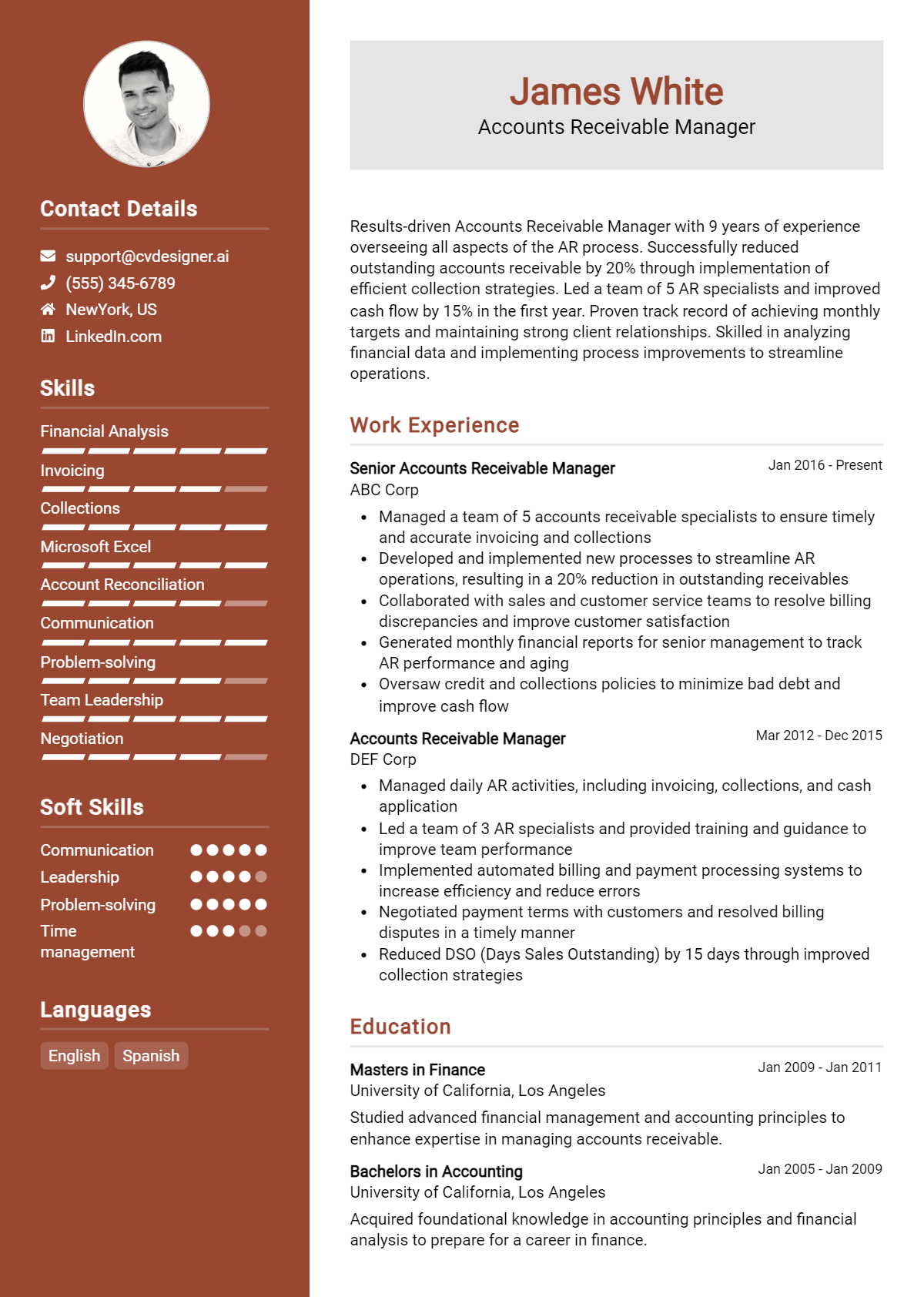
As an Accounts Receivable Manager, you play a pivotal role in maintaining the financial health of an organization by overseeing the collection of outstanding payments and managing the accounts receivable team. During the interview process, hiring managers will seek to assess your technical proficiency, leadership abilities, and problem-solving skills. To help you prepare, we’ve compiled a list of the top interview questions that are commonly asked for this role, allowing you to showcase your expertise and readiness for the challenges ahead.
Preparing for an interview is crucial, particularly for a position like Accounts Receivable Manager. Practicing responses to common interview questions can significantly enhance your ability to highlight relevant skills, experience, and personality, ultimately increasing your chances of securing the role.
What experience do you have in managing accounts receivable?
I have over five years of experience managing accounts receivable, optimizing processes, and reducing DSO by 15% through effective team leadership.
Example:
I streamlined the invoicing process, which resulted in a 20% faster collection rate over the last fiscal year.
How do you ensure timely collections from clients?
I implement clear communication strategies, establish follow-up protocols, and build strong relationships with clients to encourage timely payments.
Example:
Regularly scheduled reminders and personal outreach have proven effective in maintaining prompt payment schedules from our clients.
Can you describe a challenging situation with a client and how you resolved it?
I once dealt with a delayed payment issue; I communicated openly, negotiated terms, and ultimately reached a mutually agreeable solution.
Example:
By maintaining transparency and offering flexible payment options, we resolved a delayed payment situation effectively.
What strategies do you use to minimize bad debt?
I analyze credit risk, establish clear credit policies, and monitor accounts closely to reduce the likelihood of bad debt.
Example:
Implementing rigorous credit checks has significantly lowered our bad debt ratio by 10% over the past year.
How do you handle discrepancies in accounts?
I investigate discrepancies promptly, comparing records, and communicating with involved parties to ensure accurate resolutions.
Example:
By conducting monthly reconciliations, I identify discrepancies early and facilitate quick resolutions with the team.
What software or tools have you used for accounts receivable management?
I have experience with ERP systems like SAP and QuickBooks, utilizing them to streamline accounts receivable processes and reporting.
Example:
Using QuickBooks, I automated invoice generation, which improved efficiency and accuracy in our accounting processes.
How do you prioritize your workload in a busy environment?
I prioritize tasks based on deadlines, impact on cash flow, and team collaboration, ensuring efficient management of accounts receivable.
Example:
By utilizing task management tools, I effectively prioritize urgent collections while maintaining routine reconciliations.
What is your approach to training and developing team members?
I focus on mentorship, providing regular feedback and training sessions to enhance skills and foster a collaborative team environment.
Example:
Organizing monthly workshops has significantly improved the team's performance and understanding of accounts receivable best practices.
9. How do you prioritize your tasks in accounts receivable?
I prioritize tasks based on urgency and impact, ensuring timely collections while maintaining client relationships. This approach maximizes cash flow and minimizes overdue accounts.
Example:
I focus on high-value accounts first, followed by overdue invoices, balancing urgency with relationship management.
10. Describe a time when you had to resolve a difficult collection issue.
I once handled a long-overdue account by negotiating a payment plan, leading to successful resolution and preserving the client relationship.
Example:
I arranged a payment plan for a client, ensuring future business while recovering overdue funds.
11. What strategies do you use to maintain accurate accounts receivable records?
I implement regular reconciliations, utilize accounting software, and ensure team training to enhance accuracy and reduce discrepancies in our records.
Example:
Regular audits and real-time updates in our accounting software help maintain accuracy in our records.
12. How do you handle disputes with clients regarding invoices?
I approach disputes with open communication, ensuring clarity on the billing details, and working collaboratively to find a resolution that satisfies both parties.
Example:
I listen to the client's concerns, clarify invoice details, and propose solutions to resolve disputes amicably.
13. What key performance indicators do you track for accounts receivable?
I track DSO, aging reports, collection effectiveness, and overdue accounts to assess performance and identify areas for improvement in our processes.
Example:
I monitor DSO and aging reports to gauge collection efficiency and adjust strategies accordingly.
14. Can you explain your experience with accounts receivable software?
I have extensive experience with systems like SAP and QuickBooks, optimizing their features to streamline invoicing and reporting processes effectively.
Example:
I utilized SAP for invoicing and reporting, enhancing efficiency in our accounts receivable operations.
15. How do you ensure compliance with financial regulations in accounts receivable?
I stay updated on regulations, conduct regular training for the team, and implement strict policies to ensure compliance in all practices.
Example:
I conduct training sessions and audits to ensure our practices align with current financial regulations.
16. How do you foster a positive relationship with clients while managing collections?
I maintain professionalism and empathy, ensuring transparent communication, which builds trust and enhances long-term client relationships while effectively managing collections.
Example:
I prioritize clear communication and empathy to maintain strong client relationships during collections.
17. How do you prioritize accounts for collections?
I assess overdue accounts based on their age, amount, and customer relationship, ensuring efficient collection efforts while maintaining positive client interactions.
Example:
I prioritize high-value, long-overdue accounts first, using a systematic approach to balance urgency with customer relations.
18. Can you describe a time you improved the collections process?
I implemented automated reminders, reducing overdue accounts by 30%, and allowing the team to focus on more complex collection issues.
Example:
By introducing a new software tool, we streamlined our collections and increased recovery rates significantly.
19. What methods do you use to handle customer disputes over invoices?
I utilize clear communication and documentation, collaborating with sales to resolve disputes swiftly while maintaining strong customer relationships.
Example:
I address disputes promptly, ensuring customers feel heard while working towards a resolution that preserves our relationship.
20. How do you ensure compliance with accounting regulations?
I stay updated on regulations, conduct regular audits, and provide training, ensuring the team adheres to standards and minimizes risks.
Example:
I establish regular training sessions and audits to ensure compliance with all accounting regulations and standards.
21. Describe your experience with financial reporting.
I prepare monthly accounts receivable reports, analyzing trends to enhance cash flow and inform strategic decision-making for management.
Example:
I generate detailed financial reports that help management understand cash flow trends and enhance decision-making.
22. How do you manage team performance in accounts receivable?
I set clear KPIs, conduct regular performance reviews, and provide constructive feedback, fostering a motivated and high-performing team environment.
Example:
I monitor team metrics closely, providing feedback and incentives to maintain high performance and accountability.
23. What strategies do you employ to reduce DSO (Days Sales Outstanding)?
I implement proactive follow-up systems, offer discounts for early payments, and enhance customer communication to effectively reduce DSO.
Example:
I focus on timely follow-ups and customer incentives which significantly reduce our DSO and improve cash flow.
24. How do you approach training new staff in accounts receivable?
I create a comprehensive onboarding program, combining hands-on training with mentoring, ensuring new hires understand processes and company culture.
Example:
I develop a structured onboarding plan that includes mentorship and practical training to ensure effective learning.
25. How do you prioritize tasks in a fast-paced Accounts Receivable environment?
I prioritize tasks based on deadlines and impact on cash flow, ensuring high-priority accounts are addressed first.
Example:
I focus on overdue accounts first, then process incoming payments, ensuring cash flow is optimized efficiently.
26. Describe a time you improved a process in Accounts Receivable.
I streamlined invoicing by implementing automated reminders, reducing late payments by 30% and enhancing overall efficiency.
Example:
I introduced an automated invoicing system that led to a significant decrease in overdue accounts and improved cash flow.
27. How do you handle difficult customers regarding overdue payments?
I approach difficult customers with empathy, listening to their concerns while firmly communicating payment expectations and solutions.
Example:
I listen to their challenges, propose flexible payment options, and maintain a professional tone to resolve issues amicably.
28. What strategies do you use to reconcile accounts effectively?
I utilize consistent tracking methods and regular audits to ensure accounts are reconciled accurately and discrepancies addressed promptly.
Example:
I perform monthly reconciliations, cross-checking transactions against reports to resolve any discrepancies swiftly.
29. Can you explain your experience with credit risk assessment?
I assess credit risks by analyzing financial statements and payment history, ensuring informed decisions on credit limits and terms.
Example:
I evaluate customers’ financial health and payment patterns to mitigate risks before extending credit limits.
30. How do you ensure compliance with financial regulations in Accounts Receivable?
I stay updated on regulations and implement internal controls, ensuring our processes align with compliance requirements and audit standards.
Example:
I regularly review compliance guidelines and train my team to adhere to all necessary financial regulations effectively.
31. What software tools have you used for managing Accounts Receivable?
I have experience with ERP systems like SAP and QuickBooks, enhancing tracking, reporting, and analysis of receivables.
Example:
I utilize SAP for invoicing and reconciliation, which improves accuracy and efficiency in managing accounts receivable.
32. How do you train your team on best practices in Accounts Receivable?
I conduct regular training sessions, share industry best practices, and provide hands-on guidance to enhance team skills and efficiency.
Example:
I organize quarterly workshops focused on best practices and encourage knowledge sharing within the team to foster growth.
33. How do you ensure timely collection of outstanding invoices?
I implement regular follow-ups and set reminders for due dates to maintain communication with clients, ensuring timely payments.
Example: I schedule weekly reminders for follow-ups, which helps in reducing overdue accounts significantly.
34. Describe a time you dealt with a difficult client regarding payment.
I maintained professionalism and empathy, actively listening to their concerns, and worked on a mutually beneficial repayment plan.
Example: I once negotiated a payment plan that satisfied both the client and our cash flow needs.
35. What methods do you use to track accounts receivable aging?
I utilize accounting software that generates aging reports, allowing me to analyze outstanding invoices efficiently and prioritize collections.
Example: I regularly review aging reports to identify overdue accounts and take action accordingly.
36. How do you handle discrepancies in payments or invoices?
I investigate discrepancies promptly by cross-referencing records and communicating with relevant departments to resolve issues quickly.
Example: I once resolved a payment discrepancy within 48 hours, ensuring client satisfaction and timely reconciliation.
37. How do you maintain accurate records in accounts receivable?
I implement organized filing systems and utilize accounting software to ensure all transactions are accurately recorded and easily retrievable.
Example: I conduct monthly audits to verify that records are accurate and up to date.
38. What role does technology play in your accounts receivable process?
Technology streamlines invoicing and payment processing, allowing for faster collections and improved accuracy in tracking receivables.
Example: I leverage automated invoicing tools to reduce manual errors and speed up payment cycles.
39. Can you explain your approach to managing a team?
I promote open communication, set clear goals, and provide ongoing training to foster a collaborative and high-performing accounts receivable team.
Example: I hold weekly team meetings to discuss challenges and celebrate successes, ensuring everyone stays aligned.
40. How do you prioritize your workload in accounts receivable?
I prioritize tasks based on urgency and impact, focusing on high-value accounts or overdue invoices to optimize cash flow.
Example: I tackle overdue accounts first, ensuring we address potential cash flow issues promptly.
41. How do you ensure accuracy in accounts receivable reporting?
I implement regular reconciliations and utilize software tools to minimize errors, ensuring all transactions are double-checked for accuracy.
Example:
I schedule monthly reconciliations and use automated reports to cross-check figures, which has reduced discrepancies by 30% in my previous role.
42. Describe a time when you had to deal with a difficult client regarding payment.
I maintain professionalism and empathy, actively listening to their concerns while proposing flexible payment options to resolve disputes effectively.
Example:
I once negotiated a payment plan for a client facing financial hardship, which led to a positive outcome and retained our business relationship.
43. What strategies do you use to improve cash flow in accounts receivable?
I implement prompt invoicing, regular follow-ups, and offer discounts for early payments, thereby enhancing cash flow and minimizing outstanding accounts.
Example:
By introducing an early payment discount, I increased cash flow by 20% in the first quarter of implementation at my last job.
44. How do you handle discrepancies in accounts receivable?
I investigate discrepancies promptly by reviewing transaction records and collaborating with relevant departments to resolve issues efficiently.
Example:
When discrepancies arose, I traced the errors within two days, coordinating with sales and accounting to implement corrective actions swiftly.
45. What accounts receivable software are you familiar with?
I am proficient in several software systems like SAP, QuickBooks, and Oracle, which enhance efficiency in managing accounts receivable.
Example:
At my last position, I utilized SAP for accounts receivable management, streamlining processes and reporting, resulting in a 25% time reduction in month-end closing.
46. How do you prioritize your tasks in a busy accounts receivable department?
I prioritize tasks based on deadlines and impact, focusing on high-value clients first while ensuring routine tasks are completed efficiently.
Example:
I use a task management tool to categorize tasks daily, allowing me to focus on urgent collections while ensuring ongoing account maintenance is also addressed.
How Do I Prepare For A Accounts Receivable Manager Interview?
Preparing for an interview is crucial in making a positive impression on the hiring manager. A well-prepared candidate not only demonstrates their interest in the role but also showcases their qualifications and readiness to contribute to the organization. Below are key preparation tips to help you excel in your Accounts Receivable Manager interview.
- Research the company and its values to understand its culture and mission.
- Practice answering common interview questions related to accounts receivable management.
- Prepare examples that demonstrate your skills and experience for the Accounts Receivable Manager role.
- Familiarize yourself with industry best practices and current trends in accounts receivable.
- Review your resume and be ready to discuss your past experiences in detail.
- Prepare insightful questions to ask the interviewer about the team and company goals.
- Dress professionally and ensure you arrive on time for the interview.
Frequently Asked Questions (FAQ) for Accounts Receivable Manager Interview
Being well-prepared for your interview is essential, especially for a role as critical as the Accounts Receivable Manager. Understanding common questions can help you articulate your strengths and experiences effectively, making a positive impression on your potential employer.
What should I bring to an Accounts Receivable Manager interview?
For your interview, be sure to bring multiple copies of your resume, a list of references, and any relevant certifications. Additionally, consider bringing a notepad and pen to take notes during the interview. This demonstrates your preparedness and professionalism. If you have a portfolio showcasing your previous work or accomplishments in accounts receivable, it can be beneficial to present that as well.
How should I prepare for technical questions in an Accounts Receivable Manager interview?
To prepare for technical questions, review key concepts related to accounts receivable management, such as cash flow management, invoicing procedures, and reconciliation processes. Familiarize yourself with relevant software and tools commonly used in the industry. Practicing with sample technical questions can help you articulate your knowledge confidently during the interview. Additionally, be ready to discuss specific scenarios from your past experiences that highlight your problem-solving skills and technical expertise.
How can I best present my skills if I have little experience?
If you have limited experience, focus on your transferable skills such as attention to detail, organizational abilities, and customer service. Highlight any relevant coursework, internships, or volunteer work that demonstrates your understanding of accounts receivable principles. Use the STAR method (Situation, Task, Action, Result) to frame your answers, showcasing your capabilities and how you've applied them in different contexts, even if they are not directly related to accounts receivable.
What should I wear to an Accounts Receivable Manager interview?
Dressing appropriately is crucial for making a strong first impression. Opt for professional business attire, such as a suit or a tailored dress, depending on your comfort and the company culture. Neutral colors are typically best, as they convey professionalism. Ensure your outfit is clean and well-fitted, and pay attention to grooming. When in doubt, it’s always better to be slightly overdressed than underdressed.
How should I follow up after the interview?
Following up after the interview is a vital step in the process. Send a thank-you email within 24 hours, expressing gratitude for the opportunity to interview and reaffirming your interest in the position. In your message, briefly mention something specific discussed during the interview that resonated with you. This not only shows your enthusiasm but also helps keep you fresh in the interviewer’s mind as they make their decision.
Conclusion for Accounts Receivable Manager Interview Guide
In this interview guide, we have covered essential aspects that every Accounts Receivable Manager candidate should focus on to ensure a successful interview experience. Preparation and practice are crucial, as they allow candidates to showcase their relevant skills and knowledge confidently. Understanding both technical and behavioral questions can significantly enhance a candidate's chances of success, providing them with a well-rounded approach to their interviews.
We encourage candidates to leverage the tips and examples provided in this guide to approach their interviews with confidence and clarity. By preparing thoroughly and practicing regularly, you can make a lasting impression on your potential employers and secure the position of your dreams.
To further aid in your job search, don't forget to check out our helpful resources, including resume templates, resume builder, interview preparation tips, and cover letter templates.