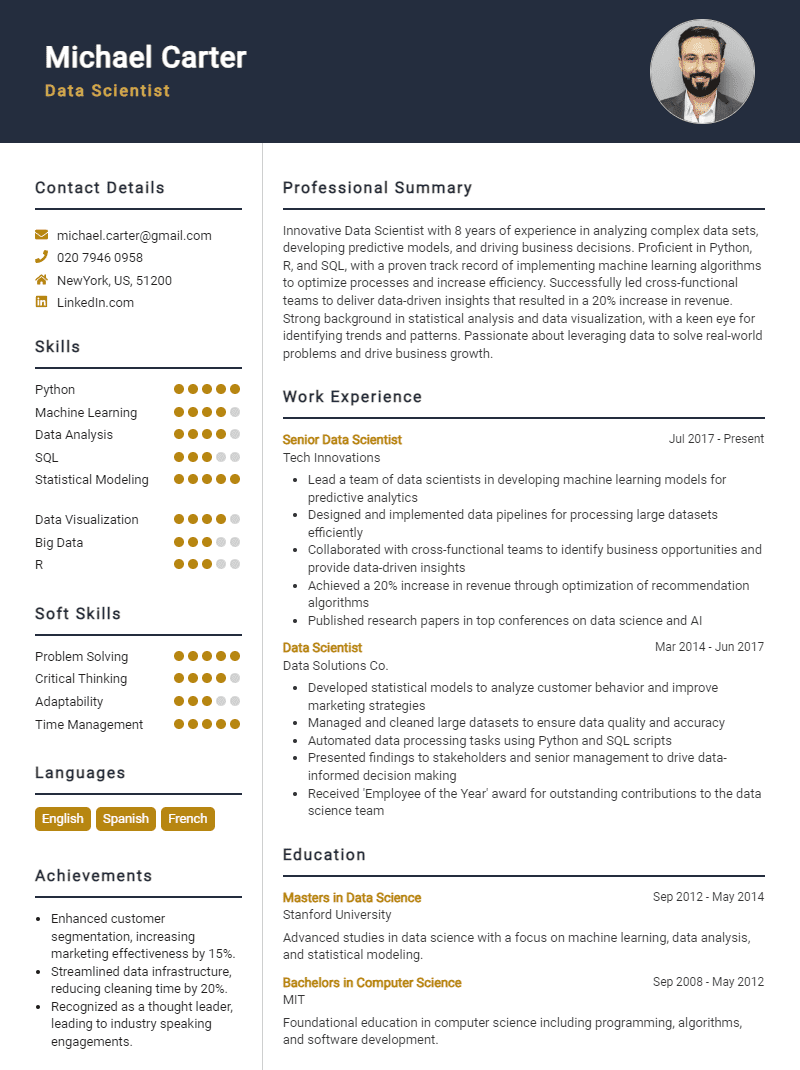
When it comes to navigating the job interview process as an internal candidate, the stakes can feel higher than ever. You are already a part of the organization, which means your current contributions and relationships are under evaluation as you seek to move up or transition into a new role. Preparing for this unique interview scenario is crucial, as you will need to articulate not only your qualifications but also your understanding of the company's culture and objectives.
Here is a list of common job interview questions tailored for internal candidates, along with examples of the best answers. These questions will delve into your work history and experience within the organization, what you bring to the table that sets you apart from other candidates, and how your career aspirations align with the company's future goals.
1. Why do you want to move to this new position within the company?
I believe this new position aligns perfectly with my career goals and strengths. My current role has equipped me with extensive knowledge of our operations, and I am eager to leverage that experience to contribute at a higher level.
Example:
I want to transition into this role to utilize my project management skills developed over the last two years, aiming for greater challenges and opportunities to drive team success in our ongoing projects.
2. What unique skills do you bring to this position?
I bring a unique combination of analytical skills and team leadership experience. My track record of improving processes while fostering collaboration has resulted in increased efficiency and team morale, which I believe will greatly benefit this position.
Example:
My ability to analyze data trends and communicate insights effectively helped my current team reduce project turnaround time by 20%, making me confident that I can bring similar improvements to this new role.
3. How have you contributed to the company culture in your current role?
I've actively participated in team-building activities and initiated monthly knowledge-sharing sessions. These efforts have fostered a collaborative environment and encouraged open communication, which are vital for a healthy company culture.
Example:
By organizing lunch-and-learn sessions, I’ve helped colleagues engage more, promoting a culture of continuous improvement and learning that positively impacts our overall performance.
4. Describe a challenge you faced in your current position and how you overcame it.
I faced a significant project delay due to resource constraints. I organized a team meeting to brainstorm solutions, reallocating tasks and prioritizing critical components, which allowed us to meet our revised deadlines successfully.
Example:
When our team was short-staffed, I collaborated with other departments to share resources, ensuring our project stayed on track and ultimately delivered within our adjusted timeline.
5. How do you handle feedback from peers and supervisors?
I view feedback as an opportunity for growth. I actively seek constructive criticism and implement changes to enhance my performance. This approach has helped me foster positive relationships and improve team dynamics.
Example:
When I received feedback on my presentation style, I took a public speaking course, which improved my confidence and effectiveness, demonstrating my commitment to continuous improvement.
6. What do you consider your biggest accomplishment in your current role?
My biggest accomplishment was leading a cross-departmental project that streamlined our reporting process, reducing time spent by 30%. This success not only improved efficiency but also enhanced collaboration across teams.
Example:
I successfully led a project that integrated new software, which resulted in a 30% reduction in reporting time, significantly benefiting our team's productivity and morale.
7. How do you prioritize your work when facing multiple deadlines?
I prioritize tasks by assessing urgency and importance, often using a task management tool. I communicate with stakeholders to ensure alignment and adjust priorities as needed, ensuring timely completion of all projects.
Example:
When managing conflicting deadlines, I use a priority matrix to identify critical tasks and communicate with my team, ensuring we meet all deadlines without compromising quality.
8. What motivates you to perform at your best?
I am motivated by challenges and the opportunity to make a meaningful impact. Achieving tangible results and contributing to team success drives my performance and inspires me to constantly improve.
Example:
My motivation stems from seeing the direct impact of my work on team success, which drives me to exceed expectations and continuously seek ways to improve processes.
9. How do you prioritize your tasks when managing multiple projects?
I prioritize tasks by assessing deadlines, project impact, and resource availability. I utilize tools like Trello to track progress and ensure transparency with my team. This approach helps me manage my workload effectively while maintaining high standards.
Example:
I prioritize tasks based on urgency and importance, using a project management tool for clarity. This allows me to focus on high-impact projects while keeping my team informed and engaged throughout the process.
10. Can you describe a time when you resolved a conflict within your team?
I encountered a disagreement between team members regarding project direction. I facilitated a meeting to clarify concerns, allowing each person to share their perspective. By fostering open communication, we reached a consensus that improved collaboration and project outcomes.
Example:
When a conflict arose over project responsibilities, I organized a team meeting. By encouraging open dialogue, we identified misunderstandings and collaboratively determined a path forward, strengthening our teamwork and ensuring project success.
11. How do you keep yourself motivated during challenging projects?
I stay motivated by setting clear milestones and celebrating small wins throughout the project. Regularly reminding myself of the project’s purpose and impact helps maintain my enthusiasm, even during tough phases.
Example:
During challenging projects, I break tasks into smaller, manageable goals and celebrate achievements. This approach keeps my motivation high and reminds me of the project's overall importance and impact.
12. What strategies do you use to ensure clear communication with your team?
I employ regular check-ins and utilize collaboration tools like Slack for updates. Ensuring everyone is on the same page minimizes misunderstandings and fosters a culture of transparency within the team.
Example:
To ensure clear communication, I schedule weekly team meetings and leverage tools like Slack for instant updates. This structure encourages transparency and keeps everyone aligned on project goals and tasks.
13. How do you handle feedback and criticism from peers or supervisors?
I view feedback as an opportunity for growth. When receiving criticism, I listen attentively, ask clarifying questions, and reflect on how to improve. This proactive approach has led to significant personal and professional development.
Example:
When I receive feedback, I take time to reflect on it and ask questions for clarity. This constructive mindset has helped me improve my work and strengthen relationships with my peers.
14. Describe a situation where you had to lead a project under tight deadlines.
I led a project with a condensed timeline by developing a comprehensive plan, delegating tasks effectively, and maintaining open communication. This approach ensured we met our deadline while delivering quality results and kept the team motivated.
Example:
When faced with tight deadlines, I created a detailed project timeline and assigned tasks based on team strengths. This strategy streamlined our efforts and allowed us to successfully meet our deadline.
15. What do you believe makes you a strong candidate for this position?
My deep understanding of our company culture, combined with my proven track record of successful project delivery, makes me a strong candidate. I am passionate about contributing to our goals and fostering team collaboration.
Example:
I believe my familiarity with our processes and my dedication to team collaboration significantly enhance my candidacy. I consistently deliver projects on time, aligning with our company's vision and values.
16. How do you stay updated with industry trends and developments?
I actively follow industry publications, participate in webinars, and attend relevant conferences. Networking with peers also offers insights into trends that can be applied to our projects, ensuring we stay competitive and innovative.
Example:
To stay updated, I read industry blogs, attend webinars, and engage in professional groups. This continuous learning helps me apply the latest trends and best practices to our work.
17. How do you prioritize your work when taking on new responsibilities?
I assess the urgency and importance of tasks, then create a list to manage my workload effectively. I also consult with my supervisor to align priorities and ensure I'm focusing on what will drive the most impact for the team.
Example:
When given additional projects, I prioritize by deadlines and team goals, regularly check in with my manager to adjust priorities as needed, ensuring I deliver quality results while managing my time effectively.
18. Can you describe a time when you had to adapt to significant changes in your role?
In my previous role, the team underwent a restructuring that changed our project scope. I quickly adapted by seeking clarity on new objectives, collaborating with teammates to redefine our strategies, and maintaining open communication to support each other through the transition.
Example:
During a departmental restructure, I took the initiative to hold team meetings to discuss the changes, helping everyone adjust. I also updated my processes to align with the new goals, ensuring team cohesion and productivity remained strong.
19. How do you handle feedback from your peers and supervisors?
I view feedback as a valuable opportunity for growth. I actively listen, ask clarifying questions, and implement suggestions. This collaborative approach not only improves my performance but also fosters a positive work environment where everyone feels heard and supported.
Example:
When receiving feedback, I take time to reflect on it and then discuss it with my supervisor. For instance, I improved my presentation skills significantly after incorporating their suggestions and seeking additional feedback from colleagues.
20. What strategies do you use to foster team collaboration?
I encourage open communication and regular check-ins to create a collaborative atmosphere. I also promote team-building activities and ensure everyone's ideas are valued, which helps in building trust and fosters a sense of belonging within the team.
Example:
To enhance collaboration, I initiated weekly brainstorming sessions where everyone could share ideas. This not only improved our projects but also strengthened relationships among team members, fostering a more supportive environment.
21. Describe a project where you had to work cross-functionally. How did you approach it?
I worked on a marketing initiative that required input from sales and product teams. I organized joint meetings to gather insights and ensure alignment. By establishing clear roles and maintaining ongoing communication, we successfully launched the campaign on time.
Example:
In a recent project, I led a cross-departmental team to develop a new product. I facilitated discussions, set common goals, and encouraged collaboration, resulting in a successful launch that exceeded our sales targets.
22. How do you measure success in your current role?
I measure success through key performance indicators, feedback from my supervisor, and the achievement of project goals. Continuous improvement is essential, so I also seek to enhance my skills and contribute positively to team dynamics.
Example:
Success for me includes meeting project deadlines, receiving positive feedback, and contributing to team goals. I regularly review my performance metrics to ensure I’m on track and identify areas for improvement.
23. What motivates you to excel in your current position?
I'm motivated by the opportunity to contribute to team success and the potential for personal growth. I find satisfaction in overcoming challenges and achieving results, as well as in recognizing my contributions to the company’s objectives.
Example:
I thrive on challenges and enjoy setting ambitious goals. The satisfaction of meeting those goals and receiving recognition from my team motivates me to continually strive for excellence in my role.
24. How would you handle a conflict with a colleague?
I would address the conflict directly but respectfully. I’d set up a private meeting to discuss our perspectives and seek a resolution that benefits both parties. My goal is always to maintain a positive working relationship while resolving the issue effectively.
Example:
When I had a disagreement with a colleague, I approached them for a private conversation. We discussed our viewpoints and found common ground, which not only resolved the conflict but also strengthened our professional relationship.
25. Can you describe a time when you had to adapt to a significant change in your current role?
In my current role, I faced a major software transition that impacted our team’s workflow. I took the initiative to learn the new system quickly and organized training sessions for my colleagues, which helped us adapt smoothly and maintain productivity.
Example:
When our company transitioned to a new CRM, I quickly became proficient and offered training sessions to my team, ensuring everyone adapted swiftly and effectively, which increased our overall efficiency during the transition.
26. How do you prioritize tasks when handling multiple responsibilities?
I prioritize tasks by assessing deadlines and impact. I use a task management tool to visualize my workload and focus on high-priority items first. Regular check-ins with my team help me stay aligned on our collective goals and adjust priorities as needed.
Example:
I evaluate tasks based on urgency and importance using a matrix system. For instance, during peak project deadlines, I focus on critical deliverables first and delegate lower-priority tasks when appropriate to ensure timely completion.
27. Describe a situation where you had to lead a project or initiative within your department.
I spearheaded a cross-departmental initiative to improve communication practices. I coordinated meetings, gathered feedback, and implemented new protocols that streamlined our processes, resulting in a 20% increase in team efficiency and better interdepartmental collaboration.
Example:
I led a project to enhance our reporting system. By collaborating with various teams, I gathered input and implemented changes, which reduced reporting errors by 30% and improved overall data accuracy.
28. How do you handle constructive criticism from your peers or supervisors?
I view constructive criticism as an opportunity for growth. When I receive feedback, I actively listen, ask clarifying questions, and implement suggested changes. This approach has helped me improve my performance and build stronger relationships with my colleagues.
Example:
When I received feedback on my presentation skills, I sought advice from colleagues and practiced regularly. This proactive approach led to significant improvements and more positive responses in future presentations.
29. Can you provide an example of how you’ve contributed to team morale?
I organized team-building activities and recognition programs that boosted morale. By fostering a positive environment and encouraging open communication, I helped create a culture where team members felt valued and motivated, leading to enhanced collaboration and productivity.
Example:
I initiated monthly recognition events celebrating team accomplishments, which significantly lifted spirits and encouraged a sense of community within our department, enhancing overall productivity.
30. How do you stay informed about developments in our industry?
I keep abreast of industry trends by subscribing to relevant publications, attending webinars, and participating in professional networks. This continuous learning helps me bring fresh perspectives and innovative ideas to our team, ensuring we remain competitive.
Example:
I regularly read industry journals and participate in online forums. This helps me stay current on trends and technologies, allowing me to apply new insights to our projects effectively.
31. Describe a time when you had to resolve a conflict within your team.
I mediated a conflict between two team members by facilitating an open discussion, allowing each to express their viewpoints. I guided them toward a compromise that respected both parties, ultimately fostering a more collaborative environment and restoring team harmony.
Example:
When two colleagues disagreed on a project approach, I organized a meeting to address their concerns. This open dialogue helped them find common ground and strengthened our team dynamics.
32. What motivates you to excel in your current role?
I’m motivated by challenges and the opportunity to make a meaningful impact. Achieving personal and team goals drives me to continuously improve my skills and contribute to our organization’s success, which is incredibly fulfilling.
Example:
I'm inspired by the chance to innovate and contribute to our team’s success. Seeing the positive outcomes of my efforts motivates me to strive for excellence in every project.
33. How do you prioritize your tasks when faced with multiple deadlines?
I prioritize tasks based on urgency and importance, consulting with stakeholders to align on priorities. I also utilize project management tools to visualize deadlines and progress, ensuring I stay on track while being adaptable to changes.
Example:
When managing deadlines, I create a priority matrix, focusing first on tasks that impact team goals. Recently, I balanced a project deadline with daily responsibilities by adjusting my schedule and delegating tasks effectively.
34. Can you describe a time when you had to lead a project with limited resources?
In a previous role, I led a project with a reduced budget by leveraging existing tools and resources. I encouraged team collaboration and sought feedback to ensure efficiency, resulting in the project being completed ahead of schedule.
Example:
I managed a marketing campaign on a tight budget by utilizing free tools and fostering team creativity. We successfully launched the campaign, achieving a 30% increase in engagement without overspending.
35. How do you stay updated on company policies and procedures?
I regularly attend internal meetings and training sessions, actively engage in team discussions, and review company communications. I also seek feedback from peers to ensure I fully understand any updates or changes.
Example:
To stay informed, I subscribe to our internal newsletters and participate in quarterly policy meetings. This proactive approach helps me remain compliant and share relevant updates with my team.
36. What strategies do you use to manage conflicts within your team?
I address conflicts by fostering open communication and encouraging team members to express their concerns. I mediate discussions to find common ground and promote a collaborative solution that maintains team cohesion.
Example:
In a recent team conflict, I facilitated a meeting where everyone could voice their concerns. By actively listening and guiding the discussion, we identified a solution that satisfied both parties and strengthened team relationships.
37. How would you handle feedback from a supervisor that you disagree with?
I would approach the feedback with an open mind, seeking clarification on their perspective. I believe in constructive dialogue and would express my viewpoint respectfully, aiming for a collaborative understanding.
Example:
When I received feedback I disagreed with, I scheduled a meeting to discuss it further. We explored each other’s viewpoints, leading to a better understanding and a revised approach that met our shared goals.
38. Can you provide an example of how you've contributed to the company culture?
I contribute to company culture by promoting teamwork and inclusivity through organizing team-building activities. I also encourage recognition of colleagues’ efforts, fostering a positive environment where everyone feels valued.
Example:
I initiated a monthly recognition program where team members highlight each other’s accomplishments. This not only boosts morale but also enhances collaboration and strengthens our team dynamics.
39. What do you believe is the most important quality in a leader?
I believe effective communication is the most important quality in a leader. A leader must articulate vision clearly and foster an environment where team members feel comfortable sharing ideas and feedback, leading to better outcomes.
Example:
In my experience, leaders who communicate openly encourage collaboration and innovation. For instance, my supervisor's clear communication led to a project where we collectively developed creative solutions to challenging problems.
40. How do you approach setting and achieving professional goals?
I set SMART goals—Specific, Measurable, Achievable, Relevant, Time-bound—and regularly review my progress. I also seek feedback and adjust my strategies as needed to stay on track toward achieving my objectives.
Example:
Last year, I set a goal to enhance my project management skills. I attended workshops and implemented new techniques, which resulted in a 20% increase in my team’s productivity by year-end.
41. How do you prioritize tasks when managing multiple projects internally?
I assess each project's urgency and impact on the organization. Using tools like project management software, I create a timeline and set milestones, ensuring I allocate resources effectively. Regular check-ins help me adjust priorities as needed.
Example:
I prioritize tasks by evaluating deadlines and project importance. For instance, while managing two projects, I used a Gantt chart to visualize timelines, ensuring that critical tasks were completed first while maintaining quality.
42. Can you describe a time when you took the initiative in your current role?
In my current role, I noticed a communication gap between departments. I initiated a bi-weekly cross-departmental meeting, which improved collaboration and project alignment. This initiative led to a 20% increase in project efficiency.
Example:
I took the initiative to implement a shared document system within my team. This streamlined our workflow significantly, reducing the time spent on redundant tasks and enhancing overall productivity.
43. How do you handle feedback from your peers or supervisors?
I view feedback as an opportunity for growth. I actively listen, ask clarifying questions, and implement suggested changes. For example, I received feedback about my presentation style and adjusted it to better engage my audience.
Example:
When I received constructive criticism about my reports, I sought additional training. This not only improved my skills but also demonstrated my commitment to professional development and responsiveness to feedback.
44. What strategies do you employ to foster teamwork within your department?
I promote open communication and regular brainstorming sessions to encourage collaboration. Additionally, I recognize individual contributions publicly, which boosts morale and fosters a sense of belonging within the team.
Example:
By organizing team-building activities and encouraging open discussions, I have successfully fostered teamwork. This has led to improved relationships and a more cohesive work environment.
45. How do you ensure that you stay updated with company policies and changes?
I actively participate in internal meetings and subscribe to company newsletters. Additionally, I engage with HR for any updates and encourage my peers to share insights, ensuring that our team remains informed about policy changes.
Example:
I regularly check the internal portal for policy updates and attend training sessions. This proactive approach ensures I am always aligned with the latest company directives.
46. What do you believe is the most significant contribution you can make in this new position?
My extensive knowledge of internal processes and strong relationships with team members will be my greatest contributions. I aim to enhance collaboration and drive efficiency, leveraging my experience to implement best practices that align with company goals.
Example:
I can bring a deep understanding of our organizational culture and a network of colleagues, allowing me to facilitate smoother transitions and enhance team dynamics in this new role.
How Do I Prepare For A Internal Candidates Job Interview?
Preparing for an internal candidates job interview is crucial for making a positive impression on the hiring manager. Even though you are already part of the organization, demonstrating your readiness and enthusiasm for the new role can set you apart from other candidates. Here are some key preparation tips to help you excel in your interview:
- Research the company and its values to align your responses with its mission and culture.
- Practice answering common interview questions, focusing on how your current role has prepared you for the new position.
- Prepare examples that demonstrate your skills and experience relevant to the internal role you are applying for.
- Seek feedback from colleagues or mentors about your suitability for the new position and areas for improvement.
- Understand the team dynamics and challenges of the department you wish to join to show your awareness of the internal landscape.
- Update your resume to reflect your accomplishments and contributions within the organization, even if it’s not a formal requirement.
- Dress appropriately and professionally to convey your seriousness about the opportunity, even in a familiar environment.
Frequently Asked Questions (FAQ) for Internal Candidates Job Interview
Preparing for an internal job interview is crucial, as it allows you to present your qualifications and fit for the role effectively. Understanding the common questions you may face can help alleviate anxiety and boost your confidence. Below are some frequently asked questions tailored for internal candidates to help you navigate the interview process.
What should I bring to an Internal Candidates interview?
When attending an internal candidates interview, it’s important to bring a few key items. Firstly, bring multiple copies of your updated resume, even if the interviewers already have access to it. This shows professionalism and preparedness. Additionally, consider bringing a list of your accomplishments in your current role and any relevant performance reviews that can highlight your contributions to the company. Lastly, having a notebook and pen can be helpful for taking notes during the discussion.
How should I prepare for technical questions in an Internal Candidates interview?
To prepare for technical questions, review the job description thoroughly and identify the key skills required for the position. Brush up on any relevant technologies, processes, or methodologies that are pertinent to the role. Since you are an internal candidate, leverage your knowledge of the company’s specific tools and systems. Additionally, consider discussing with colleagues in the department you’re applying to for insights on potential technical questions and current challenges they face.
How can I best present my skills if I have little experience?
Even if you have limited experience, you can effectively present your skills by focusing on your strengths and relevant achievements. Highlight transferable skills from your current role that align with the new position’s requirements. Use the STAR method (Situation, Task, Action, Result) to structure your responses and emphasize any projects or responsibilities that demonstrate your capabilities. Additionally, showing enthusiasm for learning and growth can leave a positive impression on interviewers.
What should I wear to an Internal Candidates interview?
Your attire for an internal candidates interview should reflect professionalism while considering the company culture. If your workplace has a business casual dress code, opt for smart business casual attire, such as dress slacks and a collared shirt or blouse. If the company leans towards formal wear, consider a suit. Regardless of the dress code, ensure that your clothes are clean, neat, and appropriate for a professional setting to convey your seriousness about the opportunity.
How should I follow up after the interview?
Following up after the interview is a vital step that shows your interest in the position. Send a thank-you email to the interviewers within 24 hours, expressing gratitude for the opportunity to interview and reiterating your enthusiasm for the role. In your message, highlight a key point from the interview that resonates with you and reflects your qualifications. This touchpoint reinforces your interest and keeps you top of mind as they make their decision.
Conclusion
In summary, this interview guide has highlighted the essential elements that internal candidates should focus on when preparing for their interviews. The significance of thorough preparation, practice, and the ability to demonstrate relevant skills cannot be overstated. By equipping yourself with the knowledge and confidence needed to tackle both technical and behavioral questions, you significantly enhance your chances of success in the selection process.
As you navigate your interview preparation, remember that the insights and strategies shared in this guide are designed to empower you. Leverage the tips and examples provided to approach your interviews with confidence and clarity. Your dedication to this process is what will set you apart as an internal candidate.
For further assistance, check out these helpful resources: resume templates, resume builder, interview preparation tips, and cover letter templates.