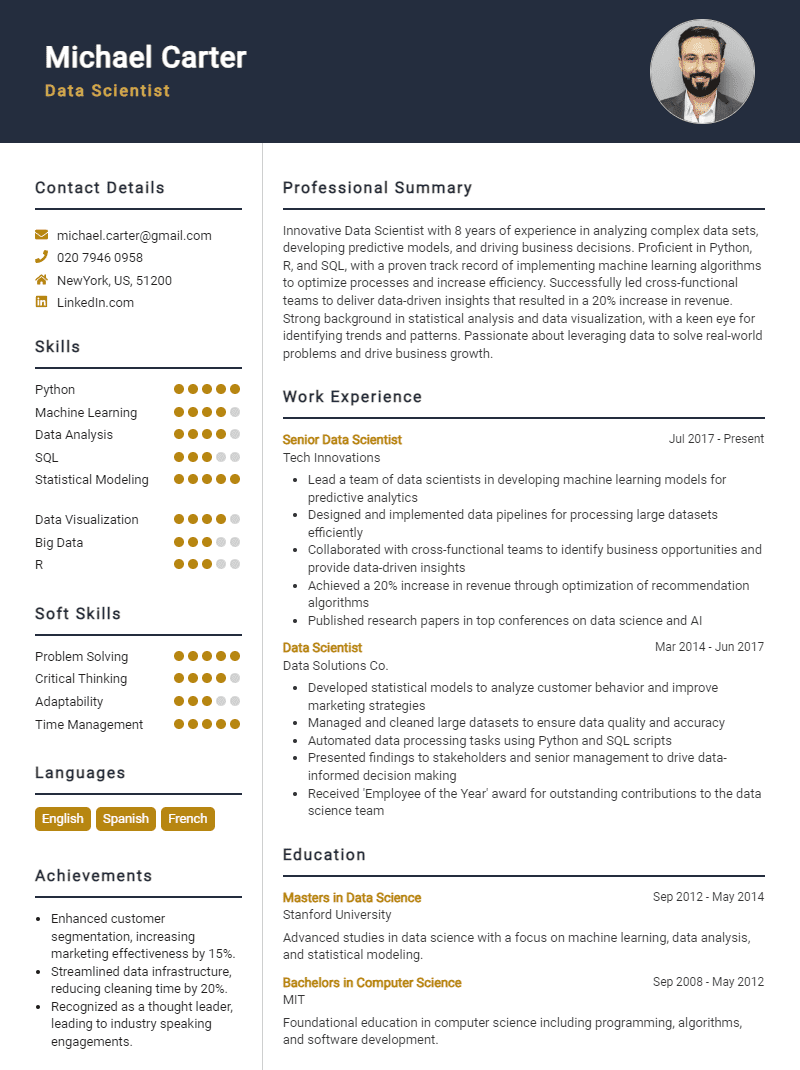
In the competitive landscape of technical sales, particularly for a position like a Teknic Technical Sales Engineer, preparing for the interview is essential. This role requires not only a strong understanding of technical concepts but also the ability to communicate effectively with clients and stakeholders. To help you navigate this critical step in your career journey, we’ve compiled a list of common interview questions you may encounter, along with insightful answers that will highlight your skills and experiences.
Here is a list of common job interview questions, with examples of the best answers. These questions cover your work history and experience, what you have to offer the employer, and your goals for the future, ensuring that you can effectively demonstrate your qualifications and passion for the Teknic Technical Sales Engineer role.
1. Can you explain your understanding of Teknic's products and services?
I have researched Teknic's offerings, particularly your servo motors and motion control systems. I understand their applications in automation, robotics, and CNC machinery, emphasizing precision and reliability. My background in engineering equips me to effectively communicate the benefits of these products to prospective clients.
Example:
I understand that Teknic specializes in high-performance motion control solutions, including servo motors and drives. These products are crucial for applications in automation and robotics, where precision and efficiency are paramount.
2. How do you approach a potential client who is unfamiliar with your products?
I begin by understanding their needs and pain points. I would then provide a tailored demonstration of how Teknic's solutions can address their specific challenges. Building trust and ensuring clear communication is key to guiding them through the learning process.
Example:
I would first ask probing questions to uncover their challenges, then present case studies relevant to their industry, showcasing how Teknic’s products can solve their problems and improve efficiency.
3. Describe a time you successfully closed a challenging sale.
In my previous role, I encountered a client hesitant about the investment. I organized a workshop demonstrating our product's ROI through real-world applications. Their subsequent purchase validated my approach, showcasing my ability to overcome objections and drive sales.
Example:
I held a detailed workshop to demonstrate the ROI of our solution, addressing client concerns directly. This hands-on approach led to their eventual purchase, demonstrating my persistence and adaptability in closing challenging sales.
4. What strategies do you use to stay updated on industry trends?
I regularly read industry publications, attend webinars, and participate in networking events. Engaging with peers and following thought leaders on platforms like LinkedIn helps me stay informed about emerging technologies and market demands, enabling me to position Teknic effectively.
Example:
I subscribe to industry newsletters, attend trade shows, and follow relevant influencers on social media to stay current with trends, ensuring I can provide informed insights to clients.
5. How do you handle objections from clients?
I listen actively to understand their concerns and validate their feelings. Then, I provide data or case studies that address their objections, demonstrating how Teknic’s solutions can meet their needs. This approach fosters trust and helps facilitate a productive dialogue.
Example:
When faced with objections, I listen carefully and ask clarifying questions. I then share relevant success stories and data that directly address their concerns, helping to alleviate doubts and build confidence in our solutions.
6. What role does teamwork play in your sales approach?
Teamwork is crucial in technical sales. Collaborating with engineers and product specialists ensures I fully understand the product capabilities. This collaboration allows me to deliver informed presentations and tailored solutions that meet the client's specific needs effectively.
Example:
I believe in leveraging team expertise. Regular interactions with engineers ensure I can accurately convey product benefits, leading to more successful client engagement and tailored solutions.
7. How do you prioritize your sales pipeline?
I assess potential opportunities based on factors like client needs, deal size, and timeline. Utilizing a CRM tool helps me track progress and prioritize follow-ups. This structured approach ensures I focus on high-impact opportunities while nurturing long-term relationships.
Example:
I categorize leads by urgency and potential value using a CRM. This allows me to allocate my time effectively, ensuring I address high-priority clients while maintaining relationships with others.
8. Can you share your experience with technical demonstrations?
I have conducted numerous technical demonstrations, tailoring each to the client's specific requirements. I focus on illustrating product capabilities through real-time applications, ensuring clients see the value. My technical background allows me to effectively address questions and engage clients.
Example:
I often conduct live demos tailored to client needs, showcasing how our products solve their specific challenges. My technical expertise enables me to answer questions confidently and engage effectively.
9. How do you prioritize your sales leads?
I prioritize sales leads based on factors like their potential value, urgency, and alignment with our product offerings. I use a CRM to track interactions and assess which leads require immediate attention or follow-up, ensuring I maximize my efficiency and close rates.
Example:
I categorize leads by their industry needs and the likelihood of closing. High-value prospects get immediate follow-ups, while nurturing is applied to others. This systematic approach has helped me increase my conversion rates significantly.
10. Can you describe a time when you overcame an objection from a client?
When a client was hesitant about switching to our automation solutions due to cost concerns, I provided a detailed cost-benefit analysis. Highlighting long-term savings and efficiency improvements helped alleviate their worries and ultimately led to a successful sale.
Example:
A client doubted our solution's ROI. I presented case studies of similar clients achieving substantial savings, which relieved their concerns and led to a successful agreement.
11. How do you stay updated with industry trends and product knowledge?
I subscribe to industry newsletters, participate in webinars, and attend trade shows. Regularly engaging with product training sessions and collaborating with colleagues ensures I stay informed about our offerings and the competitive landscape.
Example:
I actively follow industry publications and join forums. Attending monthly workshops keeps my knowledge fresh and lets me share insights with my team.
12. Describe how you would handle a slow sales period.
During a slow sales period, I focus on strengthening relationships with existing clients, exploring upselling opportunities, and refining my sales strategies. I also analyze previous sales data to identify trends and adjust my approach accordingly.
Example:
In a slow period, I reached out to past clients for feedback and potential leads, which reignited interest in our products and improved sales momentum.
13. How do you tailor your sales presentations to different audiences?
I customize my presentations by understanding the audience's needs, industry jargon, and pain points. This tailored approach ensures my message resonates, highlighting how our solutions can directly address their specific challenges.
Example:
For a tech audience, I focus on technical specifications, while for management, I emphasize ROI and efficiency gains. This adaptability has improved my engagement significantly.
14. What role does teamwork play in your sales process?
Teamwork is crucial in my sales process. Collaborating with marketing for lead generation and with engineers for product knowledge enhances our overall effectiveness. Sharing insights and strategies with my team fosters a supportive environment that drives success.
Example:
I frequently coordinate with our marketing team to align campaigns with sales goals. This collaboration has consistently improved our lead quality and conversion rates.
15. How do you measure your success as a Technical Sales Engineer?
I measure success through metrics like sales volume, conversion rates, and customer feedback. Additionally, tracking my progress against individual and team goals helps me identify areas for improvement and celebrate achievements.
Example:
I analyze quarterly sales reports and seek client feedback to gauge satisfaction. Continuous improvement in these areas marks my success as a sales engineer.
16. Can you give an example of how you used data to make a sales decision?
I used sales data to identify which products were underperforming in specific regions. By analyzing customer feedback and market trends, I adjusted our strategy, focusing on targeted promotions that led to a significant increase in sales.
Example:
I noticed a drop in interest for a product line. Data analysis revealed a market shift, prompting us to pivot our approach, ultimately boosting sales in that segment.
17. How do you prioritize your sales leads?
I prioritize sales leads by evaluating their potential based on factors like budget, timeline, and fit with our products. I also utilize CRM tools to track interactions and follow up effectively, ensuring I focus on high-value opportunities first.
Example:
I analyze leads using a scoring system based on their engagement level and specific needs, allowing me to prioritize those most likely to convert while maintaining relationships with all prospects.
18. Can you describe a time you overcame a significant obstacle in a sales process?
In a previous role, I faced a major objection regarding pricing. I conducted a thorough ROI analysis and presented it to the client, illustrating long-term savings. This approach led to a successful sale and strengthened my relationship with the client.
Example:
Once, a client hesitated due to budget constraints. I arranged a detailed presentation showing how our solution could cut costs, which ultimately convinced them to proceed with the purchase.
19. What strategies do you use to stay updated on industry trends?
I subscribe to industry publications, attend webinars, and participate in trade shows. Networking with peers also helps me gain insights into emerging trends, ensuring I stay informed and can provide clients with the latest and most relevant information.
Example:
I regularly read industry blogs and engage in relevant forums, which keeps me updated on trends and allows me to share valuable insights with clients during conversations.
20. How do you handle technical questions from clients that you cannot immediately answer?
I acknowledge the question, assure the client I will find the answer, and follow up promptly. I maintain a strong relationship with our technical team to ensure I can provide accurate and timely responses to clients’ inquiries.
Example:
I tell clients I’ll get back to them with the information and collaborate with my technical team to ensure they receive accurate answers, reinforcing their trust in our service.
21. Describe your experience with CRM systems.
I have extensive experience using CRM systems like Salesforce and HubSpot. I utilize these platforms for lead tracking, sales forecasting, and managing client interactions, which helps me streamline processes and improve sales efficiency.
Example:
I use Salesforce daily to manage leads and track customer interactions, which enhances my ability to follow up effectively and maintain accurate sales forecasts.
22. How do you tailor your sales approach for different clients?
I assess each client's unique needs and challenges before proposing solutions. By actively listening and asking targeted questions, I customize my pitch to align with their goals, ensuring my approach resonates and addresses their specific concerns effectively.
Example:
I adapt my presentations based on the client’s industry and pain points, which allows me to connect more personally and demonstrate how our solutions can specifically benefit them.
23. What role does teamwork play in your sales process?
Teamwork is crucial in my sales process. Collaborating with marketing, engineering, and customer service ensures we present a unified front and provide comprehensive solutions to clients. This synergy enhances customer satisfaction and drives successful outcomes.
Example:
I regularly collaborate with my team to align strategies, share insights, and ensure that we deliver consistent messaging and support to our clients.
24. How do you measure your success as a sales engineer?
I measure my success through metrics such as sales volume, conversion rates, and customer satisfaction scores. I also consider feedback from clients and colleagues, which helps me identify areas for improvement and celebrate achievements.
Example:
I track my sales performance against targets and gather client feedback to gauge satisfaction, which helps me continuously refine my approach and enhance my effectiveness.
25. How do you prioritize your sales leads?
I evaluate leads based on their potential value and urgency. By using CRM tools to analyze past interactions and customer needs, I can effectively prioritize follow-ups and tailor my approach to maximize conversion rates.
Example:
I prioritize leads by assessing their fit with our solutions and their stage in the buying process. For example, I focus on leads showing immediate need, leading to a 30% increase in my quarterly conversion rates.
26. Can you describe a time when you overcame a major objection from a client?
I once faced a client who was hesitant about our product's cost. I provided a detailed ROI analysis that highlighted long-term savings and efficiency gains, ultimately convincing them to proceed with the purchase.
Example:
A client objected to our pricing. I showcased the long-term cost savings and efficiency improvements through a case study, which addressed their concerns and led them to choose our solution over cheaper alternatives.
27. What strategies do you use to build rapport with clients?
I focus on understanding clients' unique challenges and actively listen to their needs. Building trust is essential, so I share relevant success stories and maintain consistent communication to strengthen our relationship.
Example:
To build rapport, I prioritize active listening and empathy. By understanding a client’s specific needs, I can share tailored success stories, which not only builds trust but also demonstrates my commitment to their success.
28. How do you stay updated on industry trends and competitor activities?
I subscribe to industry newsletters, participate in webinars, and engage with professional networks. Additionally, I regularly analyze competitors' offerings to ensure our solutions remain competitive and relevant in the market.
Example:
I stay updated by subscribing to key industry publications and attending trade shows. This not only keeps me informed about trends but also helps me identify potential gaps in our offerings compared to competitors.
29. Describe your experience with using CRM software.
I have extensive experience with CRM software like Salesforce. I utilize it for tracking leads, managing customer interactions, and analyzing sales performance, which helps me streamline my workflow and improve client engagement.
Example:
I regularly use Salesforce to manage my sales pipeline, track client interactions, and analyze data trends. This has helped me improve my follow-up strategies and increase my sales efficiency by over 25%.
30. How do you handle a situation with a dissatisfied client?
I approach dissatisfied clients with empathy and a solution-oriented mindset. I listen to their concerns, acknowledge the issue, and work collaboratively to resolve it, ensuring they feel valued throughout the process.
Example:
When a client was dissatisfied, I listened actively to their concerns, acknowledged the issue, and proposed a tailored solution. This not only resolved the problem but also strengthened our relationship and their trust in our company.
31. What role does teamwork play in your sales approach?
Teamwork is crucial in my sales approach. I collaborate closely with marketing and product teams to align our strategies, share insights, and ensure a unified message that enhances our overall sales effectiveness.
Example:
I believe teamwork is vital in sales. By collaborating with marketing, we create cohesive campaigns that resonate with clients, resulting in a 20% increase in engagement and a higher conversion rate.
32. How do you adapt your sales pitch based on different client types?
I tailor my sales pitch by researching the client's industry, challenges, and goals. This allows me to adjust my messaging to address their specific needs, making my pitch more relevant and compelling.
Example:
I adapt my pitch by understanding the client’s industry and specific pain points. For example, I emphasize cost-saving features for budget-conscious clients and highlight innovation for tech-forward companies, ensuring my message resonates.
33. Can you describe your experience with CRM tools and how they help in sales?
I have extensive experience using CRM tools like Salesforce, which help me track customer interactions, manage leads, and analyze sales data. This ensures timely follow-ups and enhances client relationships, ultimately leading to increased sales and customer satisfaction.
Example:
In my previous role, I utilized Salesforce to monitor client engagement, which significantly improved my follow-up strategy, resulting in a 20% increase in closed deals within six months.
34. How do you prioritize your sales leads?
I prioritize sales leads based on their engagement level and potential value. By analyzing data such as previous interactions and their industry relevance, I focus on leads with the highest probability of conversion to maximize my time and efforts effectively.
Example:
For instance, I often prioritize leads who have requested demos, as they show a stronger interest in our solutions, leading to higher conversion rates.
35. Describe a challenging sales situation you faced and how you overcame it.
I once dealt with a highly skeptical client who had previous negative experiences with similar products. I took the time to understand their concerns, providing tailored solutions and success stories, which ultimately turned their skepticism into trust and led to a successful sale.
Example:
By addressing their specific fears and demonstrating our product's reliability, I secured a deal that had initially seemed impossible.
36. How do you stay updated on industry trends and competitor products?
I stay updated through a combination of industry publications, attending webinars, and participating in networking events. This continuous learning helps me understand market shifts and competitor offerings, allowing me to position our products more effectively.
Example:
For instance, I recently attended a conference where I learned about new AI trends, which I then integrated into my sales pitches, enhancing client interest.
37. What strategies do you use to build long-term relationships with clients?
I prioritize consistent communication and follow-ups, ensuring clients feel valued. By providing ongoing support and updates, I foster trust and loyalty, which are crucial for long-term relationships and repeat business.
Example:
I schedule quarterly check-ins with key clients to discuss their evolving needs, which has led to increased retention and upsell opportunities.
38. How do you handle objections during a sales pitch?
I handle objections by actively listening to the client's concerns and addressing them with relevant information. This approach not only alleviates their worries but also demonstrates my commitment to finding the right solution for them.
Example:
For instance, when a client hesitated about our pricing, I highlighted the long-term cost savings, showing them the value of our product.
39. Can you provide an example of how you've used data to drive your sales strategy?
In my last role, I analyzed sales data to identify peak purchasing times, which allowed me to tailor my outreach strategies accordingly. This data-driven approach significantly boosted my quarterly sales performance.
Example:
By focusing my efforts during identified peak times, I increased my sales by 30% in the following quarter.
40. What role does teamwork play in your sales process?
Teamwork is essential in my sales process. Collaborating with marketing and product teams ensures that I am aligned with our company’s goals and can provide clients with comprehensive solutions and insights that enhance their experience.
Example:
Recently, I worked closely with the marketing team to align our messaging, which resulted in a unified approach that resonated well with our prospects.
41. How do you prioritize your sales leads?
I evaluate leads based on their potential revenue, urgency, and alignment with our product offerings. By using a scoring system, I can focus on high-value prospects while ensuring timely follow-ups with others, optimizing my sales efforts effectively.
Example:
I prioritize leads using a scoring matrix based on criteria like budget, industry, and timeline. This allows me to focus on those with immediate needs while nurturing long-term prospects, ultimately maximizing my sales outcomes.
42. Describe a time when you turned a difficult customer into a satisfied one.
I once dealt with a frustrated customer who received the wrong product. I listened to their concerns, quickly arranged a replacement, and offered a discount on their next purchase. This proactive approach transformed their anger into appreciation, strengthening our relationship.
Example:
A customer was upset due to a delayed shipment. I empathized, provided real-time updates, and offered an expedited shipping option. They appreciated my transparency and ended up referring us to others, demonstrating the power of excellent customer service.
43. What strategies do you use for competitive analysis?
I conduct regular market research, analyze competitors' offerings, pricing, and customer feedback. By identifying gaps in their services, I can position our products more effectively and highlight unique value propositions to potential clients.
Example:
I use tools like SWOT analysis and customer surveys to evaluate competitors. This helps me understand their strengths and weaknesses, allowing me to tailor my pitches to emphasize our advantages and meet client needs more effectively.
44. How do you stay updated with industry trends and technologies?
I subscribe to industry publications, attend webinars, and participate in trade shows. Engaging with peers and experts also helps me stay informed about emerging technologies, enabling me to provide relevant solutions to customers.
Example:
I follow key industry blogs and join professional groups on LinkedIn. Attending relevant conferences allows me to network and learn about new technologies, ensuring I can offer the most current and effective solutions to my clients.
45. Can you explain a technical concept to a non-technical audience?
Absolutely! I focus on using simple language, analogies, and visuals. For instance, explaining a complex automation process as a recipe can help non-technical clients understand how each step contributes to the overall goal.
Example:
When discussing our software, I compare it to a smartphone app that organizes tasks. This analogy simplifies the concept, making it relatable and easier for non-technical clients to grasp how our solution can benefit them.
46. How do you ensure customer satisfaction after the sale?
I follow up post-sale to ensure the customer is satisfied and address any issues. Regular check-ins and offering support resources foster trust and long-term relationships, helping to secure repeat business and referrals.
Example:
After closing a deal, I schedule a follow-up call to ensure everything is functioning well. This proactive approach not only reassures the customer but also opens the door for future business opportunities and referrals.
How Do I Prepare For A Teknic Technical Sales Engineer Job Interview?
Preparing for a job interview is crucial to making a strong impression on the hiring manager. A well-prepared candidate not only demonstrates their interest in the position but also showcases their skills and qualifications effectively. Below are some key preparation tips to help you excel in your Teknic Technical Sales Engineer interview:
- Research the company and its values to understand its mission and culture.
- Familiarize yourself with Teknic's product offerings and recent developments in the industry.
- Practice answering common interview questions related to technical sales and engineering concepts.
- Prepare examples that demonstrate your skills and experience relevant to the Teknic Technical Sales Engineer role.
- Review your resume and be ready to discuss your past achievements and how they relate to the job.
- Plan thoughtful questions to ask the interviewer about the team, company goals, and expectations for the role.
- Dress appropriately and ensure you are on time for the interview to convey professionalism and respect.
Frequently Asked Questions (FAQ) for Teknic Technical Sales Engineer Job Interview
Being well-prepared for your job interview is crucial, especially for a role like a Teknic Technical Sales Engineer, where both technical knowledge and sales acumen are essential. Familiarizing yourself with common interview questions can help you present yourself confidently and effectively. Below are some frequently asked questions that you may encounter during your interview process.
What should I bring to a Teknic Technical Sales Engineer interview?
For your interview, it is advisable to bring multiple copies of your resume, a list of references, and any work samples or case studies that demonstrate your technical and sales skills. Additionally, having a notebook and a pen can be helpful for taking notes during the interview. If you have any certifications or relevant documents, consider bringing those as well to showcase your qualifications.
How should I prepare for technical questions in a Teknic Technical Sales Engineer interview?
Preparing for technical questions involves reviewing the specific products and technologies that Teknic offers. Understand the technical aspects of the products as well as the common challenges customers face. Practice explaining complex concepts in a clear and concise manner, as you may need to convey technical information to clients who may not have a technical background. Consider doing mock interviews with a friend or mentor to refine your answers.
How can I best present my skills if I have little experience?
If you have limited experience, focus on highlighting your relevant skills, educational background, and any internships or projects you've worked on. Be prepared to discuss how your unique perspective and enthusiasm can contribute to the Teknic team. Emphasize your willingness to learn and adapt, and provide examples of how you've successfully tackled similar challenges in the past, whether in school or in previous roles.
What should I wear to a Teknic Technical Sales Engineer interview?
Dressing professionally is important for making a positive first impression. Aim for business casual attire, which typically includes slacks or a skirt, a collared shirt, and closed-toe shoes. Avoid overly casual clothing like jeans or sneakers. Ensure your outfit is neat and well-fitted, as this reflects your professionalism and respect for the opportunity to interview with Teknic.
How should I follow up after the interview?
After your interview, it’s a good practice to send a thank-you email to your interviewers within 24 hours. In your message, express your gratitude for the opportunity to interview, reiterate your interest in the position, and briefly highlight why you believe you're a good fit for the role. This not only shows your professionalism but also keeps you fresh in the interviewers' minds as they make their decisions.
Conclusion
In summary, this interview guide for the Teknic Technical Sales Engineer position has emphasized the importance of thorough preparation, practice, and the demonstration of relevant skills. Candidates are encouraged to familiarize themselves with both technical and behavioral questions, as this dual approach can significantly enhance their chances of success during the interview process.
As you prepare to embark on your interview journey, remember that confidence is key. Utilize the tips and examples provided in this guide to bolster your understanding and readiness. With the right preparation, you can approach your interviews with assurance and a clear sense of purpose.
For further assistance, check out these helpful resources: resume templates, resume builder, interview preparation tips, and cover letter templates.