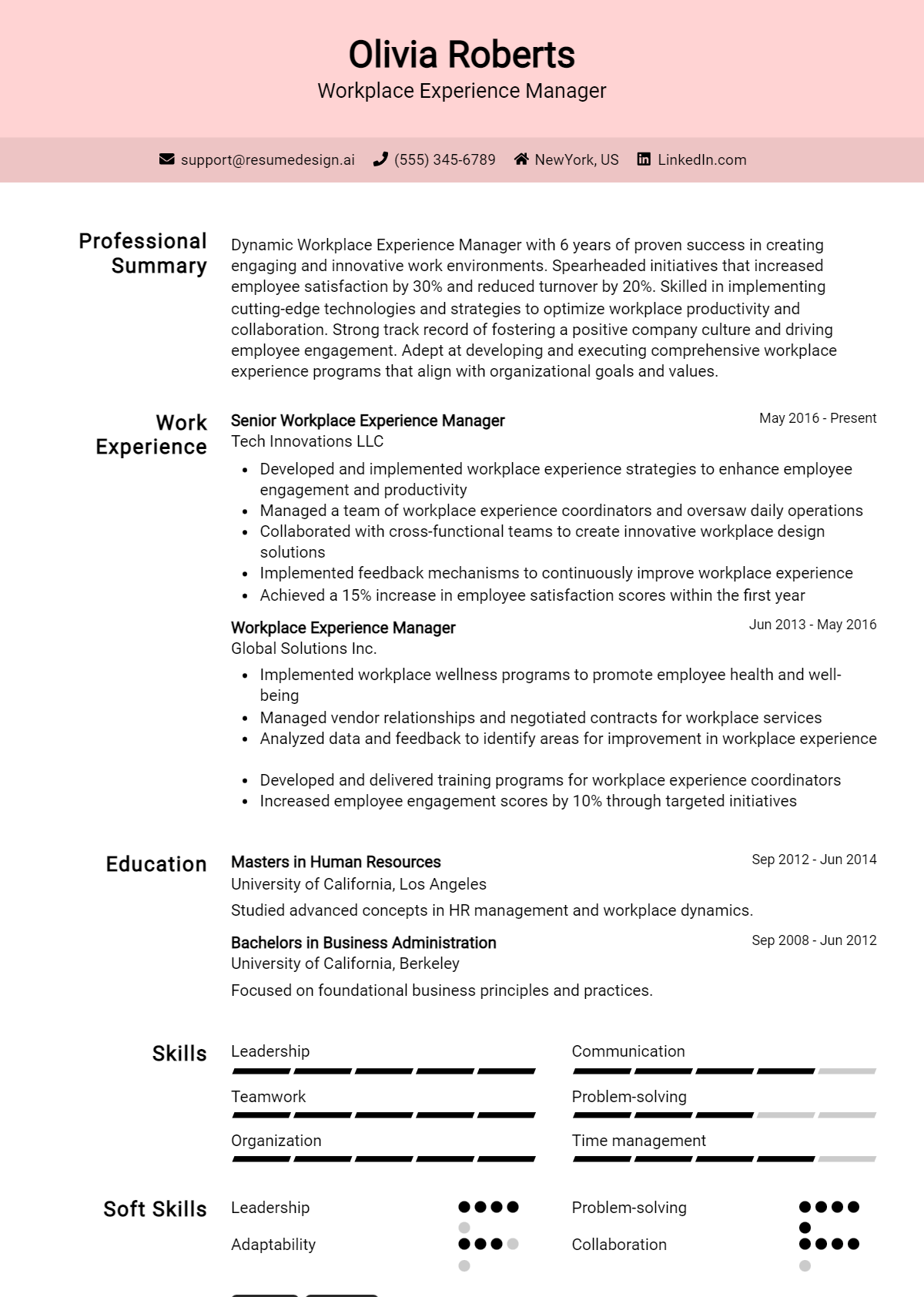
As a Workplace Experience Manager, your role is pivotal in shaping an environment that fosters productivity, engagement, and overall employee satisfaction. When preparing for an interview in this dynamic position, it’s essential to anticipate the questions that will help you demonstrate your skills in managing workplace culture, optimizing employee experiences, and driving operational efficiency. Understanding these questions—and crafting thoughtful responses—can set you apart as a candidate who is not only qualified but also passionate about enhancing the workplace.
Here is a list of common job interview questions for a Workplace Experience Manager, along with examples of the best answers. These questions cover your work history and experience, your unique contributions to the organization, and your aspirations for the future, allowing you to showcase your ability to create a positive and productive work environment.
1. What is your approach to enhancing workplace experience?
My approach involves understanding employee needs through surveys and feedback, then implementing tailored solutions. I prioritize collaboration with different departments to create a vibrant and inclusive workplace culture, ensuring all employees feel valued and engaged.
Example:
I once initiated quarterly surveys to gather insights on employee satisfaction, leading to the introduction of flexible work hours, which increased overall productivity and morale significantly.
2. How do you handle conflict in the workplace?
I approach conflict by first listening to all parties involved to understand their perspectives. Then, I facilitate a constructive dialogue, focusing on common goals and solutions that benefit everyone. This ensures a harmonious work environment and promotes teamwork.
Example:
In a previous role, I mediated a dispute between two teams by organizing a joint meeting, which led to a compromise that improved collaboration and project outcomes.
3. What strategies do you use to promote employee engagement?
To promote engagement, I implement recognition programs and organize team-building activities. Regular check-ins with employees help gauge their interests and concerns, allowing me to tailor initiatives that foster a sense of belonging and motivation.
Example:
I developed an employee of the month program that not only recognized achievements but also encouraged team members to support one another, creating a more engaged workforce.
4. How do you measure the success of workplace experience initiatives?
I measure success through key performance indicators like employee satisfaction scores, retention rates, and productivity levels. Regular feedback sessions and surveys also provide qualitative insights, allowing us to adjust initiatives as necessary for continuous improvement.
Example:
After implementing a wellness program, we saw a 20% increase in employee satisfaction scores within six months, indicating its positive impact.
5. Describe a challenging project you managed related to workplace experience.
I managed a project to redesign our office layout to enhance collaboration. The challenge was conflicting opinions on design. I conducted workshops to gather input, ensuring all voices were heard, which led to a successful implementation and improved teamwork.
Example:
The final layout received positive feedback for its open spaces and collaboration zones, ultimately boosting team interactions and productivity.
6. How do you keep up with trends in workplace experience?
I stay updated through industry publications, webinars, and networking with other professionals. Participating in conferences also allows me to learn about innovative practices and technologies that can enhance the workplace experience.
Example:
Recently, I attended a conference on hybrid work models, which inspired me to implement flexible policies that cater to diverse employee needs.
7. How do you ensure diversity and inclusion in the workplace?
I advocate for diverse hiring practices and create an inclusive culture through training programs. Regular assessments help identify areas for improvement, ensuring all employees feel welcomed and valued regardless of their background.
Example:
I initiated a mentorship program that pairs diverse employees with leadership, fostering growth and representation at all levels.
8. Can you share an experience where you improved employee satisfaction?
I identified low morale due to limited growth opportunities. By introducing a professional development program, I provided employees with access to training and mentorship, resulting in increased satisfaction and engagement across the organization.
Example:
Post-implementation, employee feedback highlighted a 30% rise in satisfaction related to career growth, positively influencing retention rates.
9. How do you prioritize tasks in a fast-paced work environment?
I prioritize tasks by assessing urgency and impact, utilizing a matrix approach. I ensure that critical projects align with company goals while addressing employee needs promptly. Regular communication with my team helps to adapt priorities as needed.
Example:
I often use a priority matrix to categorize tasks. For instance, I once prioritized an urgent employee feedback session over a less critical office renovation to address immediate concerns, ensuring a supportive work environment.
10. Can you describe a time you implemented a successful workplace initiative?
I successfully initiated a bi-weekly wellness program that increased employee engagement by 30%. I collaborated with HR to create wellness workshops and fitness challenges, fostering a culture of health and well-being, ultimately improving overall employee satisfaction.
Example:
I launched a wellness program focused on mental health. By partnering with local experts for workshops, we saw a 30% increase in participation, significantly enhancing team morale and productivity.
11. How do you handle conflicts among team members?
I approach conflicts by facilitating open communication. I listen to both sides, encourage empathy, and guide the discussion towards a constructive resolution. This method fosters a collaborative environment and strengthens team relationships.
Example:
In a past role, I mediated a conflict by hosting a meeting where both parties shared their perspectives. This led to mutual understanding and a collaborative solution, improving their working relationship significantly.
12. What strategies do you use to enhance employee engagement?
To enhance engagement, I implement regular feedback loops, recognition programs, and team-building activities. I ensure that employees feel valued and heard, which fosters a positive workplace culture and increases motivation across the board.
Example:
I introduced a monthly recognition program where employees could nominate peers for their contributions. This initiative boosted morale and engagement, as employees felt appreciated for their efforts.
13. How do you measure the success of workplace experience initiatives?
I measure success through employee surveys, engagement metrics, and feedback sessions. Analyzing this data helps me understand the impact of initiatives and identify areas for improvement, ensuring continuous enhancement of the workplace experience.
Example:
After launching a new initiative, I conducted a survey to gauge employee satisfaction. The positive feedback and a 25% increase in engagement scores indicated the program's success and areas for future improvement.
14. How do you create a diverse and inclusive workplace culture?
I promote diversity and inclusion by implementing training programs and ensuring diverse hiring practices. I also create platforms for employees to share their experiences, fostering a culture where everyone feels valued and respected, which enhances creativity and innovation.
Example:
I facilitated workshops on unconscious bias and revamped our hiring process to ensure diverse candidate pools. This led to a more inclusive culture and improved team dynamics across departments.
15. What role does technology play in enhancing workplace experience?
Technology plays a crucial role in streamlining communication and collaboration. I leverage tools for feedback collection, project management, and virtual engagement, ensuring employees have the resources they need to thrive in a modern workplace.
Example:
I introduced a collaboration tool that centralized communication. This improved project tracking and enhanced team collaboration, resulting in a 20% increase in project efficiency.
16. How do you ensure that workplace policies are aligned with employee needs?
I regularly review workplace policies through employee feedback and engagement surveys. By involving employees in the policy-making process, I ensure that policies reflect their needs and contribute to a positive work environment.
Example:
I conducted focus groups to gather insights on existing policies, leading to adjustments that better met employee needs, such as flexible work arrangements, which significantly improved job satisfaction.
17. How do you prioritize tasks and projects in a fast-paced workplace environment?
I prioritize tasks by assessing urgency and impact. I utilize project management tools to track deadlines and collaborate with teams for insights. Regular check-ins help me adjust priorities as needed to ensure a smooth workflow and employee satisfaction.
Example:
I use a task management system to categorize projects by urgency and impact. Weekly meetings with teams allow me to adjust priorities based on immediate needs, ensuring that critical tasks are addressed promptly while maintaining overall workplace efficiency.
18. Describe a time you implemented a new initiative to improve workplace experience.
I spearheaded a wellness program that included yoga sessions and mental health workshops. This initiative increased employee engagement and reduced stress levels, contributing to a more positive workplace culture. Feedback showed a 30% increase in employee satisfaction.
Example:
I introduced a flexible work schedule initiative after noticing burnout rates. This led to improved productivity and morale. Employees reported feeling more valued and engaged, with a significant rise in positive feedback during our follow-up survey.
19. How do you measure the success of workplace experience initiatives?
I measure success through employee feedback surveys, engagement scores, and retention rates. Analyzing these metrics helps identify areas for improvement and ensures that our initiatives align with employee needs and organizational goals.
Example:
I utilize quarterly surveys and focus groups to gauge employee satisfaction. Success is evident through improved engagement scores and reduced turnover, confirming that our initiatives positively affect the workplace environment.
20. Can you share an experience where you resolved a conflict in the workplace?
In a previous role, I mediated a conflict between two departments over resource allocation. By facilitating a meeting and encouraging open communication, we reached a compromise that satisfied both teams and improved collaboration moving forward.
Example:
I once resolved a conflict over shared office space by organizing a meeting. By allowing each party to express their concerns, we developed a shared schedule that accommodated both teams, leading to a more harmonious work environment.
21. What strategies do you use to foster a sense of community in the workplace?
I promote community through team-building activities, open forums, and recognition programs. Encouraging collaboration and celebrating achievements helps strengthen relationships, creating a supportive and engaged workplace culture.
Example:
I organize monthly team lunches and recognition events to celebrate achievements. Additionally, I facilitate open forums where employees can share ideas, fostering a sense of belonging and community within the organization.
22. How do you ensure inclusivity in workplace experience initiatives?
I engage diverse employee groups when planning initiatives to ensure all voices are heard. Regular feedback sessions and surveys help me understand different needs, allowing me to create inclusive programs that resonate with the entire workforce.
Example:
I consult with employee resource groups during initiative planning. Conducting regular surveys ensures inclusivity, and I adapt programs based on feedback to cater to varying needs, ensuring everyone feels represented and valued.
23. What role does technology play in enhancing workplace experience?
Technology streamlines communication, collaboration, and access to resources. I leverage tools like intranets and project management software to enhance employee engagement and ensure efficient workflows, ultimately improving the overall workplace experience.
Example:
I utilize collaboration tools like Slack and Asana to enhance communication and project tracking. This technology not only improves efficiency but also fosters a connected workplace, allowing employees to collaborate seamlessly, regardless of their location.
24. How do you adapt workplace experience strategies to remote or hybrid teams?
I adapt strategies for remote and hybrid teams by focusing on digital engagement. Virtual team-building activities, regular check-ins, and accessible online resources ensure that all employees feel included and connected, regardless of their work arrangement.
Example:
I implement virtual coffee chats and online team-building exercises to keep remote employees engaged. Regular check-ins via video calls also help maintain connections, ensuring that everyone feels part of the team, regardless of their work location.
25. How do you prioritize workplace experience initiatives?
I prioritize initiatives based on employee feedback, business objectives, and overall impact on workplace culture. By analyzing data and aligning projects with strategic goals, I ensure we focus on the most beneficial areas for our workforce, enhancing satisfaction and productivity.
Example:
I utilize employee surveys and performance metrics to identify key areas needing improvement. For instance, I once prioritized a flexible workspace initiative after feedback indicated that it greatly affected productivity and morale, which led to a noticeable increase in engagement.
26. Can you describe a successful workplace program you've implemented?
One successful program was a wellness initiative that included fitness classes, mental health days, and nutrition workshops. This program not only improved employee health but also fostered community, resulting in a 20% increase in employee engagement and satisfaction scores.
Example:
I implemented a comprehensive wellness program that included weekly fitness classes and mental health resources. Feedback indicated a 30% increase in employee satisfaction, and absenteeism dropped significantly as employees felt more supported and engaged with their health and work environment.
27. How do you measure the success of workplace experience strategies?
I measure success through employee engagement surveys, retention rates, and feedback sessions. Additionally, I track productivity metrics and qualitative responses to identify trends and areas for improvement, ensuring that strategies align with employee needs and organizational goals.
Example:
I use a combination of quarterly engagement surveys and retention analytics to measure strategy success. After implementing changes based on feedback, I saw an increase in positive responses and a 15% decrease in turnover, indicating effective workplace enhancements.
28. How do you handle conflict between employees in a workplace setting?
I approach conflict with open communication and mediation. I listen to both sides, facilitating a constructive dialogue aimed at finding common ground. This process fosters understanding and cooperation, ultimately leading to a more harmonious workplace environment.
Example:
In a previous role, I mediated a conflict between two teams by organizing a joint meeting where each side could express their concerns. This approach led to a collaborative solution and improved inter-team relationships, enhancing overall workplace morale.
29. What role does technology play in enhancing workplace experience?
Technology plays a crucial role by streamlining communication, facilitating remote work, and providing tools for collaboration. By leveraging platforms like Slack or project management software, we enhance connectivity and efficiency, creating a more dynamic workplace.
Example:
Implementing project management software improved transparency and collaboration across teams. This technology allowed for real-time updates and feedback, which significantly enhanced project efficiency and team morale, as employees felt more connected and informed.
30. How do you ensure inclusivity in workplace experience initiatives?
I ensure inclusivity by actively seeking diverse perspectives during the planning process. This includes engaging various employee groups and conducting surveys to understand unique needs, ensuring initiatives cater to everyone and promote a culture of belonging.
Example:
To promote inclusivity, I organized focus groups representing different demographics within the company. Their feedback directly informed our initiatives, ensuring that all voices were heard and that the resulting programs genuinely met the needs of our diverse workforce.
31. Describe a time you had to adapt a workplace experience strategy. What was the outcome?
I had to adapt our remote work policy during the pandemic. By incorporating more flexible hours and regular check-ins, we maintained productivity and employee morale. The outcome was a more engaged workforce, with a significant increase in positive feedback regarding work-life balance.
Example:
When the pandemic hit, I quickly revised our remote work strategy to include flexible hours and virtual team-building activities. This adaptation kept engagement high, and employee feedback showed a 25% improvement in satisfaction with remote work arrangements.
32. How do you foster collaboration among different departments?
I foster collaboration by organizing cross-departmental projects and team-building activities. Encouraging regular communication and shared goals helps break down silos, enabling departments to work together effectively and enhancing overall workplace synergy.
Example:
I initiated a quarterly cross-departmental workshop where teams share insights and collaborate on projects. This approach has not only encouraged knowledge sharing but also fostered a sense of unity, resulting in improved communication and joint problem-solving across the organization.
33. How do you prioritize tasks in a fast-paced workplace environment?
I prioritize tasks by evaluating their impact on employee experience and organizational goals. I use tools like the Eisenhower Matrix to differentiate between urgent and important tasks, ensuring critical workplace needs are addressed promptly while maintaining overall efficiency.
Example:
In my previous role, I implemented a task-tracking system that helped us prioritize requests based on urgency and importance, ultimately improving response times by 30%.
34. Describe a time you improved workplace culture.
At my last job, I initiated a monthly team-building activity that focused on collaboration and communication. This not only fostered stronger relationships but also increased overall employee satisfaction, as measured by our annual survey, by 25%.
Example:
By organizing cross-departmental lunches, we broke down silos, leading to a more cohesive workplace culture and a noticeable increase in interdepartmental projects.
35. How do you gather and utilize employee feedback?
I utilize surveys, suggestion boxes, and one-on-one meetings to gather feedback. This input is analyzed and shared with leadership, allowing us to implement actionable changes that enhance the workplace experience based on employees’ needs.
Example:
After conducting a survey, we implemented flexible work hours based on the feedback, resulting in a 20% increase in employee productivity.
36. What strategies do you use to enhance employee engagement?
I focus on creating opportunities for professional development, recognition programs, and fostering open communication. By aligning these strategies with the company's values, I ensure employees feel valued and motivated to contribute to our goals.
Example:
At my previous company, I launched a recognition platform that increased employee engagement scores by 15% within six months.
37. How do you ensure that workplace policies are inclusive?
I review policies regularly with diverse employee groups to identify gaps. I also stay informed about best practices in inclusivity, ensuring that our policies support a diverse workforce and create an equitable environment for all employees.
Example:
By collaborating with our diversity committee, we revised our policies, resulting in a more inclusive environment that was recognized in our industry.
38. Can you give an example of a time you managed a conflict in the workplace?
I once mediated a conflict between two teams over resource allocation. By facilitating a meeting where both parties could express their concerns, we reached a compromise that satisfied both teams, improving cooperation and productivity across departments.
Example:
The resolution led to a more streamlined process for resource sharing, which enhanced collaboration and decreased tensions in future projects.
39. What role does technology play in your workplace experience strategy?
Technology is crucial in enhancing communication and streamlining processes. I leverage tools such as employee engagement platforms and virtual collaboration software to facilitate interactions and gather feedback, ultimately improving the overall workplace experience.
Example:
Implementing a digital feedback tool allowed us to gather real-time insights and address employee concerns promptly, leading to a more responsive workplace.
40. How do you measure the success of workplace experience initiatives?
I measure success through employee feedback, engagement surveys, and performance metrics. By analyzing these data points, I can assess the impact of initiatives and make data-driven decisions for continuous improvement in the workplace experience.
Example:
After launching a wellness program, we saw a 15% decrease in absenteeism, which validated the program's success and its positive impact on employee well-being.
41. How do you assess employee satisfaction in the workplace?
I utilize surveys, focus groups, and one-on-one interviews to gather insights on employee satisfaction. Analyzing this data helps identify areas for improvement, and I ensure follow-up actions are communicated to foster trust and engagement among employees.
Example:
I regularly conduct anonymous surveys and host quarterly focus groups. This helps me identify trends and address concerns promptly, ensuring employees feel heard and valued while also improving workplace culture.
42. Can you describe a time when you improved workplace culture?
At my previous job, I initiated a monthly team-building event that encouraged collaboration across departments. This fostered relationships, improved communication, and ultimately boosted morale, leading to a more cohesive and positive work environment.
Example:
By launching a monthly team-building initiative, we improved interdepartmental relationships, resulting in a 25% increase in employee engagement scores and a noticeable uplift in overall workplace morale.
43. How do you handle conflicts between employees?
I address conflicts by facilitating open discussions, encouraging both parties to express their feelings and perspectives. I guide them towards finding common ground and a mutually agreeable solution, emphasizing the importance of respect and collaboration.
Example:
In a recent situation, I mediated a conflict by providing a safe space for both employees to share their views. Together, we developed a resolution that promoted understanding and improved their working relationship.
44. What strategies do you implement to enhance employee engagement?
I focus on providing professional development opportunities, recognizing achievements, and fostering a sense of community through events and initiatives. Regular feedback loops also ensure employees feel valued and engaged in their roles.
Example:
By implementing monthly recognition programs and quarterly training workshops, I significantly increased employee engagement scores, creating a culture of appreciation and continuous learning within the team.
45. How do you ensure workplace safety and well-being?
I prioritize workplace safety by conducting regular assessments, offering training programs, and implementing wellness initiatives. I also maintain open lines of communication for employees to report concerns, ensuring a safe and healthy working environment.
Example:
I established a safety committee that meets quarterly to assess workplace conditions and implement wellness programs, resulting in a 30% reduction in reported safety incidents over the past year.
46. What role does technology play in enhancing workplace experience?
Technology streamlines communication, collaboration, and feedback processes. I leverage tools like project management software and employee engagement platforms to enhance productivity, foster connectivity, and create a more efficient work environment.
Example:
By integrating a project management tool, I enhanced team collaboration and transparency, leading to faster project completions and improved employee satisfaction with our workflow processes.
How Do I Prepare For A Workplace Experience Manager Job Interview?
Preparing for a job interview is crucial for creating a lasting positive impression on the hiring manager. As a Workplace Experience Manager, you will be responsible for enhancing employee engagement and satisfaction, so demonstrating your understanding of the role and the company culture is vital. Here are some key preparation tips to help you succeed:
- Research the company and its values to understand its mission and culture.
- Practice answering common interview questions related to workplace experience and employee engagement.
- Prepare examples that demonstrate your skills and experience relevant to the Workplace Experience Manager role.
- Familiarize yourself with current trends in workplace design and employee well-being.
- Develop thoughtful questions to ask the interviewer about the company's workplace initiatives.
- Review your resume and be ready to discuss your previous experiences in detail.
- Dress appropriately for the interview to reflect professionalism and align with the company culture.
Frequently Asked Questions (FAQ) for Workplace Experience Manager Job Interview
Being well-prepared for interviews is crucial, especially for a role as dynamic and multifaceted as a Workplace Experience Manager. Understanding common questions can help you articulate your skills, experiences, and vision for enhancing workplace environments effectively. Below are some frequently asked questions that can guide your preparation.
What should I bring to a Workplace Experience Manager interview?
When attending a Workplace Experience Manager interview, it’s important to bring several key items. Start with multiple copies of your resume, as interviewers may want their own. Include a list of references, a notebook, and a pen for note-taking during the discussion. Additionally, prepare any work samples or portfolios that showcase your previous projects, designs, or initiatives related to workplace experience. This will help you demonstrate your capabilities effectively.
How should I prepare for technical questions in a Workplace Experience Manager interview?
To prepare for technical questions, first, familiarize yourself with the tools, technologies, and methodologies relevant to workplace experience management. Research common software used in the industry, such as facility management systems or employee engagement platforms. Additionally, review case studies or scenarios that illustrate how you've applied technical knowledge in past roles. Practicing responses to potential technical questions with a friend or mentor can also help you feel more confident and articulate in your answers.
How can I best present my skills if I have little experience?
If you have limited experience, focus on transferable skills that relate to the Workplace Experience Manager role. Highlight your problem-solving abilities, communication skills, and any relevant internships or volunteer experiences. Use the STAR method (Situation, Task, Action, Result) to structure your examples, demonstrating how you have contributed positively in previous roles or projects. Emphasizing your eagerness to learn and adapt can also make a strong impression on interviewers.
What should I wear to a Workplace Experience Manager interview?
Choosing the right attire is essential for making a good first impression. Aim for business professional attire, which typically includes tailored pants or a skirt, a button-up shirt or blouse, and closed-toe shoes. Consider the company culture when selecting your outfit; if the organization is known for a more casual environment, smart business casual may be appropriate. Regardless, ensure your clothing is neat, clean, and conveys professionalism to reflect your seriousness about the role.
How should I follow up after the interview?
Following up after your interview is an important step in the process. Send a thank-you email within 24 hours to express your gratitude for the opportunity to interview. In your message, briefly reiterate your interest in the position and highlight a key point from the discussion that resonated with you. This not only shows your enthusiasm but also reinforces your fit for the role. If you don’t hear back within the timeframe discussed during the interview, a polite follow-up email can help demonstrate your continued interest.
Conclusion
In summary, this interview guide for the Workplace Experience Manager position has covered essential aspects such as the importance of preparation, the need for practice, and the demonstration of relevant skills. Understanding both technical and behavioral questions will significantly enhance your chances of success in the interview process.
By equipping yourself with the knowledge and strategies outlined in this guide, you can approach your interviews with confidence. Remember, preparation is key, and the insights provided here will serve as valuable tools in your journey toward securing the role.
Take advantage of the tips and examples provided to confidently navigate your interviews. Good luck!
For further assistance, check out these helpful resources: resume templates, resume builder, interview preparation tips, and cover letter templates.