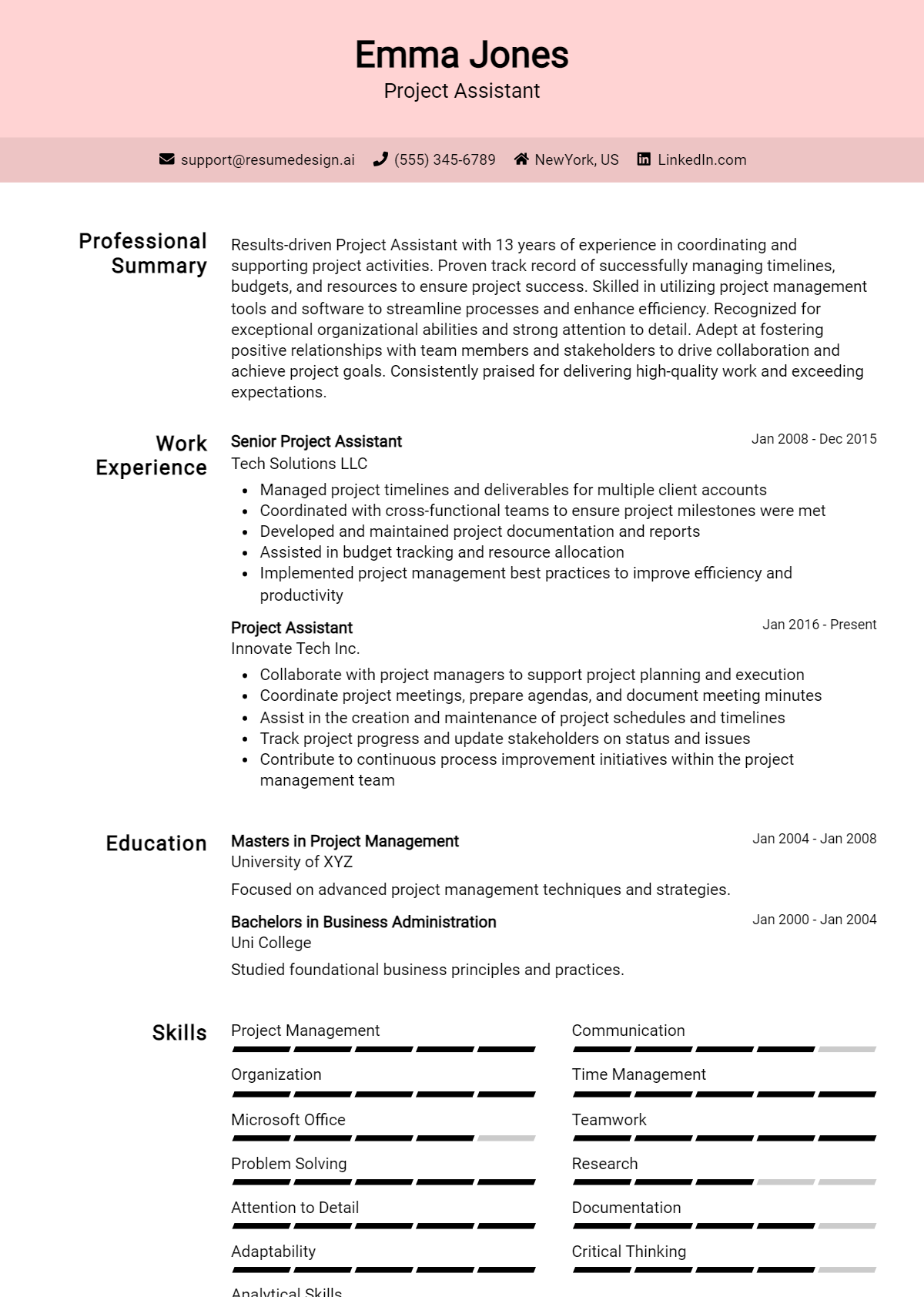
When preparing for a job interview as a Project Assistant, it's essential to anticipate the questions that employers are likely to ask. This role often requires a blend of organizational skills, communication abilities, and an understanding of project management principles. Being well-prepared can help you convey your qualifications effectively and demonstrate your fit for the position.
Here is a list of common job interview questions for a Project Assistant, along with examples of the best answers. These questions cover your work history and experience related to project coordination, what you have to offer the employer in terms of skills and expertise, and your goals for the future in the realm of project management and professional development.
1. What motivated you to apply for the Project Assistant position?
I am passionate about project management and enjoy collaborating with diverse teams. This role aligns perfectly with my organizational skills and my desire to contribute to successful project outcomes. I believe my background in administration will be beneficial in supporting project objectives.
Example:
I was drawn to this position because it combines my organizational skills with my passion for teamwork. I am eager to support project managers and ensure projects are executed efficiently, contributing to the overall success of the team.
2. Can you describe your experience with project management tools?
I have experience using tools like Trello, Asana, and Microsoft Project. These platforms helped me to track progress, assign tasks, and manage deadlines effectively. My familiarity with these tools allows me to streamline communication and enhance productivity within the project team.
Example:
In my previous role, I utilized Asana to manage project timelines and tasks, ensuring all team members were on the same page. This experience taught me how to optimize workflows and improve communication across departments.
3. How do you prioritize tasks in a project?
I prioritize tasks based on deadlines, project goals, and team input. I often use a priority matrix to assess urgency versus importance, enabling me to focus on high-impact tasks first. Regular check-ins with the team help ensure alignment and adjust priorities as needed.
Example:
To prioritize tasks, I assess deadlines and team dependencies. I utilize a priority matrix to categorize tasks, focusing first on critical deadlines while maintaining flexibility for urgent requests from team members to ensure project success.
4. Describe a time you handled a project challenge.
During a previous project, we faced a significant delay due to a vendor issue. I coordinated with the team to identify alternative solutions, communicated transparently with stakeholders, and adjusted timelines accordingly. This proactive approach helped us stay on track and maintain stakeholder trust.
Example:
In my last project, a vendor delay threatened our timeline. I quickly organized a meeting with the team to brainstorm alternatives and communicated updates to stakeholders, which allowed us to adjust our plans and keep the project moving forward smoothly.
5. What skills do you believe are essential for a Project Assistant?
Key skills for a Project Assistant include strong organizational abilities, effective communication, attention to detail, and adaptability. These skills enable me to support project managers, coordinate tasks, and ensure all aspects of a project run smoothly and efficiently.
Example:
I believe essential skills for a Project Assistant include excellent organizational skills, strong communication, and the ability to adapt quickly. These abilities allow for effective task management and collaboration, ensuring project objectives are met successfully.
6. How do you handle tight deadlines?
I thrive under pressure by maintaining a clear focus on priorities and breaking tasks into manageable steps. Open communication with my team is vital, as it allows us to collaborate on solutions and ensure we meet deadlines without compromising quality.
Example:
When faced with tight deadlines, I prioritize tasks and create a timeline to manage my workload effectively. I communicate openly with my team to ensure we’re aligned, which helps us deliver quality work on time.
7. Can you give an example of how you manage multiple projects?
I manage multiple projects by utilizing project management software to track progress and deadlines. I create detailed to-do lists for each project and allocate specific time blocks in my schedule to focus on individual tasks, ensuring nothing falls through the cracks.
Example:
In my previous job, I managed several projects simultaneously by using Trello to track tasks and deadlines. I dedicated specific times each week to focus on each project, which ensured I met all deadlines without compromising quality.
8. How do you ensure effective communication within a project team?
I promote effective communication by establishing regular check-ins and using collaborative tools like Slack or email. I encourage open dialogues, ensuring everyone feels comfortable sharing updates or concerns, which fosters a collaborative environment and helps address issues promptly.
Example:
To ensure effective communication, I schedule regular team meetings and utilize tools like Slack for quick updates. I encourage team members to share their progress and concerns, promoting transparency and collaboration throughout the project.
9. How do you prioritize tasks when working on multiple projects?
I prioritize tasks by assessing deadlines, urgency, and project impact. I use tools like to-do lists and project management software to organize my workload, ensuring that I focus on high-impact tasks first while maintaining flexibility for unexpected changes.
Example:
For instance, during a recent project, I prioritized tasks by using a Gantt chart, which helped me visualize deadlines and allocate my time effectively to meet all project milestones.
10. Can you describe a time you had to resolve a conflict within a team?
In a previous project, two team members had differing opinions on the project direction. I facilitated a meeting to discuss their perspectives, encouraging open communication, which led to a collaborative solution that satisfied both parties while keeping the project on track.
Example:
We were able to merge their ideas, ultimately resulting in a stronger project outcome and improving team cohesion.
11. What project management tools are you familiar with?
I am familiar with various project management tools such as Trello, Asana, and Microsoft Project. These tools help me track progress, assign tasks, and ensure effective communication among team members, contributing to overall project efficiency.
Example:
For instance, I used Trello to manage a marketing campaign, which improved our workflow and accountability.
12. How do you handle tight deadlines?
I handle tight deadlines by staying organized and maintaining clear communication with my team. I break down tasks into manageable steps and focus on the most critical aspects of the project to ensure timely delivery without compromising quality.
Example:
For example, during a product launch, I created a detailed timeline that helped us meet our deadline successfully.
13. Describe your experience with budgeting and resource allocation.
I have experience in assisting with budgeting by tracking expenses and resource allocation in previous projects. I ensure that resources are used efficiently, adhering to budget constraints while maximizing project outcomes.
Example:
For instance, I monitored costs closely during a project, which resulted in coming in under budget while still achieving all deliverables.
14. How do you ensure effective communication within a project team?
I promote effective communication by establishing regular check-ins and using collaborative tools. I encourage an open-door policy where team members can share updates and concerns, fostering a culture of transparency and support.
Example:
In my last role, weekly meetings and a group chat helped us stay aligned and address issues promptly.
15. Can you give an example of a successful project you assisted with?
I assisted with a community outreach project that increased local participation by 30%. My role involved coordinating schedules, managing logistics, and ensuring all materials were prepared, contributing to the project’s success and positive community impact.
Example:
This experience reinforced my organizational and communication skills, vital for successful project execution.
16. How do you keep yourself motivated during long projects?
I stay motivated during long projects by setting short-term goals and celebrating small wins. I also maintain a positive attitude and remind myself of the project's overall impact, which keeps my enthusiasm high throughout the process.
Example:
For instance, during a year-long project, I set monthly milestones, which helped maintain momentum and motivation among the team.
17. How do you prioritize tasks when managing multiple projects?
I prioritize tasks by assessing deadlines, project importance, and resource availability. I use tools like to-do lists and project management software to keep track of progress and ensure timely completion. This systematic approach helps me stay organized and focused.
Example:
I typically list tasks by urgency and importance, reviewing them daily. For instance, during a recent project, I prioritized client deliverables over internal reports, ensuring we met critical deadlines while maintaining quality.
18. Can you describe a time when you had to adapt to a significant change in a project?
In a previous role, our project scope changed drastically due to new client requirements. I quickly gathered the team, reassessed our timelines, and redistributed tasks. This adaptability allowed us to meet the new objectives without sacrificing quality.
Example:
When a client shifted project goals midway, I organized a team meeting to realign our efforts. We adjusted our strategy and successfully delivered the revised project on time, demonstrating flexibility and teamwork.
19. How do you handle conflicts within a project team?
I believe in addressing conflicts directly but diplomatically. I facilitate open discussions, encouraging team members to express their concerns. This approach fosters understanding and collaboration, leading to effective resolutions and improved team dynamics.
Example:
In a past project, two team members disagreed on a task approach. I arranged a meeting for them to voice their perspectives, which helped us find a compromise that satisfied both parties and kept the project on track.
20. What project management tools are you familiar with?
I have experience with various project management tools, including Trello, Asana, and Microsoft Project. These tools enhance collaboration, task tracking, and deadline management, which are crucial for successful project execution and communication among team members.
Example:
I regularly use Asana for task assignments and deadlines, which helps keep the team organized. Additionally, I leverage Trello for visual project tracking, ensuring everyone is aligned and aware of progress.
21. How do you ensure effective communication in a project?
I promote regular communication through scheduled updates, team meetings, and collaborative platforms. I also encourage team members to share feedback and concerns, ensuring everyone stays informed and engaged throughout the project's lifecycle.
Example:
In my last project, I implemented weekly check-ins and used Slack for daily updates. This strategy kept everyone connected, allowing us to address issues promptly and maintain momentum.
22. Describe your experience with budgeting and financial tracking in projects.
I have assisted in budgeting by monitoring expenses and tracking financial performance against the budget. I use spreadsheets to analyze costs and identify areas for savings, ensuring the project remains financially viable and on track.
Example:
In a previous project, I tracked expenses using an Excel spreadsheet, which helped us identify overspending early. This proactive approach enabled us to adjust our budget and stay within financial limits.
23. How do you collect and analyze project feedback?
I collect feedback through surveys and one-on-one interviews, focusing on key aspects like satisfaction and areas for improvement. Analyzing this data helps refine processes and enhance future project outcomes, ensuring continuous improvement.
Example:
After completing a project, I distributed a survey to the team and stakeholders. I analyzed the results, which revealed valuable insights that I presented in our retrospective meeting to guide future projects.
24. What strategies do you use to keep a project on schedule?
I implement clear timelines and milestones, regularly monitor progress, and adjust resources as needed. Utilizing project management tools also helps track deadlines, allowing for proactive identification of potential delays and timely interventions.
Example:
In my last project, I set weekly milestones and used Gantt charts to visualize timelines. This approach helped me identify bottlenecks early, enabling the team to stay on schedule.
25. How do you prioritize tasks when working on multiple projects?
I prioritize tasks by assessing deadlines, project importance, and resource availability. I use project management tools to keep track of progress and regularly communicate with team members to align on priorities, ensuring that urgent tasks are addressed promptly.
Example:
I typically list all tasks and categorize them by urgency and impact. For instance, during a recent project, I used a Gantt chart to visualize deadlines and prioritize effectively, which helped me meet all critical milestones.
26. Describe a time when you had to adapt to a significant change in a project.
In a previous role, our project scope changed drastically due to client feedback. I quickly coordinated with team members to reassess our timeline and deliverables, adapting our strategy and reallocating resources to ensure we still met the client's revised expectations.
Example:
When a client requested a major feature change last minute, I organized a meeting to discuss impacts on deadlines. We restructured our task list, and I monitored progress closely, which allowed us to deliver the revised project on time.
27. What tools do you use for project management and why?
I utilize tools like Trello for task management and Asana for project tracking. These platforms help streamline communication and ensure visibility across the team, allowing us to collaborate effectively and stay organized throughout the project lifecycle.
Example:
I prefer using Microsoft Project for its robust scheduling features and Gantt charts, which provide a clear overview of project timelines. It helps me keep the team aligned and adjust plans proactively as needed.
28. How do you handle conflicts within a project team?
I address conflicts by facilitating open communication among team members. I encourage discussion to understand different perspectives, aiming for a resolution that respects everyone’s opinions while focusing on the project’s objectives, thus restoring a collaborative atmosphere.
Example:
In a past project, team members disagreed on a design approach. I set up a meeting to allow each person to voice their views, which led to a compromise that combined the best ideas and improved team cohesion.
29. Can you provide an example of a successful project you assisted with?
I assisted with a marketing campaign project that exceeded its goals. I coordinated tasks, maintained timelines, and ensured communication among stakeholders. Our concerted efforts led to a 30% increase in engagement and a successful project completion.
Example:
In my last role, I helped launch a product campaign. My organization of tasks and regular updates kept the team on track, resulting in a successful launch that achieved a 40% increase in market reach within three months.
30. What strategies do you use to ensure effective communication with team members?
I implement regular check-ins and updates through meetings and digital tools. I encourage an open-door policy for any concerns and utilize collaborative platforms to share information, ensuring everyone remains informed and engaged throughout the project.
Example:
I schedule weekly team meetings and use Slack for real-time communication. This approach fosters transparency and allows for immediate feedback on ongoing tasks, ensuring everyone stays aligned with project goals.
31. How do you track project progress and performance?
I track project progress using performance metrics and regular status reports. I utilize tools like Kanban boards to visualize task completion and hold weekly reviews to discuss progress, addressing any issues promptly to maintain project momentum.
Example:
I use a dashboard in Asana to monitor key performance indicators. During our weekly reviews, I compare our progress against the timeline and adjust plans as necessary to keep the project on track.
32. How do you ensure that project documentation is accurate and up-to-date?
I prioritize documentation by establishing a routine for updates. I create templates for consistency and assign team members to ensure information is captured accurately. Regular reviews help maintain accuracy and facilitate knowledge sharing.
Example:
I maintain a shared document folder with version control. I set reminders for team members to update their sections weekly, ensuring that our project documentation is always current and accessible for all stakeholders.
33. Can you describe your experience with project management software?
I have used various project management tools like Trello, Asana, and Microsoft Project to organize tasks, track progress, and collaborate with team members. These platforms have helped me streamline communication and improve overall efficiency in project execution.
Example:
In my previous role, I utilized Asana to track project milestones, which enhanced team collaboration and ensured deadlines were met effectively.
34. How do you prioritize tasks when managing multiple projects?
I prioritize tasks by assessing their urgency and importance, often using the Eisenhower Matrix. This helps me focus on high-impact activities while keeping track of deadlines and resource availability to ensure smooth project execution.
Example:
I ranked tasks by deadlines and project goals, ensuring the most critical items were addressed first, which helped maintain project timelines.
35. Describe a challenging situation you faced in a project and how you resolved it.
In a previous project, we faced a significant delay due to a vendor issue. I organized a meeting with the vendor to address the concerns, negotiated a new timeline, and communicated updates to the team promptly, which kept everyone informed and motivated.
Example:
When a vendor fell behind, I arranged a discussion to resolve the issues and established a new timeline that helped us catch up on the project.
36. How do you handle conflicting priorities from different team members?
I address conflicting priorities by facilitating open communication among team members, discussing their needs, and finding a compromise. Sometimes, I involve the project manager to help prioritize tasks based on project goals and timelines.
Example:
In instances of conflicting requests, I scheduled a team meeting to discuss priorities and reached a consensus on task allocation that met project objectives.
37. What methods do you use for effective communication within a project team?
I employ a combination of communication tools, such as Slack for quick updates and emails for detailed discussions. Regular check-ins and status meetings are essential to ensure everyone is aligned and informed about project developments.
Example:
I used Slack for daily updates and scheduled weekly meetings to discuss progress and address any concerns, fostering an environment of transparency.
38. Can you give an example of how you’ve contributed to improving a project process?
In my last role, I identified a bottleneck in our reporting process. I proposed and implemented a new template that streamlined data collection, which reduced reporting time by 30% and improved accuracy.
Example:
I revamped our reporting template, which significantly shortened our data collection time and enhanced the clarity of our reports.
39. How do you stay organized during busy project phases?
I maintain organization by using digital tools like calendars and task management apps to keep track of deadlines and responsibilities. I also break tasks into smaller, manageable parts to avoid feeling overwhelmed.
Example:
During busy phases, I utilized Google Calendar to schedule tasks and set reminders, ensuring I stayed on track without missing important deadlines.
40. What skills do you think are essential for a successful Project Assistant?
Key skills for a Project Assistant include strong organizational abilities, effective communication, time management, and adaptability. Being detail-oriented and proficient in project management tools is also vital to support project success.
Example:
I believe organizational skills, effective communication, and adaptability are crucial for a Project Assistant to ensure smooth project execution and team collaboration.
41. How do you prioritize tasks when managing multiple projects?
I prioritize tasks based on deadlines and project impact. I use tools like to-do lists and project management software to organize my work. Regularly reassessing priorities ensures I stay on track and meet all project goals effectively.
Example:
I assess deadlines and project importance, then create a structured to-do list. For instance, I recently managed overlapping deadlines by focusing on high-impact tasks first, which helped to successfully complete all projects on time.
42. Describe a time when you had to adapt to a significant change in a project.
During a project shift, the client changed requirements midway. I quickly organized a meeting to clarify expectations and adjusted our project plan accordingly. This flexibility allowed my team to meet the new objectives and deliver successfully.
Example:
In a project, the client changed the scope unexpectedly. I facilitated a team meeting to realign our strategy and ensure everyone understood the new direction. This approach helped us adapt quickly and meet the revised deadlines.
43. How do you ensure effective communication with team members and stakeholders?
I ensure effective communication by scheduling regular updates and using collaborative tools. I encourage open dialogue and feedback to ensure everyone is aligned. This proactive approach fosters transparency and keeps all parties informed about project progress.
Example:
I set up weekly check-ins and use project management tools for updates. Encouraging team input during meetings fosters a collaborative environment, ensuring all stakeholders are informed and engaged throughout the project lifecycle.
44. Can you describe your experience with project management software?
I have extensive experience with project management software like Asana and Trello. I've used these tools to track project progress, assign tasks, and manage deadlines. This experience has improved my organizational skills and enhanced team collaboration.
Example:
I regularly use Asana for task management, which helps me keep track of deadlines and team assignments. This software has streamlined our workflow, allowing us to monitor progress and adjust priorities effectively.
45. What strategies do you use to handle tight deadlines?
To handle tight deadlines, I break tasks into smaller, manageable parts and prioritize them. I communicate with my team to delegate effectively, ensuring we focus on high-priority items first. This strategy enhances our efficiency and helps meet deadlines.
Example:
When facing tight deadlines, I prioritize tasks by breaking them down into smaller steps. Recently, I delegated responsibilities to teammates, which enabled us to complete a project ahead of schedule while maintaining quality.
46. How do you approach problem-solving in a project setting?
I approach problem-solving by first identifying the root cause. I gather input from team members, brainstorm solutions, and evaluate options based on feasibility. This collaborative approach fosters creativity and leads to effective problem resolution in projects.
Example:
When faced with a project issue, I analyze the problem with the team to understand the root cause. Recently, we brainstormed solutions together, leading to a successful resolution and improved processes for future projects.
How Do I Prepare For A Project Assistant Job Interview?
Preparing for a Project Assistant job interview is crucial for making a positive impression on the hiring manager. A well-prepared candidate not only demonstrates their interest in the position but also highlights their skills and abilities related to the job. Here are some essential preparation tips to help you succeed:
- Research the company and its values to understand its mission and culture.
- Practice answering common interview questions related to project management and assistance.
- Prepare examples that demonstrate your skills and experience relevant to the Project Assistant role.
- Review the job description carefully to align your skills with the requirements.
- Gather questions to ask the interviewer about the team and projects you would be working on.
- Dress appropriately for the interview to convey professionalism.
- Be ready to discuss any relevant software or tools you have experience with that are important for the role.
Frequently Asked Questions (FAQ) for Project Assistant Job Interview
Preparing for an interview can significantly increase your chances of success, especially when it comes to addressing commonly asked questions. Understanding what to expect and how to respond can help you present yourself confidently and effectively. Below are some frequently asked questions that candidates often encounter during Project Assistant interviews, along with advice on how to tackle them.
What should I bring to a Project Assistant interview?
When attending a Project Assistant interview, it's essential to bring several key items to ensure you make a positive impression. Carry multiple copies of your resume, a list of references, and any certifications or relevant documents that showcase your qualifications. Additionally, having a notepad and pen can be helpful for taking notes during the discussion. Make sure to also bring a portfolio if applicable, showcasing your previous work or projects that demonstrate your skills and experience.
How should I prepare for technical questions in a Project Assistant interview?
To prepare for technical questions, start by reviewing the job description and identifying the specific skills and knowledge areas that are relevant to the role. Brush up on project management methodologies, tools, and software that you may be required to use. Consider practicing common technical questions with a friend or mentor, focusing on articulating your thought process clearly. Familiarize yourself with industry-specific terminology and concepts to demonstrate your expertise during the interview.
How can I best present my skills if I have little experience?
If you have limited experience, focus on transferable skills that align with the Project Assistant role. Highlight your organizational abilities, communication skills, and willingness to learn. Use examples from internships, volunteer work, or academic projects to illustrate how you have successfully managed tasks or collaborated with others. Emphasize your enthusiasm for the role and your readiness to contribute to the team's success, showing that you are proactive and eager to grow in the position.
What should I wear to a Project Assistant interview?
Selecting the right outfit for your interview is crucial in making a good first impression. Aim for professional attire that reflects the company culture. A business casual look is often appropriate for a Project Assistant position, which might include slacks or a skirt paired with a collared shirt or blouse. Avoid overly casual clothing, such as jeans or t-shirts, unless you are certain that the company has a relaxed dress code. Ensure your clothes are clean and well-fitted to project confidence and professionalism.
How should I follow up after the interview?
Following up after the interview is a vital step in the process that demonstrates your interest in the position. Send a thank-you email within 24 hours of the interview, expressing your gratitude for the opportunity and reiterating your enthusiasm for the role. In your message, you can reference specific points discussed during the interview to reinforce your fit for the position. Additionally, if you haven’t heard back within the timeframe provided during the interview, it’s appropriate to send a polite follow-up email to inquire about the status of your application.
Conclusion
In this interview guide for the Project Assistant role, we have covered essential strategies to help you prepare effectively for your upcoming interviews. Emphasizing the importance of preparation and practice, we highlighted how demonstrating relevant skills can set you apart from other candidates. Remember, being well-prepared for both technical and behavioral questions can significantly enhance your chances of success.
As you move forward, we encourage you to take full advantage of the tips and examples provided in this guide. Approach your interviews with confidence, knowing that you have the tools to showcase your qualifications effectively. With determination and the right preparation, you can make a lasting impression on your potential employers.
For further assistance, check out these helpful resources: resume templates, resume builder, interview preparation tips, and cover letter templates.