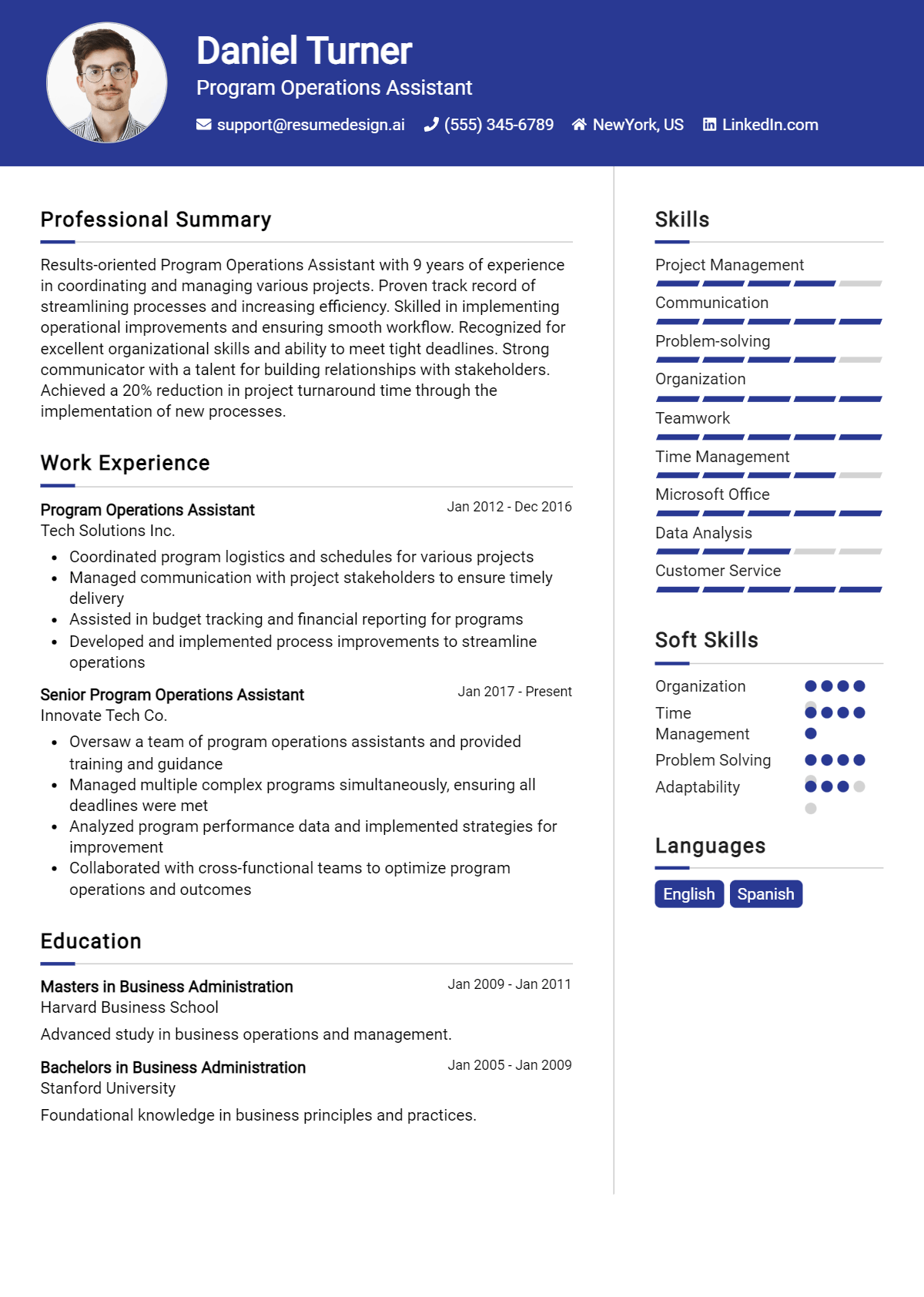
When preparing for a job interview as a Program Operations Assistant, it's essential to familiarize yourself with the types of questions that may arise. These questions are designed to assess not only your qualifications and skills but also your fit within the organization's culture and your ability to contribute to its objectives. Being well-prepared can help you convey your strengths and enthusiasm for the role effectively.
Here is a list of common job interview questions for a Program Operations Assistant, along with examples of the best answers. These questions cover your work history and experience, what you have to offer the employer, and your goals for the future. By understanding these inquiries and crafting thoughtful responses, you can demonstrate your readiness to take on the responsibilities of the position and align your aspirations with the company's mission.
1. Can you describe your experience with project management tools?
I have extensive experience with project management tools like Asana and Trello, which I used to track project progress and streamline communication. This helped my team stay organized and meet deadlines effectively.
Example:
In my previous role, I managed a project using Asana, which improved our tracking efficiency by 30% and ensured team accountability.
2. How do you prioritize tasks in a busy environment?
I prioritize tasks by assessing urgency and impact. I use tools like the Eisenhower Matrix to categorize tasks and focus on high-impact activities, ensuring critical deadlines are met while maintaining quality.
Example:
In a previous role, I organized tasks by urgency, allowing me to complete a crucial project ahead of schedule while managing daily operations efficiently.
3. Describe a time you handled a difficult situation in a project.
During a project, a key team member left unexpectedly. I quickly reassessed the workload, redistributed tasks among the team, and communicated transparently to ensure the project stayed on track, which we achieved successfully.
Example:
I organized a meeting to address the situation, allowing us to adapt quickly and complete the project ahead of the deadline, demonstrating teamwork and resilience.
4. What role do you believe communication plays in program operations?
Communication is vital in program operations as it ensures alignment among team members and stakeholders. Clear communication fosters collaboration, reduces misunderstandings, and helps maintain project momentum.
Example:
In my last position, regular updates and open channels of communication helped the team resolve issues quickly and meet project objectives efficiently.
5. How do you ensure accuracy in your work?
I ensure accuracy by double-checking my work and using checklists to verify all tasks are completed. I also utilize tools that minimize errors, such as spreadsheets with built-in formulas.
Example:
In my previous role, I implemented a checklist system, which reduced errors by 25% and improved overall project accuracy significantly.
6. Can you give an example of how you managed a budget?
I managed a project budget by tracking expenses against forecasts and adjusting allocations as necessary. This proactive approach allowed us to avoid overspending and fund critical project components effectively.
Example:
By regularly reviewing budget reports, I identified savings opportunities, ultimately allowing us to reallocate funds to enhance project deliverables.
7. What strategies do you use for effective team collaboration?
I promote effective collaboration by fostering an open environment where team members feel comfortable sharing ideas. I also schedule regular check-ins to ensure everyone is aligned on goals and can address any challenges together.
Example:
In my last project, regular brainstorming sessions encouraged contribution from all team members, leading to innovative solutions and improved team dynamics.
8. How do you handle feedback and criticism?
I view feedback as an opportunity for growth. I actively listen and take notes, then apply constructive criticism to improve my performance and contribute more effectively to the team.
Example:
After receiving feedback on my project reporting, I adjusted my approach, which led to clearer communication and better stakeholder satisfaction.
9. How do you prioritize tasks when you have multiple deadlines?
I assess the urgency and importance of each task, creating a list to visualize priorities. I also communicate with team members to identify critical deadlines and adjust my schedule accordingly to ensure timely completion of all responsibilities.
Example:
I prioritize tasks by using a matrix to categorize them based on urgency and impact. For example, I focus on compliance reports first, as they have strict deadlines, then address other tasks that support ongoing projects.
10. Can you describe a time when you had to analyze data to improve a process?
In my previous role, I analyzed project completion rates and identified bottlenecks. By streamlining the communication process and implementing a new tracking system, we improved efficiency by 20%, leading to faster project deliveries and enhanced team collaboration.
Example:
I examined our project timelines and found delays due to unclear responsibilities. I implemented a shared tracking tool, which improved accountability and allowed us to complete projects 15% faster over the next quarter.
11. How do you handle conflicts within a team?
I approach conflicts with open communication, encouraging team members to express their concerns. I facilitate a discussion to find common ground and propose solutions that satisfy both parties, fostering a collaborative environment and ensuring that team dynamics remain positive.
Example:
When team members disagreed on project direction, I organized a meeting where everyone voiced their opinions. We then identified shared goals and reached a consensus, which strengthened teamwork and improved our project outcomes.
12. What tools or software are you familiar with for project management?
I am proficient in tools like Asana, Trello, and Microsoft Project for task management, along with Excel for data analysis. These tools help me track progress, allocate resources, and ensure that team members are aligned with project goals.
Example:
In my last position, I used Asana to manage tasks and deadlines, which improved visibility for the entire team. I also leveraged Excel for reporting, ensuring we tracked our KPIs effectively.
13. Describe a situation where you had to adapt to a significant change at work.
When our organization underwent a restructuring, I quickly adapted by embracing new roles and responsibilities. I sought clarification on expectations and engaged my team in discussions to ensure a smooth transition, ultimately maintaining productivity during the change.
Example:
During a departmental reorganization, I took the initiative to understand new processes and shared this knowledge with colleagues, which helped us adapt quickly and maintain output levels throughout the transition.
14. How do you ensure effective communication with stakeholders?
I prioritize clear and concise communication by using structured updates and regular check-ins. I tailor my messaging to the audience, ensuring they have relevant information, and encourage feedback to foster collaboration and address any concerns promptly.
Example:
I schedule weekly updates with stakeholders, providing progress reports and inviting questions. This approach keeps everyone informed and engaged, which ultimately enhances project alignment and stakeholder satisfaction.
15. What strategies do you use to manage your time effectively?
I utilize a combination of time-blocking and to-do lists to structure my day. By setting specific time slots for tasks and prioritizing them based on deadlines, I maintain focus and ensure that I meet all my responsibilities without feeling overwhelmed.
Example:
I block my calendar for focused work sessions and use a daily to-do list. This helps me stay organized and ensures that I allocate sufficient time for urgent tasks while also allowing for flexibility.
16. Can you share an experience where you contributed to team success?
In a previous project, I coordinated efforts between departments, ensuring everyone was aligned. My proactive communication and facilitation led to a successful campaign launch that exceeded performance goals by 30%, highlighting the importance of collaboration in achieving results.
Example:
I organized cross-functional meetings to address project challenges, ensuring all voices were heard. This collaboration led to innovative solutions and a successful product launch that achieved our targets ahead of schedule.
17. How do you prioritize tasks when managing multiple projects?
I prioritize tasks by assessing deadlines, project impact, and resource availability. I utilize a task management tool to organize and rank activities, ensuring critical tasks receive immediate attention while maintaining overall project flow.
Example:
I use a project management tool to list tasks by urgency and importance, focusing on high-impact activities first. Regular check-ins help reassess priorities as project needs evolve.
18. Describe a time when you had to deal with a difficult team member.
In a previous role, I encountered a team member resistant to feedback. I scheduled a private conversation to better understand their perspective, which led to a constructive dialogue and improved collaboration moving forward.
Example:
I once worked with someone who was dismissive of suggestions. I approached them privately, discussed our goals, and we found common ground, enhancing team dynamics.
19. What strategies do you use for effective communication within a team?
I advocate for open communication through regular check-ins and updates. Utilizing collaboration tools ensures everyone is informed, while fostering an environment where team members feel comfortable sharing ideas and concerns enhances overall effectiveness.
Example:
I encourage weekly meetings and use platforms like Slack for ongoing discussions. This keeps everyone aligned and promotes a culture of openness and transparency.
20. How do you handle tight deadlines?
When facing tight deadlines, I assess priorities and break tasks into manageable segments. I communicate with my team to delegate effectively and ensure we remain focused, adapting as needed to meet the deadline without sacrificing quality.
Example:
In previous projects, I prioritized tasks and delegated appropriately, ensuring we met all deadlines while maintaining quality through focused teamwork and clear communication.
21. Can you give an example of how you improved a process in a previous role?
I identified inefficiencies in our reporting process, leading to delays. I proposed a streamlined template that reduced report preparation time by 30%, allowing the team to focus on analysis rather than compilation.
Example:
I revamped our reporting system by creating standardized templates, which cut down preparation time significantly and improved overall accuracy and clarity in our reports.
22. What tools or software are you familiar with for managing operations?
I am proficient in project management tools like Asana and Trello, as well as Microsoft Excel for data analysis. Additionally, I have experience using communication platforms like Slack and Zoom to facilitate collaboration.
Example:
I regularly use Asana for task management and Excel for tracking progress and metrics, along with Slack for team communication. This combination enhances our workflow and productivity.
23. How do you ensure accuracy in your work?
I ensure accuracy by double-checking my work, implementing checklists, and utilizing peer reviews for critical tasks. This structured approach minimizes errors and fosters a culture of accountability within the team.
Example:
I always review my work against a checklist and ask a colleague to verify critical documents, ensuring our outputs are accurate and reliable before finalizing.
24. What motivates you to succeed in a program operations role?
I am motivated by the opportunity to streamline processes and contribute to team success. Seeing the positive impact of my work on project outcomes drives my commitment to excellence and continuous improvement in operations.
Example:
I am passionate about optimizing workflows and contributing to team success. The satisfaction of seeing tangible results from my efforts keeps me motivated to excel.
25. How do you prioritize tasks when managing multiple projects?
I prioritize tasks by assessing deadlines, project importance, and resource availability. I use tools like to-do lists and project management software to stay organized, ensuring timely completion while maintaining quality standards.
Example:
I list tasks by urgency and importance, using software like Trello for visibility. For example, I once managed overlapping deadlines by prioritizing critical tasks, ensuring all projects were completed on time without compromising quality.
26. Can you describe a time when you had to adapt to a significant change in a project?
In a previous role, the project scope changed suddenly due to budget cuts. I quickly reassessed priorities, communicated with stakeholders, and adjusted timelines to accommodate the new requirements, ensuring continued project alignment and success.
Example:
When budget cuts altered a project’s scope, I convened a meeting to discuss adjustments. I redefined roles and timelines, allowing the team to focus on essential deliverables while maintaining stakeholder expectations.
27. What strategies do you use to ensure effective communication among team members?
I promote open communication through regular meetings, status updates, and collaborative tools like Slack. Encouraging feedback and ensuring everyone feels heard fosters a supportive environment, enhancing teamwork and project outcomes.
Example:
I schedule weekly check-ins and utilize tools like Slack for ongoing communication. This encourages team members to share updates and concerns, ensuring everyone is aligned and informed throughout the project lifecycle.
28. How do you handle conflicts within a team?
I approach conflicts by encouraging open dialogue. I listen to all parties involved, aiming to understand differing perspectives, and work collaboratively to find a resolution that aligns with project goals and team dynamics.
Example:
In a team conflict, I facilitated a discussion where each member voiced their concerns. By focusing on common goals, we collaboratively developed a solution that resolved the issue and improved team cohesion.
29. What tools or software are you proficient in for project management?
I am proficient in tools like Asana, Trello, and Microsoft Project, which help in planning, tracking progress, and collaborating effectively. These tools streamline workflows and enhance team coordination, ensuring projects stay on track.
Example:
I regularly use Asana for task management and Trello for visual project tracking. These tools help me monitor deadlines and allocate resources efficiently, ensuring projects are completed successfully.
30. Describe how you ensure quality control in your work.
I implement quality control by establishing clear standards and regular check-ins. I review work against these standards and encourage team feedback, ensuring alignment with project goals and high-quality outcomes.
Example:
I create quality benchmarks and conduct periodic reviews. For instance, I once developed a checklist for a project, ensuring all deliverables met our standards before submission, which minimized revisions and enhanced quality.
31. How do you manage your time effectively when faced with tight deadlines?
I break tasks into manageable segments and set clear milestones. By prioritizing the most urgent tasks and eliminating distractions, I ensure focused work that meets tight deadlines without sacrificing quality.
Example:
During a project with a tight deadline, I prioritized tasks by urgency and created a timeline. This structured approach allowed me to complete all essential tasks efficiently, ensuring timely delivery.
32. What do you consider your greatest strength as a Program Operations Assistant?
My greatest strength is my organizational skills, which enable me to manage multiple projects effectively. I excel at creating structured plans and workflows that enhance efficiency and ensure project success.
Example:
I believe my organizational skills are my greatest strength. For example, I implemented a new filing system that improved document retrieval time by 30%, streamlining team operations significantly.
33. How do you prioritize your tasks when managing multiple projects?
I utilize a task management system to prioritize my workload based on deadlines and project importance. Regular check-ins with my team help me stay aligned with project goals and adjust priorities as needed to meet expectations.
Example:
I list all tasks and categorize them by urgency and impact, ensuring critical deadlines are met first. This approach helps me manage my time effectively and keeps projects on track.
34. Can you describe a time when you had to resolve a conflict within a team?
In a previous role, I noticed tension between team members over responsibilities. I facilitated a meeting to openly discuss each person's concerns and helped them find common ground, which improved communication and collaboration moving forward.
Example:
I organized a team meeting to address misunderstandings, allowing each member to voice their concerns. This transparency led to a better understanding and a renewed commitment to teamwork.
35. What strategies do you employ to ensure effective communication in a project?
I establish clear communication channels and set regular updates to keep everyone informed. Using collaboration tools helps to facilitate discussions and share information quickly, ensuring transparency throughout the project’s lifecycle.
Example:
I use tools like Slack and project management software to maintain open lines of communication, ensuring all team members stay updated and engaged with project developments.
36. How do you handle tight deadlines and pressure?
When facing tight deadlines, I remain calm and focused. I break down tasks into manageable segments, prioritize effectively, and communicate with my team to ensure we all work efficiently towards our goals without compromising quality.
Example:
During a recent project with a tight deadline, I created a detailed timeline and delegated tasks based on team strengths, which allowed us to complete the project on time.
37. How do you ensure quality in your work?
I ensure quality by establishing clear standards and regularly reviewing work against those benchmarks. I also encourage feedback from colleagues to identify areas for improvement and make necessary adjustments before finalizing any project.
Example:
I set up a checklist for key deliverables and conduct peer reviews to catch any inconsistencies or errors, ensuring the final output meets our quality standards.
38. Describe a time you implemented a change that improved operations.
I noticed inefficiencies in our reporting process, so I proposed a new template that streamlined data entry and analysis. This change reduced the reporting time by 30% and improved accuracy, enabling quicker decision-making.
Example:
I introduced a new reporting format that simplified data collection, which resulted in faster report generation and reduced errors significantly, enhancing overall team productivity.
39. How do you stay organized in your role?
I rely on digital tools to manage my schedule and tasks, prioritizing daily goals and setting reminders. Keeping an organized workspace also helps me maintain focus and efficiency while minimizing distractions.
Example:
I use project management software to track tasks and deadlines while maintaining a tidy workspace, which allows me to find information quickly and stay productive.
40. What motivates you in a Program Operations Assistant role?
I’m motivated by the opportunity to improve processes and contribute to team success. Playing a key role in project execution and seeing tangible results from my work drives my passion for operational excellence.
Example:
I find fulfillment in optimizing workflows and supporting my team to achieve their goals, knowing that my contributions lead to successful project outcomes.
41. Can you describe a time when you had to manage multiple tasks with competing deadlines?
I prioritize tasks based on urgency and impact. For example, I once had three projects due simultaneously. I created a timeline for each, communicated with stakeholders to manage expectations, and allocated my time effectively, ensuring all deadlines were met without compromising quality.
Example:
In my previous role, I faced multiple project deadlines at once. I listed tasks by priority, set mini-deadlines, and communicated with my team to delegate when necessary. This approach ensured timely delivery and maintained project quality.
42. How do you handle feedback or criticism from supervisors?
I view feedback as an opportunity for growth. When receiving criticism, I actively listen, ask clarifying questions, and reflect on how I can improve. For instance, after a project review, I implemented suggestions that significantly enhanced my workflow and output.
Example:
I appreciate constructive criticism. After receiving feedback on a report I submitted, I took notes on areas for improvement and applied those suggestions in future projects, which led to better results and more efficient processes.
43. What strategies do you use to ensure effective communication within a team?
I employ regular check-ins and updates through tools like Slack or email to keep everyone on the same page. Additionally, I encourage open dialogue during meetings to foster collaboration and create a shared understanding of project goals and responsibilities.
Example:
To promote effective communication, I schedule weekly team meetings and utilize project management tools. This ensures everyone is informed about progress and challenges, fostering collaboration and improving our overall project outcomes.
44. Describe a situation where you identified a problem in a process and how you resolved it.
In a previous role, I noticed that our data entry process was causing delays. I proposed implementing a shared database that automated data collection. After gaining approval, the new system reduced processing time by 30%, improving efficiency significantly.
Example:
I identified inefficiencies in our reporting process. I suggested using a centralized dashboard to streamline data access. After implementation, we reduced report generation time by 25%, allowing more time for analysis and decision-making.
45. How do you ensure that your work aligns with organizational goals?
I regularly review the company’s objectives and align my tasks accordingly. By understanding key priorities, I can focus my efforts on initiatives that drive value. I also seek feedback from my supervisor to ensure my contributions support broader goals.
Example:
To align my work with organizational goals, I review our mission statement and key performance indicators regularly. I also meet with my supervisor quarterly to discuss priorities, ensuring my projects contribute effectively to our strategic objectives.
46. What software or tools are you proficient in that enhance your operational efficiency?
I’m proficient in tools like Microsoft Excel for data analysis, Trello for project management, and Slack for communication. These applications help me track progress, manage tasks, and collaborate effectively, ultimately enhancing overall operational efficiency and team productivity.
Example:
I regularly use tools like Asana for project tracking, Excel for data analysis, and Google Workspace for collaboration. These tools help streamline workflows and improve communication, ensuring that projects stay on track and efficient.
How Do I Prepare For A Program Operations Assistant Job Interview?
Preparing for a job interview is crucial to making a lasting positive impression on the hiring manager. Taking the time to prepare can help you feel more confident and articulate your skills and experiences effectively. Here are some key preparation tips to help you succeed in your interview for a Program Operations Assistant position:
- Research the company and its values to align your answers with their mission and culture.
- Practice answering common interview questions, focusing on your problem-solving and organizational skills.
- Prepare examples that demonstrate your skills and experience relevant to the Program Operations Assistant role.
- Review the job description thoroughly to understand the key responsibilities and required qualifications.
- Dress appropriately for the interview, ensuring your appearance reflects professionalism and aligns with the company culture.
- Prepare thoughtful questions to ask the interviewer about the team and the company's goals.
- Follow up with a thank-you email after the interview to express your appreciation and reiterate your interest in the position.
Frequently Asked Questions (FAQ) for Program Operations Assistant Job Interview
Preparing for an interview can greatly enhance your confidence and performance. Familiarizing yourself with commonly asked questions can help you articulate your thoughts and demonstrate your suitability for the Program Operations Assistant role. Below are some frequently asked questions you may encounter during your interview process.
What should I bring to a Program Operations Assistant interview?
When attending a Program Operations Assistant interview, it's important to bring several essential items. First, carry multiple copies of your resume to share with interviewers. Additionally, have a notepad and pen ready for taking notes or jotting down important information. If you have any relevant certifications or a portfolio of your work, consider bringing those as well to showcase your qualifications. Lastly, prepare a list of questions to ask the interviewer, demonstrating your interest in the role and organization.
How should I prepare for technical questions in a Program Operations Assistant interview?
To prepare for technical questions related to the Program Operations Assistant role, familiarize yourself with the tools and software commonly used in program operations, such as project management software, data analysis tools, and communication platforms. Review the job description to identify specific skills that may be tested, and practice articulating your experience with these tools. Additionally, consider brushing up on relevant procedures and methodologies, such as process improvement techniques or data reporting standards, to demonstrate your expertise during the interview.
How can I best present my skills if I have little experience?
If you have limited experience, focus on transferable skills that relate to the Program Operations Assistant position. Highlight relevant coursework, internships, volunteer work, or any projects that showcase your organizational, communication, and problem-solving abilities. Use the STAR method (Situation, Task, Action, Result) to structure your responses, providing concrete examples of how you've applied these skills in different contexts. Emphasizing your willingness to learn and adapt can also make a positive impression on interviewers.
What should I wear to a Program Operations Assistant interview?
Dressing appropriately for a Program Operations Assistant interview is crucial, as it reflects your professionalism and respect for the organization. Aim for business casual attire, such as dress pants or a skirt paired with a collared shirt or blouse. If you're unsure, it’s better to err on the side of caution and dress more formally. Avoid overly casual clothing, such as jeans or sneakers, and ensure that your outfit is clean, pressed, and fits well. A polished appearance can help you feel more confident as you interview.
How should I follow up after the interview?
Following up after an interview is a key step in the job application process. Send a thank-you email within 24 hours, expressing your gratitude for the opportunity to interview and reiterating your enthusiasm for the position. Personalize your message by mentioning specific topics discussed during the interview to make it memorable. If you haven’t heard back within the timeframe provided by the interviewer, it’s acceptable to send a polite follow-up email inquiring about the status of your application. This demonstrates your continued interest in the role and can keep you on the interviewer's radar.
Conclusion
In conclusion, this interview guide for the Program Operations Assistant role has highlighted the essential elements of effective preparation, practice, and the demonstration of relevant skills. Candidates are encouraged to focus on both technical and behavioral questions, as mastering these areas can significantly enhance their chances of success during the interview process.
By leveraging the tips and examples provided in this guide, candidates can approach their interviews with confidence and clarity. Remember, thorough preparation is key to showcasing your qualifications and fit for the role. Embrace the opportunity to present your best self!
For further assistance, check out these helpful resources: resume templates, resume builder, interview preparation tips, and cover letter templates.