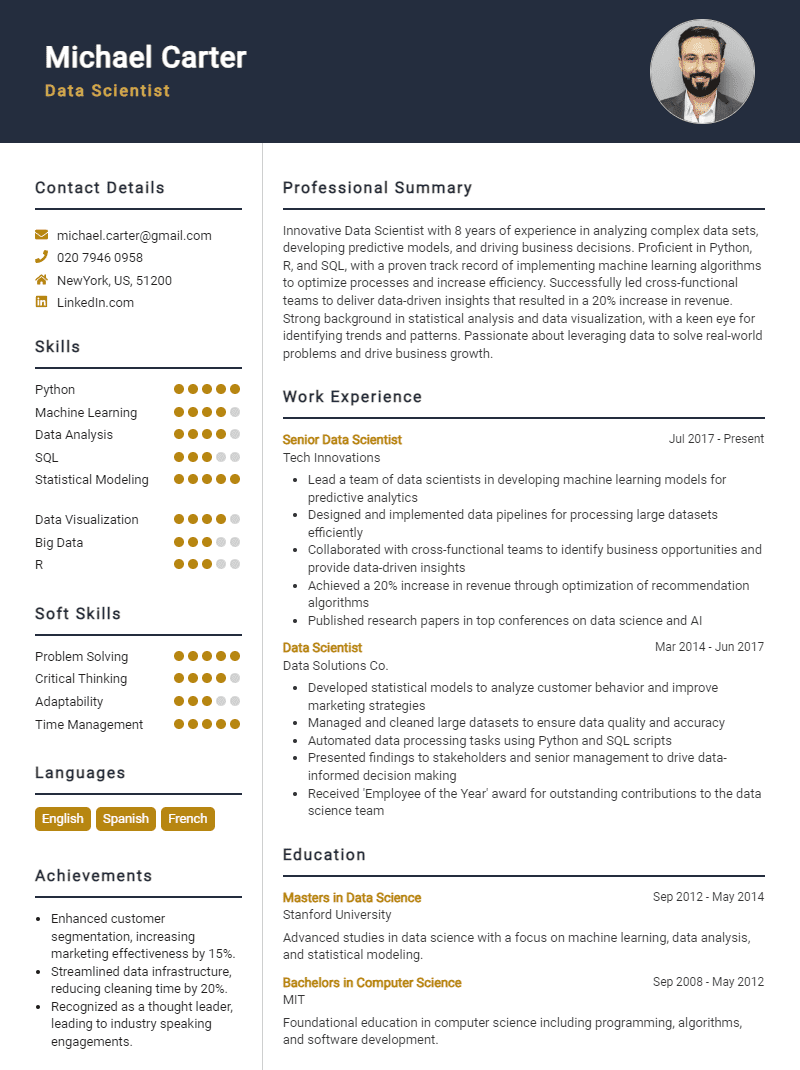
Preparing for a job interview in the medical data entry field requires a solid understanding of both the technical and interpersonal skills necessary for the role. This section outlines some of the most frequently asked questions during interviews for medical data entry positions, helping you to anticipate what employers may inquire about and how you can effectively communicate your qualifications.
Here is a list of common job interview questions for medical data entry, along with examples of the best answers. These questions cover your work history and experience, what you have to offer the employer, and your goals for the future, ensuring that you can demonstrate your aptitude for accuracy, attention to detail, and familiarity with medical terminology and data management systems.
1. Can you describe your experience with medical data entry?
I have over three years of experience in medical data entry, where I accurately entered patient information into electronic health records and maintained data integrity. My attention to detail has minimized errors, improving overall efficiency in the department.
Example:
In my previous role, I managed patient records for a busy clinic, ensuring all data was entered accurately and promptly. I also collaborated with healthcare providers to resolve discrepancies swiftly.
2. What software or tools are you familiar with for data entry?
I am proficient in using Electronic Health Record (EHR) systems such as Epic and Cerner, as well as Microsoft Excel for data analysis. My familiarity with these tools enhances my efficiency in managing large volumes of patient data.
Example:
In my last position, I utilized Epic for all patient data entries and reporting, which allowed me to streamline workflow and improve data retrieval times for healthcare staff.
3. How do you ensure accuracy in your data entry?
I ensure accuracy by double-checking my entries against source documents and using validation tools within the software. I also take regular breaks to maintain focus and reduce errors due to fatigue.
Example:
For instance, I developed a checklist that I followed before finalizing records, which significantly reduced my error rate and ensured high-quality data entry.
4. How do you handle confidential patient information?
I strictly adhere to HIPAA guidelines and organizational policies regarding patient confidentiality. I ensure that sensitive information is only accessed by authorized personnel and that all records are securely stored and transmitted.
Example:
At my previous job, I participated in regular training on data privacy, reinforcing my commitment to safeguarding patient information at all times.
5. Can you describe a challenging situation you faced in data entry?
Once, I encountered a major discrepancy in patient records that affected billing. I investigated the issue by cross-referencing multiple sources, collaborating with colleagues, and resolving it quickly, which helped avoid billing errors.
Example:
This experience taught me the importance of thoroughness and communication, as we were able to correct the records and prevent future issues.
6. What steps do you take when you encounter incomplete information?
When I encounter incomplete information, I immediately reach out to the relevant healthcare provider or patient for clarification. I document any missing data and follow up until I can complete the entry accurately.
Example:
In my previous role, I would send quick emails to physicians requesting missing information, ensuring patient records were updated without unnecessary delays.
7. How do you prioritize your tasks during busy periods?
During busy periods, I prioritize tasks by assessing deadlines and the urgency of each request. I create a to-do list, ensuring that critical data entries are completed first, while balancing routine tasks.
Example:
For example, I often used a priority matrix to help me visualize task urgency and importance, allowing me to manage my time effectively.
8. Why do you think data entry is important in the medical field?
Data entry is crucial as it ensures accurate patient records, which directly impact patient care and treatment decisions. Accurate data supports compliance with regulations and improves overall healthcare outcomes.
Example:
In my experience, well-managed data entry has led to better resource allocation and enhanced communication among the healthcare team, ultimately benefiting patient care.
9. How do you ensure accuracy in your data entry work?
To ensure accuracy, I double-check data entries against original documents and utilize software tools that highlight discrepancies. I also prioritize organization and time management, allowing me to review my work thoroughly before submission.
Example:
I always cross-reference my entries with source documents and use validation tools. If I notice any discrepancies, I rectify them immediately to prevent errors from propagating in the system.
10. Can you describe your experience with medical coding?
I have experience with medical coding, specifically ICD-10 and CPT codes, gained through training and practical application in my previous role. Understanding medical terminology has helped me accurately input data relevant to diagnoses and procedures.
Example:
In my previous position, I regularly coded patient information using ICD-10 and CPT systems. This experience improved my accuracy and efficiency in data entry tasks related to patient records.
11. How do you handle confidential patient information?
I strictly adhere to HIPAA regulations and institutional policies regarding patient confidentiality. I only access information necessary for my role and ensure secure handling and storage of sensitive data to protect patient privacy.
Example:
I follow HIPAA guidelines meticulously, ensuring that I only share patient information with authorized personnel and always use secure systems for data entry to maintain confidentiality.
12. What software platforms are you proficient in for data entry?
I am proficient in several data entry software platforms, including Epic, Cerner, and Microsoft Excel. My experience allows me to navigate these systems efficiently, ensuring quick and accurate data entry.
Example:
I have used Epic for patient record management and Microsoft Excel for data analysis. My familiarity with these platforms enhances my efficiency and accuracy in data entry tasks.
13. How do you prioritize tasks when you have multiple deadlines?
I prioritize tasks by assessing deadlines and the complexity of each job. I create a checklist to manage my workload efficiently, ensuring urgent tasks are completed first without compromising data quality.
Example:
When faced with multiple deadlines, I list tasks by urgency and importance, focusing first on those that impact patient care or compliance to ensure timely completion without sacrificing accuracy.
14. Describe a challenging data entry project you managed and the outcome.
I managed a project involving the digitization of thousands of patient records after a transition to a new system. By implementing a structured plan and collaborating with colleagues, we completed it on time with minimal errors.
Example:
I led a project to digitize old patient records. By organizing the workload and regularly reviewing entries, we successfully transitioned data to the new system with a 98% accuracy rate.
15. How do you stay updated on changes in medical data entry procedures?
I stay updated on changes by participating in training sessions, webinars, and subscribing to medical data management newsletters. Networking with professionals in the field also helps me remain informed about best practices.
Example:
I regularly attend training workshops and webinars and follow industry-related publications to stay current with evolving data entry standards and regulations in the medical field.
16. What steps do you take to manage stress in a fast-paced environment?
I manage stress by maintaining a structured work environment and practicing time management techniques. I also take short breaks to clear my mind and refocus, which enhances my productivity and reduces burnout.
Example:
In high-pressure situations, I prioritize tasks, take brief breaks to recharge, and practice deep breathing exercises to remain calm and focused, ensuring quality work under tight deadlines.
17. Can you describe your experience with electronic health records (EHR)?
I have extensive experience with EHR systems, having worked with various platforms such as Epic and Cerner. I ensure data accuracy and confidentiality while entering patient information, and I'm adept at navigating complex databases to retrieve and input necessary data efficiently.
Example:
In my previous role, I worked with Epic for two years, entering patient demographics and medical histories, ensuring compliance with HIPAA regulations, and resolving discrepancies promptly.
18. How do you handle discrepancies in medical data?
When I encounter discrepancies, I follow a systematic approach: first, I verify the information against original sources, then I communicate with relevant parties, such as healthcare providers, to clarify the data. Accuracy is crucial in medical data entry, so I ensure resolution before finalizing records.
Example:
Recently, I found a discrepancy in a patient's medication list. I contacted the prescribing physician to verify the correct medication, which helped prevent possible medication errors.
19. What measures do you take to ensure data privacy and security?
I prioritize data privacy by adhering to HIPAA guidelines, using secure passwords, and never sharing sensitive information. Additionally, I regularly participate in training sessions to stay updated on best practices for safeguarding patient data and ensuring compliance with regulations.
Example:
In my last position, I implemented a routine check of data access logs to monitor any unauthorized access attempts, reinforcing our commitment to data security.
20. How do you prioritize tasks in a busy medical office?
I use a combination of task lists and prioritization techniques, focusing on deadlines and the urgency of requests. I communicate with my team to ensure we address critical tasks first, ensuring efficient workflow while maintaining data accuracy in a fast-paced environment.
Example:
For instance, when faced with multiple data entry tasks, I prioritize patient discharges and urgent updates, coordinating with my colleagues to manage workload effectively.
21. Can you explain the importance of accuracy in medical data entry?
Accuracy in medical data entry is vital as errors can lead to incorrect patient care, misdiagnoses, and legal issues. I focus on attention to detail and double-check my work to ensure that all information is entered correctly, as it directly impacts patient safety and treatment outcomes.
Example:
In my previous role, I maintained a 99% accuracy rate in data entry, significantly reducing the risk of errors that could affect patient care.
22. How do you stay organized when dealing with large volumes of data?
To stay organized, I utilize software tools and maintain a systematic filing system for digital records. I categorize data entries by type and urgency, which helps me quickly locate and process information efficiently, ensuring that nothing is overlooked.
Example:
I use color-coded folders in our EHR system to categorize patient records, which streamlines my workflow and enhances my ability to manage large volumes of data effectively.
23. Describe a challenging project you worked on in data entry.
I worked on a project to migrate patient records to a new EHR system, which involved verifying thousands of entries for accuracy. I collaborated with IT and clinical staff to ensure a smooth transition while maintaining data integrity throughout the process, which was challenging but rewarding.
Example:
During the migration, I identified inconsistencies in 150 records, which I resolved by cross-referencing with paper files, ensuring the new system was accurate from the start.
24. How do you handle working under pressure in a fast-paced environment?
I thrive under pressure by focusing on clear communication and prioritizing tasks effectively. I remain calm and organized, using techniques such as deep breathing and time management strategies to maintain productivity and accuracy, even during peak periods in a medical office.
Example:
In busy times, I break tasks into smaller parts and set short deadlines for myself, which helps me stay focused and ensures that I meet all necessary deadlines without sacrificing accuracy.
25. How do you ensure accuracy in your data entry work?
I ensure accuracy by double-checking data against source documents, using validation tools, and maintaining a consistent workflow. I also take regular breaks to stay focused. Implementing these strategies helps minimize errors and maintain high-quality data management.
Example:
I cross-reference entered data with original documents and use software validation tools. By taking scheduled breaks, I maintain focus and reduce errors, ensuring that the data I enter is accurate and reliable.
26. Can you describe your experience with medical terminology?
I have a solid understanding of medical terminology from my coursework and previous roles. Familiarity with terms related to anatomy, procedures, and medications allows me to enter data accurately and understand context, which is crucial in a medical data entry position.
Example:
I studied medical terminology during my training and have practical experience using it in my previous role. This knowledge helps me accurately interpret and input medical data, ensuring clarity and precision.
27. How do you handle confidential information?
I understand the importance of confidentiality in the healthcare industry. I adhere strictly to HIPAA regulations, ensuring that all patient information is securely stored and only shared with authorized personnel. This commitment protects patient privacy and maintains trust.
Example:
I follow HIPAA guidelines rigorously. I ensure that all confidential information is securely stored and only accessible to authorized personnel. This practice helps maintain patient privacy and trust in the healthcare system.
28. What software tools are you proficient in for data entry?
I am proficient in various data entry software, including Electronic Health Records (EHR) systems, Microsoft Excel, and specialized medical databases. My adaptability allows me to quickly learn new tools, ensuring efficient data management in any environment.
Example:
I am experienced with EHR systems, Microsoft Excel, and several medical databases. My ability to quickly learn new software allows me to adapt to different environments and enhance data entry efficiency.
29. Describe a time when you identified an error in data entry.
In my previous role, I noticed a discrepancy in patient records while verifying data. I promptly reported it to my supervisor and corrected it, ensuring the integrity of the medical records. This experience reinforced my attention to detail.
Example:
I once found a misentered medication dosage while reviewing patient records. I immediately reported it and corrected the mistake, highlighting the importance of accuracy in medical data management.
30. How do you prioritize your tasks in a busy environment?
I prioritize tasks based on deadlines and urgency, using a to-do list to keep track. I also communicate with my team to ensure we meet critical deadlines, maintaining efficiency even in high-pressure situations.
Example:
I prioritize tasks by assessing urgency and deadlines. Using a to-do list helps me stay organized, and I regularly communicate with my team to ensure we meet critical deadlines effectively.
31. What steps do you take to improve your data entry speed?
I practice touch typing and familiarize myself with shortcuts in data entry software. Regular training on new tools and techniques enhances my speed and efficiency, allowing me to complete tasks more quickly without sacrificing accuracy.
Example:
I focus on improving my touch typing skills and learn software shortcuts. Additionally, I participate in training sessions, which help increase my data entry speed while maintaining high accuracy.
32. How do you handle repetitive tasks without losing focus?
To maintain focus on repetitive tasks, I set small goals and take short breaks to refresh my mind. I also vary my routine to keep things engaging, which helps sustain my concentration and productivity throughout the day.
Example:
I break repetitive tasks into smaller goals and take brief breaks to recharge. Changing my routine occasionally helps me stay engaged and focused, improving my overall productivity.
33. How do you prioritize tasks when handling multiple data entry projects?
I prioritize tasks based on deadlines and the complexity of each project. By assessing the urgency and importance, I can allocate my time effectively, ensuring that critical data is entered accurately and on time.
Example:
I list tasks by their deadlines and importance, focusing on urgent projects first. This approach helps me maintain accuracy while meeting tight timelines, ensuring that all data is processed efficiently.
34. Can you describe a time when you identified an error in data entry? How did you handle it?
I once noticed a discrepancy in patient records while reviewing data. I promptly flagged the error, communicated with my supervisor, and corrected it, ensuring the accuracy of the database and preventing potential issues in patient care.
Example:
I found an incorrect medication dosage during a routine check. I quickly reported it to my supervisor and corrected it, thus enhancing data reliability and ensuring patient safety.
35. What software tools are you proficient in for data entry tasks?
I am proficient in Microsoft Excel, Access, and various Electronic Health Record (EHR) systems. My experience with these tools allows me to input, manage, and analyze medical data efficiently while maintaining accuracy and confidentiality.
Example:
I have extensive experience with Excel for data analysis and EHR systems like Epic, which streamline data entry and reporting processes, ensuring efficiency and accuracy in my work.
36. How do you ensure confidentiality and compliance with regulations in data entry?
I adhere strictly to HIPAA regulations and organizational policies by ensuring that sensitive data is accessed only by authorized personnel. I also regularly participate in training to stay informed about compliance requirements.
Example:
By following HIPAA guidelines and using secure systems, I protect patient information. I also complete regular compliance training to stay updated on best practices and regulations.
37. Describe your experience with handling sensitive patient information.
I have extensive experience managing sensitive patient information, ensuring it is entered and stored securely. I understand the importance of confidentiality and follow strict protocols to protect data integrity and patient rights.
Example:
In my previous role, I handled patient records daily, ensuring data was encrypted and access was limited, thus maintaining confidentiality and compliance with privacy laws.
38. How do you handle repetitive tasks without losing focus?
To stay focused during repetitive tasks, I take short breaks to refresh my mind. I also set small goals and reward myself upon completion, which helps maintain my motivation and attention to detail.
Example:
I use the Pomodoro technique, working in focused bursts followed by short breaks. This method helps me stay engaged and reduces fatigue during repetitive data entry tasks.
39. What strategies do you use to double-check your work?
I employ several strategies, including cross-referencing data against original documents and using software tools that highlight inconsistencies. Additionally, I review my entries before final submission to ensure accuracy.
Example:
I make it a habit to verify entries by cross-checking with source documents and utilizing validation tools, ensuring that my data is accurate and reliable before finalizing.
40. How do you stay updated on best practices in medical data entry?
I stay updated by attending workshops, webinars, and subscribing to industry publications. Networking with peers also helps me learn about new technologies and best practices in medical data entry.
Example:
I regularly attend online courses and read industry journals to stay informed about the latest trends and best practices in medical data entry, ensuring I apply the most effective techniques.
41. How do you prioritize your tasks when faced with multiple data entry deadlines?
I assess deadlines and the complexity of each task, prioritizing based on urgency and importance. I use a task list and set specific time blocks for focus. This structured approach ensures timely and accurate data entry without compromising quality.
Example:
I review all deadlines, then prioritize tasks that are due soonest or require more effort, ensuring efficient workflow while maintaining accuracy.
42. Can you describe a time when you had to deal with inaccurate data? How did you handle it?
I encountered inaccurate patient information during data entry. I cross-referenced with original documents and contacted relevant staff to verify details. This ensured the database maintained integrity and improved my attention to detail for future entries.
Example:
I found discrepancies in patient records, so I verified the data with medical staff, correcting errors to maintain accuracy in the database.
43. What steps do you take to ensure data confidentiality and compliance with HIPAA regulations?
I strictly follow HIPAA guidelines, ensuring that patient information is only accessed by authorized personnel. I utilize secure systems for data entry and storage, always logging out after use. Additionally, I attend regular training to stay updated on privacy practices.
Example:
I adhere to HIPAA by limiting data access to authorized users and regularly attend training sessions on confidentiality and compliance.
44. How do you handle repetitive tasks associated with data entry?
I maintain focus by setting small goals and taking short breaks to prevent fatigue. I also look for ways to streamline processes, such as using keyboard shortcuts or templates, which keeps me engaged and enhances productivity.
Example:
To tackle repetitive tasks, I set achievable goals and incorporate breaks, which helps maintain my focus and productivity.
45. Describe your experience with electronic health record (EHR) systems.
I have extensive experience with EHR systems, having utilized them for data entry, patient information updates, and reporting. I am proficient in navigating various EHR software, ensuring data accuracy and quick retrieval, which enhances overall workflow efficiency.
Example:
I have worked with multiple EHR systems, ensuring accurate data entry and efficient patient record management to streamline healthcare processes.
46. What motivates you to work in medical data entry?
I am passionate about supporting healthcare by ensuring accurate patient records. The role allows me to contribute to patient care indirectly, and I find fulfillment in maintaining data integrity, which ultimately aids medical professionals in providing quality services.
Example:
My motivation stems from the desire to support patient care through accurate data management, knowing that my work impacts healthcare quality.
How Do I Prepare For A Medical Data Entry Job Interview?
Preparing for a medical data entry job interview is crucial to making a positive impression on the hiring manager. A well-prepared candidate not only showcases their qualifications but also demonstrates their commitment to the role and the organization. Here are some key preparation tips to help you succeed:
- Research the company and its values to understand its culture and mission.
- Practice answering common interview questions related to medical data entry.
- Prepare examples that demonstrate your skills and experience in data entry and healthcare settings.
- Familiarize yourself with medical terminology and data management software that may be used in the role.
- Dress professionally and arrive on time to convey your seriousness about the position.
- Prepare thoughtful questions to ask the interviewer about the role and the team.
- Review your resume and be ready to explain your previous experiences and how they relate to the job.
Frequently Asked Questions (FAQ) for Medical Data Entry Job Interview
Preparing for a medical data entry job interview is crucial, as it allows candidates to present their qualifications confidently and address any potential concerns that interviewers may have. Being familiar with commonly asked questions not only helps in articulating your thoughts but also in understanding the expectations of the role.
What should I bring to a Medical Data Entry interview?
When attending a medical data entry interview, it is essential to bring several key items. Start with multiple copies of your resume, as interviewers may want to reference your qualifications. Additionally, bring a list of professional references, any certifications relevant to data entry or healthcare, and a notebook and pen for taking notes. If applicable, consider bringing a portfolio showcasing any relevant work experience or projects to demonstrate your skills and capabilities.
How should I prepare for technical questions in a Medical Data Entry interview?
Preparing for technical questions involves familiarizing yourself with the specific software and tools commonly used in medical data entry, such as Electronic Health Records (EHR) systems or data management software. Review industry terminology and regulations, such as HIPAA, to ensure you understand the privacy aspects of handling medical data. Practice answering questions that test your knowledge of data accuracy, coding systems, and data entry techniques. Mock interviews with a friend or mentor can also help you become more comfortable with technical inquiries.
How can I best present my skills if I have little experience?
If you have limited experience in medical data entry, focus on transferable skills from other roles, such as attention to detail, organizational abilities, and familiarity with data management. Highlight any relevant coursework or internships and emphasize your willingness to learn and adapt. Discuss any volunteer work or projects that demonstrate your commitment to accuracy and efficiency. Providing examples of how you have successfully handled data-related tasks in other contexts can also help you illustrate your potential as a candidate.
What should I wear to a Medical Data Entry interview?
Dressing appropriately for a medical data entry interview is important as it reflects your professionalism and respect for the workplace culture. Opt for business casual attire, such as slacks or a skirt paired with a blouse or button-up shirt. Avoid overly casual clothing like jeans or sneakers. If you are unsure about the dress code, it is better to err on the side of being slightly overdressed. Being well-groomed and polished can leave a positive impression on your interviewers.
How should I follow up after the interview?
Following up after an interview is a vital step in the application process. Send a thank-you email within 24 hours to express your appreciation for the opportunity to interview. In your message, reference specific topics discussed during the interview to personalize your note. This not only shows your enthusiasm for the position but also reinforces your qualifications. If you have not heard back within a week or two, consider sending a polite follow-up email to inquire about the status of your application.
Conclusion
In this interview guide, we've covered essential aspects of preparing for a Medical Data Entry position, emphasizing the significance of thorough preparation, consistent practice, and showcasing relevant skills. Successfully navigating both technical and behavioral questions can greatly enhance a candidate’s likelihood of making a positive impression during the interview process.
We encourage you to leverage the tips and examples provided in this guide to approach your interviews with confidence and clarity. Remember, preparation is key to success, and being well-equipped will set you apart from other candidates.
For further assistance, check out these helpful resources: resume templates, resume builder, interview preparation tips, and cover letter templates.