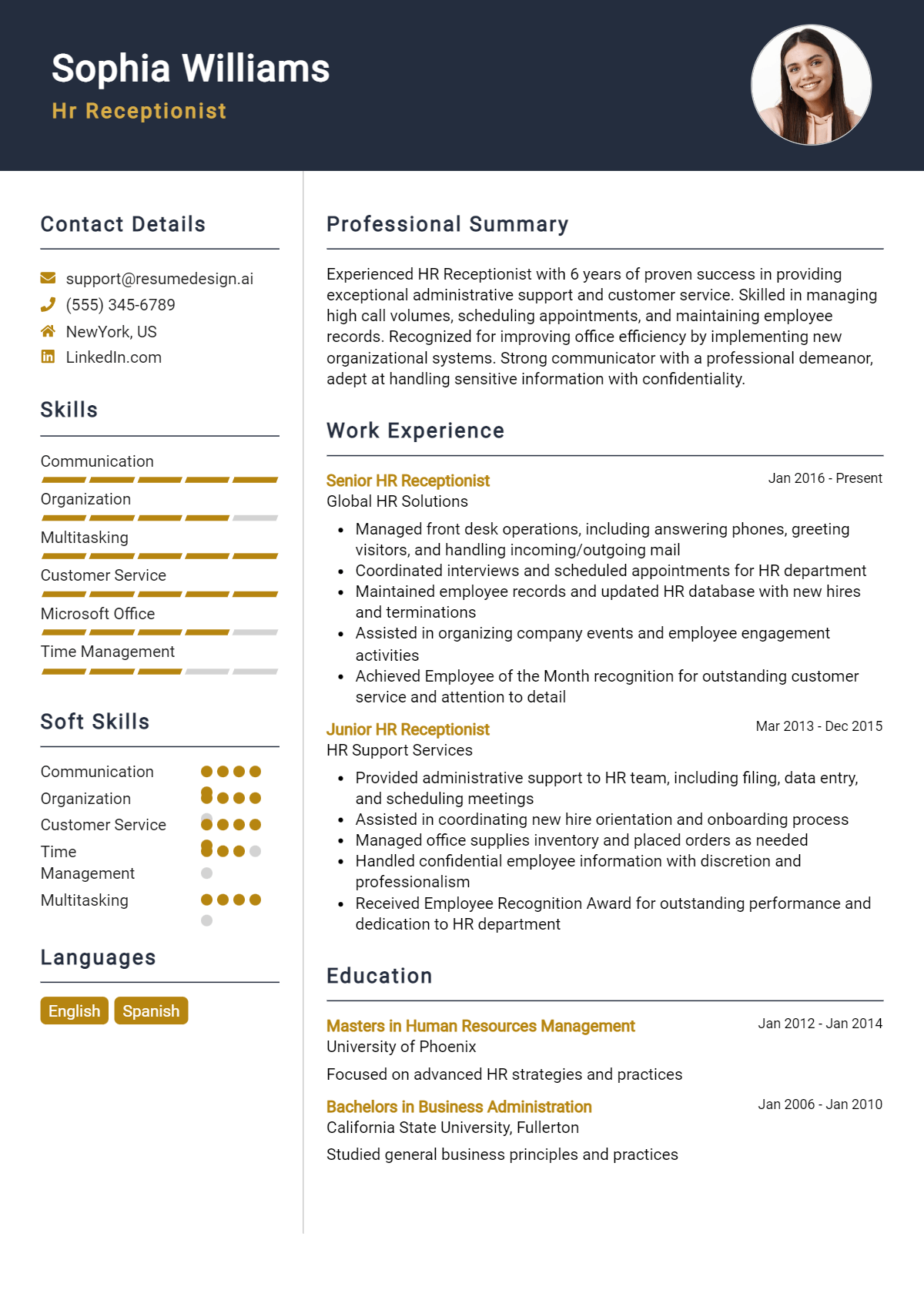
In the competitive field of human resources, the role of an HR receptionist is crucial as it serves as the first point of contact for both candidates and employees. Preparing for an interview in this role involves understanding not only the responsibilities of the position but also how to effectively communicate your skills and experiences. A well-prepared candidate can make a strong impression by articulating their qualifications and demonstrating their commitment to fostering a positive workplace environment.
Here is a list of common job interview questions for the HR receptionist position, along with examples of the best answers. These questions cover your work history and experience, what you have to offer the employer, and your goals for the future, helping you to showcase your ability to manage front-desk responsibilities, interact with diverse individuals, and contribute to a welcoming office atmosphere.
1. Can you tell us about your experience in customer service?
I have over three years of experience in customer service, where I honed my communication and problem-solving skills. I believe that a positive first impression is crucial, and I strive to ensure every visitor feels welcomed and valued.
Example:
In my previous role, I managed front desk operations and resolved customer inquiries promptly, ensuring they left satisfied and informed about our services.
2. How do you handle difficult visitors or clients?
I approach difficult situations with patience and empathy. Listening to their concerns allows me to address issues effectively. If needed, I involve a supervisor to ensure a fair resolution, while always maintaining professionalism and respect.
Example:
Once, a visitor was upset about a scheduling error. I listened attentively, apologized, and quickly arranged a solution, which diffused the situation and restored their trust.
3. What software or tools are you familiar with for managing HR tasks?
I am proficient in HR management software such as Workday and BambooHR. Additionally, I have experience using Microsoft Office Suite for scheduling and reporting, which helps streamline administrative tasks effectively.
Example:
In my last job, I utilized BambooHR to track employee records and manage onboarding processes, improving efficiency and organization.
4. How do you prioritize tasks in a busy environment?
I prioritize tasks by assessing urgency and importance. I create a daily to-do list, using tools like calendars and reminders, ensuring I meet deadlines while remaining flexible to handle unexpected situations that may arise.
Example:
In my previous role, I balanced multiple responsibilities, like answering phones and coordinating interviews, by prioritizing urgent tasks first, ensuring smooth operations.
5. What role do you believe a receptionist plays in an HR department?
A receptionist is the first point of contact for employees and visitors, representing the HR department. My role involves managing communications, assisting with administrative tasks, and fostering a welcoming atmosphere to support the team’s overall efficiency and effectiveness.
Example:
I believe that by creating a positive environment and providing timely support, I help reinforce the HR department's values and mission.
6. How do you maintain confidentiality in your role?
I understand that confidentiality is crucial in HR. I strictly adhere to policies, only sharing information with authorized personnel and ensuring that sensitive documents are stored securely, both physically and digitally.
Example:
In my previous position, I managed confidential employee records and ensured that all discussions regarding sensitive issues were conducted privately and discreetly.
7. Describe a time when you had to multitask. How did you manage it?
In my last position, I often handled multiple calls while greeting visitors. I managed this by staying organized and focused, ensuring that each task received my attention without compromising service quality or attention to detail.
Example:
One busy afternoon, I managed check-ins, answered inquiries, and scheduled interviews simultaneously while keeping the reception area orderly and welcoming.
8. What makes you a good fit for this HR Receptionist position?
My strong interpersonal skills, attention to detail, and proactive nature make me an excellent fit. I am committed to providing exceptional service and supporting the HR team, ensuring a smooth and efficient office environment.
Example:
I bring a friendly demeanor, a solid background in administration, and a passion for fostering positive employee experiences, aligning well with your team's goals.
9. How do you prioritize tasks when you have multiple responsibilities at once?
I prioritize tasks by assessing urgency and importance. I often use a to-do list to manage my workload and ensure I meet deadlines. Additionally, I communicate with team members to clarify priorities when needed.
Example:
When faced with several tasks, I assess their deadlines and importance, allowing me to focus on critical tasks first. I also check in with my supervisor to ensure alignment on priorities.
10. Can you describe your experience with HR systems or software?
I have experience using various HR software, including applicant tracking systems and payroll management tools. I am comfortable entering data, generating reports, and ensuring the accuracy of employee records, which is essential for HR functions.
Example:
In my previous role, I used an applicant tracking system to manage job postings and candidate applications, streamlining our hiring process significantly and improving our response time to candidates.
11. How do you handle confidential information?
Handling confidential information is critical in HR. I always adhere to company policies regarding data protection and confidentiality. I ensure that sensitive documents are securely stored and only shared with authorized personnel.
Example:
I follow strict protocols for handling confidential information, such as locking files and using password-protected documents. I am also diligent in discussing sensitive matters in private settings.
12. Describe a time you dealt with a difficult visitor or employee.
I once encountered an upset employee regarding a payroll issue. I listened actively, empathized with their situation, and assured them I would resolve it promptly. I contacted the payroll department and followed up until the issue was resolved.
Example:
I remained calm and listened to the employee's concerns, assuring them I would find a solution. After discussing the issue with the payroll team, I updated the employee and alleviated their concerns.
13. What strategies do you use to create a welcoming environment for visitors?
I create a welcoming environment by greeting visitors warmly and attentively. I maintain a tidy reception area and ensure that informational materials are readily available. Additionally, I offer refreshments when appropriate to enhance their experience.
Example:
I always greet visitors with a smile and offer assistance immediately. I also ensure the reception area is clean and stocked with brochures, which helps create a friendly atmosphere.
14. How do you stay organized in a fast-paced environment?
I use several organizational tools, such as calendars and task management apps, to keep track of appointments and deadlines. I also prioritize tasks and set reminders to ensure nothing falls through the cracks in a busy environment.
Example:
In a fast-paced setting, I rely on a digital calendar to manage appointments and deadlines. I also create daily to-do lists to stay on track and ensure timely completion of tasks.
15. How do you handle feedback and criticism?
I view feedback and criticism as opportunities for growth. I listen carefully, ask clarifying questions, and reflect on the input provided. I appreciate constructive criticism and strive to implement changes that enhance my performance.
Example:
When I receive feedback, I take time to process it and analyze how I can improve. This approach has helped me adapt and grow in my previous roles.
16. What do you think are the most important qualities for an HR receptionist?
Key qualities for an HR receptionist include strong communication skills, attention to detail, and the ability to multitask. Being approachable and maintaining a professional demeanor are also essential for creating a positive first impression.
Example:
I believe effective communication, organization, and a friendly attitude are vital for an HR receptionist. These qualities help ensure smooth interactions and efficient handling of HR tasks.
17. How do you prioritize tasks when you have multiple responsibilities?
I assess the urgency and importance of each task, creating a to-do list. I communicate with team members to ensure that critical tasks are prioritized and deadlines are met efficiently while remaining flexible to adjust as needed.
Example:
When faced with multiple tasks, I prioritize based on deadlines and impact. I often use a simple matrix to categorize tasks, ensuring I focus on what matters most for the team and organization.
18. Can you describe a time you handled a difficult visitor or client?
In a previous role, a visitor was frustrated about a delay. I listened actively, acknowledged their concerns, and provided updates. By remaining calm and respectful, I could diffuse the situation and ensure a positive experience.
Example:
Once, a client was upset due to a scheduling error. I listened patiently, apologized for the inconvenience, and quickly arranged an alternative meeting. This helped restore their trust and satisfaction with our services.
19. What strategies do you use to maintain confidentiality in HR?
I adhere to strict confidentiality protocols by securing sensitive documents and limiting access to authorized personnel only. I also regularly train on data protection policies to ensure compliance with regulations.
Example:
I always lock physical documents, use password protection for digital files, and share information only with those who require it for their roles, ensuring confidentiality is maintained at all times.
20. How do you handle stress during busy periods?
I manage stress by staying organized and taking short breaks to clear my mind. I also prioritize tasks effectively and communicate with my team to ensure we support each other during busy times.
Example:
During peak times, I focus on my priorities and take deep breaths to stay calm. I also encourage open communication within the team, allowing us to share the workload and manage stress collectively.
21. What role does communication play in your job?
Communication is vital in my role as it ensures clarity and efficiency. I interact with various stakeholders, relay important information, and help create a welcoming environment that supports collaboration within the organization.
Example:
Effective communication helps me relay vital information to employees and management. I ensure clarity in my messages, whether in person, via email, or over the phone, to foster a supportive workplace culture.
22. Describe your experience with HR software or databases.
I have experience using HR software like BambooHR and Workday for managing employee records, tracking applications, and generating reports. I’m quick to learn new systems and enjoy optimizing processes for better efficiency.
Example:
In my last role, I used BambooHR daily for onboarding and employee management. I became proficient quickly and helped train new team members, enhancing our overall efficiency in managing HR tasks.
23. How do you ensure a positive first impression for visitors?
I greet visitors warmly, maintain a tidy reception area, and provide prompt assistance. I also ensure I’m knowledgeable about the organization to answer questions and direct them appropriately, creating a welcoming atmosphere.
Example:
I always stand to greet visitors with a smile, offer refreshments if appropriate, and engage in friendly conversation while guiding them to their appointments. This approach helps create a positive first impression.
24. How do you stay organized in a fast-paced environment?
I utilize digital tools like calendars and task management apps to keep track of deadlines and appointments. I also create a structured daily routine to ensure that I manage my time effectively in a busy environment.
Example:
To stay organized, I use a combination of a digital calendar and a daily planner. This allows me to visualize my tasks and appointments, ensuring nothing is overlooked during hectic periods.
25. How do you prioritize tasks during busy periods?
I assess the urgency and importance of each task, focusing on critical HR processes. I use a task management system to keep track and ensure deadlines are met, while also remaining flexible to address unexpected issues as they arise.
Example:
During peak recruitment times, I prioritize candidate communications and scheduling interviews first, while managing administrative tasks in the background. This ensures a seamless experience for both candidates and the HR team.
26. Describe a time when you had to handle a difficult situation with an employee.
I once managed a situation where an employee was upset over a payroll error. I listened empathetically, assured them I would investigate, and followed up promptly, resolving the issue. This reinforced trust and demonstrated my commitment to supporting employees.
Example:
After a payroll discrepancy, I calmly explained the resolution process to the employee. I provided updates and ensured their concerns were addressed, which helped to alleviate their frustration and build a stronger relationship.
27. What experience do you have with HR software and databases?
I have extensive experience with HR software such as Workday and BambooHR. I utilize these platforms for managing employee records, tracking applications, and generating reports. This proficiency enhances my efficiency and ensures accurate data management.
Example:
In my previous role, I efficiently used Workday for onboarding, managing employee data, and generating analytical reports, which streamlined our HR processes and improved overall data accuracy.
28. How do you ensure confidentiality in your role?
I understand the importance of confidentiality in HR. I strictly adhere to company policies, limit access to sensitive information, and avoid discussing private matters in public areas. This practice fosters a culture of trust and security.
Example:
By securing files and using password-protected systems, I ensure employee information remains confidential and only share details with authorized personnel when necessary.
29. How do you handle multiple phone calls and visitors simultaneously?
I remain calm and organized under pressure. I prioritize calls and greet visitors promptly, using a sign-in sheet to manage wait times. This approach ensures that everyone feels acknowledged while I address each inquiry efficiently.
Example:
When faced with several calls and visitors, I prioritize urgent inquiries and utilize a polite tone to manage expectations, ensuring that everyone receives timely assistance.
30. Can you describe your experience with onboarding new employees?
I have coordinated onboarding for numerous new hires, managing everything from paperwork to orientation schedules. I ensure a smooth transition by providing resources and answering any questions, which helps them acclimate quickly to the company culture.
Example:
During onboarding, I created personalized welcome packets and scheduled meetings with team members, which made new hires feel valued and integrated into the organization from day one.
31. What strategies do you use to keep the reception area organized?
I maintain an organized reception area by implementing a systematic filing system and regularly decluttering. I ensure all materials are accessible and presentable, creating a welcoming environment that reflects the professionalism of the HR department.
Example:
I designate specific areas for incoming documents and supplies, ensuring everything is stored neatly. This organization simplifies my workflow and enhances the overall appearance of the reception area.
32. How would you handle a situation where a visitor is not on the approved guest list?
I would politely inform the visitor that they are not on the approved list and inquire about their purpose of visit. If necessary, I would contact the relevant employee to verify and seek permission for their entry while maintaining professionalism.
Example:
I would approach the visitor kindly, explain the policy, and ask for their appointment details. If appropriate, I would quickly reach out to the employee for confirmation, ensuring a respectful interaction.
33. How do you prioritize your tasks when faced with multiple responsibilities?
I use a priority matrix to categorize tasks based on urgency and importance. This helps me focus on high-impact activities first while ensuring that all responsibilities are addressed promptly. I also stay flexible to adapt to changing priorities.
Example:
When juggling multiple calls and visitor inquiries, I prioritize urgent HR matters first while scheduling non-urgent tasks for later, ensuring efficiency and responsiveness.
34. Can you describe your experience with handling confidential information?
I have extensive experience managing sensitive employee data, ensuring compliance with data protection regulations. I strictly adhere to confidentiality protocols, such as secure document storage and limited access to sensitive information, maintaining the trust of both employees and the organization.
Example:
In my previous role, I safely managed employee records by using secure systems and limiting access, ensuring confidentiality was never compromised.
35. How do you handle difficult or upset visitors or employees?
I approach upset visitors with empathy and active listening. I calmly address their concerns, offer solutions, or direct them to the appropriate personnel. This not only diffuses tension but also fosters a positive environment and builds trust with visitors.
Example:
When faced with an upset employee, I listened to their concerns, validated their feelings, and worked with them to find a resolution, which helped ease their frustration.
36. Describe a time when you had to manage a challenging situation at work.
In my last position, we faced a sudden influx of applicants during a recruitment drive. I coordinated with the HR team to streamline the application process, ensuring timely responses while maintaining quality communication with candidates, which resulted in an efficient hiring process.
Example:
During a recruitment surge, I organized a team to manage candidate inquiries effectively, ensuring all applicants received timely feedback, which improved our overall hiring experience.
37. How do you keep yourself organized in a fast-paced environment?
I utilize digital tools like calendars and task management apps to track my responsibilities and deadlines. Regularly reviewing my tasks allows me to remain organized and focused, adapting quickly to the dynamic nature of the HR reception area.
Example:
I rely on a digital calendar to set reminders for meetings and deadlines, ensuring I stay organized and can quickly adapt to unexpected changes.
38. What role do you believe communication plays in your job as an HR receptionist?
Communication is essential for an HR receptionist, as it involves interacting with employees, candidates, and management. Clear and effective communication ensures that information is conveyed accurately and fosters a positive experience for all stakeholders.
Example:
I prioritize clear communication, whether answering inquiries or relaying messages, to ensure everyone feels informed and valued within the organization.
39. How do you stay updated with HR policies and regulations?
I regularly attend HR workshops, webinars, and read industry publications to stay informed about changes in policies and regulations. Staying current ensures that I provide accurate information and support to employees regarding their rights and benefits.
Example:
By subscribing to HR newsletters and attending relevant training sessions, I keep myself updated on the latest policies and changes in employment law.
40. How would you handle receiving negative feedback from a manager or colleague?
I view negative feedback as an opportunity for growth. I would listen actively, ask for clarification if needed, and reflect on the comments to identify areas for improvement. This approach helps build stronger working relationships and enhances my professional development.
Example:
Upon receiving feedback, I take time to understand it, thank the person for their input, and create an action plan to improve in the areas discussed.
41. How do you handle confidential information?
In my previous role, I strictly adhered to confidentiality protocols. I ensured that sensitive documents were securely filed and only accessible to authorized personnel. I believe in fostering trust and maintaining the integrity of the HR department by handling information with discretion. Example: I always lock my workstation when stepping away and only share confidential information with those who need to know, following company policies.
42. Can you describe a time when you had to manage a difficult visitor or caller?
Once, a frustrated candidate arrived for an interview without an appointment. I calmly listened to their concerns, verified their details, and offered to reschedule. This approach diffused the situation, and the candidate left feeling valued, which is essential in HR. Example: By actively listening and empathizing, I could offer a solution, which turned a negative experience into a positive one for the candidate.
43. How do you prioritize your tasks as an HR Receptionist?
I prioritize tasks based on urgency and importance. For example, I manage incoming calls and visitors first, while scheduling time-sensitive appointments. I also use a task management tool to keep track of deadlines and ensure nothing is overlooked. Example: By categorizing tasks and using reminders, I maintain efficiency, ensuring critical HR functions are addressed promptly.
44. What software or tools are you familiar with that assist you in your role?
I am proficient in HR software like BambooHR and applicant tracking systems. Additionally, I am skilled in using Microsoft Office Suite for document preparation and scheduling. These tools enhance my efficiency in managing HR processes and communications. Example: My experience with these platforms allows me to streamline HR tasks and maintain organized records easily.
45. How would you handle a situation where you need to enforce company policies?
I believe in clear communication. If a policy needs enforcing, I would approach the individual respectfully, explain the policy, and its importance for the company. Maintaining professionalism ensures understanding while preserving a positive work environment. Example: I would address the situation directly but kindly, emphasizing the policy’s intent and listening to any concerns raised by the individual.
46. What do you think is the most important quality for an HR Receptionist?
I believe strong interpersonal skills are essential for an HR Receptionist. The ability to communicate effectively and build rapport with employees and candidates fosters a positive atmosphere. This quality helps in resolving issues and creating a welcoming environment. Example: My approachable nature has always helped me connect with individuals, ensuring they feel comfortable and valued during their interactions with HR.
How Do I Prepare For A HR Receptionist Job Interview?
Preparing for a job interview is crucial for making a positive impression on the hiring manager. A well-prepared candidate not only demonstrates their interest in the position but also showcases their professionalism and suitability for the role. Here are some key preparation tips to help you succeed in your HR Receptionist interview:
- Research the company and its values to understand its culture and mission.
- Practice answering common interview questions related to customer service and HR duties.
- Prepare examples that demonstrate your skills and experience relevant to the HR Receptionist role.
- Dress professionally to convey a polished and appropriate image for the workplace.
- Bring multiple copies of your resume and any other required documents to the interview.
- Plan your route to the interview location to ensure you arrive on time.
- Prepare thoughtful questions to ask the interviewer about the company and the position.
Frequently Asked Questions (FAQ) for HR Receptionist Job Interview
Being well-prepared for an interview is crucial, especially for a role as pivotal as an HR Receptionist. This position often serves as the first point of contact for both clients and new employees, making it essential to convey professionalism and competence. Understanding the types of questions you might face can help alleviate nerves and provide a clear strategy for showcasing your strengths.
What should I bring to a HR Receptionist interview?
When attending an HR Receptionist interview, it's important to come prepared with several key items. First, bring multiple copies of your resume, as you may need to provide them to different interviewers. Additionally, have a notebook and pen for taking notes, and if applicable, bring any certifications or documents that showcase your skills and qualifications. It’s also wise to prepare a list of questions to ask the interviewer, which demonstrates your interest in the role and the organization.
How should I prepare for technical questions in a HR Receptionist interview?
To prepare for technical questions in an HR Receptionist interview, familiarize yourself with common HR software and tools, such as Applicant Tracking Systems (ATS) and databases used for employee management. Reviewing the job description can also give insights into specific skills the employer values. Consider practicing how you would handle typical scenarios, such as managing a high volume of calls or dealing with confidential information, as these are often topics of discussion in technical interviews.
How can I best present my skills if I have little experience?
If you have limited experience, focus on transferable skills that are relevant to the HR Receptionist role. Highlight your communication abilities, organizational skills, and customer service experience, even if they come from different fields. Use specific examples to illustrate how these skills have been applied in previous roles. Additionally, express your eagerness to learn and adapt, as a positive attitude can often outweigh a lack of direct experience.
What should I wear to a HR Receptionist interview?
Attire for an HR Receptionist interview should reflect professionalism and align with the company culture. Generally, business casual is a safe choice, such as tailored pants or a skirt paired with a blouse or a smart top. Avoid overly casual clothing, such as jeans or t-shirts. If you're unsure about the dress code, it’s better to err on the side of being slightly overdressed, as this demonstrates respect for the interview process and the organization.
How should I follow up after the interview?
Following up after an interview is a critical step that can set you apart from other candidates. Send a thank-you email within 24 hours of the interview, expressing your gratitude for the opportunity and reiterating your interest in the position. Mention specific points from the interview that resonated with you, reinforcing your suitability for the role. This not only shows your appreciation but also keeps you fresh in the interviewer's mind as they make their decision.
Conclusion
In this interview guide for the HR Receptionist role, we have covered essential aspects such as the importance of preparation, practice, and showcasing relevant skills. By focusing on both technical and behavioral questions, candidates can significantly enhance their chances of success in the interview process. Understanding the specific requirements of the HR Receptionist position and how to articulate experiences that align with these expectations will set candidates apart.
We encourage you to leverage the tips and examples provided in this guide to approach your interviews with confidence. Preparation is key, and with the right mindset, you'll be ready to make a lasting impression.
For further assistance, check out these helpful resources: resume templates, resume builder, interview preparation tips, and cover letter templates.