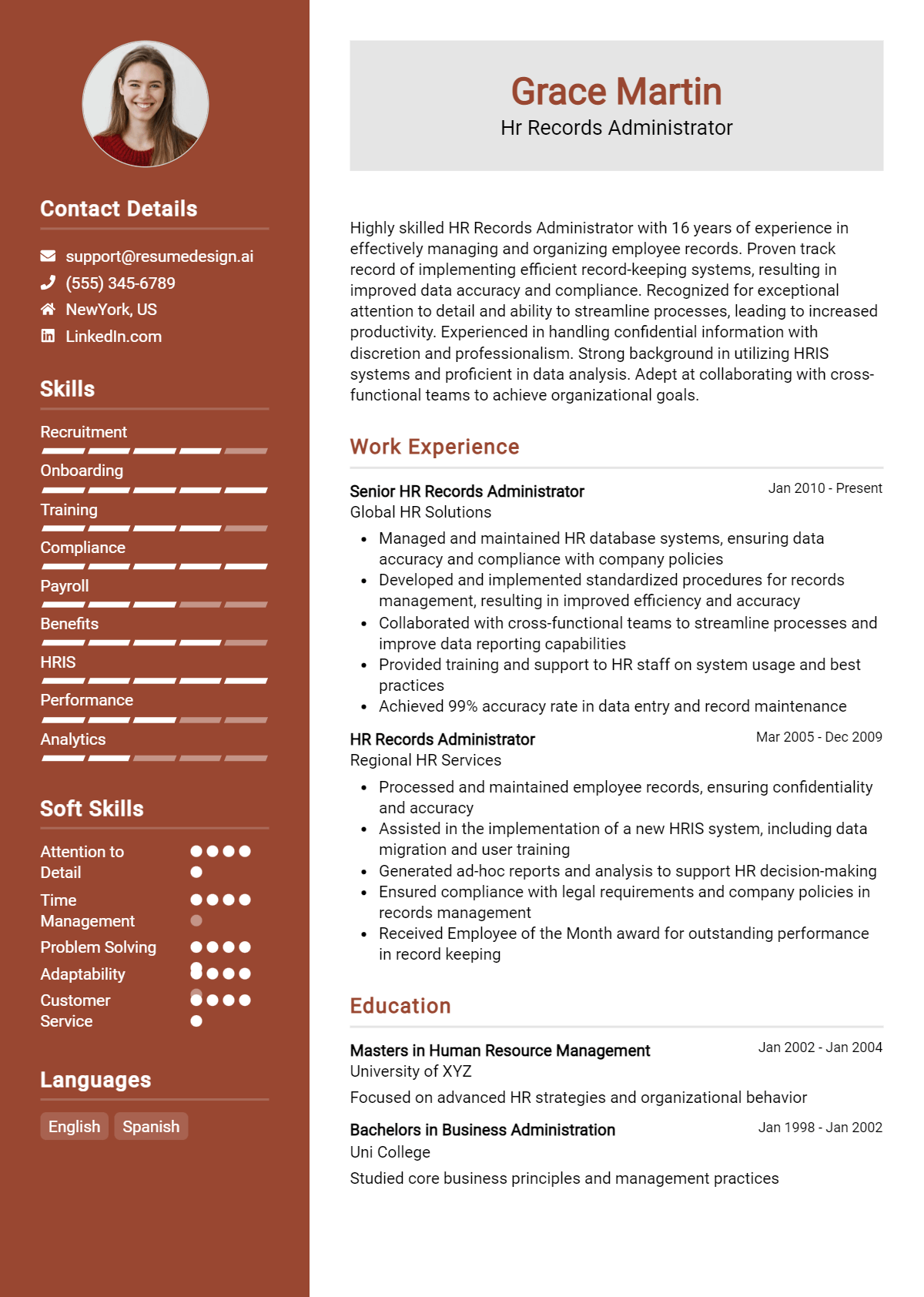
When preparing for an interview as an HR Records Administrator, it’s essential to understand the types of questions that may be posed to you. This role requires a keen eye for detail, strong organizational skills, and a thorough understanding of HR policies and procedures. Being prepared to answer questions about your experience with record-keeping, data management, and compliance will demonstrate your capability and readiness for the position.
Here is a list of common job interview questions for an HR Records Administrator, along with examples of the best answers. These questions cover your work history and experience, what you have to offer the employer, and your goals for the future. By practicing these responses, you can effectively showcase your qualifications and how they align with the needs of the organization.
1. What experience do you have with maintaining HR records?
I have three years of experience managing HR records, including employee files, compliance documentation, and performance reviews. I prioritize accuracy and confidentiality, ensuring all records are updated and securely stored to comply with regulatory requirements.
Example:
In my previous role, I implemented an electronic filing system that reduced retrieval time by 30% while maintaining strict confidentiality and compliance with data protection regulations.
2. How do you ensure accuracy in HR records?
I employ a systematic approach by regularly auditing records, cross-referencing data, and utilizing software that flags discrepancies. Continuous training on data entry best practices for the team also helps maintain high standards in record accuracy.
Example:
During my last audit, I discovered a 15% error rate in data entry. I initiated training sessions, resulting in improved accuracy and a 40% decrease in errors in the following quarter.
3. Can you describe a time when you handled a confidential HR issue?
I once managed a sensitive employee grievance by documenting all interactions and maintaining confidentiality throughout the investigation. I ensured that only authorized personnel had access to the records, which protected both the employee's privacy and the organization’s integrity.
Example:
After resolving the issue, I reviewed our confidentiality protocols to reinforce best practices across the HR team, ensuring everyone understood the importance of protecting sensitive information.
4. How do you handle data entry errors?
When I encounter data entry errors, I first assess the extent of the error and identify the source. I then correct the mistake and implement a review process to prevent future occurrences, emphasizing training and awareness among team members.
Example:
Once, I noticed a significant error in employee records. After correcting it, I introduced a double-check system that reduced similar errors by 50% in the following months.
5. What HR software are you familiar with?
I am proficient in several HR software systems, including Workday, ADP, and BambooHR. My experience includes data migration, report generation, and user training, which allows me to efficiently manage HR records and improve team productivity.
Example:
At my last job, I led a successful transition to Workday, training staff and ensuring a seamless migration of over 1,000 employee records within the deadline.
6. How do you keep updated with HR regulations and compliance?
I regularly attend webinars, subscribe to HR newsletters, and participate in local HR associations. Staying informed about changes in labor laws and compliance regulations ensures that our HR records remain accurate and up-to-date.
Example:
Recently, I attended a conference on data privacy laws, which helped me implement new procedures that align with recent regulatory changes, enhancing our compliance efforts.
7. Describe your organizational skills.
I excel in organization by using digital tools to categorize and prioritize tasks efficiently. I maintain a detailed filing system, both physical and electronic, which allows for quick retrieval of information and ensures that records are always current and accessible.
Example:
I developed a color-coded file system that improved document retrieval times by 25%, allowing the HR team to be more efficient and responsive to employee needs.
8. How do you prioritize multiple tasks in a fast-paced environment?
I prioritize tasks by assessing urgency and impact. I use a task management tool to keep track of deadlines and progress, enabling me to allocate time effectively and ensure that critical HR records are always updated on time.
Example:
When faced with multiple deadlines, I create a priority list based on due dates, which helped me complete 95% of my tasks ahead of schedule last quarter.
9. How do you ensure the accuracy of employee records?
I implement a systematic approach, including regular audits and cross-checks against source documents. This minimizes errors and ensures that all records are up-to-date and compliant. I also encourage team collaboration for verification.
Example:
I conduct quarterly audits of our records and cross-reference them with payroll data to catch discrepancies early, ensuring all employee information is accurate and current.
10. Can you describe a time when you handled a sensitive HR record?
I once managed a case involving a termination where confidentiality was crucial. I ensured access was restricted and communicated discreetly with involved parties, maintaining trust and complying with legal requirements throughout the process.
Example:
I handled a sensitive termination by limiting access to the employee's records and only discussing details with necessary stakeholders to maintain confidentiality and integrity.
11. What software tools are you familiar with for managing HR records?
I have extensive experience with HRIS systems like SAP SuccessFactors and Workday, as well as document management tools such as SharePoint. These tools enhance data accuracy and accessibility while streamlining record-keeping processes.
Example:
I regularly use Workday for managing employee records, ensuring efficient data entry and reporting, which improves overall HR operations.
12. How do you handle discrepancies in employee records?
When I identify discrepancies, I investigate immediately by reviewing original documents and consulting with relevant departments. I document the findings and take corrective action to ensure records are accurate and compliant.
Example:
Upon discovering a discrepancy, I verified the data with HR and payroll, corrected the records, and implemented a checklist to prevent future issues.
13. How do you prioritize tasks when managing multiple records requests?
I prioritize based on urgency and impact, using a task management tool to track requests. I communicate timelines clearly with stakeholders, ensuring efficient processing while maintaining high accuracy standards in record management.
Example:
I prioritize requests by deadlines and importance, using a project management tool to keep track, ensuring timely responses and efficient workflow.
14. What steps do you take to ensure compliance with data protection regulations?
I stay current with data protection laws, conduct regular training for staff, and implement strict access controls. Regular audits and risk assessments help identify potential issues and maintain compliance across the organization.
Example:
I ensure compliance by regularly reviewing policies against GDPR standards and conducting training sessions for staff on data handling best practices.
15. How do you manage the onboarding process with respect to record-keeping?
I streamline onboarding by creating checklists for documentation and record entry. I use automation tools to ensure timely completion of forms while maintaining accuracy. Regular follow-ups help address any outstanding issues promptly.
Example:
During onboarding, I utilize a checklist to ensure all documentation is collected and entered into our HRIS, streamlining the process for new hires.
16. Describe a challenge you faced in HR records management and how you overcame it.
I faced a significant data migration challenge when transitioning to a new HRIS. I overcame this by developing a detailed migration plan, conducting thorough testing, and providing training for staff, ensuring a smooth transition with minimal disruption.
Example:
During a system migration, I created a step-by-step plan, engaged stakeholders, and tested thoroughly to ensure all records were accurately transferred.
17. How do you ensure accuracy when maintaining HR records?
I prioritize accuracy by implementing a systematic approach to data entry and verification. Regular audits and cross-checking with source documents help maintain integrity. I also encourage team collaboration to confirm changes and updates promptly.
Example:
I double-check entries against original documents and perform monthly audits. Additionally, I utilize software features that flag discrepancies, ensuring all records are accurate and up-to-date.
18. Can you describe a time when you had to handle a sensitive employee record?
In a previous role, I managed a situation involving an employee's medical leave. I ensured confidentiality by limiting access to the information and communicated transparently with involved parties while adhering to legal guidelines. This preserved trust and compliance.
Example:
I handled an employee's medical records by ensuring only authorized personnel could access them. By following strict confidentiality protocols, I maintained trust while ensuring compliance with regulations.
19. What software or tools are you familiar with for managing HR records?
I have extensive experience with HRIS systems like Workday and ADP. Additionally, I’m proficient in Microsoft Office, particularly Excel, for data analysis and reporting. These tools help streamline record management efficiently.
Example:
I regularly use Workday for HR records and Excel for data analysis. These tools help me create detailed reports and maintain organized records efficiently.
20. How do you handle record requests from employees or management?
I respond to record requests by verifying the requestor’s identity first, then efficiently retrieving the necessary records while adhering to privacy regulations. I maintain open communication about the process and expected timelines to ensure transparency.
Example:
I verify identities before processing requests and maintain a log of all requests. This ensures compliance while providing timely access to records.
21. Describe your experience with data privacy regulations in HR.
I am well-versed in data privacy laws such as GDPR and HIPAA. In my previous role, I implemented training sessions for staff to ensure compliance and regularly reviewed policies to stay updated with legal requirements.
Example:
In my last job, I led training on GDPR compliance, ensuring all staff understood their responsibilities and the importance of protecting employee data.
22. How do you prioritize tasks when managing multiple records?
I prioritize tasks based on urgency and importance, using project management tools to track deadlines. I also allocate time for routine audits and updates to ensure that I maintain accurate records across the board.
Example:
I use a priority matrix to assess tasks and schedule my day accordingly, ensuring urgent requests are handled first while maintaining routine updates.
23. How do you keep yourself updated with changes in HR policies?
I stay updated with HR policies by subscribing to industry newsletters, attending webinars, and participating in professional HR organizations. Networking with peers also helps me gain insights into best practices and emerging trends.
Example:
I follow HR blogs and attend workshops to stay informed about policy changes. This proactive approach helps me implement updates effectively.
24. What steps do you take to improve HR record management processes?
I regularly assess current processes to identify bottlenecks and inefficiencies. I then implement technology solutions, such as automated reminders for updates, and gather feedback from users to enhance the overall process.
Example:
I conducted a process audit last year, which led to implementing automated systems that streamlined data entry and reduced errors significantly.
25. How do you ensure the accuracy of employee records?
I implement a systematic approach to data entry, regularly cross-referencing records with original documents. I also conduct periodic audits to identify discrepancies. This meticulous process helps maintain the integrity of employee information while ensuring compliance with data protection regulations.
Example:
To ensure accuracy, I double-check entries against source documents and conduct quarterly audits, correcting any discrepancies. For instance, in my previous role, I identified and rectified data entry errors that could have affected payroll processing.
26. Can you describe a time when you had to handle a sensitive employee record?
In my previous position, I managed a case involving an employee's medical leave. I ensured confidentiality by limiting access to authorized personnel only and handled all documentation with care. This approach fostered trust while complying with legal requirements.
Example:
I once processed a sensitive medical leave request by securely managing the documentation. I communicated only with relevant stakeholders, ensuring confidentiality and supporting the employee's needs while adhering to legal guidelines.
27. What software or tools are you proficient in for managing HR records?
I am proficient in various HRIS systems, such as Workday and SAP SuccessFactors, as well as Microsoft Excel for data analysis. I leverage these tools to streamline record-keeping processes, enhance reporting accuracy, and improve overall efficiency.
Example:
I have extensive experience using Workday for employee records management, along with Microsoft Excel for generating reports. My familiarity with these tools significantly improves data management and reporting accuracy.
28. How do you handle requests for records from employees or management?
I prioritize requests based on urgency and ensure compliance with company policies regarding data access. When providing records, I verify the requestor’s identity and confirm the relevance of the information requested to maintain confidentiality.
Example:
When handling requests for records, I first verify the requestor’s authorization. I then assess the urgency and relevance before providing the necessary documentation, ensuring compliance with data protection policies at all times.
29. Describe a situation where you improved a process related to HR record management.
At my last job, I identified inefficiencies in our record retrieval process, which took too long. I implemented a digital filing system, reducing retrieval time by 50%. This improvement increased productivity and enhanced the overall workflow within the HR department.
Example:
I improved our record retrieval process by introducing a digital filing system. This innovation reduced retrieval time significantly, allowing HR staff to focus more on strategic initiatives rather than administrative tasks.
30. How do you stay updated with HR compliance regulations?
I regularly attend HR workshops and webinars, subscribe to relevant journals, and follow HR compliance blogs. This proactive approach ensures I am well-informed about changes in regulations, which helps maintain compliance in our records management practices.
Example:
To stay updated on HR compliance, I attend annual conferences and subscribe to industry newsletters. This continuous learning enables me to implement the latest regulations effectively in our records management processes.
31. What strategies do you use to maintain confidentiality of employee records?
I employ strict access controls, ensuring that only authorized personnel can access sensitive information. Regular training on confidentiality protocols for all staff also reinforces the importance of protecting employee records and complying with data protection laws.
Example:
I maintain confidentiality by implementing access controls and conducting regular staff training on data protection. This ensures that only authorized personnel can access sensitive employee records, safeguarding their privacy.
32. How do you handle discrepancies found in employee records?
Upon identifying discrepancies, I investigate promptly by reviewing supporting documents and consulting with relevant parties. I then correct the records following company policy, ensuring the changes are documented properly to maintain an accurate audit trail.
Example:
When I find discrepancies, I promptly review the records and consult the involved parties. After confirming the correct information, I update the records accordingly and document the changes to maintain an accurate audit trail.
33. How do you ensure the confidentiality of sensitive employee records?
I prioritize confidentiality by implementing strict access controls and regularly training staff on data protection policies. I also utilize secure systems for storing records, ensuring that only authorized personnel can access sensitive information.
Example:
I ensure confidentiality by using encrypted databases and limiting access to records based on role. Additionally, I conduct training sessions to raise awareness about the importance of data privacy among employees.
34. Can you describe a time when you improved a process in HR records management?
In my previous role, I introduced an automated filing system that reduced document retrieval time by 50%. This change not only improved efficiency but also enhanced accuracy in maintaining employee records.
Example:
I revamped the record-keeping process by digitizing files, which cut down retrieval time significantly. This allowed the HR team to focus on strategic initiatives rather than administrative tasks.
35. How do you handle discrepancies in employee records?
When discrepancies arise, I conduct a thorough investigation by cross-referencing documents and collaborating with relevant departments. Clear communication with employees is key to resolving issues efficiently and accurately.
Example:
I address discrepancies by reviewing records collaboratively with the concerned employee and department. Open communication helps in swiftly identifying and rectifying any errors, ensuring accurate information is maintained.
36. What role does data accuracy play in your work as an HR Records Administrator?
Data accuracy is crucial in HR management, as it impacts compliance, payroll, and employee relations. I ensure accuracy by implementing regular audits and double-checking information before finalizing records.
Example:
Maintaining data accuracy is essential for compliance and trust. I conduct regular audits and encourage teams to report inconsistencies, which helps uphold the integrity of our HR records.
37. How do you stay updated on changes in labor laws and regulations?
I stay informed by subscribing to HR newsletters, attending workshops, and participating in relevant online forums. Networking with industry professionals also provides insights into best practices and compliance requirements.
Example:
I regularly read industry publications, attend webinars, and participate in HR forums to keep abreast of the latest labor laws and best practices, ensuring our records management remains compliant.
38. Can you explain your experience with HR software and systems?
I have extensive experience with HRIS platforms like Workday and SAP. I utilize these systems for managing employee records, tracking performance, and generating reports, which enhances overall HR efficiency.
Example:
I have worked with various HR software, including Workday and ADP, to streamline record management and reporting. My familiarity with these platforms has significantly improved our HR processes.
39. How do you prioritize your tasks when managing HR records?
I prioritize tasks based on deadlines, urgency, and impact on operations. Utilizing project management tools helps me stay organized and focused, ensuring that critical records are handled promptly and accurately.
Example:
I use task management software to categorize tasks by urgency and impact. This approach allows me to focus on high-priority items while ensuring all records are maintained efficiently.
40. Describe how you manage employee requests for access to their records.
I handle requests by verifying the employee's identity and ensuring compliance with legal requirements. I then provide the requested information promptly while explaining the process to the employee for transparency.
Example:
I verify the identity of the employee making the request and then retrieve the necessary records. I explain our policies clearly, ensuring they understand their rights and our responsibilities.
41. How do you ensure the accuracy of employee records?
I regularly conduct audits of employee records to identify discrepancies and verify information with employees. Additionally, I implement a standardized process for data entry and train staff on the importance of maintaining accurate records to reduce errors.
Example:
I carry out quarterly audits and engage with employees for validation. I also provide training sessions to ensure everyone understands proper data entry practices, which minimizes inaccuracies in our records.
42. Can you describe your experience with HR information systems?
I have extensive experience using HRIS platforms like Workday and SAP. My role involved managing employee data, generating reports, and troubleshooting issues. I am comfortable navigating software to streamline HR processes and enhance data accessibility.
Example:
In my previous role, I utilized Workday to manage employee records and created custom reports to analyze turnover rates, which improved our retention strategies significantly.
43. How do you handle confidential information?
I prioritize confidentiality by following strict data protection protocols and only sharing sensitive information with authorized personnel. I also ensure that all records are securely stored and access is monitored to prevent unauthorized access.
Example:
I adhere to GDPR guidelines and my organization’s policies by regularly training staff on confidentiality measures and implementing access controls to protect sensitive employee data.
44. Describe a time when you improved a process related to HR records management.
In my last position, I recognized that our onboarding process was inefficient due to manual paperwork. I proposed and implemented a digital onboarding system, reducing processing time by 50% and improving the overall experience for new hires.
Example:
I initiated a transition to an electronic onboarding platform, which simplified document collection and improved data accuracy, ultimately enhancing new hire satisfaction.
45. How do you stay updated on HR legislation and compliance requirements?
I subscribe to HR newsletters, attend workshops, and participate in professional organizations. This helps me stay informed about changes in legislation and best practices, ensuring our records management complies with all legal requirements.
Example:
I regularly attend webinars and subscribe to industry publications to stay informed about HR compliance, allowing me to proactively adapt our practices to meet new standards.
46. What role does data analysis play in your position as an HR Records Administrator?
Data analysis is crucial in identifying trends and informing strategic decisions. I analyze employee data to evaluate workforce demographics, turnover rates, and training needs, which helps the organization make informed decisions regarding talent management and resource allocation.
Example:
By analyzing turnover data, I identified key retention issues, leading to the development of targeted training programs that reduced turnover by 15% in one year.
How Do I Prepare For A HR Records Administrator Job Interview?
Preparing for an interview is crucial to making a positive impression on the hiring manager. A well-prepared candidate can confidently showcase their skills and experience, demonstrating their suitability for the HR Records Administrator role. Here are some key preparation tips to help you succeed:
- Research the company and its values to understand its culture and expectations.
- Practice answering common interview questions, particularly those related to HR processes and record management.
- Prepare examples that demonstrate your skills and experience relevant to the HR Records Administrator position.
- Familiarize yourself with HR software and tools that may be used in the role.
- Review relevant employment laws and regulations that pertain to HR records management.
- Dress professionally and arrive on time to make a strong first impression.
- Prepare thoughtful questions to ask the interviewer about the company and the HR department.
Frequently Asked Questions (FAQ) for HR Records Administrator Job Interview
Preparing for a job interview can be a daunting task, especially for specialized roles like an HR Records Administrator. Understanding the common questions that might arise can help candidates feel more confident and articulate their qualifications effectively. Below are some frequently asked questions that can guide you in your preparation for the interview.
What should I bring to a HR Records Administrator interview?
When attending an HR Records Administrator interview, it's essential to bring several key items to present yourself professionally. Start with multiple copies of your resume and cover letter, as interviewers may want to refer to them. Additionally, bring a list of references, a notebook, and a pen for taking notes. If you have certifications or relevant documents, consider bringing those as well. Having these items organized shows your preparedness and attention to detail, which are important traits for the role.
How should I prepare for technical questions in a HR Records Administrator interview?
To prepare for technical questions, familiarize yourself with the specific systems and software commonly used in HR records management, such as HRIS (Human Resource Information Systems) or payroll systems. Review the job description to identify key skills and knowledge areas that may be tested. Additionally, consider practicing scenario-based questions that may assess your problem-solving abilities in handling employee records or compliance issues. This preparation will allow you to demonstrate your technical competence confidently during the interview.
How can I best present my skills if I have little experience?
If you have limited experience in HR records administration, focus on transferable skills gained from previous roles or internships. Highlight your attention to detail, organizational skills, and familiarity with data management. Use specific examples from your past experiences that showcase your ability to handle responsibilities similar to those in the HR Records Administrator role. Additionally, express your willingness to learn and adapt, emphasizing your enthusiasm for the position and the value you can bring to the team.
What should I wear to a HR Records Administrator interview?
Choosing the right attire for an HR Records Administrator interview is crucial, as it reflects your professionalism and respect for the company culture. Opt for business professional attire, such as a tailored suit or a conservative dress. Ensure that your clothing is clean, well-fitted, and appropriate for a corporate environment. If you're unsure about the company's dress code, it's better to err on the side of being slightly overdressed than underdressed, as this demonstrates your seriousness about the opportunity.
How should I follow up after the interview?
Following up after an interview is an important step in the job application process. Aim to send a thank-you email within 24 hours to express your gratitude for the opportunity to interview and reiterate your interest in the position. In your message, briefly mention a key point from the interview that resonated with you, which helps to personalize your follow-up. This gesture not only shows your appreciation but also keeps you top of mind for the hiring manager as they make their decision.
Conclusion
In this interview guide for the HR Records Administrator role, we have highlighted the essential aspects of preparation, practice, and the demonstration of relevant skills that can significantly impact your interview performance. Understanding both the technical requirements of the role and the behavioral competencies sought by employers is crucial for success. By preparing for a mix of technical and behavioral questions, you enhance your chances of making a positive impression.
We encourage you to utilize the tips and examples provided in this guide to approach your interviews with confidence. Remember, thorough preparation can set you apart from other candidates and showcase your dedication to the role.
For further assistance, check out these helpful resources: resume templates, resume builder, interview preparation tips, and cover letter templates.