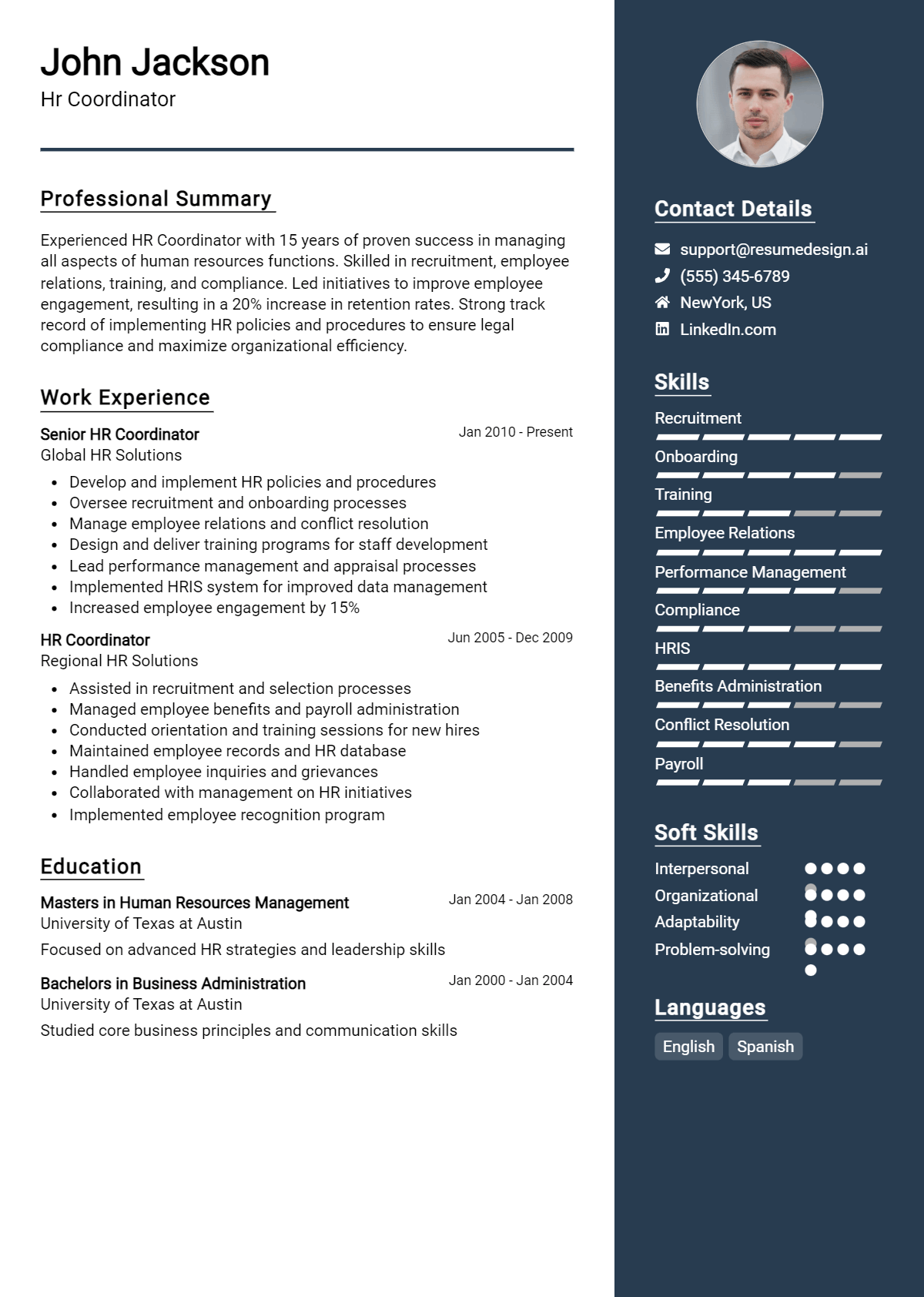
Top Job Interview Questions for HR Coordinator
Preparing for an interview as an HR Coordinator can be both exciting and daunting. Understanding the kinds of questions you may face can help you present your qualifications confidently and effectively. This role is pivotal in managing human resources processes, and interviewers will likely seek to gauge your knowledge, skills, and cultural fit within the organization.
Here is a list of common job interview questions for the HR Coordinator role, along with examples of the best answers. These questions cover your work history and experience, what you have to offer the employer, and your goals for the future. By reflecting on your past roles and aligning your responses with the needs of the organization, you can effectively demonstrate your suitability for this essential position.
1. Can you describe your experience with recruitment and talent acquisition?
In my previous role, I coordinated the recruitment process, from creating job postings to conducting initial interviews. I utilized various platforms to attract diverse talent and ensured compliance with hiring regulations, resulting in a 30% decrease in time-to-fill rates.
Example:
I managed end-to-end recruitment for multiple positions, leveraging social media and job boards. This approach led to a more diverse candidate pool and improved hiring efficiency, ultimately contributing to our team’s growth and success.
2. How do you handle employee onboarding?
I develop comprehensive onboarding plans tailored to each role. This includes creating orientation schedules, providing necessary training materials, and ensuring new hires are paired with mentors for support, which has improved employee retention by 20% in my previous position.
Example:
In my last job, I designed an onboarding checklist that covered all essential areas, helping new employees feel welcomed and prepared. Feedback indicated that 90% of participants felt more confident in their roles after completing the process.
3. What strategies do you use for employee engagement?
I implement regular feedback surveys and host team-building activities to foster an inclusive culture. By analyzing survey data, I identify areas for improvement, which has led to a 15% increase in employee satisfaction scores in my previous organization.
Example:
I organized monthly feedback sessions and team outings, creating channels for open communication. This initiative resulted in employees feeling valued and included, significantly enhancing engagement levels across departments.
4. How do you ensure compliance with labor laws and regulations?
I stay updated on labor laws through continuous education and professional development. I regularly review our policies and procedures to ensure they align with legal requirements, minimizing risks and promoting a fair workplace environment.
Example:
I conduct quarterly compliance audits and offer training sessions to staff on labor laws. By proactively addressing potential issues, I help maintain a compliant workplace and reduce legal risks.
5. Can you provide an example of how you handled a difficult employee situation?
I once mediated a conflict between two employees by facilitating a structured conversation. I encouraged them to express their concerns openly, leading to a mutual understanding and resolution, which improved team dynamics and productivity.
Example:
By actively listening and guiding the discussion, I helped both parties find common ground, ultimately restoring a collaborative atmosphere within the team.
6. What tools or software are you familiar with for HR management?
I have extensive experience with HRIS systems like Workday and BambooHR, as well as ATS platforms such as Greenhouse. These tools streamline HR processes, improve data management, and enhance communication between departments, making HR operations more efficient.
Example:
I have used BambooHR for tracking employee records and Greenhouse for recruitment, which significantly improved my ability to manage candidate pipelines and employee data effectively.
7. How do you handle performance evaluations?
I coordinate performance evaluations by implementing a structured review process that includes self-assessments and manager feedback. This comprehensive approach encourages open dialogue, sets clear expectations, and supports employee development, leading to improved performance outcomes.
Example:
During evaluations, I facilitate discussions that focus on strengths and areas for growth, ensuring employees feel supported in their professional development and motivated to achieve their goals.
8. How do you promote diversity and inclusion in the workplace?
I advocate for diversity by implementing inclusive recruitment strategies and fostering a culture that values different perspectives. I organize training sessions on unconscious bias, which has helped create a more welcoming environment and improved team collaboration.
Example:
By establishing partnerships with diverse organizations and conducting workshops, I actively promoted an inclusive culture, resulting in a more diverse workforce and enhanced team dynamics.
9. How do you prioritize tasks when managing multiple HR projects?
I assess the urgency and importance of each task, using a matrix to prioritize effectively. I also stay organized and communicate with team members to ensure deadlines are met and projects progress smoothly.
Example:
I prioritize tasks by creating a matrix that categorizes them based on urgency and importance. This method helps me stay organized and ensures that I meet deadlines while keeping the team informed of our progress.
10. Can you describe a time when you resolved a conflict between employees?
I approached the situation by facilitating a meeting between the involved parties. I encouraged open communication and guided them to find common ground, resulting in a resolution that improved their working relationship and team dynamics.
Example:
In a previous role, I facilitated a meeting between two employees who disagreed. By encouraging open dialogue, they discovered mutual goals and improved collaboration, which positively impacted team performance.
11. How do you ensure compliance with labor laws and regulations?
I stay updated on labor laws through continuous education and resources. I regularly review our HR policies to ensure they align with legal requirements and conduct training sessions to educate staff on compliance issues.
Example:
I ensure compliance by regularly attending workshops and utilizing legal resources. I also conduct periodic reviews of our policies and training sessions to keep the team informed about any changes in labor laws.
12. What strategies do you use for employee onboarding?
I create a structured onboarding plan that includes orientation, training, and mentorship. By providing new hires with resources and support, I help them integrate smoothly into the company culture and become productive quickly.
Example:
I implement a comprehensive onboarding plan, including a welcome orientation and assigned mentors. This strategy helps new hires feel supported and acclimated, increasing their engagement and productivity from the start.
13. How do you handle employee performance evaluations?
I prefer a collaborative approach, involving self-assessments and manager feedback. I ensure evaluations are constructive, focusing on strengths and areas for improvement, and I help set actionable goals for future performance.
Example:
I encourage a collaborative evaluation process with self-assessments and manager feedback. This method fosters open discussions about strengths and areas for improvement, allowing for clear, actionable goals moving forward.
14. Describe your experience with HR software and tools.
I have experience with several HR software platforms, including ATS and HRIS systems. I utilize these tools for recruitment, employee data management, and performance tracking, enhancing efficiency in HR processes.
Example:
I have used various HR software, including ATS and HRIS systems, to streamline recruitment and manage employee data. These tools have significantly improved my efficiency and accuracy in handling HR tasks.
15. How do you approach diversity and inclusion in the workplace?
I advocate for diversity and inclusion by promoting equitable hiring practices and fostering an inclusive culture. I implement training programs and encourage open dialogue to ensure all employees feel valued and respected.
Example:
I promote diversity by implementing equitable hiring practices and fostering an inclusive environment. I also organize training sessions that encourage open discussions, ensuring every employee feels valued and respected.
16. What role does communication play in your position as an HR Coordinator?
Communication is crucial in my role. I ensure clear and consistent messaging between management and employees, facilitating feedback and addressing concerns promptly to maintain a positive work environment.
Example:
In my position, effective communication is essential. I prioritize clear messaging between management and staff, ensuring feedback is welcomed and concerns are addressed swiftly to foster a positive workplace culture.
17. How do you handle employee conflicts in the workplace?
I approach employee conflicts by first listening to both parties involved to understand their perspectives. I then facilitate a constructive dialogue, encouraging open communication. My goal is to find a mutually agreeable solution that promotes a positive work environment.
Example:
When two team members had a disagreement over project roles, I organized a mediation session where they could express their concerns. This led to a clearer understanding and a collaborative resolution that improved their working relationship.
18. Can you describe your experience with HR software and systems?
I have experience using various HR software, including Applicant Tracking Systems (ATS) and Human Resource Information Systems (HRIS). I am proficient in managing employee records, tracking performance, and generating reports, which streamline HR processes and improve efficiency.
Example:
In my previous role, I utilized an ATS to enhance recruitment efficiency, reducing the time-to-hire by 30% while maintaining high candidate quality through effective tracking and communication features.
19. How do you ensure compliance with labor laws and regulations?
I stay updated on labor laws through continuous education and professional development. I regularly conduct audits of our HR practices and policies to ensure compliance, and I work closely with legal counsel when necessary to address any potential issues.
Example:
By implementing a quarterly compliance review process, I identified areas needing adjustment to align with new labor regulations, ensuring our organization remained compliant and avoided potential legal issues.
20. Describe a time when you implemented a new HR process.
At my last job, I recognized inefficiencies in our onboarding process. I proposed and implemented a streamlined digital onboarding system that reduced paperwork and improved new hire integration, resulting in faster acclimatization and positive feedback from new employees.
Example:
After launching the new onboarding system, our feedback scores from new hires improved significantly, with 90% reporting a smoother transition into their roles, contributing to higher employee satisfaction rates.
21. How do you maintain confidentiality in HR?
Maintaining confidentiality is crucial in HR. I ensure that sensitive information is only accessible to authorized personnel and use secure systems for document storage. Additionally, I educate employees about confidentiality policies to foster a culture of trust.
Example:
In my role, I implemented strict access controls to employee records and conducted training sessions on confidentiality, which resulted in a noticeable increase in employee trust and willingness to share concerns.
22. What strategies do you use to improve employee engagement?
I focus on open communication, regular feedback, and recognizing employee achievements. I also conduct surveys to gather employee input on improvements and implement initiatives based on their feedback, creating a more engaged and motivated workforce.
Example:
After conducting an engagement survey, I initiated a rewards program recognizing outstanding contributions, which boosted morale and engagement, resulting in a 15% increase in overall employee satisfaction scores.
23. How do you handle recruitment challenges?
I tackle recruitment challenges by analyzing market trends and adjusting our strategies accordingly. This includes enhancing our employer branding and leveraging social media platforms to attract a diverse pool of candidates, ensuring we meet our hiring goals.
Example:
When faced with difficulties in attracting candidates for technical roles, I revamped our job postings to highlight culture and growth opportunities, resulting in a 40% increase in applications within two months.
24. Describe how you prioritize tasks in a busy HR environment.
In a busy HR environment, I prioritize tasks by assessing urgency and impact. I utilize tools like to-do lists and project management software to stay organized, ensuring that critical responsibilities are addressed promptly while maintaining a flexible approach to changing priorities.
Example:
I once managed multiple employee relations cases simultaneously and prioritized them based on deadlines and employee needs, successfully resolving all issues without compromising quality or efficiency.
25. How do you prioritize tasks when managing multiple HR projects?
In managing multiple HR projects, I prioritize tasks based on deadlines, importance, and resource availability. I use project management tools to track progress, ensuring effective communication with team members. This approach keeps me organized and responsive to urgent needs while meeting overall strategic goals.
Example:
I typically list tasks by deadlines and impact. For instance, while coordinating a recruitment drive, I prioritized onboarding processes to ensure new hires were settled in time for project deadlines.
26. Can you describe a time when you had to resolve a conflict between employees?
In a recent situation, two colleagues had a disagreement over project responsibilities. I facilitated a mediation session, allowing each to express concerns. By focusing on collaboration and shared goals, we reached a solution, which improved their working relationship and team dynamics significantly.
Example:
I organized a mediation meeting where both could express their views. After discussing their concerns, we agreed on a shared responsibility plan that enhanced their collaboration and productivity.
27. What strategies do you use to stay updated on HR laws and regulations?
To stay updated on HR laws, I subscribe to HR publications, attend workshops, and participate in relevant online courses. Networking with other HR professionals also helps me share insights and best practices, ensuring compliance and informed decision-making in our HR policies.
Example:
I regularly attend HR webinars, subscribe to legal updates, and join local HR networking groups to exchange knowledge and stay informed about changes in employment regulations.
28. How do you ensure confidentiality in handling sensitive employee information?
I ensure confidentiality by implementing strict access controls and data protection policies. Additionally, I train staff on the importance of privacy and regularly audit our processes to maintain compliance with legal standards, thus fostering trust in our HR practices.
Example:
I enforce a policy where only authorized personnel can access sensitive information and conduct regular training sessions to emphasize the importance of confidentiality in handling employee data.
29. Describe a successful recruitment initiative you led.
I led a recruitment initiative that leveraged social media to attract diverse candidates. By crafting targeted campaigns and engaging with potential hires, we increased applications by 30%. This initiative not only filled positions quickly but also enhanced our company’s brand as an inclusive workplace.
Example:
I developed a social media campaign highlighting our workplace culture, resulting in a 30% increase in diverse applicants and successfully filling key roles within a tight timeline.
30. How do you handle employee feedback regarding HR policies?
I encourage open communication and regularly solicit employee feedback through surveys and meetings. When issues arise, I analyze the feedback, collaborate with management, and implement necessary changes. This approach fosters a responsive HR environment and improves employee satisfaction and trust.
Example:
I gather employee feedback through surveys and utilize it to adjust policies. For example, we revised our remote work policy based on employee suggestions, enhancing overall job satisfaction.
31. What role does technology play in your HR processes?
Technology plays a crucial role in streamlining HR processes. I utilize HR software for applicant tracking, performance management, and employee engagement surveys. This automation improves efficiency, reduces administrative burdens, and allows for more data-driven decision-making within the HR function.
Example:
I use an applicant tracking system to streamline recruitment, which has reduced our hiring time by 20%. It allows us to focus more on candidate engagement and selection.
32. How do you promote a positive company culture?
Promoting a positive company culture involves recognizing employee achievements and encouraging collaboration. I organize team-building activities, provide professional development opportunities, and facilitate open communication. This creates an inclusive environment where employees feel valued and motivated to contribute to the organization's success.
Example:
I initiate monthly team-building events and recognition programs to celebrate achievements, fostering a collaborative environment that enhances morale and strengthens our company culture.
33. Can you describe a time when you had to manage employee conflict?
In my previous role, I encountered a conflict between two team members that was affecting productivity. I facilitated a mediation session, allowing both to express their concerns. We reached a mutual understanding, which improved their collaboration. This experience enhanced my conflict resolution skills.
Example:
I once mediated a conflict between two colleagues, ensuring both sides felt heard. By guiding the conversation, they reached a compromise, which not only resolved their issues but also strengthened their working relationship.
34. How do you ensure compliance with labor laws and regulations?
I stay updated on labor laws through regular training and resources from HR organizations. I implement compliant policies and conduct audits to ensure adherence. This proactive approach minimizes risks and fosters a legally compliant workplace.
Example:
I regularly attend workshops on labor laws and utilize HR resources to keep our policies updated. This diligence ensures that we maintain compliance, reducing the likelihood of legal issues arising.
35. Describe your experience with HR software and systems.
I have extensive experience with HR software like BambooHR and ADP. I utilize these systems for tracking employee records, payroll processing, and performance management, streamlining HR processes and improving data accuracy.
Example:
In my last role, I used BambooHR to manage employee data efficiently, which enhanced our reporting capabilities and reduced administrative tasks, allowing more focus on strategic HR initiatives.
36. How do you approach onboarding new employees?
I believe onboarding is crucial for retention. I develop a structured program that includes orientation sessions, mentorship, and regular check-ins. This approach helps new hires feel welcomed and engaged, ensuring a smoother transition into the company culture.
Example:
My onboarding process includes a detailed orientation and assigning a mentor. This support helps new employees integrate quickly and fosters a sense of belonging from day one.
37. How do you handle sensitive employee information?
Handling sensitive information requires utmost confidentiality. I ensure that all data is stored securely and only accessible to authorized personnel. I also educate staff on the importance of privacy and compliance with data protection regulations.
Example:
I adhere strictly to confidentiality protocols, ensuring sensitive employee information is securely stored. Regular training on data protection helps maintain a culture of privacy within the organization.
38. Can you give an example of how you improved an HR process?
In my last position, I identified that our recruitment process was lengthy. I streamlined it by implementing an applicant tracking system, which reduced time-to-hire by 30%. This enhancement improved candidate experience and allowed hiring managers to focus on quality candidates.
Example:
I improved our onboarding process by introducing digital forms, which cut down processing time by 50%, allowing HR to focus on more strategic initiatives instead of paperwork.
39. How do you prioritize tasks in a fast-paced environment?
I prioritize tasks by assessing urgency and impact. I utilize task management tools to keep track of deadlines and ensure clear communication with my team. This organized approach allows me to manage multiple projects effectively without compromising quality.
Example:
In a busy HR office, I prioritize tasks based on deadlines and importance. Using tools like Trello helps me stay organized and ensure that critical tasks are completed on time.
40. How do you stay motivated in your HR role?
My motivation stems from helping employees grow and fostering a positive workplace culture. I regularly seek feedback and set personal goals to improve my skills, ensuring I contribute effectively to my team and the organization.
Example:
I stay motivated by focusing on employee development. Seeing my initiatives lead to successful outcomes encourages me to continuously strive for improvement in our HR practices.
41. How do you prioritize tasks when working on multiple HR projects?
I prioritize tasks by assessing deadlines and project importance, utilizing a project management tool to track progress. Communication with team members is vital to ensure alignment and address any potential bottlenecks early on, leading to increased efficiency.
Example:
I start my day by reviewing my to-do list and checking deadlines. I use project management software to organize tasks by priority and regularly check in with my team to make adjustments as needed.
42. How do you handle employee conflicts in the workplace?
I address employee conflicts by facilitating open communication. I encourage both parties to express their concerns and guide them toward finding common ground. My aim is to foster a collaborative environment where solutions are mutually beneficial.
Example:
In a past situation, I arranged a mediation meeting, allowing each employee to share their perspective. We collaboratively identified the root issue and developed a plan to improve their working relationship, which successfully resolved the conflict.
43. What steps do you take to ensure compliance with employment laws?
I regularly review company policies and practices against local and federal laws, staying updated on changes. I conduct training sessions for staff on compliance, emphasizing the importance of adhering to regulations to mitigate legal risks.
Example:
I subscribe to legal newsletters and participate in HR workshops to stay informed. Regular audits of our policies ensure compliance, and I hold training sessions to educate employees on relevant legal obligations.
44. How do you approach employee onboarding?
I develop a structured onboarding program that includes orientation, training, and mentorship. This helps new hires acclimate quickly, understand their roles, and feel welcomed into the company culture, ultimately improving retention and productivity.
Example:
During onboarding, I provide a comprehensive welcome packet, introduce new hires to their teams, and schedule training sessions to ensure they have the resources needed to succeed in their roles.
45. Can you give an example of how you've improved HR processes?
I initiated a digital filing system to streamline document management. This reduced retrieval time and improved data accuracy. I also solicited feedback from staff on processes, leading to further enhancements that increased overall efficiency.
Example:
By implementing an electronic document management system, we cut processing time by 30%. I gathered team feedback to refine processes, which led to better workflow and enhanced employee satisfaction.
46. How do you handle confidential employee information?
I prioritize confidentiality by strictly adhering to data protection regulations. I ensure that sensitive information is only accessible to authorized personnel and provide training to staff on handling confidential data responsibly.
Example:
I manage confidential data by using secure systems and limiting access. Regular training sessions reinforce our commitment to privacy, ensuring all employees understand the importance of protecting sensitive information.
How Do I Prepare For A HR Coordinator Job Interview?
Preparing for a job interview is crucial to making a positive impression on the hiring manager. As an HR Coordinator, showcasing your understanding of HR functions, interpersonal skills, and organizational abilities can set you apart from other candidates. Here are some key preparation tips to help you excel in your interview:
- Research the company and its values to align your answers with their mission and culture.
- Practice answering common interview questions, such as those related to conflict resolution and teamwork.
- Prepare examples that demonstrate your skills and experience relevant to the HR Coordinator role.
- Familiarize yourself with HR laws and regulations that may impact the role.
- Dress professionally to convey your seriousness about the position.
- Prepare thoughtful questions to ask the interviewer, demonstrating your interest in the role and the company.
- Review your resume and be ready to discuss any part of it in detail.
Frequently Asked Questions (FAQ) for HR Coordinator Job Interview
Preparing for an interview can significantly boost your confidence and performance. Understanding the commonly asked questions and how to approach them will enable you to present your best self to potential employers. Below are some frequently asked questions that you may encounter during an HR Coordinator job interview.
What should I bring to a HR Coordinator interview?
When attending an HR Coordinator interview, it’s essential to bring several key items. Start with multiple copies of your resume, as you may meet with several interviewers. Additionally, bring a list of references, a notepad, and a pen to jot down important information. If applicable, include any certifications or documents that demonstrate your qualifications. Lastly, having a portfolio of your past work or projects can also be beneficial in showcasing your skills.
How should I prepare for technical questions in a HR Coordinator interview?
To prepare for technical questions, start by reviewing the job description and identifying the specific HR functions mentioned, such as recruitment, employee relations, or benefits administration. Brush up on relevant HR laws, software tools, and best practices. It may also be helpful to familiarize yourself with case studies or scenarios that illustrate your problem-solving skills in HR situations. Practicing with a friend or mentor can enhance your confidence in answering these questions effectively.
How can I best present my skills if I have little experience?
If you have limited experience, focus on highlighting your transferable skills, such as communication, organization, and problem-solving abilities. Draw from your academic background, internships, volunteer work, or any relevant projects to demonstrate your competencies. Use the STAR method (Situation, Task, Action, Result) to structure your responses, allowing the interviewer to see how your past experiences can apply to the HR Coordinator role.
What should I wear to a HR Coordinator interview?
Dress professionally to make a positive first impression. A business formal outfit, such as a suit or tailored dress, is typically appropriate for HR interviews. Choose neutral colors and avoid overly flashy accessories. Ensure your attire is clean and well-fitted, as this reflects your seriousness about the position. If you are unsure about the company culture, it's better to err on the side of formality.
How should I follow up after the interview?
Following up after the interview is crucial for reinforcing your interest in the position. Aim to send a thank-you email within 24 hours of your interview, expressing gratitude for the opportunity and reiterating your enthusiasm for the role. In your message, mention specific points discussed during the interview that resonated with you. This not only shows your attentiveness but also helps you stand out in the interviewer’s memory.
Conclusion
In summary, this interview guide has covered essential aspects of preparing for the HR Coordinator role, highlighting the significance of thorough preparation, consistent practice, and showcasing relevant skills. Candidates are encouraged to focus on both technical and behavioral questions, as this dual approach can significantly enhance their chances of success during the interview process.
As you prepare, remember to leverage the tips and examples provided in this guide, allowing you to approach your interviews with confidence and poise. Your dedication and preparation can set you apart from the competition, so embrace the journey ahead!
For further assistance, check out these helpful resources: resume templates, resume builder, interview preparation tips, and cover letter templates.