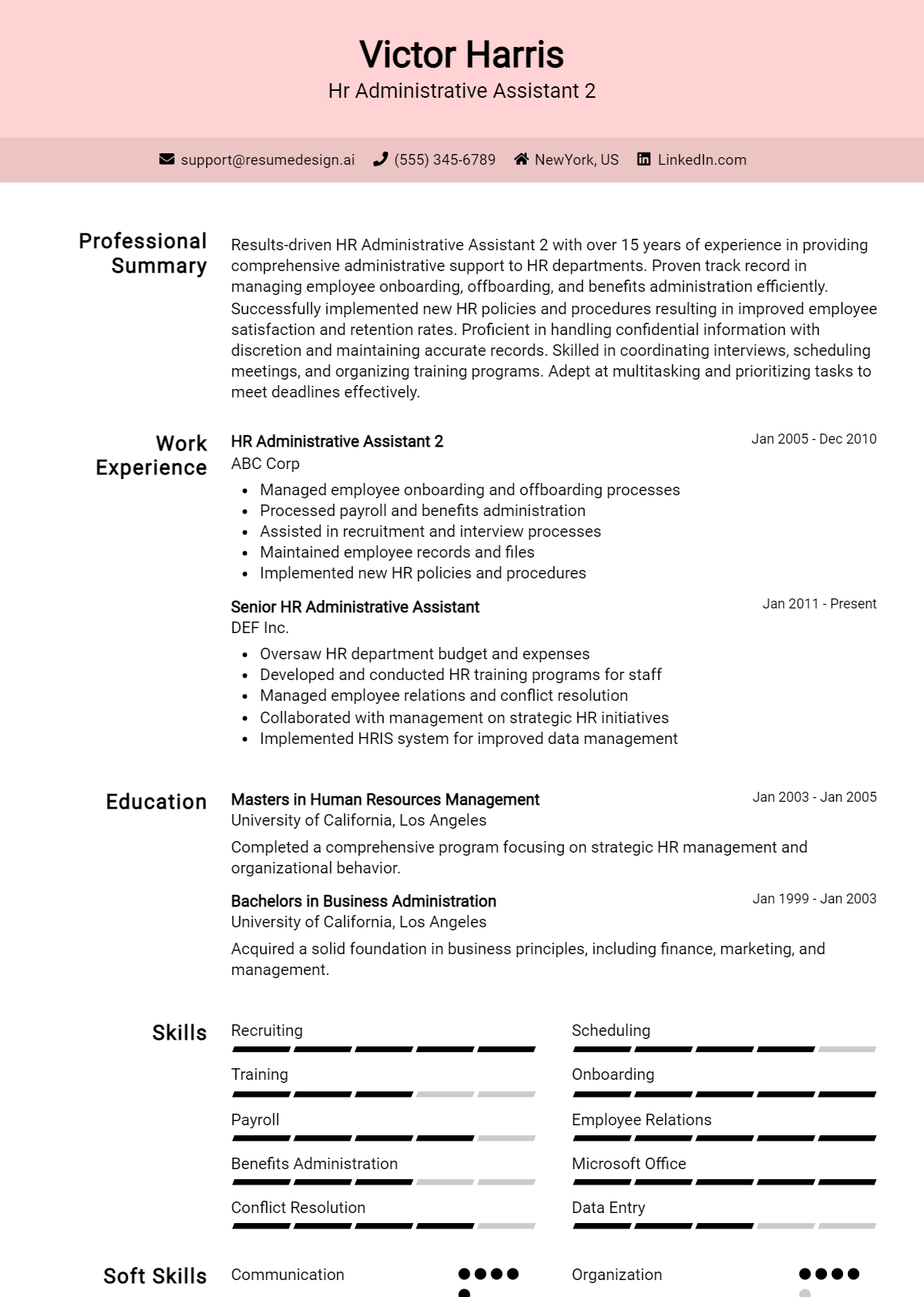
When preparing for an interview as an HR Administrative Assistant, it's essential to anticipate the types of questions you may face. This role requires a blend of organizational skills, communication abilities, and an understanding of HR practices. Being well-prepared can help you demonstrate your expertise and fit for the position, showcasing how your background and skills align with the needs of the organization.
Here is a list of common job interview questions for the HR Administrative Assistant role, along with examples of the best answers. These questions will address your work history and experience, what you have to offer the employer, and your future career goals, allowing you to effectively highlight your qualifications and enthusiasm for the position.
1. What inspired you to pursue a career as an HR Administrative Assistant?
I have always been passionate about supporting people in their professional journeys. My organizational skills and attention to detail align perfectly with HR functions, allowing me to contribute effectively to employee satisfaction and company culture.
Example:
My interest in HR grew during my internship, where I realized the impact of effective administration on employee engagement and satisfaction.
2. How do you prioritize your tasks when handling multiple responsibilities?
I use a combination of digital tools and traditional to-do lists to prioritize tasks based on deadlines and importance. I regularly reassess priorities, ensuring that urgent HR matters are addressed promptly without compromising on quality.
Example:
I prioritize tasks by deadlines and impact, often using a task management app to stay organized and adjust as needed.
3. Can you describe your experience with HR software and tools?
I have hands-on experience with various HR software, including Applicant Tracking Systems and payroll management tools. I am comfortable learning new systems quickly, which helps streamline HR processes effectively.
Example:
In my previous role, I utilized BambooHR for employee records, which improved our onboarding process significantly.
4. How do you maintain confidentiality in your role?
I understand the importance of confidentiality in HR and always ensure sensitive information is stored securely. I follow company policies and discuss confidential matters only with authorized personnel to safeguard employee trust.
Example:
I strictly adhere to confidentiality protocols, discussing sensitive information only when necessary and with the right stakeholders.
5. Describe a time when you resolved a conflict within a team.
In a previous role, I mediated a disagreement between two colleagues by facilitating open communication. I ensured both parties felt heard, which led to a mutual understanding and a collaborative solution that benefitted the entire team.
Example:
I facilitated a discussion between two team members, helping them express their concerns and find common ground, which improved team dynamics.
6. What strategies do you use for effective communication in the workplace?
I emphasize clarity and active listening in communication. I tailor my approach based on the audience, whether through emails, meetings, or one-on-one conversations, ensuring messages are understood and feedback is welcomed.
Example:
I always clarify expectations and encourage feedback, ensuring everyone feels included and informed during discussions.
7. How do you handle tight deadlines and high-pressure situations?
I remain calm under pressure, focusing on one task at a time. I break down larger projects into manageable steps and communicate proactively with my team to ensure everyone is aligned and deadlines are met.
Example:
When faced with tight deadlines, I prioritize tasks and communicate openly with my team to ensure we stay on track.
8. What do you think are the key skills for an HR Administrative Assistant?
Key skills include strong organizational abilities, effective communication, attention to detail, and confidentiality. Adaptability and proficiency in HR software are also crucial for managing diverse tasks efficiently in a fast-paced environment.
Example:
I believe strong organization, communication, and confidentiality are essential skills for success in this role.
9. How do you prioritize tasks when handling multiple HR projects?
I prioritize tasks by assessing deadlines, importance, and resource availability. I use tools like to-do lists and project management software to keep track of progress and adjust priorities as needed. This ensures that urgent tasks are completed without neglecting long-term projects.
Example:
When managing multiple onboarding processes, I prioritize by deadlines and urgency, using a project management tool to track progress, ensuring timely completion while maintaining quality.
10. Can you describe your experience with HR software and databases?
I have extensive experience with HR software like ADP and BambooHR for payroll, attendance tracking, and employee records. I’m proficient in maintaining accurate data, generating reports, and troubleshooting issues, which enhances operational efficiency and provides valuable insights for HR decisions.
Example:
I’ve used BambooHR for employee records and payroll management, ensuring data accuracy and generating monthly reports to assist in strategic HR planning.
11. How would you handle a conflict between two employees?
I would approach the situation by facilitating a private discussion between the employees, allowing each to express their perspectives. I would encourage open communication and guide them towards finding common ground, ensuring the resolution aligns with company policies and promotes a positive work environment.
Example:
I would mediate a meeting, encouraging both employees to share their views and collaboratively seek a resolution that respects their concerns and aligns with company policies.
12. What strategies do you use to ensure confidentiality in HR matters?
I strictly adhere to company policies regarding confidentiality and data protection. I limit access to sensitive information, use secure systems for record-keeping, and communicate discretion with colleagues to foster a culture of trust and integrity within the organization.
Example:
I ensure confidentiality by only sharing sensitive information with authorized personnel and using secure platforms for data management, promoting a culture of privacy.
13. How do you keep yourself updated on HR laws and regulations?
I stay updated on HR laws by subscribing to relevant newsletters, attending webinars, and participating in HR professional groups. Continuous learning is vital in HR to ensure compliance and implement best practices effectively within the organization.
Example:
I subscribe to HR newsletters and regularly attend webinars, ensuring I remain informed about changes in laws and best practices impacting HR operations.
14. Describe a time when you improved a process within HR.
I identified inefficiencies in the onboarding process and proposed a streamlined digital onboarding platform. This reduced paperwork, enhanced communication, and improved the overall experience for new hires, leading to faster integration and higher satisfaction rates.
Example:
I revamped the onboarding process by introducing a digital platform, significantly reducing paperwork and improving the onboarding experience for new hires.
15. How do you handle employee feedback or complaints?
I approach employee feedback with an open mind and empathy. I listen actively, validate their concerns, and document the issues. Then, I work collaboratively with relevant departments to address the feedback, ensuring employees feel heard and valued in the process.
Example:
I listen actively to employee complaints, validate their feelings, document the issues, and collaborate with management to find solutions, ensuring employees feel valued.
16. What skills do you believe are essential for an HR Administrative Assistant?
Essential skills include strong organizational abilities, effective communication, attention to detail, and proficiency with HR software. Additionally, interpersonal skills and a deep understanding of HR practices are crucial for supporting HR functions and fostering a positive workplace culture.
Example:
Key skills include strong organization, effective communication, attention to detail, and proficiency in HR software, essential for supporting HR functions efficiently.
17. How do you prioritize your tasks when managing multiple HR projects?
I prioritize tasks by assessing deadlines and project importance. I create a daily to-do list, categorizing tasks based on urgency and impact. This helps me remain organized and ensures that critical HR functions are completed on time.
Example:
I use a task management tool to organize my workload. For instance, when managing recruitment and employee onboarding, I identify deadlines and prioritize accordingly to ensure a smooth process for candidates and new hires.
18. Describe a time when you had to handle confidential information.
In my previous role, I managed employee records that contained sensitive information. I ensured confidentiality by implementing secure filing systems and limiting access to authorized personnel. This not only protected employee data but also maintained trust within the organization.
Example:
I handled payroll data that required utmost confidentiality. I ensured that documents were stored securely and only shared with supervisors when necessary, adhering to company policies and relevant regulations.
19. How do you ensure compliance with labor laws and regulations?
I stay informed on labor laws by participating in HR training sessions and subscribing to relevant newsletters. I regularly review company policies to ensure they align with legal requirements. This proactive approach helps avoid potential compliance issues.
Example:
I conducted regular audits of our HR policies and compared them to current labor laws. This practice ensured compliance and allowed us to make necessary adjustments promptly to meet legal standards.
20. Can you describe your experience with HR software?
I have experience using various HR software, including Applicant Tracking Systems (ATS) and HRIS platforms. I am proficient in managing employee databases, generating reports, and streamlining recruitment processes through these tools, enhancing overall HR efficiency.
Example:
In my last position, I utilized an ATS to manage recruitment. I was responsible for inputting candidate information and generating reports to track hiring progress, which improved our hiring timelines significantly.
21. How do you handle employee inquiries or complaints?
I handle employee inquiries with empathy and professionalism. I listen actively, provide accurate information, and ensure follow-ups. If an issue arises, I escalate it to the appropriate HR personnel while maintaining confidentiality and professionalism throughout the process.
Example:
When an employee approached me with a complaint, I listened without interrupting, acknowledged their concerns, and promised to investigate. I followed up with them promptly, ensuring they felt supported and informed throughout the process.
22. What strategies do you use for effective communication in HR?
Effective communication is key in HR. I use clear, concise language and active listening to ensure understanding. I also tailor my communication style to suit different audiences, whether addressing employees, management, or external partners, to foster positive relationships.
Example:
I conducted quarterly meetings to communicate updates and gather feedback from employees. This open dialogue encouraged engagement and made it easier to address any concerns promptly and effectively.
23. How do you stay organized in a fast-paced work environment?
To stay organized, I use digital tools like calendars and task management software. I break larger projects into smaller tasks and set deadlines to keep track of progress. This approach helps me manage time effectively in a dynamic environment.
Example:
I thrive in fast-paced settings by maintaining a detailed calendar and prioritizing tasks. For instance, during peak recruitment seasons, I allocate specific time blocks to manage interviews and candidate follow-ups efficiently.
24. How do you approach training and development within the HR function?
I believe in continuous improvement through training and development. I assess employees’ needs, recommend relevant training programs, and facilitate workshops. This nurturing approach not only enhances staff skills but also contributes to overall organizational growth.
Example:
I organized a series of workshops on conflict resolution, identifying team needs through surveys. The sessions improved team dynamics and communication, showcasing our commitment to employee development.
25. How do you prioritize your tasks when you have multiple deadlines?
I prioritize tasks by assessing their urgency and importance. I create a to-do list, categorize tasks, and allocate time effectively. Regularly communicating with my team also helps ensure alignment on priorities and deadlines. This approach aids in maintaining productivity and meeting expectations.
Example:
I use a task management tool to list all my responsibilities. I categorize them by deadlines and importance, tackle high-priority tasks first, and keep my team updated to ensure alignment, which helps manage workload effectively.
26. Can you describe a time when you resolved a conflict in the workplace?
I encountered a conflict between two team members over project responsibilities. I facilitated a meeting where each expressed their concerns. By promoting open communication and encouraging compromise, we reached a consensus, which improved teamwork and project flow significantly.
Example:
I noticed two team members were at odds regarding project tasks. I arranged a discussion, allowing both to voice their perspectives. By guiding them toward a compromise, we resolved the issue and improved their collaboration moving forward.
27. What strategies do you use to maintain confidentiality in HR?
Maintaining confidentiality is critical in HR. I ensure sensitive information is stored securely and only shared with authorized personnel. Regular training on confidentiality policies also reinforces the importance among the team, ensuring compliance and trust.
Example:
I strictly adhere to data protection policies, using password-protected files and limiting access to sensitive information. Regularly reminding colleagues about confidentiality guidelines helps maintain a culture of trust and respect for privacy.
28. How do you handle employee inquiries regarding benefits or policies?
I listen carefully to the employee's inquiry and provide clear, accurate information. If I don’t know the answer, I promptly research or consult the appropriate resources. Ensuring employees feel supported and informed is crucial for a positive workplace environment.
Example:
When an employee asks about benefits, I listen to their concerns, clarify any confusion, and provide detailed information. If necessary, I follow up with HR specialists to ensure they receive the most accurate answers.
29. Describe a situation where you had to implement a new HR policy.
I was tasked with implementing a new remote work policy. I organized training sessions to explain the changes, gathered feedback for clarification, and provided resources. This ensured all employees understood the policy and its implications, enhancing compliance and satisfaction.
Example:
When introducing a remote work policy, I held informative sessions to explain the details and collected employee feedback. This approach ensured clarity and acceptance, helping employees adapt smoothly to the new policy.
30. How do you keep yourself updated with HR regulations and trends?
I regularly attend HR workshops and webinars, subscribe to industry newsletters, and participate in professional organizations. Networking with peers also provides insights into best practices and emerging trends, allowing me to stay informed and proactive.
Example:
I actively participate in HR forums, attend webinars, and read industry publications. Networking with other professionals also keeps me informed about the latest regulations and best practices in HR.
31. How do you manage the onboarding process for new employees?
I develop a structured onboarding plan that includes orientation sessions, training schedules, and mentorship assignments. I ensure new hires have the resources necessary for success and maintain regular check-ins to address any questions or concerns during their transition.
Example:
For onboarding, I create a checklist that covers orientation, training, and introductions to team members. Regular follow-ups ensure new employees feel supported and integrated into the company culture.
32. What software or tools are you proficient in that are relevant to HR?
I am proficient in HRIS software like BambooHR and applicant tracking systems like Greenhouse. Additionally, I use Microsoft Office Suite for reporting and presentations. These tools enhance my efficiency in managing HR tasks and data.
Example:
I have experience with BambooHR for managing employee records and Greenhouse for recruitment. Proficiency in Microsoft Excel also allows me to analyze data effectively, streamlining HR processes significantly.
33. How do you prioritize your tasks when you have multiple deadlines?
I prioritize tasks by assessing their urgency and importance. I use tools like to-do lists or digital planners to track deadlines, ensuring I focus on high-impact tasks first while allocating slots for less urgent activities. Communication with my team is also key to adjust priorities as needed.
Example:
I often create a prioritized list based on deadlines and importance. For instance, I tackle urgent hiring processes first, then move on to routine administrative tasks, ensuring I meet all deadlines efficiently.
34. Describe a time when you had to deal with a difficult employee issue.
In a previous role, I encountered an employee conflict. I facilitated a meeting where both parties could express their concerns. By encouraging open communication, we reached a resolution that satisfied both sides, fostering a more positive work environment and enhancing team dynamics.
Example:
I once mediated a conflict between two team members by organizing a discussion where they could express their grievances. This open dialogue helped resolve misunderstandings and restored a collaborative atmosphere.
35. What experience do you have with HR software and tools?
I have hands-on experience with various HR software, including Applicant Tracking Systems (ATS) and HRIS platforms. I utilized these tools for managing employee records, tracking applications, and generating reports, which streamlined our HR processes and improved efficiency.
Example:
I have worked with ATS tools like Greenhouse and HRIS platforms such as BambooHR, where I managed job postings and employee data, enhancing our recruitment and record-keeping processes significantly.
36. How do you ensure confidentiality in your role?
I understand the importance of confidentiality in HR. I ensure sensitive information is stored securely and only shared with authorized personnel. Regular training on privacy policies also keeps me updated on best practices to safeguard employee data.
Example:
I always follow company protocols regarding data protection, ensuring sensitive information is only accessible to those who need it. I regularly review confidentiality policies to stay compliant.
37. How do you handle repetitive tasks without losing motivation?
I approach repetitive tasks with a positive mindset by setting small goals and rewarding myself upon completion. I also find ways to streamline processes, which not only helps maintain my motivation but also increases overall efficiency.
Example:
To stay motivated during repetitive tasks, I set daily goals and take short breaks after completing each one. This keeps me engaged and improves my overall productivity.
38. Can you describe your experience with onboarding new employees?
I have coordinated onboarding processes, ensuring new hires receive necessary training and resources. I create welcome materials and schedule orientation sessions, facilitating a smooth transition into the company culture and helping new employees feel valued from day one.
Example:
In my last role, I developed onboarding checklists and organized orientation sessions, ensuring new employees felt welcomed and informed about their roles and company culture right from the start.
39. How do you stay updated with HR regulations and best practices?
I stay updated by attending HR workshops, webinars, and following relevant publications. Additionally, I am an active member of HR networks where I exchange knowledge and experiences with other professionals to ensure compliance and implement best practices.
Example:
I regularly attend HR conferences and subscribe to industry newsletters, which provide insights into new regulations and best practices that I can apply in my role.
40. Describe a time you helped improve an HR process.
I identified inefficiencies in our document management process and proposed implementing a digital filing system. This reduced retrieval time and improved organization, ultimately enhancing team productivity and streamlining our HR operations significantly.
Example:
I once revamped our filing system by transitioning to a digital platform, which cut down document retrieval time by 50%, leading to a more organized and efficient HR department.
41. How do you prioritize your tasks in a busy HR environment?
I assess urgency and importance, creating a daily to-do list. I utilize digital tools to track deadlines and communicate with my team about priorities. This approach ensures I focus on high-impact tasks while being flexible to adapt as necessary.
Example:
I start each day by reviewing my tasks, ranking them by deadline and impact. For instance, I prioritize payroll processing to ensure timely employee payments, while scheduling recruitment follow-ups around those deadlines.
42. Can you describe a time you handled a difficult employee situation?
I once managed a conflict between two team members by facilitating a mediation session. I listened to both sides, encouraging open communication. This helped them find common ground and improve their working relationship, ultimately enhancing team dynamics.
Example:
In a previous role, I mediated a dispute between coworkers by creating a safe space for dialogue. By guiding the conversation, they reached a mutual understanding and agreed on a collaborative approach moving forward.
43. What strategies do you use for maintaining employee confidentiality?
I adhere strictly to company policies regarding confidentiality, ensuring sensitive information is stored securely and only shared with authorized personnel. Regular training on data protection practices also reinforces the importance of maintaining confidentiality.
Example:
I follow a strict protocol for handling confidential information, such as using secure systems for storing employee records and discussing sensitive matters only in private settings with authorized individuals.
44. How do you stay updated on HR laws and regulations?
I subscribe to HR newsletters, participate in webinars, and attend industry conferences. Additionally, I network with HR professionals to share insights and best practices, ensuring I remain informed about changes in employment laws and regulations.
Example:
I regularly read HR publications and join professional groups. I also attend workshops and webinars to stay current on labor laws, which helps me ensure compliance in our HR practices.
45. Describe your experience with HR software and tools.
I have extensive experience using HR software like ADP and BambooHR for payroll processing, employee records management, and recruitment. I am comfortable learning new systems and can quickly adapt to different tools to enhance HR efficiency.
Example:
In my previous role, I frequently used BambooHR for tracking employee data and managing performance reviews, which streamlined our HR processes and improved overall productivity.
46. What qualities do you think are essential for an HR Administrative Assistant?
Key qualities include strong organizational skills, attention to detail, excellent communication, and empathy. Being proactive and adaptable are also crucial for effectively supporting HR functions and addressing employee needs in a dynamic environment.
Example:
I believe strong organizational skills are vital, along with the ability to communicate clearly and empathetically. These qualities help in managing diverse tasks while supporting employees effectively.
How Do I Prepare For A HR Administrative Assistant Job Interview?
Preparing for an interview is crucial in making a positive impression on the hiring manager. It demonstrates your enthusiasm for the role and your commitment to understanding the company's needs and values. Here are some key preparation tips to help you excel in your HR Administrative Assistant job interview:
- Research the company and its values to understand its culture and mission.
- Practice answering common interview questions specific to HR roles, such as conflict resolution and employee relations.
- Prepare examples that demonstrate your skills and experience relevant to the HR Administrative Assistant position.
- Familiarize yourself with HR software and tools that may be used in the role.
- Dress professionally to make a strong first impression.
- Bring multiple copies of your resume and any other relevant documents, such as certifications or reference letters.
- Prepare thoughtful questions to ask the interviewer about the team and company dynamics.
Frequently Asked Questions (FAQ) for HR Administrative Assistant Job Interview
Preparing for an interview can be a daunting task, especially for a role as essential as an HR Administrative Assistant. Understanding commonly asked questions can help you present yourself more effectively and showcase your suitability for the position. Below are some frequently asked questions that candidates may encounter during their interview process.
What should I bring to a HR Administrative Assistant interview?
When attending an HR Administrative Assistant interview, it's essential to come prepared. Bring multiple copies of your resume, a list of references, and any relevant certifications or documents that highlight your qualifications. Additionally, consider having a notepad and pen to jot down important points during the interview. These items not only show that you are organized but also demonstrate your professionalism and readiness for the role.
How should I prepare for technical questions in a HR Administrative Assistant interview?
To prepare for technical questions, review the job description thoroughly and identify the key skills required for the position, such as knowledge of HR software, data management, and labor laws. Familiarize yourself with common HR practices and be ready to discuss your proficiency in specific tools or software relevant to the role. Practicing with sample questions can also help you articulate your thoughts clearly and confidently during the actual interview.
How can I best present my skills if I have little experience?
If you have limited experience, focus on transferable skills that are relevant to the HR Administrative Assistant role, such as organization, communication, and problem-solving abilities. Highlight any internships, volunteer work, or relevant coursework that demonstrates your competence. Additionally, sharing examples of how you've successfully used these skills in different contexts can help you present yourself as a capable candidate, even without extensive experience in the field.
What should I wear to a HR Administrative Assistant interview?
Dress professionally for your HR Administrative Assistant interview, as first impressions are crucial. Opt for business attire that reflects the company's culture; typically, a tailored suit or a smart blouse and slacks are appropriate choices. Ensure your outfit is clean, pressed, and comfortable to help you feel confident during the interview. Avoid overly casual clothing or accessories that may distract from your professionalism.
How should I follow up after the interview?
Following up after an interview is a vital step in the process. Send a thank-you email within 24 hours of your interview to express your appreciation for the opportunity and reiterate your interest in the position. In your message, mention specific aspects of the interview that you found engaging and reflect on how your skills align with the company's needs. This not only shows your enthusiasm but also reinforces your candidacy in the minds of the interviewers.
Conclusion
In this interview guide for the HR Administrative Assistant role, we have covered essential aspects that can significantly impact your success in the interview process. Preparation and practice are crucial, as they help you articulate your experiences and demonstrate the relevant skills that employers seek. By preparing for both technical and behavioral questions, you can enhance your confidence and increase your chances of making a positive impression on your interviewers.
Remember, the insights and examples provided in this guide are designed to empower you as you approach your interviews. Embrace these tips and take the time to practice, as they can make all the difference in presenting yourself as a strong candidate. Good luck!
For further assistance, check out these helpful resources: resume templates, resume builder, interview preparation tips, and cover letter templates.