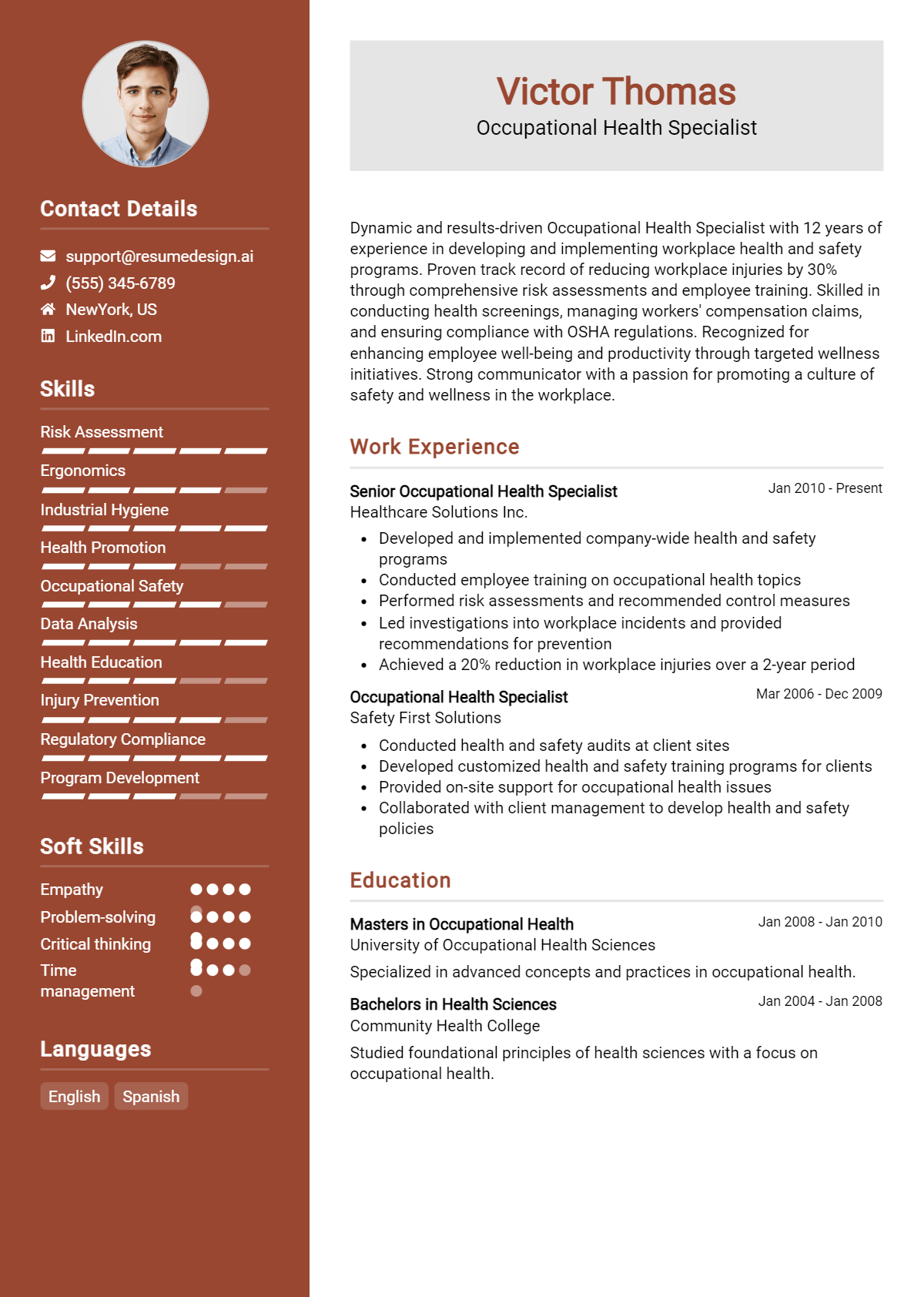
When preparing for an interview as an Occupational Health Specialist, it’s essential to anticipate the types of questions that may arise during the discussion. This role requires a blend of technical knowledge, interpersonal skills, and an understanding of workplace safety and employee well-being. By preparing thoughtful responses to common interview questions, candidates can effectively showcase their expertise and demonstrate their commitment to promoting a healthy work environment.
Here is a list of common job interview questions, with examples of the best answers tailored for the Occupational Health Specialist role. These questions cover your work history and experience in occupational health, what you can bring to the organization in terms of skills and insights, and your long-term career aspirations within the field. Being well-prepared for these inquiries will help you present yourself as a strong candidate for the position.
1. What motivated you to pursue a career as an Occupational Health Specialist?
I was drawn to this field due to my passion for improving workplace safety and employee well-being. My background in health sciences and experience in risk assessment have equipped me with the tools to make a meaningful impact in occupational health.
Example:
My motivation stems from witnessing workplace injuries firsthand. I wanted to be part of the solution, ensuring that employees work in safe environments. My education in public health has reinforced this commitment.
2. How do you assess workplace hazards?
I conduct thorough site inspections, evaluate job tasks, and engage with employees to identify potential hazards. I also review incident reports and stay updated with OSHA regulations to ensure comprehensive assessments and recommend appropriate control measures.
Example:
I use a combination of direct observation and employee feedback during assessments. This helps to uncover hidden hazards and allows me to recommend tailored solutions that enhance safety protocols effectively.
3. Can you describe your experience with health and safety training?
I have developed and delivered training programs on topics such as ergonomics, manual handling, and emergency preparedness. I tailor the content to suit various audiences, ensuring engagement and retention of critical safety information.
Example:
In my previous role, I created an interactive training module on ergonomics that led to a 30% reduction in musculoskeletal injuries within six months, showcasing the effectiveness of tailored education.
4. How do you stay current with occupational health regulations?
I regularly attend industry conferences, participate in webinars, and subscribe to relevant journals. Networking with other professionals also helps me stay informed about changes in regulations and best practices within the field.
Example:
By actively engaging in professional organizations, I keep abreast of emerging regulations and trends, ensuring that my practice remains compliant and effective in promoting workplace safety.
5. Describe a challenging case you handled and how you resolved it.
I once dealt with a high incidence of respiratory issues among workers. I conducted air quality assessments, identified contaminants, and recommended engineering controls, leading to significant improvements in employee health and safety compliance.
Example:
After identifying the source of contaminants, I collaborated with management to implement ventilation improvements, resulting in a 40% reduction in reported respiratory problems within three months.
6. How do you handle employee confidentiality in health assessments?
I ensure confidentiality by adhering to HIPAA regulations and maintaining secure records. I communicate clearly with employees about their rights and the importance of privacy regarding their health information in all assessments.
Example:
In my practice, I emphasize the significance of confidentiality during discussions and ensure that all health data is securely stored and only accessible to authorized personnel.
7. What strategies do you use to promote employee wellness?
I implement wellness programs that encourage physical activity, mental health awareness, and work-life balance. I also provide resources and support for healthy lifestyle choices, fostering a culture of wellness within the organization.
Example:
My last role involved launching a wellness initiative that included fitness challenges and mental health workshops, leading to increased employee engagement and overall satisfaction, as evidenced by survey results.
8. How do you respond to workplace accidents or incidents?
I immediately investigate the incident to determine its cause, document findings, and implement corrective actions to prevent recurrence. I also conduct debriefings with staff to ensure transparency and continuous improvement in safety practices.
Example:
In one instance, a slip-and-fall accident prompted a thorough review of our safety protocols, resulting in staff training and improved signage, which significantly reduced similar incidents thereafter.
9. How do you stay updated with the latest regulations and standards in occupational health?
I regularly attend professional development workshops, subscribe to relevant journals, and participate in webinars. Networking with other professionals also helps me stay informed about changes in regulations and best practices in occupational health.
Example:
I subscribe to journals like the Journal of Occupational Health and attend annual conferences. This ensures I'm aware of changes in regulations and allows me to implement best practices in my workplace.
10. Describe a time when you identified a potential health risk in the workplace.
In a previous role, I noticed increased respiratory complaints among employees. I conducted air quality assessments and discovered high levels of dust. I recommended ventilation improvements and initiated training on proper equipment use, significantly reducing health complaints.
Example:
In one instance, I identified excessive noise levels affecting workers' hearing. I proposed soundproofing measures and conducted training, resulting in improved employee health and productivity.
11. How do you prioritize multiple health and safety projects?
I assess each project based on urgency, potential impact, and available resources. Creating a timeline and delegating tasks helps ensure that I meet deadlines while maintaining quality and compliance with health regulations.
Example:
I prioritize projects by evaluating their risk levels. For instance, I focus on immediate health hazards first, then allocate resources to long-term initiatives to ensure compliance and employee safety.
12. What strategies do you use to engage employees in health and safety programs?
I employ interactive training sessions, surveys, and feedback mechanisms to engage employees. By highlighting the personal benefits of participation and fostering a culture of safety, I encourage them to take ownership of health initiatives.
Example:
I utilize gamification techniques and workshops to make health programs engaging. By involving employees in discussions, I ensure they understand the importance of safety and their role in it.
13. How do you handle conflicts between employees and management regarding health and safety issues?
I facilitate open communication between employees and management, ensuring all concerns are heard. By presenting data and potential solutions, I help find common ground while prioritizing employee safety and compliance with regulations.
Example:
In a past conflict, I arranged a meeting where both parties could voice their concerns. By presenting factual data, I helped resolve the issue amicably while prioritizing safety standards.
14. Can you explain how you conduct health risk assessments?
I conduct health risk assessments by identifying potential hazards, evaluating exposure levels, and implementing control measures. This process involves data collection, interviews, and observations to ensure a comprehensive analysis of workplace health risks.
Example:
I begin by identifying potential hazards, then collect data through surveys and direct observation. Finally, I assess the risks and propose actionable control measures to mitigate them.
15. How do you measure the effectiveness of health and safety programs?
I measure effectiveness through employee feedback, incident reports, and health metrics. Regular audits and reviews help ensure programs meet their objectives and allow for necessary adjustments to improve overall workplace safety.
Example:
I track incident reduction rates and conduct employee surveys post-training. Analyzing this data allows me to refine our programs and enhance effectiveness continuously.
16. What role does training play in occupational health, and how do you implement it?
Training is crucial for raising awareness and compliance. I implement customized training sessions that address specific workplace hazards, utilizing interactive methods to enhance learning and retention, ensuring employees understand their responsibilities for health and safety.
Example:
I develop engaging training materials tailored to our specific risks, incorporating role-playing and simulations. This approach helps employees grasp the importance of safety practices effectively.
17. How do you evaluate the effectiveness of an occupational health program?
To evaluate an occupational health program, I analyze key metrics like employee health outcomes, incident rates, and feedback surveys. Regular audits and assessments are crucial for identifying areas of improvement and ensuring compliance with regulations, ultimately enhancing employee well-being and productivity. Example: I use a combination of health metrics, employee feedback, and compliance checks to assess program effectiveness. Regular reviews help pinpoint areas for improvement, ensuring that our initiatives effectively address employee needs and workplace health standards.
18. Can you describe a time when you had to handle a difficult employee health issue?
I once worked with an employee experiencing chronic pain, affecting performance. I facilitated communication between the employee, management, and healthcare providers, ensuring appropriate accommodations were made. This collaborative approach not only supported the employee but also improved overall workplace morale and productivity. Example: I addressed a chronic pain issue by coordinating with the employee and management for suitable accommodations. This proactive communication led to improved performance and demonstrated the company's commitment to employee well-being, enhancing overall team morale.
19. What strategies do you use to promote employee wellness in the workplace?
I implement wellness programs focusing on mental health, physical fitness, and work-life balance. Workshops, health screenings, and regular wellness challenges engage employees. Creating a supportive culture encourages participation, ultimately fostering a healthier and more productive work environment. Example: I launch initiatives like fitness challenges and mental health workshops to promote wellness. By encouraging participation and creating a supportive culture, I ensure employees feel valued and engaged, ultimately improving overall workplace health and productivity.
20. How do you stay current with occupational health regulations and best practices?
I stay updated through continuous education, attending relevant workshops, and subscribing to professional journals. Networking with other occupational health professionals also provides insights into best practices and emerging trends, ensuring my knowledge remains current and applicable in my role. Example: I attend workshops and subscribe to occupational health journals to stay informed about regulations and best practices. Networking with colleagues also helps me share insights and learn about emerging trends in the field, enhancing my effectiveness as a specialist.
21. What role does communication play in your job as an Occupational Health Specialist?
Effective communication is vital in my role. It fosters collaboration between employees, management, and healthcare providers. Clear messaging about health programs and policies ensures understanding, promotes employee engagement, and helps in addressing health concerns proactively and efficiently. Example: Communication is essential for fostering collaboration among employees, management, and healthcare providers. By ensuring everyone understands health programs and policies, I facilitate proactive engagement and address health concerns before they escalate, enhancing workplace health outcomes.
22. How do you handle confidentiality when dealing with employee health information?
I prioritize confidentiality by adhering to legal standards and company policies regarding health information. I ensure only authorized personnel have access to sensitive data, and I regularly train staff on the importance of confidentiality to maintain trust and compliance. Example: I adhere strictly to legal standards and company policies to protect employee health information. Regular staff training on confidentiality ensures that everyone understands its importance, maintaining trust and compliance within the workplace.
23. Describe a successful health and safety initiative you implemented.
I spearheaded a workplace ergonomics program that significantly reduced musculoskeletal injury reports. By assessing workstations and providing training on proper ergonomics, employees reported less discomfort, leading to increased productivity and job satisfaction within the team. Example: I implemented an ergonomics program that involved workstation assessments and training. This initiative led to a noticeable reduction in musculoskeletal injuries and improved overall employee satisfaction and productivity, demonstrating the program's success.
24. How do you approach risk assessments in the workplace?
I approach risk assessments systematically by identifying potential hazards, evaluating their impact, and implementing control measures. Engaging employees in the process ensures comprehensive insights, fostering a culture of safety and proactive risk management across the organization. Example: I conduct comprehensive risk assessments by identifying hazards and evaluating their impact. Engaging employees in the process provides valuable insights, fostering a proactive safety culture and ensuring effective risk management throughout the organization.
25. How do you approach developing health and safety programs in the workplace?
I prioritize collaboration with management and employees to identify risks. Utilizing data from workplace assessments, I design tailored programs that incorporate training, policy updates, and regular evaluations, ensuring continuous improvement and compliance with regulations.
Example:
I recently collaborated with a team to develop a comprehensive ergonomic program, leading to a 30% reduction in related injuries within six months through targeted training and adjustments to workstations.
26. Can you describe a time when you had to handle a workplace injury?
I once managed a case where an employee sustained a back injury. I coordinated immediate medical attention, conducted an investigation, and implemented preventive measures, including ergonomic assessments, which significantly reduced similar incidents in the future.
Example:
After a thorough review, we adjusted workstations and provided training on proper lifting techniques, resulting in improved safety awareness and a decrease in back injuries.
27. How do you stay updated on occupational health regulations?
I regularly attend professional workshops, subscribe to relevant journals, and participate in webinars. Networking with industry peers also helps me stay informed about best practices and regulatory changes impacting occupational health.
Example:
For instance, I recently attended a seminar on OSHA updates, which provided insights that I immediately applied to our safety protocols.
28. Describe your experience with conducting health risk assessments.
I have conducted numerous health risk assessments by analyzing workplace exposures, employee health data, and environmental factors. This process involves collaborating with multidisciplinary teams to identify potential hazards and recommend mitigation strategies.
Example:
In my last role, I led a comprehensive assessment, identifying chemical exposure risks, which resulted in implementing new safety controls and a health monitoring program.
29. How do you promote employee wellness in the workplace?
I implement wellness programs focusing on physical, mental, and emotional health, such as fitness challenges, stress management workshops, and health screenings, encouraging participation through incentives and regular communication about the benefits.
Example:
Our recent wellness initiative increased employee engagement by 40%, resulting in higher productivity and reduced absenteeism.
30. What strategies do you use to ensure compliance with health regulations?
I establish clear policies, conduct regular training sessions, and perform audits to ensure compliance. I also foster a culture of safety by encouraging open communication regarding health concerns and promptly addressing any issues that arise.
Example:
This proactive approach led to a significant increase in compliance scores during our last audit.
31. How do you handle mental health issues in the workplace?
I advocate for mental health awareness by providing resources, facilitating training for managers, and promoting an open-door policy. I also collaborate with HR to implement employee assistance programs that support mental well-being.
Example:
Our mental health initiatives led to increased employee satisfaction and improved overall workplace morale, evidenced by positive feedback.
32. Can you give an example of how you've improved a workplace's health and safety culture?
I initiated a safety committee that fostered employee involvement in health and safety decisions. This initiative encouraged feedback and collaboration, resulting in enhanced communication and a culture of shared responsibility for safety.
Example:
As a result, we saw a 25% reduction in workplace accidents within the first year of the program.
33. How do you stay updated on occupational health regulations and standards?
I regularly attend industry conferences, participate in webinars, and subscribe to relevant journals. This proactive approach ensures I remain informed about changes in regulations and best practices, which I can then implement in my workplace.
Example:
I follow several industry newsletters and actively engage in professional forums to discuss updates. This helps me adapt our workplace health policies to comply with new regulations effectively.
34. Describe a time you had to manage an occupational health crisis.
In a past role, I managed a flu outbreak at our facility. I quickly implemented health screenings, increased sanitation efforts, and communicated with employees about preventive measures, successfully containing the outbreak and maintaining productivity.
Example:
When a flu outbreak occurred, I coordinated with HR to implement health screenings and ensure employees understood hygiene practices, effectively minimizing the spread and keeping the workplace safe.
35. What strategies do you use to promote employee wellness?
I advocate for comprehensive wellness programs that include health screenings, mental health resources, and fitness initiatives. By engaging employees through workshops and providing incentives, I encourage a culture of health and well-being.
Example:
I initiated a wellness program that included weekly fitness classes and mental health workshops, which significantly boosted employee participation and overall morale.
36. How do you evaluate the effectiveness of occupational health programs?
I use metrics such as employee feedback, participation rates, and health outcome statistics to assess program effectiveness. Regular surveys help gauge employee satisfaction and identify areas for improvement in our occupational health initiatives.
Example:
I evaluate our programs through employee surveys and health outcome data, adjusting initiatives based on feedback to ensure maximum impact.
37. Can you explain how you handle workplace ergonomics?
I conduct ergonomic assessments to identify risk factors in the workplace. I then provide recommendations for workstation adjustments and training on proper posture and lifting techniques, enhancing employee comfort and reducing injury rates.
Example:
I perform regular ergonomic assessments and train employees on proper workstation setups, which has led to a noticeable decrease in reported musculoskeletal injuries.
38. What role does mental health play in occupational health?
Mental health is crucial for overall employee wellness and productivity. I advocate for mental health resources, including counseling services and stress management workshops, to create a supportive environment where employees can thrive.
Example:
I implemented mental health days and workshops, which significantly improved employee morale and reduced absenteeism, demonstrating the importance of mental well-being in the workplace.
39. How do you ensure compliance with health and safety regulations?
I regularly conduct audits and risk assessments, ensuring our practices align with regulations. Training sessions for staff on compliance and safety procedures further reinforce our commitment to maintaining a safe work environment.
Example:
I schedule regular audits and provide comprehensive training to ensure all employees understand and comply with health and safety regulations, which has improved our compliance rate.
40. How do you approach collaboration with other departments on health initiatives?
I foster open communication with all departments to align health initiatives with organizational goals. Regular meetings and collaborative projects help ensure that health and safety remain a shared priority across the organization.
Example:
I collaborate with HR and Operations to create joint health initiatives, ensuring all departments are engaged and aligned, which maximizes our impact on employee wellness.
41. How do you stay current with occupational health regulations and guidelines?
I regularly attend seminars, webinars, and workshops related to occupational health. Additionally, I subscribe to relevant journals and follow regulatory agencies on social media to get updates. This ensures I remain informed about changes that may affect workplace safety and employee health.
Example:
I subscribe to several professional journals and attend annual conferences. Following OSHA on social media also helps me stay updated with new regulations that impact my practice as an Occupational Health Specialist.
42. Can you describe a time when you had to advocate for an employee's health needs?
In a previous role, I noticed a pattern of respiratory issues among warehouse employees. I gathered data, advocated for improved ventilation systems, and presented a case to management. This led to changes that significantly reduced health complaints and improved overall workplace safety.
Example:
I once advocated for a group of employees experiencing respiratory issues. I collected data on air quality and presented it to management, resulting in improved ventilation systems and enhanced employee health outcomes.
43. How do you approach conducting workplace health assessments?
I approach workplace health assessments systematically by first gathering data through surveys and interviews. Next, I conduct site visits to observe working conditions. Finally, I analyze the data to identify potential health risks and develop actionable recommendations tailored to the specific workplace.
Example:
I begin by surveying employees about their health concerns, then conduct site visits to assess conditions. I analyze findings and provide tailored recommendations to management for improving workplace health and safety.
44. What strategies do you use to promote employee wellness in the workplace?
I implement wellness programs that include health screenings, stress management workshops, and fitness initiatives. Additionally, I encourage open communication about health concerns and provide resources for mental health support. This proactive approach fosters a culture of wellness among employees.
Example:
I promote employee wellness through regular health screenings and stress management workshops, coupled with open discussions about mental health. This creates a supportive environment that encourages employees to prioritize their well-being.
45. How do you handle conflicts between employees regarding health and safety practices?
I approach conflicts by first listening to both parties to understand their perspectives. I then facilitate a discussion focused on finding common ground and ensuring adherence to health and safety protocols. My goal is to foster collaboration while ensuring compliance with regulations.
Example:
In conflict situations, I listen to both employees' concerns, facilitate a discussion, and guide them to a mutual understanding while emphasizing the importance of health and safety compliance. This approach often resolves disputes amicably.
46. What role does data analysis play in your work as an Occupational Health Specialist?
Data analysis is critical in my role. I analyze injury reports, health screenings, and environmental assessments to identify trends and potential risks. This data-driven approach allows me to make informed recommendations for improving workplace health and safety initiatives effectively.
Example:
Data analysis helps me identify trends in employee health and safety incidents. By analyzing this data, I can recommend targeted interventions to mitigate risks and enhance overall workplace safety.
How Do I Prepare For A Occupational Health Specialist Job Interview?
Preparing for an interview is crucial for making a lasting impression on the hiring manager. As an Occupational Health Specialist, showcasing your knowledge and skills effectively can set you apart from other candidates. Here are some essential tips to help you get ready for your interview:
- Research the company and its values to understand its culture and mission.
- Practice answering common interview questions specific to occupational health and safety.
- Prepare examples that demonstrate your skills and experience relevant to the Occupational Health Specialist role.
- Familiarize yourself with the latest regulations and best practices in occupational health.
- Dress professionally and choose attire appropriate for the company's work environment.
- Prepare thoughtful questions to ask the interviewer about the role and the organization.
- Review your resume and be ready to discuss your previous work experiences in detail.
Frequently Asked Questions (FAQ) for Occupational Health Specialist Job Interview
Preparing for common interview questions is crucial for candidates applying for the role of an Occupational Health Specialist. Understanding what to expect can help alleviate anxiety and improve your chances of making a positive impression. Here are some frequently asked questions that can guide you in your preparation.
What should I bring to an Occupational Health Specialist interview?
When attending an interview for an Occupational Health Specialist position, it is essential to come prepared. Bring several copies of your resume, a list of references, and any certifications or licenses that may be relevant to the role. Additionally, having a notepad and pen for taking notes can be helpful, as it shows your engagement and willingness to learn. If applicable, you might also consider bringing a portfolio of your work or any relevant case studies that demonstrate your expertise in occupational health.
How should I prepare for technical questions in an Occupational Health Specialist interview?
To effectively prepare for technical questions, review key concepts and regulations related to occupational health, including relevant laws, safety standards, and health assessments. Familiarize yourself with common health risks associated with various industries and the methods used to mitigate them. Consider conducting mock interviews with peers or mentors, focusing on technical scenarios you may encounter. This preparation will not only boost your confidence but also enable you to respond articulately during the actual interview.
How can I best present my skills if I have little experience?
If you have limited experience in the field, focus on transferable skills that relate to the Occupational Health Specialist role. Highlight relevant coursework, internships, volunteer work, or any projects that showcase your understanding of workplace health and safety. Emphasize soft skills such as communication, problem-solving, and teamwork, which are essential in this position. Additionally, express your eagerness to learn and grow within the role, demonstrating a proactive approach to your professional development.
What should I wear to an Occupational Health Specialist interview?
Dressing appropriately for your interview is crucial, as it reflects your professionalism and respect for the organization. Aim for business casual attire, which typically includes dress pants or a skirt, a collared shirt or blouse, and closed-toe shoes. Avoid overly casual clothing such as jeans or sneakers. It's also wise to consider the company culture; if possible, research the organization's dress code beforehand to ensure your outfit aligns with their expectations.
How should I follow up after the interview?
Following up after your interview is an important step that can set you apart from other candidates. Send a thank-you email within 24 hours, expressing gratitude for the opportunity to interview and reiterating your interest in the position. Mention specific points discussed during the interview to personalize your message and show that you were actively engaged. This follow-up not only demonstrates your professionalism but also reinforces your enthusiasm for the role.
Conclusion
In summary, this interview guide for the Occupational Health Specialist role has highlighted the critical components of successful interview preparation, including the importance of practicing responses to both technical and behavioral questions. By demonstrating relevant skills and knowledge, candidates can significantly enhance their chances of standing out in a competitive job market.
Thorough preparation can make a notable difference, so candidates are encouraged to utilize the tips and examples provided in this guide. Embrace the opportunity to showcase your expertise and passion for occupational health with confidence.
For further assistance, check out these helpful resources: resume templates, resume builder, interview preparation tips, and cover letter templates.