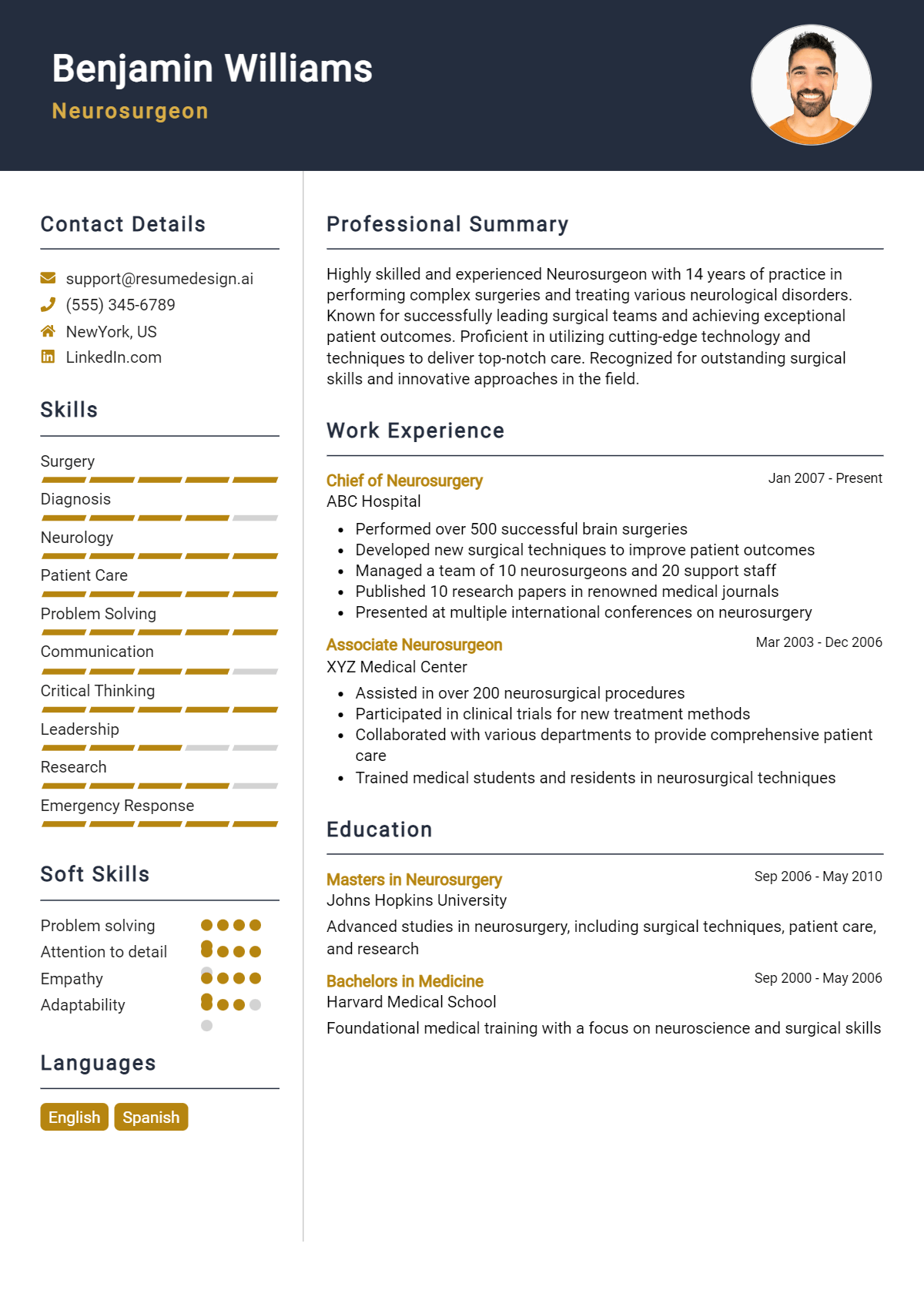
Preparing for a job interview as a neurosurgeon can be both exciting and daunting, given the complexity and significance of the role. As a highly specialized medical professional, your expertise in diagnosing and treating disorders of the nervous system will be under scrutiny. To help you navigate this critical step in your career, it’s essential to anticipate the questions you may face and formulate compelling answers that showcase your skills, experience, and commitment to patient care.
Here is a list of common job interview questions for a neurosurgeon, along with examples of the best answers. These questions cover your work history and experience, delve into your surgical techniques and decision-making processes, explore what you have to offer the employer in terms of patient outcomes and teamwork, and outline your goals for the future, ensuring that you present a well-rounded picture of your professional capabilities and aspirations.
1. Can you describe your experience with complex spinal surgeries?
My experience includes over 100 complex spinal surgeries, focusing on conditions like scoliosis and herniated discs. I utilize advanced imaging techniques to plan surgeries meticulously, minimizing risks and improving outcomes. Collaboration with multidisciplinary teams has been crucial to ensure comprehensive patient care.
Example:
I have performed numerous complex spinal surgeries, ensuring meticulous planning and execution. My approach prioritizes patient safety and effective communication with the surgical team, resulting in successful outcomes and reduced recovery times.
2. How do you handle emergencies in the operating room?
In emergencies, I remain calm and focused, quickly assessing the situation. I prioritize communication with my team, delegating tasks effectively. My training in trauma surgery equips me to make rapid decisions, ensuring patient safety and optimal outcomes during critical situations.
Example:
In an emergency, I assess the situation rapidly, communicate clearly with my team, and delegate tasks efficiently. My trauma surgery training allows me to make informed decisions quickly, ensuring the best possible outcomes for patients under pressure.
3. What techniques do you use to ensure patient safety during surgery?
I employ a systematic approach, including thorough pre-operative assessments, surgical checklists, and team briefings. Utilizing advanced imaging technologies helps minimize complications. Continuous monitoring during surgery ensures any issues are addressed promptly, enhancing overall patient safety.
Example:
I utilize pre-operative assessments, checklists, and team briefings to enhance surgical safety. Advanced imaging aids in minimizing risks, while continuous monitoring allows for immediate response to any complications, ensuring patient safety throughout the procedure.
4. How do you stay current with advancements in neurosurgery?
I regularly attend conferences and workshops, subscribe to leading neurosurgery journals, and participate in online forums. Engaging with peers fosters knowledge exchange. Continuous education is vital, ensuring I remain updated on innovative techniques and technologies that can improve patient care.
Example:
I stay current by attending conferences, reading journals, and participating in online discussions. Networking with peers helps me learn about new techniques, ensuring my practice incorporates the latest advancements in neurosurgery.
5. Can you discuss a challenging case you managed?
I once managed a case involving a patient with a large brain tumor affecting critical areas. Collaborating with oncologists, we developed a comprehensive treatment plan. The surgery was complex, but meticulous planning and intraoperative monitoring led to a successful outcome, significantly improving the patient's quality of life.
Example:
I managed a challenging brain tumor case by collaborating closely with oncologists. Our meticulous planning and intraoperative monitoring led to a successful surgery, greatly enhancing the patient’s quality of life despite the complexities involved.
6. How do you approach patient follow-up care?
Patient follow-up is crucial for recovery. I schedule regular check-ups to monitor progress and address any concerns. I encourage open communication, allowing patients to share their experiences. This approach fosters trust and aids in identifying any complications early.
Example:
I prioritize follow-up care by scheduling regular check-ups and encouraging open communication. This allows me to monitor recovery closely and address any concerns promptly, ensuring patients feel supported throughout their healing process.
7. What role does technology play in your practice?
Technology is integral to my practice. I utilize advanced imaging technologies for precise diagnosis and minimally invasive surgical techniques. Robotics and navigation systems enhance accuracy during procedures, leading to better patient outcomes and reduced recovery times.
Example:
Technology greatly enhances my practice through advanced imaging and minimally invasive techniques. Robotics and navigation systems improve accuracy in surgeries, resulting in better outcomes and quicker recovery for my patients.
8. How do you manage stress and maintain work-life balance?
I prioritize self-care by engaging in regular exercise and mindfulness practices. Setting boundaries and managing my schedule helps maintain work-life balance. I also seek support from colleagues, fostering a collaborative environment that mitigates stress and promotes resilience in our demanding field.
Example:
I manage stress through exercise and mindfulness practices. Setting clear boundaries and collaborating with colleagues fosters a supportive environment, allowing me to maintain a healthy work-life balance despite the demands of neurosurgery.
9. How do you stay updated with the latest advancements in neurosurgery?
I actively participate in professional organizations, attend conferences, and subscribe to leading neurosurgical journals. Engaging with peers and mentors also helps me exchange ideas and insights, ensuring I remain at the forefront of emerging techniques and technologies.
Example:
I regularly attend neurosurgery conferences and am a member of several professional organizations, which keeps me updated on the latest research and techniques. Additionally, I read journals like the Journal of Neurosurgery to stay informed.
10. Can you describe a challenging case you handled and the outcome?
One challenging case involved a complex brain tumor. I collaborated with a multidisciplinary team, utilizing advanced imaging techniques for precise localization. The surgery was successful, and the patient experienced a significant improvement in quality of life post-operation, reinforcing the importance of teamwork in challenging scenarios.
Example:
I once operated on a patient with a large, invasive tumor. We used intraoperative MRI to guide our resection. The outcome was successful, and the patient reported significant symptom relief, highlighting the effectiveness of our approach.
11. How do you manage complications during surgery?
I prioritize staying calm and focused during surgery. I assess the situation quickly, communicate effectively with my team, and implement contingency plans. Continuous training and simulation drills also prepare us to handle unexpected complications promptly and efficiently.
Example:
During a complex procedure, we encountered unexpected bleeding. I remained composed, instructed my team to adjust our approach, and utilized hemostatic agents to control the situation, ultimately ensuring a successful outcome.
12. What role does patient communication play in your practice?
Patient communication is crucial in my practice. I ensure that patients understand their diagnosis, treatment options, and potential outcomes. Clear communication fosters trust and helps patients feel more comfortable and engaged in their care, which enhances their overall experience.
Example:
I spend time discussing treatment plans with patients, ensuring they comprehend each step. This transparency builds trust and empowers them to make informed decisions about their health, improving adherence to treatment.
13. How do you balance your professional and personal life?
I prioritize time management and set boundaries to maintain a healthy work-life balance. I dedicate time to my family and personal interests, which helps me recharge and stay focused during surgeries and patient consultations, ultimately enhancing my overall effectiveness as a surgeon.
Example:
I plan my schedule carefully and ensure I allocate time for family and hobbies. This balance helps me avoid burnout and allows me to return to work refreshed and more focused on patient care.
14. What is your approach to mentoring younger neurosurgeons?
I believe in fostering a supportive learning environment. I offer guidance through hands-on training, encourage critical thinking, and provide constructive feedback. I also emphasize the importance of patience and empathy in patient care, which are crucial qualities for a successful neurosurgeon.
Example:
I regularly mentor residents, providing them with opportunities to assist in surgeries and discussing cases in-depth. I encourage them to ask questions and share their thoughts, fostering an environment of learning and growth.
15. How do you handle the emotional aspects of being a neurosurgeon?
I acknowledge the emotional toll of my role and practice self-care routines. I also seek support from colleagues and engage in open discussions about challenging experiences, which helps me process emotions and maintain a healthy perspective on my work.
Example:
After difficult cases, I discuss my feelings with peers and participate in support groups. This approach helps me manage stress and maintain emotional resilience, allowing me to provide the best care to my patients.
16. What specific skills do you believe are essential for a successful neurosurgeon?
Key skills include exceptional hand-eye coordination, strong analytical abilities, and effective communication. Additionally, resilience and emotional intelligence are vital to navigate the complexities of patient care, making informed decisions, and leading a surgical team successfully.
Example:
I believe that precision, analytical thinking, and empathy are crucial for a neurosurgeon. These skills enable me to perform intricate surgeries while also understanding and addressing patients' emotional needs throughout their treatment journey.
17. How do you approach complex surgical cases that require multidisciplinary collaboration?
I prioritize communication and teamwork, ensuring all specialists are aligned on the patient’s goals. I lead pre-surgical meetings to discuss strategies and potential complications, enabling us to devise a comprehensive plan that addresses the needs of the patient holistically.
Example:
In a recent case, I coordinated with oncologists and radiologists. We held regular meetings to discuss our approaches, ensuring everyone was on the same page, which ultimately led to a successful outcome for a challenging tumor resection.
18. What strategies do you utilize to manage patient expectations regarding surgery outcomes?
I emphasize clear communication, discussing potential outcomes, risks, and recovery processes. I encourage questions and provide informational resources, ensuring patients feel informed and understood, which helps in aligning their expectations with realistic surgical results.
Example:
During pre-op consultations, I present detailed information about the surgery and recovery. For instance, I explain the chances of improvement and potential limitations, which helps patients to feel adequately prepared and reduces anxiety.
19. Can you describe a time when you had to handle a medical error or complication?
I encountered a complication during a procedure that required immediate intervention. I assessed the situation calmly, communicated with my team, and executed a corrective plan. Afterward, I informed the family and documented the incident to ensure we learned and improved from the experience.
Example:
In one instance, there was unexpected bleeding. I quickly controlled the situation and updated the family post-surgery about what happened and the steps taken, reinforcing trust through transparency and accountability in my practice.
20. How do you ensure continuous education and improvement in your surgical skills?
I engage in ongoing professional development through attending conferences, participating in workshops, and collaborating with peers. Additionally, I review current literature and surgical techniques regularly to stay abreast of advancements and integrate them into my practice.
Example:
Last year, I attended a neurosurgery symposium, which introduced me to innovative techniques. I implemented one of these techniques in my surgeries, significantly improving patient outcomes and my own proficiency.
21. What role does technology play in your surgical practice?
Technology is integral to my practice, enhancing accuracy and safety. I utilize advanced imaging techniques and robotic-assisted surgery when appropriate. This allows me to plan surgeries with precision, minimizing risk and improving patient outcomes.
Example:
In my recent surgeries, I employed intraoperative imaging, which allowed me to visualize the tumor in real-time, leading to a more effective resection and reduced recovery time for the patient.
22. How do you handle the emotional aspects of patient care, particularly with families?
I approach emotional aspects with empathy, actively listening to patients and their families. I provide them with emotional support by being present, answering their questions, and offering reassurance throughout the treatment process, which helps them cope during challenging times.
Example:
After a complex surgery, I met with the family to discuss the results. I took time to address their concerns and emotions, which fostered a trusting relationship and helped them feel supported during the recovery journey.
23. Describe your experience with research in neurosurgery.
I have participated in multiple research projects focusing on innovative surgical techniques and patient outcomes. I believe research is vital for advancing our field and have published findings in peer-reviewed journals, contributing to evidence-based practices in neurosurgery.
Example:
My recent study on minimally invasive techniques was published last year, and it highlighted significant improvements in recovery times, which I presented at a national conference, sparking discussions about updating surgical protocols.
24. What is your approach to managing work-life balance in such a demanding field?
I prioritize self-care and set boundaries to maintain my well-being. By scheduling regular downtime and engaging in hobbies, I ensure I remain focused and energized at work, which ultimately enhances my performance and patient care.
Example:
I dedicate weekends to family and hobbies, which helps recharge my batteries. This balance allows me to approach my surgical practice with a fresh perspective and renewed energy when I return to work.
25. How do you stay current with advancements in neurosurgery?
I attend conferences, subscribe to medical journals, and participate in online courses. Networking with peers also provides insights into new techniques and technologies.
Example:
I regularly attend neurosurgery symposiums and read the Journal of Neurosurgery. Additionally, I engage in webinars and collaborate with colleagues to exchange knowledge on innovative surgical techniques.
26. Describe a time when you had to make a quick decision during surgery.
During a complex case, unexpected bleeding occurred. I quickly assessed the situation, adjusted my approach, and utilized advanced techniques to manage the bleeding effectively, ensuring patient safety.
Example:
In a recent surgery, I encountered significant arterial bleeding. I promptly applied hemostatic agents and adjusted my surgical strategy to secure the site, which successfully stabilized the patient and allowed us to continue with the procedure.
27. How do you handle the emotional impact of patient outcomes on yourself and their families?
I believe in open communication, providing support to families, and seeking peer support for myself. Reflecting on cases helps me process emotions and maintain empathy.
Example:
After a challenging case, I met with the family to discuss the outcome transparently. I also joined a support group for medical professionals, which aids in coping with emotional stress and bolstering resilience.
28. What role does teamwork play in your surgical practice?
Teamwork is vital in neurosurgery. I rely on collaboration with nurses, anesthesiologists, and fellow surgeons to ensure optimal patient care and surgical outcomes.
Example:
In surgeries, I prioritize clear communication with my team. We conduct briefings before procedures, ensuring everyone understands their role, which enhances efficiency and patient safety during complex operations.
29. Can you explain your approach to patient education regarding surgery risks?
I prioritize clear, honest communication, using visuals and straightforward language. I ensure patients understand their condition, surgery, and potential risks, encouraging questions for clarity.
Example:
I utilize diagrams to explain procedures and discuss risks in a simple manner. I encourage patients to ask questions, ensuring they feel informed and empowered to make decisions about their care.
30. How do you ensure surgical precision and minimize complications?
I focus on meticulous preoperative planning, utilizing advanced imaging techniques. During surgery, I adhere to established protocols and continuously monitor the patient’s condition to adjust as needed.
Example:
By employing 3D imaging for preoperative planning, I can visualize the anatomy better. During the procedure, I regularly reassess and adapt my techniques to maintain precision and minimize risks.
31. How do you approach cases that involve ethical dilemmas?
I consult ethical guidelines, engage in discussions with colleagues, and involve the patient’s family. Transparency and a patient-centered approach guide my decisions in complex situations.
Example:
In a case involving end-of-life decisions, I facilitated discussions with the family and multidisciplinary team, ensuring everyone’s values were considered. This helped arrive at a compassionate and ethical decision for the patient.
32. What is your experience with minimally invasive surgical techniques?
I have extensive training in minimally invasive techniques, having completed specialized fellowships. These methods reduce recovery time and complications, which I prioritize for eligible patients.
Example:
I performed numerous minimally invasive surgeries, including endoscopic procedures for brain tumors, which resulted in shorter recovery times and less postoperative pain for patients, showcasing the effectiveness of these techniques.
33. Can you describe a particularly challenging case you handled and the outcome?
In my previous position, I managed a complex brain tumor case involving significant neurological deficits. Collaborating with a multidisciplinary team, we developed a tailored surgical approach. The patient experienced a successful recovery, regaining most of their functions, which reinforced my commitment to patient-centered care.
Example:
I once operated on a patient with a large meningioma. The surgery was complicated by vascular involvement, but with careful planning and teamwork, we achieved a complete resection, and the patient returned to their normal activities within months.
34. How do you stay updated with the latest advancements in neurosurgery?
I regularly attend neurosurgery conferences, subscribe to leading medical journals, and participate in online webinars. Additionally, I engage in peer discussions and collaborative research projects, ensuring I remain informed about innovative techniques and emerging technologies in the field.
Example:
I subscribe to journals like the Journal of Neurosurgery and attend annual conferences to network with colleagues. These resources keep me abreast of new surgical techniques and technologies that I can integrate into my practice.
35. Describe your approach to communicating complex medical information to patients.
I prioritize clear and empathetic communication, using layman's terms to explain diagnoses and procedures. Visual aids can also be helpful. I encourage questions to ensure understanding, fostering a trusting relationship that empowers patients in their treatment decisions.
Example:
When discussing a diagnosis, I use diagrams to illustrate the condition, ensuring the patient grasps the information. I encourage them to voice concerns, creating an open dialogue that helps alleviate anxiety about their treatment.
36. How do you handle the emotional aspects of treating patients with severe neurological conditions?
I recognize the emotional weight of neurological conditions on patients and their families. I practice active listening and provide compassionate support while maintaining professionalism. Additionally, I collaborate with mental health professionals when necessary to ensure holistic care.
Example:
I once supported a family through the diagnosis of ALS by providing thorough information and counseling. I also referred them to a psychologist specializing in chronic illness to help them navigate their emotional challenges.
37. Can you discuss a time when you had to make a quick decision in the operating room?
During a spinal surgery, I encountered unexpected bleeding that required immediate intervention. I quickly assessed the situation, called for assistance, and adapted my approach. The swift response ensured the patient’s safety and resulted in a successful outcome.
Example:
In a recent case, I faced an arterial tear during a craniotomy. I had to decide quickly to clamp the vessel and stabilize the area, which ultimately saved the patient's life and minimized complications.
38. How do you ensure collaboration within a multidisciplinary team?
I believe in fostering open communication and mutual respect within a multidisciplinary team. Regular meetings and case discussions help align our goals. I also value each member's expertise, ensuring everyone feels their contributions are acknowledged and integral to patient care.
Example:
In my practice, I lead weekly case review meetings where all team members, from nurses to radiologists, share insights. This collaborative approach ensures comprehensive care and highlights the value of each discipline in patient outcomes.
39. What strategies do you use to manage stress and prevent burnout in such a demanding field?
I prioritize self-care by maintaining a balanced lifestyle that includes regular exercise, mindfulness practices, and hobbies outside of work. I also engage in professional support networks with colleagues to share experiences and coping strategies, which helps reduce stress levels.
Example:
I practice yoga and meditation, which help me manage stress effectively. Additionally, I participate in peer support groups where we can discuss our experiences and challenges, reinforcing our resilience in this demanding field.
40. How do you approach surgical planning for complex cases?
I conduct thorough preoperative evaluations, including imaging studies and consultations with specialists. I create a detailed surgical plan, considering potential complications. Additionally, I review similar cases and adapt my strategy based on the latest research and techniques to optimize outcomes.
Example:
For a complex skull base tumor, I collaborated with ENT specialists and utilized advanced imaging to map the approach. This comprehensive planning minimized risks and improved the surgical outcome significantly.
41. How do you prioritize tasks during a high-pressure situation in the operating room?
In high-pressure situations, I assess the urgency of each task, communicate clearly with my team, and delegate responsibilities as necessary. Staying calm and focused allows me to make informed decisions while ensuring patient safety is always the top priority.
Example:
During a complex surgery, I prioritize critical steps first and delegate tasks to my surgical team, ensuring everyone knows their roles. This approach minimizes delays and keeps the focus on patient safety, even under pressure.
42. Can you describe a time when you had to handle a difficult patient or family member?
I once encountered a family distressed by a loved one's diagnosis. I took the time to explain the situation thoroughly, answered their questions, and provided emotional support. Building trust through communication helped ease their concerns and allowed them to feel more involved in the care process.
Example:
When a family was upset with their loved one's prognosis, I arranged a meeting to discuss their concerns in detail, assuring them of my commitment to their care. This open dialogue fostered trust and helped them cope with the situation better.
43. How do you stay updated with the latest advancements in neurosurgery?
I regularly attend neurosurgery conferences, subscribe to leading medical journals, and participate in online forums. Engaging with peers and experts in the field allows me to stay informed about new techniques, tools, and best practices to improve patient outcomes.
Example:
I subscribe to reputable journals and attend annual neurosurgery conferences. Additionally, I participate in webinars and online courses to ensure I'm aware of the latest techniques and advancements in the field.
44. What strategies do you employ to manage surgical complications when they arise?
When complications arise, I remain calm and assess the situation quickly. I communicate clearly with my team, implement contingency plans, and ensure that we act decisively. Post-operative care is also crucial for monitoring and addressing any issues that may develop.
Example:
In a case with unexpected bleeding, I quickly assessed the source and coordinated with my surgical team to stabilize the patient. Clear communication and rapid response were key in resolving the complication effectively.
45. How do you approach collaboration with other healthcare professionals?
I believe effective collaboration is essential for optimal patient care. I regularly consult with neurologists, radiologists, and nurses to ensure comprehensive treatment plans. Open communication and mutual respect create a strong team dynamic that benefits patient outcomes.
Example:
I hold regular meetings with the multidisciplinary team to discuss patient cases, fostering an environment where everyone's expertise is valued. This collaboration ensures that all aspects of patient care are addressed effectively.
46. What are your long-term goals as a neurosurgeon?
My long-term goals include contributing to research in neurosurgery, mentoring upcoming surgeons, and improving surgical techniques. I aspire to enhance patient care through innovation and education while fostering a collaborative environment in my practice.
Example:
I aim to lead research projects on minimally invasive techniques and mentor residents. My goal is to advance the field while ensuring that the next generation of surgeons is well-prepared for future challenges.
How Do I Prepare For A Neurosurgeon Job Interview?
Preparing for a job interview as a neurosurgeon is crucial to making a positive impression on the hiring manager. Your expertise and experience in the field are essential, but demonstrating your knowledge about the institution and your readiness for the role can set you apart from other candidates. Here are some key preparation tips to help you succeed:
- Research the hospital or clinic: Understand their mission, values, and the specific neurosurgery department's focus.
- Familiarize yourself with recent advancements: Stay updated on the latest techniques and technologies in neurosurgery to discuss during the interview.
- Practice answering common interview questions: Prepare for questions related to your experience, patient care philosophy, and how you handle complex cases.
- Prepare examples that demonstrate your skills and experience: Highlight specific cases where your interventions made a significant impact on patient outcomes.
- Review your CV and be ready to discuss it: Be prepared to elaborate on your educational background, fellowships, and any research projects you have undertaken.
- Dress professionally and arrive on time: First impressions matter, so ensure you present yourself in a professional manner and arrive punctually.
- Prepare thoughtful questions: Ask insightful questions about the department's culture, research opportunities, and patient care approaches to show your genuine interest.
Frequently Asked Questions (FAQ) for Neurosurgeon Job Interview
Preparing for a job interview can be a daunting task, especially for specialized roles such as a neurosurgeon. Understanding the commonly asked questions can help candidates present themselves effectively and confidently. Below are some frequently asked questions that can guide you in your preparation.
What should I bring to a Neurosurgeon interview?
When attending a neurosurgeon interview, it's essential to bring several key items to make a strong impression. Start with multiple copies of your resume, a list of references, and any certifications or licenses relevant to your practice. Additionally, bring a notebook and pen to take notes, as well as any questions you may have for the interviewers. This preparation demonstrates professionalism and readiness, which are crucial in the medical field.
How should I prepare for technical questions in a Neurosurgeon interview?
Technical questions in a neurosurgeon interview will likely focus on your medical knowledge, surgical techniques, and case studies. To prepare, review common neurosurgical procedures and recent advancements in the field. Brush up on your understanding of neuroanatomy and pathology, and be ready to discuss any clinical experiences that highlight your problem-solving skills. Consider conducting mock interviews with peers to practice articulating your thought processes clearly and confidently.
How can I best present my skills if I have little experience?
If you have limited experience, focus on transferable skills and relevant training during your interview. Highlight your dedication to learning, any internships, residencies, or volunteer work, and emphasize your passion for neurosurgery. Discuss specific projects or cases where you made a significant contribution, showcasing your ability to work under pressure and collaborate with multidisciplinary teams. This approach can help interviewers see your potential and readiness to grow in the role.
What should I wear to a Neurosurgeon interview?
Choosing the right attire for a neurosurgeon interview is important as it reflects your professionalism. Opt for formal business attire, such as a tailored suit or professional dress, along with appropriate shoes. Ensure that your clothing is clean, pressed, and not overly flashy. A conservative approach to grooming and accessories is advisable, as this conveys respect for the interviewing panel and the seriousness of the position you are applying for.
How should I follow up after the interview?
Following up after your neurosurgeon interview is a crucial step in the process. Send a thank-you email or note within 24 hours to express your gratitude for the opportunity and to reiterate your interest in the position. In your message, mention specific points from the interview that resonated with you, and reinforce how your skills align with the needs of the team. This thoughtful gesture can leave a positive impression and keep you top-of-mind as the hiring decision is made.
Conclusion
In this interview guide for neurosurgeons, we have explored the essential aspects of preparing for your interview, including the importance of practicing both technical and behavioral questions. Being well-prepared not only helps to showcase your medical expertise but also demonstrates your ability to communicate effectively and work collaboratively in a high-stakes environment.
By dedicating time to rehearse responses to common interview questions and reflecting on your clinical experiences, you can significantly enhance your chances of success. Remember, your ability to articulate your knowledge and skills is just as crucial as your technical proficiency in neurosurgery.
We encourage you to take full advantage of the tips and examples provided in this guide. Approach your interviews with confidence, knowing that thorough preparation will empower you to present your best self. For further assistance, check out these helpful resources: resume templates, resume builder, interview preparation tips, and cover letter templates.