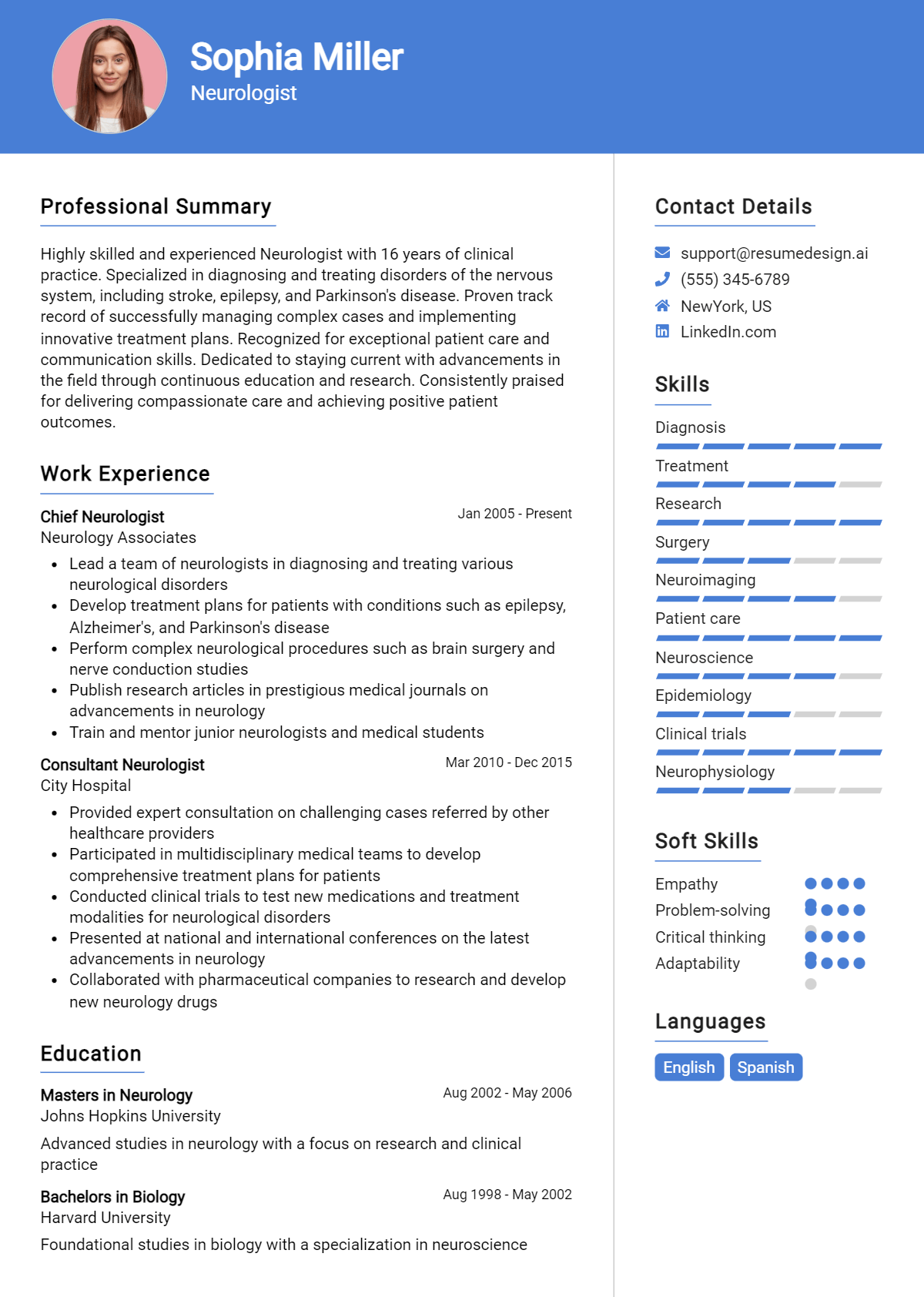
When preparing for a job interview as a neurologist, it's crucial to anticipate the types of questions that may be posed to assess your expertise, experience, and fit for the role. Neurologists play a vital role in diagnosing and treating disorders of the nervous system, and interviewers will be keen to understand not only your medical knowledge but also your interpersonal skills and approach to patient care. Being well-prepared can help you articulate your qualifications and demonstrate your passion for the field.
Here is a list of common job interview questions for neurologists, along with examples of the best answers. These questions will explore your work history and experience, highlight what you can bring to the employer, and delve into your professional goals for the future. By reflecting on these topics, you can present yourself as a well-rounded candidate ready to contribute to the evolving field of neurology.
1. Can you describe your experience with diagnosing neurological disorders?
I have extensive experience diagnosing a variety of neurological disorders, including epilepsy, multiple sclerosis, and stroke. Utilizing advanced imaging techniques and patient history, I effectively identify conditions and tailor treatment plans for optimal patient outcomes.
Example:
In my previous role, I diagnosed a patient with early-stage Alzheimer’s through cognitive testing and MRI scans, leading to a successful treatment plan that improved their quality of life.
2. How do you stay updated with the latest advances in neurology?
I regularly attend neurology conferences, subscribe to relevant journals, and participate in online courses. Engaging with peers and experts in the field allows me to stay informed about cutting-edge research and treatment approaches.
Example:
I recently attended the Annual Neurology Conference, where I learned about new treatments for Parkinson’s disease, which I later incorporated into my practice.
3. What is your approach to patient communication?
I prioritize clear, empathetic communication. I ensure patients fully understand their conditions and treatment options, encouraging questions. This builds trust and helps patients feel more engaged in their care process.
Example:
During consultations, I often use visual aids to explain complex neurological concepts, which has proven effective in enhancing patient understanding and comfort.
4. How do you handle difficult patients or families?
I remain calm and empathetic, actively listening to their concerns. By validating their feelings and providing clear information, I work to alleviate their fears and build a collaborative relationship.
Example:
Once, a family was upset over a diagnosis. I took time to explain the condition thoroughly, which helped ease their anxiety and fostered a cooperative dialogue moving forward.
5. Can you discuss a challenging case you managed?
I once managed a patient with refractory epilepsy. After exhaustive testing, we adjusted their medication regimen and introduced a ketogenic diet, which resulted in significant seizure reduction and improved quality of life.
Example:
This case taught me the importance of a multidisciplinary approach, collaborating with nutritionists and other specialists to enhance patient care.
6. What role does technology play in your practice?
Technology is crucial in diagnostics and treatment. I utilize advanced imaging, telemedicine for remote consultations, and electronic health records to enhance patient care and streamline workflows.
Example:
For instance, telemedicine allowed me to follow up with patients during the pandemic, ensuring continuity of care without compromising safety.
7. How do you approach treatment planning for complex cases?
I take a comprehensive approach, considering patient history, current research, and multidisciplinary team input. This ensures a well-rounded treatment plan tailored to the individual’s needs, maximizing effectiveness.
Example:
For a patient with multiple conditions, I coordinated with specialists to create a cohesive treatment strategy that addressed all health aspects simultaneously.
8. What motivates you to work in neurology?
I am passionate about improving patients' lives through understanding complex neurological conditions. The brain's intricacies fascinate me, and I find fulfillment in helping patients navigate their challenges and achieve better health outcomes.
Example:
Witnessing a patient regain mobility after treatment was a profound reminder of why I chose this specialty and fuels my dedication to ongoing learning.
9. How do you stay updated with the latest advancements in neurology?
I regularly attend professional conferences, subscribe to leading neurology journals, and participate in online webinars. This commitment helps me integrate cutting-edge research into my practice and provide the best care for my patients.
Example:
I attend annual neurology conferences and subscribe to journals like Neurology and The Journal of Neuroscience to stay informed on the latest research and treatment options.
10. Can you describe a challenging case and how you managed it?
I once treated a patient with complex migraines and comorbid anxiety. I tailored a multidisciplinary treatment plan involving medication, lifestyle changes, and cognitive therapy, ultimately improving their quality of life significantly.
Example:
I managed a patient with difficult-to-treat migraines by collaborating with a psychologist, which effectively addressed their anxiety and led to decreased migraine frequency.
11. How do you approach patient education in your practice?
I prioritize clear communication, using visual aids and simplified language. I encourage questions to ensure patients understand their conditions and treatment options, fostering a collaborative approach to their care.
Example:
I use diagrams and simple explanations to educate patients about their neurological conditions, ensuring they feel empowered to ask questions about their treatment.
12. What techniques do you use for diagnosing neurological disorders?
I utilize a combination of thorough patient history, neurological examinations, and advanced imaging techniques, such as MRI and CT scans, to accurately diagnose conditions and tailor treatment plans.
Example:
I rely on detailed patient history and neurological exams, complemented by MRI scans, to diagnose disorders like multiple sclerosis and Alzheimer’s disease effectively.
13. How do you handle difficult conversations with patients and their families?
I approach difficult conversations with empathy, providing clear information while being sensitive to their feelings. I ensure they have a supportive environment to express their concerns and questions.
Example:
I take time to listen and validate families’ feelings, ensuring they understand the situation while compassionately discussing the next steps in care.
14. What role does teamwork play in your practice?
Teamwork is essential in neurology. I collaborate closely with nurses, therapists, and other specialists to ensure comprehensive care. This multidisciplinary approach enhances patient outcomes and fosters a supportive environment.
Example:
I work alongside physical therapists and psychologists to create cohesive treatment plans, ensuring patients receive holistic care that addresses their neurological needs.
15. Describe your experience with research in neurology.
I have participated in clinical trials focusing on innovative treatments for epilepsy. My research experience has equipped me with a critical understanding of evidence-based practices and their application in clinical settings.
Example:
I participated in a clinical trial for a new epilepsy medication, gaining valuable insights into research protocols and the importance of evidence-based medicine.
16. How do you ensure patient confidentiality and data protection?
I adhere strictly to HIPAA regulations, ensuring all patient records are securely stored and shared only with authorized personnel. Regular training sessions reinforce the importance of confidentiality within my practice.
Example:
I follow HIPAA guidelines meticulously, utilizing secure systems for patient records and conducting regular training for my staff on data protection protocols.
25. Can you describe your experience with neurological disorders in children?
I have worked extensively with pediatric patients, diagnosing and managing conditions such as epilepsy and cerebral palsy. My approach involves thorough assessments and family education to ensure comprehensive care. I prioritize communication with both patients and their families to achieve the best outcomes.
Example:
In my residency, I managed a case of juvenile myoclonic epilepsy, providing tailored medication plans and support to the family. This experience deepened my understanding of managing neurological disorders in children.
26. How do you stay updated with advancements in neurology?
I regularly attend neurology conferences and participate in webinars to keep abreast of the latest research and treatment modalities. Additionally, I subscribe to key neurology journals and engage with professional networks to foster discussions on emerging trends and best practices.
Example:
I attended the American Academy of Neurology's annual meeting last year, where I learned about cutting-edge treatments for multiple sclerosis and engaged with experts in the field.
27. Describe a challenging case you encountered and how you managed it.
I managed a complex case of a patient with atypical migraine presentations. Through detailed history-taking and multidisciplinary collaboration, I identified underlying triggers and tailored a comprehensive treatment plan, significantly improving the patient's quality of life.
Example:
A patient presented with unusual headaches. After thorough evaluation, I discovered a rare condition and coordinated care with specialists, ultimately leading to successful management and relief for the patient.
28. What role do you believe genetics plays in neurological disorders?
Genetics is crucial in many neurological disorders, influencing both susceptibility and progression. I advocate for genetic counseling and testing when appropriate, especially in conditions like Huntington's disease or familial Alzheimer’s, to guide management and inform families effectively.
Example:
In a family with a history of Alzheimer’s, I recommended genetic testing, which provided insights that helped them understand their risks and plan accordingly.
29. How do you approach patient education regarding their neurological conditions?
I prioritize clear and compassionate communication, ensuring patients understand their conditions and treatment options. I use visual aids and take time to answer questions, empowering them to participate actively in their care and management decisions.
Example:
When explaining MS to a patient, I used diagrams to illustrate the disease process, which helped them grasp the importance of their treatment plan.
30. What techniques do you use for effective diagnosis of neurological conditions?
I utilize a combination of detailed patient histories, neurological examinations, and advanced imaging techniques. Additionally, I often employ neuropsychological testing to assess cognitive functions, ensuring a comprehensive understanding of the patient's condition.
Example:
For a patient with suspected dementia, I conducted cognitive testing alongside MRI scans, which confirmed the diagnosis and guided our treatment approach.
31. How do you handle difficult conversations with patients or families?
I approach difficult conversations with empathy and honesty, ensuring to create a supportive environment. I encourage patients and families to express their feelings and ask questions, providing clear information while being sensitive to their emotional state.
Example:
When discussing a terminal diagnosis, I took time to listen to their concerns, ensuring they felt supported while providing clear information about next steps and available resources.
32. What strategies do you employ to manage your workload and stress levels?
I prioritize organization, maintaining a structured schedule to manage patient appointments and tasks efficiently. Regular breaks and mindfulness practices also help me maintain focus and reduce stress, ensuring I provide the best care to my patients.
Example:
I use digital tools to streamline my scheduling and take short breaks during the day for mindfulness exercises, which enhances my productivity and well-being.
33. How do you stay current with advancements in neurology?
I subscribe to leading neurology journals, attend conferences, and participate in continuing education courses. Networking with peers also provides insights into new research and techniques, ensuring I provide the best care based on the latest information.
Example:
I regularly read journals like Neurology and attend annual conferences. I also participate in webinars and collaborate with colleagues to discuss recent findings, which helps me stay informed about the latest advancements in our field.
34. Can you describe your experience with neuroimaging techniques?
I have extensive experience interpreting MRI and CT scans, which helps in diagnosing conditions like stroke, tumors, and neurodegenerative diseases. I collaborate closely with radiologists to ensure accurate assessments and treatment plans for my patients.
Example:
In my previous role, I regularly interpreted MRI and CT images to diagnose conditions. I worked alongside radiologists to enhance diagnostic accuracy and discussed findings directly with patients to explain their conditions.
35. How do you approach patient education regarding neurological conditions?
I believe in clear and compassionate communication, tailoring my explanations to the patient's level of understanding. I use visual aids and written materials to reinforce key concepts, ensuring patients feel empowered to manage their conditions.
Example:
I take time to explain diagnoses using simple language and visual aids. I provide brochures and encourage questions, ensuring patients understand their conditions and treatment options, which fosters better compliance and outcomes.
36. How do you handle difficult conversations with patients and their families?
I approach difficult conversations with empathy and transparency. I ensure a private setting, listen actively to their concerns, and provide clear information about the diagnosis and treatment options, allowing them to express their feelings and ask questions.
Example:
During challenging discussions, I prioritize empathy, ensuring the family feels heard. I clearly present the diagnosis and treatment options, allowing them to process the information and ask questions without feeling rushed.
37. What strategies do you employ in managing chronic neurological conditions?
I focus on personalized treatment plans that address patients' unique needs and lifestyles. Regular follow-ups and adjustments to medication, combined with lifestyle recommendations, are essential for effective management of chronic conditions like epilepsy or MS.
Example:
For chronic conditions, I create individualized management plans that include medication, lifestyle changes, and regular follow-ups. This holistic approach helps enhance patients' quality of life and manage symptoms effectively.
38. Describe your experience with multidisciplinary teams.
I actively collaborate with physiotherapists, occupational therapists, and psychologists to develop comprehensive care plans. This teamwork ensures that all aspects of a patient's health are addressed, leading to better outcomes and a more holistic approach to treatment.
Example:
In my practice, I often work with a multidisciplinary team, including therapists and psychologists, to provide well-rounded care. This collaboration helps address various patient needs, improving overall treatment effectiveness.
39. What role does research play in your practice?
Research informs my clinical decisions, guiding treatment approaches based on the latest findings. I also engage in clinical trials, contributing to advancements in neurology while ensuring my patients have access to cutting-edge therapies.
Example:
Research is crucial in my practice. I apply evidence-based guidelines from recent studies to improve treatment outcomes and participate in clinical trials to help advance neurological care.
40. How do you manage your work-life balance in a demanding field?
I prioritize self-care and set boundaries to maintain a healthy work-life balance. Regular exercise, hobbies, and spending time with family help me recharge, ensuring I remain focused and dedicated to my patients.
Example:
To manage my work-life balance, I schedule downtime for exercise and family activities. This practice helps me stay refreshed and focused, ultimately benefiting my patients and professional performance.
41. How do you stay updated with the latest advancements in neurology?
I regularly attend neurology conferences, participate in online webinars, and subscribe to leading journals. Networking with colleagues also provides insights into new research. Continuous education is vital for providing the best care and staying informed about innovative treatments.
Example:
I subscribe to journals like Neurology and attend annual conferences. I also use online platforms for webinars, which help me stay current with research and clinical practices, ensuring that I deliver the best possible care to my patients.
42. Describe your approach to diagnosing complex neurological conditions.
My approach involves a comprehensive evaluation, including patient history, neurological exams, and relevant imaging or lab tests. Collaborating with other specialists can provide deeper insights, ensuring an accurate diagnosis and tailored treatment strategy for my patients.
Example:
I start with a thorough patient history and neurological exam, followed by appropriate imaging or lab tests. If needed, I consult with colleagues in related fields to gather diverse perspectives, which helps in forming a more accurate diagnosis.
43. How do you handle difficult conversations with patients regarding their prognosis?
I approach difficult conversations with empathy and clarity. I ensure that the patient understands the situation while providing support. It’s crucial to offer a safe space for questions and emotions, helping them process the information constructively.
Example:
When discussing prognosis, I maintain a compassionate tone, provide clear information, and encourage questions. I offer emotional support and resources, ensuring patients feel heard and understood, which can help them cope with the news better.
44. Can you discuss a challenging case and how you managed it?
I once treated a patient with rare neurological symptoms. After extensive testing, we diagnosed him with a complex disorder. I coordinated with specialists, developed a multidisciplinary treatment plan, and maintained patient communication throughout, which led to improved outcomes.
Example:
I managed a case of a patient with unusual symptoms. After ruling out common conditions, I collaborated with other specialists for a comprehensive approach. This teamwork led us to a rare diagnosis, significantly improving the patient’s quality of life.
45. What role does patient education play in your practice?
Patient education is crucial in my practice. I believe informed patients are more engaged in their treatment plans. I take time to explain diagnoses, treatment options, and lifestyle changes, which empowers them to make decisions about their health.
Example:
I prioritize patient education by explaining conditions and treatments clearly. I provide resources and encourage questions, ensuring they feel empowered and informed, which fosters adherence to treatment and improves overall health outcomes.
46. How do you manage your time when dealing with multiple patients and complex cases?
Effective time management is essential. I prioritize tasks based on urgency and complexity, using organizational tools to track patient care plans. Delegating responsibilities where appropriate allows me to maintain a high standard of care while managing my schedule efficiently.
Example:
I utilize scheduling software to organize my day, prioritizing appointments based on urgency. I also delegate administrative tasks, allowing me to focus on patient care. This approach helps me efficiently manage multiple patients without compromising quality.
How Do I Prepare For A Neurologist Job Interview?
Preparing for a job interview as a neurologist is crucial to making a positive impression on the hiring manager and demonstrating your suitability for the role. A well-prepared candidate not only showcases their expertise but also their commitment to the position and the organization. Here are some key preparation tips to help you succeed:
- Research the company and its values to understand their mission and how you can contribute.
- Practice answering common interview questions specific to neurology, such as those related to diagnosing and treating neurological disorders.
- Prepare examples that demonstrate your skills and experience relevant to the neurologist position, including specific cases you have handled.
- Familiarize yourself with the latest advancements in neurology, as well as any ongoing research or clinical trials at the institution.
- Dress professionally and appropriately for the interview setting, as first impressions matter.
- Prepare thoughtful questions to ask the interviewer about the team, work culture, and expectations for the role.
- Review your CV and be ready to discuss your educational background, residency training, and any fellowships you have completed.
Frequently Asked Questions (FAQ) for Neurologist Job Interview
Preparing for a job interview as a neurologist involves understanding the common questions you may face and strategizing your responses. Familiarity with these frequently asked questions can help you present yourself confidently and effectively, demonstrating your expertise and fit for the role.
What should I bring to a Neurologist interview?
When attending a neurologist interview, it’s essential to bring several key items: multiple copies of your resume, a list of references, and any relevant certifications or licenses. Additionally, having a notebook and pen for taking notes can be beneficial. Consider bringing a portfolio that includes case studies or research you have conducted, as this can serve as a conversation starter and showcase your clinical experience.
How should I prepare for technical questions in a Neurologist interview?
To prepare for technical questions, review the latest guidelines and practices in neurology relevant to the position you're applying for. Brush up on common neurological disorders, diagnostic techniques, and treatment options. Consider participating in mock interviews or study groups where you can practice explaining complex concepts clearly and succinctly. Being able to articulate your thought processes and clinical reasoning will demonstrate your expertise and confidence in the field.
How can I best present my skills if I have little experience?
If you have limited experience, focus on your educational background, internships, and any relevant clinical rotations. Highlight transferable skills, such as communication, teamwork, and problem-solving abilities. Discuss any volunteer work or research projects that relate to neurology, emphasizing your passion for the field. Demonstrating your eagerness to learn and grow can make a positive impression on interviewers.
What should I wear to a Neurologist interview?
For a neurologist interview, aim for professional attire that reflects the seriousness of the role. A tailored suit or a conservative dress paired with appropriate shoes is recommended. Choose neutral colors to convey professionalism, and ensure your clothing is neat and well-fitted. Personal grooming is also essential; present yourself in a way that shows you respect the institution and the patients you will serve.
How should I follow up after the interview?
After the interview, it’s courteous to send a thank-you email within 24 hours. In your message, express appreciation for the opportunity to interview, reiterate your interest in the position, and briefly mention a highlight from your conversation that underscores your fit for the role. This not only demonstrates your professionalism but also keeps you on the interviewer's mind as they make their decision.
Conclusion
In summary, this interview guide for neurologists has highlighted the essential components needed for a successful interview, emphasizing the significance of thorough preparation, practice, and the demonstration of relevant skills. Candidates should focus on both technical and behavioral questions, as mastering these areas can greatly enhance their chances of impressing interviewers and securing the desired position.
We encourage you to take advantage of the valuable tips and examples provided in this guide. By doing so, you can approach your interviews with confidence and poise, ready to showcase your expertise in the field of neurology.
For further assistance, check out these helpful resources: resume templates, resume builder, interview preparation tips, and cover letter templates.