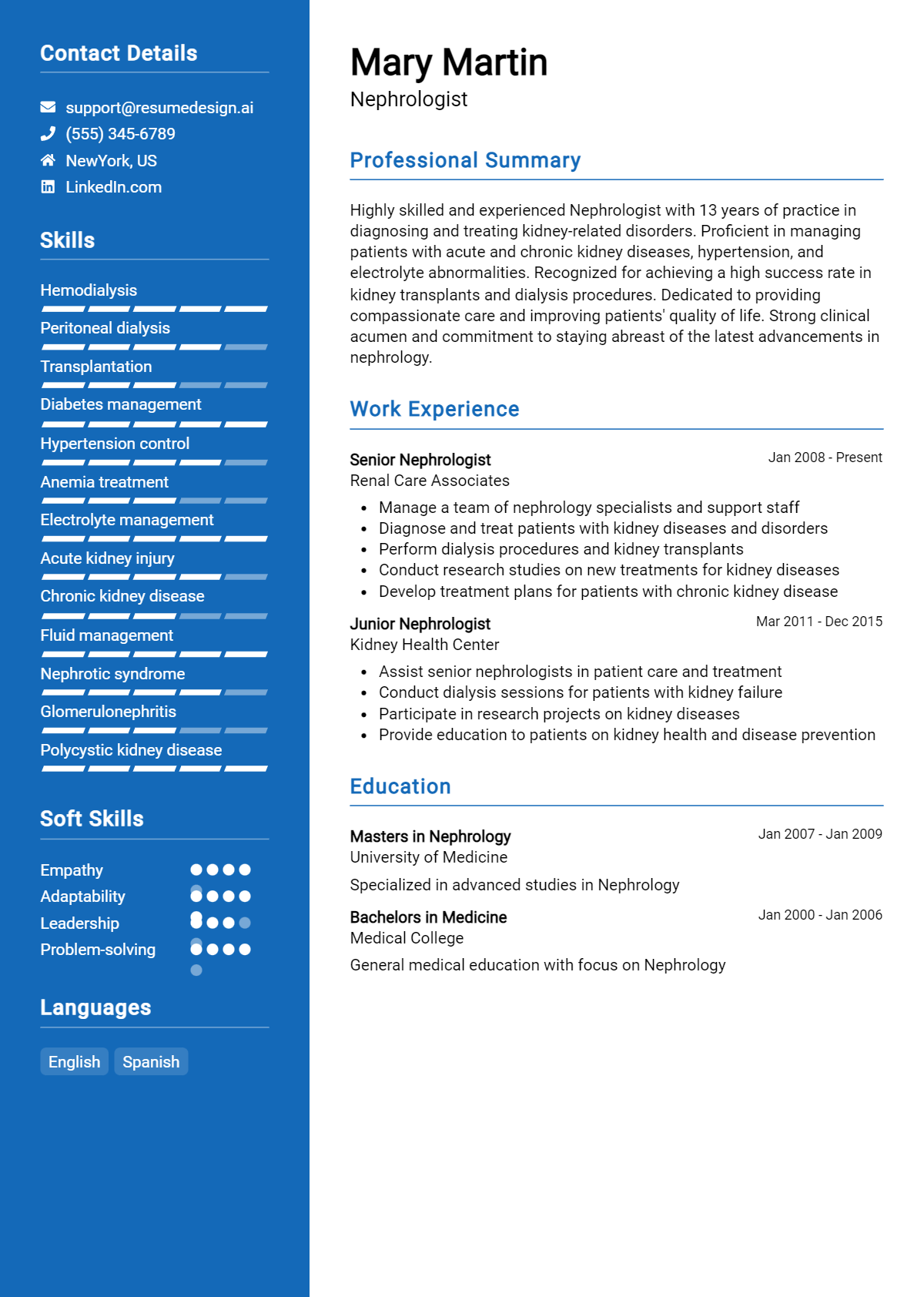
When preparing for a job interview as a nephrologist, it's essential to familiarize yourself with common questions that may arise during the process. This will not only help you articulate your qualifications and experience effectively but also demonstrate your commitment to the field of nephrology. Understanding the types of questions you might face can give you an edge, allowing you to showcase your expertise in managing renal diseases and your dedication to patient care.
Here is a list of common job interview questions for nephrologists, along with examples of the best answers. These questions cover your work history and experience, what you have to offer the employer, and your goals for the future. Be prepared to discuss your clinical skills, your approach to patient management, and how you stay current with advancements in nephrology to ensure optimal care for your patients.
1. Can you describe your experience with managing chronic kidney disease?
In my previous role, I managed a diverse patient population with chronic kidney disease, focusing on individualized treatment plans. I collaborated closely with dietitians and primary care providers to optimize patient outcomes and ensure adherence to therapies.
Example:
I have worked extensively with CKD patients, developing tailored management strategies, which significantly improved their quality of life through patient education and regular follow-ups.
2. How do you approach patient education regarding dialysis options?
I prioritize clear communication and empathy when discussing dialysis options. I assess each patient’s understanding and preferences, using visual aids and real-life examples to help them make informed decisions about their care.
Example:
While explaining dialysis, I use diagrams to illustrate processes and encourage questions, ensuring patients feel empowered to choose the best option for their lifestyle.
3. What strategies do you use to manage hypertension in kidney patients?
I implement a combination of lifestyle modifications and pharmacological treatments tailored to individual patients. Regular monitoring and adjusting medications based on patient response are critical to effectively managing hypertension in this population.
Example:
I typically start with lifestyle changes, such as diet and exercise, and then introduce medications based on their blood pressure response, ensuring close follow-up for optimal management.
4. How do you handle difficult conversations with patients regarding prognosis?
I approach difficult conversations with honesty and compassion. I provide clear information while allowing patients to express their feelings. My goal is to create a supportive environment where they can ask questions and understand their options.
Example:
When discussing prognosis, I ensure patients feel heard and respected, providing space for their concerns while delivering necessary information sensitively.
5. Describe your experience with renal transplantation.
I have been involved in the evaluation and management of renal transplant candidates, collaborating with transplant teams to ensure thorough assessments. I focus on patient education regarding the transplant process and post-operative care to enhance outcomes.
Example:
My experience includes evaluating potential transplant recipients, preparing them for surgery, and managing their immunosuppressive therapy post-transplant to prevent rejection.
6. What techniques do you use for diagnosing acute kidney injury?
I utilize a combination of clinical assessment, laboratory tests, and imaging studies. Early identification is crucial, so I look for changes in urine output and biomarkers to guide my diagnosis and treatment plan.
Example:
I assess patient history and perform lab tests, focusing on creatinine levels and urine output to quickly identify any signs of acute kidney injury.
7. How do you stay current with advancements in nephrology?
I regularly attend conferences, participate in webinars, and subscribe to leading nephrology journals. Engaging in professional networks allows me to share insights and stay informed about the latest research and treatment modalities.
Example:
I dedicate time each week to read nephrology publications and follow expert blogs to remain updated on new findings and clinical practices.
8. Can you discuss your experience with multidisciplinary team collaboration?
I believe effective communication is key to successful multidisciplinary collaboration. I regularly work with dietitians, social workers, and primary care physicians to develop comprehensive care plans that address all aspects of a patient’s health.
Example:
In my practice, I coordinate with various specialists to ensure holistic management of kidney disease, facilitating regular team meetings to discuss patient progress.
9. How do you stay updated with the latest advancements in nephrology?
I regularly attend nephrology conferences, subscribe to leading journals, and participate in online webinars. Networking with colleagues also helps me exchange knowledge and insights about the latest research and treatment protocols.
Example:
I subscribe to journals like the Journal of the American Society of Nephrology and attend annual conferences. This keeps me informed about new treatments and clinical guidelines, ensuring I provide the best care to my patients.
10. Can you describe a challenging case you managed?
I once treated a patient with rapidly progressive glomerulonephritis. Coordinating with a multidisciplinary team, we quickly initiated immunosuppressive therapy. The timely intervention led to stabilization and improvement of renal function, showcasing the importance of prompt decision-making in nephrology.
Example:
I managed a case of acute kidney injury due to dehydration. After identifying the cause, I implemented fluid resuscitation and monitored electrolytes closely, leading to the patient’s full recovery and highlighting my ability to act swiftly under pressure.
11. How do you approach patient education regarding their kidney disease?
I prioritize clear communication, ensuring patients understand their diagnosis and treatment options. I use visual aids and simple language, encouraging questions to enhance their understanding. This empowers them to manage their conditions effectively and adhere to treatment plans.
Example:
I explain kidney disease using diagrams to illustrate function and damage. I provide written materials and encourage patients to ask questions, which helps them grasp their condition and feel more involved in their treatment decisions.
12. What is your experience with dialysis management?
I have extensive experience with both hemodialysis and peritoneal dialysis. I oversee patient assessments, monitor complications, and educate patients on dialysis options. My focus is on optimizing treatment and improving patients' quality of life throughout their dialysis journey.
Example:
I manage a dialysis unit where I assess patients regularly. I ensure they understand their treatment plans and address any complications, which has led to improved patient satisfaction and outcomes in our facility.
13. How do you handle conflicts with patients over treatment decisions?
I approach conflicts with empathy, actively listening to the patient’s concerns. I provide clear explanations of the rationale behind my recommendations and explore their preferences. Collaboration is key, ensuring they feel valued in the decision-making process.
Example:
In a case where a patient resisted treatment, I listened to their concerns and explained the risks of not proceeding. We discussed alternatives, which led to a mutually agreeable treatment plan and improved trust in our relationship.
14. What role do you believe diet plays in managing kidney disease?
Diet is crucial in managing kidney disease. I work closely with dietitians to create individualized nutrition plans that address patients' specific needs, focusing on reducing sodium, potassium, and phosphorus intake while ensuring adequate protein and caloric intake for their health.
Example:
I emphasize the importance of dietary changes in my practice. For instance, I help patients with chronic kidney disease limit sodium and potassium intake, which can significantly improve their condition and overall health outcomes.
15. How do you prioritize your tasks during busy clinic days?
I prioritize tasks based on urgency and patient needs. I use a systematic approach, addressing critical cases first while ensuring routine follow-ups are managed efficiently. Effective time management and delegation to my team are key to maintaining productivity and patient care quality.
Example:
On busy days, I assess patients by urgency. I handle acute cases first, allowing me to manage my time effectively while ensuring all patients receive the necessary attention without compromising care quality.
16. How do you collaborate with other healthcare professionals in patient care?
Collaboration is essential in nephrology. I regularly communicate with primary care physicians, dietitians, and social workers to create comprehensive care plans. This interdisciplinary approach ensures patients receive holistic treatment, addressing all aspects of their health and wellbeing.
Example:
I hold regular meetings with my team to discuss patient cases. This collaboration allows us to share insights and develop cohesive care strategies, which have improved patient outcomes and satisfaction in our practice.
17. Can you describe your approach to managing patients with chronic kidney disease?
My approach involves a comprehensive assessment of the patient's medical history, lifestyle, and comorbidities. I emphasize patient education, dietary modifications, and regular monitoring of renal function to slow disease progression and improve quality of life.
Example:
I focus on individualized care, educating patients on lifestyle changes, and recommending appropriate medications to manage their conditions effectively.
18. How do you stay updated on the latest advancements in nephrology?
I regularly attend nephrology conferences, subscribe to leading medical journals, and participate in online webinars. Networking with peers and engaging in continuing medical education ensures I remain informed about advancements and best practices in the field.
Example:
I attend annual nephrology conferences and subscribe to journals like the American Journal of Nephrology to stay current.
19. How do you handle dialysis access complications in your patients?
I prioritize early identification of complications and collaborate with interventional radiologists for timely interventions. Educating patients on proper care of their access site is also crucial to minimize issues and ensure optimal dialysis treatment.
Example:
I work closely with specialists to address complications and educate patients on maintaining their access to prevent issues.
20. What strategies do you use to improve patient adherence to treatment plans?
I employ motivational interviewing techniques to understand patients' barriers to adherence. By setting achievable goals, simplifying treatment regimens, and providing ongoing support, I help patients feel empowered and engaged in their care.
Example:
I utilize motivational interviewing to identify barriers and create personalized plans that encourage adherence and active participation.
21. Can you discuss a challenging case you managed and the outcome?
I once managed a patient with end-stage renal disease and multiple comorbidities. By coordinating with a multidisciplinary team, we optimized his treatment plan, ultimately improving his quality of life and enabling him to start dialysis successfully.
Example:
I coordinated care for a complex patient, leading to improved outcomes and successful initiation of dialysis.
22. How do you approach educating patients about kidney transplant options?
I provide comprehensive information about the transplant process, eligibility criteria, and post-transplant care. I ensure patients understand the benefits and risks, helping them make informed decisions while addressing their emotional and psychological needs.
Example:
I educate patients on the transplant process, ensuring they grasp the necessary steps and emotional implications involved.
23. What role does nutrition play in nephrology, and how do you address it?
Nutrition is vital for kidney health. I assess each patient's dietary needs and collaborate with dietitians to create tailored meal plans that manage protein, sodium, and potassium intake, promoting better health outcomes and slowing disease progression.
Example:
I work with dietitians to create personalized nutrition plans, focusing on sodium and potassium management for optimal kidney health.
24. How do you manage the psychological aspects of chronic kidney disease in your patients?
I recognize the emotional toll of chronic kidney disease and integrate mental health screenings into routine care. Collaborating with psychologists allows me to offer supportive resources, helping patients cope with anxiety and depression related to their condition.
Example:
I integrate mental health support into care, collaborating with psychologists to address the emotional challenges faced by patients.
25. How do you approach patient education regarding kidney disease management?
I prioritize clear, empathetic communication, ensuring patients understand their condition and treatment options. Utilizing visual aids and tailored materials, I engage patients in their care, empowering them to make informed decisions that enhance their health outcomes.
Example:
I explain complex terms in simple language, use diagrams, and encourage questions during consultations to ensure patient comprehension and engagement.
26. Can you describe your experience with dialysis patients?
I have extensive experience managing dialysis patients, focusing on optimizing their treatment plans and monitoring for complications. I collaborate with a multidisciplinary team to ensure comprehensive care, emphasizing patient adherence to dietary and medication regimens for improved outcomes.
Example:
I regularly adjust dialysis schedules and medications based on lab results and patient feedback to enhance their quality of life.
27. How do you stay updated with the latest advancements in nephrology?
I actively participate in nephrology conferences and subscribe to relevant journals. I also engage in online forums and professional networks, facilitating the sharing of knowledge and best practices with colleagues, ensuring my approach remains evidence-based and current.
Example:
By attending annual nephrology conferences, I gain insights into new treatments and technologies, which I implement in my practice.
28. Describe a challenging case you managed and the outcome.
I once managed a patient with rapidly progressive glomerulonephritis. I coordinated a comprehensive diagnostic approach and initiated aggressive immunosuppressive therapy. Regular follow-ups revealed significant improvement in renal function, demonstrating the importance of timely intervention and teamwork.
Example:
Through diligent monitoring and adjustment of treatment, the patient’s renal function stabilized, and they achieved remission.
29. How do you manage the psychosocial aspects of chronic kidney disease?
I address psychosocial factors by providing supportive counseling and referrals to mental health professionals. I emphasize the importance of social support systems and patient education, which can significantly impact adherence to treatment and overall well-being.
Example:
I often involve social workers to help patients cope with the emotional challenges of chronic illness.
30. What strategies do you use to improve patient compliance?
I focus on building strong relationships with patients, understanding their barriers to compliance. By personalizing treatment plans and providing educational resources, I aim to motivate patients to adhere to their regimens, enhancing their participation in their health management.
Example:
I often set achievable goals with my patients to foster a sense of accomplishment and commitment to their treatment plans.
31. How do you handle ethical dilemmas in nephrology?
When faced with ethical dilemmas, I consult with colleagues and ethics committees to consider all perspectives. I prioritize patient autonomy while ensuring that decisions align with best practices and ethical guidelines, striving for transparency and compassion throughout the process.
Example:
In complex cases, I facilitate discussions with patients and families to weigh options and respect their values.
32. What role does nutrition play in managing kidney disease, and how do you address it?
Nutrition is crucial in managing kidney disease. I collaborate with dietitians to develop individualized dietary plans that consider patients' specific needs, focusing on protein, sodium, and potassium intake, while educating patients on how nutrition affects their kidney health and overall well-being.
Example:
I regularly review dietary habits with patients to ensure adherence to prescribed nutritional guidelines.
33. How do you approach patient education regarding kidney health?
I believe in making complex medical information accessible to patients. I use visual aids and simple language to explain kidney function and disease prevention. I also encourage questions to ensure understanding and foster a collaborative approach to their health.
Example:
I often use diagrams and easy-to-understand terms to explain kidney health. For instance, I illustrate how diet impacts kidney function, and I encourage patients to ask questions to clarify any doubts they might have.
34. Can you describe a challenging case you handled and what you learned from it?
I once treated a patient with rapidly progressing kidney failure due to an autoimmune disorder. The complexity required collaboration with rheumatology. It taught me the importance of interdisciplinary teamwork and personalized treatment plans based on the patient's unique situation.
Example:
I managed a case of sudden kidney failure linked to an autoimmune issue. Working with rheumatologists improved patient outcomes and highlighted the value of teamwork and tailored therapies in nephrology.
35. How do you stay current with advancements in nephrology?
I regularly attend nephrology conferences and subscribe to leading journals. I also participate in online courses and webinars to enhance my knowledge. Engaging with peers in research discussions has helped me stay informed about the latest treatment options and technologies.
Example:
I attend annual nephrology conferences and keep up with journals. Online courses and discussions with colleagues also help me stay updated on the latest research and advancements in kidney disease management.
36. How do you handle the emotional aspects of treating patients with chronic kidney disease?
I recognize that chronic kidney disease can be emotionally challenging for patients. I approach these conversations with empathy, actively listen to their concerns, and provide support resources. Building trust helps patients feel comfortable sharing their feelings and coping strategies.
Example:
I address the emotional challenges of chronic kidney disease by listening empathically and providing resources. This builds trust, encouraging patients to express their feelings, which is crucial for their overall well-being.
37. What role does nutrition play in your treatment plans?
Nutrition is vital in managing kidney diseases. I collaborate with dietitians to create individualized dietary plans that accommodate patients' health conditions. Educating patients on the importance of nutrition empowers them to make informed choices that support their kidney health.
Example:
I emphasize nutrition by partnering with dietitians to develop tailored meal plans for my patients, helping them understand how their food choices impact kidney health and overall well-being.
38. How do you manage your time effectively during busy clinic hours?
I prioritize tasks based on urgency and complexity. Utilizing electronic health records efficiently allows me to access patient information quickly. I also ensure to delegate responsibilities when appropriate to optimize clinic workflow while still providing quality care.
Example:
I manage time by prioritizing urgent cases and using electronic records for quick access. Delegating tasks when possible helps maintain a smooth clinic flow while ensuring patient care is not compromised.
39. Describe your experience with dialysis and its impact on patient care.
I have significant experience managing patients on dialysis, including educating them about the process and its lifestyle implications. I ensure that each patient receives comprehensive support, addressing both their medical needs and emotional well-being throughout their treatment journey.
Example:
I actively manage dialysis patients, providing education about the procedure and its lifestyle effects. My goal is to support their medical and emotional needs to enhance their overall quality of life.
40. How do you approach end-of-life care for patients with kidney failure?
I approach end-of-life care with sensitivity and respect for the patient's wishes. I engage in open discussions about their goals and preferences, ensuring they have access to palliative care options that prioritize comfort and dignity during this challenging time.
Example:
I prioritize open discussions about end-of-life care and respect patient wishes, ensuring they have access to palliative options that focus on comfort and dignity in their final stages of treatment.
41. How do you approach patient education regarding kidney disease management?
I believe in a collaborative approach to patient education. I assess each patient's understanding and tailor my explanations accordingly. Utilizing visual aids and simple language helps ensure they grasp their condition, treatment options, and necessary lifestyle changes for better management.
Example:
I often provide pamphlets and use diagrams to explain kidney function. For instance, during consultations, I encourage questions and recap key points to ensure they leave with a solid understanding of their treatment plan.
42. Can you describe a challenging case you managed and the outcome?
I once treated a patient with end-stage renal disease who was non-compliant with dialysis. After building rapport, we discussed their concerns, leading them to accept treatment. This approach resulted in improved health and engagement with their care plan.
Example:
By addressing their fears and involving them in decision-making, the patient started attending dialysis regularly, leading to stabilized health and better quality of life. They are now more proactive in managing their condition.
43. How do you stay updated with the latest advancements in nephrology?
I actively participate in professional organizations and attend nephrology conferences. I also subscribe to leading journals and engage in online forums with peers to discuss recent studies and treatments, ensuring my practice remains current and evidence-based.
Example:
For instance, I recently attended a webinar on new immunosuppressants that improve outcomes in kidney transplant patients, which I integrated into my practice for better patient management.
44. What role does nutrition play in managing kidney disease?
Nutrition is crucial in managing kidney disease as it directly impacts patient health. I work with dietitians to create individualized meal plans that address protein, sodium, and potassium intake, promoting better kidney function and overall health for my patients.
Example:
For example, I refer patients to a renal dietitian to help them understand dietary restrictions, which can significantly improve their lab results and quality of life over time.
45. How do you handle conflicts with colleagues regarding patient care?
I prioritize open communication when conflicts arise. I believe in discussing differing opinions respectfully, focusing on the patient's best interests to reach a consensus. Collaboration is essential in delivering comprehensive care and achieving optimal patient outcomes.
Example:
Recently, I had a disagreement over treatment protocols with a colleague. We scheduled a meeting, discussed our perspectives, and ultimately agreed on a joint approach that benefited the patient’s care.
46. What are your strategies for managing patient follow-up care?
I implement a structured follow-up system using electronic health records to track appointments and lab results. Additionally, I encourage my patients to schedule regular check-ups, ensuring that we maintain open lines of communication and address any concerns promptly.
Example:
I also use reminder calls or texts to help patients keep their appointments and stay engaged with their care plans, which has improved adherence and health outcomes significantly.
How Do I Prepare For A Nephrologist Job Interview?
Preparing for a nephrologist job interview is crucial to making a positive impression on the hiring manager. A well-prepared candidate not only demonstrates their expertise but also shows their commitment to the role and the organization. Here are some essential tips to help you get ready for your interview:
- Research the company and its values to understand their mission and culture.
- Practice answering common interview questions related to nephrology and patient care.
- Prepare examples that demonstrate your skills and experience relevant to the nephrologist role.
- Familiarize yourself with the latest advancements and research in nephrology.
- Review your CV and be ready to discuss any experiences or gaps in your employment history.
- Prepare thoughtful questions to ask the interviewer about the team and the organization.
- Dress professionally and arrive early to make a good first impression.
Frequently Asked Questions (FAQ) for Nephrologist Job Interview
Preparing for a job interview as a nephrologist is crucial to making a positive impression. Familiarizing yourself with commonly asked questions can enhance your confidence and help you articulate your qualifications effectively. Here are some frequently asked questions that you may encounter during the interview process.
What should I bring to a Nephrologist interview?
It is essential to come prepared with several key items for your nephrologist interview. Bring multiple copies of your updated CV, a list of professional references, and any relevant certifications or licenses. Additionally, consider having a notebook and pen handy for taking notes during the interview. If applicable, prepare to share any publications or research you have been involved in. Being organized and ready with these materials demonstrates professionalism and preparedness.
How should I prepare for technical questions in a Nephrologist interview?
To prepare for technical questions, review the latest guidelines and best practices in nephrology, as well as common clinical scenarios you may encounter in practice. Brush up on renal pathophysiology, treatment protocols, and emerging therapies. Anticipate questions regarding your clinical experiences and be ready to discuss how you handled specific cases. Practicing with colleagues or mentors can also help you articulate your thought processes clearly and confidently during the interview.
How can I best present my skills if I have little experience?
If you have limited experience, focus on highlighting your education, relevant rotations, internships, and any hands-on training you have received. Emphasize transferable skills such as communication, teamwork, and problem-solving abilities. Discuss any volunteer work or research projects that showcase your commitment to nephrology. Be honest about your experience while expressing enthusiasm and a willingness to learn and grow in the role.
What should I wear to a Nephrologist interview?
For a nephrologist interview, it is advisable to dress in professional attire that reflects the seriousness of the role. A well-tailored suit or a professional dress is typically appropriate. Choose conservative colors and ensure your outfit is clean and pressed. Pay attention to grooming and personal hygiene, as first impressions matter greatly in the medical field. Dressing professionally conveys respect for the interviewers and the position you are applying for.
How should I follow up after the interview?
Following up after the interview is an important step that can set you apart from other candidates. Within 24 to 48 hours, send a personalized thank-you email to each interviewer, expressing gratitude for the opportunity to interview and reiterating your interest in the position. Mention specific topics discussed during the interview to reinforce your connection. This gesture demonstrates professionalism and can leave a lasting positive impression with the hiring team.
Conclusion
In this interview guide for nephrologists, we have highlighted the key areas crucial for success in your job interview, including the significance of thorough preparation, practice, and showcasing relevant skills. Understanding both technical and behavioral questions can greatly enhance your chances of impressing interviewers and securing the position you desire.
By preparing for a wide range of questions and utilizing the tips and examples provided, you can approach your interviews with confidence and clarity. Embrace this opportunity to showcase your expertise and passion for nephrology.
For further assistance, check out these helpful resources: resume templates, resume builder, interview preparation tips, and cover letter templates.