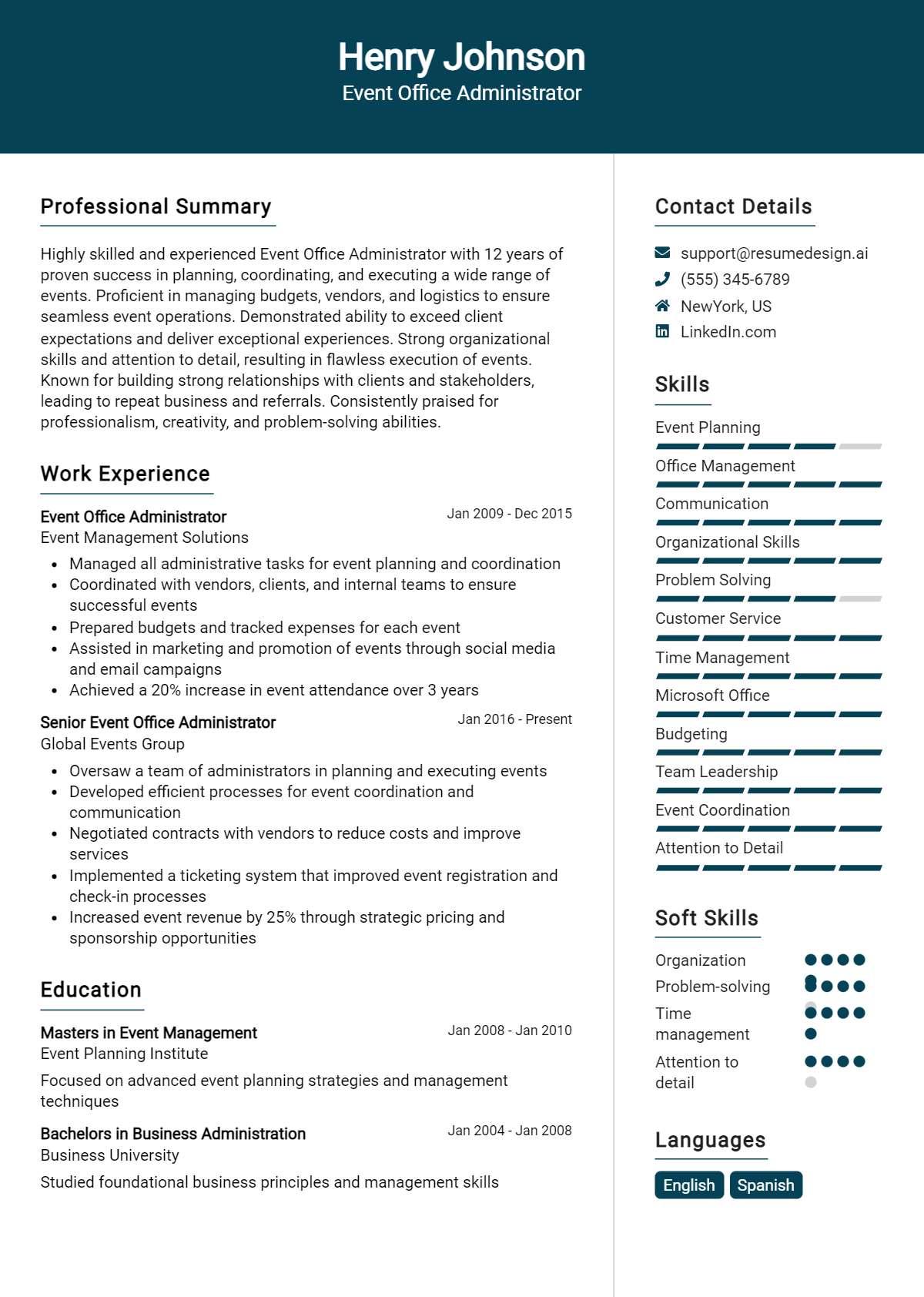
When preparing for an interview as an Event Office Administrator, it's essential to anticipate the questions you may face and formulate thoughtful responses. This role requires a blend of organizational skills, attention to detail, and the ability to handle multiple tasks simultaneously while supporting the planning and execution of events. Being well-equipped with answers to common interview questions can significantly enhance your chances of making a strong impression.
Here is a list of common job interview questions, with examples of the best answers. These questions cover your work history and experience, what you have to offer the employer, and your goals for the future. For instance, you might be asked about your experience managing event logistics or how you prioritize tasks in a fast-paced environment. Your responses should reflect your relevant skills, your passion for event management, and your commitment to contributing positively to the organization.
1. Can you describe your experience with event planning and coordination?
I have over three years of experience in event planning, where I coordinated corporate events, conferences, and weddings. My role involved managing logistics, vendor relationships, and timelines to ensure seamless execution. I thrive in fast-paced environments and excel at multitasking while maintaining attention to detail. Example: I successfully coordinated a corporate retreat for 200 attendees, managing everything from venue selection to catering and transportation. My organizational skills and proactive communication were key to delivering a successful event that received positive feedback from participants.
2. How do you prioritize tasks when managing multiple events?
I prioritize tasks by assessing deadlines, event importance, and resource availability. I use project management tools to track progress and set milestones. Regular check-ins with the team help ensure everyone stays aligned, allowing us to adapt quickly to any changes or challenges that arise. Example: During a busy season, I managed three overlapping events by creating a detailed timeline for each. I delegated tasks effectively and held daily briefings, which kept the team focused and ensured all events were executed flawlessly without compromising quality.
3. What software or tools do you use for event management?
I am proficient in various event management software, including Cvent, Eventbrite, and Asana. These tools help streamline registration, scheduling, and communication. I also utilize Excel for budgeting and tracking expenses, ensuring that I maintain clear financial oversight throughout the planning process. Example: I used Cvent for a recent conference, which simplified the registration process and allowed me to analyze attendee data effectively. This resulted in better-targeted marketing strategies and improved attendee engagement compared to previous events.
4. How do you handle unexpected challenges during an event?
I remain calm and focused when faced with unexpected challenges. I quickly assess the situation, identify potential solutions, and communicate with my team. Having contingency plans prepared in advance helps mitigate risks and ensures that we can adapt and resolve issues promptly without impacting the event. Example: During an outdoor event, unexpected rain forced us to relocate. I coordinated with the venue to secure indoor space and communicated changes to attendees via social media, ensuring a seamless transition with minimal disruption to the event's schedule.
5. Can you give an example of a successful event you've organized?
I organized a charity gala that raised over $50,000 for local nonprofits. My responsibilities included venue selection, vendor negotiations, and marketing. The event was well-attended, and the positive feedback reinforced my passion for creating impactful experiences that connect communities and promote meaningful causes. Example: The gala featured a silent auction and keynote speakers, which I personally curated. I utilized social media to boost attendance, resulting in a sold-out event. The success was a testament to my planning and networking skills in the community.
6. How do you ensure effective communication with clients and vendors?
I prioritize clear and consistent communication through regular updates and check-ins via email and phone. I create detailed briefs and timelines for clients and vendors, ensuring everyone is aligned and aware of expectations. Building strong relationships is key to fostering collaboration and addressing issues promptly. Example: For an event, I established a weekly update call with vendors and clients to discuss progress and address concerns. This open line of communication built trust and ensured everyone was on the same page, leading to a successful event.
7. What do you consider to be the most important skills for an Event Office Administrator?
Key skills for an Event Office Administrator include strong organizational abilities, effective communication, and problem-solving skills. Additionally, proficiency in time management and adaptability are crucial for navigating the dynamic nature of event planning. These competencies ensure that events run smoothly and meet client expectations. Example: My organizational skills help me maintain detailed project timelines, while my communication abilities foster positive relationships with clients. This combination has consistently led to successful events that exceed client expectations and enhance my professional reputation.
8. How do you stay updated on the latest trends in event management?
I stay updated on event management trends by attending industry conferences, participating in webinars, and following relevant blogs and publications. Networking with other professionals also provides valuable insights into innovative practices and emerging technologies that can enhance event experiences. Example: I recently attended a virtual event planning conference where I learned about sustainable event practices. Implementing these insights allowed me to create eco-friendly events, which my clients appreciated and helped differentiate my services in a competitive market.
9. How do you prioritize tasks when managing multiple events at once?
I prioritize tasks by assessing deadlines, importance, and the impact on event success. I utilize tools like to-do lists and calendars to keep track of all events, ensuring timely completion and flexibility to adapt to any changes that may arise.
Example:
I create a daily checklist, ranking tasks by urgency and impact. For instance, when managing two events simultaneously, I focused on securing vendors for the upcoming event first, while delegating other tasks to my team to streamline the process.
10. Can you describe a time when you dealt with a difficult vendor or client?
In one instance, a vendor delayed their delivery, risking our event schedule. I calmly communicated the urgency, negotiated a faster delivery, and kept our client updated. This approach not only resolved the issue but also strengthened our relationship with both parties.
Example:
A vendor was late with equipment delivery. I contacted them to express the urgency and negotiated an expedited service. I also informed the client, ensuring transparency, which helped maintain trust and resulted in a successful event despite the hiccup.
11. What software or tools do you use for event planning and management?
I regularly use event management software like Cvent and Asana for planning and tracking. These tools help streamline communication, manage timelines, and facilitate collaboration among team members, ensuring that every detail is covered efficiently.
Example:
I rely on tools like Cvent for registration and budget tracking, while Asana helps me manage tasks and team collaboration. These platforms enhance organization, allowing for smooth event execution and real-time updates.
12. How do you ensure compliance with safety regulations during events?
I stay updated on local safety regulations and incorporate them into our planning. This includes conducting risk assessments, ensuring adequate emergency exits, and having first aid available, which reassures clients and attendees about their safety during events.
Example:
At a large outdoor event, I conducted a thorough risk assessment and ensured compliance with safety regulations. I coordinated with local authorities to have emergency services on standby, which provided attendees with a safe environment and enhanced their experience.
13. Describe how you handle last-minute changes to an event schedule.
I remain calm under pressure and quickly assess the impact of any changes. I communicate promptly with the team and vendors to adjust schedules, ensuring that everyone is informed. Flexibility and clear communication are key to managing last-minute changes smoothly.
Example:
When a keynote speaker canceled last minute, I quickly contacted a backup speaker and updated the agenda. I informed the team and attendees promptly, which minimized disruption and maintained the event's professionalism.
14. What strategies do you use to manage a budget for events?
I create detailed budgets that outline all expenses and expected income. I monitor spending closely and adjust as necessary, using tools like spreadsheets for tracking. This ensures that we remain within budget while still delivering a high-quality event.
Example:
I use spreadsheets to itemize all expenses and compare them against the budget. Regularly reviewing the budget allows me to make informed decisions and keep costs under control while still achieving event goals.
15. How do you promote events to maximize attendance?
I utilize a mix of social media, email marketing, and partnerships to promote events. Engaging content and targeted outreach help attract attendees. Additionally, I monitor engagement metrics to refine strategies for future events.
Example:
For a recent event, I created a social media campaign highlighting key speakers and used targeted email blasts to reach potential attendees. This strategy increased registration by 30% compared to previous events.
16. Can you give an example of how you improved a process in event planning?
I identified that our event registration process was cumbersome, leading to delays. I proposed implementing an online registration platform, which streamlined the process and reduced check-in times by 50%, enhancing the overall attendee experience.
Example:
After observing long lines at check-in, I introduced an online registration system. This change not only cut check-in time significantly but also provided attendees with a smoother experience, leading to positive feedback.
17. How do you prioritize tasks when planning multiple events simultaneously?
I assess deadlines and resource availability to prioritize tasks. I use project management tools to track progress, ensuring timely completion. Effective communication with team members allows me to delegate tasks efficiently, ensuring all events are executed smoothly without compromising quality.
Example:
I prioritize tasks by creating a detailed timeline for each event. This approach helps me allocate resources effectively, and I regularly check in with my team to make adjustments as needed, ensuring all events run smoothly and on schedule.
18. Can you describe a challenge you faced while organizing an event and how you overcame it?
During a major event, the venue canceled last minute. I immediately contacted alternative venues and secured a new location within hours. I communicated transparently with all stakeholders, ensuring everyone was informed. This quick action minimized disruptions and maintained the event’s success.
Example:
I once faced a last-minute venue cancellation. I quickly researched alternatives, secured a new venue, and informed all vendors and guests of the changes. The event went off without a hitch, showcasing my ability to adapt under pressure.
19. What software tools do you find most useful for event planning?
I utilize software like Asana for task management, Eventbrite for ticketing, and Canva for promotional materials. These tools enhance collaboration and streamline planning processes, allowing me to focus on delivering exceptional events while keeping the team organized and informed.
Example:
I regularly use Asana for task tracking, Eventbrite for managing registrations, and Canva for designing promotional content. These tools ensure efficient workflow and effective communication among team members, leading to successful event execution.
20. How do you handle feedback from clients after an event?
I actively seek client feedback through surveys and follow-up calls. I analyze their input, identify areas for improvement, and implement changes in future events. This process not only enhances client satisfaction but also builds long-term relationships based on trust and transparency.
Example:
After an event, I always send a feedback survey to clients. I review their comments carefully and discuss improvements with my team, ensuring we address any concerns and enhance our future events based on their suggestions.
21. Describe your experience with budgeting for events.
I have extensive experience preparing and managing event budgets. I meticulously track expenses against the budget, negotiate with vendors for cost-effective solutions, and provide regular budget updates to stakeholders, ensuring we stay within financial limits while maintaining quality.
Example:
I manage event budgets by outlining all anticipated expenses and tracking them closely. I also negotiate deals with vendors to ensure we stay within budget, regularly updating stakeholders on financial status throughout the planning process.
22. What strategies do you employ for effective vendor management?
I establish clear expectations and maintain open communication with vendors. I build strong relationships through regular check-ins and feedback, ensuring they understand our needs and timelines. This proactive approach fosters collaboration, leading to better service delivery during events.
Example:
I manage vendors by setting clear expectations from the start and maintaining regular communication. Building these relationships allows for smoother collaboration and ensures that any issues are addressed quickly, leading to successful event execution.
23. How do you ensure the safety and compliance of events?
I prioritize safety by conducting thorough risk assessments and ensuring compliance with local regulations. I collaborate with security teams and emergency services, preparing contingency plans for emergencies. This proactive approach ensures a safe environment for all participants during events.
Example:
I ensure safety by conducting risk assessments and adhering to local regulations. I work closely with security teams to develop emergency plans, ensuring that all event participants are safe and informed throughout the event.
24. What role does social media play in your event marketing strategy?
Social media is crucial for event marketing. I use platforms like Facebook and Instagram to create buzz, share updates, and engage with attendees. This approach helps increase visibility, drive ticket sales, and foster a sense of community around the event.
Example:
I leverage social media to promote events by creating engaging content and using targeted ads. This strategy not only boosts ticket sales but also fosters community engagement leading up to the event, enhancing overall attendance.
25. How do you manage multiple event deadlines simultaneously?
I prioritize tasks by deadlines and importance, using tools like calendars and project management software. This ensures I stay organized and can allocate time effectively, preventing last-minute stress. I also communicate with team members to delegate tasks when necessary.
Example:
I use a project management tool to track deadlines and set reminders. For example, during a busy season, I prioritized urgent tasks and delegated some responsibilities, which helped us meet all deadlines without compromising quality.
26. Can you describe a time when you had to resolve a conflict during an event planning process?
I once faced a disagreement between vendors regarding setup times. I facilitated a meeting to discuss their concerns, ensuring both parties felt heard. By proposing a compromise, we reached an agreement that satisfied everyone, allowing the event to proceed smoothly.
Example:
During a conference, two vendors had conflicting schedules. I organized a quick meeting, listened to both sides, and suggested a staggered setup time, which resolved the issue and maintained a positive working relationship.
27. What tools or software do you find essential for event planning?
I find project management software, like Trello or Asana, essential for tracking tasks and deadlines. Additionally, tools like Google Calendar for scheduling and Excel for budgeting provide a comprehensive overview of the event planning process, helping ensure nothing is overlooked.
Example:
I rely on Asana for task management, Google Calendar for scheduling, and Excel for budgeting. This combination allows me to keep all aspects of event planning organized and ensures effective communication with my team.
28. How do you ensure effective communication among team members during an event?
I schedule regular check-ins and use collaboration tools like Slack to maintain open lines of communication. Clear roles and responsibilities are established to ensure everyone knows their tasks, which minimizes confusion and enhances teamwork throughout the event planning process.
Example:
I implement weekly team meetings and use Slack for real-time updates. By assigning specific roles, everyone stays informed and accountable, which improves overall efficiency during the event planning process.
29. How do you handle last-minute changes or emergencies during an event?
I stay calm and assess the situation quickly, prioritizing immediate needs. Communication is key; I inform the team and relevant stakeholders. I also have backup plans in place for common issues, allowing for a swift resolution without disrupting the event flow.
Example:
When a speaker canceled last minute, I quickly reached out to alternatives in my network and secured a replacement within an hour, ensuring the event continued without any noticeable disruption.
30. What strategies do you use to stay organized when managing multiple events?
I create detailed timelines and checklists for each event, breaking down tasks into manageable steps. Regularly reviewing progress against these plans helps me stay organized. I also prioritize tasks based on urgency and importance, ensuring everything stays on track.
Example:
I use a master checklist for all events, updating it weekly. This method helps me track progress and ensures I allocate my time efficiently, keeping all events organized and on schedule.
31. How do you measure the success of an event?
I measure success through attendee feedback, budget adherence, and achievement of event goals. Post-event surveys and discussions with the team provide insights into what worked well and areas for improvement, ensuring future events are even more successful.
Example:
After an event, I send out surveys to gather attendee feedback and review budget reports. This data helps me evaluate our performance and identify areas for improvement for future events.
32. How do you ensure compliance with health and safety regulations during events?
I stay informed about current health and safety regulations relevant to events. During planning, I conduct risk assessments and ensure all vendors and staff are trained on compliance. This proactive approach helps minimize risks and ensures a safe environment for all attendees.
Example:
I regularly review local health guidelines and conduct risk assessments before events. I also ensure all staff are trained on safety protocols, creating a safer environment for everyone involved.
33. Can you describe a time when you had to manage multiple tasks at once?
In my previous role, I managed multiple event logistics simultaneously. I prioritized tasks by deadlines and used a project management tool to track progress. This approach ensured timely completion without sacrificing quality, leading to successful events.
Example:
I coordinated three events in one week. By creating a detailed schedule and delegating tasks, I ensured each event was executed flawlessly and met all deadlines.
34. How do you handle unexpected changes during an event?
When faced with unexpected changes, I remain calm and assess the situation quickly. I communicate with my team and stakeholders, re-evaluating priorities and adjusting plans accordingly. This flexibility helps mitigate issues while maintaining event quality.
Example:
During an outdoor event, rain forced us to move indoors. I quickly coordinated with the venue to set up and informed guests of the change, ensuring a smooth transition.
35. What strategies do you use to ensure effective communication with team members?
I foster effective communication by establishing clear channels and regular check-ins. I utilize tools like Slack for quick updates and hold weekly meetings to align on goals and address any concerns, ensuring everyone stays informed and engaged.
Example:
I implemented a weekly team huddle to discuss event progress and challenges, which improved transparency and collaboration significantly.
36. How do you prioritize tasks when planning an event?
I prioritize tasks by assessing their urgency and impact on the event’s success. I use a checklist to categorize tasks and deadlines, ensuring critical elements are addressed first, while also allowing flexibility for less urgent tasks.
Example:
For an upcoming conference, I prioritized booking the venue and speakers first, then focused on marketing and logistics, which helped streamline the planning process.
37. Can you give an example of how you handled a difficult vendor?
I encountered a vendor who frequently missed deadlines. I scheduled a meeting to discuss expectations and establish a more structured timeline. This open communication improved our partnership and ensured timely deliveries for subsequent events.
Example:
I addressed a vendor’s delays by setting clear deadlines and regular check-ins, which ultimately improved their performance and our working relationship.
38. What do you think is the most challenging aspect of being an Event Office Administrator?
The most challenging aspect is managing last-minute changes and ensuring all stakeholders are informed. However, I thrive under pressure and have developed strategies to adapt quickly, ensuring events run smoothly despite unexpected challenges.
Example:
I find last-minute changes challenging but view them as opportunities to demonstrate my problem-solving skills and adaptability during events.
39. How do you measure the success of an event?
I measure event success through attendee feedback, budget adherence, and achieving pre-defined goals. Post-event surveys provide valuable insights into participant satisfaction, helping to improve future events and ensure continued success.
Example:
After each event, I analyze attendee surveys and budget reports to assess success and identify areas for improvement in future planning.
40. How do you stay organized while managing event details?
I utilize digital tools like calendars and spreadsheets to keep track of deadlines, tasks, and contacts. Regularly updating these tools ensures I stay on top of details and can quickly access information when needed.
Example:
By using a shared calendar and task management software, I maintain organization and ensure all team members are aligned on event details.
41. How do you prioritize tasks during a busy event planning period?
I prioritize tasks by assessing deadlines, urgency, and impact on the event. I make a daily to-do list, focusing on high-priority items first. This method allows me to stay organized and ensure critical elements are completed on time.
Example:
I create a task hierarchy based on deadlines and the event's overall goals. During my last event, I focused on vendor contracts first, followed by logistics, ensuring everything was in place well ahead of the date.
42. Can you describe a time when you had to handle a last-minute change? How did you manage it?
I encountered a last-minute venue change due to unforeseen circumstances. I quickly contacted all vendors to inform them of the new location and updated attendees via email and social media. This swift communication minimized confusion and ensured a smooth transition.
Example:
During a recent event, our venue was double-booked. I immediately secured an alternative location, notified all stakeholders, and updated marketing materials. The event proceeded successfully without major disruptions, showcasing my adaptability under pressure.
43. What software or tools do you find most useful for event planning and administration?
I find project management tools like Trello and event registration platforms like Eventbrite invaluable. These tools help streamline communication, track deadlines, and manage attendee lists, making the planning process more efficient and organized.
Example:
I use Asana for task management, which allows me to assign tasks and set deadlines. For budgeting, I prefer Excel to track expenses meticulously, ensuring we stay within budget while delivering a successful event.
44. How do you ensure effective communication among team members during an event?
I establish clear communication channels, such as a group chat and regular check-in meetings. I also create a shared document with roles and responsibilities so everyone knows their tasks, fostering teamwork and reducing misunderstandings.
Example:
During a large event, I set up a WhatsApp group for real-time updates. I also scheduled daily briefings leading up to the event, ensuring everyone was aligned and aware of any changes or issues promptly.
45. What strategies do you use to manage event budgets effectively?
I create a detailed budget plan, tracking all expenses and income sources. Regularly reviewing this plan allows me to identify potential overspending and make necessary adjustments while ensuring the event remains financially viable.
Example:
For a recent conference, I used a spreadsheet to categorize expenses. By comparing actual costs against our budget weekly, I was able to adjust our catering options without compromising quality, keeping us within budget.
46. What do you consider the most important aspect of customer service in event planning?
The most important aspect of customer service in event planning is responsiveness. Being attentive to client needs and addressing concerns promptly builds trust and ensures a positive experience for all participants, ultimately leading to successful events.
Example:
I prioritize responding to client inquiries within 24 hours. During a recent event, I received feedback about a dietary concern. I addressed it immediately, ensuring the client felt valued and confident in our planning process.
How Do I Prepare For A Event Office Administrator Job Interview?
Preparing for an interview is crucial for making a positive impression on the hiring manager. A well-prepared candidate showcases their professionalism and genuine interest in the role, which can significantly enhance their chances of being selected. Here are some key preparation tips to help you stand out:
- Research the company and its values to understand its mission and culture.
- Practice answering common interview questions related to event coordination and administration.
- Prepare examples that demonstrate your skills and experience relevant to the Event Office Administrator role.
- Familiarize yourself with the specific software and tools used in event management.
- Dress appropriately for the interview to convey professionalism and confidence.
- Bring copies of your resume and any relevant certifications to share with the interviewers.
- Prepare insightful questions to ask the interviewer that reflect your interest in the position and the company.
Frequently Asked Questions (FAQ) for Event Office Administrator Job Interview
Preparing for an interview can greatly enhance your confidence and performance. Understanding the common questions asked during an Event Office Administrator interview will help you to articulate your skills and experiences effectively. Here are some frequently asked questions that you may encounter, along with practical advice for each.
What should I bring to an Event Office Administrator interview?
When attending an interview for an Event Office Administrator position, it's essential to bring several important items. Prepare a portfolio that includes multiple copies of your resume, a list of references, and any relevant certifications. Additionally, consider bringing a notebook and pen for taking notes, as well as a folder to keep your documents organized. This shows your organizational skills and readiness, which are key attributes for the role.
How should I prepare for technical questions in an Event Office Administrator interview?
To prepare for technical questions, familiarize yourself with the specific software and tools commonly used in event planning, such as project management software, budgeting tools, and registration platforms. Review the job description to identify any required technical skills. Practice answering questions related to these tools, and consider performing mock interviews with a friend or mentor to build your confidence and improve your responses.
How can I best present my skills if I have little experience?
If you have limited experience as an Event Office Administrator, focus on transferable skills from previous roles or internships. Highlight your organizational abilities, attention to detail, and any customer service experience. Use specific examples to demonstrate how you've successfully managed tasks or projects, even if they were not in a formal event planning context. Emphasizing your willingness to learn and adapt can also leave a positive impression on interviewers.
What should I wear to an Event Office Administrator interview?
Dressing appropriately for your interview is crucial in making a strong first impression. Aim for professional attire that reflects the company culture. For an Event Office Administrator position, business casual is often a safe choice—consider wearing slacks or a skirt paired with a blouse or button-up shirt. Ensure your clothes are clean and pressed, and avoid overly casual items such as jeans or sneakers, as you want to convey professionalism and respect for the interview process.
How should I follow up after the interview?
Following up after your interview is an important step in the job application process. Send a thank-you email within 24 hours of your interview, expressing gratitude for the opportunity and reiterating your interest in the position. Mention any specific points from the interview that resonated with you, which can help keep you memorable in the interviewers' minds. A thoughtful follow-up not only strengthens your candidacy but also demonstrates your professionalism and enthusiasm for the role.
Conclusion
In this interview guide for the Event Office Administrator role, we have covered essential topics such as key skills, common interview questions, and effective strategies for presenting your qualifications. The importance of thorough preparation and practice cannot be overstated, as these elements are crucial in demonstrating your competence and suitability for the position.
By preparing for both technical and behavioral questions, candidates can significantly enhance their chances of success in the interview process. Understanding the expectations and being ready to articulate your experiences and qualifications will set you apart from other applicants.
As you embark on your interview journey, remember to leverage the tips and examples provided in this guide. Approach your interviews with confidence and a positive mindset, knowing that you are well-equipped to showcase your abilities. Good luck!
For further assistance, check out these helpful resources: resume templates, resume builder, interview preparation tips, and cover letter templates.