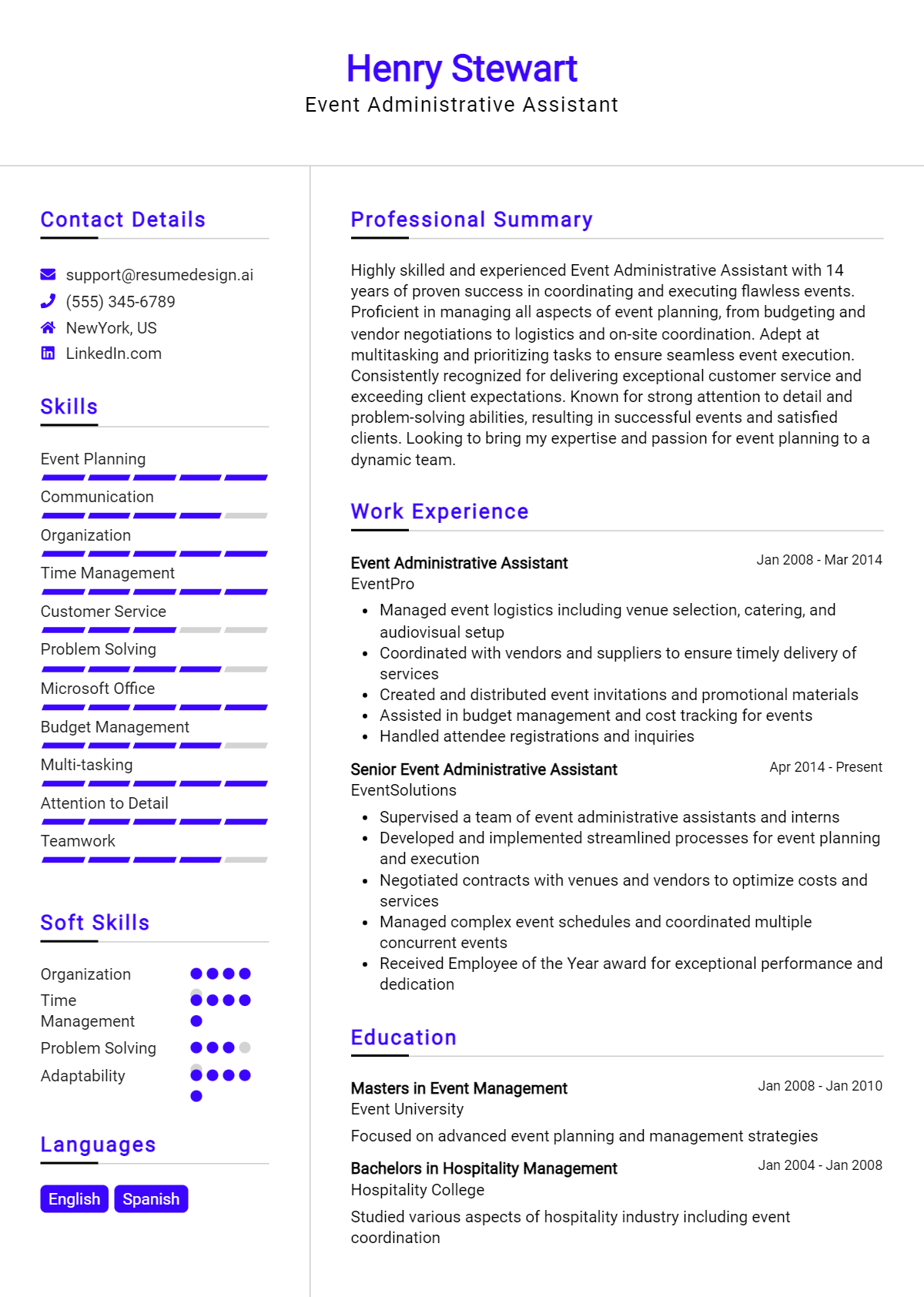
When preparing for a job interview as an Event Administrative Assistant, it's essential to anticipate the questions you'll be asked and formulate thoughtful responses. This role requires a blend of organizational skills, attention to detail, and the ability to handle multiple tasks under pressure, all of which can be explored through targeted interview questions. By understanding what potential employers are looking for, you can present yourself as the ideal candidate for the position.
Here is a list of common job interview questions for the Event Administrative Assistant role, along with examples of the best answers. These questions cover your work history and experience, what you have to offer the employer, and your goals for the future. By preparing for inquiries about past event management experiences, administrative skills, and your approach to handling challenges, you can demonstrate your competency and enthusiasm for supporting successful events.
1. Can you describe your experience with event planning?
I have coordinated various events, including corporate meetings and social gatherings. My role involved managing logistics, vendor communications, and budgeting. I thrive under pressure and ensure every detail is covered, resulting in successful and memorable events.
Example:
I organized a charity gala that raised over $10,000. I coordinated with multiple vendors, managed the guest list, and created promotional materials, which enhanced my skills in multitasking and communication.
2. How do you prioritize tasks when planning an event?
I prioritize tasks based on deadlines and impact. I create a detailed timeline, breaking down the event into manageable parts, which helps me ensure that critical elements are completed on time. I also adjust priorities as necessary throughout the planning process.
Example:
For a recent conference, I used a Gantt chart to track progress, focusing first on venue booking and speaker arrangements, which were essential for the event's success.
3. How do you handle difficult clients or vendors?
I approach difficult clients or vendors with empathy and active listening. I aim to understand their concerns and work collaboratively towards a solution. Remaining calm and professional helps de-escalate situations and fosters positive relationships.
Example:
When a vendor failed to deliver on time, I communicated directly, found an alternative solution, and ensured the client was informed, which maintained their trust and satisfaction.
4. What tools or software do you use for event management?
I am proficient in tools like Eventbrite for ticketing, Asana for project management, and Canva for creating promotional materials. These tools streamline processes and enhance collaboration with team members and stakeholders.
Example:
I utilized Asana to manage tasks for a product launch, which improved team communication and ensured that deadlines were met efficiently.
5. Describe a time when an event did not go as planned.
During an outdoor festival, unexpected rain forced us to move activities indoors. I quickly coordinated with vendors to set up in the new location and informed attendees. Flexibility and quick decision-making were crucial in ensuring the event's success.
Example:
I adapted our layout and schedule on the fly, maintaining a positive atmosphere, which resulted in high attendee satisfaction despite the weather challenges.
6. How do you ensure effective communication with your team?
I establish clear communication channels and hold regular check-ins to discuss progress and address any issues. I also encourage feedback and open dialogue to foster a collaborative environment, ensuring everyone stays aligned with event goals.
Example:
In my last role, we used Slack for daily updates, which helped streamline communication and keep everyone informed about their responsibilities.
7. What strategies do you use for budgeting an event?
I start by outlining all potential expenses and allocating a budget for each category. I track spending meticulously and look for cost-saving opportunities without sacrificing quality. Regular reviews help keep the budget on track throughout the planning process.
Example:
For a recent gala, I negotiated with vendors, resulting in a 15% reduction in costs while still enhancing the event's overall experience.
8. How do you measure the success of an event?
I measure success through attendee feedback, budget adherence, and whether we achieved our goals. Post-event surveys and metrics, such as attendance rates and engagement levels, provide insights for future improvements and help evaluate overall impact.
Example:
After a conference, I analyzed survey results, which indicated 90% satisfaction, helping us identify strengths and areas for improvement for the next event.
9. How do you prioritize tasks when planning an event with tight deadlines?
I assess the urgency and impact of each task, creating a prioritized checklist. I use project management tools to visualize deadlines and responsibilities, allowing me to allocate resources effectively. Communication with team members is vital to ensure everyone is aligned on priorities.
Example:
I prioritize tasks by urgency and impact, using tools like Trello to visualize deadlines. For example, I focused first on venue booking, then on vendor contracts, ensuring timely execution and clear communication with my team throughout the process.
10. Can you describe a time when you had to handle a last-minute change during an event?
During an event, a speaker canceled last minute. I quickly contacted backup speakers, and we secured a replacement within an hour. I communicated changes to attendees and adjusted the schedule, ensuring a smooth transition and minimal disruption to the event.
Example:
When a keynote speaker canceled, I reached out to a backup and confirmed their availability. I swiftly updated the agenda and informed attendees, ensuring they were aware of the change, which maintained the event's professionalism and flow.
11. How do you handle stress and pressure in a fast-paced event environment?
I thrive under pressure by staying organized and maintaining a positive attitude. I practice mindfulness techniques to stay focused and prioritize tasks efficiently. Regular breaks help me recharge and approach challenges with a clear mind, ensuring I perform at my best.
Example:
To manage stress, I prioritize tasks and use deep-breathing techniques to stay calm. During a high-pressure event, I took short breaks to recharge, which helped me maintain focus and efficiency in executing my responsibilities effectively.
12. What tools or software do you use for event planning and why?
I utilize project management tools like Asana for task tracking and Google Calendar for scheduling. These tools enhance collaboration and keep the team informed. I also use budgeting software to manage finances effectively, ensuring all aspects of the event are covered.
Example:
I use Asana for task management, which helps keep everyone accountable. Google Calendar is great for scheduling, while budgeting tools like QuickBooks allow me to track expenses closely and stay within budget throughout the planning process.
13. Describe your experience working with vendors and suppliers.
I have extensive experience negotiating contracts with vendors, ensuring the best rates and services. I maintain strong relationships with suppliers, fostering collaboration and communication. This has resulted in successful partnerships that enhance event quality and reliability.
Example:
In my previous role, I negotiated with catering vendors to secure competitive pricing while maintaining quality. I built strong relationships, which led to better service and reliable support during events, enhancing overall attendee experience.
14. How do you ensure that events stay within budget?
I create a detailed budget plan at the start, tracking each expense against it. I regularly review costs and seek cost-saving opportunities without compromising quality. Open communication with vendors helps me negotiate better deals and stay financially accountable.
Example:
To ensure budget compliance, I track all expenses with a spreadsheet, reviewing it weekly. I renegotiated some vendor contracts to save costs, successfully keeping the event within budget while still delivering quality services.
15. What strategies do you use to promote an event effectively?
I leverage social media, email marketing, and partnerships with local businesses to promote events. Creating engaging content and visuals helps capture attention. I also encourage word-of-mouth by offering incentives for attendees to share information about the event.
Example:
I promote events using social media campaigns and email newsletters, sharing engaging visuals. I collaborated with local influencers to extend our reach, and offered ticket discounts for referrals, successfully boosting attendance.
16. How do you handle feedback from event attendees?
I view feedback as an opportunity for improvement. I collect attendee feedback through surveys post-event and analyze responses to identify areas for enhancement. I then share this information with the team to implement changes for future events.
Example:
After an event, I send out surveys to gather attendee feedback. I analyze the results and present them to the team, leading to actionable changes in our next event, ensuring continuous improvement in our planning process.
17. How do you prioritize tasks when managing multiple events simultaneously?
I prioritize tasks by assessing deadlines, importance, and resource availability. I create a detailed timeline for each event, breaking down tasks into manageable segments. This structured approach ensures I meet all deadlines and maintain quality across events.
Example:
I often use project management software to track tasks and deadlines. For instance, while organizing two events, I allocated specific times for each task, ensuring both events were executed smoothly without overlap.
18. Describe a time when you had to deal with a difficult client or vendor. How did you handle the situation?
I encountered a vendor who was unresponsive close to an event. I initiated a call to express urgency and clarify expectations. By maintaining professionalism and understanding, we resolved the issue and delivered quality service on time.
Example:
During a past event, a vendor delayed delivery. I calmly contacted them and negotiated a solution, which resulted in timely delivery and a successful event. Open communication was key.
19. What software or tools do you use to assist in event planning?
I utilize various software, including Microsoft Excel for budgeting, Google Calendar for scheduling, and event management tools like Eventbrite for ticketing. These tools help streamline processes and maintain organization.
Example:
For a recent event, I used Trello to track tasks and deadlines, which enabled clear communication with the team and ensured everyone was on the same page.
20. How do you ensure effective communication among team members during an event?
I establish a clear communication plan, including regular check-ins and using communication tools like Slack. This ensures everyone is informed of their roles and any changes, fostering teamwork and collaboration.
Example:
During an event, I set up a group chat for quick updates and scheduled brief meetings to discuss progress, which significantly improved team coordination and efficiency.
21. Can you share an experience where you had to adapt quickly to unexpected changes during an event?
Once, a keynote speaker canceled last minute. I quickly researched and secured a replacement while informing attendees of the change. This adaptability ensured the event continued smoothly without compromising quality.
Example:
When a speaker dropped out, I reached out to my network and found a substitute within hours. I communicated the change to the team and attendees, ensuring everyone was updated promptly.
22. What strategies do you use for effective budget management in event planning?
I create a detailed budget plan, categorizing expenses and tracking each line item. Regularly reviewing the budget helps identify potential overspending, enabling adjustments and ensuring the event stays within financial limits.
Example:
For a recent event, I monitored expenses weekly and adjusted allocations as needed, which helped us stay under budget while still achieving our goals.
23. How do you evaluate the success of an event after it has concluded?
I evaluate success by gathering feedback from attendees and team members, analyzing attendance numbers, and measuring against set objectives. This data helps identify areas for improvement for future events.
Example:
After an event, I send out surveys to attendees and review attendance metrics, which allow me to assess performance and gather insights for future planning.
24. What role does creativity play in your work as an Event Administrative Assistant?
Creativity is vital in event planning; it helps in designing unique themes, engaging activities, and memorable experiences. I incorporate innovative ideas to enhance attendee engagement and ensure events stand out.
Example:
For a recent gala, I proposed a themed décor that aligned with our brand, which not only impressed attendees but also created a visually stunning environment that received great feedback.
25. How do you prioritize tasks when managing multiple events simultaneously?
I prioritize tasks by assessing deadlines and the overall impact on each event's success. I use tools like checklists and project management software to keep everything organized. Regular communication with team members also helps ensure everyone is aligned on priorities.
Example:
I assess deadlines and event impact, utilizing checklists to stay organized. Regular team meetings help ensure we're aligned, and I adjust priorities as needed to ensure all events run smoothly and on time.
26. Can you describe a time when you had to deal with a difficult client or vendor?
In a previous role, a vendor was unresponsive close to an event date. I reached out multiple times and arranged a call to discuss concerns directly. By listening to their issues and collaborating on solutions, we managed to fulfill our requirements successfully.
Example:
A vendor was unresponsive before an event. I initiated direct communication and listened to their concerns. This approach helped us resolve issues, ensuring we met our event requirements without any delays.
27. What tools or software are you proficient in that aid in event planning?
I am proficient in Microsoft Office Suite, particularly Excel for budgeting, and I use event management software like Eventbrite and Asana for tracking progress and registrations. Familiarity with these tools streamlines planning and improves communication among team members.
Example:
I am skilled in Microsoft Excel for budgeting and use event management tools like Eventbrite and Asana for tracking tasks and registrations. These tools enhance organization and team collaboration throughout the planning process.
28. How do you ensure accurate record-keeping for events?
I maintain accurate records by creating organized databases for attendee information, contracts, and budgets. Regularly updating these records and backing them up ensures data integrity. I also conduct periodic reviews to verify accuracy and completeness.
Example:
I create organized databases for all event-related information and ensure regular updates. Periodic reviews help maintain accuracy, and I back up all records to prevent data loss and ensure integrity.
29. Describe your experience with managing event budgets.
I have managed event budgets by creating detailed spreadsheets that track expenses and revenue. I monitor spending against the budget throughout the planning process, ensuring we stay within limits while still achieving event goals. I communicate any budget adjustments to stakeholders promptly.
Example:
I create detailed spreadsheets to track expenses against the budget. Monitoring spending throughout the planning process ensures we stay within limits while achieving our goals, and I communicate necessary adjustments to stakeholders promptly.
30. How do you handle last-minute changes or emergencies during an event?
I remain calm and composed during last-minute changes. I quickly assess the situation, determine the best course of action, and communicate with the team. Flexibility and teamwork are crucial, and I always have backup plans in place for critical elements.
Example:
I stay calm during emergencies, assess the situation, and communicate effectively with my team. Having backup plans in place for critical elements ensures we can adapt quickly and minimize disruption.
31. What strategies do you use to promote events effectively?
I utilize a mix of social media marketing, email campaigns, and partnerships with local influencers to promote events. Engaging content and eye-catching visuals help capture attention. Additionally, I ensure that all promotional materials align with the event's branding.
Example:
I use social media, email campaigns, and local influencers for promotion. Engaging content and visuals capture attention, ensuring all materials align with the event's branding to maximize outreach.
32. How do you measure the success of an event?
I measure event success through attendee feedback, registration numbers, and budget adherence. Post-event surveys provide insights into participant satisfaction, while analyzing financial reports helps assess profitability. I also review team performance to identify areas for improvement.
Example:
I gauge success through attendee feedback, registration numbers, and budget adherence. Post-event surveys provide valuable insights, while financial reports help assess profitability and identify areas for improvement.
33. How do you prioritize tasks when planning multiple events simultaneously?
I prioritize tasks by assessing deadlines, event significance, and resource availability. I use project management tools to create timelines and checklists, ensuring nothing is overlooked. Communication with team members also helps to align our priorities effectively.
Example:
When managing three events, I created a detailed schedule, focusing on the nearest deadlines first. This method ensured all events were executed smoothly and on time.
34. Can you describe a time when you had to handle a last-minute challenge during an event?
During one event, the keynote speaker canceled last minute. I quickly contacted an alternate speaker and adjusted the agenda. Keeping a calm demeanor and effective communication ensured the event proceeded smoothly without significant disruption.
Example:
I once had to replace a speaker just hours before an event. I swiftly arranged for a backup and communicated the change to attendees, maintaining the event's professionalism.
35. How do you ensure effective communication with vendors and team members?
I maintain effective communication by setting clear expectations and utilizing various channels like emails, phone calls, and meetings. Regular updates and feedback loops help ensure everyone is aligned and any issues are addressed promptly.
Example:
I schedule weekly check-ins with vendors and my team to discuss progress and any potential concerns, fostering a culture of transparency and collaboration.
36. What role does technology play in your event planning process?
Technology is vital in event planning. I use software for registration, scheduling, and budgeting, which streamlines processes and reduces errors. Social media also helps in promoting events and engaging attendees effectively.
Example:
Using event management software, I successfully tracked registrations and managed schedules, which saved time and improved the overall attendee experience.
37. How do you handle feedback from participants after an event?
I value participant feedback and use surveys to gather insights. Post-event, I analyze the responses to identify strengths and areas for improvement, which informs future planning and helps enhance the attendee experience.
Example:
After an event, I distributed surveys and reviewed the results with my team, implementing changes based on feedback for our next event.
38. Describe your experience with budgeting for events.
I have extensive experience managing event budgets, including tracking expenses, negotiating with vendors for better rates, and ensuring all costs align with our financial goals. I prioritize transparency and accuracy throughout the process.
Example:
In my last role, I successfully managed a $50,000 budget, consistently coming in under budget by negotiating vendor contracts and tracking expenses diligently.
39. How do you ensure that events comply with legal and safety regulations?
I stay informed about local regulations and safety guidelines relevant to event planning. I collaborate with legal advisors and venue managers to ensure all permits and safety protocols are in place, conducting thorough checks before the event.
Example:
Before an event, I work with the venue to confirm compliance with fire codes and health regulations, ensuring a safe environment for all attendees.
40. What strategies do you use to promote an event effectively?
I employ a mix of digital marketing strategies, including social media campaigns, email newsletters, and partnerships with influencers. I tailor messaging to target audiences, ensuring broad reach and engagement.
Example:
For a recent conference, I created targeted social media ads and collaborated with industry influencers, resulting in a 30% increase in attendance compared to previous years.
41. How do you prioritize tasks when managing multiple events simultaneously?
I prioritize tasks by assessing deadlines, event significance, and resource availability. I often create a detailed timeline and checklist for each event, ensuring that critical tasks are completed first while maintaining flexibility for unexpected challenges.
Example:
For instance, during a recent busy season, I prioritized planning by setting milestones for each event, which allowed me to allocate resources effectively and meet all deadlines without compromising quality.
42. Can you describe a time when you had to deal with a difficult client or vendor?
In my previous role, I encountered a vendor who was late with deliveries. I calmly addressed the issue by discussing their concerns and finding a solution together, which restored our working relationship and ensured the event's success.
Example:
By maintaining open communication and offering alternative arrangements, we managed to meet the event requirements without significant delays, ultimately satisfying both parties.
43. What strategies do you use to ensure effective communication with your team during events?
I utilize regular check-ins, detailed event briefs, and communication tools like Slack or Google Docs to keep everyone updated. This ensures clarity and cohesion among team members, which is crucial for a successful event.
Example:
During a recent conference, I scheduled daily briefings to discuss progress and address any concerns, which significantly improved our teamwork and efficiency.
44. How do you handle last-minute changes or emergencies during an event?
I stay calm and assess the situation quickly. I prioritize tasks based on urgency and delegate responsibilities to my team. Having a contingency plan in place allows me to adapt swiftly to changes without disrupting the event.
Example:
For example, when a speaker canceled last minute, I quickly coordinated with a backup and informed attendees, ensuring the event proceeded smoothly.
45. What role does budgeting play in your event planning process?
Budgeting is crucial for effective event planning. I create detailed budgets that account for all expenses, monitor costs throughout the planning process, and adjust allocations as needed to ensure we stay within budget while achieving our goals.
Example:
In my last role, I successfully managed a $50,000 budget, allowing for adjustments that saved costs without sacrificing quality, leading to positive feedback from attendees.
46. How do you ensure the events you plan are inclusive and cater to diverse audiences?
I prioritize inclusivity by researching the needs of diverse audiences and implementing strategies such as accessible venues, varied programming, and dietary options. Feedback from previous attendees also guides my planning to ensure everyone feels welcome and valued.
Example:
For instance, I organized workshops that catered to different cultural backgrounds, which received positive feedback and enhanced participant engagement significantly.
How Do I Prepare For A Event Administrative Assistant Job Interview?
Preparing for an interview is crucial to making a positive impression on the hiring manager and increasing your chances of securing the position. By following these preparation tips, you can showcase your qualifications and demonstrate your enthusiasm for the role of Event Administrative Assistant.
- Research the company and its values to understand their mission and how you can contribute.
- Practice answering common interview questions related to event planning and administrative support.
- Prepare examples that demonstrate your skills and experience relevant to the Event Administrative Assistant position.
- Dress professionally to convey your seriousness about the role and respect for the interview process.
- Bring copies of your resume, a list of references, and any relevant certifications or portfolios.
- Prepare thoughtful questions to ask the interviewer that show your interest in the company and the role.
- Follow up after the interview with a thank-you note to express your appreciation for the opportunity.
Frequently Asked Questions (FAQ) for Event Administrative Assistant Job Interview
Preparing for common interview questions is crucial for success as it helps candidates articulate their qualifications and demonstrate their fit for the role. Understanding what to expect can alleviate anxiety and enable individuals to present their best selves during the interview process. Here are some frequently asked questions for the Event Administrative Assistant position that can help you get ready.
What should I bring to an Event Administrative Assistant interview?
When attending an interview for an Event Administrative Assistant position, it's essential to come prepared. Bring multiple copies of your resume, a list of references, and any supporting documents such as a portfolio of previous events you've worked on. Additionally, having a notepad and pen can be beneficial for taking notes during the interview. This preparation not only showcases your organizational skills but also ensures you have everything you need to make a strong impression.
How should I prepare for technical questions in an Event Administrative Assistant interview?
To prepare for technical questions, review the job description thoroughly to identify the specific skills and software tools commonly used in event management, such as project management software or ticketing systems. Familiarize yourself with these tools and consider practicing answers to questions related to event planning processes, budgeting, and coordination. Demonstrating your technical knowledge and readiness to learn can significantly boost your confidence and appeal to interviewers.
How can I best present my skills if I have little experience?
If you have limited experience, focus on highlighting transferable skills gained from previous roles or educational experiences. Emphasize your organizational skills, attention to detail, and ability to communicate effectively. Share examples of any relevant projects or volunteer work that demonstrate your commitment to the event planning field. Showing enthusiasm and a willingness to learn can also leave a positive impression on potential employers.
What should I wear to an Event Administrative Assistant interview?
Dressing appropriately for an interview is essential, as it reflects your professionalism and respect for the opportunity. For an Event Administrative Assistant role, aim for business casual attire, such as slacks or a skirt paired with a tailored blouse or shirt. Ensure your clothing is neat and tidy, and consider adding subtle accessories that convey your personality without being distracting. The goal is to appear polished and ready to represent the company at future events.
How should I follow up after the interview?
Following up after the interview is a critical step that can set you apart from other candidates. Send a thank-you email within 24 hours expressing your appreciation for the opportunity to interview and reiterating your interest in the position. Mention specific points discussed during the interview that resonated with you. This not only shows your enthusiasm but also reinforces your qualifications and helps keep you top-of-mind for the hiring team.
Conclusion
In summary, this interview guide for the Event Administrative Assistant role has highlighted the crucial aspects of preparation, practice, and showcasing relevant skills. Understanding the types of questions—both technical and behavioral—can significantly enhance a candidate's chances of success. By being well-prepared, you can demonstrate your capabilities and fit for the position.
As you prepare for your interview, remember that practicing your responses to various questions will not only boost your confidence but also help you present your best self. Take full advantage of the tips and examples provided in this guide to approach your interviews with confidence and clarity.
For further assistance, check out these helpful resources: resume templates, resume builder, interview preparation tips, and cover letter templates.