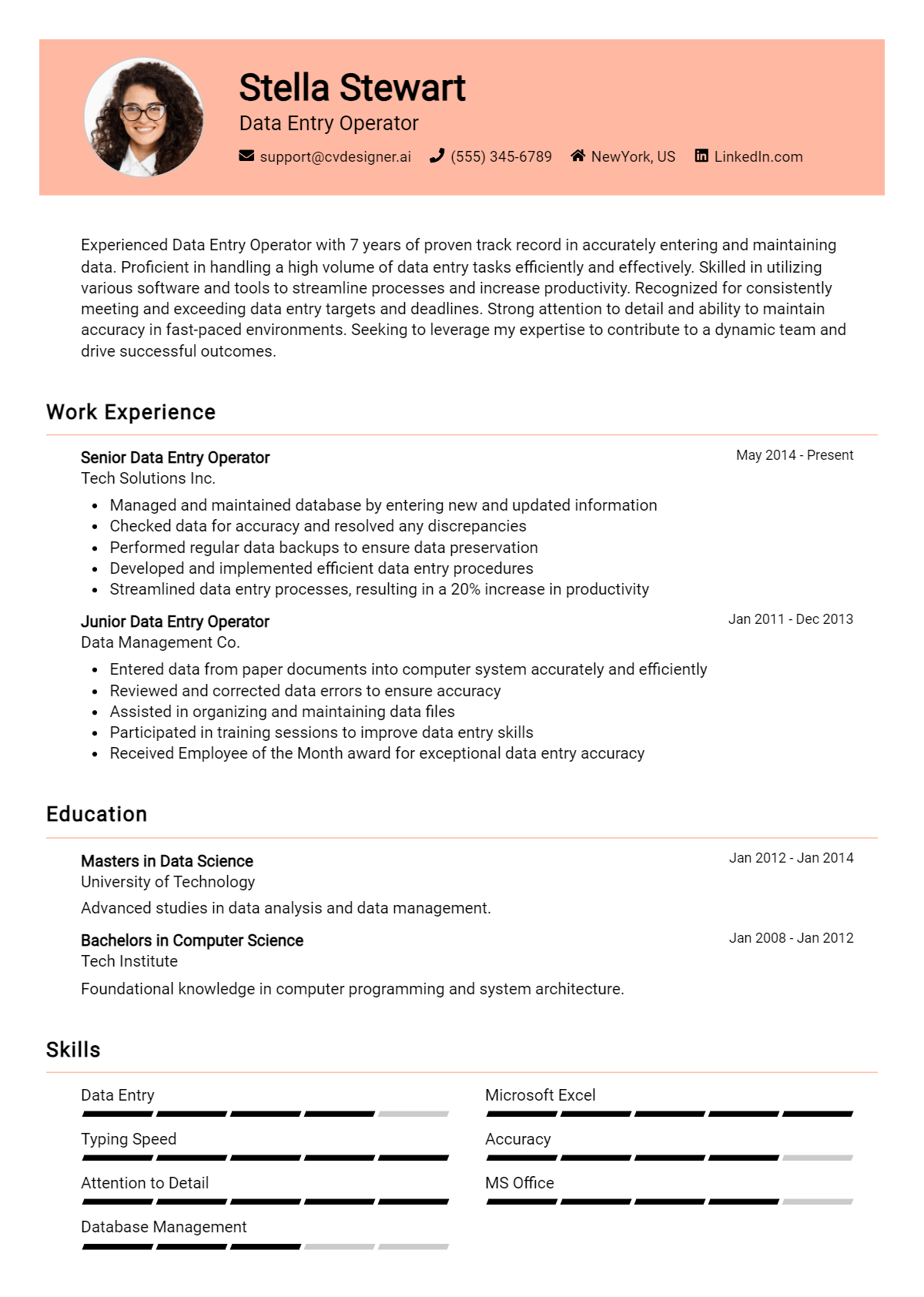
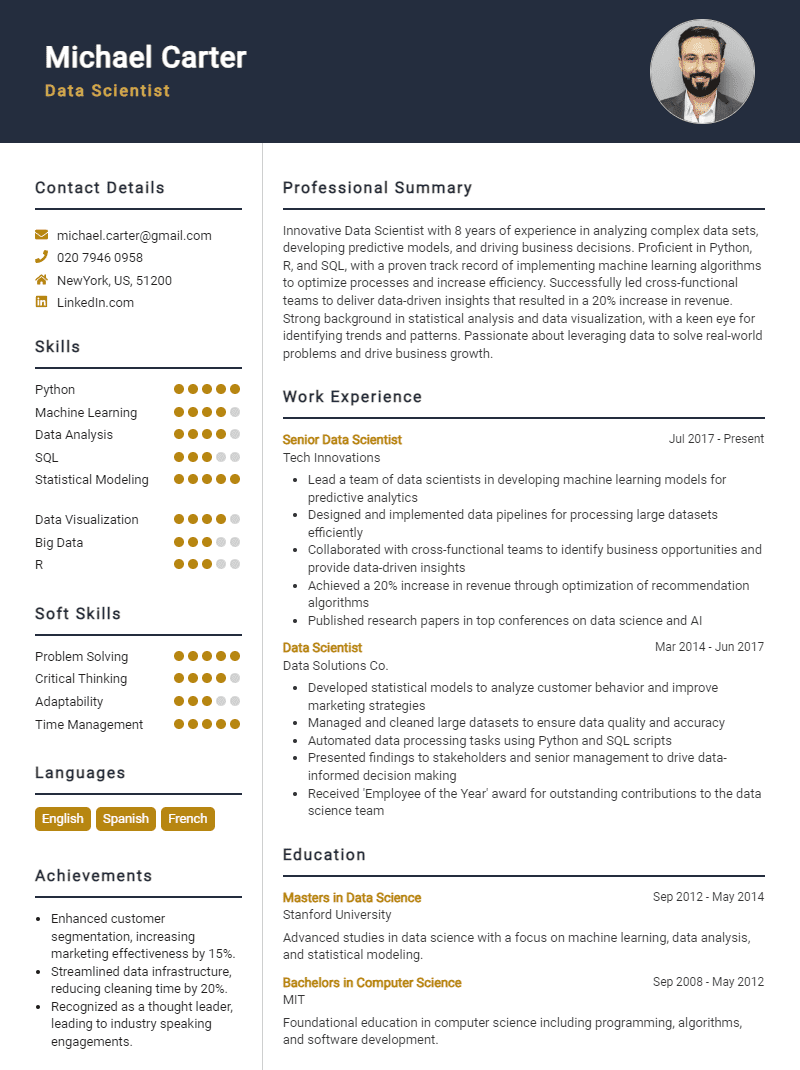
When preparing for a job interview as a Data Entry Operator, it is essential to understand the types of questions you may encounter. These questions typically focus on your technical skills, attention to detail, and ability to manage data efficiently. Additionally, employers often look for candidates who can demonstrate their organizational skills, proficiency with software tools, and capacity to handle repetitive tasks with accuracy and speed.
Here is a list of common job interview questions for a Data Entry Operator, along with examples of the best answers. These questions cover your work history and experience, what you have to offer the employer, and your goals for the future. By preparing thoughtful responses, you can effectively showcase your qualifications and suitability for the role.
1. Can you describe your experience with data entry?
I have over three years of experience in data entry, working with various software systems. My attention to detail and speed ensure high accuracy in entering and validating data. I am familiar with Excel, Access, and other database tools, which enhances my efficiency in this role.
Example:
In my previous job, I managed a large dataset using Excel, achieving a 99% accuracy rate while entering over 1,000 records daily.
2. What tools or software are you proficient in for data entry?
I am proficient in Microsoft Excel, Google Sheets, and database management systems like Access. Additionally, I have experience using CRM software, which helps streamline data entry and retrieval processes. My familiarity with these tools allows me to work efficiently and effectively in data management tasks.
Example:
I have used Excel for data analysis and reporting, and Access for managing customer databases, ensuring smooth data operations.
3. How do you ensure accuracy in your data entry work?
To ensure accuracy, I double-check my entries, utilize software validation features, and maintain a systematic approach. I also take short breaks to maintain focus and reduce fatigue. Regularly reviewing my work helps catch any errors before final submissions.
Example:
I often use a checklist to verify data before submission, which has significantly reduced errors in my previous roles.
4. How do you handle repetitive tasks in data entry?
I approach repetitive tasks with a positive attitude, focusing on maintaining productivity and efficiency. To keep myself engaged, I set small goals and take regular breaks. This helps maintain my concentration and ensures consistent quality in my work.
Example:
During repetitive tasks, I use techniques like time-blocking to stay focused and meet my targets efficiently.
5. Describe a time when you faced a challenge in data entry. How did you resolve it?
I once encountered a corrupted file that contained critical data. I quickly communicated with my supervisor and collaborated with IT to recover the data. I then ensured a backup was created to prevent future issues, demonstrating my problem-solving skills and teamwork.
Example:
I worked with IT to recover 80% of the lost data and implemented a backup system to avoid similar issues in the future.
6. What strategies do you use to manage tight deadlines?
I prioritize tasks based on urgency and importance, breaking projects into manageable sections. Using tools like calendars and reminders helps me stay organized. I focus on maintaining quality while working efficiently, ensuring that deadlines are consistently met without compromising data integrity.
Example:
I often create a timeline for tasks and allocate specific time slots for each to ensure I meet deadlines effectively.
7. How do you handle confidential information?
I understand the importance of confidentiality and adhere to company policies regarding data protection. I ensure that sensitive information is accessed only by authorized personnel and properly secured. Regular training on data privacy regulations further reinforces my commitment to handling confidential data responsibly.
Example:
In my previous position, I implemented a secure filing system that limited access to confidential information to authorized staff only.
8. Why do you want to work as a Data Entry Operator?
I enjoy data management and find satisfaction in maintaining accurate records. This role aligns with my skills in detail-oriented tasks and my passion for working with data. I believe I can contribute positively to your team while further developing my expertise in this field.
Example:
I am drawn to this position because it combines my organizational skills with my passion for data accuracy and efficiency.
9. How do you ensure accuracy in your data entry tasks?
I ensure accuracy by double-checking my entries, using software tools for validation, and regularly reviewing my work. I also take breaks to maintain focus and reduce errors during long sessions. This methodical approach minimizes mistakes and enhances overall data integrity.
Example:
I cross-verify my entries against original documents and utilize spreadsheet functions to catch discrepancies. This approach has consistently helped me maintain a high accuracy rate in my previous roles.
10. Can you describe your experience with data management software?
I have extensive experience using programs like Microsoft Excel, Google Sheets, and specialized data entry software. I'm proficient in functions, formulas, and data sorting, which enhance my efficiency in processing and managing large datasets.
Example:
In my last job, I utilized Excel to automate repetitive tasks, which improved our data entry speed by 30%. I also trained new staff on these tools.
11. How do you handle tight deadlines?
I prioritize tasks by urgency and importance, breaking them down into manageable parts. Staying organized and focused helps me meet deadlines without compromising on quality. I also communicate with my team if additional time is needed.
Example:
During peak periods, I create a daily schedule, allocating specific time slots for each task, which helps me stay on track and meet tight deadlines.
12. What steps do you take if you encounter an error in the data?
Upon discovering an error, I promptly investigate the source, correct it, and document the change for future reference. I also review related entries to ensure accuracy and minimize the chance of recurring mistakes.
Example:
I once found a discrepancy in a financial report; I traced it back to a data entry error and corrected it, ensuring the integrity of our reports was maintained.
13. How do you stay motivated during repetitive tasks?
I stay motivated by setting small goals and rewarding myself upon completion. I also listen to music or podcasts to make repetitive tasks more enjoyable. This approach keeps my energy levels up and enhances my productivity.
Example:
I set a timer for 25 minutes of focused work, followed by a 5-minute break. This strategy keeps me engaged and prevents burnout.
14. Can you explain how you prioritize multiple tasks?
I assess each task based on urgency and impact, creating a priority list. I focus on high-impact tasks first and allocate time blocks for each to ensure everything is completed efficiently without missing deadlines.
Example:
When faced with multiple deadlines, I list tasks, rank them by urgency, and tackle the most critical ones first. This method ensures timely completion.
15. Describe a time when you had to work as part of a team.
In my previous role, I collaborated with a team to input data for a major project. We divided tasks based on strengths and communicated regularly to ensure consistency and accuracy across all entries, which led to successful project completion.
Example:
During a project, I coordinated with team members to align our data entry processes, resulting in a flawless submission and timely project delivery.
16. How do you handle confidential information?
I handle confidential information with the utmost care, adhering to company policies and data protection regulations. I ensure that sensitive data is stored securely and only shared with authorized personnel to maintain confidentiality.
Example:
In my previous job, I implemented a secure filing system for sensitive client data, ensuring it was accessible only to authorized team members.
17. How do you prioritize tasks when you have multiple deadlines to meet?
I prioritize tasks by assessing their urgency and importance. I create a to-do list, focusing on high-priority items first while allocating time for each task. This method allows me to stay organized and meet deadlines efficiently.
Example:
For instance, when faced with multiple entries, I list them, tackle urgent ones first, and set small goals to maintain progress while ensuring accuracy.
18. What software or tools have you used for data entry?
I have experience with Microsoft Excel, Google Sheets, and various database management systems. I am proficient in using data entry software, which enhances my speed and accuracy while managing large datasets effectively.
Example:
In my previous job, I utilized Excel for data tracking, which improved my efficiency in handling large volumes of information significantly.
19. Describe a time when you made a mistake in data entry. How did you handle it?
I once entered incorrect figures into a report. Upon discovering the error, I immediately notified my supervisor, corrected the data, and implemented a double-check system to prevent future mistakes. This experience taught me the importance of accuracy.
Example:
I learned to review my work carefully and now always double-check my entries to ensure accuracy and consistency.
20. How do you ensure accuracy in your work?
I ensure accuracy through careful attention to detail, systematic double-checking of my work, and utilizing software features like validation and error checking. I also take regular breaks to maintain focus during long data entry sessions.
Example:
For example, after completing a batch of entries, I review them against the original source to confirm accuracy before final submission.
21. Can you explain your experience with handling sensitive information?
I have experience managing sensitive data, such as personal identification and financial information. I follow strict confidentiality protocols and data protection guidelines to ensure that all sensitive information is handled securely and responsibly.
Example:
In my previous role, I maintained the confidentiality of client records by using secure software and limiting access to authorized personnel only.
22. What do you do if you are unsure about a specific data entry task?
If I am unsure about a task, I first review any available documentation or guidelines. If I still have questions, I seek clarification from a supervisor or a team member to ensure I complete the task correctly.
Example:
For instance, when faced with unfamiliar software, I consulted my manager who provided guidance, allowing me to proceed confidently.
23. How do you handle repetitive tasks in data entry?
I approach repetitive tasks by maintaining a positive attitude and using techniques to stay focused, such as taking short breaks to avoid fatigue. I also strive to find ways to improve efficiency without compromising quality.
Example:
For instance, I set small goals during long sessions to keep my motivation high and ensure I remain attentive to details.
24. What strategies do you use to improve your typing speed and accuracy?
I regularly practice typing exercises and use online tools to enhance my typing speed and accuracy. Additionally, I focus on proper hand positioning and minimizing distractions to improve my overall performance.
Example:
For example, I dedicated 15 minutes daily to typing tests, resulting in a noticeable increase in both speed and accuracy over time.
25. How do you prioritize tasks when faced with multiple deadlines?
I assess the urgency and importance of each task, creating a priority list. This helps me focus on high-impact tasks first while managing my time efficiently. I also communicate with my supervisor if needed to align on priorities.
Example:
For instance, I once had to complete multiple data entries and reports. I prioritized the report due first, finished it, and then dedicated my time to data entries, ensuring all deadlines were met without sacrificing quality.
26. Describe a time when you identified an error in your work. How did you handle it?
Upon noticing an error in a dataset I had entered, I immediately verified the data against the source. I corrected the mistake and informed my supervisor, ensuring transparency. I also implemented a double-check system to prevent future errors.
Example:
Once, I found a discrepancy in customer entries. I corrected the data and reported the issue to my manager. This experience taught me the importance of vigilance and prompted me to adopt more rigorous checking procedures.
27. What tools or software are you familiar with for data entry?
I am proficient in Microsoft Excel, Google Sheets, and various database management systems like Access. I also have experience with data entry software such as QuickBooks and Salesforce, which enhance data accuracy and efficiency.
Example:
In my previous role, I used Excel extensively for data analysis and reporting, while also managing customer records in Salesforce, which improved my data entry speed and accuracy significantly.
28. How do you ensure the confidentiality of sensitive information?
I adhere to company policies regarding data protection and confidentiality. This includes using secure passwords, limiting access to sensitive data, and regularly training myself on best practices for data security to safeguard information.
Example:
While handling customer data, I ensure that I only access information relevant to my role. I follow all protocols and avoid sharing sensitive data, reinforcing my commitment to confidentiality and trustworthiness.
29. How do you handle repetitive tasks to maintain accuracy and efficiency?
To manage repetitive tasks, I create a structured routine and utilize shortcuts in software to streamline my work. I also take regular breaks to maintain focus, ensuring that each entry remains accurate and efficient.
Example:
In my previous job, I established a consistent routine for data entry. I used keyboard shortcuts and organized my workspace, which kept me engaged and maintained high accuracy throughout the day.
30. Can you describe your experience with quality control in data entry?
I have implemented quality control measures by conducting regular audits of my entries. I also encourage peer reviews and use validation tools to catch errors early, ensuring that the final data is reliable and accurate.
Example:
In my last position, I regularly performed spot checks on my data entries. This proactive approach not only minimized errors but also fostered a team culture focused on quality and accuracy.
31. How do you adapt to new data entry technologies or processes?
I embrace new technologies by engaging in training sessions and tutorials. I also take the initiative to explore software features and seek feedback from colleagues, which helps me adapt quickly and efficiently to new processes.
Example:
When my company transitioned to a new data management system, I proactively attended training and practiced regularly, allowing me to become proficient and assist others in the transition.
32. What steps do you take to improve your data entry skills?
I continually seek to improve by taking online courses, attending workshops, and practicing regularly. I also seek feedback from peers to identify areas for growth and stay updated on industry trends and best practices.
Example:
Recently, I completed a course on advanced Excel techniques, which enhanced my data manipulation skills. I also frequently practice typing to improve my speed and accuracy in data entry tasks.
33. Can you describe your experience with data entry software?
I have extensive experience with various data entry software, including Microsoft Excel and Google Sheets. I am proficient in using formulas and data validation features to ensure accuracy and efficiency in my work.
Example:
In my previous role, I utilized Excel daily for inputting and organizing data, mastering functions like VLOOKUP and pivot tables to streamline processes and enhance data analysis.
34. How do you ensure data accuracy in your work?
I double-check my entries against the source documents and use validation techniques, such as cross-referencing data and running error-checking scripts, to catch any discrepancies before finalizing records.
Example:
In my last position, I implemented a checklist system to verify each entry, which reduced errors by 30% and improved overall data integrity.
35. What steps do you take when dealing with large volumes of data?
When handling large volumes of data, I prioritize organization by breaking tasks into manageable chunks and utilizing batch processing techniques to maintain efficiency while ensuring accuracy throughout the data entry process.
Example:
For a project involving thousands of records, I set daily targets and used automated scripts to assist with repetitive tasks, enabling me to meet deadlines without sacrificing quality.
36. How do you handle repetitive tasks in data entry?
I stay motivated by setting personal goals, taking short breaks to maintain focus, and continuously looking for ways to improve processes, such as automating repetitive tasks where possible.
Example:
In my previous job, I created templates and macros to automate tedious processes, which helped streamline my workload and maintain my engagement in repetitive tasks.
37. Describe a time when you made a mistake in data entry. How did you handle it?
I once entered incorrect data due to a miscommunication. I immediately notified my supervisor, corrected the error, and implemented a verification system to prevent similar mistakes in the future.
Example:
After realizing the mistake, I corrected it within an hour and held a brief team meeting to discuss preventive measures, enhancing our overall data entry process.
38. What do you consider the most challenging aspect of data entry?
The most challenging aspect is maintaining focus during long hours of repetitive tasks. I combat this by taking regular breaks and using techniques like the Pomodoro method to enhance concentration.
Example:
By breaking my work into 25-minute intervals with short breaks, I’ve successfully improved my focus and productivity during extensive data entry sessions.
39. How do you prioritize tasks when given multiple data entry assignments?
I prioritize tasks based on deadlines and complexity, using a checklist to track progress. I also communicate with my supervisor to clarify priorities when needed to ensure timely completion of all assignments.
Example:
In a previous role, I managed multiple projects by assessing their urgency and breaking them into smaller tasks, which allowed me to stay organized and on track.
40. What techniques do you use to manage time effectively during data entry tasks?
I employ time management techniques like setting specific goals for each session, using timers to stay focused, and minimizing distractions by creating a conducive work environment to enhance productivity.
Example:
Implementing the two-minute rule, I tackled small tasks immediately, which kept my workload manageable and allowed me to focus on larger projects without feeling overwhelmed.
41. How do you ensure accuracy in your data entry tasks?
I prioritize accuracy by double-checking my entries and using validation tools. I also break tasks into smaller segments and take regular breaks to maintain focus, reducing mistakes. Consistency in reviewing my work helps me catch errors before final submissions.
Example:
I use a systematic approach; I review data entries against source documents and utilize software features to flag discrepancies. This way, I maintain a high accuracy rate in my work, ensuring reliable data for the organization.
42. Can you describe your experience with data entry software?
I have extensive experience with various data entry software, including Microsoft Excel, Google Sheets, and specialized CRM systems. I quickly adapt to new software and use keyboard shortcuts to increase efficiency, ensuring timely completion of tasks with minimal errors.
Example:
I frequently use Excel for data entry and analysis, utilizing formulas and pivot tables. I also have experience in CRM systems, which facilitates efficient data management and retrieval, streamlining my workflow in data-centric roles.
43. How do you handle repetitive tasks without losing focus?
To maintain focus during repetitive tasks, I set specific goals and take short breaks to recharge. I also listen to music or podcasts, which helps me stay engaged while ensuring that I remain attentive to detail in my work.
Example:
I tackle repetitive tasks by setting a timer for short intervals, allowing me to work diligently while taking brief breaks. This method keeps my mind fresh and focused, reducing fatigue and enhancing my productivity.
44. Describe a time when you had to meet a tight deadline.
In my previous role, I was assigned a large data entry project with a tight deadline. I created a detailed plan, prioritized tasks, and communicated with my team to ensure everyone was aligned, ultimately delivering accurate data ahead of schedule.
Example:
Once, I had to input thousands of records within 48 hours. I organized my workflow, worked overtime, and collaborated with colleagues to meet the deadline, ensuring the quality of data remained intact despite the time pressure.
45. What steps do you take when you encounter discrepancies in data?
When I find discrepancies, I first compare the entered data with the source documents. If I can't resolve the issue, I consult with colleagues or supervisors for clarification. Documenting the discrepancies ensures transparency and aids in future data accuracy.
Example:
Upon noticing a discrepancy, I cross-reference the entry with original documents. If confusion persists, I seek guidance from my supervisor, ensuring we resolve issues collaboratively while maintaining data integrity throughout the process.
46. How do you prioritize tasks when managing multiple data entry projects?
I prioritize tasks based on deadlines and the complexity of each project. I create a to-do list, breaking down larger tasks into manageable parts, which helps me stay organized and focused, ensuring timely completion without compromising quality.
Example:
In managing multiple projects, I assess deadlines and urgency, then create a prioritized list. This approach allows me to allocate my time effectively, ensuring I meet all deadlines while maintaining high-quality data entry standards.
How Do I Prepare For A Data Entry Operator Job Interview?
Preparing for a data entry operator job interview is crucial to making a positive impression on the hiring manager. Adequate preparation not only boosts your confidence but also showcases your commitment to the role. Here are some essential tips to help you prepare effectively:
- Research the company and its values to understand its culture and mission.
- Practice answering common interview questions related to data entry tasks and software.
- Prepare examples that demonstrate your skills and experience relevant to the Data Entry Operator role.
- Familiarize yourself with the specific data entry software and tools mentioned in the job description.
- Dress professionally and arrive early to show your punctuality and seriousness about the position.
- Bring multiple copies of your resume and any other relevant documents to present if needed.
- Prepare questions to ask the interviewer about the team, expectations, and growth opportunities.
Frequently Asked Questions (FAQ) for Data Entry Operator Job Interview
Being well-prepared for an interview is crucial in making a positive impression on potential employers. Familiarizing yourself with commonly asked questions can help you articulate your skills and experiences effectively, making you a stronger candidate for the Data Entry Operator position.
What should I bring to a Data Entry Operator interview?
When attending a Data Entry Operator interview, it’s important to bring several key items. Start with multiple copies of your resume, as interviewers may want to refer to your qualifications during discussions. Additionally, bring a list of references and any relevant certifications or training documents. A notebook and pen can be useful for taking notes during the interview. Lastly, consider bringing a portfolio showcasing your previous work, especially if it includes relevant data entry tasks or projects.
How should I prepare for technical questions in a Data Entry Operator interview?
To prepare for technical questions, review the specific skills and tools commonly used in data entry roles, such as spreadsheet software (like Excel), database management systems, and data entry software. Familiarize yourself with common data entry tasks and practices, such as data validation and error checking. You may also practice typing tests to demonstrate your speed and accuracy. Additionally, consider discussing any past experiences where you successfully handled technical challenges, as this can illustrate your problem-solving abilities.
How can I best present my skills if I have little experience?
If you have limited experience, focus on highlighting relevant skills and transferable experiences from other roles. Emphasize your attention to detail, organizational skills, and ability to work under deadlines. You can also discuss any volunteer work, internships, or coursework that involved data entry or similar tasks. Demonstrating your willingness to learn and adapt can also make a strong impression, so be sure to express your enthusiasm for the position and your commitment to developing your abilities further.
What should I wear to a Data Entry Operator interview?
Choosing the right attire for a Data Entry Operator interview can help you make a positive impression. Opt for business casual clothing, which strikes a balance between professionalism and comfort. For men, this might include dress pants and a collared shirt, while women could choose slacks or a knee-length skirt paired with a blouse. Ensure your outfit is clean and well-fitted. Avoid overly casual items like jeans or sneakers, as dressing appropriately shows respect for the interview process and the company culture.
How should I follow up after the interview?
Following up after an interview is a crucial step in the job application process. Send a thank-you email within 24 hours to express your appreciation for the opportunity to interview. In your message, reiterate your interest in the position and briefly mention a key point from the interview that highlights your suitability for the role. This not only shows your professionalism but also keeps you in the interviewer's mind as they make their decision. Be sure to keep it concise and genuine.
Conclusion
In summary, this interview guide for the Data Entry Operator role has highlighted the critical aspects of preparing for your upcoming interviews. Emphasizing the importance of preparation, practice, and showcasing relevant skills can significantly enhance your performance. It's essential to be ready for both technical and behavioral questions, as this dual preparation will improve your chances of success during the interview process.
Remember, the insights and examples provided in this guide are designed to empower you. Take advantage of these tips to approach your interviews with confidence and poise. Best of luck, and believe in your ability to excel!
For further assistance, check out these helpful resources: resume templates, resume builder, interview preparation tips, and cover letter templates.