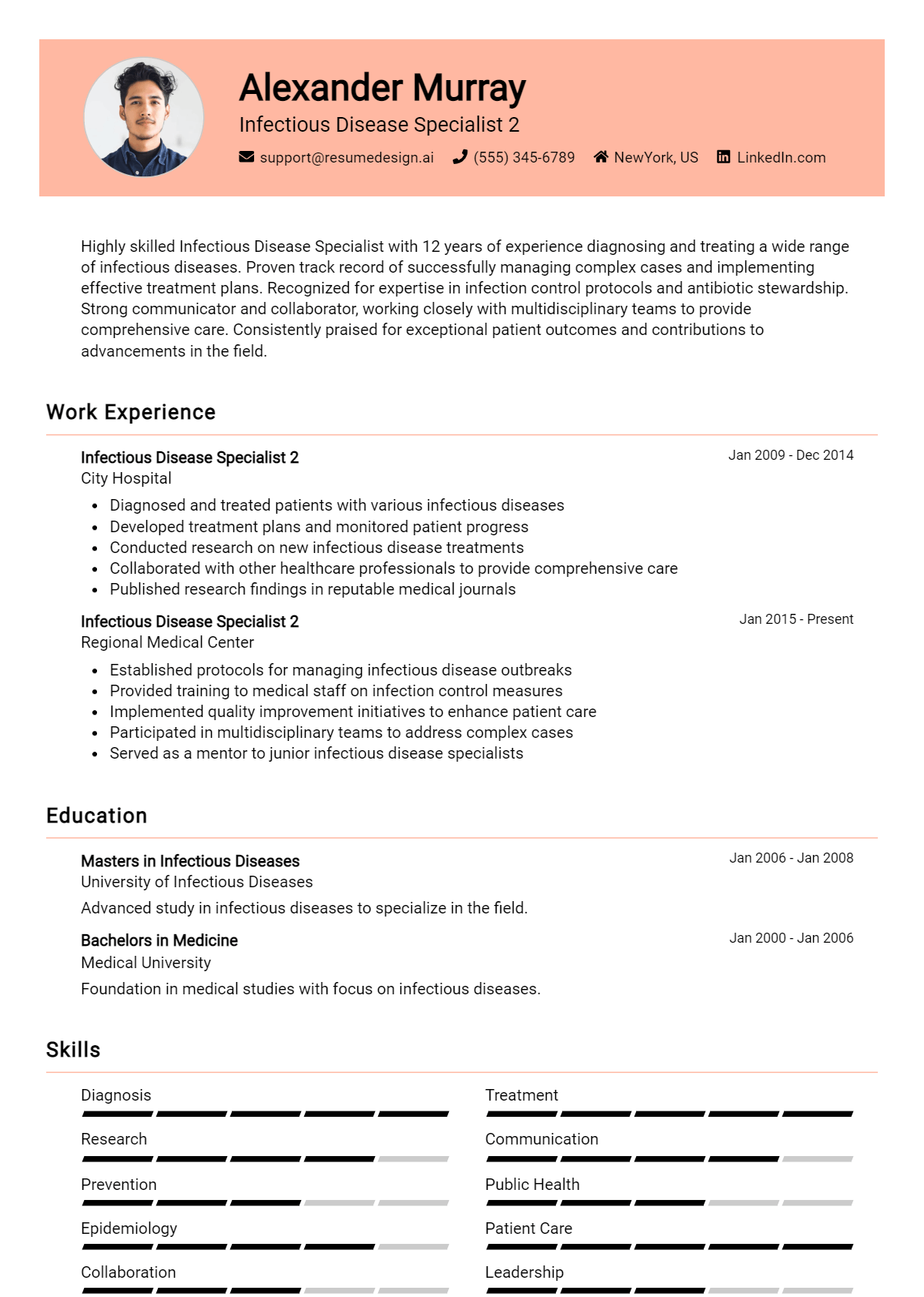
When preparing for an interview as an Infectious Disease Specialist, it's essential to anticipate the types of questions that may arise. This role demands a robust understanding of various infectious diseases, effective communication skills, and the ability to work collaboratively within a healthcare setting. Employers will be keen to gauge not only your technical expertise but also your problem-solving abilities and how you approach patient care in complex situations.
Here is a list of common job interview questions for an Infectious Disease Specialist, along with examples of the best answers. These questions cover your work history and experience, your unique contributions to the healthcare field, and your aspirations for future growth and development within the specialty. Being prepared to discuss these topics will help you demonstrate your qualifications and passion for this critical area of medicine.
1. What inspired you to specialize in infectious diseases?
My passion for public health and understanding the complexities of pathogens motivated me to specialize in infectious diseases. I aim to contribute to controlling outbreaks and improving patient outcomes through research and clinical practice.
Example:
I was inspired during my rotation in a hospital infectious disease unit, where I witnessed the impact of timely diagnosis and treatment on patient recovery. This experience solidified my commitment to this specialty.
2. How do you stay updated on the latest research in infectious diseases?
I regularly read journals such as the Journal of Infectious Diseases and participate in webinars and professional conferences. Networking with colleagues and engaging in discussions also helps me stay informed about emerging trends and research findings.
Example:
I subscribe to key journals and attend annual conferences, which allow me to discuss recent findings with peers. This continuous learning is crucial in a rapidly evolving field like infectious diseases.
3. Can you describe your experience with outbreak investigations?
I have participated in several outbreak investigations, including a recent Salmonella outbreak. My role involved coordinating with local health departments, conducting interviews, and analyzing data to identify sources and implement control measures effectively.
Example:
During a recent outbreak, I led a team to trace the infection source. We collected samples, interviewed affected individuals, and worked with public health officials to implement containment strategies, ultimately reducing cases significantly.
4. How do you approach patient education regarding infectious diseases?
I prioritize clear communication, using simple language and visual aids to explain complex concepts. I tailor my approach to individual patient needs, ensuring they understand their condition and treatment options to promote adherence and reduce stigma.
Example:
I once created a brochure for patients on HIV prevention. It simplified medical jargon and included FAQs, which helped patients feel more comfortable discussing their concerns and empowered them to take control of their health.
5. What strategies do you use for managing antibiotic resistance?
I advocate for antibiotic stewardship programs that emphasize appropriate prescribing practices and educate healthcare teams about resistance. Collaborating with pharmacists and infectious disease experts ensures a coordinated approach to managing antibiotic use and monitoring resistance trends.
Example:
In my previous role, I implemented a stewardship program that reduced inappropriate prescriptions by 30%. We provided staff training and developed protocols that encouraged thoughtful antibiotic use across the hospital.
6. How do you handle challenging cases in infectious diseases?
I approach challenging cases with a multidisciplinary mindset, consulting with colleagues and utilizing clinical guidelines. Continuous learning and adapting treatment plans based on patient response are essential to providing optimal care in complex situations.
Example:
In a difficult case of multi-drug resistant TB, I collaborated with a team of specialists to devise a personalized treatment plan, ensuring we adjusted therapies based on the patient's progress and side effects.
7. What role do you believe technology plays in infectious disease management?
Technology plays a crucial role in diagnostics, surveillance, and data sharing. Using electronic health records and telemedicine enhances patient management and allows for real-time data analysis, improving response times during outbreaks and ensuring timely interventions.
Example:
I utilize electronic health records to track patient histories and outcomes, which helps in identifying trends in treatment efficacy and facilitates better communication with my team during outbreak responses.
8. How do you prioritize your workload when dealing with multiple patients?
I prioritize tasks based on patient acuity and urgency, using a systematic approach to manage my time effectively. Regularly communicating with my team ensures that we address critical cases promptly while maintaining quality care for all patients.
Example:
In a busy clinic, I assess each patient’s needs at the start of my shift. I focus on high-risk cases first, followed by routine follow-ups, ensuring that I provide timely care to those who need it most.
9. How do you stay updated with the latest research and developments in infectious diseases?
I regularly read relevant journals, attend conferences, and participate in online forums. Networking with colleagues also provides insights into emerging trends and practices in infectious diseases, ensuring I remain current in my expertise.
Example:
I subscribe to journals like The Lancet Infectious Diseases and attend annual ID conferences. Additionally, I engage in webinars and professional groups to discuss recent findings and advancements with peers.
10. Can you describe a challenging case you managed and the outcome?
I once managed a patient with a multidrug-resistant infection. After extensive testing, I tailored a treatment plan that incorporated a novel antibiotic. The patient responded positively, highlighting the importance of personalized care in infectious disease management.
Example:
I treated a patient with a rare fungal infection. By collaborating with a lab and utilizing advanced diagnostics, we identified the pathogen and successfully implemented targeted therapy, leading to full recovery.
11. How do you approach infection control in healthcare settings?
I prioritize infection control by advocating for strict adherence to hygiene protocols, conducting regular training sessions, and analyzing infection data. My proactive approach helps in minimizing hospital-acquired infections effectively.
Example:
I implemented an evidence-based hand hygiene campaign in my department, resulting in a 30% reduction in hospital-acquired infections within six months, proving the effectiveness of consistent training and monitoring.
12. What strategies do you use for educating patients about infectious diseases?
I use clear, accessible language and visual aids to educate patients. Tailoring information to their specific conditions and encouraging questions fosters a supportive environment, empowering patients to manage their health effectively.
Example:
I create informative pamphlets and conduct interactive sessions that simplify complex concepts, ensuring patients understand their conditions and treatments, which enhances compliance and outcomes.
13. How do you handle antibiotic resistance issues in your practice?
I advocate for antibiotic stewardship by educating both staff and patients about appropriate use. Implementing guidelines and monitoring prescribing practices helps combat resistance and ensures effective treatment options are available.
Example:
I led a campaign to reduce unnecessary antibiotic prescriptions in our clinic, incorporating guidelines and training, which resulted in a significant decrease in inappropriate use and improved patient outcomes.
14. Describe your experience with outbreak investigation.
I participated in an outbreak investigation of norovirus in a community setting. I coordinated with public health officials, collected data, and implemented control measures. Our efforts quickly contained the outbreak, demonstrating effective collaboration.
Example:
During a flu outbreak, I led the investigation team, conducted interviews, and analyzed transmission pathways, allowing us to minimize further spread and educate the community effectively.
15. How do you prioritize your workload in a busy clinical setting?
I prioritize tasks based on urgency and impact on patient care. Utilizing digital tools for scheduling and delegation ensures efficient management, allowing me to respond promptly to critical cases while maintaining quality care.
Example:
I use a triage system to prioritize patient cases, focusing on those requiring immediate attention while efficiently managing routine follow-ups, ensuring all patients receive timely and effective care.
16. What role do you think telemedicine plays in infectious disease management?
Telemedicine is vital for increasing access to care, especially in remote areas. It allows for timely consultations and follow-ups, improving patient adherence and monitoring, which is crucial in managing infectious diseases effectively.
Example:
I implemented telemedicine visits for patients with chronic infections, enabling regular monitoring and adjustments in treatment plans, which significantly improved adherence and outcomes during the pandemic.
17. How do you stay updated with the latest research and developments in infectious diseases?
I regularly read journals like the Journal of Infectious Diseases and attend relevant conferences. Networking with colleagues and participating in online forums also helps me stay informed about emerging trends and treatments in infectious diseases.
Example:
I subscribe to top journals and attend annual infectious disease conferences. Additionally, I engage in webinars and online courses to ensure I am well-informed about the latest research and advancements in the field.
18. Can you describe your experience with antibiotic stewardship programs?
I have actively participated in antibiotic stewardship committees, where my role included reviewing patient antibiotic use and suggesting alternatives. This experience has enhanced my understanding of appropriate antibiotic prescribing and its impact on resistance patterns.
Example:
I led initiatives within our hospital’s antibiotic stewardship program, focusing on reducing unnecessary prescriptions. This not only improved patient outcomes but also significantly decreased the incidence of antibiotic resistance in our facility.
19. Describe a challenging case you encountered and how you managed it.
I once treated a patient with a rare tropical disease. After extensive research and collaboration with specialists, I tailored a treatment plan that combined multiple therapies, ultimately leading to a successful recovery. This experience honed my problem-solving skills.
Example:
I faced a challenging case of multi-drug resistant tuberculosis. Collaborating with a team, we implemented a unique treatment regimen that required close monitoring and adjustments, which ultimately led to the patient's recovery.
20. How do you educate patients about infectious diseases?
I prioritize clear communication by using simple language and visual aids. I encourage questions and ensure patients understand their condition, treatment options, and preventive measures, tailoring my approach based on their individual needs and comprehension levels.
Example:
I use diagrams and pamphlets to explain infections and treatments, ensuring patients grasp the information. I also invite questions to clarify any doubts, making education a collaborative process.
21. What role do you think technology plays in managing infectious diseases?
Technology is crucial in tracking outbreaks, managing patient data, and facilitating telemedicine. I utilize electronic health records and data analytics to identify trends and enhance patient care, ensuring timely interventions in infectious disease management.
Example:
Digital tools help us track disease outbreaks effectively. I leverage data analytics to assess patterns in infections, which aids in timely public health responses and improves patient outcomes.
22. How do you handle the emotional aspects of dealing with infectious diseases?
I recognize the emotional toll on patients and families. I practice empathy and provide emotional support while maintaining professionalism. Collaborating with mental health professionals ensures comprehensive care for patients facing challenging diagnoses.
Example:
I approach each patient with compassion, understanding their fears. I also work closely with counselors to provide holistic support, addressing both their medical and emotional needs throughout treatment.
23. What strategies do you use to prevent the spread of infections in healthcare settings?
I advocate for strict adherence to infection control protocols, including hand hygiene and proper use of PPE. Regular training and audits ensure compliance, while fostering a culture of safety among staff and patients is essential in minimizing infection risks.
Example:
I implement regular training sessions on infection control practices and conduct audits to ensure compliance. Creating a culture focused on safety significantly reduces the risk of infections in our facility.
24. Describe your experience working with public health organizations.
I have collaborated with public health organizations to develop vaccination programs and respond to disease outbreaks. This experience has enhanced my understanding of community health needs and the importance of public health initiatives in controlling infectious diseases.
Example:
Working with the CDC, I helped implement a vaccination campaign that significantly increased coverage in underserved populations, demonstrating the vital role public health plays in disease prevention.
25. How do you stay current with the latest research and developments in infectious diseases?
I regularly attend conferences, subscribe to relevant journals, and participate in professional networks. This helps me stay informed about emerging pathogens and treatment protocols, ensuring I provide the best care based on the latest evidence.
Example:
I subscribe to journals like The Lancet Infectious Diseases and attend annual ID conferences to learn about breakthroughs and share insights with colleagues.
26. Can you describe a challenging case you managed and how you handled it?
I once treated a patient with a rare zoonotic infection. I coordinated with various specialists, conducted extensive research, and adjusted the treatment plan based on the latest guidelines. This collaborative effort led to a successful outcome.
Example:
I managed a case of leptospirosis, collaborating with a team to identify the source and implement isolation protocols, which resulted in effective treatment and prevention of further spread.
27. How do you approach educating patients about infectious diseases?
I prioritize clear communication, using layman's terms to explain complex concepts. I provide educational materials and encourage questions, ensuring patients understand their conditions and the importance of adherence to treatment plans.
Example:
I create tailored educational sessions for patients, incorporating visual aids and handouts that clarify their diagnosis and necessary precautions.
28. What protocols do you follow when an outbreak occurs?
I follow a systematic approach that includes rapid assessment, isolation of cases, contact tracing, and public health reporting. Collaboration with health departments is crucial to contain the outbreak effectively.
Example:
During an outbreak, I mobilize a response team to assess the situation, implement containment strategies, and communicate regularly with public health officials for updates.
29. How do you handle antibiotic resistance in your practice?
I emphasize the importance of antibiotic stewardship, educating both patients and colleagues about appropriate antibiotic use. I also advocate for alternative treatments when necessary and monitor resistance patterns in my practice.
Example:
I implement strict guidelines for prescribing antibiotics, ensuring they are only used when necessary, and I review culture results to guide treatment decisions.
30. Describe your experience with vaccination programs.
I have been actively involved in vaccination initiatives, educating communities about vaccine benefits and addressing hesitancy. I’ve also collaborated with public health organizations to improve vaccination rates, especially during outbreaks.
Example:
I led a campaign that increased flu vaccination rates in our clinic by 30% by organizing community outreach and educational sessions.
31. How do you prioritize patient care in a busy clinic setting?
I prioritize cases based on severity and urgency while ensuring effective communication with my team. Using an organized triage system helps manage workflow and ensures all patients receive timely care.
Example:
I implement a triage protocol to assess patients quickly, allowing me to focus on critical cases while delegating less urgent ones to other staff members.
32. What role does technology play in your practice as an infectious disease specialist?
Technology is essential for diagnosis, treatment tracking, and data management. I utilize electronic health records and telemedicine to enhance patient care, streamline communication, and access research databases for informed decision-making.
Example:
I use telemedicine platforms to consult with patients remotely, improving access to care while maintaining comprehensive records through our EHR system.
33. How do you stay updated on the latest developments in infectious diseases?
I regularly read peer-reviewed journals, attend conferences, and participate in webinars. Networking with colleagues also helps me share insights and learn about emerging trends in infectious disease research and treatment. This ensures my knowledge remains current and relevant.
Example:
I subscribe to journals like the Journal of Infectious Diseases and attend the IDSA annual meeting, which keeps me informed about breakthroughs and guidelines in our field.
34. Can you discuss your experience with outbreak investigations?
I have led outbreak investigations, coordinating with public health officials to identify sources and implement control measures. My analytical skills allow me to assess data and trends effectively, ensuring timely responses to outbreaks.
Example:
In a recent outbreak of norovirus, I helped trace the source, advised on containment measures, and communicated findings to the public, which helped reduce transmission.
35. Describe a challenging case you managed and how you approached it.
I once managed a complex case of multi-drug resistant tuberculosis. I conducted thorough patient assessments, collaborated with a multidisciplinary team, and tailored a treatment plan that included DOT to ensure adherence and monitor progress closely.
Example:
My approach involved regular follow-ups and community support, which ultimately resulted in a successful outcome and improved patient compliance.
36. How do you handle patient non-compliance with treatment regimens?
I address non-compliance by understanding the patient’s barriers, providing education on the importance of adherence, and involving them in decision-making. Building trust and rapport is key to encouraging commitment to their treatment plans.
Example:
By directly discussing their concerns, I’ve been able to adjust treatment plans and improve adherence rates significantly.
37. What role do you think technology plays in infectious disease management?
Technology is crucial in diagnostics, tracking outbreaks, and managing patient data. I utilize electronic health records and telemedicine to enhance patient care and ensure efficient communication with healthcare teams, ultimately improving treatment outcomes.
Example:
For instance, using telehealth services has allowed me to monitor patients in remote areas, ensuring they receive timely care and follow-up.
38. How do you ensure effective communication with diverse patient populations?
I prioritize cultural competence by actively listening and using interpreters when necessary. Tailoring information to meet the literacy levels and cultural contexts of patients fosters better understanding and adherence to treatment regimens.
Example:
In past experiences, I have used visual aids and simplified language to enhance understanding, resulting in more effective patient education.
39. What strategies do you employ for infection prevention in healthcare settings?
I advocate for strict adherence to infection control protocols, regular training for staff, and conducting audits to ensure compliance. Collaboration with infection control teams is vital to implement effective strategies that minimize infection risks.
Example:
For example, I led a campaign to improve hand hygiene compliance, which significantly reduced hospital-acquired infections.
40. How do you approach research in infectious diseases?
My research approach involves identifying gaps in current knowledge, formulating hypotheses, and designing rigorous studies. I collaborate with interdisciplinary teams and value peer feedback, ensuring that our findings contribute meaningfully to the field.
Example:
Recently, I co-authored a study on vaccine efficacy, which helped shape local vaccination strategies.
41. How do you stay updated with the latest research and developments in infectious diseases?
I regularly read peer-reviewed journals, attend conferences, and participate in webinars. Networking with colleagues and collaborating on research projects also helps me stay informed about emerging trends and treatments, ensuring that my practice is evidence-based and effective.
Example:
I subscribe to journals like The Lancet Infectious Diseases and attend annual conferences. This allows me to integrate the latest findings into my practice, ensuring patient care is aligned with current research and advancements in the field.
42. Describe your experience with outbreak investigations.
I have led several outbreak investigations, including a recent one involving a community-acquired infection. My role involved data collection, analysis, and working with public health officials to implement control measures. I ensured clear communication with stakeholders to mitigate the outbreak's impact.
Example:
During a recent outbreak of norovirus, I coordinated with local health departments, gathered data on infection sources, and advised on sanitation measures. This collaborative approach helped contain the outbreak swiftly and effectively, minimizing community spread.
43. How do you approach educating patients about infectious diseases?
I prioritize clear communication, using simple language and visual aids to explain complex concepts. I tailor my approach based on individual patient needs, ensuring they understand their condition and treatment options, which empowers them to make informed decisions about their health.
Example:
For a patient diagnosed with HIV, I use brochures and diagrams to explain the disease, treatment adherence, and lifestyle changes. This personalized education fosters trust and encourages patients to actively participate in their care.
44. What strategies do you use to manage antibiotic resistance?
I advocate for antibiotic stewardship by promoting appropriate prescribing practices and educating both patients and healthcare providers about the risks of misuse. I also collaborate with pharmacists to develop guidelines that help optimize antibiotic use while monitoring resistance patterns.
Example:
In my practice, I implement guidelines that encourage testing before prescribing antibiotics. By educating patients about resistance, we reduce unnecessary prescriptions, thus combating antibiotic resistance effectively within our community.
45. How do you handle ethical dilemmas in your practice?
I approach ethical dilemmas by consulting evidence-based guidelines and collaborating with colleagues for diverse perspectives. I also prioritize patient autonomy while ensuring their safety, and when necessary, I involve an ethics committee to navigate complex situations effectively.
Example:
In a case involving a patient refusing treatment, I facilitated a discussion about risks. Ultimately, I respected their decision while providing all the necessary information, ensuring they understood the implications of their choice.
46. Can you discuss a significant challenge you faced in your career and how you overcame it?
One significant challenge was managing a multi-drug resistant tuberculosis outbreak. I coordinated with local hospitals, enhanced surveillance, and implemented strict infection control measures. By fostering collaboration and communication, we effectively contained the outbreak and improved patient outcomes.
Example:
During a challenging MDR-TB outbreak, I established a task force, improved diagnostic processes, and educated healthcare staff on infection control, which significantly reduced transmission rates and improved treatment adherence among patients.
How Do I Prepare For A Infectious Disease Specialist Job Interview?
Preparing for an interview as an Infectious Disease Specialist is crucial to making a positive impression on the hiring manager. A well-prepared candidate not only showcases their expertise but also demonstrates their genuine interest in the position and the organization. Here are some key tips to help you prepare effectively:
- Research the company and its values to understand its mission and goals in the field of infectious diseases.
- Review the latest advancements and trends in infectious disease research and treatment to discuss relevant topics confidently.
- Practice answering common interview questions, such as those related to patient care, disease prevention, and public health strategies.
- Prepare examples that demonstrate your skills and experience, focusing on case studies or situations where you made a significant impact.
- Familiarize yourself with the specific requirements and responsibilities of the Infectious Disease Specialist role you are applying for.
- Plan thoughtful questions to ask the interviewer about the team, the organization's approach to infectious diseases, and future projects.
- Dress professionally and arrive on time to convey your seriousness and respect for the opportunity.
Frequently Asked Questions (FAQ) for Infectious Disease Specialist Job Interview
Preparing for an interview can significantly enhance a candidate's confidence and performance. Infectious Disease Specialist roles are competitive and often require a deep understanding of the field. Familiarizing yourself with common interview questions can aid in articulating your thoughts clearly and demonstrating your expertise effectively.
What should I bring to an Infectious Disease Specialist interview?
When attending an interview for an Infectious Disease Specialist position, it is essential to bring several key items. Prepare copies of your resume, a list of references, and any relevant certifications or licenses. Additionally, having a notebook and pen for taking notes can be beneficial. Bringing a portfolio that showcases your research, case studies, or publications may also impress potential employers and provide talking points during the interview.
How should I prepare for technical questions in an Infectious Disease Specialist interview?
Technical questions are common in interviews for Infectious Disease Specialists. To prepare, review the latest research and guidelines related to infectious diseases, including treatment protocols and emerging pathogens. Familiarize yourself with case studies relevant to the organization’s focus and be ready to discuss your clinical experiences. Engaging in mock interviews with colleagues can also help you practice articulating your technical knowledge in a clear and concise manner.
How can I best present my skills if I have little experience?
If you have limited experience, focus on highlighting your relevant education, internships, and any volunteer work in the field of infectious diseases. Emphasize transferable skills such as critical thinking, problem-solving, and teamwork. Discuss any research projects or coursework that demonstrate your knowledge and passion for infectious diseases. Be honest about your experience while showing eagerness to learn and grow in the role.
What should I wear to an Infectious Disease Specialist interview?
Appropriate attire for an Infectious Disease Specialist interview typically leans towards business professional. Wearing a tailored suit or a professional dress is advisable, as it conveys seriousness and respect for the interview process. Ensure your clothing is clean, well-fitted, and comfortable, allowing you to focus on the interview rather than your attire. Avoid overly casual clothing or excessive accessories to maintain a polished appearance.
How should I follow up after the interview?
Following up after an interview is crucial as it reinforces your interest in the position. Send a thank-you email within 24-48 hours, expressing gratitude for the opportunity to interview and highlighting a key point discussed during the meeting. Keep the message concise and professional, reiterating your enthusiasm for the role and the organization. This thoughtful gesture can leave a positive impression and keep you on the interviewer’s radar.
Conclusion
In summary, this interview guide for the role of an Infectious Disease Specialist has covered essential topics such as preparation strategies, the importance of practicing responses, and showcasing relevant skills that align with the demands of the position. Being well-prepared is crucial for navigating both technical and behavioral questions, which can significantly enhance a candidate's chances of success in a competitive job market.
By integrating the insights and examples provided in this guide, candidates can approach their interviews with confidence and clarity. Remember, thorough preparation can set you apart and showcase your commitment to the field of infectious diseases.
For further assistance, check out these helpful resources: resume templates, resume builder, interview preparation tips, and cover letter templates.