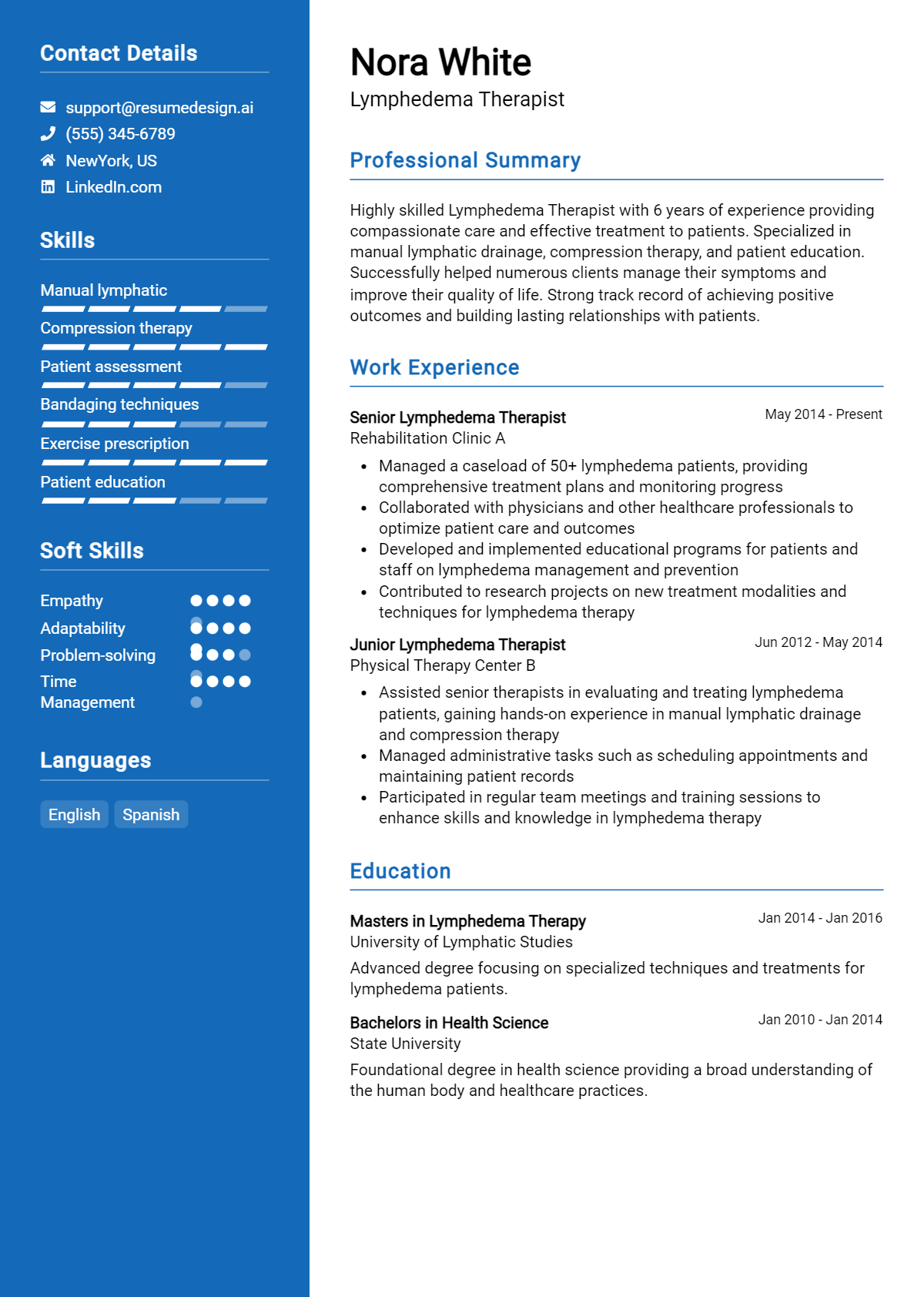
When preparing for a job interview as a Lymphedema Therapist, it's essential to anticipate the questions you may encounter and formulate thoughtful responses. This role requires not only clinical expertise but also strong interpersonal skills and a deep understanding of patient care. Demonstrating your knowledge and experience during the interview can significantly impact your chances of landing the position.
Here is a list of common job interview questions for a Lymphedema Therapist, along with examples of the best answers. These questions will delve into your work history and experience, exploring what you bring to the table as a therapist, as well as your professional aspirations and goals for the future. Being well-prepared for these inquiries will help you showcase your qualifications and passion for helping patients manage lymphedema effectively.
1. What motivated you to become a Lymphedema Therapist?
My motivation stems from my passion for helping patients regain their quality of life. Seeing the transformative effects of lymphedema management inspires me daily. I find fulfillment in educating patients about their condition and empowering them to manage it effectively.
Example:
I became a Lymphedema Therapist after witnessing a family member struggle with the condition. This drove me to learn more, and I realized my calling lies in helping others manage their lymphedema effectively.
2. How do you assess a new patient with lymphedema?
I begin with a thorough patient history, including their medical background and lifestyle. Then, I perform a physical examination to assess the extent and location of the lymphedema. This helps me create an individualized treatment plan tailored to their needs.
Example:
I assess new patients by reviewing their medical history, asking about symptoms, and conducting a physical examination. This comprehensive approach ensures a personalized treatment plan that addresses their specific lymphedema challenges.
3. What treatment methods do you commonly use for lymphedema management?
I utilize a combination of manual lymphatic drainage, compression therapy, and exercise programs. Education on self-care techniques is also vital. This multifaceted approach helps to reduce swelling and improve the patient’s overall well-being.
Example:
Common methods include manual lymphatic drainage, compression garments, and tailored exercise plans. I also prioritize educating patients on lifestyle modifications to enhance their self-management efforts.
4. How do you educate patients about self-care and management of lymphedema?
I provide clear, practical guidance on self-care techniques, such as skin care, exercise, and compression garment usage. I often use visual aids and hands-on demonstrations to ensure they understand their routines, fostering independence in managing their condition.
Example:
I educate patients using visual aids and hands-on demonstrations. This approach helps them understand their self-care routines better, enabling them to manage lymphedema more effectively and confidently.
5. Can you describe a challenging case you encountered and how you handled it?
I once worked with a patient resistant to treatment due to previous negative experiences. I took time to build trust, actively listened to their concerns, and adjusted the treatment plan to incorporate their preferences, which ultimately led to significant improvement.
Example:
A challenging case involved a patient hesitant to follow treatment. By listening to their concerns and modifying the approach to include their preferences, I successfully gained their trust and improved their condition.
6. What role does team collaboration play in your practice?
Team collaboration is essential in lymphedema management. I often coordinate with other healthcare professionals, such as physicians and nutritionists, to provide comprehensive care, ensuring our patients receive the best possible treatment tailored to their needs.
Example:
Collaboration with physicians, nurses, and nutritionists is vital. This multidisciplinary approach ensures that our patients receive holistic care, addressing all aspects of their health related to lymphedema.
7. How do you stay updated with the latest research and developments in lymphedema treatment?
I stay updated by attending professional workshops, subscribing to relevant journals, and participating in online forums. Continuous education allows me to incorporate the latest evidence-based practices into my treatments, ensuring optimal care for my patients.
Example:
I regularly attend workshops and subscribe to journals focused on lymphedema. Staying informed helps me integrate the latest research into my practice and improve patient care.
8. How do you measure the success of your treatment plans?
I measure success through patient feedback, reduction in limb volume, and improved functionality. Regular follow-ups and reassessments help me adjust treatment plans as necessary to ensure continuous progress and patient satisfaction.
Example:
Success is gauged through patient feedback, volume reduction, and enhanced quality of life. Regular assessments ensure that treatment remains effective and adjustments can be made promptly.
9. How do you stay updated on the latest research and techniques in lymphedema therapy?
Staying updated is crucial in our field. I regularly attend professional conferences, participate in online forums, and subscribe to relevant journals. I also engage in continuous education courses to enhance my skills and ensure my patients receive the best evidence-based care.
Example:
I attend annual lymphedema conferences and subscribe to journals like the Journal of Lymphology, ensuring I’m aware of new techniques and studies that can benefit my patients and improve my practice.
10. Can you describe a challenging case you managed and how you approached it?
One challenging case involved a patient with severe lymphedema post-cancer treatment. I developed a tailored treatment plan, incorporating manual lymphatic drainage and compression therapy. Regular follow-ups helped monitor progress, and we adjusted the plan based on the patient’s feedback, leading to significant improvement.
Example:
I worked with a patient who had complex lymphedema; I created a personalized treatment plan and collaborated with other healthcare providers to ensure comprehensive care, ultimately achieving excellent results through persistence and teamwork.
11. How do you assess a patient's condition before developing a treatment plan?
I conduct a thorough assessment, including a detailed patient history, physical examination, and measurement of limb circumference. I also consider the patient's lifestyle and any comorbidities, which helps me create a comprehensive and personalized treatment plan that addresses their specific needs.
Example:
I begin by taking a comprehensive medical history and performing a physical assessment, measuring limb circumference to establish the severity of lymphedema, which informs my tailored treatment plan.
12. What techniques do you use for patient education regarding self-care at home?
I utilize clear demonstrations and provide written materials on self-care techniques, including skin care, compression garment usage, and exercises. Encouraging questions and active participation helps ensure patients feel empowered and confident in managing their lymphedema at home effectively.
Example:
I often demonstrate self-care techniques during sessions and provide pamphlets for patients to take home, ensuring they understand how to manage their condition effectively on their own.
13. How do you handle a situation where a patient is not compliant with their treatment plan?
I approach non-compliance with empathy, seeking to understand the underlying reasons. Open communication allows me to address concerns and barriers. I work collaboratively with the patient to adjust their treatment plan to increase adherence, ensuring they feel supported and motivated in their recovery journey.
Example:
I would have an open conversation to understand their reasons for non-compliance and collaboratively adjust the treatment plan, ensuring it aligns with their lifestyle and preferences to encourage better adherence.
14. How do you incorporate interdisciplinary collaboration in your practice?
I believe collaboration is key in lymphedema management. I regularly communicate with physicians, physical therapists, and dietitians to ensure comprehensive care. This teamwork helps address all aspects of a patient's well-being, leading to better outcomes and a more holistic approach to treatment.
Example:
I coordinate care with physicians and nutritionists, ensuring our treatment plans are aligned, which enhances patient care and promotes better health outcomes across the board.
15. What role does patient feedback play in your treatment approach?
Patient feedback is invaluable in my practice. It informs me of their experiences, allowing me to adjust treatment plans accordingly. I encourage open communication to ensure patients are comfortable sharing their thoughts, which ultimately enhances their engagement and satisfaction with the therapy.
Example:
I actively seek patient feedback during sessions, using their insights to modify treatment plans and improve their overall experience and outcomes in therapy.
16. How do you ensure cultural competence in your therapy practice?
I prioritize cultural competence by understanding and respecting diverse backgrounds. I engage in training programs and seek to learn about the cultural beliefs and practices of my patients, which helps in providing personalized care that resonates with their values and enhances their treatment experience.
Example:
I take cultural competence training regularly and strive to understand my patients’ backgrounds, tailoring my communication and treatment plans to respect their values and preferences.
17. Can you describe a challenging case you managed as a Lymphedema Therapist?
In one case, I worked with a patient whose lymphedema was exacerbated by limited mobility. I developed a tailored treatment plan incorporating manual lymphatic drainage and compression garments, which improved their condition significantly. Active communication and regular follow-ups were key to this success.
Example:
I had a patient with severe lymphedema post-surgery. By implementing a comprehensive care plan, including education and self-management techniques, we saw a 50% reduction in swelling within three months, greatly enhancing their quality of life.
18. How do you stay updated with the latest treatments and research in lymphedema therapy?
I regularly attend professional workshops, subscribe to relevant journals, and participate in online forums. Networking with other healthcare professionals and taking advanced courses helps me stay informed about the latest evidence-based practices and innovations in lymphedema treatment.
Example:
I recently completed a course on advanced lymphedema management techniques and also attend an annual conference to connect with peers and learn about new research, ensuring my practice remains cutting-edge.
19. How do you educate patients about managing their lymphedema at home?
I provide personalized education during sessions, using visual aids and written materials. I emphasize the importance of self-care routines, including skin care, exercises, and proper garment use. Follow-up calls ensure they understand and can implement the recommendations effectively.
Example:
I create a personalized education plan that includes demonstrations of self-massage techniques and exercises, along with a take-home guide. This empowers patients to take charge of their care and promotes adherence to treatment.
20. What strategies do you use to motivate patients who are struggling with their treatment plan?
I focus on building a trusting relationship, actively listening to their concerns. I set achievable goals and celebrate small victories, which keeps them motivated. Encouraging peer support and sharing success stories also helps them stay committed to their treatment.
Example:
I once had a patient who felt discouraged; I arranged a support group meeting where they could hear success stories from others, which reignited their motivation and commitment to the treatment plan.
21. How do you assess the effectiveness of your treatment plans?
I utilize a combination of clinical assessments, patient feedback, and outcome measurements to evaluate treatment effectiveness. Regular follow-ups and adjustments based on these evaluations ensure optimal care and improved patient outcomes, fostering a collaborative approach.
Example:
I track limb measurements and assess patient-reported outcomes every month, adjusting the treatment plan as needed to ensure continuous improvement and address any emerging challenges.
22. What role do you believe nutrition plays in managing lymphedema?
Nutrition plays a vital role in managing lymphedema, as a balanced diet can reduce inflammation and improve overall health. I educate my patients about foods that promote lymphatic health and may recommend collaboration with a nutritionist for tailored advice.
Example:
I often recommend anti-inflammatory foods and hydration practices to my patients, emphasizing how these dietary choices can support their lymphedema management and overall wellness.
23. How do you approach working with multidisciplinary teams for lymphedema care?
I value collaboration with other healthcare professionals, including physicians, physical therapists, and dietitians. Regular team meetings and open communication ensure we align on patient goals and provide comprehensive care tailored to each individual’s needs.
Example:
In my previous role, I coordinated with a dietitian to address a patient’s nutrition, ensuring our treatment plans complemented each other for optimal results and comprehensive care.
24. Can you explain the importance of self-management techniques in lymphedema therapy?
Self-management techniques are essential for empowering patients in their lymphedema journey. By teaching them skills like skin care, exercise, and garment use, they gain control over their condition, leading to better outcomes and improved quality of life.
Example:
I emphasize self-management by providing hands-on training for patients, allowing them to practice techniques during sessions, which boosts their confidence and encourages independence in managing their lymphedema.
25. How do you stay updated on the latest research and techniques in lymphedema treatment?
I regularly attend workshops, read professional journals, and participate in online forums to stay informed about advancements in lymphedema therapy. This commitment ensures I provide the best care and utilize evidence-based practices in my treatment plans.
Example:
I subscribe to several lymphedema-specific journals and attend annual conferences. Networking with fellow professionals also helps me learn about new techniques and treatments, ensuring my patients receive the most current and effective care possible.
26. Can you describe a challenging case you managed and how you approached it?
I once treated a patient with severe lymphedema after cancer surgery. I developed a comprehensive treatment plan that included manual lymphatic drainage, bandaging, and patient education, which ultimately improved their quality of life and reduced swelling significantly.
Example:
One patient was non-compliant with their care plan. I took extra time to educate them on the importance of adherence, which led to better outcomes. Their swelling reduced, and they became more engaged in their recovery process.
27. How do you prioritize patient education in your practice?
Patient education is crucial in lymphedema management. I prioritize it by incorporating it into every session, using clear language and visual aids to ensure patients understand their condition and self-care techniques, empowering them to take an active role in their treatment.
Example:
During sessions, I explain the anatomy and function of the lymphatic system clearly. I provide printed materials and encourage questions, ensuring patients feel knowledgeable about their condition and motivated to follow through with their care plans.
28. What strategies do you use to handle difficult patients?
I approach difficult patients with empathy and active listening. By understanding their concerns and fears, I aim to build rapport and trust, which helps facilitate open communication and encourages a willingness to engage in their treatment.
Example:
When faced with a resistant patient, I took time to listen to their fears about treatment. By addressing their concerns and involving them in decision-making, I was able to help them feel more comfortable and committed to their recovery.
29. How do you assess the effectiveness of your treatment plans?
I assess treatment effectiveness through regular follow-ups, measuring changes in limb circumference, and obtaining patient feedback. This data helps me adjust treatment plans as necessary to ensure optimal outcomes and patient satisfaction.
Example:
I track progress using measurements and patient surveys. If a patient's swelling isn't improving, I modify the treatment plan based on their feedback and my observations, ensuring we achieve the best possible results.
30. How do you collaborate with other healthcare professionals involved in a patient's care?
I maintain open lines of communication with other healthcare providers, scheduling regular meetings and sharing progress reports. This collaboration ensures a unified approach to patient care, maximizing treatment effectiveness and improving overall patient outcomes.
Example:
I regularly communicate with physicians, oncologists, and dietitians. By coordinating our efforts and discussing treatment plans, we ensure our patient receives comprehensive care that addresses all aspects of their health and recovery.
31. What role does emotional support play in your therapy sessions?
Emotional support is vital in my practice. I create a safe and supportive environment, allowing patients to express their feelings. This fosters trust and encourages them to engage more fully in their treatment, ultimately enhancing recovery outcomes.
Example:
I often take time to check in on a patient’s emotional state during sessions. By providing a supportive space, patients feel comfortable sharing their struggles, which helps me tailor my approach to support their overall well-being.
32. How do you manage your time effectively during busy clinic hours?
I prioritize tasks by assessing patient needs and treatment requirements. Utilizing a structured schedule and setting time limits for each session helps me manage my workload efficiently while ensuring each patient receives the attention they deserve.
Example:
I use a detailed appointment system, allocating specific time slots for assessments and treatments. This organization allows me to maximize efficiency, ensuring that I meet the needs of all patients without compromising the quality of care.
33. Can you describe a challenging case you encountered and how you managed it?
In one case, a patient had severe lymphedema post-surgery. I developed a comprehensive treatment plan focusing on manual lymphatic drainage and patient education. Regular follow-ups ensured progress, and we saw significant improvement in their condition over time.
Example:
I worked with a patient who was non-compliant with their therapy. Through motivation and consistent follow-ups, I educated them on the importance of adherence, which ultimately led to significant improvements in their lymphedema management.
34. How do you stay updated with the latest research and techniques in lymphedema therapy?
I subscribe to relevant journals, attend workshops, and participate in online courses. Networking with other professionals in the field also helps me share insights and learn about new developments in lymphedema therapy, ensuring my practice remains current.
Example:
I regularly attend conferences and engage in webinars. Additionally, I follow prominent researchers on social media to access their latest findings, which I incorporate into my practice to provide the best care possible.
35. How do you approach patient education regarding lifestyle changes for lymphedema management?
I focus on clear communication, using visual aids and written materials to explain necessary lifestyle changes. I tailor my education to each patient's understanding, ensuring they feel empowered to make changes that positively impact their condition.
Example:
I provide one-on-one sessions where I discuss dietary changes and exercise. I also share pamphlets and resources for further reading, helping patients grasp the importance of these changes in managing their lymphedema.
36. What techniques do you find most effective for managing pain associated with lymphedema?
I utilize techniques like manual lymphatic drainage, compression therapy, and therapeutic exercise. I also incorporate relaxation techniques and education on self-care practices, which together help alleviate pain and improve the patient's quality of life.
Example:
I often start with manual lymphatic drainage to reduce swelling and then introduce compression garments. Additionally, I teach relaxation techniques, which help patients manage pain effectively.
37. How do you collaborate with other healthcare professionals in managing a patient's care?
I maintain open communication with physicians, nurses, and nutritionists to create a comprehensive care plan. Regular team meetings and shared documentation ensure that everyone is aligned on treatment goals, enhancing the patient's overall care experience.
Example:
I frequently discuss patient progress with doctors and involve dietitians when nutrition impacts lymphedema. This collaboration allows us to address all aspects of the patient's health effectively.
38. Can you discuss your experience with compression therapy in lymphedema treatment?
I have extensive experience using compression garments and bandaging techniques. I assess each patient's needs and customize compression levels and methods to optimize lymphatic drainage while ensuring comfort and compliance with the treatment plan.
Example:
I assess the patient's condition and recommend the appropriate level of compression. I also educate them on proper usage and care for their garments to ensure effectiveness and comfort.
39. How do you handle emotional or psychological challenges faced by lymphedema patients?
I recognize the emotional impact of lymphedema, so I create a supportive environment. I actively listen to patients, validate their feelings, and refer them to counseling services when necessary, helping them cope with the psychological aspects of their condition.
Example:
I encourage open discussions about their feelings towards lymphedema. When needed, I refer patients to support groups or mental health professionals, emphasizing the importance of emotional well-being in their overall treatment.
40. What role do you think diet plays in lymphedema management?
Diet plays a crucial role in managing lymphedema. I educate patients about anti-inflammatory foods and the importance of hydration. A balanced diet can help reduce swelling, improve healing, and enhance overall well-being.
Example:
I advise patients to incorporate more fruits, vegetables, and lean proteins into their diets while minimizing processed foods. This approach helps manage inflammation and supports their lymphedema treatment goals.
41. How do you approach patient education regarding lymphedema management?
I prioritize clear communication, using visual aids and handouts to explain lymphedema management techniques. I tailor my approach based on the patient's understanding and preferences, ensuring they feel empowered to manage their condition effectively.
Example:
For instance, I often create a personalized pamphlet outlining self-care strategies that I review with patients, making sure they understand each step and feel comfortable asking questions.
42. Can you describe a challenging case you've managed and how you approached it?
I once managed a patient with severe lymphedema after cancer treatment. I conducted a thorough assessment, developed a comprehensive treatment plan, and collaborated with other healthcare providers to address her needs holistically. This resulted in significant improvement.
Example:
I adjusted her bandaging techniques and incorporated exercise recommendations, which ultimately enhanced her mobility and reduced swelling significantly over time.
43. How do you stay updated with the latest lymphedema treatment protocols?
I regularly attend workshops, webinars, and conferences focused on lymphedema therapy. Additionally, I subscribe to relevant journals and participate in professional forums to share knowledge and experiences with peers in the field.
Example:
For instance, I recently attended a national conference where I learned about new modalities for managing lymphedema, which I’ve since integrated into my practice.
44. How do you evaluate the effectiveness of your treatment plans?
I assess treatment effectiveness through regular patient follow-ups, measuring limb circumference, and evaluating patient-reported outcomes. This data helps me adjust treatment protocols to ensure continued progress and address any emerging issues promptly.
Example:
For a patient, I track weekly progress using measurements and feedback, making necessary adjustments to optimize their recovery journey.
45. What strategies do you use for managing patient pain related to lymphedema?
I employ a combination of manual lymphatic drainage techniques, compression therapy, and pain management education. I also encourage patients to engage in gentle exercises and use relaxation techniques to alleviate discomfort associated with lymphedema.
Example:
For example, I guide patients through breathing exercises that can help them manage pain effectively during treatments.
46. How do you collaborate with other healthcare professionals in managing lymphedema patients?
I maintain open communication with other healthcare providers, such as oncologists and physical therapists, to ensure a cohesive treatment approach. Regular case discussions and shared treatment plans enhance patient outcomes and promote multidisciplinary care.
Example:
For instance, I often coordinate with a patient's oncologist to align our strategies for optimal recovery and symptom management.
How Do I Prepare For A Lymphedema Therapist Job Interview?
Preparing for a job interview as a Lymphedema Therapist is crucial to making a positive impression on the hiring manager. A well-prepared candidate not only demonstrates their professional qualifications but also shows their commitment to the role and the organization. Here are some essential tips to help you prepare effectively:
- Research the company and its values to understand its mission and how you can contribute.
- Practice answering common interview questions specific to lymphedema therapy and patient care.
- Prepare examples that demonstrate your skills and experience as a Lymphedema Therapist.
- Review the latest developments and best practices in lymphedema management to showcase your knowledge.
- Dress professionally and appropriately for the interview to create a strong first impression.
- Prepare thoughtful questions to ask the interviewer about the role and the team dynamics.
- Bring copies of your resume, certifications, and any relevant documentation to support your qualifications.
Frequently Asked Questions (FAQ) for Lymphedema Therapist Job Interview
Preparing for a job interview is crucial, especially for specialized roles like a Lymphedema Therapist. Understanding the commonly asked questions can help you showcase your skills and knowledge effectively, making a lasting impression on your potential employer.
What should I bring to a Lymphedema Therapist interview?
When attending an interview for a Lymphedema Therapist position, it's essential to bring several key items. Prepare copies of your resume, covering letter, and any references you may have. Additionally, include any certifications or licenses relevant to lymphedema therapy. A notepad and pen can also be helpful for taking notes during the interview. Having these materials organized demonstrates your professionalism and readiness for the role.
How should I prepare for technical questions in a Lymphedema Therapist interview?
To prepare for technical questions, review the foundational knowledge and clinical skills pertinent to lymphedema treatment. Familiarize yourself with current best practices, common treatment modalities, and recent research in the field. Consider practicing with a colleague or mentor by discussing potential scenarios and treatment plans. This preparation will not only boost your confidence but will also allow you to demonstrate your expertise during the interview.
How can I best present my skills if I have little experience?
If your experience is limited, focus on transferable skills and relevant education. Highlight any internships, volunteer work, or academic projects that relate to lymphedema therapy. Emphasize your willingness to learn and adapt, and share examples of how you've successfully applied your skills in different contexts. Showing enthusiasm for the field and a commitment to professional growth can make a positive impression on interviewers.
What should I wear to a Lymphedema Therapist interview?
Dressing appropriately for your interview is vital in making a strong first impression. Aim for a professional yet comfortable outfit, such as business casual attire. For women, this could be a blouse with slacks or a modest dress. For men, a collared shirt with dress pants is suitable. Ensure your clothing is neat and tidy, as this reflects your professionalism and respect for the interview process.
How should I follow up after the interview?
Following up after an interview is an important step that can reinforce your interest in the position. Send a thank-you email within 24 hours, expressing your appreciation for the opportunity to interview and reiterating your enthusiasm for the role. Mention specific points discussed during the interview to personalize your message. This reflects your professionalism and can help keep you top-of-mind as the employer makes their decision.
Conclusion
In this interview guide for Lymphedema Therapists, we have covered essential aspects such as understanding the role, preparing for common technical and behavioral questions, and demonstrating relevant skills during the interview process. Preparation and practice are vital components that can significantly enhance a candidate's confidence and performance.
By focusing on both technical expertise and interpersonal skills, candidates can better position themselves for success in their interviews. Remember, thorough preparation for the questions you may face will allow you to showcase your qualifications effectively.
We encourage you to make the most of the tips and examples provided in this guide as you prepare for your upcoming interviews. Embrace this opportunity with confidence, and you will be well on your way to achieving your career goals.
For further assistance, check out these helpful resources: resume templates, resume builder, interview preparation tips, and cover letter templates.