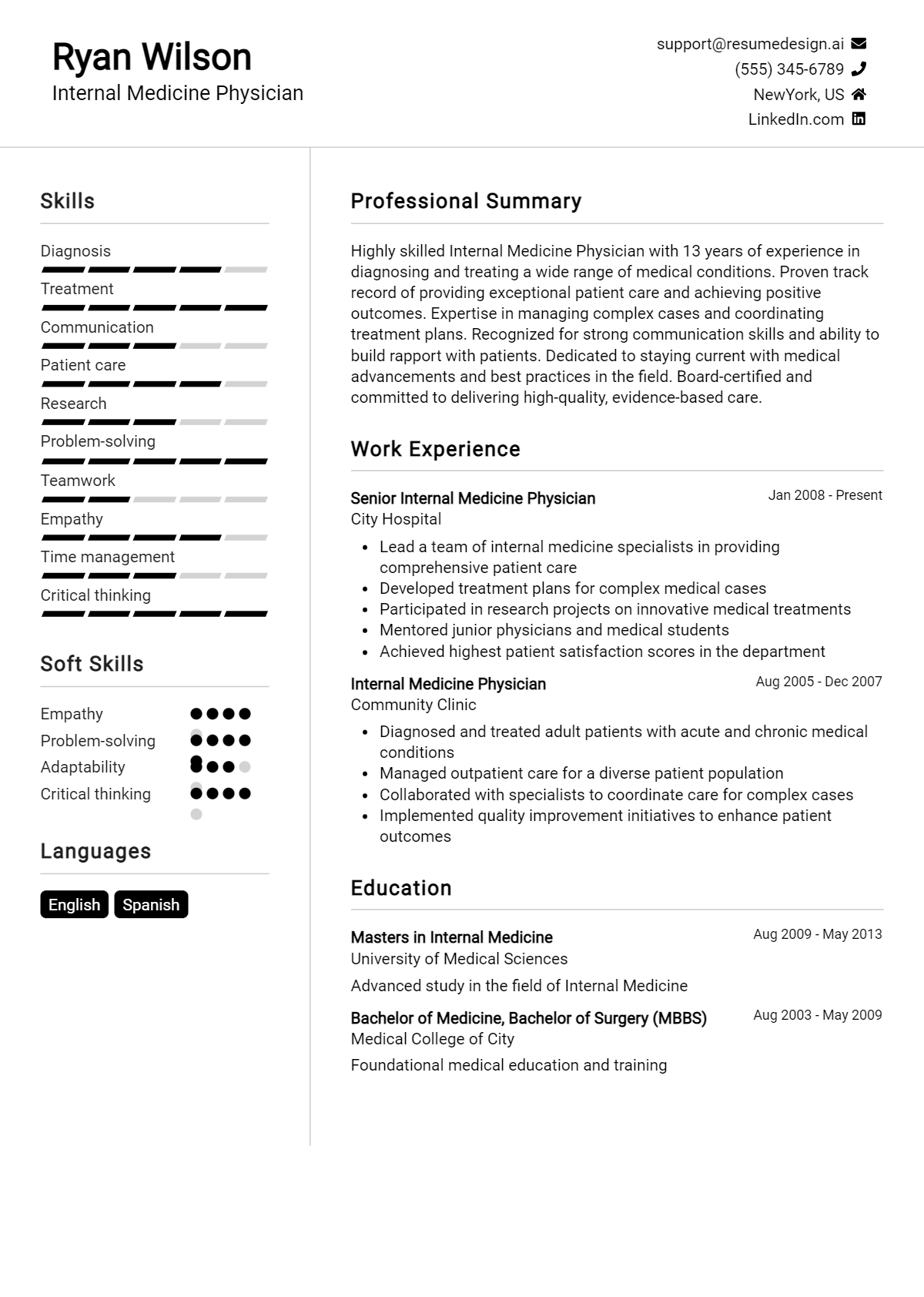
Preparing for a job interview as an Internal Medicine Physician requires a thorough understanding of both the clinical skills and the interpersonal qualities essential for success in this role. Employers seek candidates who can demonstrate not only their medical expertise but also their ability to communicate effectively with patients and collaborate with multidisciplinary teams. Anticipating common interview questions can help you present your experience and vision confidently.
Here is a list of common job interview questions for Internal Medicine Physicians, along with examples of the best answers. These questions cover your work history and experience, what you have to offer the employer, and your goals for the future, such as how you handle complex cases, your approach to patient care, and your contributions to a collaborative healthcare environment.
1. Can you describe your approach to patient care in internal medicine?
My approach emphasizes active listening and thorough assessments. I prioritize building rapport with patients to understand their concerns fully. By integrating evidence-based medicine into my practice, I ensure that treatment plans align with both medical guidelines and individual patient needs.
Example:
I believe in a patient-centered approach, focusing on their unique needs while utilizing evidence-based strategies to guide treatment. This fosters trust and leads to better health outcomes.
2. How do you stay current with advancements in internal medicine?
I regularly participate in continuing medical education (CME) courses, attend conferences, and subscribe to leading medical journals. Networking with colleagues also provides insights into emerging trends and practices within internal medicine.
Example:
I dedicate time each week to review medical journals and participate in online webinars, ensuring I remain aware of new research and clinical guidelines in internal medicine.
3. How do you handle difficult conversations with patients?
I approach difficult conversations with empathy and transparency. I ensure patients understand their condition, treatment options, and potential outcomes. This helps in fostering a supportive environment where patients feel comfortable expressing their concerns and questions.
Example:
During a recent situation, I calmly explained a complex diagnosis, allowing the patient to ask questions. This openness led to a productive discussion about their treatment plan.
4. Describe a time when you had to make a tough clinical decision.
In a recent case, I had to choose between aggressive treatment and palliative care for a terminally ill patient. I consulted with specialists, discussed options with the family, and decided on a palliative approach, prioritizing the patient's comfort and wishes.
Example:
I faced a tough decision regarding a patient’s aggressive treatment. After thorough discussions with the team and family, we chose palliative care to prioritize comfort over invasive procedures.
5. How do you prioritize and manage your workload?
I utilize a systematic approach to prioritize tasks based on urgency and patient needs. I also leverage technology, such as electronic health records, to streamline my workflow, ensuring timely follow-ups and efficient patient care.
Example:
I create daily to-do lists and utilize software tools to track patient follow-ups, which helps me manage my workload effectively while maintaining high-quality care.
6. What strategies do you use to ensure effective communication with your team?
I promote open communication by encouraging team meetings and utilizing collaborative tools. I believe in clearly defining roles and responsibilities to enhance accountability and ensure that everyone is informed about patient care plans.
Example:
I hold regular team huddles to discuss patient cases and updates, fostering an environment of collaboration and ensuring everyone is aligned on care strategies.
7. How do you address the needs of diverse patient populations?
I prioritize cultural competence by actively learning about the backgrounds of my patients. I tailor my communication and treatment approaches to respect their values and beliefs, ensuring that care is both effective and respectful.
Example:
I adapt my care strategies by understanding cultural differences. For example, I incorporate family dynamics into treatment discussions, ensuring all voices are heard.
8. What role do you think technology plays in internal medicine?
Technology significantly enhances patient care through improved diagnostic tools and electronic health records. It streamlines communication, facilitates better data analysis, and provides access to telemedicine, making healthcare more accessible for patients.
Example:
I leverage technology for patient monitoring, which allows for timely interventions and enhances overall patient engagement in their treatment plans.
9. How do you approach patient education on chronic disease management?
I prioritize clear communication and tailored educational materials that match the patient’s understanding level. I ensure they grasp their condition, treatment options, and lifestyle changes needed for better management.
Example:
I regularly use visual aids and handouts to simplify complex information, ensuring patients feel empowered to manage their chronic conditions effectively.
10. Can you describe a challenging patient case and how you handled it?
I once treated a patient with multiple comorbidities who was non-compliant with medications. I organized a multidisciplinary team meeting to develop a comprehensive care plan and provided motivational interviewing techniques to increase their engagement.
Example:
Through collaboration and support, the patient began adhering to their treatment, resulting in significant health improvements.
11. How do you stay current with medical advancements and guidelines?
I subscribe to leading medical journals, attend conferences, and participate in online webinars. This enables me to implement the latest evidence-based practices in my patient care.
Example:
For instance, I recently updated my practice protocols after attending a seminar on new hypertension guidelines.
12. What role does technology play in your practice?
Technology is crucial for enhancing patient care and efficiency. I use electronic health records for accurate documentation and telemedicine to reach patients who can't attend in-person visits.
Example:
Telemedicine has allowed me to maintain continuity of care during challenging times, ensuring patients receive timely consultations.
13. How do you handle difficult conversations with patients?
I approach difficult conversations with empathy and honesty. I create a safe environment, allowing patients to express their feelings while I provide clear information about their prognosis and treatment options.
Example:
For instance, I guided a patient through a terminal diagnosis, focusing on their goals and wishes for end-of-life care.
14. Describe your experience with preventive care in internal medicine.
Preventive care is integral to my practice. I conduct regular screenings, immunizations, and lifestyle counseling to help patients reduce their risk of chronic diseases and promote overall health.
Example:
I recently implemented a wellness program focusing on diet and exercise, which saw many patients improve their health metrics significantly.
15. How do you manage time effectively during a busy clinic day?
I prioritize my schedule by assessing the complexity of each case and utilizing efficient patient flow strategies. Delegating tasks when appropriate also helps me manage time and ensure quality care.
Example:
For example, I utilize medical assistants to handle routine tasks, allowing me to focus on more complex patient interactions.
16. What is your approach to teamwork in a clinical setting?
I believe in fostering open communication and collaboration among team members. I regularly participate in team meetings to ensure everyone is aligned on patient care goals and strategies.
Example:
Recently, I led a team project to improve care coordination, which significantly enhanced patient outcomes.
17. How do you approach patient education regarding chronic disease management?
I prioritize clear communication and tailored educational resources, ensuring patients understand their conditions and management plans. I encourage questions and provide written materials, making follow-ups to reinforce understanding and adherence to treatment regimens. Building rapport is key for effective education.
Example:
I explain conditions in simple terms, provide brochures, and offer follow-up appointments to address concerns. This approach ensures patients feel empowered in managing chronic diseases, leading to better health outcomes.
18. Describe your experience with electronic health records (EHR) systems.
I have utilized various EHR systems to document patient encounters, manage workflows, and facilitate communication among care teams. My experience includes improving data accuracy and enhancing care coordination, ultimately leading to better patient outcomes and increased efficiency in practice.
Example:
I have worked extensively with EHR systems like Epic and Cerner, focusing on data entry accuracy and optimizing templates for improved workflow, which streamlined our patient care processes.
19. How do you stay updated with the latest advancements in internal medicine?
I regularly attend medical conferences, participate in online webinars, and subscribe to leading medical journals. Additionally, I engage with professional organizations to network and discuss the latest research findings and best practices, ensuring I provide evidence-based care.
Example:
I attend annual internal medicine conferences and subscribe to journals like JAMA, which keeps me informed about new treatments and guidelines, enhancing my practice.
20. How do you manage a high volume of patients while ensuring quality care?
I prioritize effective time management and delegate tasks when necessary. I streamline patient interactions by maintaining a structured schedule while ensuring thorough assessments and follow-ups. This balance helps me provide quality care without compromising patient safety or satisfaction.
Example:
I utilize efficient scheduling and delegate routine tasks to support staff, allowing me to focus on complex patient needs while maintaining quality care standards.
21. Can you describe a challenging case you managed and the outcome?
I once managed a patient with multiple chronic conditions and medication interactions. By collaborating with specialists and adjusting the treatment plan, we significantly improved the patient's overall health. This experience reinforced my belief in the importance of teamwork and comprehensive care.
Example:
I coordinated with a cardiologist for a patient with diabetes and heart failure, adjusting medications, which resulted in improved symptoms and a better quality of life.
22. How do you handle difficult conversations with patients about serious diagnoses?
I approach such conversations with empathy and honesty. I ensure a private, comfortable setting, allowing patients to express their feelings. I provide clear information about the diagnosis, treatment options, and support resources to help them navigate their situation.
Example:
I calmly discuss diagnoses in a supportive environment, allowing patients to ask questions and express emotions, while providing resources for further support.
23. What strategies do you use to improve patient compliance with treatment plans?
I emphasize the importance of shared decision-making, involving patients in their care plans. I also provide education on the benefits of adherence, utilize reminders, and schedule regular follow-ups to address barriers, which fosters a collaborative relationship and enhances compliance.
Example:
I involve patients in treatment decisions, provide educational materials, and set up reminders, which significantly improves their adherence to prescribed plans.
24. How do you approach interdisciplinary collaboration in patient care?
I actively engage with interdisciplinary teams to discuss patient cases, ensuring comprehensive care. I believe in open communication to align treatment goals and leverage the unique expertise of each team member, ultimately enhancing patient outcomes and fostering a collaborative work environment.
Example:
I regularly participate in case discussions with specialists, ensuring we are aligned on treatment goals, which improves patient management and outcomes.
25. How do you approach patient education regarding chronic diseases?
I prioritize clear communication and use visual aids to enhance understanding. I assess the patient's knowledge level and tailor my explanations accordingly, ensuring they grasp the importance of adherence to treatment and lifestyle modifications.
Example:
I often use diagrams and simple language to explain conditions like diabetes, emphasizing the significance of monitoring blood sugar levels and dietary choices to manage their health effectively.
26. Describe a time you had to make a difficult clinical decision.
In a critical care scenario, I had to choose between aggressive treatment or palliative care for a patient with advanced cancer. After discussing options with the family, I opted for comfort measures, ensuring the patient’s dignity and quality of life were prioritized.
Example:
I faced a tough choice with a terminal patient. After thorough discussions with the family, I recommended palliative care to enhance their remaining quality of life rather than pursuing aggressive treatments.
27. How do you handle conflicts with colleagues over patient care?
I believe in open communication and collaboration. If disagreements arise, I initiate a discussion to understand their perspective and work towards a consensus, always keeping the patient’s best interest at heart.
Example:
When a colleague and I disagreed on treatment, I suggested a meeting to discuss our viewpoints. This led to a compromise that benefited the patient's care plan significantly.
28. What role does technology play in your practice?
Technology is vital in enhancing patient care. I utilize electronic health records for efficient data management and telemedicine for convenience, enabling timely follow-ups and improving access to care for patients with mobility challenges.
Example:
By using telehealth services, I can monitor chronic patients remotely, ensuring they receive timely interventions while improving their overall engagement and satisfaction with care.
29. Can you provide an example of a successful treatment plan you've developed?
I once treated a diabetic patient with a comprehensive plan that included medication management, dietary guidance, and regular exercise. Over six months, their HbA1c improved significantly, demonstrating the effectiveness of a multidisciplinary approach.
Example:
For a diabetic patient, I created a tailored plan involving diet modifications, medication adherence, and regular exercise, resulting in notable improvements in their glucose levels and overall health.
30. How do you stay updated with the latest medical research and guidelines?
I regularly attend medical conferences, subscribe to relevant journals, and participate in online webinars. Engaging with professional networks also helps me stay informed about emerging trends and best practices in internal medicine.
Example:
I subscribe to key medical journals and attend annual conferences, which allow me to integrate the latest research and guidelines into my clinical practice effectively.
31. How do you assess and manage patient risk factors?
I conduct thorough evaluations during initial consultations, including family history, lifestyle, and existing conditions. Based on this assessment, I develop personalized prevention strategies to mitigate identified risks and enhance overall health outcomes.
Example:
During initial assessments, I collect comprehensive health histories and lifestyle habits to determine risk factors and create individualized plans to reduce them effectively.
32. How do you ensure continuity of care for your patients?
I prioritize effective communication with patients and collaborate with other healthcare providers. Regular follow-ups and clear documentation in their electronic health records help maintain continuity and address any emerging health issues promptly.
Example:
I schedule regular follow-ups and share notes with specialists to ensure that all aspects of a patient’s care are coordinated and that nothing falls through the cracks.
33. How do you manage a patient who is non-compliant with their treatment plan?
I communicate openly to understand their concerns and barriers. I then collaborate to modify the treatment plan, ensuring it aligns with their lifestyle and preferences. This fosters trust and encourages adherence, ultimately improving their health outcomes.
Example:
I once had a diabetic patient resistant to diet changes. By discussing their favorite foods, we created a manageable meal plan that included their preferences, significantly improving their compliance and blood sugar levels.
34. Describe a time when you had to deliver bad news to a patient.
I approach these conversations with empathy and clarity. I ensure the environment is private and allow the patient to express their feelings. Providing them with clear next steps helps them feel supported during difficult times.
Example:
When I had to inform a patient about a cancer diagnosis, I sat down with them, explained the situation calmly, and offered resources for emotional support, helping them navigate their feelings and the treatment options ahead.
35. How do you prioritize tasks during a busy clinic day?
I prioritize based on patient needs and urgency, using a triage system. I also delegate tasks when appropriate and ensure I stay organized with my schedule, allowing me to provide quality care without compromising efficiency.
Example:
On particularly busy days, I assess which patients require immediate attention and tackle their needs first, while handling follow-ups and routine visits in between, ensuring all patients receive timely care.
36. What steps do you take to ensure continuous professional development?
I regularly attend conferences, participate in workshops, and read current medical literature. Networking with peers also allows me to share insights and stay updated on best practices in internal medicine, enhancing my knowledge and skills.
Example:
Last year, I attended a national conference on chronic disease management, which introduced me to new treatment protocols that I successfully implemented in my practice, improving patient outcomes.
37. How do you handle conflicts with colleagues or staff?
I believe in addressing conflicts directly and respectfully. I listen to the other person’s perspective and seek a collaborative solution. Open communication promotes a positive work environment and enhances team dynamics.
Example:
When a colleague disagreed with my treatment plan for a shared patient, I arranged a meeting to discuss our differing views. Together, we reached a consensus that prioritized the patient’s needs and strengthened our professional relationship.
38. Can you describe your experience with electronic health records (EHR)?
I have extensive experience using EHR systems for patient documentation, data management, and communication. I find EHRs enhance efficiency and ensure accurate information, although I remain mindful of maintaining patient interactions during consultations.
Example:
In my previous role, I integrated EHR updates that improved documentation speed, allowing for better patient tracking and follow-up, ultimately enhancing the quality of care provided.
39. How do you approach preventive care in your practice?
I actively engage patients in discussions about preventive measures, including screenings and lifestyle changes. Tailoring recommendations based on individual risk factors ensures that my patients are well-informed and proactive about their health.
Example:
During annual check-ups, I assess risk factors for chronic diseases and recommend appropriate screenings and lifestyle modifications, which has led to improved patient engagement and preventive care compliance.
40. What is your approach to patient education?
I prioritize clear, concise communication tailored to the patient’s level of understanding. I utilize visual aids and encourage questions to ensure they grasp their conditions and treatment plans, empowering them to take an active role in their care.
Example:
I once used diagrams to explain hypertension to a patient, which helped them understand their condition better and led to improved management and adherence to their treatment regimen.
41. How do you stay updated with the latest developments in internal medicine?
I regularly attend medical conferences, subscribe to leading journals, and participate in online courses. Engaging with peers through professional networks also helps me stay informed about emerging trends and best practices in internal medicine.
Example:
I subscribe to the New England Journal of Medicine and attend the annual ACP conference. Networking with colleagues also keeps me informed about new treatments and guidelines in internal medicine.
42. Can you describe a challenging patient case and how you managed it?
I once treated a patient with multiple chronic conditions who struggled with medication adherence. I created a personalized care plan, involved a pharmacist, and provided education on the importance of compliance. This collaborative approach significantly improved their health outcomes and quality of life.
Example:
A patient with diabetes and hypertension had difficulty following their regimen. I collaborated with a pharmacist for a simplified medication plan and scheduled regular follow-ups, which helped improve their adherence and overall health.
43. How do you handle conflicts with colleagues or staff?
I believe in open communication. When conflicts arise, I address them directly and respectfully, seeking to understand different perspectives. I focus on finding common ground and solutions that prioritize patient care, fostering a collaborative environment.
Example:
When a conflict arose over treatment protocols, I arranged a meeting to discuss our viewpoints. By listening actively and considering each other's perspectives, we reached a compromise that improved our teamwork and patient outcomes.
44. What strategies do you use to manage time effectively during patient consultations?
I prioritize tasks by assessing patient needs quickly and efficiently. I use a structured approach to consultations, setting specific goals for each visit, which helps ensure that important issues are addressed without feeling rushed.
Example:
I start each consultation by reviewing the patient's history and prioritizing concerns. By setting a clear agenda, I ensure we cover all critical points within the allotted time while allowing room for patient questions.
45. How do you approach preventive care in your practice?
I emphasize preventive care by educating patients about lifestyle choices and screening recommendations. I regularly assess risk factors and tailor preventive strategies to individual patient needs, fostering a proactive approach to health management.
Example:
During consultations, I discuss the importance of diet, exercise, and regular screenings. I also provide personalized recommendations based on their health history to encourage preventive care and early detection of diseases.
46. What is your experience with electronic health records (EHR)?
I have extensive experience using EHR systems for documentation, patient tracking, and sharing information with other providers. I find EHRs enhance communication and streamline workflows, ultimately improving patient care and safety.
Example:
I have worked with various EHR systems, utilizing them for patient management and documentation. I appreciate how they facilitate information sharing among care teams, enhancing continuity and quality of care.
How Do I Prepare For A Internal Medicine Physician Job Interview?
Preparing for an interview as an Internal Medicine Physician is crucial to making a positive impression on the hiring manager. A well-prepared candidate not only demonstrates their qualifications but also their commitment to the role and the organization. Here are some key tips to help you get ready for your interview:
- Research the company and its values to align your answers with their mission and goals.
- Practice answering common interview questions specific to internal medicine, such as handling patient cases and treatment plans.
- Prepare examples that demonstrate your skills and experience, focusing on patient care, teamwork, and problem-solving.
- Familiarize yourself with the latest advancements and guidelines in internal medicine to show your commitment to ongoing education.
- Dress professionally and appropriately for the interview to convey a strong first impression.
- Prepare thoughtful questions to ask the interviewer about the practice environment, patient demographics, and team dynamics.
- Review your CV and be ready to discuss your experiences and how they relate to the position you are applying for.
Frequently Asked Questions (FAQ) for Internal Medicine Physician Job Interview
Preparing for an interview as an Internal Medicine Physician is crucial for success. Familiarizing yourself with common interview questions can help you articulate your qualifications and experiences effectively. This preparation not only boosts your confidence but also ensures you present yourself as a well-rounded candidate. Here are some frequently asked questions to consider as you prepare for your interview.
What should I bring to an Internal Medicine Physician interview?
When attending an interview, it's essential to come prepared. Bring multiple copies of your resume, a list of references, and any required documents such as your medical license and board certification. Additionally, consider bringing a notepad and pen for taking notes, as well as any questions you have for the interviewer. Being organized and well-prepared demonstrates professionalism and respect for the interview process.
How should I prepare for technical questions in an Internal Medicine Physician interview?
To effectively prepare for technical questions, review the core competencies and knowledge areas relevant to internal medicine. Familiarize yourself with common clinical scenarios, diagnostic protocols, and treatment guidelines. It’s also beneficial to stay updated with recent advancements in the field. Practice answering questions aloud, perhaps with a colleague or mentor, to gain confidence and refine your responses. This preparation will help you articulate your clinical reasoning and decision-making processes during the interview.
How can I best present my skills if I have little experience?
If you have limited experience, focus on your education, training, and any relevant volunteer work or internships. Highlight transferable skills such as strong communication, teamwork, and problem-solving abilities. Discuss any relevant clinical experiences during rotations, emphasizing what you learned and how you applied your knowledge. Show enthusiasm for the position and a willingness to learn, demonstrating that you are committed to your development as a physician.
What should I wear to an Internal Medicine Physician interview?
Dress professionally for your interview, as first impressions are vital in the medical field. A business suit or professional attire is recommended, along with polished shoes and minimal accessories. Ensure your clothing is appropriate and comfortable, as this will allow you to focus on the interview rather than your attire. Dressing well conveys respect for the position and the organization, reinforcing your seriousness about the opportunity.
How should I follow up after the interview?
Following up after your interview is an excellent way to express gratitude and reinforce your interest in the position. Send a thank-you email to your interviewer(s) within 24 hours, thanking them for their time and reiterating key points discussed during the interview. Personalize your message by mentioning specific aspects of the conversation that resonated with you. This gesture not only showcases your professionalism but also keeps you top of mind as they make their hiring decision.
Conclusion
In this interview guide for Internal Medicine Physicians, we have highlighted the critical components necessary for a successful interview process. Preparation is paramount, and candidates should take the time to practice both technical and behavioral questions to showcase their relevant skills and experiences effectively. Thorough preparation can significantly enhance your chances of making a positive impression during the interview.
By focusing on the insights and examples provided in this guide, candidates can approach their interviews with confidence. Remember, the ability to articulate your knowledge and experiences in Internal Medicine will set you apart from other applicants. Embrace the opportunity to demonstrate your passion for patient care and your commitment to the field.
For further assistance, check out these helpful resources: resume templates, resume builder, interview preparation tips, and cover letter templates.