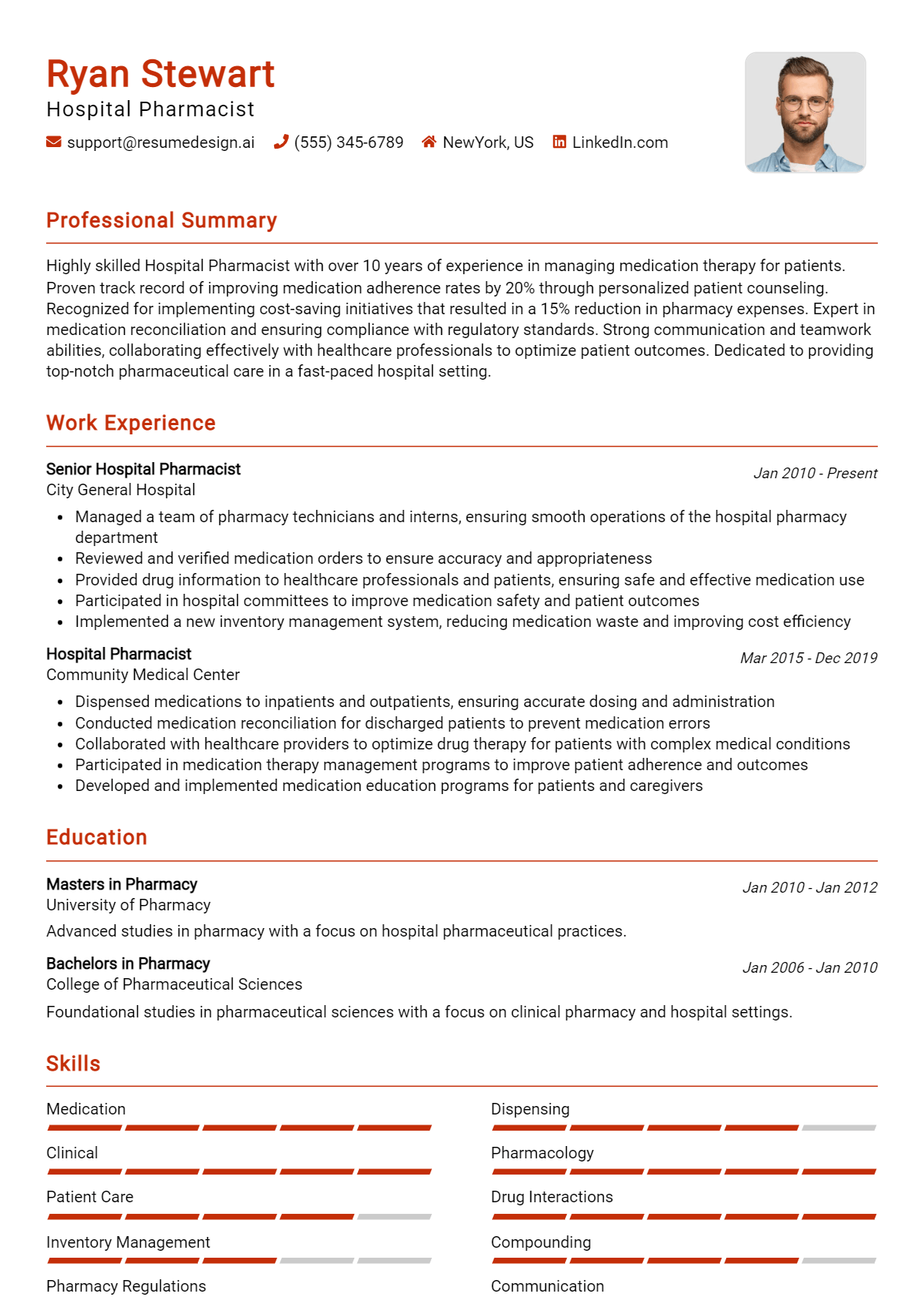
Preparing for a job interview as a hospital pharmacist can be both exciting and nerve-wracking. As a critical member of the healthcare team, you will need to demonstrate not only your pharmaceutical expertise but also your ability to collaborate with other healthcare professionals to ensure the best patient outcomes. Understanding the types of questions you may be asked can help you present yourself effectively and confidently during the interview.
Here is a list of common job interview questions, with examples of the best answers tailored for the hospital pharmacist role. These questions cover your work history and experience, what you have to offer the employer, and your goals for the future, allowing you to showcase your qualifications and passion for providing exceptional pharmaceutical care in a hospital setting.
1. Can you describe your experience with medication management in a hospital setting?
In my previous role, I managed a diverse range of medications, ensuring proper administration and monitoring for adverse effects. I collaborated with medical teams to optimize therapeutic outcomes, demonstrating strong attention to detail and effective communication skills.
Example:
I reviewed medication regimens for patients, adjusting dosages as necessary and educating staff on new protocols, resulting in a 30% decrease in medication errors.
2. What strategies do you use to stay up-to-date with pharmaceutical advancements?
I regularly attend professional conferences, subscribe to relevant journals, and participate in online courses. Networking with peers also helps me share insights and updates about new medications and treatment guidelines effectively.
Example:
By attending monthly webinars and following industry news, I successfully implemented a new medication management system that improved our pharmacy's efficiency.
3. How do you handle medication errors when they occur?
I follow a systematic approach to analyze the error, report it, and implement corrective measures. I also conduct training sessions to prevent future incidents, ensuring a culture of transparency and continuous improvement within the pharmacy team.
Example:
In a previous incident, I led a root cause analysis and developed a new checklist that reduced similar errors by 40% over six months.
4. Describe a time you had to counsel a patient about their medication.
I once counseled a patient on managing their diabetes medication. I explained the importance of adherence, potential side effects, and lifestyle modifications, ensuring they felt empowered to ask questions and make informed decisions about their health.
Example:
After my counseling session, the patient reported feeling more confident in managing their condition, leading to improved adherence to their medication regimen.
5. What role do you believe a pharmacist plays in a multidisciplinary healthcare team?
Pharmacists are essential in optimizing medication therapy, providing drug information, and ensuring patient safety. We collaborate with physicians and nurses to tailor treatment plans, contributing to holistic patient care and better health outcomes.
Example:
In my role, I routinely provided drug consultations that informed treatment decisions, enhancing patient recovery rates significantly.
6. How do you prioritize tasks during busy shifts?
I assess urgent needs by evaluating patient safety and medication timelines. By using organizational tools and prioritizing high-impact tasks, I ensure that critical medications are dispensed promptly while maintaining quality service in the pharmacy.
Example:
During a particularly busy week, I implemented a triage system that improved our response time to prescriptions by 25%.
7. Can you provide an example of how you managed a difficult situation with a physician?
I once disagreed with a prescribing decision. I approached the physician respectfully, presenting clinical evidence and discussing potential alternatives. This collaboration led to a revised treatment plan that improved patient outcomes and maintained a positive working relationship.
Example:
Through constructive dialogue, we agreed on an alternative medication that was better suited to the patient's needs, enhancing our teamwork.
8. What do you think are the biggest challenges facing hospital pharmacists today?
Challenges include managing complex medication regimens, staying compliant with ever-changing regulations, and addressing staffing shortages. Adapting to technological advancements and ensuring patient safety also remain critical concerns for hospital pharmacists.
Example:
By advocating for better staffing ratios and implementing new technologies, I helped our team improve workflow efficiency and patient care quality.
9. How do you stay current with pharmaceutical advancements and medications?
I subscribe to professional journals, attend conferences, and participate in online courses. Networking with colleagues also provides insights into new medications and therapies, ensuring I deliver the best patient care using the latest information. Continuous learning is essential in our field.
Example:
I regularly read journals like the American Journal of Health-System Pharmacy and attend local pharmacy meetings. I also utilize online platforms for courses to keep my knowledge up to date, which enhances my ability to advise patients effectively.
10. Can you describe a time when you resolved a medication error?
Once, I discovered a prescription error where a patient was prescribed double the dose. I immediately contacted the physician to rectify it and informed the nursing staff. This situation reinforced the importance of vigilance and communication in preventing medication errors.
Example:
I found a dosage error during a routine check. I promptly contacted the prescribing doctor, who confirmed my concern. We corrected the prescription together and ensured the patient received the right dosage, highlighting the importance of teamwork and diligence.
11. How do you handle difficult interactions with healthcare providers?
I approach difficult interactions with empathy and respect. Listening actively helps me understand their perspective, and I strive to find common ground. Effective communication and collaboration are crucial in ensuring patient safety and optimizing treatment plans.
Example:
In a past experience, I encountered a physician who disagreed with my recommendation. I listened to his concerns, clarified my reasoning, and together we reached a solution that prioritized patient care while respecting each other’s expertise.
12. What strategies do you use to educate patients about their medications?
I utilize clear, simple language and visual aids to explain medications. I encourage questions to ensure understanding and provide written materials for reference. Patient education is vital for compliance and safety.
Example:
I often create easy-to-understand handouts that summarize medication instructions and side effects. During consultations, I ensure patients can ask questions, which fosters a supportive environment for their learning.
13. How do you prioritize tasks in a busy pharmacy environment?
I assess urgency and impact when prioritizing tasks. Patient safety is my top priority, so I focus on critical medications and patient consultations first, then address routine tasks. Time management and organization are key in my role.
Example:
In a busy shift, I prioritize based on patient needs. For instance, I address urgent medication orders first and then manage refills, ensuring that every patient receives timely care while maintaining workflow efficiency.
14. Describe your experience with formulary management.
I have been actively involved in formulary management, reviewing medications for efficacy and safety. I collaborate with a multidisciplinary team to evaluate new drugs and ensure formulary adherence, balancing patient needs with cost-effectiveness.
Example:
In my previous role, I participated in formulary review committees, analyzing drug efficacy and safety. I provided evidence-based recommendations that helped streamline our formulary while ensuring high-quality patient care.
15. How would you approach a patient who refuses to take their medication?
I would first listen to their concerns to understand their reasons for refusal. Providing education about the medication’s benefits and addressing any misconceptions is crucial. Building trust can help encourage adherence and improve health outcomes.
Example:
In one instance, a patient was hesitant about a new medication. I listened to his concerns about side effects and took time to explain the benefits, which ultimately helped him feel more comfortable with the treatment plan.
16. What role do you see technology playing in pharmacy practice?
Technology enhances efficiency and accuracy in pharmacy practice. From electronic health records to automated dispensing systems, these tools streamline workflows and reduce errors, allowing pharmacists to focus more on patient care and consultations.
Example:
I believe technology, such as electronic prescribing and medication management software, significantly improves our ability to track patient prescriptions and monitor outcomes, ultimately enhancing our role in patient safety and care delivery.
17. How do you ensure medication safety in your practice?
I prioritize medication safety by implementing protocols for double-checking prescriptions, staying updated on drug interactions, and educating patients about their medications. Regularly collaborating with healthcare teams also helps identify potential safety issues and improve patient outcomes.
Example:
I conduct thorough medication reviews and utilize electronic health records to flag potential issues. For instance, I recently identified a drug interaction that could have led to severe complications, prompting an immediate intervention that ensured patient safety.
18. Can you describe a challenging case you managed?
I once managed a patient with multiple comorbidities and complex medication needs. By conducting a comprehensive medication review and collaborating with the healthcare team, we adjusted their regimen, resulting in improved adherence and reduced hospital visits.
Example:
I worked with a patient with heart failure on several medications. By simplifying their regimen and providing education, their adherence improved significantly, leading to better health outcomes and fewer emergency visits.
19. How do you handle a situation where a prescription is unclear?
In cases of unclear prescriptions, I promptly contact the prescribing physician to clarify the medication order. Effective communication is crucial to ensure patient safety and avoid potential medication errors.
Example:
I encountered a prescription with ambiguous dosing instructions. I immediately reached out to the physician for clarification, ensuring the patient received the correct dosage and preventing any adverse effects.
20. What strategies do you use to stay current with pharmaceutical advancements?
I regularly attend professional conferences, subscribe to relevant journals, and participate in continuing education courses. Networking with colleagues also helps me stay informed about new therapies and best practices in pharmacy.
Example:
I recently attended a national pharmacy conference where I learned about new therapies for diabetes management, which I have since incorporated into patient care discussions and recommendations.
21. Describe your experience with clinical pharmacy services.
I have extensive experience providing clinical pharmacy services, including medication therapy management, formulary management, and patient education. I work closely with healthcare providers to optimize medication use and improve patient outcomes.
Example:
In my previous role, I led a medication therapy management program that significantly improved outpatient adherence rates and reduced hospital readmissions for chronic disease patients.
22. How do you approach patient counseling?
I approach patient counseling by utilizing a patient-centered method, ensuring they understand their medications, potential side effects, and the importance of adherence. I encourage questions and provide written information for their reference.
Example:
During counseling, I explain a new medication's purpose and side effects, ensuring the patient feels comfortable asking questions. I also provide a pamphlet summarizing key information for their review at home.
23. How do you manage inventory and medication supply in the hospital?
I manage inventory by implementing inventory control systems, conducting regular audits, and collaborating with suppliers to ensure adequate medication supply. This helps prevent shortages and minimizes waste.
Example:
I regularly assess medication usage data to forecast needs and coordinate with suppliers for timely deliveries, ensuring that critical medications are always available for patient care.
24. What role do you think technology plays in pharmacy practice?
Technology plays a crucial role in enhancing efficiency, accuracy, and patient safety in pharmacy practice. Electronic health records and automated dispensing systems streamline workflows and improve communication among healthcare professionals.
Example:
I utilize electronic health records to access patient medication histories quickly, allowing me to make informed decisions and reduce the risk of medication errors effectively.
25. How do you prioritize your tasks during a busy shift?
I assess the urgency and importance of each task, focusing on patient safety first. I communicate with my team to delegate less critical tasks and ensure that medication orders are processed promptly, especially for high-risk patients.
Example:
During busy shifts, I prioritize by evaluating urgent medication orders, addressing high-risk patients first, and collaborating with my team to ensure efficiency. This approach enhances workflow while maintaining patient safety.
26. Describe a time when you had to deal with a medication error.
I encountered a situation where a patient received the wrong dosage. I immediately alerted the healthcare team, monitored the patient, and reported the incident. I also participated in root cause analysis to prevent future occurrences through improved protocols.
Example:
In a previous role, I identified a dosage error, promptly informed the medical team, and monitored the patient. We conducted a root cause analysis, leading to revised protocols that enhanced our medication management processes.
27. How do you stay updated on new medications and treatments?
I regularly attend professional workshops, subscribe to pharmaceutical journals, and participate in online courses to stay informed about new medications and treatment protocols. Collaborating with colleagues also helps share valuable insights and updates.
Example:
I stay updated on new medications through continuous education, attending workshops, and reading peer-reviewed journals. This knowledge is crucial for providing the best patient care and ensuring safe medication practices.
28. How do you handle difficult conversations with patients regarding their medications?
I approach difficult conversations with empathy and patience, ensuring that I listen to the patient's concerns. I provide clear information about their medications, addressing any misunderstandings and emphasizing the importance of adherence for their health.
Example:
When facing challenging conversations, I prioritize empathy. I listen actively to the patient's concerns and provide clear, concise information about their medications, fostering a supportive dialogue that encourages adherence.
29. What strategies do you use to educate patients about their medications?
I use clear, jargon-free language, visual aids, and written materials to enhance understanding. I also encourage questions and ensure patients feel comfortable discussing their medications, which helps reinforce their knowledge and adherence.
Example:
I educate patients using simple language and visual aids. I provide written materials and encourage questions, ensuring they fully understand their medications and the importance of adherence.
30. How do you collaborate with other healthcare professionals in the hospital?
I maintain open communication with physicians, nurses, and other healthcare professionals. Regular interdisciplinary meetings and informal discussions help ensure a cohesive approach to patient care, allowing for comprehensive medication management and improved patient outcomes.
Example:
I collaborate with healthcare teams through regular meetings and direct communication, ensuring alignment on patient care strategies. This teamwork fosters comprehensive medication management and enhances overall patient outcomes.
31. Can you discuss your experience with formulary management?
I have experience in evaluating and recommending medications for the hospital formulary based on efficacy, safety, and cost-effectiveness. I collaborate with the pharmacy and therapeutics committee to ensure the formulary meets patient needs and reflects current evidence-based practices.
Example:
In my previous role, I evaluated medications for our formulary, focusing on safety and cost-effectiveness. I worked closely with the pharmacy committee to align our selections with evidence-based practices.
32. How do you approach medication reconciliation for patients transitioning between care settings?
I conduct thorough medication reviews during transitions, comparing the patient's current medications with their previous regimen. I engage with the healthcare team and the patient to clarify discrepancies, ensuring continuity and safety in their medication management.
Example:
During transitions, I perform detailed medication reconciliations, reviewing current and prior medications. Collaborating with the healthcare team and engaging with patients ensures safe continuity in their medication management.
33. How do you prioritize your tasks during a busy shift?
I assess the urgency of medication orders, prioritize critical patient needs, and delegate tasks when necessary. Communication with the healthcare team is essential to ensure patient safety and efficient workflow.
Example:
During a busy shift, I prioritize stat orders first, followed by routine medications. I also communicate with nurses to address urgent patient needs, ensuring that we maintain a high standard of care.
34. Describe a time you had to educate a patient about their medication.
I once explained a complex anticoagulant regimen to a patient. I used simple language and visual aids to clarify dosage and administration, ensuring they understood potential side effects and the importance of adherence.
Example:
I guided a patient on how to correctly use their inhaler, emphasizing the importance of technique. This not only improved their medication adherence but also significantly enhanced their overall respiratory health.
35. How do you stay updated with the latest pharmaceutical developments?
I regularly attend professional conferences, subscribe to reputable journals, and participate in online forums. Continuing education is vital to ensure that I provide the most current and effective treatment options for patients.
Example:
I subscribe to journals like the American Journal of Health-System Pharmacy and attend annual conferences to learn about new medications and treatment guidelines, ensuring I remain informed and effective in my role.
36. What steps do you take to minimize medication errors?
I implement a thorough verification process, utilize technology for order entry, and actively engage in double-checking high-risk medications. Regular training and a culture of open communication help to prevent errors.
Example:
I conduct regular training sessions for staff on medication safety and actively encourage reporting near misses, fostering a culture that prioritizes patient safety and continuous improvement in our practices.
37. Can you discuss your experience working with interdisciplinary teams?
I collaborate closely with doctors, nurses, and dietitians to optimize patient care. Regular team meetings allow us to share insights and develop comprehensive treatment plans, enhancing patient outcomes.
Example:
In my previous role, I participated in daily rounds with the healthcare team, contributing my pharmacy expertise to ensure medication plans were tailored to each patient’s needs, enhancing overall care coordination.
38. How do you handle a situation where a physician disagrees with your medication recommendation?
I approach the physician respectfully, presenting evidence-based rationale for my recommendation. Open dialogue is key; I listen to their perspective and work collaboratively to find a solution that prioritizes patient safety.
Example:
In one instance, a physician disagreed with my recommendation for an alternative medication. I provided relevant studies supporting my suggestion, and we reached a consensus that prioritized the patient’s health and preferences.
39. What strategies do you use to manage patient medication therapy effectively?
I utilize medication therapy management (MTM) protocols, conduct regular reviews, and ensure follow-up consultations. Collaboration with patients and healthcare providers is essential to optimize therapeutic outcomes.
Example:
I implement MTM by scheduling follow-up appointments to assess patient adherence and outcomes, adjusting therapies as needed to improve effectiveness, ultimately enhancing the overall management of their health conditions.
40. How do you approach the ethical considerations of your role?
I adhere to ethical guidelines by prioritizing patient welfare, informed consent, and confidentiality. I continuously evaluate my decisions to ensure they align with professional standards and best practices.
Example:
Whenever faced with ethical dilemmas, I consult with ethics committees and engage with colleagues to explore all perspectives, ensuring my decisions uphold the highest ethical standards in patient care.
41. How do you handle a situation where a physician prescribes a medication that you believe may be harmful to the patient?
In such cases, I would first verify the prescription against the patient's medical history and current medications. I would then consult with the physician to discuss my concerns, providing evidence-based information to support my recommendation for an alternative treatment.
Example:
I once encountered a situation where a physician prescribed a high-dose medication. I reviewed the patient's chart and discussed my findings with the physician, suggesting a safer alternative, which they appreciated and ultimately accepted.
42. Can you describe a time when you had to educate a patient about their medication?
I once assisted a patient who was confused about their new diabetes medication. I took the time to explain the purpose, potential side effects, and proper administration techniques, ensuring they felt comfortable and understood how to manage their condition effectively.
Example:
After initiating a new insulin regimen, I walked the patient through the process of dosing and monitoring their blood sugar levels, providing written materials for reference, which greatly improved their confidence in managing their diabetes.
43. How do you prioritize your tasks during a busy shift?
I prioritize tasks by assessing urgency and impact on patient care. I focus on critical medication orders and any immediate patient needs first, while efficiently managing routine tasks in between, ensuring all responsibilities are completed in a timely manner.
Example:
During busy shifts, I use a checklist to tackle urgent prescriptions first, like IV medications, while efficiently handling inventory management and patient consultations whenever possible, ensuring all needs are met without compromising care quality.
44. What strategies do you use to stay updated on new medications and treatment protocols?
I regularly participate in continuing education opportunities, subscribe to reputable pharmacological journals, and attend hospital meetings discussing new protocols. Networking with colleagues and engaging in professional organizations also helps me stay informed about the latest advancements.
Example:
I attend quarterly pharmacy conferences and subscribe to journals like the American Journal of Health-System Pharmacy, ensuring I remain knowledgeable about new medications and treatment guidelines to provide the best patient care.
45. How do you manage discrepancies in medication orders or patients' medication histories?
I systematically review medication orders and patient histories, cross-referencing with electronic health records. If discrepancies arise, I promptly communicate with the prescribing physician and the patient to clarify and rectify the information to ensure accurate medication management.
Example:
I found a discrepancy in a patient's allergy history while reviewing their chart. I promptly contacted the physician to confirm the correct information and updated the records, ensuring the patient received safe and effective treatment.
46. Describe a challenging situation you faced in your role and how you resolved it.
I once dealt with a medication shortage that affected multiple patients. I coordinated with suppliers and other departments to find suitable alternatives, communicating clearly with the medical team and patients about the changes, ensuring continuity of care without compromising safety.
Example:
When faced with a critical drug shortage, I quickly sourced alternatives, consulted with physicians on the best options, and communicated the changes to affected patients, ensuring they understood the new regimen and felt supported throughout the process.
How Do I Prepare For A Hospital Pharmacist Job Interview?
Preparing for a hospital pharmacist job interview is crucial to making a positive impression on the hiring manager. A well-prepared candidate not only demonstrates their qualifications but also shows genuine interest in the position and the organization. Here are some key tips to help you get ready for your interview:
- Research the hospital and its values to align your responses with its mission and culture.
- Practice answering common interview questions related to pharmacy practice and patient care.
- Prepare examples that demonstrate your skills and experience relevant to the hospital pharmacist role.
- Review current pharmacy regulations and trends to show your knowledge of the field.
- Dress professionally and arrive early to convey punctuality and respect.
- Prepare thoughtful questions to ask the interviewer about the pharmacy department and its challenges.
- Follow up with a thank-you note after the interview to express appreciation for the opportunity.
Frequently Asked Questions (FAQ) for Hospital Pharmacist Job Interview
Preparing for a job interview can be a daunting task, especially for a specialized role like a hospital pharmacist. Anticipating commonly asked questions can help you feel more confident and articulate during your interview. Below are some frequently asked questions that can guide your preparation and give you insights into what to expect.
What should I bring to a Hospital Pharmacist interview?
When preparing for your hospital pharmacist interview, it’s essential to bring several key items. Start with multiple copies of your resume, as you may meet with several interviewers. Include a list of references and any relevant certifications or licenses. A notepad and pen for taking notes can also be helpful, demonstrating your attentiveness. Additionally, prepare any documentation that showcases your accomplishments or projects that highlight your skills in pharmaceutical care.
How should I prepare for technical questions in a Hospital Pharmacist interview?
To effectively prepare for technical questions, review fundamental concepts related to pharmacology, therapeutics, and clinical guidelines relevant to hospital settings. Familiarize yourself with common drug interactions, dosing protocols, and patient safety measures. Utilize practice questions from pharmacy resources or interview guides to simulate the interview environment. Staying updated on recent advancements in pharmacotherapy and hospital pharmacy practices can also give you an edge during technical discussions.
How can I best present my skills if I have little experience?
If you're new to the field or have limited experience, focus on transferable skills and relevant coursework. Highlight your educational background, clinical rotations, or internships where you applied your knowledge in a practical setting. Discuss any volunteer work or projects that demonstrate your commitment to patient care and collaboration with healthcare teams. Emphasize your willingness to learn and adaptability, which are essential attributes in a hospital pharmacy role.
What should I wear to a Hospital Pharmacist interview?
Dressing appropriately for your hospital pharmacist interview is crucial as it reflects your professionalism. Opt for business attire, such as a tailored suit or dress, to present yourself as a serious candidate. Choose neutral colors and avoid overly casual clothing. Comfortable yet polished shoes are also important, as you may be walking through the hospital. Aim to make a positive first impression by presenting yourself in a way that aligns with the healthcare environment.
How should I follow up after the interview?
Following up after your interview demonstrates your interest in the position and appreciation for the opportunity. Send a thank-you email to each interviewer within 24 hours of your interview. In your message, express gratitude for their time, briefly reiterate your enthusiasm for the role, and mention a specific discussion point that resonated with you. This personalized touch can help reinforce your candidacy and keep you top of mind as they make their decision.
Conclusion
In this interview guide for the role of a Hospital Pharmacist, we have highlighted the essential aspects of preparation, practice, and the demonstration of relevant skills. Being well-equipped with both technical knowledge and behavioral insights is crucial, as it significantly enhances a candidate's chances of success during the interview process.
By preparing for both technical and behavioral questions, candidates can showcase their expertise and interpersonal skills, which are vital in a hospital setting. Remember, the ability to communicate effectively and demonstrate problem-solving capabilities can set you apart from other applicants.
We encourage you to take full advantage of the tips and examples provided in this guide. Approach your interview with confidence and clarity, ready to impress your interviewers with your knowledge and enthusiasm for the role. For further assistance, check out these helpful resources: resume templates, resume builder, interview preparation tips, and cover letter templates.