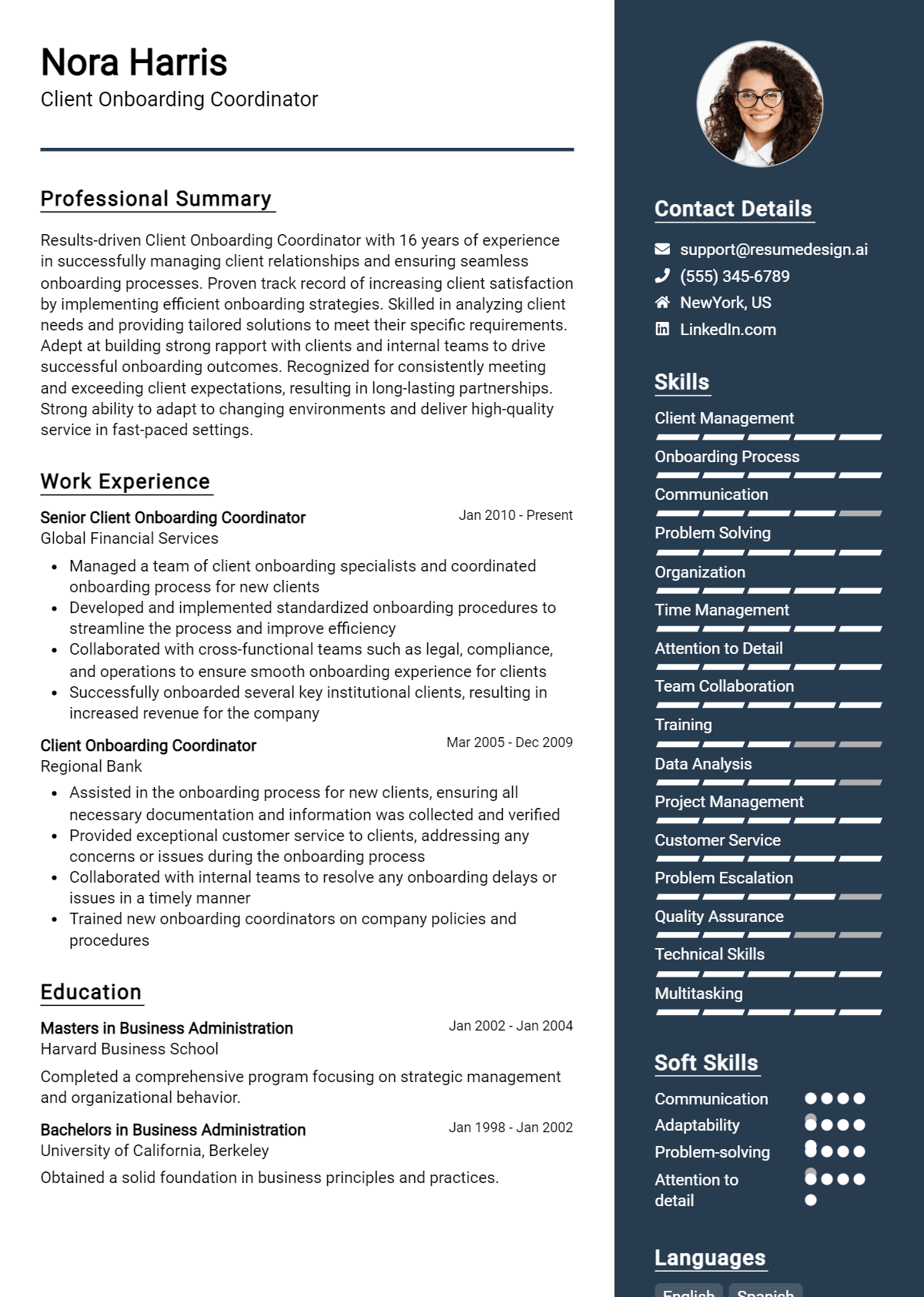
As a Client Onboarding Coordinator, you play a vital role in ensuring that new clients transition smoothly into the organization, setting the stage for a positive and productive relationship. To excel in this position, it's essential to prepare for job interviews by anticipating the questions that hiring managers may ask. Demonstrating your knowledge, experience, and interpersonal skills will help you stand out as a candidate who can effectively manage the onboarding process.
Here is a list of common job interview questions for the Client Onboarding Coordinator role, along with examples of the best answers. These questions will explore your work history and experience, highlight what you can bring to the employer, and discuss your goals for the future in the context of client relations and onboarding processes. Being ready to articulate your expertise in these areas will significantly enhance your chances of landing the job.
1. Can you describe your experience with client onboarding processes?
I have over three years of experience in client onboarding, where I streamlined processes to enhance customer satisfaction. I effectively coordinated between teams and clients, ensuring timely delivery of services and resources. This resulted in a 25% reduction in onboarding time.
Example:
In my previous role, I implemented a new onboarding checklist that improved our process efficiency, leading to quicker client activation and higher satisfaction rates, ultimately boosting client retention.
2. How do you handle difficult clients during the onboarding process?
I approach difficult clients with empathy and active listening. Understanding their concerns helps me address issues effectively. I remain calm and provide clear solutions, ensuring they feel valued and supported throughout the onboarding journey.
Example:
Once, a client was unhappy with the timeline. I listened to their concerns, adjusted our schedule, and kept them informed, which alleviated their worries and strengthened our relationship.
3. What tools or software do you use for client onboarding?
I am proficient with CRM systems like Salesforce and onboarding software such as Asana. These tools help manage tasks, track progress, and facilitate communication with clients, ensuring a smooth onboarding experience.
Example:
In my last position, I utilized HubSpot to automate follow-ups, which improved our efficiency and ensured no client was overlooked during onboarding.
4. Can you explain how you prioritize tasks during the onboarding process?
I prioritize tasks by assessing urgency and impact. I create a timeline for onboarding activities, focusing on high-impact tasks first. Regular check-ins with team members ensure everyone is aligned and adjustments are made as needed.
Example:
Using a Gantt chart, I was able to visualize task deadlines, which helped my team prioritize effectively and meet client expectations consistently.
5. How do you measure the success of the onboarding process?
I measure success through client feedback surveys, tracking onboarding completion time, and monitoring the transition to regular usage. High satisfaction scores and reduced onboarding times indicate a successful process.
Example:
After implementing feedback forms, I found that 90% of clients rated their onboarding experience positively, demonstrating the effectiveness of our approach.
6. Describe a time you improved an onboarding process. What was the outcome?
At my previous job, I identified bottlenecks in the onboarding process. By introducing a digital onboarding portal, I streamlined document collection, which decreased our onboarding time by 30% and improved client satisfaction significantly.
Example:
After the portal implementation, clients reported a smoother experience, and we received fewer follow-up questions about documentation, indicating enhanced clarity.
7. How do you ensure effective communication with clients during onboarding?
I establish clear communication channels from the start. Regular updates via email or calls ensure clients are informed. I also encourage questions, fostering an open line for feedback and concerns throughout the onboarding process.
Example:
By scheduling weekly check-ins, I kept clients informed and engaged, which led to a stronger relationship and smoother onboarding.
8. What strategies do you use to handle multiple clients at once?
I leverage project management tools to keep track of each client's onboarding milestones. Prioritizing tasks based on deadlines and complexity allows me to manage multiple clients efficiently without compromising service quality.
Example:
Using Trello, I organized onboarding tasks by client priority, ensuring I met deadlines while maintaining individual attention to each client's needs.
9. Can you describe a time when you had to manage a challenging client onboarding situation?
In a previous role, a client was unhappy with the onboarding timeline. I quickly scheduled a meeting to address their concerns, adjusted the timeline, and provided regular updates. This proactive communication helped regain their trust and successfully completed the onboarding process.
Example:
I once faced a situation where a client was frustrated about delays. I organized a call, listened to their concerns, and adjusted our plan. This transparency helped us complete onboarding smoothly, and the client appreciated the effort.
10. How do you prioritize tasks when onboarding multiple clients at once?
I utilize a project management tool to prioritize tasks based on deadlines and client needs. By categorizing tasks as urgent or important, I ensure timely onboarding while maintaining high-quality service. Regular check-ins help keep everything on track.
Example:
When managing several clients, I list tasks based on urgency and importance. I use tools like Trello to visualize progress, ensuring that all clients receive timely updates while maintaining attention to individual needs.
11. What strategies do you use to ensure effective communication with clients during onboarding?
I establish clear communication channels from the start, using emails, calls, and project management tools for updates. Regularly scheduled check-ins and prompt responses foster trust and ensure clients feel supported throughout the process.
Example:
I encourage open communication by setting up regular check-ins via Zoom and using email for updates. This approach keeps clients informed and reassured during the onboarding process.
12. How do you handle client feedback during the onboarding process?
I view client feedback as an opportunity for improvement. I actively solicit feedback during onboarding, listen carefully, and implement changes when feasible. This responsiveness demonstrates our commitment to meeting their needs and enhances client satisfaction.
Example:
During onboarding, I ask clients for feedback. For instance, I once adjusted a training session based on client input, which improved their understanding and led to a smoother transition.
13. Describe a time you improved the onboarding process at your previous job.
I identified gaps in our onboarding documentation and implemented a standardized checklist for new clients. This change streamlined the process, reduced onboarding time by 20%, and improved client satisfaction ratings significantly.
Example:
I revamped our onboarding checklist, making it more user-friendly. This update reduced onboarding time and enhanced client satisfaction, as it provided clear steps and expectations.
14. What tools or software have you used to facilitate client onboarding?
I have experience with CRM platforms like Salesforce and onboarding tools like Asana. These tools help manage client information, track progress, and ensure efficient communication, contributing to a smoother onboarding experience for clients.
Example:
I regularly use Salesforce for tracking client interactions and Asana for task management. These tools streamline communication and help keep all onboarding tasks organized and visible.
15. How do you ensure compliance with company policies during onboarding?
I stay updated on company policies and incorporate them into the onboarding process. I provide training sessions for clients that cover key policies, ensuring they understand expectations and compliance requirements as part of their onboarding journey.
Example:
I regularly review compliance guidelines and create materials to guide clients. During onboarding, I ensure they understand the policies, making compliance a seamless part of their experience.
16. What is your approach to building relationships with clients during onboarding?
Building relationships starts with personalized communication. I take time to understand each client’s unique needs and preferences, ensuring I tailor the onboarding experience. Consistent follow-ups and check-ins help to nurture these relationships throughout the onboarding process.
Example:
I focus on personalized interactions, asking clients about their goals and preferences. This approach helps me tailor the onboarding experience, making clients feel valued and understood.
17. How do you prioritize tasks during the onboarding process?
I prioritize tasks by assessing deadlines, client needs, and resource availability. I use project management tools to create timelines and checklists, ensuring that high-impact tasks are completed first while maintaining clear communication with all stakeholders.
Example:
I assess urgency and impact, focusing on client-specific needs first. For instance, I prioritize training sessions for high-value clients while scheduling documentation tasks around them to ensure a smooth onboarding experience.
18. Describe a time when you faced a challenge during onboarding and how you overcame it.
In a previous role, a client’s system integration faced unexpected delays. I coordinated closely with the tech team and the client, providing regular updates to manage expectations and ultimately implemented a workaround that kept the onboarding timeline intact.
Example:
When faced with a system delay, I organized daily check-ins with both teams. By providing transparent updates to the client and adjusting our timeline, we successfully launched the integration ahead of schedule.
19. What strategies do you use to ensure a positive client experience during onboarding?
I focus on active listening and clear communication, ensuring clients feel heard and supported. Regular check-ins, personalized training sessions, and prompt responses to inquiries are crucial to fostering a positive onboarding experience for clients.
Example:
I schedule regular check-ins and provide tailored resources based on client needs. This personalized approach, combined with immediate responses to questions, ensures clients feel valued and supported throughout the onboarding process.
20. How do you gather feedback from clients after onboarding?
I use surveys and one-on-one follow-up calls to gather feedback post-onboarding. This helps identify areas for improvement and ensures clients feel their opinions are valued, allowing us to refine our processes for future clients.
Example:
After onboarding, I send out a short survey and schedule calls to discuss their experience. This feedback is invaluable for enhancing our onboarding process and addressing any concerns promptly.
21. Explain how you handle difficult clients during the onboarding process.
I remain calm, empathetic, and proactive in addressing their concerns. Listening actively, I clarify misunderstandings and provide solutions, ensuring they feel supported. Building trust is key in turning a challenging situation into a positive experience.
Example:
When a client expressed frustration, I listened carefully to their concerns, acknowledged their feelings, and provided a clear plan to resolve the issues. This approach helped rebuild their trust and improve the relationship.
22. What tools or software do you find most useful for onboarding clients?
I find CRM systems, project management tools, and communication platforms essential for effective onboarding. Tools like Asana for task tracking and Zoom for virtual meetings streamline processes, enhance collaboration, and improve overall client engagement.
Example:
I regularly use Asana for task management and Zoom for client meetings. These tools help keep everything organized and foster effective communication, ensuring a smooth onboarding experience for clients.
23. How do you ensure compliance with company policies during onboarding?
I familiarize myself with company policies and procedures and integrate them into the onboarding process. Providing clients with clear documentation and guidance ensures they understand compliance requirements and adhere to them throughout their engagement.
Example:
I create a compliance checklist for each client, ensuring they receive clear documentation. Regularly reviewing these policies during onboarding helps clients understand and adhere to our standards effectively.
24. Can you describe a successful onboarding experience you facilitated?
I successfully onboarded a major client by customizing the training sessions to fit their specific needs. Regular check-ins and tailored resources led to their swift adoption of our platform and increased satisfaction, resulting in a long-term partnership.
Example:
By customizing training for a key client and maintaining regular communication, they quickly adopted our platform. Their positive feedback highlighted our effective onboarding process, solidifying our partnership.
25. How do you ensure effective communication with clients during the onboarding process?
I establish regular check-ins and updates through preferred communication channels. I use clear and concise language, actively listen to client concerns, and confirm understanding to foster transparency and build trust throughout the onboarding journey.
Example:
I schedule weekly calls and send concise email updates to clients, ensuring they feel informed and engaged. This approach allows me to address any concerns promptly and adapt the onboarding process based on their feedback.
26. Describe a time you had to manage a difficult client during onboarding.
I encountered a client frustrated with delays. I listened to their concerns, acknowledged their feelings, and proposed a revised timeline with clear milestones. By maintaining open communication and demonstrating commitment, I transformed their experience into a positive one.
Example:
I once managed a client who was unhappy with service delays. After addressing their concerns and providing a revised timeline, they appreciated my transparency and we successfully completed the onboarding process ahead of the new schedule.
27. What tools or software do you find most useful for onboarding clients?
I utilize CRM tools like Salesforce for tracking client interactions, project management software like Trello for task organization, and communication platforms such as Slack to ensure seamless collaboration and timely updates throughout the onboarding process.
Example:
I rely on Salesforce for client tracking, Trello for managing tasks, and Slack for real-time communication. These tools streamline processes and ensure I have all necessary information readily available for smoother onboarding.
28. How do you handle tight deadlines during the onboarding process?
I prioritize tasks based on urgency and impact, breaking down the onboarding steps into manageable segments. I communicate with clients to set realistic expectations and collaborate with my team to ensure timely completion without compromising quality.
Example:
When faced with tight deadlines, I create a prioritized task list and communicate with clients. This way, everyone is aligned on expectations, and I can focus my team's efforts on critical deliverables to meet deadlines.
29. Can you explain how you measure the success of the onboarding process?
I measure success through various metrics, including client satisfaction surveys, completion rates of onboarding tasks, and the time taken to reach key milestones. Feedback loops help refine the process for future clients, ensuring continuous improvement.
Example:
I assess onboarding success by analyzing client feedback, task completion rates, and milestone achievements. This data helps identify areas for improvement, ensuring our onboarding process evolves to better serve future clients.
30. How do you keep clients engaged throughout the onboarding process?
I keep clients engaged by providing personalized updates, encouraging questions, and offering resources that enhance their understanding of our services. Interactive sessions or demos also help maintain their interest and investment in the onboarding journey.
Example:
I maintain client engagement by sending personalized updates and offering interactive training sessions. This approach not only keeps them informed but also fosters a sense of involvement and excitement in using our services.
31. What strategies do you use to build relationships with new clients?
I focus on understanding each client's unique needs and goals through active listening. Building rapport through regular communication, personalized support, and demonstrating empathy fosters trust and sets a strong foundation for a long-term relationship.
Example:
By actively listening to clients' needs and providing tailored solutions, I build strong relationships. Regular check-ins and personalized support help reinforce trust, ensuring clients feel valued and understood throughout the onboarding process.
32. How do you ensure compliance with company policies during onboarding?
I familiarize myself with company policies and integrate them into the onboarding process. Regular training sessions and checklists help keep the team informed, while I monitor compliance throughout to address any potential issues promptly.
Example:
I ensure compliance by reviewing company policies regularly and incorporating them into onboarding checklists. Training sessions for the team reinforce these policies, allowing us to address any compliance issues as they arise during onboarding.
33. How do you handle a situation where a client is unhappy with the onboarding process?
I prioritize open communication and empathy. I listen to their concerns, address them promptly, and offer solutions to improve their experience. My goal is to ensure they feel valued and supported throughout the process.
Example:
I once encountered an unhappy client. I scheduled a call to discuss their issues, listened carefully, and implemented their feedback, resulting in a smoother onboarding experience and a satisfied client.
34. Can you describe your experience with onboarding software tools?
I have worked with various onboarding software like Trello and Asana, which help streamline processes and improve communication. My experience includes setting up workflows and managing tasks efficiently to ensure a smooth onboarding journey.
Example:
In my previous role, I utilized Asana to track onboarding tasks, which increased our efficiency by 30% and minimized delays.
35. What strategies do you use to ensure a seamless handover from sales to onboarding?
I establish clear communication channels between sales and onboarding teams. I ensure all relevant information is shared and conduct a kickoff meeting to align expectations, which helps in providing a consistent client experience.
Example:
I implemented a standardized handover checklist that included key client details, which reduced miscommunication and improved our onboarding efficiency significantly.
36. How do you prioritize multiple client onboarding projects at once?
I use project management tools to create a priority matrix, categorizing tasks by urgency and importance. I regularly review timelines and adjust resources as needed to ensure all clients receive timely attention.
Example:
In a previous role, I managed five onboarding projects simultaneously by prioritizing tasks weekly and reallocating resources to meet critical deadlines without compromising quality.
37. How do you measure the success of the onboarding process?
I measure success through client feedback surveys, retention rates, and time-to-value metrics. Analyzing these indicators helps identify areas for improvement and ensures we meet client expectations effectively.
Example:
In my last position, I introduced post-onboarding surveys, and we saw a 20% increase in client satisfaction scores within six months.
38. Describe a time when you had to adapt your onboarding approach mid-process.
I once had to adjust our onboarding strategy when a client’s needs changed unexpectedly. I quickly reevaluated our plan, communicated with the team, and tailored our approach to ensure we met their new requirements effectively.
Example:
When a client shifted their focus, I modified our training sessions to address their immediate needs, leading to a successful onboarding experience.
39. What role does documentation play in the onboarding process?
Documentation is crucial as it ensures consistency and clarity throughout the onboarding process. I create detailed guides and resources to support clients and serve as a reference for the team, enhancing the overall experience.
Example:
I developed an onboarding manual that reduced client questions by 40% and empowered them to navigate our services independently.
40. How do you ensure compliance with company policies during onboarding?
I integrate compliance checks into the onboarding workflow. I ensure that all team members are trained on policies, and I regularly review onboarding procedures to align with company standards.
Example:
I established a compliance checklist that was reviewed at each onboarding stage, ensuring all requirements were consistently met across all client interactions.
41. How do you prioritize tasks during a busy onboarding period?
I prioritize tasks by assessing deadlines and the impact of each task on the client experience. I use tools like project management software to track progress and communicate with team members, ensuring that all critical tasks are completed efficiently.
Example:
During a peak onboarding period, I focused on immediate client needs first and delegated less critical tasks to team members, ensuring a smooth onboarding process for clients while maintaining team productivity.
42. Can you describe a time when you had to resolve a conflict during the onboarding process?
In one instance, a client felt their needs were overlooked. I arranged a meeting to listen to their concerns and collaborated with our team to adjust our approach, resulting in a tailored onboarding experience that exceeded their expectations.
Example:
After addressing the client's concerns directly, we adjusted our onboarding timeline, which strengthened our relationship and led to positive feedback about our responsiveness and adaptability.
43. What metrics do you use to measure the success of an onboarding process?
I utilize metrics such as client satisfaction scores, the time taken to complete onboarding, and product adoption rates. These metrics help me identify areas for improvement and ensure that clients are receiving a high-quality onboarding experience.
Example:
By analyzing onboarding surveys and tracking usage metrics, I was able to implement changes that increased our satisfaction scores by 20% in just three months.
44. How do you ensure effective communication with clients during onboarding?
I establish clear communication channels from the outset, providing clients with a detailed onboarding timeline and regular check-ins. I also encourage feedback to ensure they feel supported throughout the process, fostering a strong relationship.
Example:
By using email updates and scheduled calls, I maintained open dialogue, which helped clients feel informed and engaged, significantly improving their onboarding experience.
45. Describe a situation where you had to adapt your onboarding strategy.
When a new product feature launched unexpectedly, I quickly adapted our onboarding materials to include training on the feature. I coordinated with the product team to ensure clients received relevant information promptly, which improved their experience significantly.
Example:
By swiftly incorporating the new feature into our training sessions, we not only maintained client satisfaction but also increased feature adoption rates by 30% within the first month.
46. How do you handle feedback from clients after the onboarding process?
I actively seek client feedback through surveys and follow-up calls. I analyze this feedback to identify trends and areas for improvement, and I collaborate with my team to implement necessary changes to enhance future onboarding experiences.
Example:
After receiving feedback on our onboarding process, I led a review session that resulted in actionable changes, which ultimately increased our client retention rate by 15%.
How Do I Prepare For A Client Onboarding Coordinator Job Interview?
Preparing for a job interview is crucial for making a positive impression on the hiring manager. As a Client Onboarding Coordinator, showcasing your skills, experience, and understanding of the company's values can set you apart from other candidates. Here are some key preparation tips to help you succeed:
- Research the company and its values to understand their mission and culture.
- Practice answering common interview questions, particularly those related to client onboarding processes.
- Prepare examples that demonstrate your skills and experience relevant to the Client Onboarding Coordinator role.
- Familiarize yourself with onboarding tools and software commonly used in the industry.
- Dress appropriately for the interview to convey professionalism and confidence.
- Prepare thoughtful questions to ask the interviewer about the company and the team you would be joining.
- Review your resume and be ready to discuss any aspect of your work history in detail.
Frequently Asked Questions (FAQ) for Client Onboarding Coordinator Job Interview
Preparing for an interview can significantly increase your chances of success, especially when it comes to anticipating common questions. Understanding what interviewers might ask can help you present yourself confidently and effectively, showcasing your skills and fit for the Client Onboarding Coordinator role.
What should I bring to a Client Onboarding Coordinator interview?
When attending a Client Onboarding Coordinator interview, it’s essential to bring several key items. First, have multiple copies of your resume, as interviewers may want to refer to it during the discussion. Additionally, bring a notebook and pen for taking notes, along with any questions you may have prepared for the interviewer. If applicable, consider bringing a portfolio that showcases relevant work examples or projects, especially if they demonstrate your onboarding or client management skills.
How should I prepare for technical questions in a Client Onboarding Coordinator interview?
To prepare for technical questions, familiarize yourself with the tools and software commonly used in client onboarding processes, such as CRM systems or project management tools. Review the job description to identify any specific skills mentioned, and practice articulating your experience with these tools. Additionally, consider brushing up on general industry knowledge and best practices related to client onboarding, as this will help you respond confidently to any technical inquiries.
How can I best present my skills if I have little experience?
If you have limited experience, focus on highlighting transferable skills and relevant coursework or projects. Prepare examples from past internships, volunteer work, or academic projects where you demonstrated skills such as communication, organization, or problem-solving. Emphasize your eagerness to learn and adapt, and discuss how your unique perspective can contribute to the team. Confidence in your potential and willingness to grow can make a positive impression.
What should I wear to a Client Onboarding Coordinator interview?
Dressing appropriately for the interview is crucial, as it reflects professionalism and respect for the company’s culture. Aim for business casual attire, which is typically acceptable for client-facing roles. For men, this could mean slacks and a collared shirt, while women might opt for a blouse and dress pants or a conservative dress. Ensure your clothing is neat, clean, and fits well to create a polished and confident appearance.
How should I follow up after the interview?
Following up after an interview is an important step in the process. Send a thank-you email within 24 hours to express your gratitude for the opportunity and reiterate your interest in the position. In your message, mention specific points from the interview that resonated with you or that you found particularly interesting. This not only shows your enthusiasm but also helps keep you top-of-mind for the interviewers as they make their decisions.
Conclusion
In this interview guide for the Client Onboarding Coordinator role, we covered essential topics that will help you prepare effectively for your upcoming interview. The importance of preparation and practice cannot be overstated, as they are critical in demonstrating your relevant skills and making a lasting impression. By thoroughly preparing for both technical and behavioral questions, you can significantly enhance your chances of success and showcase your ability to excel in this pivotal role.
We encourage you to take advantage of the tips and examples provided in this guide. With the right mindset and preparation, you can approach your interviews with confidence and poise. Remember, every interview is a stepping stone towards achieving your career goals!
For further assistance, check out these helpful resources: resume templates, resume builder, interview preparation tips, and cover letter templates.