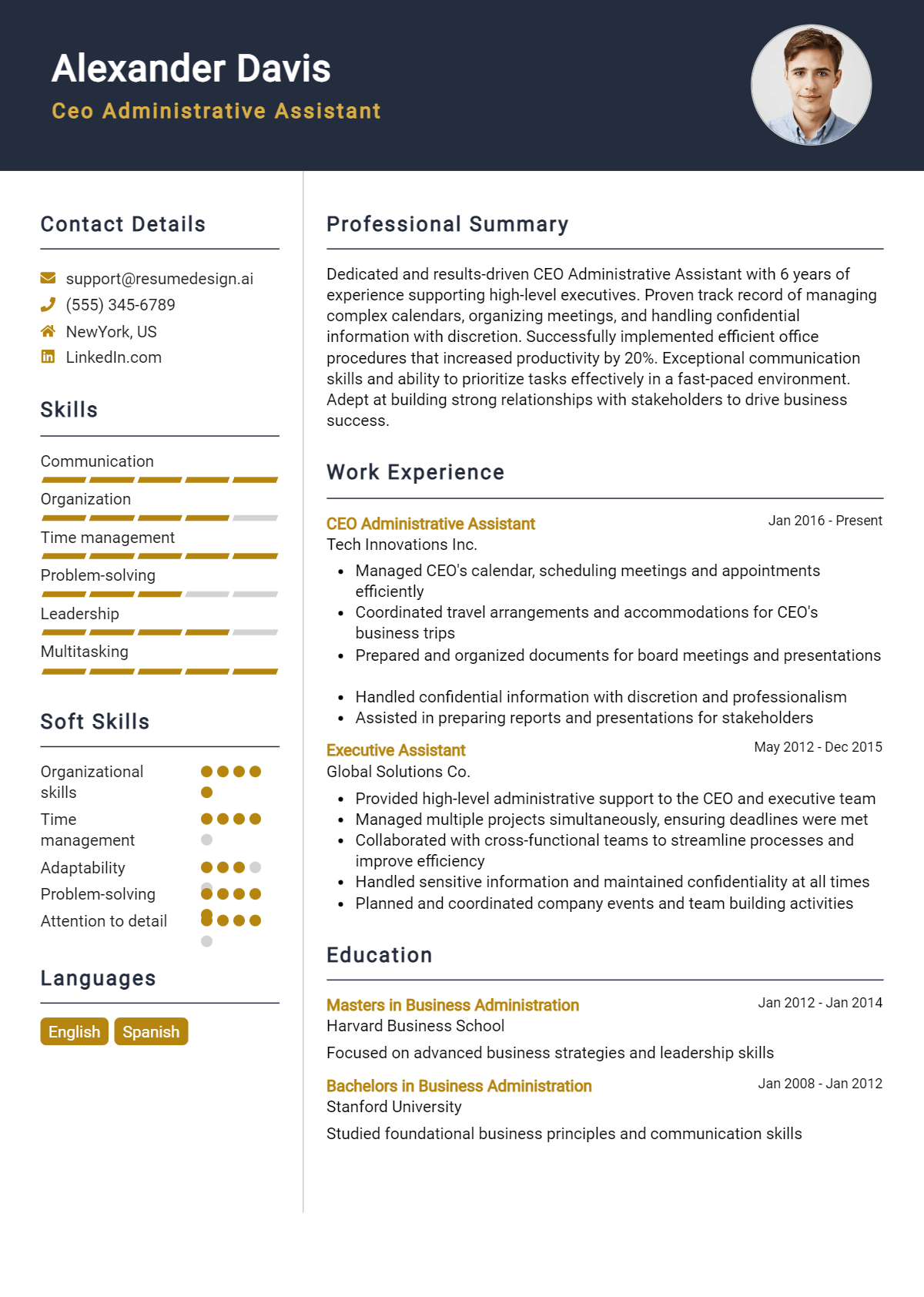
When preparing for a job interview as a CEO Administrative Assistant, it's essential to anticipate the questions that may arise during the conversation. This role requires a unique blend of organizational skills, communication prowess, and strategic thinking, as you will be supporting the CEO and interacting with high-level stakeholders. Understanding what interviewers are looking for can help you showcase your qualifications and demonstrate your potential value to the organization.
Here is a list of common job interview questions for the CEO Administrative Assistant position, along with examples of the best answers. These questions will delve into your work history and experience, highlight what you bring to the table for the employer, and explore your career aspirations. Being well-prepared with thoughtful responses will not only help you stand out but also convey your readiness to take on the responsibilities of this pivotal role.
1. What experience do you have supporting a CEO or executive leader?
I have over five years of experience as an executive assistant, working closely with C-suite executives. I managed calendars, coordinated meetings, and handled sensitive communications. My proactive approach ensures efficiency and allows the CEO to focus on strategic decisions.
Example:
In my previous role, I supported the CEO by organizing quarterly board meetings and managing travel arrangements, which improved my understanding of executive needs and priorities.
2. How do you prioritize tasks when supporting a busy executive?
Prioritization is key. I assess tasks based on urgency and importance, often using a priority matrix. I communicate regularly with the CEO to align on priorities, ensuring that critical tasks are addressed first while maintaining flexibility for any unexpected demands.
Example:
I use tools like Asana to track tasks and deadlines, allowing me to prioritize effectively and respond to changing needs while keeping the CEO informed of progress.
3. Can you describe a challenging situation you faced and how you resolved it?
I once had to manage a last-minute schedule change for a crucial meeting while the CEO was traveling. By quickly coordinating with all parties involved and utilizing technology for virtual attendance, I ensured everyone was informed and the meeting proceeded smoothly.
Example:
I contacted attendees via email and phone, arranged a video conference, and prepared an updated agenda, demonstrating my ability to adapt to changing situations effectively.
4. What tools do you use for calendar management and scheduling?
I primarily use Google Calendar and Microsoft Outlook for scheduling. These tools allow me to manage appointments, set reminders, and share calendars seamlessly. I also leverage scheduling tools like Calendly to simplify meeting coordination, ensuring efficient use of time.
Example:
Using these tools, I can quickly identify scheduling conflicts and propose alternatives, streamlining the process for the CEO and other stakeholders.
5. How do you handle confidential information?
Confidentiality is critical in my role. I ensure all sensitive information is stored securely and only shared with authorized individuals. I also follow company policies regarding data protection and maintain discretion in all communications, fostering trust with the CEO and stakeholders.
Example:
In my previous role, I handled financial documents and personnel files, implementing strict access controls and regularly training myself on confidentiality best practices.
6. Describe your experience with travel planning and logistics.
I have organized extensive travel itineraries, including flights, accommodations, and ground transportation. I utilize travel management software to streamline bookings and ensure cost-effectiveness. My attention to detail prevents scheduling conflicts and allows the CEO to travel seamlessly, focusing on business goals.
Example:
I recently coordinated a multi-city business trip, managing all aspects from flights to hotel arrangements, ensuring a smooth travel experience and adherence to the budget.
7. What strategies do you use for effective communication with the CEO?
I maintain open lines of communication through regular check-ins and status updates, ensuring the CEO is informed without being overwhelmed. I tailor my communication style to their preferences, whether through emails, briefings, or informal discussions, fostering clarity and collaboration.
Example:
I schedule weekly briefings to discuss ongoing projects, which helps keep the CEO aligned with priorities and aware of potential challenges.
8. How do you manage multiple competing deadlines?
I tackle competing deadlines by breaking tasks into smaller, manageable steps and setting interim deadlines. I prioritize based on urgency and impact, using project management tools to track progress. Regular communication with the CEO also helps adjust priorities as needed, ensuring meeting key deadlines.
Example:
In one instance, I managed overlapping project deadlines by creating a detailed timeline and delegating tasks, which resulted in timely completion without sacrificing quality.
9. How do you prioritize tasks when managing multiple requests from the CEO?
I prioritize tasks based on urgency and importance, utilizing a task management system to keep track of deadlines. Regular communication with the CEO ensures I address their most pressing needs first while maintaining flexibility for any unexpected changes.
Example:
I use a priority matrix to categorize tasks. I check in with the CEO daily to reassess priorities, ensuring I address urgent items without losing sight of long-term goals.
10. Describe a situation where you had to handle a difficult client or stakeholder.
In a previous role, a stakeholder was unhappy with a project delay. I listened attentively, acknowledged their concerns, and provided updates on corrective actions. Building rapport helped to turn the situation around and maintain a positive relationship.
Example:
I once managed a frustrated client by actively listening to their concerns, assuring them I would address the issues, and following up regularly until the resolution was satisfactory.
11. What strategies do you use to manage your time effectively?
I use strategies such as the Pomodoro technique and time-blocking to enhance focus and productivity. I also set specific daily goals and review my progress regularly to ensure I’m on track and can adjust as needed.
Example:
I allocate specific time slots for tasks and use breaks to recharge. This keeps my energy up and allows me to maintain high productivity throughout the day.
12. How do you handle confidential information?
I understand the importance of confidentiality in my role. I ensure all sensitive information is securely stored and only shared with authorized personnel. I also follow company policies on data protection and regularly review them to stay compliant.
Example:
In my previous position, I implemented a digital filing system that encrypted sensitive documents, ensuring that only designated team members had access to confidential materials.
13. Can you give an example of how you improved a process in your previous job?
I noticed our meeting scheduling process was inefficient. I introduced a shared calendar system that streamlined scheduling and reduced conflicts. This change significantly improved our team’s productivity and enabled better time management.
Example:
By implementing an automated scheduling tool, our team reduced meeting conflicts by 30%, allowing for more productive sessions and better time management.
14. How would you describe your communication style when working with executives?
My communication style is direct and concise, focusing on clarity. I tailor my approach based on the executive's preferences, ensuring I provide the necessary information without overwhelming them while encouraging open dialogue.
Example:
I adapt my communication to the executive’s style, often using bullet points for quick updates while remaining available for in-depth discussions as needed.
15. What tools and software are you proficient in that are relevant for this role?
I am proficient in Microsoft Office Suite, Google Workspace, and project management tools like Trello and Asana. Additionally, I have experience with CRM systems, which help in managing relationships and communications effectively.
Example:
I regularly use Microsoft Office for document creation, Trello for project tracking, and Salesforce for managing client interactions, enhancing overall productivity.
16. How do you ensure that you remain organized in your role?
I maintain organization by using digital tools and maintaining a structured filing system. Daily to-do lists help me track priorities, while regular reviews of my task list ensure I stay focused on critical deadlines and commitments.
Example:
I utilize task management software to organize my projects and set reminders for deadlines, ensuring I never miss important tasks or appointments.
17. How do you prioritize tasks when supporting a busy CEO?
I assess the urgency and importance of each task, using tools like to-do lists and calendar scheduling. Regular check-ins with the CEO help ensure alignment on priorities. This approach helps manage time efficiently and keeps projects on track.
Example:
I prioritize by evaluating deadlines and impacts. I maintain a daily task list and frequently communicate with the CEO to adjust priorities as needed, ensuring that the most critical tasks are always addressed first.
18. Describe a time when you had to handle a difficult situation with a client or stakeholder.
I once managed a situation where a client was unhappy with a project delay. I listened to their concerns, provided a transparent update, and proposed a revised timeline. This open communication restored their trust and improved our relationship.
Example:
In a previous role, I addressed a client's frustration by actively listening to their concerns, providing timely updates about our progress, and ensuring they felt valued. This proactive approach led to a stronger partnership.
19. What strategies do you use for effective communication within a large organization?
I utilize clear and concise email updates, regular meetings, and collaborative platforms for information sharing. Tailoring communication styles to different audiences ensures everyone understands goals and expectations, fostering a cohesive work environment.
Example:
I leverage tools like Slack and project management software for real-time updates, ensuring everyone is aligned. Additionally, I schedule regular team meetings to discuss progress and address any concerns, promoting transparency.
20. How do you handle confidential information?
I treat all confidential information with the utmost care, adhering to company policies and protocols. I ensure secure storage and limit access to sensitive documents, understanding the importance of discretion in maintaining trust and integrity.
Example:
In my previous role, I managed confidential reports by securing them in password-protected files and sharing them only with authorized personnel. This practice safeguarded sensitive information and upheld confidentiality.
21. Can you provide an example of how you improved a process in your previous job?
I identified that scheduling meetings was time-consuming, so I implemented a shared calendar system. This allowed team members to see availability, reducing back-and-forth emails and streamlining the scheduling process, enhancing overall efficiency.
Example:
I introduced an online booking tool that allowed clients to schedule appointments directly, reducing administrative time and improving client satisfaction by providing immediate confirmation of their meeting times.
22. What tools or software are you proficient in that would help you in this role?
I am proficient in Microsoft Office Suite, Google Workspace, and project management tools like Asana and Trello. Additionally, I have experience with communication platforms such as Slack and Zoom, which enhance collaboration and productivity.
Example:
I have extensive experience with Microsoft Office for document management, Google Calendar for scheduling, and Trello for project tracking. These tools help me stay organized and facilitate efficient communication.
23. How do you ensure you stay organized in a fast-paced environment?
I rely on digital tools like task managers and calendar alerts to keep track of deadlines and meetings. Regularly reviewing priorities and adjusting my schedule helps me stay focused and organized, even during busy periods.
Example:
To stay organized, I use a combination of digital planners and reminders. I review my tasks daily and prioritize them based on urgency, which helps me manage my workload effectively.
24. What do you think are the key qualities of a successful CEO Administrative Assistant?
Key qualities include excellent communication skills, strong organizational abilities, adaptability, and discretion. A successful assistant should also be proactive, anticipating the needs of the CEO and the organization while managing multiple tasks efficiently.
Example:
I believe a successful assistant should possess strong interpersonal skills, be highly organized, demonstrate flexibility to adapt to changing priorities, and maintain confidentiality at all times to effectively support the CEO.
25. How do you prioritize tasks when supporting a CEO with a busy schedule?
I assess the urgency and importance of tasks, categorizing them accordingly. I use tools like calendars and task lists to ensure critical tasks are completed first, while also maintaining flexibility for any last-minute requests from the CEO.
Example:
I prioritize tasks based on deadlines and impact. For instance, I create daily to-do lists and use digital calendars to track meetings and deadlines, ensuring that urgent tasks are addressed promptly while accommodating the CEO's changing priorities.
26. Describe a time when you had to handle a difficult situation with a client or stakeholder.
I once managed a situation where a stakeholder was unhappy with a project delay. I listened actively to their concerns, provided transparent updates, and worked with the team to expedite the process, ultimately restoring their confidence in our commitment.
Example:
A client was frustrated about a delay. I calmly listened to their concerns, explained the reasons, and provided a revised timeline. By keeping communication open, I was able to rebuild trust and ensure their satisfaction with the project's direction.
27. What tools or software do you prefer for managing schedules and communication?
I prefer using tools like Microsoft Outlook for scheduling and Slack for communication. They allow for efficient calendar management and real-time messaging, which helps streamline communication and keep everyone informed about important updates and changes.
Example:
I rely on Microsoft Outlook for calendar management due to its integration with other tools. For quick communication, I use Slack, which allows for instant messaging and organized channels, improving team collaboration and ensuring timely updates.
28. How do you ensure confidentiality in your role as an administrative assistant?
I maintain confidentiality by adhering to company policies and protocols regarding sensitive information. I ensure that documents are securely stored and only share information on a need-to-know basis, reinforcing trust and integrity in my role.
Example:
I respect confidentiality by following strict guidelines. For instance, I always store sensitive documents in secure locations and discuss confidential matters in private settings, ensuring that only authorized personnel have access to sensitive information.
29. Can you provide an example of how you handled multiple competing priorities?
In a previous role, I managed several competing deadlines for different projects. I created a detailed timeline and communicated regularly with team members to delegate tasks effectively, ensuring that all deadlines were met without compromising quality.
Example:
When faced with multiple deadlines, I prioritized tasks by urgency and impact. I developed a timeline, delegating where possible, and held brief check-ins with teams to ensure progress, resulting in successful project completions on time.
30. How do you approach problem-solving when issues arise in the office?
I approach problem-solving by first identifying the root cause of the issue. I gather input from relevant stakeholders and brainstorm potential solutions, evaluating their pros and cons before implementing the best course of action to resolve the problem efficiently.
Example:
When a scheduling conflict arose, I quickly assessed the situation, communicated with the parties involved, and proposed alternative times. This collaborative approach ensured that all meetings were rescheduled without disrupting our workflow.
31. What strategies do you use to maintain effective communication with the CEO and other executives?
I establish a routine for check-ins with the CEO and executives, utilizing tools like weekly status updates and project management software. This ensures everyone is aligned on priorities and fosters open dialogue for any concerns or changes.
Example:
I schedule weekly meetings to discuss ongoing projects and updates. Additionally, I use project management software to keep everyone informed of tasks and deadlines, ensuring transparent communication and easy access to necessary information.
32. How do you handle feedback from the CEO regarding your work performance?
I view feedback as an opportunity for growth. When I receive feedback, I actively listen, ask clarifying questions if needed, and take notes. I then create a plan to implement the suggestions, demonstrating my commitment to continuous improvement.
Example:
I appreciate constructive feedback as a chance to enhance my skills. After receiving it, I reflect on the suggestions, seek clarification if necessary, and develop an action plan to address the areas for improvement, aiming for better performance in the future.
33. How do you prioritize tasks when supporting a busy CEO?
I prioritize tasks based on urgency and importance, using tools like to-do lists and scheduling software. I ensure that critical tasks for the CEO are completed first while also anticipating future needs to maintain workflow.
Example:
I utilize task management software to categorize tasks by deadlines and importance, ensuring that urgent matters for the CEO are addressed promptly, while still keeping an eye on upcoming projects.
34. Describe a time when you had to manage a conflict in the office.
In a previous role, two team members disagreed on project direction. I facilitated a meeting to encourage open communication, leading to a collaborative solution and enhanced team dynamics, ensuring everyone felt heard and valued.
Example:
I organized a mediation session where both parties expressed their views, helping them find common ground and refocusing their efforts on the project’s goals, which improved collaboration.
35. How do you handle confidential information?
Handling confidential information requires diligence and integrity. I follow strict protocols, ensuring sensitive documents are securely stored and only shared with authorized personnel, maintaining the trust of the CEO and the organization.
Example:
I implement confidentiality agreements and regularly remind the team of the importance of discretion, ensuring all sensitive information is encrypted and securely shared.
36. What tools do you use to manage a CEO’s calendar?
I utilize calendar management tools like Google Calendar and scheduling applications such as Calendly. These tools help streamline scheduling, avoid conflicts, and ensure the CEO is well-prepared for all appointments and meetings.
Example:
I regularly update the CEO’s calendar using Google Calendar, setting reminders for appointments and blocking time for focused work, ensuring effective time management.
37. Can you give an example of how you improved an administrative process?
I identified inefficiencies in our document approval process, implementing a digital workflow system. This reduced approval time by 30%, allowing for quicker decision-making and enhancing overall productivity across departments.
Example:
By transitioning to an online document management system, I streamlined approvals, enabling faster access and reducing delays, which significantly improved team efficiency.
38. How do you ensure effective communication between the CEO and other departments?
I facilitate regular check-ins and updates between the CEO and department heads, ensuring everyone is aligned on goals. I also summarize key discussions and distribute them to keep communication transparent and effective.
Example:
I organize weekly touch-base meetings and share follow-up emails summarizing key points, ensuring the CEO and departments remain aligned and informed on ongoing projects.
39. How do you stay organized in a fast-paced environment?
I rely on digital tools like project management apps and prioritize my tasks daily. Regularly reviewing my goals helps me stay focused and adapt quickly to changing priorities in a dynamic environment.
Example:
I use Asana to track tasks and deadlines, breaking down larger projects into manageable steps, which helps me maintain organization and productivity even in high-pressure situations.
40. Describe your experience with budgeting and expense management.
I have experience managing budgets by tracking expenses and forecasting costs. I collaborate with finance teams to ensure all expenditures align with our financial goals while providing regular updates to the CEO.
Example:
In my previous role, I monitored departmental budgets using Excel, providing monthly reports to the CEO and suggesting cost-saving measures that improved our financial efficiency.
41. How do you prioritize tasks when supporting a CEO with a busy schedule?
I prioritize tasks by assessing deadlines and urgency while also communicating with the CEO to understand their preferences. I use digital tools to organize and track tasks, ensuring that critical responsibilities are addressed promptly while remaining flexible to any changes in priorities.
Example:
I use a task management app to categorize tasks by urgency, checking in with the CEO weekly to adjust priorities. This approach allows me to stay proactive and responsive to their ever-changing schedule.
42. Describe a time when you had to handle a difficult situation with a client or colleague.
In a previous role, a client was unhappy with a project delay. I facilitated a meeting to address their concerns and proposed a revised timeline. By actively listening and ensuring transparency, I was able to rebuild trust and turn the situation around effectively.
Example:
When a client expressed frustration over delays, I organized a call to discuss the issues directly. Listening allowed me to address their concerns and propose solutions, which ultimately strengthened our relationship.
43. How do you ensure confidentiality when handling sensitive information?
I ensure confidentiality by adhering to strict protocols, such as limiting access to sensitive documents and utilizing secure communication methods. Additionally, I make it a priority to educate myself on company policies regarding data protection and confidentiality.
Example:
I maintain confidentiality by using encrypted communication tools and only sharing sensitive information with authorized personnel. Regular training on data protection policies also helps me stay updated on best practices.
44. Can you describe your experience with project management software?
I have extensive experience with project management software like Asana and Trello. These tools help me organize tasks, set deadlines, and communicate effectively with team members, ensuring that projects run smoothly and deadlines are met.
Example:
In my last position, I used Asana to manage multiple projects simultaneously. This allowed my team to track progress, assign tasks, and maintain clear communication, ultimately improving our efficiency.
45. How do you handle last-minute changes to a CEO's schedule?
When faced with last-minute changes, I stay calm and adaptable. I quickly assess the situation, communicate with relevant parties, and make necessary adjustments while keeping the CEO informed. My goal is to minimize disruptions and maintain productivity.
Example:
When a meeting was canceled last-minute, I promptly rescheduled other appointments and informed all parties involved, ensuring the CEO's time was utilized efficiently without unnecessary stress.
46. What strategies do you employ to maintain a positive working relationship with the CEO?
Maintaining a positive relationship involves open communication, understanding their preferences, and anticipating their needs. I also ensure to provide regular updates and feedback, fostering trust and collaboration, which are essential for an effective working dynamic.
Example:
I schedule regular check-ins with the CEO to discuss priorities and feedback. This open dialogue helps build trust and ensures I stay aligned with their goals and expectations.
How Do I Prepare For A CEO Administrative Assistant Job Interview?
Preparing for a job interview is crucial, especially for the role of a CEO Administrative Assistant, where first impressions can significantly influence the hiring manager's decision. By taking the time to thoroughly prepare, you can showcase your skills, align with the company's values, and demonstrate your readiness to support the CEO effectively.
- Research the company and its values to understand its culture and mission.
- Practice answering common interview questions, focusing on your strengths and relevant experiences.
- Prepare examples that demonstrate your skills and experience for the CEO Administrative Assistant role.
- Familiarize yourself with the CEO's background and recent company news to engage in informed discussions.
- Organize your resume and any required documents neatly to present during the interview.
- Dress professionally to convey confidence and respect for the position and company.
- Prepare insightful questions to ask the interviewer about the role and the company's future direction.
Frequently Asked Questions (FAQ) for CEO Administrative Assistant Job Interview
Preparing for an interview, especially for a role as pivotal as a CEO Administrative Assistant, is crucial for success. Familiarizing yourself with commonly asked questions can not only boost your confidence but also help you articulate your skills and experiences effectively. Here are some frequently asked questions to help you navigate the interview process.
What should I bring to a CEO Administrative Assistant interview?
When attending a CEO Administrative Assistant interview, it’s essential to come prepared. Bring multiple copies of your resume, a list of references, and a portfolio showcasing your relevant work or projects. Having a notepad and pen can also be useful for taking notes during the interview. Additionally, consider bringing any certifications or documents that highlight your skills and qualifications relevant to the position.
How should I prepare for technical questions in a CEO Administrative Assistant interview?
To effectively prepare for technical questions, it’s important to familiarize yourself with the tools and software commonly used in administrative roles, such as Microsoft Office Suite, project management software, or communication tools like Slack. Review the job description for specific skills mentioned and practice articulating your experience with these tools. Additionally, be ready to discuss any relevant processes or systems you have previously managed, as this can demonstrate your technical competence.
How can I best present my skills if I have little experience?
If you have limited experience, focus on transferable skills that apply to the role. Highlight your organizational abilities, communication skills, and any relevant coursework or volunteer experiences that showcase your capacity to support a CEO. Be prepared to discuss how your background can bring value to the position, emphasizing your eagerness to learn and adapt quickly in a fast-paced environment.
What should I wear to a CEO Administrative Assistant interview?
Dressing appropriately for a CEO Administrative Assistant interview is crucial, as it reflects your professionalism and understanding of the corporate environment. Opt for business professional attire, such as a tailored suit or a blouse with dress pants or a skirt. Choose neutral colors and avoid overly flashy accessories. Your goal is to present a polished and confident image that aligns with the company’s culture.
How should I follow up after the interview?
Following up after the interview is an important step in demonstrating your enthusiasm for the position. Send a personalized thank-you email to the interviewers within 24 hours, expressing gratitude for the opportunity to interview and reiterating your interest in the role. Mention specific points from the conversation to show your attentiveness. If you haven’t heard back within the time frame discussed during the interview, consider sending a polite follow-up email to check on the status of your application.
Conclusion
In summary, this interview guide has highlighted the essential components of preparing for a CEO Administrative Assistant position. Key points include the significance of thorough preparation, practicing responses, and showcasing relevant skills that align with the demands of the role. By focusing on both technical and behavioral questions, candidates can enhance their chances of success and demonstrate their suitability for the position.
As you gear up for your interviews, remember that utilizing the tips and examples provided in this guide can empower you to approach each opportunity with confidence. Embrace the journey ahead, and remember that preparation is the key to unlocking your potential.
For further assistance, check out these helpful resources: resume templates, resume builder, interview preparation tips, and cover letter templates.