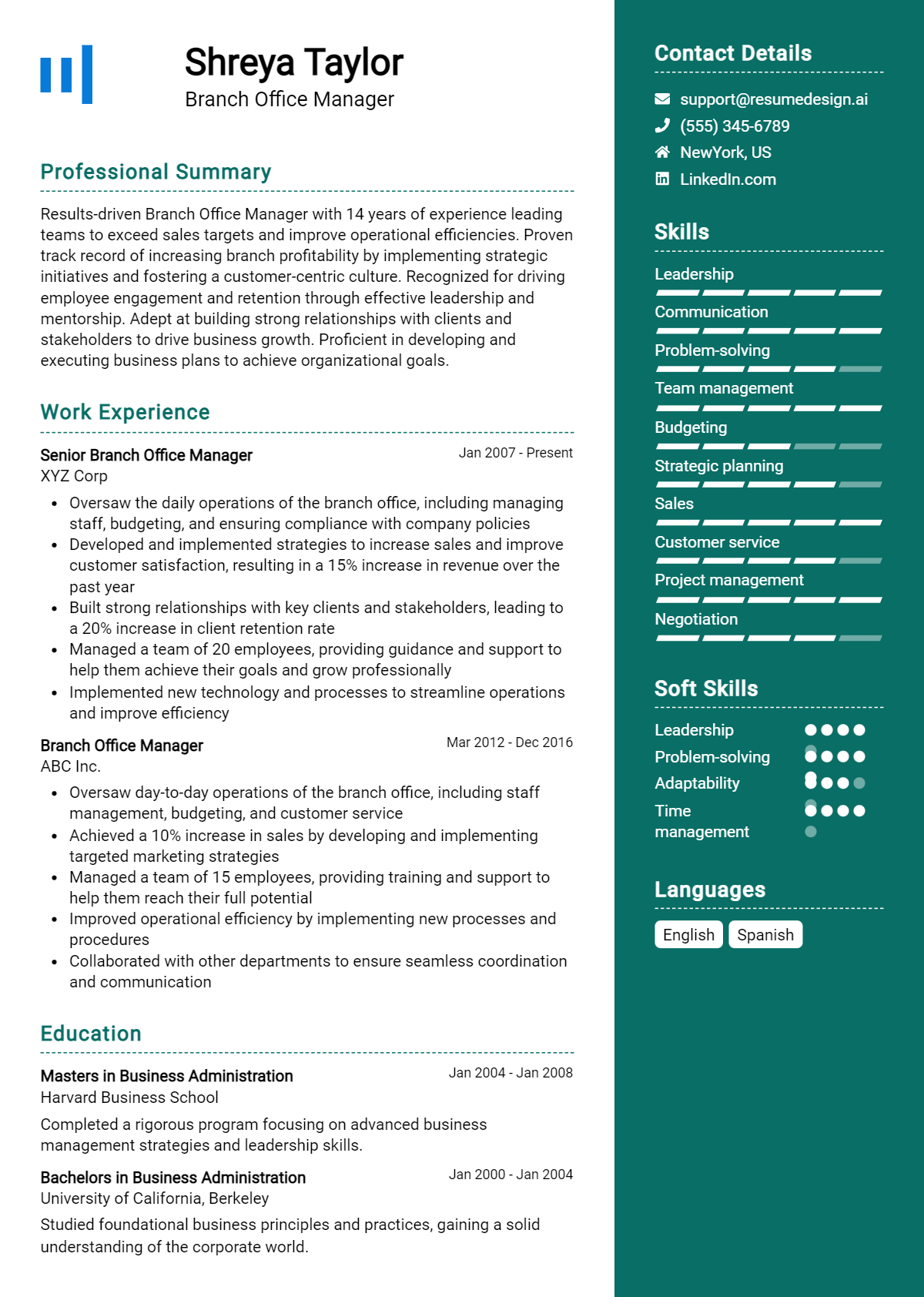
As a Branch Office Manager, you play a critical role in overseeing the operations of a local office while ensuring that company policies and objectives are met. During the interview process, it’s essential to demonstrate your leadership skills, financial acumen, and ability to foster a productive team environment. To help you prepare for your interview, we’ve compiled a list of common job interview questions specifically tailored for the Branch Office Manager role.
Here is a list of common job interview questions, with examples of the best answers. These questions cover your work history and experience, what you have to offer the employer, and your goals for the future. Expect inquiries about your management style, conflict resolution strategies, and how you plan to drive sales and enhance customer satisfaction within the branch. Preparing thoughtful responses will not only showcase your qualifications but also your readiness to lead and succeed in this pivotal position.
1. What experience do you have managing a team in a branch office setting?
I have over five years of experience managing a team in a branch office. I focus on developing team strengths and fostering collaboration to meet our goals. My leadership style encourages open communication, which has resulted in improved performance and employee satisfaction.
Example:
In my previous role, I managed a team of ten, implementing weekly check-ins that enhanced our collaboration and boosted productivity by 20%.
2. How do you handle conflicts among team members?
I address conflicts by facilitating open discussions between the involved parties, allowing them to express their viewpoints. I guide them to find common ground and focus on solutions rather than problems. This approach helps build trust and promotes a healthy work environment.
Example:
Once, I mediated a dispute by organizing a meeting where each member shared their concerns, leading to a mutual agreement and improved teamwork.
3. What strategies do you implement to ensure branch profitability?
To ensure profitability, I analyze market trends and set achievable sales targets. I also promote cross-selling among staff and provide ongoing training to enhance product knowledge, which directly impacts sales performance and customer satisfaction.
Example:
By introducing a referral program, I increased our monthly sales by 15% within three months, significantly boosting profitability.
4. Describe your approach to customer service in the branch.
My approach to customer service emphasizes responsiveness and personalization. I train my team to actively listen to customer needs and provide tailored solutions, ensuring a positive experience that encourages customer loyalty and repeat business.
Example:
Once, I implemented a feedback system that directly improved our service protocols, resulting in a 30% increase in customer satisfaction ratings.
5. How do you prioritize tasks in a fast-paced environment?
I prioritize tasks by assessing urgency and impact. I utilize project management tools to track progress and delegate responsibilities based on team strengths, ensuring that critical tasks are completed efficiently without compromising quality.
Example:
During peak seasons, I implemented a priority matrix that helped the team focus on high-impact tasks, improving our response time by 25%.
6. What measures do you take to ensure compliance with company policies?
I ensure compliance by conducting regular training sessions and audits. I foster a culture of accountability where team members understand the importance of policies. Open communication allows for questions and clarifications, minimizing potential violations.
Example:
After identifying compliance gaps, I developed a training module that reduced policy breaches by 40% within six months.
7. Can you give an example of how you improved a process in the branch?
I identified a bottleneck in our customer onboarding process. By streamlining documentation and introducing an online submission system, I reduced onboarding time by 50%, enhancing customer satisfaction and allowing staff to focus on more complex tasks.
Example:
After implementing changes, our onboarding process went from two weeks to just one week, significantly improving client satisfaction.
8. How do you motivate your team during challenging times?
I motivate my team by maintaining transparency about challenges and involving them in problem-solving discussions. I also celebrate small wins to boost morale, ensuring everyone feels valued and focused on our collective goals despite difficulties.
Example:
During a tough quarter, I organized team-building activities that reignited our spirit, leading to a 15% increase in performance in the following months.
9. How do you prioritize tasks in a fast-paced branch environment?
I prioritize tasks by assessing urgency and impact on branch operations. I use tools like task lists and project management software to ensure deadlines are met while maintaining quality service. Regular communication with team members helps align priorities effectively.
Example:
I focus on urgent customer issues first, then tackle team assignments. I utilize a task management tool to visualize deadlines and collaborate with the team to ensure everyone is on the same page.
10. Can you describe your experience with budget management?
I have managed branch budgets by analyzing monthly expenditures, forecasting future needs, and implementing cost-saving measures. I regularly review financial reports to ensure adherence to the budget and adjust plans as necessary to achieve financial goals.
Example:
In my previous role, I successfully reduced operational costs by 15% through vendor negotiations and streamlining processes, while still meeting branch performance targets.
11. How do you handle underperforming employees?
I address underperformance through constructive feedback and setting clear performance expectations. I work with the employee to create a development plan, providing support and resources to help them improve and succeed in their role.
Example:
I once mentored an employee struggling with sales targets, resulting in a 30% improvement after we implemented regular check-ins and tailored training sessions.
12. What strategies do you implement to improve customer satisfaction?
I focus on training staff to provide exceptional service and actively seek customer feedback. Implementing regular staff meetings to discuss customer experiences helps identify areas for improvement and celebrate successes.
Example:
By introducing a customer feedback loop, we increased satisfaction ratings by 25%, as we promptly addressed concerns and implemented suggested improvements.
13. Describe a time when you had to manage a crisis in the branch.
During a system outage, I quickly organized the team to ensure customer service continuity. We communicated transparently with clients and implemented manual processes until the issue was resolved, maintaining trust and minimizing disruption.
Example:
In one instance, our system went down unexpectedly. I coordinated immediate staff training on manual procedures, ensuring smooth operations and customer satisfaction until the system was restored.
14. How do you ensure compliance with company policies and regulations?
I ensure compliance by regularly reviewing policies with the team and conducting training sessions. I stay updated on regulations and implement practices that promote adherence, fostering a compliance-oriented culture within the branch.
Example:
I implemented monthly compliance training that resulted in a significant decrease in policy violations, ensuring that all staff are informed and accountable.
15. What role does teamwork play in your management style?
Teamwork is crucial to my management style. I encourage collaboration by fostering an open environment where team members can share ideas and support each other. This approach enhances productivity and builds a strong team culture.
Example:
I regularly hold team-building activities that strengthen relationships, resulting in improved communication and teamwork, which positively impacts branch performance.
16. How do you approach employee training and development?
I prioritize employee training by assessing individual needs and aligning them with branch goals. I create personalized development plans, utilizing both in-house training and external resources to ensure continuous growth and skill enhancement.
Example:
I developed a mentorship program that paired experienced staff with new hires, greatly improving onboarding efficiency and employee retention rates in our branch.
17. How do you ensure your branch meets its sales targets?
I analyze sales data regularly, set clear targets for my team, and conduct weekly meetings to track progress. I also implement motivational strategies to keep the team engaged and focused on achieving our goals.
Example:
By reviewing past sales performance and setting achievable monthly goals, I motivate my team through incentives and recognition. Regular check-ins help us stay on track, ensuring we meet or exceed our targets consistently.
18. Describe a time when you had to manage a difficult employee.
I once had an employee who was consistently underperforming. I scheduled a private meeting to discuss their challenges and provided additional training. This approach fostered open communication and ultimately led to improved performance and morale.
Example:
After noticing a team member struggling, I initiated a one-on-one conversation. Understanding their challenges helped me tailor support, resulting in significant performance improvement and a strengthened working relationship.
19. How do you handle customer complaints?
I address customer complaints promptly by actively listening to their concerns, empathizing with their situation, and offering solutions. Ensuring customer satisfaction is crucial for our branch’s reputation and repeat business.
Example:
When a customer expressed dissatisfaction, I listened carefully, apologized for the inconvenience, and provided a solution. Following up ensured they felt valued, which improved their overall experience and loyalty.
20. What strategies do you use for team motivation?
I use a mix of recognition programs, team-building activities, and individual development plans. Celebrating achievements and providing opportunities for growth fosters a positive environment where employees feel valued and motivated to perform.
Example:
Implementing a monthly ‘Employee of the Month’ program boosts morale. Additionally, I encourage skill development through workshops, which enhances team cohesion and motivation.
21. How do you prioritize tasks in a busy environment?
I prioritize tasks by assessing deadlines and impact. I use a task management system to organize daily responsibilities, ensuring that urgent issues are addressed first while also allocating time for long-term projects.
Example:
By categorizing tasks as urgent, important, or long-term, I focus on high-impact activities first. Regularly reviewing priorities keeps me organized in a fast-paced environment.
22. Can you share your experience with budgeting and financial management?
I have managed budgets by tracking expenses, forecasting future costs, and identifying areas for cost reduction. Regular financial reviews ensure that we stay within budget while still achieving our operational goals.
Example:
While managing the branch budget, I identified unnecessary expenses, which allowed us to allocate resources more effectively, ultimately resulting in a 10% increase in profitability.
23. How do you develop talent within your team?
I assess individual strengths and weaknesses, then provide tailored training opportunities. Regular feedback and mentoring help employees grow, ensuring we have a skilled and motivated team ready to meet challenges.
Example:
By conducting quarterly performance reviews, I identify growth areas for my team members and create personalized development plans that align with their career aspirations.
24. What role does communication play in your management style?
Effective communication is paramount in my management style. I maintain transparency with my team, encouraging open dialogue, which fosters trust and collaboration, ultimately leading to better decision-making and performance.
Example:
I hold regular team meetings to share updates and encourage feedback. This open communication builds trust, ensuring everyone is aligned and working towards common goals.
25. How do you prioritize tasks when managing a branch office?
I prioritize tasks by assessing urgency and impact on overall business goals. I use a combination of digital tools and meetings to ensure the team is aligned and focused on high-priority projects.
Example:
I often create a weekly task list, categorizing items by deadlines. This helps me ensure that critical tasks are addressed first while still keeping track of longer-term projects.
26. Describe a time you resolved a conflict within your team.
I encountered a conflict between two team members over project responsibilities. I facilitated a mediation session where each could express their concerns, leading to a compromise that clarified roles and fostered better collaboration.
Example:
In one instance, I scheduled a meeting where each party shared their perspective. This open dialogue led to a better understanding and a revised project plan that satisfied both individuals.
27. How do you ensure compliance with company policies and regulations?
I ensure compliance by conducting regular training sessions and audits. I also encourage open communication about policies and provide resources to help my team understand and adhere to regulations.
Example:
I implement quarterly compliance training and provide easy access to policy documents. This proactive approach helps our team stay informed and compliant with company regulations.
28. What strategies do you use to motivate your team?
I motivate my team through recognition, setting clear goals, and fostering a supportive environment. I also encourage professional development and provide opportunities for team-building activities to enhance morale.
Example:
I celebrate small wins in team meetings and create growth plans for each member, which keeps them engaged and motivated to achieve both personal and team objectives.
29. How do you handle underperforming employees?
I address underperformance by having one-on-one discussions to identify challenges. Together, we create a performance improvement plan with specific goals and regular check-ins to monitor progress.
Example:
When I notice underperformance, I initiate a private conversation to understand their struggles. We then outline a plan that includes training and regular feedback sessions.
30. What techniques do you use for effective communication within your branch?
I use a mix of formal and informal communication techniques, including regular team meetings, one-on-ones, and digital tools like Slack for quick updates. This ensures everyone is informed and engaged.
Example:
I schedule weekly team meetings for updates and use a group chat for daily communications. This balance keeps everyone connected and informed about ongoing projects.
31. How do you manage budget constraints while maintaining service quality?
I manage budget constraints by analyzing expenses, identifying areas for improvement, and reallocating resources effectively. I focus on maintaining service quality through training and optimizing processes to enhance efficiency.
Example:
I regularly review our spending and prioritize essential expenditures. By streamlining processes, we can maintain service quality even with a tighter budget.
32. Can you give an example of how you have improved operational efficiency?
I improved operational efficiency by implementing a new inventory management system that reduced errors and streamlined ordering processes. This change resulted in a 20% decrease in inventory costs over six months.
Example:
By introducing an automated system for inventory tracking, our team minimized stock discrepancies and reduced time spent on manual entries, enhancing overall productivity.
33. How do you prioritize tasks when managing multiple projects at once?
I utilize a combination of task management tools and prioritization frameworks, such as the Eisenhower Matrix. This helps me assess urgency and importance, ensuring that critical projects receive attention first while still keeping an eye on long-term goals.
Example:
I prioritize tasks by categorizing them into urgent and important. For example, I would tackle a project deadline first, while scheduling time for strategic planning later in the week.
34. Describe a time you had to resolve a conflict within your team.
In a previous role, two team members disagreed on project direction. I facilitated a meeting where both could express their viewpoints. By encouraging open communication and focusing on common goals, we reached a consensus that improved collaboration and project outcomes.
Example:
I organized a mediation session where both parties shared their concerns. By finding common ground, we developed a solution that satisfied both, enhancing team dynamics and project results.
35. How do you ensure compliance with company policies and regulations?
I conduct regular training sessions and audits to keep the team informed about company policies. I also create an open-door policy where employees can ask questions or report concerns, ensuring transparency and adherence to regulations.
Example:
I implement regular training and accessible resources, ensuring my team understands compliance requirements. Additionally, I encourage questions to maintain transparency and adherence.
36. Can you share your experience with budgeting and financial management?
I've managed branch budgets by analyzing historical data, forecasting expenses, and monitoring variances. By prioritizing spending and identifying cost-saving opportunities, I successfully met financial targets while supporting business growth.
Example:
In my last position, I analyzed past spending trends to create a realistic budget, ensuring we met our financial goals while identifying areas for cost reduction.
37. How do you approach performance management for your team?
I believe in continuous feedback and regular one-on-one meetings to discuss performance goals. This fosters a culture of accountability and support, allowing team members to identify strengths and areas for improvement collaboratively.
Example:
I conduct monthly performance reviews and maintain an open feedback loop, enabling my team to align their goals with company objectives and enhance their skills.
38. What strategies do you use to motivate your team?
I motivate my team through recognition, professional development opportunities, and fostering a positive work environment. By understanding individual drivers and creating a sense of ownership, I enhance team engagement and performance.
Example:
I regularly acknowledge achievements and provide opportunities for growth. Understanding individual motivations helps me tailor my approach and boost overall morale.
39. How would you handle a situation where a team member is underperforming?
I would first address the issue privately, discussing specific performance concerns and understanding any underlying factors. Together, we would create a performance improvement plan with clear goals and timelines to support their development.
Example:
I would meet with the employee to identify challenges they're facing, then establish a clear improvement plan with measurable goals to guide them toward better performance.
40. How do you stay updated with industry trends and changes?
I subscribe to industry publications, attend webinars, and participate in professional networking groups. Staying informed about trends allows me to implement best practices and adapt our strategies effectively.
Example:
I follow key industry blogs, attend conferences, and engage with my network, which helps me keep my branch competitive and informed about emerging trends.
41. How do you handle conflicts between team members in your branch?
I address conflicts promptly by facilitating open communication. I encourage team members to express their concerns and work towards a mutual solution. This approach fosters a collaborative environment and helps maintain team morale, ensuring everyone feels heard and valued.
Example:
In a past role, I mediated a disagreement by bringing both parties together to discuss their perspectives openly, which resulted in a better understanding and stronger teamwork moving forward.
42. Can you describe your experience with budgeting and financial management?
I have extensive experience in budgeting, including forecasting expenses and managing branch financials. I track spending against the budget regularly and adjust as necessary to ensure financial goals are met without compromising service quality.
Example:
In my previous position, I successfully reduced costs by 15% through strategic budgeting and identifying areas for financial efficiency without sacrificing staff productivity.
43. How do you ensure compliance with company policies and regulations?
I prioritize compliance by regularly training staff on company policies and conducting audits. I also create an environment where employees feel comfortable discussing concerns or asking questions about compliance, fostering accountability throughout the branch.
Example:
In my last role, I implemented monthly training sessions that improved compliance awareness and reduced policy violations by over 30% in six months.
44. Describe a time you implemented a new process in your branch. What was the outcome?
I introduced a digital filing system to streamline document management. This improved accessibility and reduced retrieval time by 50%. Training sessions ensured staff were comfortable with the new system, which increased efficiency across the branch.
Example:
After implementing the system, we saw a significant increase in productivity, allowing staff to focus more on customer service rather than paperwork.
45. How do you motivate your team to achieve branch goals?
I motivate my team by setting clear, achievable goals and recognizing individual contributions. I also promote a positive work culture where accomplishments are celebrated, and team members are encouraged to support one another in reaching collective targets.
Example:
In my previous position, I organized monthly recognition events, which boosted morale and led to a 20% increase in goal achievement over the year.
46. What strategies do you use for effective team communication?
I implement regular team meetings and use collaborative tools for ongoing communication. I encourage transparency and open feedback, which helps address issues quickly and keeps everyone aligned with branch objectives and changes.
Example:
By establishing weekly check-ins, I increased team collaboration and reduced misunderstandings, leading to a more cohesive working environment.
How Do I Prepare For A Branch Office Manager Job Interview?
Preparing for a Branch Office Manager job interview is crucial to making a positive impression on the hiring manager. A well-prepared candidate not only demonstrates their interest in the role but also showcases their professionalism and commitment to the position. Here are some key preparation tips to help you excel in your interview:
- Research the company and its values to align your responses with their mission and culture.
- Practice answering common interview questions, such as leadership style, conflict resolution, and financial management.
- Prepare examples that demonstrate your skills and experience relevant to the Branch Office Manager role.
- Familiarize yourself with industry trends and challenges that may impact the branch office's operations.
- Develop thoughtful questions to ask the interviewers about the company and the specific expectations for the role.
- Dress professionally and appropriately for the company's culture to make a strong first impression.
- Plan your journey to the interview location to ensure you arrive on time and reduce any pre-interview stress.
Frequently Asked Questions (FAQ) for Branch Office Manager Job Interview
Preparing for an interview as a Branch Office Manager is crucial, as it allows candidates to showcase their skills and experiences effectively. Understanding common questions can help alleviate stress and improve confidence. Below are some frequently asked questions that can guide your preparation for the interview process.
What should I bring to a Branch Office Manager interview?
When attending a Branch Office Manager interview, it's essential to bring several key items. Start with multiple copies of your resume, as you may meet with different interviewers. Include a list of references, a notebook, and a pen for taking notes. If applicable, bring any certifications or proof of achievements relevant to the role. A professional portfolio showcasing your previous work can also be beneficial in demonstrating your capabilities.
How should I prepare for technical questions in a Branch Office Manager interview?
To effectively prepare for technical questions, review the job description thoroughly to identify the key skills and competencies required. Research common technical challenges faced by Branch Office Managers in your industry and think through how you would address these issues. Practice articulating your thoughts clearly and confidently, possibly through mock interviews or by discussing scenarios with peers. Staying updated on industry trends can also provide a solid foundation for discussing technical aspects during the interview.
How can I best present my skills if I have little experience?
If you have limited experience, focus on highlighting transferable skills and relevant qualities that align with the Branch Office Manager role. Emphasize your problem-solving abilities, leadership potential, and any achievements in previous roles, even if they were in different fields. Use the STAR method (Situation, Task, Action, Result) to structure your responses, showcasing how your skills can benefit the branch office despite your lack of direct experience.
What should I wear to a Branch Office Manager interview?
Dressing appropriately for a Branch Office Manager interview is vital as it reflects your professionalism and understanding of the company's culture. Aim for business professional attire, which typically includes a tailored suit, dress shirt, and polished shoes. Ensure your clothing is clean and well-fitted. If you’re unsure about the company's dress code, it's better to err on the side of being slightly overdressed rather than underdressed.
How should I follow up after the interview?
Following up after your interview is an essential step in demonstrating your interest in the Branch Office Manager position. Send a thank-you email within 24 hours, expressing gratitude for the opportunity to interview and briefly reiterating your enthusiasm for the role. Personalize your message by mentioning specific points discussed during the interview. This not only reinforces your interest but also highlights your professionalism and attention to detail.
Conclusion
In summary, this interview guide for the Branch Office Manager role has covered essential aspects of the interview process, including the significance of preparation, practice, and showcasing relevant skills. Candidates must understand that being well-prepared for both technical and behavioral questions can significantly enhance their chances of success during the interview.
We encourage you to take full advantage of the tips and examples provided in this guide to approach your interviews with confidence and clarity. Remember, the right preparation can make a substantial difference in how you present yourself to potential employers.
For further assistance, check out these helpful resources: resume templates, resume builder, interview preparation tips, and cover letter templates.