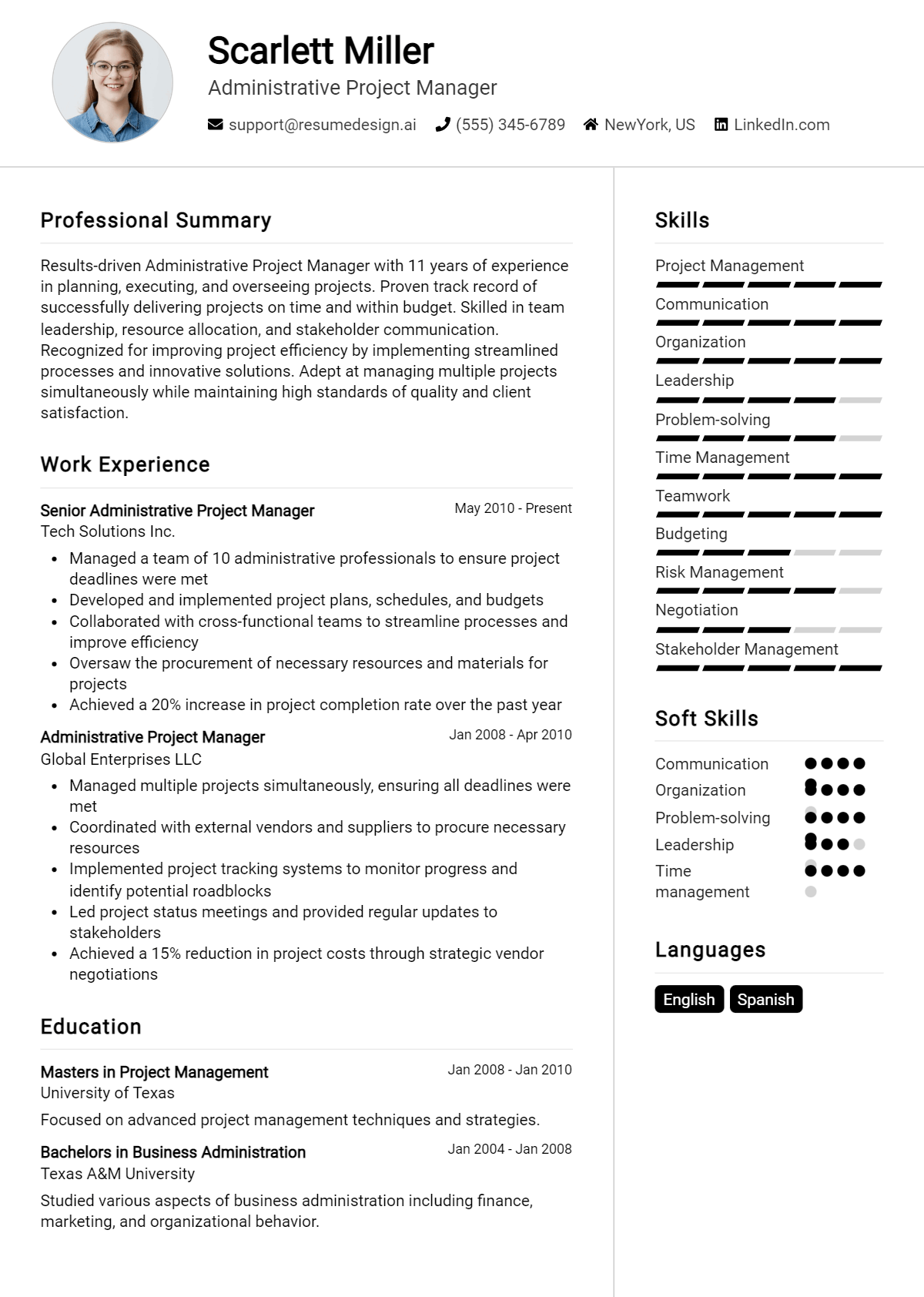
In today's competitive job market, preparing for an interview as an Administrative Project Manager is crucial for standing out to potential employers. This role demands a blend of organizational skills, leadership capabilities, and effective communication, making it essential to anticipate the types of questions interviewers may ask. By being well-prepared, you can confidently showcase your qualifications and demonstrate how you can contribute to the organization’s success.
Here is a list of common job interview questions for the Administrative Project Manager position, along with examples of the best answers. These questions cover your work history and experience, what you have to offer the employer, and your goals for the future, allowing you to effectively articulate your fit for the role and your vision for professional growth within the company.
1. Can you describe your experience with project management software?
I have extensive experience using project management tools like Asana and Trello. These platforms help me track progress, set deadlines, and collaborate with team members efficiently. My familiarity with these tools ensures projects stay organized and on schedule.
Example:
In my previous role, I used Asana to manage a team of five, tracking tasks and deadlines, which improved our project delivery time by 20%.
2. How do you prioritize tasks in a project?
I prioritize tasks by assessing their impact on project goals and deadlines. I utilize techniques like the Eisenhower Matrix to distinguish between urgent and important tasks, ensuring that critical activities are completed first while maintaining overall project momentum.
Example:
For instance, while managing a marketing project, I prioritized tasks based on their impact on the launch date, leading to a successful on-time release.
3. How do you handle conflicts within a team?
I address conflicts by facilitating open communication among team members. I encourage each party to express their perspectives, and then collaboratively seek solutions that align with project objectives, fostering a productive and positive team environment.
Example:
In a past project, I mediated a disagreement between two team members, resulting in a compromise that enhanced collaboration and the overall project outcome.
4. What strategies do you use to ensure effective communication?
I implement regular check-ins and status updates through meetings and emails. I also encourage team members to share updates and concerns openly, fostering transparency and ensuring everyone is aligned on project objectives and expectations.
Example:
I established weekly team meetings to discuss progress and challenges, which significantly improved our project communication and team cohesion.
5. Describe a project you managed from start to finish.
I managed a company-wide software implementation project. I led the planning phase, coordinated with stakeholders, monitored the execution, and ensured timely delivery. The project was completed under budget and improved operational efficiency significantly.
Example:
The software implementation project I led resulted in a 30% increase in productivity, showcasing my ability to manage complex projects effectively.
6. How do you adapt to changes in project scope?
I remain flexible and responsive to changes by reassessing project goals and resources. I communicate with stakeholders to understand the reasons for changes and adjust project plans accordingly, ensuring minimal disruption to timelines and deliverables.
Example:
During a project, a new client requirement emerged; I swiftly adjusted our plan and communicated the changes, keeping the project on track.
7. What role does risk management play in your project management process?
Risk management is crucial; I identify potential risks early and develop mitigation strategies. I continually monitor risks throughout the project lifecycle, allowing for proactive adjustments and minimizing negative impacts on project outcomes.
Example:
In a recent project, I identified a potential delay in resource availability and arranged alternative suppliers, ensuring the project remained on schedule.
8. How do you measure project success?
I measure project success through key performance indicators (KPIs) such as on-time delivery, budget adherence, and stakeholder satisfaction. Post-project evaluations also provide insights into areas for improvement for future projects.
Example:
After completing a project, I surveyed stakeholders, and the feedback indicated a 90% satisfaction rate, validating our success.
9. How do you prioritize tasks in a project with tight deadlines?
I utilize a combination of urgency and importance to prioritize tasks. I assess each task's impact on project goals and deadlines, adjust schedules accordingly, and communicate with team members to ensure alignment on priorities. This approach helps me manage time effectively while meeting critical deadlines.
Example:
In my last project, I identified key tasks and set clear deadlines. I used a priority matrix to focus on high-impact activities, ensuring we met our goals while keeping the team informed and engaged throughout the process.
10. Describe a time when you faced a significant project challenge.
In a previous project, we encountered unexpected budget cuts. I quickly gathered the team to brainstorm solutions, reallocating resources and adjusting timelines. Through transparent communication, we managed to deliver the project successfully and learned valuable lessons about adaptability and teamwork.
Example:
We had to cut our budget by 20% mid-project. I facilitated a meeting to reallocate resources, prioritized key deliverables, and ultimately, we completed the project on time by working collaboratively and focusing on essential tasks.
11. How do you ensure effective communication among team members?
I establish regular check-ins and use collaborative tools to keep everyone updated. I encourage open dialogue and provide clear guidelines on communication protocols to ensure that all team members feel informed and engaged throughout the project lifecycle.
Example:
I set up weekly status meetings and created a shared project dashboard. This encouraged team members to share updates and challenges, fostering a culture of transparency and collaboration that kept everyone on track.
12. Can you explain your experience with budget management?
I have managed project budgets by tracking expenses against forecasts, identifying discrepancies, and implementing cost-saving measures. My analytical skills help me ensure financial resources are allocated efficiently, which is crucial for project success.
Example:
In my last role, I successfully managed a $500,000 budget, regularly reviewing expenditures and adjusting forecasts. This proactive approach allowed us to complete the project under budget while meeting all deliverables.
13. How do you handle conflicts within a project team?
I address conflicts by facilitating open discussions between the parties involved. I encourage active listening and aim to find common ground through collaboration. My goal is to resolve issues swiftly to maintain team cohesion and project momentum.
Example:
When two team members disagreed on a strategy, I organized a mediation session where both could voice their perspectives. This led to a compromise that satisfied both parties, enhancing team dynamics and keeping the project on track.
14. What project management software are you proficient in?
I am proficient in several project management tools, including Asana, Trello, and Microsoft Project. I leverage these platforms for task tracking, collaboration, and reporting, which enhances project efficiency and keeps stakeholders informed.
Example:
I primarily use Asana for task management and reporting. Its features allow me to assign tasks, set deadlines, and monitor progress, facilitating effective communication and accountability within the team.
15. How do you measure project success?
I measure project success through key performance indicators (KPIs), such as meeting deadlines, staying within budget, and achieving project objectives. I also gather feedback from stakeholders to assess overall satisfaction and areas for improvement.
Example:
In my last project, we achieved a 95% satisfaction rate from stakeholders and delivered the project two weeks early and under budget, which I considered a significant success based on our KPIs.
16. How do you adapt to changes in project scope?
I remain flexible and assess the impact of scope changes on timelines and resources. I communicate any adjustments to the team and stakeholders promptly, ensuring that everyone understands the implications and collaborates on a revised plan.
Example:
When a client requested additional features, I evaluated the impact on our timeline and budget. I presented options to the client, allowing us to agree on a feasible plan that accommodated the changes without compromising the project.
17. How do you prioritize tasks in a project with tight deadlines?
I assess the urgency and importance of each task, then create a visual timeline to allocate resources effectively. Regular check-ins with the team ensure everyone stays aligned. This method allows me to adjust priorities dynamically as project needs evolve.
Example:
I prioritize by evaluating deadlines and dependencies. For instance, in my last project, I used a Gantt chart to visualize tasks, which helped us meet deadlines while maintaining quality across deliverables.
18. Describe a time when you had to manage a conflict within your team.
In a previous project, two team members disagreed on the approach to a task. I facilitated a meeting where each could express their perspective. By encouraging open communication, we reached a compromise that leveraged both their strengths, which improved overall team dynamics.
Example:
I once mediated a conflict where differing opinions caused tension. I organized a discussion, allowing each member to share insights. This not only resolved the issue but also fostered better collaboration moving forward.
19. What tools or software do you use to manage projects?
I utilize tools like Asana for task management, Google Drive for document sharing, and Slack for team communication. These platforms streamline collaboration and ensure everyone is updated in real-time, which is crucial for successful project execution.
Example:
I frequently use Trello for task organization and Microsoft Teams for communication. These tools help keep project timelines transparent and enhance team collaboration, making it easier to track progress and address issues swiftly.
20. How do you ensure that project objectives are met?
I ensure project objectives are met by setting clear goals from the outset and regularly reviewing progress against those goals. I also encourage feedback from team members to identify potential obstacles early and adjust plans accordingly.
Example:
By establishing SMART goals and holding weekly progress meetings, I keep everyone accountable. This approach allows us to track our milestones effectively and make necessary adjustments to stay on course.
21. Can you explain your experience with budgeting in projects?
I have experience creating and managing project budgets by estimating costs accurately and tracking expenses against the budget. I regularly review financial reports to identify variances and adjust forecasts to keep the project financially on track.
Example:
In my last role, I managed a $200,000 budget, tracking all expenditures meticulously. This proactive approach allowed us to complete the project under budget while meeting all quality standards.
22. How do you handle last-minute changes in a project?
I remain adaptable and composed when faced with last-minute changes. I assess the impact on the project timeline and resources, then communicate adjustments to the team promptly to realign our efforts and maintain project momentum.
Example:
When faced with a sudden client request change, I quickly reassessed our timeline and informed the team. By reallocating resources, we accommodated the change without compromising our original deadlines.
23. What strategies do you employ for effective team communication?
I implement regular meetings, utilize project management tools, and encourage open dialogue to facilitate effective communication. I make it a priority to ensure team members feel comfortable sharing ideas and updates, fostering a collaborative environment.
Example:
I hold weekly team check-ins and use Slack for daily updates. This strategy ensures everyone is informed and encourages immediate feedback, enhancing our overall communication and project efficiency.
24. How do you evaluate the success of a project?
I evaluate project success based on whether we met the defined objectives, stayed within budget, and delivered on time. Post-project reviews with the team help gather insights, allowing us to learn and improve future project executions.
Example:
Success is evaluated through key performance indicators and client feedback. After completing a recent project, we conducted a review meeting to discuss what worked well and areas for improvement, ensuring continuous growth.
25. How do you prioritize tasks in a project with tight deadlines?
I assess urgency and importance, using tools like the Eisenhower Matrix. I also communicate with the team to align priorities. This approach helps ensure that critical tasks are completed on time, while still maintaining overall project quality.
Example:
I prioritize tasks by categorizing them based on deadlines and impact. For instance, during a recent project, I focused on deliverables needed for client review first, ensuring timely feedback while delegating less urgent tasks to team members.
26. Describe a time when you had to deal with a difficult team member.
I addressed the situation by scheduling a one-on-one meeting to understand their concerns. By actively listening and fostering open communication, we were able to resolve misunderstandings and improve collaboration within the team, ultimately enhancing project performance.
Example:
In a previous project, I noticed a team member was disengaged. I scheduled a private chat to discuss their feelings. This open dialogue led to resolving issues and reinvigorating their commitment to the team and project goals.
27. How do you ensure effective communication among team members?
I implement regular check-ins and utilize project management tools that facilitate real-time updates. By creating a transparent environment where everyone can share insights and feedback, I ensure that communication remains effective and everyone stays informed.
Example:
I schedule weekly team meetings and use platforms like Slack for ongoing communication. This ensures everyone is aligned on project goals and can quickly address any issues, fostering a collaborative environment.
28. What techniques do you use to manage project budgets?
I closely monitor expenses using budgeting software and conduct regular reviews. I compare actual spend against the budget, adjusting as needed. This proactive approach helps prevent overspending and ensures financial resources are used efficiently throughout the project.
Example:
In my last project, I used Excel to track expenditures and forecast future costs. This allowed me to identify potential overruns early and implement corrective actions, keeping the project within budget.
29. Can you describe your experience with project management software?
I have extensive experience with tools like Trello and Asana for task management, and Microsoft Project for scheduling. These platforms help streamline workflow, track progress, and enhance team collaboration, allowing me to manage projects more effectively.
Example:
I regularly use Asana to assign tasks and monitor deadlines. Its visual layout helps me track progress at a glance, making adjustments as necessary to keep the project on schedule.
30. How do you handle changes to project scope?
I evaluate the change request's impact on the timeline and budget. After consulting with stakeholders, I update documentation and communicate changes to the team, ensuring everyone is aligned and understands the implications of the new scope.
Example:
When faced with scope changes, I assess their impact and discuss them with stakeholders. I then document the changes and inform the team, ensuring everyone understands the new expectations and delivery timelines.
31. What is your approach to risk management in projects?
I identify potential risks through brainstorming sessions and past project analyses. I develop mitigation strategies and maintain a risk register to monitor these risks regularly, ensuring proactive measures are in place to address issues before they escalate.
Example:
In a recent project, I identified potential delays from a vendor. I developed an alternative sourcing strategy and kept the team informed, which minimized disruptions and kept the project on track.
32. How do you measure project success?
I measure success through key performance indicators (KPIs), stakeholder satisfaction, and whether we met project goals within budget and timeline. Post-project evaluations further help in identifying lessons learned for future improvements.
Example:
I assess project success by evaluating KPIs and gathering feedback from stakeholders. In my last project, we exceeded our goals, and client satisfaction ratings reflected our team's hard work and effective project management.
33. How do you prioritize tasks when managing multiple projects?
I prioritize tasks by assessing their urgency and impact on project goals. I utilize tools like Gantt charts and to-do lists to visualize deadlines and dependencies, ensuring that critical tasks are tackled first while keeping stakeholders informed of progress. Example: I once managed three projects simultaneously and prioritized using a matrix, focusing on deadlines and stakeholder impact, which helped me allocate resources effectively and meet all three deadlines successfully.
34. Can you describe a time when you had to manage a conflict within a project team?
In a previous role, two team members disagreed on a project approach. I facilitated a meeting where both parties expressed their views, encouraging compromise. This improved team dynamics and led to a collaborative solution that enhanced project outcomes. Example: I mediated a conflict over resource allocation by organizing a meeting, allowing each member to present their concerns, which led to a revised plan that satisfied both sides and improved teamwork.
35. How do you ensure that project documentation is accurate and up to date?
I establish a documentation protocol that includes regular updates and reviews. I use shared platforms for real-time collaboration and schedule periodic audits to ensure all documents reflect the project's current status and decisions made. Example: I implemented a shared document system with version control, leading to a 50% reduction in errors and ensuring all team members had access to the most current project information.
36. What strategies do you use for effective stakeholder communication?
I tailor communication strategies based on stakeholder preferences, using regular updates, reports, and meetings. I also encourage feedback to ensure alignment and address concerns proactively, which fosters trust and engagement throughout the project lifecycle. Example: For a recent project, I created a stakeholder communication plan that included weekly updates and monthly review meetings, ensuring everyone was informed and engaged, which led to higher satisfaction rates.
37. How do you measure the success of a project?
I measure success through key performance indicators (KPIs) such as project timelines, budget adherence, and stakeholder satisfaction. Post-project reviews help identify lessons learned, which enhance future project management practices. Example: After completing a project, I analyzed timelines and budget adherence, and conducted a survey among stakeholders, which provided insights for improving our processes in future projects.
38. Describe your experience with project management software.
I have extensive experience with project management software like Asana and Microsoft Project. I utilize these tools for task allocation, tracking progress, and facilitating communication among team members, which streamlines project execution. Example: At my previous job, I led the transition to Asana, enhancing task management and visibility, resulting in a 30% increase in team productivity and improved project tracking.
39. How do you handle tight deadlines without compromising quality?
I manage tight deadlines by breaking tasks into manageable parts, prioritizing essential elements, and delegating effectively. I also maintain open communication with the team to identify any roadblocks early and adjust timelines or resources as needed. Example: During a high-stakes project, I broke down the tasks and delegated effectively, allowing us to meet the deadline while maintaining quality, ultimately exceeding client expectations.
40. What techniques do you use for risk management in projects?
I use a proactive approach to risk management, including risk assessments during project planning and continuous monitoring. I develop mitigation strategies for identified risks and ensure the team is trained to respond to unforeseen issues effectively. Example: In a project, I conducted a risk assessment workshop, identifying potential issues early. This led to the creation of contingency plans that minimized disruptions, ensuring project success despite unforeseen challenges.
41. How do you prioritize tasks in a project with tight deadlines?
I assess the urgency and importance of each task, creating a matrix to visualize priorities. I consult with team members to align on deadlines and adjust tasks accordingly, ensuring critical elements are completed first. This organized approach minimizes stress and maximizes efficiency.
Example:
I prioritize tasks by categorizing them into urgent and important, focusing on high-impact activities first. This allows me to manage tight deadlines effectively while keeping the team informed. Regular check-ins help maintain alignment and adjust priorities as needed.
42. Describe a time when you had to manage a conflict within a project team.
I once faced a disagreement between team members over project direction. I facilitated a meeting where each person could express their views. By encouraging open communication and finding common ground, we reached a compromise that satisfied both parties and kept the project on track.
Example:
During a project, two team members disagreed on the approach. I scheduled a meeting to hear both perspectives and guided them towards a solution that incorporated elements from both sides. This not only resolved the conflict but also strengthened team collaboration.
43. How do you ensure all stakeholders are kept informed throughout a project?
I establish a communication plan at the project's outset, detailing who receives updates, the frequency, and the format. Regular status reports and meetings help keep everyone aligned and informed. I also encourage feedback to foster engagement and address concerns promptly.
Example:
To keep stakeholders informed, I use a communication plan that outlines regular updates through emails and meetings. I also create a shared project dashboard for real-time visibility, ensuring everyone stays informed and engaged in the project's progress.
44. What tools do you use for project management and team collaboration?
I utilize tools like Asana for task management, Slack for team communication, and Google Drive for document sharing and collaboration. These tools help streamline processes, enhance communication, and ensure everyone is on the same page, leading to improved project outcomes.
Example:
I frequently use Asana for task tracking, Slack for instant communication, and Google Drive for collaborative document management. These tools enhance efficiency and keep the entire team informed and connected throughout the project lifecycle.
45. How do you handle changes in project scope?
When scope changes occur, I assess the impact on timelines and resources. I communicate with stakeholders to evaluate the necessity of changes and document any adjustments. This structured approach ensures that all modifications are managed efficiently while minimizing disruption.
Example:
I handle scope changes by first assessing their impact on the project timeline and budget. I discuss with stakeholders to determine necessity and document changes clearly. This ensures transparency and allows the team to adapt without significant disruptions.
46. Can you give an example of how you improved a process in your previous role?
In my previous role, I identified that weekly reporting took too long. By implementing a standardized template and automating data collection, I reduced report preparation time by 50%. This allowed the team to focus on analysis rather than data entry, improving overall efficiency.
Example:
I improved the weekly reporting process by creating a standardized template and automating data entry. This change cut preparation time in half, allowing the team to focus on meaningful analysis and enhancing our decision-making capabilities.
How Do I Prepare For A Administrative Project Manager Job Interview?
Preparing for an interview is crucial to making a lasting positive impression on the hiring manager. A well-prepared candidate demonstrates professionalism, confidence, and genuine interest in the role. Here are some essential tips to help you get ready for your interview as an Administrative Project Manager:
- Research the company and its values to align your answers with their mission and culture.
- Practice answering common interview questions specific to project management and administrative roles.
- Prepare examples that demonstrate your skills and experience relevant to the Administrative Project Manager position.
- Review the job description thoroughly to understand the key responsibilities and required qualifications.
- Be ready to discuss your organizational and communication skills, providing concrete examples from past experiences.
- Dress appropriately for the interview to convey professionalism and respect for the company.
- Prepare thoughtful questions to ask the interviewer, showing your engagement and interest in the role.
Frequently Asked Questions (FAQ) for Administrative Project Manager Job Interview
Preparing for an interview can be a daunting task, especially when it comes to anticipating common questions that may arise. Understanding what to expect can help candidates feel more confident and articulate during their conversations with potential employers. Below are some frequently asked questions that candidates might encounter when interviewing for an Administrative Project Manager position.
What should I bring to an Administrative Project Manager interview?
When attending an interview for an Administrative Project Manager role, it’s essential to come prepared. Bring multiple copies of your resume, a list of references, and any pertinent documents that showcase your experience, such as project plans or reports. Additionally, a notepad and pen can be useful for taking notes during the interview. Make sure to have a portfolio of your work if applicable, as this can serve as a visual aid to demonstrate your skills and achievements.
How should I prepare for technical questions in an Administrative Project Manager interview?
To prepare for technical questions, review the job description and identify the core skills and tools mentioned, such as project management software or methodologies like Agile or Waterfall. Brush up on any technical knowledge relevant to the role, and consider practicing with sample technical questions. It can also be beneficial to think of specific examples from your past experiences that showcase your ability to handle technical challenges effectively.
How can I best present my skills if I have little experience?
If you have limited experience, focus on transferable skills gained from previous positions, internships, or volunteer work. Highlight qualities such as your organizational skills, attention to detail, and ability to communicate effectively. Use the STAR method (Situation, Task, Action, Result) to frame your responses, demonstrating how your skills can be applied in a project management context, even if they were acquired in different roles.
What should I wear to an Administrative Project Manager interview?
How should I follow up after the interview?
Following up after an interview is an important step in expressing your continued interest in the position. Send a thank-you email within 24 hours, addressing the interviewer by name and expressing gratitude for the opportunity to interview. Mention specific points from the conversation to reinforce your qualifications and enthusiasm for the role. This step not only showcases your professionalism but also keeps you on the interviewer's radar as they make their final decision.
Conclusion
In summary, this interview guide for the Administrative Project Manager role has covered essential strategies for success, emphasizing the importance of thorough preparation and practice. By honing in on both technical and behavioral questions, candidates can significantly enhance their chances of making a positive impression during interviews.
As you prepare, remember that showcasing your relevant skills and experiences will set you apart from other candidates. Utilize the tips and examples provided in this guide to approach your interviews with confidence and clarity.
For further assistance, check out these helpful resources: resume templates, resume builder, interview preparation tips, and cover letter templates.