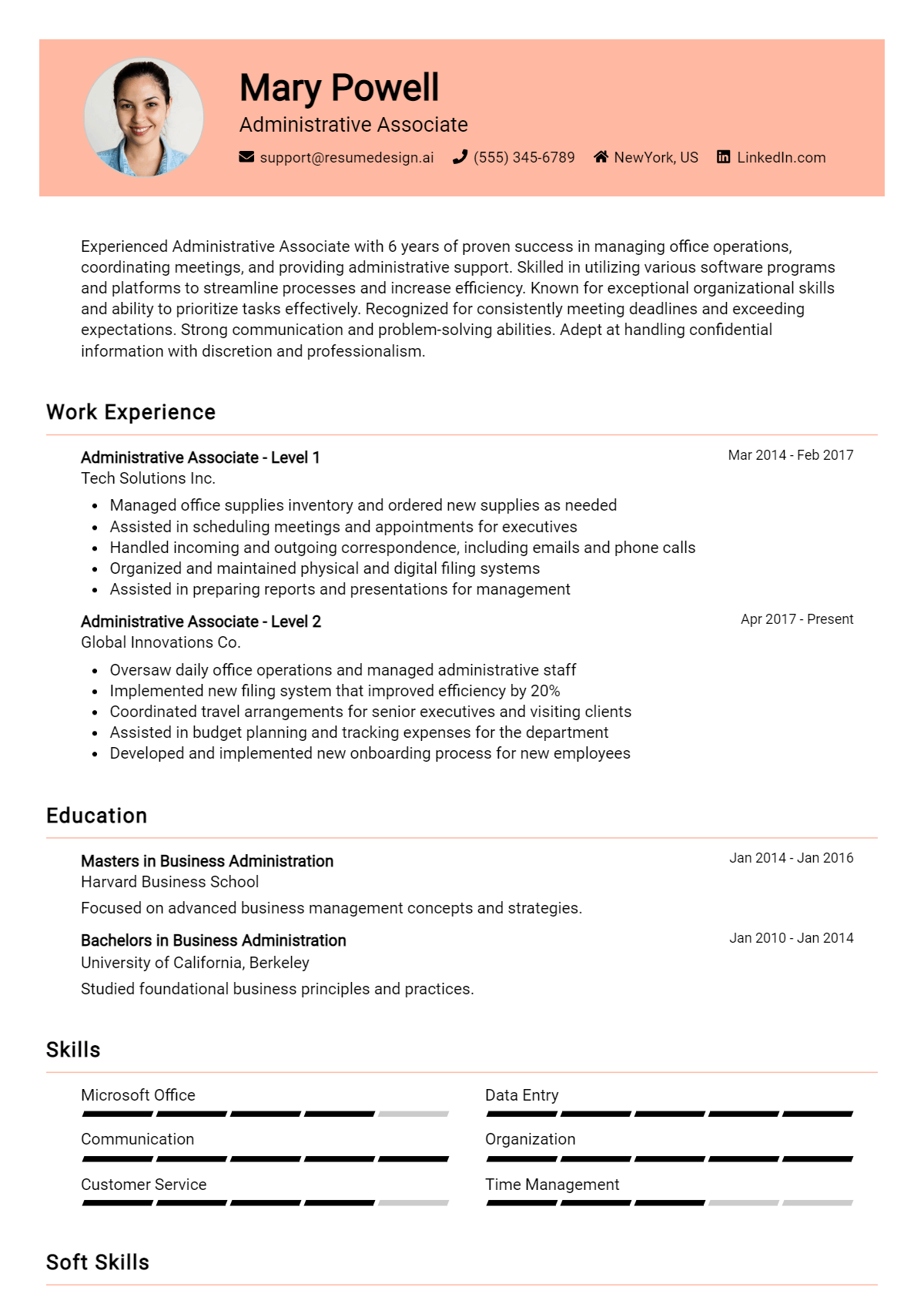
When preparing for an interview as an Administrative Associate, it's essential to understand the types of questions you may encounter. This role often requires a blend of organizational skills, communication abilities, and a strong understanding of office dynamics. By anticipating these questions, you can present yourself as a well-rounded candidate who is ready to contribute effectively to the team.
Here is a list of common job interview questions for the Administrative Associate position, along with examples of the best answers. These questions will delve into your work history and experience, explore what you bring to the table for the employer, and discuss your long-term career goals. Being well-prepared with thoughtful responses can help you demonstrate your suitability for this key role in any organization.
1. Can you describe your experience with scheduling and managing calendars?
In my previous role, I managed multiple executives' calendars, coordinating meetings across different time zones. I utilized scheduling tools to streamline appointments and prioritized urgent requests, ensuring efficient time management and communication among team members.
Example:
I regularly scheduled meetings for three executives, balancing their availability and project deadlines. I used tools like Outlook to optimize their calendars, which improved our overall meeting efficiency by 30%.
2. How do you prioritize tasks when you have multiple deadlines?
I prioritize tasks by assessing deadlines and importance. I create a daily to-do list, focusing on urgent tasks while allowing time for unexpected requests. This approach enables me to stay organized and meet all deadlines effectively.
Example:
When faced with multiple deadlines, I list tasks by urgency. Recently, I managed a last-minute report while completing routine duties, ensuring everything was submitted on time.
3. Can you provide an example of a time you handled a difficult situation?
In a previous position, a client was unhappy with a scheduling error. I listened to their concerns, apologized sincerely, and quickly arranged a revised meeting. This proactive approach restored their confidence and maintained our professional relationship.
Example:
I once faced an upset client due to a scheduling mix-up. I calmly addressed the issue, apologized, and rescheduled their appointment, which eased their frustration and retained their business.
4. What software or tools are you proficient in for administrative tasks?
I am proficient in Microsoft Office Suite, Google Workspace, project management software like Asana, and CRM systems. My strong technical skills enable me to efficiently manage documents, track tasks, and communicate effectively with team members.
Example:
I regularly use Excel for data analysis, Outlook for email management, and Asana for project tracking, which has streamlined my workflow and improved team collaboration.
5. How do you ensure confidentiality in your work?
I understand the importance of confidentiality, especially when handling sensitive information. I adhere to company policies, limit access to confidential files, and utilize secure communication channels to protect data integrity.
Example:
In my last role, I managed confidential HR documents, ensuring they were stored securely and only shared with authorized personnel to maintain privacy.
6. Describe a time when you improved a process.
At my last job, I noticed inefficiencies in our document filing system. I proposed a new digital organization method that reduced retrieval time by 50%, enhancing overall productivity and accessibility for the team.
Example:
I revamped our filing system by digitizing documents, which allowed easy access and improved efficiency by cutting down document retrieval time significantly.
7. How do you handle interruptions while focusing on a task?
I manage interruptions by setting specific periods for focused work, using tools like "Do Not Disturb" modes. If interrupted, I assess the urgency and return to my task promptly, ensuring ongoing productivity.
Example:
When engrossed in a task, I use noise-cancelling headphones and communicate my availability. If interrupted, I quickly determine the urgency and adjust my focus accordingly.
8. What communication skills do you bring to this role?
I possess strong verbal and written communication skills, which allow me to convey information clearly to diverse audiences. I actively listen and adapt my communication style to ensure understanding and collaboration among team members.
Example:
I effectively communicate project updates in meetings and through emails, ensuring clarity. My active listening skills foster a supportive environment where team members feel valued and understood.
9. How do you prioritize tasks when you have multiple deadlines to meet?
I prioritize tasks by assessing their urgency and importance. I create a to-do list, categorize tasks, and allocate time blocks for each. This helps me stay organized and meet all deadlines effectively.
Example:
For example, I use a priority matrix to evaluate tasks, ensuring urgent and important ones are tackled first. This strategy helped me manage overlapping deadlines successfully in my previous role.
10. Can you describe a time when you had to handle a difficult coworker?
I encountered a coworker resistant to collaboration. I initiated a private conversation to address concerns, emphasizing teamwork. This open dialogue improved our working relationship and fostered a more cooperative environment.
Example:
In one instance, I addressed a coworker's negative attitude by discussing our project goals together. This approach led to improved communication and better teamwork on future projects.
11. What software or tools are you proficient in for administrative tasks?
I am proficient in Microsoft Office Suite, Google Workspace, and project management tools like Trello and Asana. These tools enhance my efficiency, allowing me to streamline tasks and improve collaboration.
Example:
I regularly use Excel for data management and Google Docs for collaborative projects. My familiarity with these tools enables me to support my team effectively.
12. How do you ensure confidentiality in your work?
To ensure confidentiality, I adhere to company policies and maintain secure storage for sensitive documents. I also limit access to confidential information to authorized personnel only.
Example:
In my previous role, I implemented a secure filing system for confidential files and regularly trained staff on data privacy practices to uphold confidentiality.
13. Describe your experience with scheduling meetings and managing calendars.
I have extensive experience scheduling meetings using calendar software, coordinating availability among participants, and sending reminders. I ensure meetings are productive by preparing agendas in advance.
Example:
At my last job, I managed the executive's calendar, scheduling back-to-back meetings while ensuring adequate breaks and following up with agenda items to make each meeting productive.
14. How do you handle high-pressure situations or tight deadlines?
I remain calm and focused under pressure. I break tasks into manageable steps, communicate with my team, and prioritize effectively to meet tight deadlines without compromising quality.
Example:
During a recent project, I prioritized tasks and delegated responsibilities, which helped us meet a tight deadline while maintaining the quality of our work.
15. What strategies do you use for effective communication with team members?
I practice active listening, provide clear and concise messages, and use various communication channels, such as emails, meetings, or instant messaging, to ensure everyone is informed and engaged.
Example:
For instance, I often summarize key points from meetings and send follow-up emails to ensure clarity and maintain open lines of communication among team members.
16. Can you give an example of how you improved a process in a previous job?
I noticed the document approval process was slow. I proposed a digital approval workflow, reducing turnaround time by 30%. This improvement increased efficiency and allowed the team to focus on core tasks.
Example:
By implementing an online approval system, I streamlined document reviews, which significantly cut down on delays and improved overall team productivity.
17. How do you prioritize tasks when you have multiple deadlines to meet?
I assess the urgency and importance of each task, creating a priority list. I also communicate with team members to align on deadlines and adjust my focus accordingly. This approach ensures I meet critical deadlines without compromising quality.
Example:
I use a priority matrix to evaluate tasks. For instance, during a project deadline, I identified urgent tasks and delegated less critical ones, ensuring timely completion while maintaining quality in deliverables.
18. Describe a time when you had to manage a difficult client or colleague.
I remained calm and listened to their concerns, showing empathy. By seeking to understand their perspective, I found a resolution that satisfied both parties. This experience enhanced my communication skills and ability to handle conflict effectively.
Example:
In my previous role, a colleague was frustrated with project changes. I scheduled a meeting to discuss their concerns, listened actively, and proposed a compromise that improved our collaboration and project outcomes.
19. What software tools are you proficient in for administrative tasks?
I am proficient in Microsoft Office Suite, Google Workspace, and project management tools like Trello and Asana. This proficiency allows me to efficiently manage tasks, streamline communication, and maintain organized records, ensuring smooth administrative operations.
Example:
I regularly use Excel for data analysis and reporting, while Google Docs aids in collaborative projects. Additionally, I utilize Trello to track tasks and deadlines, enhancing team productivity.
20. How do you handle confidential information?
I strictly adhere to confidentiality policies and best practices. I ensure that sensitive documents are securely stored and only share information with authorized personnel. This commitment builds trust and upholds the integrity of the organization.
Example:
In my previous role, I managed confidential employee records. I implemented secure filing systems and restricted access to authorized personnel, ensuring compliance with privacy regulations and building trust within the organization.
21. Give an example of how you improved a process in your previous job.
I identified bottlenecks in our scheduling process. By implementing a digital calendar system and training the team, we streamlined appointment bookings, reducing scheduling conflicts by 40%. This efficiency saved time and enhanced overall productivity.
Example:
I introduced an online booking tool that centralized scheduling. This reduced the time spent coordinating meetings and improved response times, resulting in a more organized workflow and satisfied clients.
22. How do you stay organized in a busy work environment?
I utilize digital tools like calendars and task management apps to keep track of deadlines and appointments. Regularly reviewing and adjusting my to-do list helps me stay on top of priorities, even in a fast-paced environment.
Example:
I maintain a daily planner where I list tasks by priority. At the end of each day, I review what’s pending and adjust my next day’s schedule accordingly, ensuring nothing is overlooked.
23. Describe your experience with event planning.
I have coordinated various corporate events, managing logistics, budgets, and vendor communications. My attention to detail and planning skills ensure that events run smoothly, resulting in positive feedback from attendees and stakeholders alike.
Example:
I organized a successful team-building retreat that involved coordinating logistics, catering, and activities. By managing every detail meticulously, the event received excellent feedback, enhancing team morale and cohesion.
24. How do you approach learning new skills or software?
I take a proactive approach by utilizing online tutorials, attending workshops, and seeking mentorship from colleagues. This hands-on learning allows me to quickly adapt to new tools and enhance my overall effectiveness in the role.
Example:
When my company adopted a new CRM system, I enrolled in online courses and practiced using the software daily. This approach enabled me to become proficient quickly, improving my productivity.
25. Can you describe a time when you had to manage conflicting priorities?
In my previous role, I often faced multiple deadlines. I prioritized tasks based on urgency and importance, communicated with my team to delegate where possible, and ensured I maintained a clear calendar to track progress effectively. This approach helped me meet all deadlines without compromising quality.
Example:
I once had two project deadlines on the same day. I assessed the tasks, delegated some responsibilities, and focused on completing the most urgent task first, which allowed me to finish both projects successfully.
26. How do you stay organized in a busy work environment?
I utilize digital tools and calendars to keep track of tasks, appointments, and deadlines. I also create checklists for daily activities, which help me manage my time effectively. Regularly reviewing and adjusting my plans ensures I stay on top of my responsibilities in a busy environment.
Example:
I rely on project management software and maintain a daily checklist that prioritizes tasks. This system allows me to visualize my workload and adjust my focus as needed, ensuring I remain organized and productive.
27. Describe your experience with office software and tools.
I am proficient in Microsoft Office Suite, including Word, Excel, and PowerPoint. I also have experience using Google Workspace, project management tools like Trello, and communication platforms such as Slack. My ability to adapt to new software quickly helps streamline administrative processes effectively.
Example:
I have extensive experience with Microsoft Office, particularly Excel for data management. I've also used Google Docs for collaborative projects, ensuring my team can work efficiently and share feedback in real-time.
28. How do you handle difficult or demanding clients?
I approach difficult clients with patience and empathy. By actively listening to their concerns, I can address their issues appropriately. My goal is to find a solution that satisfies both the client and the company's policies, ensuring a positive outcome for all parties involved.
Example:
In a previous role, a client was unhappy with a service delay. I listened to their concerns, apologized for the inconvenience, and provided a clear timeline for resolution, which helped restore their trust in our services.
29. Can you give an example of how you improved a process in your last role?
At my last job, I noticed our filing system was inefficient. I proposed and implemented a digital filing system that categorized documents by project and date, significantly reducing retrieval time and enhancing overall efficiency. This change was well-received by the entire team.
Example:
I streamlined our document management process by introducing cloud storage, which allowed easy access to files and reduced physical clutter, leading to a more efficient workspace for everyone.
30. How do you ensure confidentiality in your work?
I strictly adhere to company policies regarding confidentiality and data protection. I ensure sensitive information is stored securely, limit access to authorized personnel, and am mindful of discussing confidential matters only in private settings. This commitment helps maintain trust and integrity in the workplace.
Example:
In my previous job, I followed all data privacy protocols, ensuring sensitive client information was encrypted and only shared with authorized team members to maintain confidentiality and comply with regulations.
31. What strategies do you use for effective communication in the workplace?
I employ clear and concise communication, adapting my style to suit the audience, whether through emails, memos, or meetings. Active listening is crucial, and I encourage feedback to ensure understanding. Regular updates and check-ins foster collaboration and prevent misunderstandings among team members.
Example:
I make it a point to summarize key points during meetings and send follow-up emails to ensure everyone is on the same page, which helps eliminate confusion and enhances teamwork.
32. How do you adapt to changes in the workplace?
I embrace change as an opportunity for growth. When faced with new processes or technologies, I approach them with an open mind and a willingness to learn. I also seek feedback and support from colleagues, ensuring I adjust quickly and effectively to maintain productivity.
<strong>Example:</strong>
<div class='interview-answer'>When our company switched to a new project management tool, I took the initiative to learn it quickly and shared tips with my team, helping everyone adapt to the change
33. How do you prioritize your tasks when you have multiple deadlines to meet?
I prioritize tasks by assessing their urgency and importance, creating a list based on deadlines, and utilizing tools like calendars or task management software. This approach ensures I stay organized and focused on high-impact activities first.
Example:
For instance, I once had overlapping deadlines for a report and a presentation. I prioritized the report first, as it was due earlier, while drafting the presentation outline simultaneously.
34. Can you describe a time when you had to handle a difficult coworker or client?
I encountered a challenging client who was unhappy with our service. I listened to their concerns attentively, empathized with their situation, and proposed a solution. This not only resolved the issue but also strengthened our relationship.
Example:
In one situation, I scheduled a follow-up meeting to discuss their dissatisfaction and implemented their feedback to enhance our service, which they appreciated.
35. What software tools are you proficient in that can aid your role as an Administrative Associate?
I am proficient in Microsoft Office Suite, especially Excel for data management and Word for documentation. Additionally, I have experience with project management tools like Trello and communication platforms like Slack.
Example:
For example, I used Excel to create a budget tracker that streamlined our expense reporting process, improving accuracy and efficiency.
36. How do you ensure confidentiality and data security in your work?
I ensure confidentiality by adhering to company policies, limiting access to sensitive information, and using secure methods for communication. Training on data protection is also vital to stay updated on best practices.
Example:
In my previous role, I implemented a secure document-sharing system to protect sensitive client information, which was well-received by both clients and management.
37. Describe a situation where you had to adapt to a significant change at work.
When our company underwent a software change, I quickly learned the new system by attending training sessions and seeking help from colleagues. I also helped others transition smoothly to the new platform.
Example:
By creating a guide for frequently asked questions, I assisted my team in adapting to the new software, which minimized disruptions.
38. How do you handle constructive criticism?
I view constructive criticism as an opportunity for growth. I listen carefully, ask questions for clarification, and implement feedback to improve my performance and skills in my role.
Example:
For instance, after receiving feedback on my report formatting, I took a course to enhance my skills, which led to more polished documents.
39. What strategies do you use to maintain organization in your work?
I utilize digital tools like calendars and task lists, along with physical organizers for important documents. Regularly reviewing my tasks helps me stay on track and manage my time effectively.
Example:
For instance, I create weekly plans that outline my goals, ensuring I allocate sufficient time for each task and adjust as needed.
40. How do you stay motivated during repetitive tasks?
To stay motivated, I set small goals and reward myself upon completion. I also try to find ways to improve efficiency or introduce variety into my tasks to keep my work engaging.
Example:
For example, while managing data entry, I would time myself and aim to improve my speed, which made the task more enjoyable and productive.
41. How do you prioritize tasks when you have multiple deadlines to meet?
I use a combination of urgency and importance to prioritize tasks. By creating a list and categorizing tasks, I ensure that critical deadlines are met while managing time effectively. This approach keeps me organized and focused on high-priority assignments.
Example:
I typically list tasks by deadline and importance, focusing on urgent items first. For instance, when I managed a project with overlapping deadlines, I successfully coordinated my time to meet all key deliverables without compromising quality.
42. Can you describe your experience with office software and tools?
I have extensive experience using Microsoft Office Suite, particularly Excel for data analysis and Word for document creation. Additionally, I am proficient in project management tools like Asana and communication platforms such as Slack, which enhance team collaboration.
Example:
In my previous role, I regularly used Excel to create reports, and I trained team members on using Asana for project tracking. This proficiency significantly improved our workflow and communication across departments.
43. How do you handle confidential information?
I take confidentiality very seriously and adhere to company policies regarding sensitive information. I ensure that documents are securely stored and only shared with authorized personnel. This commitment builds trust and protects both employees and the organization.
Example:
In my last position, I managed sensitive employee records and followed strict protocols for access. By implementing secure file-sharing practices, I ensured that confidential information remained protected while still being accessible to those who needed it.
44. Describe a time when you had to deal with a difficult client or colleague.
I once handled a situation with a frustrated client by actively listening to their concerns and empathizing with their situation. I provided a solution and followed up to ensure their satisfaction, which turned a challenging interaction into a positive outcome.
Example:
A client was unhappy with a delay in service. I listened to their concerns, apologized, and provided updates. This not only resolved the issue but also strengthened our relationship as they appreciated my proactive communication.
45. What strategies do you use to maintain organization in your work?
I utilize digital tools like calendars and task management software to keep track of deadlines and appointments. Additionally, I maintain a clean workspace and use folders for documents, which helps me quickly access important information when needed.
Example:
I rely on Google Calendar for scheduling, setting reminders for important tasks. I also categorize my emails into folders to ensure I can find relevant information swiftly, maintaining an organized and efficient workflow.
46. How do you stay updated on industry trends relevant to your role?
I regularly read industry publications, follow relevant blogs, and participate in professional networking groups. Attending webinars and workshops also helps me stay informed about best practices and emerging trends that can enhance my performance as an Administrative Associate.
Example:
To stay current, I subscribe to newsletters from administrative professionals’ organizations and attend online seminars. This ongoing education allows me to implement new strategies that improve efficiency and effectiveness in my role.
How Do I Prepare For A Administrative Associate Job Interview?
Preparing for an interview is crucial to making a positive impression on the hiring manager. By taking the time to properly prepare, you can demonstrate your enthusiasm for the role and showcase your qualifications effectively.
- Research the company and its values to understand its culture and mission.
- Practice answering common interview questions, such as your strengths, weaknesses, and career goals.
- Prepare examples that demonstrate your skills and experience relevant to the Administrative Associate role.
- Review the job description thoroughly to align your answers with the key responsibilities and qualifications listed.
- Dress appropriately for the interview, adhering to the company's dress code or opting for professional attire.
- Bring multiple copies of your resume and any other required documents to share with the interview panel.
- Plan your route to the interview location to ensure you arrive on time, factoring in any potential delays.
Frequently Asked Questions (FAQ) for Administrative Associate Job Interview
Preparing for an interview can significantly impact your performance and confidence. Understanding the types of questions you may face can help you articulate your skills and experiences effectively. Here are some frequently asked questions that can guide your preparation for an Administrative Associate interview.
What should I bring to an Administrative Associate interview?
For an Administrative Associate interview, it's essential to bring several key items to make a strong impression. Start with multiple copies of your resume, as interviewers may want to reference it during the discussion. Additionally, bring a notebook and pen for taking notes, a list of questions you may have about the role, and any relevant certifications or documents that showcase your qualifications. Being organized and prepared reflects your attention to detail, a crucial trait for this role.
How should I prepare for technical questions in an Administrative Associate interview?
Preparing for technical questions involves reviewing the specific skills and tools relevant to the Administrative Associate position. Familiarize yourself with software commonly used in administrative roles, such as Microsoft Office Suite, project management tools, or database management systems. Additionally, consider scenarios where you can highlight your technical abilities, such as managing schedules or creating reports. Practice situational questions that require you to explain how you would use these tools in real-world situations.
How can I best present my skills if I have little experience?
If you have limited experience, focus on transferable skills and relevant coursework or volunteer experiences. Highlight your organizational skills, attention to detail, and ability to work under pressure. Use the STAR method (Situation, Task, Action, Result) to frame your responses to behavioral questions, emphasizing how you’ve successfully applied these skills in various situations. Showing a willingness to learn and adapt can also leave a positive impression on interviewers.
What should I wear to an Administrative Associate interview?
Your attire for an Administrative Associate interview should be professional and polished. Opt for business casual clothing, such as slacks or a skirt paired with a blouse or a collared shirt. If you’re unsure, it’s better to err on the side of formality. Pay attention to your grooming and ensure that your outfit is clean, well-fitted, and free of distractions. A professional appearance demonstrates your seriousness about the position and respect for the interview process.
How should I follow up after the interview?
Following up after an interview is an important step in the process. Send a thank-you email within 24 hours of your interview, expressing gratitude for the opportunity to meet and reiterating your enthusiasm for the position. Mention specific topics discussed during the interview to personalize your message. This not only shows your appreciation but also reinforces your interest in the role, making you more memorable to the hiring team.
Conclusion
In conclusion, this interview guide for the Administrative Associate role has covered essential strategies to enhance your preparation and performance. Emphasizing the significance of thorough preparation, practice, and showcasing relevant skills is crucial for standing out in interviews. Candidates should focus on preparing for both technical and behavioral questions, as this can significantly increase their chances of success in securing the position.
We encourage you to take full advantage of the tips and examples provided throughout this guide. With the right mindset and preparation, you can approach your interviews with confidence and poise, showcasing your abilities effectively. Remember, every interview is an opportunity to demonstrate your potential and fit for the role.
For further assistance, check out these helpful resources: resume templates, resume builder, interview preparation tips, and cover letter templates.