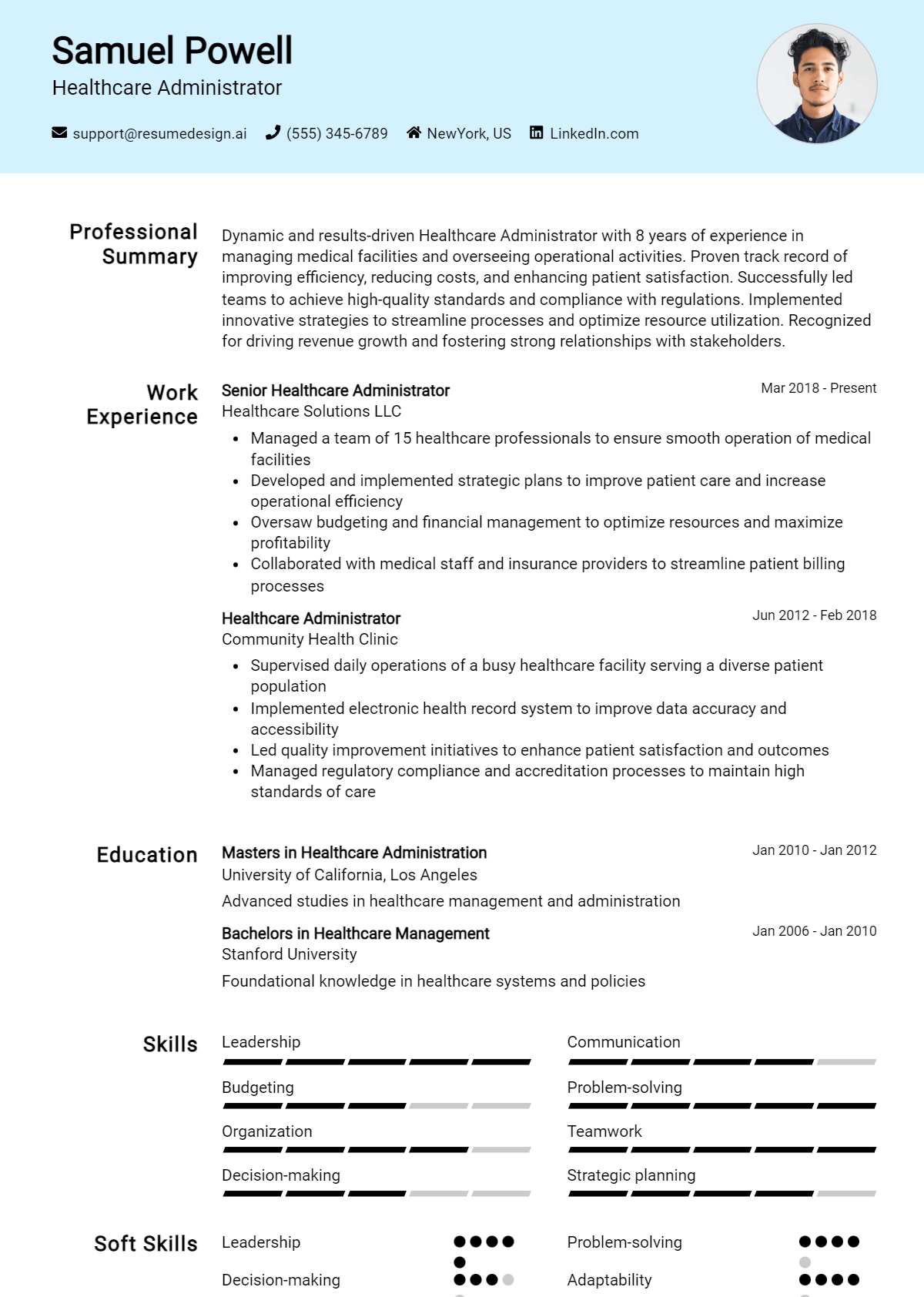
When preparing for a job interview as a Healthcare Administrator, it's essential to anticipate the types of questions you may encounter. This role requires a unique blend of knowledge in healthcare management, regulatory compliance, and operational efficiency, making it crucial for candidates to articulate their skills and experiences effectively. Understanding the key areas of focus in the interview can help you showcase your qualifications and demonstrate your fit for the position.
Here is a list of common job interview questions for Healthcare Administrators, along with examples of the best answers. These questions will delve into your work history and experience, highlight what you can bring to the organization, and explore your future aspirations within the healthcare sector. By preparing thoughtful responses, you can confidently convey your expertise and commitment to improving healthcare delivery.
1. What motivated you to pursue a career in healthcare administration?
I was motivated by a passion for improving patient care and the healthcare system's efficiency. My background in business management and a desire to make a difference in people's lives led me to this fulfilling career.
Example:
I’ve always been passionate about healthcare, and I wanted to combine my skills in management with my desire to help people, which drew me to healthcare administration.
2. How do you handle conflicts between staff members?
I believe in addressing conflicts directly and calmly. I facilitate open communication, allowing both parties to express their viewpoints, and then work towards a resolution that benefits the team and the organization as a whole.
Example:
I would first listen to both sides, then mediate a discussion to find common ground, ensuring a positive work environment and a focus on patient care.
3. Describe your experience with budgeting and financial management in healthcare.
I have extensive experience managing budgets, forecasting financial trends, and reducing costs without compromising service quality. I analyze financial statements regularly to ensure we stay within budget while meeting operational goals.
Example:
In my previous role, I successfully reduced operational costs by 15% through careful budget management and strategic resource allocation.
4. How do you ensure compliance with healthcare regulations?
I prioritize staying informed about changing regulations and implement regular training sessions for staff. I also conduct audits and reviews to ensure that all practices comply with federal and state laws.
Example:
I developed an internal compliance checklist and scheduled quarterly audits to ensure our practices meet all regulatory requirements.
5. Can you provide an example of a successful project you managed?
I led a project to implement a new electronic health record system, improving patient data accessibility and reducing errors. This project enhanced overall efficiency and received positive feedback from staff and patients alike.
Example:
I coordinated a hospital-wide transition to an EHR system, which resulted in a 30% increase in data retrieval speed and improved patient satisfaction scores.
6. How do you approach staff training and development?
I believe in continuous education and development. I assess training needs, provide workshops, and encourage staff to pursue further education, ensuring they have the skills necessary to excel in their roles.
Example:
I implemented a mentorship program that paired experienced staff with new hires, fostering knowledge transfer and promoting professional growth.
7. What strategies do you use to improve patient satisfaction?
I focus on communication and quality of care. By gathering patient feedback and making necessary adjustments, we create a more patient-centered environment that addresses concerns and enhances their overall experience.
Example:
I initiated patient feedback surveys, which highlighted areas for improvement, leading to changes that increased our patient satisfaction scores significantly.
8. How do you prioritize tasks in a fast-paced healthcare environment?
I prioritize tasks by assessing urgency and impact on patient care. I utilize task management tools and collaborate with my team to ensure that critical tasks are completed efficiently without compromising quality.
Example:
I often use a priority matrix to categorize tasks, enabling me to focus on what’s most important while delegating less urgent responsibilities effectively.
9. How do you handle conflicts among staff in a healthcare setting?
I believe in addressing conflicts promptly through open communication. I facilitate discussions where both parties express their concerns and work towards a resolution. This not only resolves the issue but also promotes a positive work environment and collaboration among staff. Example: I once mediated a conflict between two nurses by organizing a meeting where each shared their perspectives. Together, we identified common goals, leading to improved teamwork and patient care.
10. What strategies do you implement to ensure compliance with healthcare regulations?
I prioritize continuous education and training for staff regarding regulations. Regular audits and updates on policies help maintain compliance. Additionally, I foster a culture of accountability, encouraging staff to report discrepancies without fear, ensuring we uphold the highest standards. Example: I initiated quarterly compliance workshops, which significantly improved staff knowledge of regulations, leading to a 20% reduction in compliance-related issues in our facility.
11. Can you describe your experience with budget management in healthcare?
My experience includes developing and managing budgets for various departments. I analyze financial reports to identify cost-saving opportunities while ensuring quality care. Collaborating with department heads, I align budgets with strategic goals, ensuring efficient resource allocation. Example: In my last role, I implemented a cost analysis system that reduced departmental spending by 15% while maintaining service quality, allowing us to invest in new technology.
12. How do you ensure quality patient care in your facility?
I implement quality assurance programs that include regular performance evaluations and patient feedback mechanisms. By encouraging staff training and fostering a patient-centered culture, we ensure that quality care remains a top priority throughout the organization. Example: I established a patient satisfaction survey that improved our service delivery standards, resulting in a 30% increase in positive patient feedback over six months.
13. Describe a time when you had to implement a significant change in your organization.
I once led the transition to electronic health records. This involved staff training and system integration. By communicating the benefits and providing support, we achieved a smooth transition, enhancing patient data management and accessibility while minimizing disruptions. Example: Through workshops and continuous support, we successfully transitioned to electronic records in three months, improving access to patient information and reducing errors by 25%.
14. How do you keep yourself updated with the latest healthcare trends and technologies?
I regularly attend industry conferences, subscribe to healthcare journals, and participate in webinars. Networking with other professionals also provides insights into best practices and emerging technologies, which I integrate into our operations for continuous improvement. Example: After attending a conference on telemedicine, I successfully implemented a telehealth program that increased patient access to care by 40%, especially during the pandemic.
15. What is your approach to staff training and development?
I believe in a tailored training approach that meets individual and organizational needs. I assess skills gaps and provide ongoing professional development opportunities, including workshops and mentorships, ensuring our team is competent, confident, and motivated. Example: I developed a mentorship program that paired experienced staff with new hires, leading to a 50% decrease in onboarding time and boosting staff retention.
16. How do you manage patient confidentiality and data security?
I enforce strict adherence to HIPAA regulations and implement advanced data security measures. Regular staff training on confidentiality practices and conducting audits ensure that patient information remains secure and that staff are aware of their responsibilities. Example: By introducing a comprehensive training program on data privacy, we achieved 100% compliance during our last audit, reinforcing our commitment to patient confidentiality.
17. How do you handle conflicts between staff members?
I address conflicts by facilitating open communication between the involved parties, allowing them to express their concerns. I guide them towards finding a mutually agreeable solution while ensuring the work environment remains professional and respectful.
Example:
I once mediated a conflict where two nurses disagreed on patient care. I arranged a meeting, encouraged them to share their perspectives, and helped them reach a collaborative plan that improved both their teamwork and patient outcomes.
18. What strategies do you use for budget management?
I utilize detailed forecasting and regular analysis of financial reports. I ensure all departments adhere to their budgets while identifying areas for cost reduction without compromising patient care quality. Continuous monitoring helps in maintaining financial health.
Example:
In my previous role, I implemented a quarterly budget review process. This allowed us to identify overspending areas early and adjust accordingly, resulting in a 10% reduction in unnecessary costs over the fiscal year.
19. How do you ensure compliance with healthcare regulations?
I stay updated on regulations through continuous education and professional networking. Regular training sessions for staff and routine audits help maintain compliance and ensure everyone understands the importance of following healthcare laws and guidelines.
Example:
To ensure compliance, I initiated monthly training sessions on HIPAA regulations. This not only educated staff but also fostered a culture of accountability, resulting in zero compliance violations during our last audit.
20. Describe your experience with electronic health records (EHR) systems.
I have extensive experience implementing and managing EHR systems. I ensure staff are trained effectively and that the system is utilized to enhance patient care, streamline workflows, and maintain accurate records for better decision-making.
Example:
While managing a hospital transition to a new EHR, I oversaw training sessions for all staff, leading to a smooth implementation process and a 30% reduction in paperwork errors within the first three months.
21. How do you measure the effectiveness of healthcare programs?
I measure effectiveness through key performance indicators (KPIs) such as patient satisfaction scores, outcome data, and cost-effectiveness. Regular reviews allow me to adjust programs to better meet patient needs and organizational goals.
Example:
By analyzing patient feedback and readmission rates after implementing a new discharge program, I was able to identify gaps and improve our processes, leading to a 15% increase in patient satisfaction.
22. What role does patient feedback play in your administration?
Patient feedback is crucial as it guides improvements in service delivery and care quality. I actively seek feedback through surveys and focus groups to understand patient needs and implement changes that enhance their experience.
Example:
After analyzing survey results, I implemented changes in our appointment scheduling process, which reduced wait times by 20% and significantly improved patient feedback regarding their experience in our facility.
23. Can you discuss a time when you had to implement a significant change?
I spearheaded a transition to a new patient management system. I engaged stakeholders early, provided comprehensive training, and addressed concerns, ensuring a smooth transition that improved patient tracking and data accuracy.
Example:
During the implementation of a new scheduling system, I held weekly meetings to address concerns, which led to a successful adoption with minimal disruption and improved efficiency in appointment management.
24. How do you promote teamwork among healthcare staff?
I promote teamwork through regular team-building activities and open communication channels. Encouraging collaboration on patient care initiatives fosters a sense of community and boosts morale, ultimately enhancing patient outcomes.
Example:
I initiated monthly interdisciplinary meetings where staff from different departments discuss patient care. This collaboration has significantly improved communication and teamwork, leading to better patient outcomes and staff satisfaction.
25. How do you prioritize tasks when managing multiple projects in a healthcare setting?
I prioritize tasks by assessing deadlines, project impact, and resource availability. I use project management tools to track progress and ensure effective communication with my team, allowing us to stay aligned and address urgent issues promptly.
Example:
I prioritize by using a matrix to evaluate urgency and importance. For instance, addressing patient care projects takes precedence over administrative tasks, ensuring our focus aligns with improving patient outcomes while maintaining operational efficiency.
26. Can you describe a time when you had to implement a new policy? How did you approach it?
When implementing a new patient privacy policy, I conducted a thorough assessment of existing practices, engaged staff in discussions, and provided training sessions to ensure understanding. This collaborative approach fostered compliance and a culture of respect for patient confidentiality.
Example:
I introduced a new telehealth policy by first gathering feedback from stakeholders. After refining the policy, I held workshops to train staff, ensuring everyone understood the changes and felt comfortable using the new system, which led to successful implementation.
27. Describe your experience with budgeting in a healthcare facility.
In my previous role, I developed and managed the annual budget, analyzing expenditures and forecasting future needs. I collaborated with department heads to ensure financial alignment with organizational goals, resulting in a 10% cost reduction without compromising quality of care.
Example:
I managed a $5 million budget by closely monitoring expenditures and engaging in regular financial reviews with department heads. This proactive approach allowed us to identify savings opportunities, leading to a sustainable financial strategy while maintaining high-quality patient care.
28. How do you ensure compliance with healthcare regulations?
I ensure compliance by staying updated on healthcare regulations and implementing regular training sessions for staff. I also conduct internal audits to identify potential gaps and develop corrective action plans, fostering a culture of accountability and adherence to best practices.
Example:
I stay informed on regulations through continuous education and professional networks. Conducting quarterly compliance training and audits helps identify areas for improvement, ensuring our facility consistently meets all regulatory standards and maintains accreditation.
29. How do you handle conflicts within your team?
I approach conflicts by promoting open communication and actively listening to all parties involved. I facilitate discussions to identify underlying issues and work towards collaborative solutions, ensuring a positive work environment that fosters teamwork and mutual respect.
Example:
When conflicts arise, I hold individual meetings to understand each perspective. By facilitating a group discussion afterward, we collaboratively establish solutions, which helps rebuild trust and strengthens our team dynamics moving forward.
30. What strategies do you use to improve patient satisfaction?
To improve patient satisfaction, I implement feedback systems to gather insights and identify areas needing enhancement. I analyze the data, involve staff in developing solutions, and monitor progress, ensuring our actions align with patient-centered care principles.
Example:
I initiated patient surveys to gather feedback, which identified delays in care. We streamlined appointment scheduling and improved staff communication, resulting in a significant increase in patient satisfaction scores within six months.
31. Can you discuss your experience with electronic health records (EHR) systems?
I have extensive experience with EHR systems, having led the transition to a new platform in my previous role. I trained staff on best practices and ensured data accuracy, which improved workflow efficiency and enhanced patient care coordination.
Example:
I led an EHR implementation project, training 100+ staff members and ensuring data migration accuracy. This not only streamlined our processes but also improved patient care by providing real-time access to patient information across departments.
32. How do you approach staff training and development?
I believe in continuous staff development through tailored training programs. I assess individual needs and organizational goals, providing opportunities for professional growth. This approach enhances staff skills, boosts morale, and ultimately improves patient care outcomes.
Example:
I regularly conduct skills assessments to identify training needs. By developing customized training sessions and encouraging cross-training, I've seen significant improvement in staff competencies and overall team performance in patient care delivery.
33. How do you handle conflicts among staff members in a healthcare setting?
I believe in addressing conflicts directly and promptly. I facilitate open communication, allowing each party to express their concerns. By mediating discussions, I ensure a collaborative resolution, maintaining a positive work environment that ultimately benefits patient care.
Example:
In my previous role, I organized a mediation session between two staff members, which helped them understand each other's perspectives and resulted in a strong working relationship, enhancing team dynamics.
34. What strategies do you implement to improve patient satisfaction?
I focus on enhancing communication and service delivery. Regular surveys help gather patient feedback, which I analyze to identify areas for improvement. Implementing training for staff on patient interaction has also significantly boosted satisfaction scores.
Example:
By introducing a follow-up call system after patient visits, I was able to increase our satisfaction ratings by 20% within six months, demonstrating our commitment to patient care.
35. Describe your experience with healthcare regulations and compliance.
I have extensive experience navigating healthcare regulations, including HIPAA and OSHA. I ensure all staff are trained on compliance policies and conduct regular audits to identify and rectify any potential issues, which minimizes legal risks.
Example:
In my last position, I led a compliance training program that reduced policy violations by 30%, showcasing my commitment to maintaining regulatory standards.
36. How do you prioritize tasks during a healthcare crisis?
During a crisis, I assess the situation to identify immediate needs. I prioritize patient safety and staff welfare, delegating tasks based on team strengths. Clear communication is key to ensure everyone understands their roles and responsibilities.
Example:
In a recent emergency, I established a command center for coordination, which streamlined communication and helped us manage patient flow effectively, demonstrating the importance of prioritization in crisis situations.
37. Can you discuss a successful project you led to improve operational efficiency?
I led a project to implement an electronic health record (EHR) system. This streamlined patient data management and reduced paperwork, allowing staff to focus more on patient care, ultimately improving our operational efficiency by 25%.
Example:
The transition to the EHR system not only saved time but also enhanced data accuracy, leading to better patient outcomes and satisfaction.
38. How do you ensure effective communication among departments?
I promote interdepartmental meetings and use collaborative tools for communication. Establishing clear protocols for information sharing ensures that all departments are aligned, which enhances teamwork and service delivery across the organization.
Example:
By initiating bi-weekly cross-departmental meetings, we improved our project collaboration, leading to quicker problem resolution and improved patient care coordination.
39. What methods do you use to evaluate the performance of your staff?
I employ a combination of performance reviews, peer feedback, and patient satisfaction surveys. Regular one-on-one meetings allow me to discuss goals and address any concerns, fostering professional growth and accountability among staff members.
Example:
Implementing a 360-degree feedback system significantly improved staff engagement and performance, as everyone received constructive insights from multiple perspectives.
40. How do you stay updated on changes in healthcare policies and technology?
I actively participate in industry conferences, subscribe to relevant journals, and engage in online forums. Continuous education is essential, so I also pursue certifications that keep me informed about the latest trends and regulations in healthcare.
Example:
By attending an annual healthcare technology conference, I learned about innovative solutions that I later implemented, improving our facility's operational effectiveness.
41. How do you ensure compliance with healthcare regulations?
I stay updated on regulations by attending workshops, subscribing to industry newsletters, and participating in relevant training. Implementing a compliance checklist and conducting regular audits helps maintain standards and prepare for inspections.
Example:
I regularly review the latest regulations, train my staff, and conduct audits to ensure our practices align with compliance standards. This proactive approach minimizes risks and maintains the facility's integrity.
42. Can you describe a time when you managed a difficult situation with staff?
In a previous role, I faced staff conflicts impacting morale. I facilitated a mediation session, encouraging open communication. By addressing issues directly, we reached a consensus, fostering teamwork and improving the work environment.
Example:
When two team members clashed, I organized a mediation session. I encouraged them to voice their concerns, leading to a resolution that improved their working relationship and team dynamics significantly.
43. What strategies do you use to improve patient satisfaction?
I analyze patient feedback and implement improvements based on survey results. Regular staff training on customer service and communication skills is crucial. I also encourage open dialogue with patients to address concerns promptly.
Example:
By reviewing patient feedback and enhancing staff training on empathy and communication, I tailored our services to meet patient needs. This proactive approach significantly boosted our patient satisfaction scores.
44. How do you handle budget constraints in your department?
I prioritize essential services and identify cost-saving measures without compromising quality. Collaborating with department heads ensures efficient resource allocation, and I regularly review expenditures to identify areas for potential savings.
Example:
During a budget cut, I worked closely with team leaders to prioritize spending and identified areas for cost savings, such as bulk purchasing, which helped us maintain service quality despite financial constraints.
45. What role does technology play in your management style?
Technology streamlines operations and improves communication. I advocate for electronic health records to enhance data accuracy and patient care. Additionally, I utilize management software to analyze performance metrics for informed decision-making.
Example:
I implement electronic health records to streamline patient information sharing and utilize management software for tracking departmental performance. This tech integration enhances efficiency and supports better patient outcomes.
46. How do you approach community outreach and partnerships?
I actively seek partnerships with local organizations to address community health needs. By organizing health fairs and educational workshops, I enhance community engagement and promote our services, fostering trust and awareness in the community.
Example:
I initiated a partnership with a local health organization to offer free health screenings. This outreach not only improved community health awareness but also established our facility as a trusted resource within the community.
How Do I Prepare For A Healthcare Administrator Job Interview?
Preparing for a healthcare administrator job interview is crucial for making a positive impression on the hiring manager. A well-prepared candidate can effectively communicate their qualifications and demonstrate their understanding of the healthcare industry, ultimately increasing their chances of securing the position.
- Research the company and its values to align your answers with their mission and goals.
- Practice answering common interview questions specific to healthcare administration, such as those related to regulatory compliance and financial management.
- Prepare examples that demonstrate your skills and experience relevant to the healthcare administrator role, focusing on leadership and problem-solving abilities.
- Familiarize yourself with current trends and challenges in the healthcare industry to showcase your knowledge during the interview.
- Dress professionally and arrive early to the interview to convey your seriousness and respect for the opportunity.
- Prepare thoughtful questions to ask the interviewer about the organization and its future direction, showing your interest and engagement.
- Follow up with a thank-you note after the interview to express your appreciation and reiterate your interest in the position.
Frequently Asked Questions (FAQ) for Healthcare Administrator Job Interview
Preparing for an interview can significantly enhance your confidence and performance. As a Healthcare Administrator, you'll need to demonstrate not only your knowledge of healthcare systems but also your ability to manage and lead effectively. Here are some commonly asked questions that you might encounter during your interview, along with practical advice on how to approach them.
What should I bring to a Healthcare Administrator interview?
When attending a Healthcare Administrator interview, it is essential to bring several key items that can help you make a strong impression. Start with multiple copies of your resume, as well as a list of professional references. Additionally, consider bringing a notepad and pen to take notes during the interview. If you have any certifications or relevant documents, it can be beneficial to have those on hand as well. Being well-prepared with these materials shows that you are organized and serious about the position.
How should I prepare for technical questions in a Healthcare Administrator interview?
Preparing for technical questions involves understanding both healthcare regulations and administrative processes. Review common healthcare laws and regulations, such as HIPAA and Medicare policies, as well as the operational aspects of healthcare facilities. Familiarize yourself with current trends in healthcare management and technology. Practice articulating your knowledge by explaining complex topics in simple terms, as you may be asked to do so during the interview. This preparation will help you demonstrate your expertise and proficiency in the field.
How can I best present my skills if I have little experience?
If you have limited experience in healthcare administration, focus on transferable skills that can be valuable in the role. Highlight your organizational, communication, and problem-solving abilities, and provide examples from previous roles or academic experiences that showcase these skills. Consider discussing internships, volunteer work, or projects relevant to healthcare settings. Emphasizing your eagerness to learn and adapt, along with your commitment to the healthcare field, can also help you stand out as a candidate.
What should I wear to a Healthcare Administrator interview?
Your attire for a Healthcare Administrator interview should reflect professionalism and appropriateness for the healthcare environment. Opt for business formal clothing, such as a tailored suit or professional dress. Neutral colors like navy, black, or gray are advisable, as they convey a sense of authority and respect. Pay attention to grooming and accessories; simplicity is key. Dressing appropriately not only shows respect for the interviewers but also demonstrates your understanding of the professional standards in the healthcare sector.
How should I follow up after the interview?
Following up after your interview is an important step in the job application process. Within 24 hours, send a thank-you email to your interviewers expressing gratitude for the opportunity to interview. Mention specific points discussed during the interview to reinforce your interest in the position and demonstrate your attentiveness. This follow-up can help keep you on the interviewer's radar and illustrates your professionalism and genuine interest in the role. If you haven’t heard back within the timeframe provided during the interview, a polite follow-up email can be appropriate to inquire about the status of your application.
Conclusion
In this interview guide for healthcare administrators, we have covered essential strategies for successful interview preparation, including the importance of practicing responses to both technical and behavioral questions. Demonstrating relevant skills and knowledge is crucial in showcasing your fit for the role. Comprehensive preparation not only enhances your confidence but also significantly improves your chances of success.
By focusing on both the technical aspects of healthcare administration and the interpersonal skills needed for effective team and patient management, you can present yourself as a well-rounded candidate. Remember, taking the time to prepare thoroughly is key to standing out in a competitive job market.
We encourage you to leverage the tips and examples provided in this guide. Approach your interviews with confidence and clarity, knowing you have the tools to succeed. For further assistance, check out these helpful resources: resume templates, resume builder, interview preparation tips, and cover letter templates.