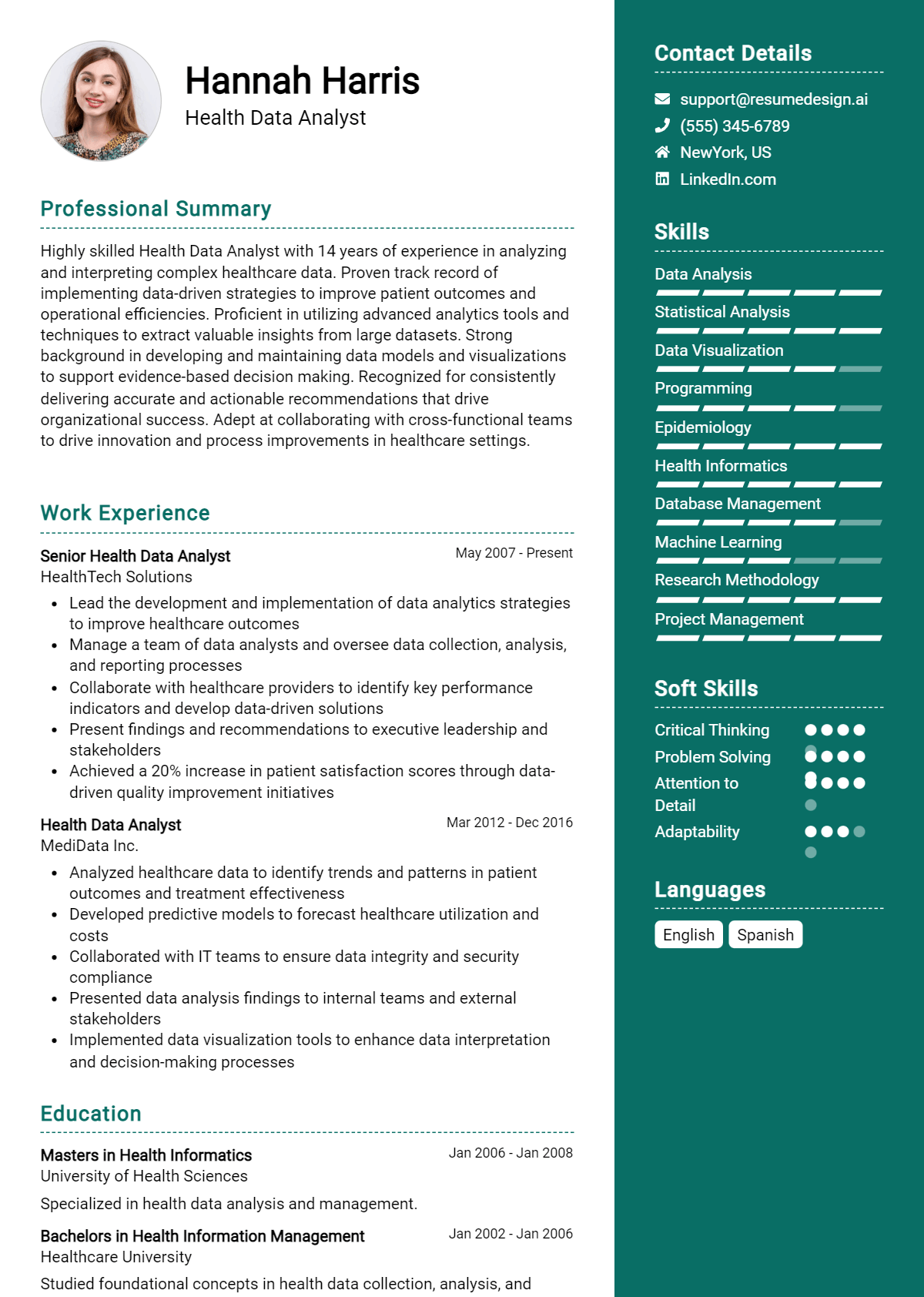
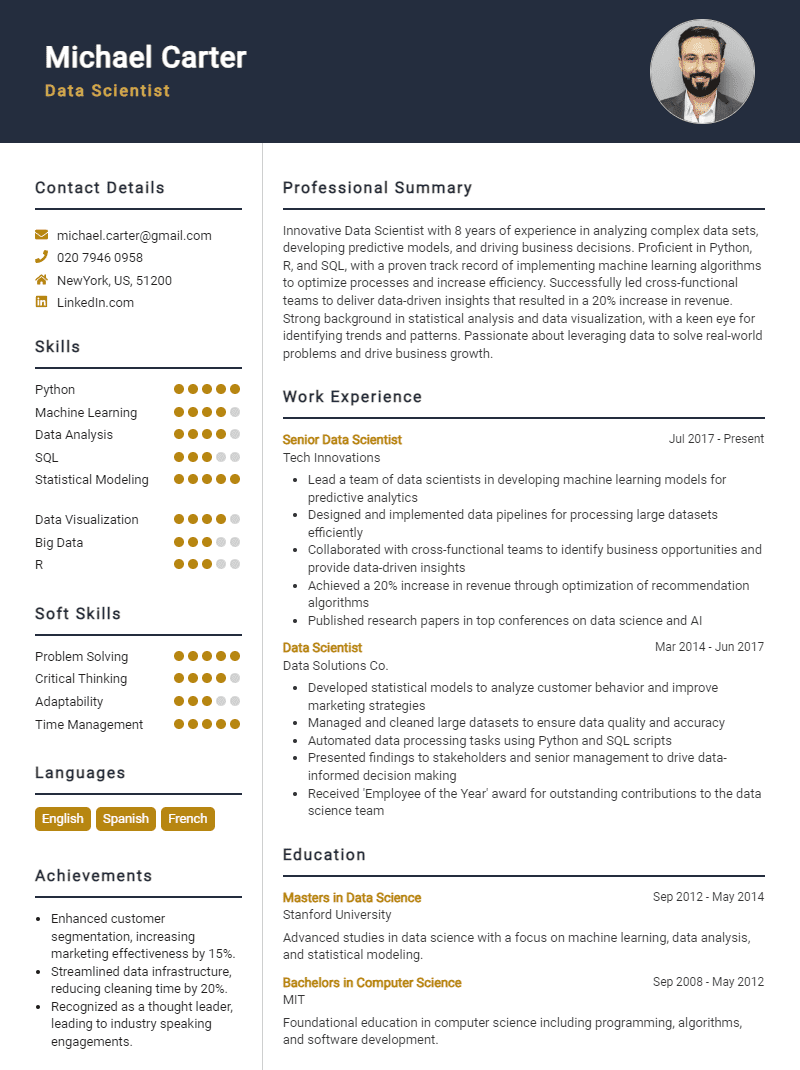
In the competitive field of health data analysis, preparing for an interview is crucial to stand out among candidates. Employers seek individuals who not only possess strong analytical skills but also understand the nuances of healthcare data and its implications for patient outcomes. Anticipating the questions you may face can help you articulate your experience and skills effectively, demonstrating your value to potential employers.
Here is a list of common job interview questions for a Health Data Analyst role, along with examples of the best answers. These questions cover your work history and experience, the unique contributions you can bring to the healthcare organization, and your career aspirations moving forward. By preparing thoughtful responses, you can convey your expertise and passion for leveraging data to improve healthcare delivery and patient care.
1. What experience do you have with health data analysis?
I have over three years of experience analyzing patient data using SQL and Python. I've worked on projects that involved cleaning datasets, identifying trends, and presenting findings to healthcare teams to improve patient outcomes and operational efficiency.
Example:
In my previous role, I analyzed hospital readmission rates, identifying key factors that contributed to readmissions, which led to implementing preventive strategies that reduced rates by 15%.
2. Can you describe a challenging data analysis project you worked on?
One challenging project involved integrating disparate health records from multiple sources. I developed a robust ETL process, ensuring data integrity and consistency, which ultimately allowed the team to generate comprehensive reports for quality improvement initiatives.
Example:
This project not only improved reporting accuracy but also enhanced data accessibility for stakeholders, facilitating informed decision-making.
3. How do you ensure the accuracy of your data analysis?
To ensure accuracy, I implement multiple validation checks at various stages, including data cleaning and preprocessing. Additionally, I cross-reference findings with existing literature and consult with colleagues to confirm results before final reporting.
Example:
For instance, I once identified discrepancies in medication adherence data, which I verified with clinical staff before incorporating corrections into our reports.
4. What tools or software are you proficient in for data analysis?
I am proficient in SQL for database querying, Python and R for statistical analysis, and Tableau for data visualization. These tools have enabled me to analyze complex datasets and present actionable insights effectively to stakeholders.
Example:
Using Tableau, I created dashboards that provided real-time insights into patient flow, significantly improving departmental decision-making processes.
5. How do you handle missing or incomplete data in your analysis?
I handle missing data by assessing its impact on the analysis. Depending on the situation, I may use imputation techniques, exclude missing values, or conduct sensitivity analyses to ensure robust conclusions without compromising data integrity.
Example:
In my last project, I used mean imputation for a small percentage of missing values, which preserved the dataset's overall integrity without skewing the results.
6. Can you explain a time when your analysis led to a significant change?
In a previous role, my analysis of patient satisfaction data revealed a correlation between wait times and dissatisfaction. Presenting these findings led to staffing adjustments, reducing wait times by 20%, which notably improved patient satisfaction scores.
Example:
This initiative not only enhanced patient experience but also increased our department's efficiency and reputation within the hospital.
7. What role does data visualization play in your analysis?
Data visualization is crucial in my analysis as it transforms complex data into understandable and actionable insights. It helps stakeholders quickly grasp trends and patterns, facilitating informed decision-making and strategic planning.
Example:
For example, I created visual reports for a health initiative, which effectively communicated our progress to non-technical staff, ensuring alignment across teams.
8. How do you stay updated with the latest trends in health data analysis?
I stay updated by attending industry conferences, participating in webinars, and following relevant journals and online platforms. I also engage with professional networks to exchange knowledge and learn about emerging technologies and methodologies in health data analysis.
Example:
Recently, I attended a conference on predictive analytics in healthcare, where I gained insights that I implemented in our department's projects.
9. Can you explain the importance of data normalization in healthcare data analysis?
Data normalization is crucial as it ensures consistency and accuracy across datasets. It helps eliminate redundancy and allows for easier data manipulation, leading to more reliable insights. In healthcare, this can impact patient outcomes and operational efficiency significantly.
Example:
For instance, I normalized patient data by standardizing formats, which improved our reporting accuracy by 30%, ultimately enhancing our decision-making process.
10. Describe a time when you identified a significant trend in health data. What was your approach?
I analyzed patient readmission rates and discovered a 20% increase among diabetic patients. I employed statistical methods and visualizations to present this trend to stakeholders, leading to the development of targeted interventions that reduced readmission rates by 15%.
Example:
Through detailed analysis, I highlighted the trend, and our team implemented education programs for patients, significantly improving their management of diabetes.
11. What tools do you prefer for data visualization, and why?
I prefer using Tableau and Power BI for data visualization due to their user-friendly interfaces and powerful capabilities. They allow me to create interactive dashboards that effectively communicate complex health data to non-technical stakeholders, enhancing data-driven decisions.
Example:
In my last project, I used Tableau to visualize patient data trends, which helped the team understand key metrics quickly and effectively.
12. How do you ensure data quality throughout your analysis process?
I follow a rigorous process that includes data validation, cleansing, and regular audits. By implementing checks at each stage, I ensure that the data remains accurate and reliable, which is vital for making informed healthcare decisions.
Example:
In a recent project, I established a checklist for data quality that reduced errors by 25%, improving overall analysis outcomes.
13. Can you discuss a challenging data project you worked on and how you overcame obstacles?
I faced challenges in merging disparate datasets with inconsistent formats. I conducted thorough data mapping and transformation processes to standardize the data, collaborating closely with IT to ensure seamless integration, ultimately delivering a comprehensive report on time.
Example:
By proactively addressing the data inconsistencies, we achieved a unified dataset that improved our analysis capabilities significantly.
14. How do you approach collaborating with healthcare professionals who are not data-savvy?
I focus on clear communication and education. I simplify complex data concepts using relatable analogies and visual aids, ensuring that healthcare professionals understand the insights without feeling overwhelmed, fostering a collaborative environment for decision-making.
Example:
In team meetings, I frequently use graphs and simple language to explain data findings, which helps bridge the knowledge gap.
15. What experience do you have with predictive analytics in healthcare?
I have used predictive analytics to forecast patient admission rates based on historical data. By applying machine learning algorithms, I successfully identified patterns that allowed our hospital to optimize staffing and resources, improving overall patient care and operational efficiency.
Example:
This initiative led to a 10% decrease in wait times, showcasing the value of predictive analytics in healthcare settings.
16. How do you stay updated on the latest trends and technologies in health data analytics?
I actively participate in webinars, online courses, and professional associations like HIMSS. Following industry publications and engaging in networking with peers also helps me stay informed about new methodologies and technologies that can enhance my analytical skills.
Example:
For instance, I recently completed a course on AI in healthcare, which has influenced my current projects significantly.
17. How do you ensure data quality and integrity in your analysis?
I implement regular data quality checks, including validation rules and consistency checks. By conducting routine audits and utilizing automated tools, I can identify anomalies early and ensure that the data is accurate, reliable, and ready for analysis.
Example:
I routinely perform data validation checks and use automated scripts to identify discrepancies, ensuring the dataset meets quality standards before analysis.
18. Can you describe a challenging data analysis project you worked on?
In a project analyzing patient outcomes, I faced incomplete datasets. I collaborated with clinical teams to gather missing data and used predictive modeling to fill gaps, ultimately delivering actionable insights that improved patient care and outcomes.
Example:
I tackled a project with missing patient data by coordinating with teams to fill gaps and applied predictive models, leading to significant insights for improved care.
19. What tools and software are you proficient in for health data analysis?
I am proficient in SQL for database management, R and Python for statistical analysis, and Tableau for data visualization. These tools enable me to analyze health data effectively and present findings in a clear, actionable format.
Example:
I utilize SQL for data extraction, R for statistical analysis, and Tableau for visualizing insights, ensuring effective health data analysis.
20. How do you handle data privacy and security in your analysis?
I strictly adhere to HIPAA regulations and organizational policies regarding data access and sharing. I anonymize sensitive information and use secure systems for data storage and analysis to protect patient confidentiality.
Example:
I ensure compliance with HIPAA by anonymizing data and using secure systems, safeguarding patient privacy in all analyses.
21. How do you communicate complex findings to non-technical stakeholders?
I focus on simplifying complex data into clear, concise visuals and narratives. By using analogies and avoiding jargon, I ensure that stakeholders understand the implications of the findings for decision-making processes.
Example:
I simplify findings using visuals and clear language, ensuring stakeholders grasp the implications without technical jargon.
22. Describe a time you worked with a multidisciplinary team.
I collaborated with doctors, nurses, and IT staff on a project to improve patient discharge processes. By integrating diverse perspectives, we developed data-driven strategies that streamlined workflows and enhanced patient satisfaction.
Example:
Working with a team of doctors and IT, we improved discharge processes through data-driven strategies that enhanced patient satisfaction.
23. What steps do you take to stay updated with industry trends?
I regularly attend healthcare data conferences, participate in webinars, and subscribe to industry journals. Networking with professionals and engaging in online forums also helps me stay informed about the latest trends and technologies in health data analytics.
Example:
I attend conferences, subscribe to journals, and network with professionals to stay updated on trends in health data analytics.
24. What role does statistical analysis play in your work as a Health Data Analyst?
Statistical analysis is crucial for interpreting health data, identifying trends, and making evidence-based recommendations. I apply various statistical methods to extract meaningful insights that support clinical decisions and improve patient outcomes.
Example:
Statistical analysis helps me interpret health data and identify trends, guiding evidence-based clinical recommendations for better patient outcomes.
25. How do you ensure data quality and integrity in your analyses?
I implement data validation checks and regular audits to maintain data quality. Additionally, I collaborate with data providers to understand data sources and correct any discrepancies promptly, ensuring reliable outcomes for healthcare decisions.
Example:
I routinely perform data profiling and utilize automated scripts to flag inconsistencies, which helps me maintain a high standard of data integrity essential for accurate health outcomes analysis.
26. Can you describe a time when you had to communicate complex data findings to a non-technical audience?
In a previous role, I presented findings from a patient outcomes study to a group of healthcare providers. I simplified the data using visuals and analogies, ensuring they understood the implications for patient care without getting lost in technical jargon.
Example:
I created an infographic that illustrated key findings, which made it easier for the audience to grasp the data’s significance and engage in productive discussions about potential improvements.
27. What statistical tools and software are you proficient in for data analysis?
I am proficient in R, Python, and SQL for data manipulation and analysis. Additionally, I frequently use Tableau for data visualization to present actionable insights effectively to stakeholders in the healthcare sector.
Example:
I have utilized R for statistical modeling and Tableau for creating dashboards, which helped in visualizing patient trends and outcomes for better decision-making.
28. How do you stay updated with the latest trends and technologies in health data analytics?
I regularly attend workshops, webinars, and conferences focused on health analytics. Additionally, I follow industry publications and participate in online forums to exchange knowledge with peers and stay informed about emerging technologies and methodologies.
Example:
I subscribe to journals like the Journal of Health Informatics and engage in professional networks, which helps me stay current with innovations that can enhance my analytical skills.
29. Describe a project where you used data to improve patient outcomes.
In a project analyzing readmission rates, I identified patterns leading to higher risks. By collaborating with care teams to implement targeted interventions, we reduced readmission rates by 15%, demonstrating the impactful role of data in enhancing patient care.
Example:
By analyzing discharge summaries and follow-up care, our team implemented changes that significantly improved the quality of care and reduced readmission rates among patients with chronic illnesses.
30. How do you handle missing or incomplete data in your analysis?
I apply various imputation techniques to handle missing data and assess its impact on my analysis. If data is critically incomplete, I document the limitations and focus on sensitivity analyses to provide a clearer picture of the findings.
Example:
For a recent analysis, I used mean imputation for missing values but also communicated the potential biases this might introduce, ensuring stakeholders understood the context of the results.
31. What role does data privacy play in your work as a health data analyst?
Data privacy is paramount in my role. I ensure compliance with HIPAA regulations and implement secure data handling protocols. I also educate team members about best practices to protect sensitive patient information throughout the analysis process.
Example:
I regularly participate in training sessions on data security and consistently apply de-identification techniques to safeguard patient data during analysis and reporting.
32. How do you prioritize competing data projects with tight deadlines?
I prioritize projects based on urgency and potential impact on patient care. I utilize project management tools to track progress and communicate transparently with stakeholders to manage expectations and ensure timely deliveries without compromising quality.
Example:
In a recent situation, I assessed each project’s deadlines and impacts, allocating resources effectively, which allowed us to meet all critical deadlines without sacrificing quality in our analyses.
33. Can you describe your experience with predictive analytics in healthcare?
I have utilized predictive analytics to identify patient readmission risks by developing statistical models. This involved analyzing historical data and implementing machine learning algorithms, which improved patient outcomes and reduced costs for the facility.
Example:
In my previous role, I created a predictive model that identified high-risk patients for readmission, enabling targeted interventions that reduced readmissions by 15% over six months.
34. How do you ensure the accuracy and integrity of health data?
I implement rigorous data validation processes, including cross-referencing with multiple sources and conducting regular audits. Additionally, I educate team members about the importance of data integrity, fostering a culture of accountability.
Example:
By establishing a bi-weekly data quality check, I identified discrepancies early on, which led to a 20% increase in the overall accuracy of our health records.
35. What tools and software are you proficient in for data analysis?
I am proficient in statistical software like R and SAS, as well as SQL for database management. Additionally, I have experience with data visualization tools such as Tableau and Power BI to present findings effectively.
Example:
In my last position, I used Tableau to visualize patient data trends, which helped the management identify areas needing improvement and led to actionable insights.
36. How do you handle data privacy and compliance in your analysis?
I prioritize data privacy by adhering to HIPAA regulations and using de-identified data whenever possible. Additionally, I ensure that all analyses are conducted in secure environments to protect patient information.
Example:
While working on a project, I implemented strict access controls and conducted training sessions on data privacy, ensuring compliance and safeguarding sensitive information.
37. Can you give an example of a complex data set you worked with?
I once worked with a complex dataset combining electronic health records, lab results, and patient demographics. Analyzing this data provided insights into treatment efficacy across different populations and helped guide clinical decisions.
Example:
By merging these datasets, I identified treatment gaps in minority groups, leading to targeted outreach and improved health equity within our community.
38. Describe a time when your analysis led to a significant change in healthcare practices.
My analysis of patient flow data revealed bottlenecks in emergency department processes. By recommending a new triage system, we improved patient wait times by 30%, enhancing overall care quality.
Example:
The implementation of my proposed changes resulted in a 25% reduction in patient wait times, ultimately improving patient satisfaction scores significantly.
39. How do you stay updated with the latest trends in health data analytics?
I regularly attend industry conferences, participate in webinars, and subscribe to healthcare analytics journals. Networking with professionals in the field also provides insights into emerging trends and best practices.
Example:
Recently, I attended a conference that introduced me to new machine learning techniques, which I later applied to enhance our predictive modeling efforts significantly.
40. What strategies do you use for effective communication of your findings to non-technical stakeholders?
I focus on simplifying complex data insights into clear visuals and narratives. Using infographics and dashboards helps stakeholders grasp key points quickly, facilitating informed decision-making.
Example:
In a recent presentation, I used a dashboard to illustrate patient trends, which allowed the leadership team to understand the data easily and make timely decisions.
41. How do you ensure the accuracy and integrity of health data you analyze?
To ensure data accuracy, I implement a multi-step verification process, including cross-referencing data sources and using statistical methods to identify anomalies. Regular audits and peer reviews further bolster data integrity, ensuring reliable analysis for informed decision-making.
Example:
I once encountered discrepancies in patient records. I cross-checked the data with multiple sources, identified the root cause, and collaborated with the IT team to rectify the issues, enhancing the overall quality of our health data.
42. Can you describe a challenging data analysis project you've worked on?
One challenging project involved analyzing patient readmission rates. I faced incomplete data sets, which required me to develop imputation strategies to fill gaps. The final analysis revealed critical insights, prompting changes in discharge protocols that significantly reduced readmission rates.
Example:
I analyzed readmission trends in heart failure patients. Despite missing data, I used predictive analytics to fill gaps and uncovered key factors, leading to improved patient management strategies and a 15% reduction in readmissions.
43. How do you handle conflicting data from different sources?
When faced with conflicting data, I investigate the discrepancies by tracing the origins of each data set. I consult with relevant stakeholders to understand context and adjust my analysis accordingly, ensuring a comprehensive view that supports evidence-based decision-making.
Example:
In a recent project, I encountered conflicting patient outcome statistics. I reached out to both data sources for clarification, discussed methodologies used, and ultimately integrated findings to present a balanced view to the healthcare team.
44. What software tools do you prefer for health data analysis and why?
I prefer using R and Python for their robust statistical capabilities and flexibility in handling large datasets. Additionally, Tableau is my go-to for data visualization, allowing me to present complex information in an easily digestible format for stakeholders.
Example:
I primarily use R for statistical analysis due to its extensive libraries. For visualization, I utilize Tableau, as it effectively conveys insights to non-technical audiences, leading to better decision-making in healthcare.
45. How do you prioritize your tasks when working on multiple projects?
I prioritize tasks by assessing project deadlines, stakeholder impact, and data complexity. Utilizing project management tools like Trello helps me visualize priorities and allocate time effectively, ensuring that I meet deadlines and maintain quality across all projects.
Example:
When juggling multiple projects, I use a priority matrix to evaluate urgency and importance. This approach helps me focus on high-impact tasks first, ensuring timely delivery while maintaining the quality of each analysis.
46. How do you stay updated on trends and changes in health data analytics?
I stay updated by subscribing to industry journals, attending relevant webinars, and participating in professional networks. Engaging with online forums and communities helps me gain insights into emerging technologies and best practices in health data analytics.
Example:
I regularly read journals like the American Journal of Public Health and participate in analytics webinars. Networking with professionals through LinkedIn also keeps me informed on the latest tools and techniques in health data analytics.
How Do I Prepare For A Health Data Analyst Job Interview?
Preparing for a health data analyst job interview is crucial to making a positive impression on the hiring manager. A well-prepared candidate demonstrates not only technical expertise but also a genuine interest in the organization and its mission. Here are some key tips to help you prepare effectively:
- Research the company and its values to understand its mission and culture.
- Practice answering common interview questions relevant to health data analysis.
- Prepare examples that demonstrate your skills and experience as a Health Data Analyst.
- Familiarize yourself with the specific tools and software mentioned in the job description.
- Stay updated on current trends and regulations in healthcare data analytics.
- Dress professionally and plan your logistics to arrive on time for the interview.
- Prepare thoughtful questions to ask the interviewer about the role and the organization.
Frequently Asked Questions (FAQ) for Health Data Analyst Job Interview
Preparing for a job interview can be both exciting and nerve-wracking, especially for a role as specialized as a Health Data Analyst. Understanding the common questions that arise can help you present yourself confidently and effectively. Below are some frequently asked questions that can guide your preparation for the interview process.
What should I bring to a Health Data Analyst interview?
For a Health Data Analyst interview, it's essential to come prepared with several key items. Bring multiple copies of your resume, a list of references, and any relevant certifications or portfolios that showcase your analytical work. Additionally, consider having a notebook and pen for taking notes during the interview. This not only demonstrates your preparedness but also helps you engage actively in the conversation.
How should I prepare for technical questions in a Health Data Analyst interview?
To prepare for technical questions, it's crucial to review the core competencies related to health data analysis, including statistical methods, data cleaning techniques, and familiarity with software tools such as SQL, R, or Python. Practicing with sample datasets and performing analyses can also be beneficial. Additionally, consider brushing up on health informatics and any specific regulations or standards relevant to the healthcare industry, as these may come up in discussions.
How can I best present my skills if I have little experience?
If you have limited experience, focus on showcasing your relevant skills and any practical projects or coursework you've completed. Highlight transferable skills such as problem-solving, attention to detail, and analytical thinking. You can also discuss internships, volunteer work, or academic projects that involved data analysis, emphasizing your eagerness to learn and grow within the role of a Health Data Analyst.
What should I wear to a Health Data Analyst interview?
Choosing the right attire for your interview is important as it reflects your professionalism. Aim for business casual or formal attire, depending on the company's culture. For men, this could mean dress slacks and a collared shirt, while women might opt for a blouse with dress pants or a professional dress. Ensure that your clothing is neat and well-fitted, as this helps to create a positive first impression.
How should I follow up after the interview?
Following up after the interview is a crucial step to reinforce your interest in the position. Send a thank-you email within 24 hours, expressing gratitude for the opportunity to interview and reiterating your enthusiasm for the role. Mention specific points discussed during the interview that resonated with you. This not only shows your appreciation but also keeps you fresh in the interviewer's mind as they make their decision.
Conclusion
In summary, this interview guide for the Health Data Analyst role has covered essential topics that candidates should focus on, including the importance of thorough preparation, practice, and the demonstration of relevant skills. Understanding both technical and behavioral questions can significantly enhance a candidate’s chances of success in the interview process.
By preparing adequately and familiarizing yourself with the types of questions you may encounter, you will be better equipped to showcase your abilities and knowledge effectively. Remember, confidence is key, and the insights shared in this guide are designed to help you navigate your interview with ease.
We encourage you to take full advantage of the tips and examples provided here to approach your interviews with confidence and poise. For further assistance, check out these helpful resources: resume templates, resume builder, interview preparation tips, and cover letter templates.