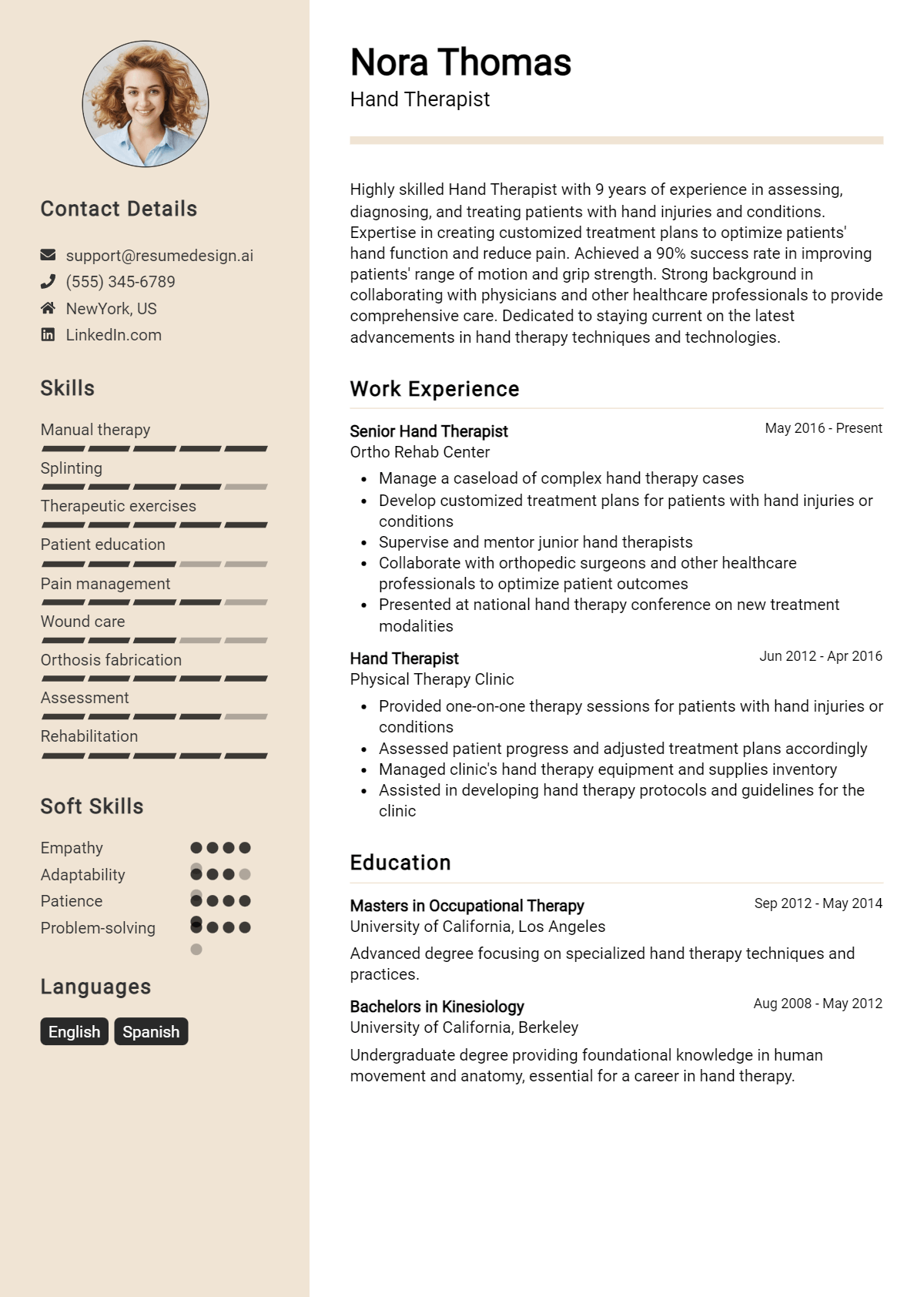
When preparing for a job interview as a Hand Therapist, it's essential to anticipate the questions that may arise and formulate thoughtful responses. The interview process is not just an opportunity for employers to assess your qualifications; it's also your chance to showcase your expertise in rehabilitating patients with hand and upper extremity conditions. Understanding the types of questions you may face can help you present your skills and experiences confidently.
Here is a list of common job interview questions for a Hand Therapist, along with examples of the best answers. These questions cover your work history and experience, what you have to offer the employer, and your goals for the future, allowing you to demonstrate your knowledge of hand therapy, your patient-centered approach, and your commitment to ongoing professional development in this specialized field.
1. What inspired you to become a Hand Therapist?
I have always been passionate about helping individuals regain their independence. The intricate nature of hand therapy allows me to use my skills in anatomy and rehabilitation to make a significant impact on patients' lives, which is both fulfilling and motivating.
Example:
My inspiration came from witnessing a family member's struggle after a hand injury. Seeing the positive impact of therapy ignited my passion, and I committed myself to this specialty to help others restore their functionality and quality of life.
2. How do you assess a patient's hand function?
I conduct a thorough evaluation that includes taking the patient's history, assessing range of motion, strength, and functional abilities. This allows me to identify specific deficits and tailor a personalized treatment plan that addresses their unique needs effectively.
Example:
I typically start with a detailed patient history, followed by physical assessments like grip strength measurements and joint mobility tests. This comprehensive evaluation helps me determine the most effective therapy plan for each patient.
3. What treatment techniques do you find most effective in hand therapy?
I find that a combination of manual therapy, therapeutic exercises, and modalities like ultrasound or electrical stimulation are highly effective. Tailoring these techniques to the patient's specific needs greatly enhances recovery and functional outcomes.
Example:
I often use a blend of therapeutic exercises and manual therapy to improve mobility and strength. Incorporating modalities like heat or ice can also enhance recovery and comfort during the healing process.
4. How do you handle difficult patients during therapy sessions?
I approach difficult patients with empathy and active listening. Understanding their concerns helps build trust. I also set clear expectations and encourage open communication to adapt the therapy plan to better suit their preferences and motivations.
Example:
When faced with a challenging patient, I take time to listen to their frustrations. I explain the process and involve them in goal-setting to increase their engagement and motivation during therapy.
5. Can you describe a challenging case and how you managed it?
I once treated a patient with a complex fracture that required extensive rehabilitation. I developed a progressive program that included splinting, exercises, and regular assessments, which ultimately led to a successful recovery and improved functionality.
Example:
One challenging case involved a patient with a severe hand injury. I created a tailored rehabilitation plan that addressed pain management and gradually increased mobility, which resulted in a full recovery and return to daily activities.
6. What role does patient education play in your therapy sessions?
Patient education is crucial. I ensure that patients understand their condition, the rationale behind treatments, and the importance of compliance. This empowers them to take an active role in their recovery, leading to better outcomes.
Example:
I often dedicate time to educating patients about their injuries and the exercises they need to do at home. This not only improves compliance but also helps them understand the healing process.
7. How do you stay updated with the latest advancements in hand therapy?
I regularly attend workshops, seminars, and online courses focused on hand therapy advancements. Additionally, I follow relevant journals and engage with professional communities to exchange knowledge and best practices with fellow therapists.
Example:
I subscribe to several professional journals and attend annual conferences to learn about new techniques and research. Networking with peers also helps me stay informed about the latest trends in hand therapy.
8. How do you measure the success of your therapy interventions?
I measure success through patient feedback, improvement in functional assessments, and achievement of specific goals outlined in the treatment plan. Regular follow-ups allow me to adjust interventions based on progress and ensure optimal outcomes.
Example:
Success is gauged through patient-reported outcomes and objective measures like range of motion and strength assessments. Achieving set goals and enhancing the patient's quality of life are key indicators of success in therapy.
9. How do you approach developing a treatment plan for a patient with complex hand injuries?
I begin by conducting a thorough assessment of the patient's condition, discussing their goals and limitations. I then tailor the treatment plan to address specific needs, incorporating modalities like splinting, therapeutic exercises, and education to optimize recovery.
Example:
For a patient with a complex hand injury, I assessed their range of motion and pain levels before designing a customized plan focusing on gradual strengthening and functional activities to ensure effective rehabilitation.
10. Can you describe a challenging case you handled and the outcome?
I treated a patient with post-surgical stiffness after a tendon repair. Utilizing a combination of manual therapy and progressive exercises, I carefully guided them through recovery. Ultimately, they regained full function and returned to their daily activities with increased strength.
Example:
One challenging case involved a patient with significant stiffness post-surgery. Through targeted therapy, I facilitated their recovery, and they achieved full mobility and strength, allowing them to resume their work as a musician.
11. How do you stay updated on the latest techniques and treatments in hand therapy?
I regularly attend professional conferences, participate in workshops, and subscribe to relevant journals. Networking with colleagues and engaging in online forums also helps me stay informed about the latest evidence-based practices in hand therapy.
Example:
I stay current by attending annual hand therapy conferences and reading journals like the Journal of Hand Therapy, ensuring I integrate the latest techniques into my practice for optimal patient outcomes.
12. How do you handle patients who are frustrated with their progress?
I empathize with their feelings and encourage open communication. I explain the rehabilitation process, set realistic expectations, and celebrate small victories to keep them motivated. It's essential to foster a supportive environment throughout their recovery.
Example:
When a patient expresses frustration, I take time to listen, reassess their goals, and highlight progress. This approach helps them feel valued and motivated to continue their rehabilitation journey.
13. What is your experience with custom orthosis fabrication?
I have extensive experience in designing and fabricating custom orthoses. I assess the patient's specific needs and functional requirements, ensuring the orthosis fits properly and supports their rehabilitation. I continually refine my skills through practice and training.
Example:
I've successfully created custom splints for various conditions, ensuring they fit well and addressed each patient's unique needs, enhancing their recovery process significantly.
14. How do you prioritize treatment goals for multiple diagnoses?
I prioritize treatment goals based on the severity of each diagnosis, the patient's functional needs, and their personal goals. I collaborate with patients to ensure they are involved in the decision-making process and adjust the plan as necessary.
Example:
When faced with multiple diagnoses, I assess the impact of each on daily life and prioritize treatment goals that will provide the most immediate functional improvement for the patient.
15. Can you discuss your experience with pediatric hand therapy?
I have worked with pediatric patients, adapting techniques to their developmental stages. I focus on engagement and play-based activities, ensuring therapy is enjoyable while effectively addressing their hand function and rehabilitation needs.
Example:
In pediatric cases, I use playful activities to engage children, making therapy enjoyable while targeting hand function improvements, which fosters cooperation and enthusiasm for the process.
16. How do you measure the success of your treatments?
I measure success through objective assessments of range of motion, strength, and functional ability, alongside patient feedback. Regularly revisiting goals and making necessary adjustments helps ensure that treatment remains effective and patient-centered.
Example:
Success is evaluated through objective measurements and patient satisfaction surveys. Regular feedback allows me to adapt treatments to continually meet their needs effectively.
17. Can you describe your approach to developing a treatment plan for a patient with a complex hand injury?
My approach involves thorough assessment, understanding the patient's goals, and collaborating with the healthcare team. I prioritize evidence-based techniques, tailoring interventions to the individual's needs, while regularly evaluating progress to adjust the plan as necessary.
Example:
I assess the injury, consult with the patient about their goals, and create a plan that incorporates specific exercises and modalities, adjusting it based on regular feedback and progress evaluations.
18. How do you ensure that your patients are compliant with their home exercise programs?
I ensure compliance by providing clear instructions, demonstrating exercises, and discussing the importance of each activity. I also encourage patients to ask questions and establish follow-up check-ins to monitor progress and motivate adherence.
Example:
I provide written instructions and demonstrate each exercise, emphasizing their importance. I also schedule follow-up calls to check on their progress and motivate them to stay committed to their home program.
19. Can you give an example of how you handled a difficult patient situation?
I encountered a patient resistant to therapy. I took the time to listen to their concerns, reassured them, and modified the approach to better suit their comfort level, which ultimately led to improved cooperation and outcomes.
Example:
When a patient was resistant, I listened to their concerns and adjusted our therapy plan to better align with their preferences, leading to improved engagement and progress.
20. What techniques do you use to assess a patient's hand function?
I utilize a combination of standardized assessments, functional tests, and patient-reported outcomes. This holistic approach helps to accurately gauge their hand function and tailor treatment accordingly, ensuring the best possible rehabilitation.
Example:
I use assessments like the QuickDASH and grip strength measurements, along with functional tests, to evaluate hand function comprehensively and create a personalized treatment plan.
21. How do you stay updated with the latest advancements in hand therapy?
I regularly attend workshops, webinars, and conferences, and subscribe to relevant journals. Networking with colleagues and participating in professional organizations also helps me stay informed about the latest techniques and research in hand therapy.
Example:
I attend annual conferences, subscribe to hand therapy journals, and engage with professional networks to keep up-to-date on the latest research and techniques in the field.
22. Describe your experience with splinting and orthotic fabrication.
I have extensive experience in evaluating the need for splints and orthotics, designing, and fabricating customized devices. I ensure they meet the patient's functional needs while promoting healing and comfort throughout the recovery process.
Example:
I assess the patient's condition, create a custom splint, and fit it to ensure comfort and functionality, closely monitoring their progress in therapy.
23. How do you approach patient education regarding hand care and injury prevention?
I prioritize patient education by providing clear, accessible information on hand care and injury prevention strategies. I use demonstrations and written materials to reinforce learning and encourage patients to ask questions to clarify their understanding.
Example:
I provide visual aids and hands-on demonstrations to educate patients on proper hand care and preventive measures, ensuring they leave with a clear understanding of their role in recovery.
24. What role does interdisciplinary collaboration play in your practice?
Interdisciplinary collaboration is vital in my practice. I regularly communicate with physicians, occupational therapists, and other healthcare providers to ensure a cohesive treatment approach that addresses all aspects of the patient’s rehabilitation and recovery.
Example:
I collaborate with doctors, OT, and other professionals to create comprehensive treatment plans, ensuring that all aspects of the patient's care are addressed effectively.
25. How do you assess a patient’s progress during therapy?
I utilize standardized assessment tools and regular progress evaluations to track improvements in range of motion, strength, and functionality. I also encourage patient feedback to tailor our sessions effectively and ensure they’re motivated and engaged in their recovery.
Example:
I regularly use tools like the QuickDASH questionnaire to measure progress and discuss outcomes with my patients. This collaborative approach helps me adjust treatment plans according to their feedback and needs, ensuring effective and personalized rehabilitation.
26. Can you describe a challenging case you handled?
I once worked with a patient recovering from a complex fracture. Their fear of reinjury hindered progress. I focused on gradual exposure to activities, incorporating motivational techniques and education on healing to help build their confidence and achieve their goals effectively.
Example:
I managed a case of a patient with a severe wrist fracture. By implementing a step-by-step rehabilitation plan and providing emotional support, they gradually regained strength and confidence, ultimately returning to their favorite activities without fear.
27. What techniques do you use to educate patients about their conditions?
I employ visual aids, hands-on demonstrations, and tailored educational materials to explain conditions and treatment plans. Additionally, I encourage questions and discussions to ensure they fully understand their situation and actively participate in their recovery process.
Example:
I often use diagrams and models to visually explain conditions. When a patient asks about their injury, I take time to discuss it, providing clear information about the healing process and how our sessions will help.
28. How do you handle difficult patients?
I approach difficult patients with empathy and patience, actively listening to their concerns. I try to find common ground and work collaboratively to develop a treatment plan that addresses their needs and motivations, ensuring they feel valued in the process.
Example:
I once had a patient who resisted therapy. By listening to their frustrations and adjusting our goals to match their interests, I was able to create a more positive experience, leading to improved engagement and progress.
29. What role does patient education play in your therapy sessions?
Patient education is crucial in my therapy sessions. It empowers patients to understand their conditions, encourages compliance with exercises, and helps them recognize the importance of therapy in their recovery, ultimately leading to better outcomes.
Example:
I always take time to explain the rationale behind each exercise. When patients understand how it aids their recovery, they are more likely to commit to their home exercise program and achieve better results.
30. How do you stay current with advancements in hand therapy?
I regularly attend workshops, conferences, and webinars related to hand therapy. Additionally, I subscribe to relevant journals and participate in professional forums to exchange ideas with peers, ensuring I am updated on the latest techniques and research.
Example:
I attend at least two professional conferences a year and subscribe to journals like the Journal of Hand Therapy. This continuous learning helps me implement the latest evidence-based practices in my sessions.
31. Describe your experience with splinting techniques.
I have extensive experience in custom splint fabrication for various conditions. I assess each patient's specific needs, selecting appropriate materials and designs to ensure comfort, function, and support during the rehabilitation process.
Example:
In previous roles, I created custom splints for patients with wrist injuries, ensuring they provided adequate support while allowing for mobility. I always incorporate patient feedback to enhance comfort and effectiveness.
32. How do you collaborate with other healthcare professionals?
I maintain open communication with physicians, occupational therapists, and other specialists to coordinate patient care. Regular meetings and shared documentation help us align our treatment strategies, ensuring comprehensive support for our patients’ rehabilitation journeys.
Example:
I regularly meet with orthopedic doctors to discuss patient progress and adapt treatment plans based on feedback. This collaboration ensures that our patients receive the most effective and cohesive care possible.
33. How do you stay updated with the latest advancements in hand therapy?
I regularly attend professional workshops and seminars, subscribe to relevant journals, and participate in online forums. Networking with colleagues also helps me exchange knowledge about new techniques and research findings.
Example:
I subscribe to journals like the Journal of Hand Therapy and attend annual conferences, which keeps me informed about the latest evidence-based practices and emerging technologies in our field.
34. Can you describe a challenging case you managed and the outcome?
I once treated a patient with a complex wrist fracture. By creating a tailored rehabilitation plan and closely monitoring progress, we achieved a significant recovery in function, allowing them to return to work without limitations.
Example:
I worked with a patient who had a severe wrist fracture. Through consistent therapy sessions and adaptive techniques, we restored full mobility and strength, enabling them to resume their daily activities within six months.
35. What techniques do you use to motivate patients during therapy?
I incorporate goal-setting and positive reinforcement to keep patients engaged. I also try to personalize therapy by linking exercises to their hobbies, which significantly boosts their motivation and commitment to the recovery process.
Example:
I set achievable goals with my patients and celebrate their milestones. For instance, if a patient enjoys gardening, I create exercises that simulate gardening tasks to keep them motivated and focused on recovery.
36. How do you handle a patient who is non-compliant with their therapy regimen?
I address non-compliance by having an open dialogue to understand their concerns. I work collaboratively to modify the therapy plan to fit their lifestyle better and reinforce the importance of adherence to achieve optimal outcomes.
Example:
When faced with non-compliance, I schedule a meeting to discuss barriers. By adjusting the treatment plan to align with their daily routine, I was able to increase their commitment to the therapy sessions.
37. How do you approach patient education regarding their conditions?
I prioritize patient education by providing clear, understandable information about their condition and treatment options. I use visual aids and encourage questions to ensure they grasp the concepts, empowering them to take an active role in their recovery.
Example:
I explain conditions using diagrams and simple terminology. After a session on carpal tunnel syndrome, I encourage patients to ask questions, ensuring they understand their diagnosis and treatment options for better engagement.
38. Describe your experience with splinting and orthotic fabrication.
I have extensive experience in designing and fabricating custom splints. I assess the specific needs of each patient, ensuring the splint provides optimal support and comfort while facilitating their rehabilitation goals effectively.
Example:
I have crafted numerous custom orthoses for conditions like tendon injuries. Each splint is tailored based on the patient's needs, ensuring they receive the right support while progressing through their therapy.
39. How do you manage your time effectively during therapy sessions?
I prioritize tasks, set clear objectives for each session, and use a structured approach to maximize productivity. Maintaining a flexible schedule also allows me to adjust based on individual patient needs without compromising care quality.
Example:
I start each session with a brief review of goals. By allocating specific time slots for exercises, education, and feedback, I ensure each patient receives focused attention while keeping the session efficient.
40. What role does teamwork play in your practice as a hand therapist?
Teamwork is crucial in hand therapy. I collaborate with surgeons, occupational therapists, and other healthcare professionals to create comprehensive care plans, ensuring our patients receive holistic and coordinated treatment for optimal recovery.
Example:
I regularly meet with the surgical team and occupational therapists to discuss patient progress, ensuring a cohesive approach to rehabilitation. This teamwork enhances patient care and leads to better outcomes.
How Do I Prepare For A Hand Therapist Job Interview?
Preparing for a job interview is crucial for making a positive impression on the hiring manager. A well-prepared candidate demonstrates professionalism, enthusiasm, and a genuine interest in the position. Here are some key preparation tips to help you excel in your hand therapist job interview:
- Research the company and its values to align your responses with their mission.
- Practice answering common interview questions related to hand therapy and rehabilitation.
- Prepare examples that demonstrate your skills and experience specific to the role of a Hand Therapist.
- Familiarize yourself with the latest trends and techniques in hand therapy to showcase your knowledge.
- Prepare questions to ask the interviewer about the team, work environment, and expectations.
- Dress professionally to convey confidence and respect for the interview process.
- Review your resume and be ready to discuss your qualifications and experiences in detail.
Frequently Asked Questions (FAQ) for Hand Therapist Job Interview
Preparing for a job interview can significantly enhance your chances of success, especially for a specialized role like a Hand Therapist. Familiarity with common interview questions allows candidates to present themselves effectively and demonstrate their knowledge and enthusiasm for the position. Below are some frequently asked questions that can help you prepare for your upcoming Hand Therapist interview.
What should I bring to a Hand Therapist interview?
When attending a Hand Therapist interview, it’s essential to bring several key items. Start with multiple copies of your resume, as interviewers may want to refer to your qualifications. Additionally, include a list of professional references and any relevant certifications or licenses. A notepad and pen can be useful for taking notes during the interview. Lastly, consider bringing a portfolio showcasing your work, such as case studies or treatment plans, to demonstrate your expertise and commitment to the field.
How should I prepare for technical questions in a Hand Therapist interview?
To prepare for technical questions, review the fundamental principles of hand therapy, including anatomy, assessment techniques, and treatment modalities. Familiarize yourself with common conditions treated by Hand Therapists and current best practices. Consider conducting mock interviews with a colleague or mentor, focusing on potential technical scenarios you might face. Additionally, be ready to discuss any clinical experiences you have had, as real-life examples can showcase your problem-solving abilities and clinical judgment.
How can I best present my skills if I have little experience?
If you have limited experience, focus on transferable skills and relevant coursework or internships. Highlight your enthusiasm for the role and your willingness to learn. Discuss any volunteer work or shadowing experiences that relate to hand therapy, and emphasize your ability to adapt and grow in new environments. Additionally, you can mention soft skills, such as communication and empathy, which are vital in patient care, to demonstrate your overall fit for the position.
What should I wear to a Hand Therapist interview?
Your attire for a Hand Therapist interview should reflect professionalism and competence. Opt for business casual clothing, such as dress slacks or a skirt paired with a collared shirt or blouse. Make sure your outfit is neat and well-fitted, and avoid overly casual items like jeans or sneakers. Additionally, consider the workplace culture; if the clinic or hospital has a more formal dress code, adjust your attire accordingly. Remember that first impressions matter, and dressing appropriately helps convey your seriousness about the position.
How should I follow up after the interview?
Following up after an interview is a courteous way to express your gratitude and reinforce your interest in the position. Send a personalized thank-you email to each interviewer within 24 hours, thanking them for their time and reiterating your enthusiasm for the role. You can briefly mention a specific topic discussed during the interview to make your message more memorable. If you haven't heard back within the timeframe provided during the interview, consider sending a polite inquiry to check on the status of your application. This shows your continued interest and professionalism.
Conclusion
In summary, this interview guide for hand therapists has highlighted the essential elements of preparation, practice, and the demonstration of relevant skills. Candidates must focus on both technical and behavioral questions to significantly enhance their chances of success in securing a position in this rewarding field. By anticipating the types of questions that may arise and preparing thoughtful responses, candidates can present themselves as well-rounded professionals ready to make a positive impact.
We encourage you to take advantage of the tips and examples provided in this guide. Approach your interviews with confidence and a clear understanding of your qualifications and experiences. Your preparation will be key to standing out in the competitive landscape of hand therapy.
For further assistance, check out these helpful resources: resume templates, resume builder, interview preparation tips, and cover letter templates.