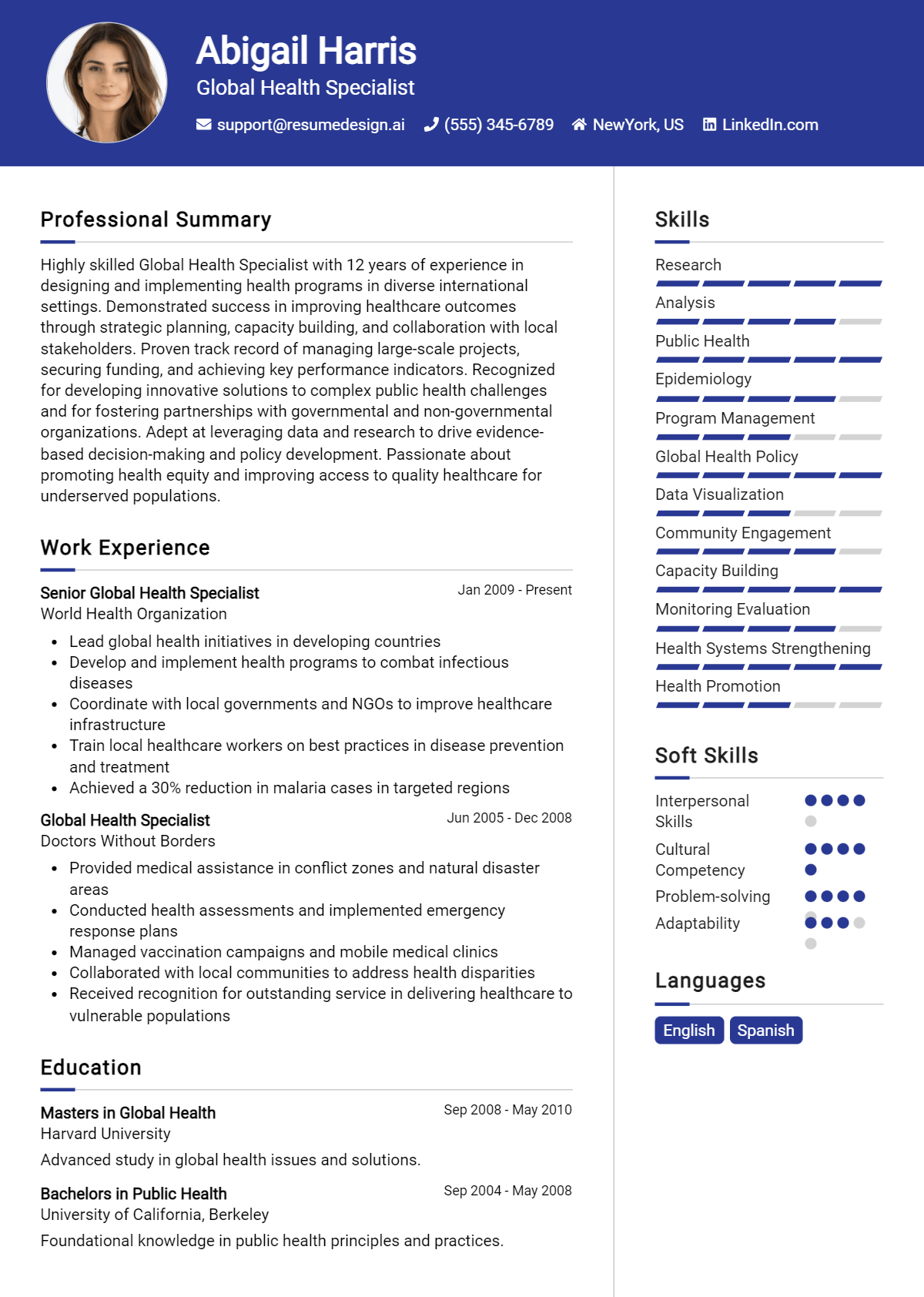
When preparing for a job interview as a Global Health Specialist, it is crucial to anticipate the types of questions you may encounter. This role demands a deep understanding of public health issues, international development, and effective communication skills. Therefore, being well-prepared with thoughtful answers can significantly enhance your chances of success in the interview process.
Here is a list of common job interview questions for the Global Health Specialist position, along with examples of the best answers. These questions will explore your work history and experience, delve into what you bring to the employer, and highlight your future career aspirations. By addressing these key areas, you can demonstrate your qualifications and passion for making a positive impact on global health challenges.
1. What motivated you to pursue a career in global health?
My passion for global health stems from witnessing health disparities firsthand during my volunteer work in underserved communities. It fueled my desire to contribute to equitable healthcare solutions and improve health outcomes on a global scale. Example: I volunteered in rural clinics, observing the stark health inequalities, which inspired me to advance healthcare access and equity worldwide.
2. Can you describe a successful global health project you managed?
I led a vaccination campaign in a low-income region, collaborating with local health workers. We exceeded our target by 30% through effective community engagement and education, significantly reducing disease incidence. Example: Our team organized workshops and mobilized volunteers, resulting in an impressive vaccination rate that improved community health dramatically.
3. How do you approach cultural sensitivities in global health initiatives?
I prioritize cultural competence by engaging local leaders and stakeholders early on. This ensures our programs respect cultural beliefs and practices while effectively addressing health needs and promoting community buy-in. Example: By collaborating with local elders, we adapted our health education materials to align with cultural values, enhancing acceptance and participation.
4. What strategies do you use to evaluate global health programs?
I employ a mixed-methods approach, combining quantitative metrics and qualitative feedback. This allows for a comprehensive understanding of program impact and areas for improvement, ensuring objectives are met efficiently and effectively. Example: I analyzed survey data alongside focus group discussions, yielding actionable insights that informed future interventions and enhanced program outcomes.
5. How do you stay updated with global health trends and policies?
I regularly engage with professional networks, attend conferences, and follow reputable health journals. This continuous learning helps me adapt our strategies in line with emerging global health challenges and innovations. Example: I subscribe to key journals and participate in webinars, ensuring my knowledge remains current and relevant to our projects.
6. Describe a challenge you faced in a global health project and how you overcame it.
During a malaria prevention initiative, we faced community skepticism. I organized informational sessions that involved local health experts, which built trust and improved participation, ultimately leading to a successful campaign. Example: By addressing concerns directly and providing evidence-based information, we increased community engagement and achieved our health targets effectively.
7. What role does data play in your decision-making process?
Data is crucial; it informs our strategies and measures our impact. I analyze health statistics and community feedback to guide decisions, ensuring our initiatives are both effective and responsive to real needs. Example: By leveraging data analytics, I pinpointed health trends that shaped our outreach programs, ultimately enhancing service delivery and outcomes.
8. How do you handle collaboration with diverse stakeholders in global health?
I foster open communication and build trust among stakeholders by actively listening and aligning our goals. This collaborative approach ensures all voices are heard, enhancing the effectiveness and sustainability of our initiatives. Example: Regular stakeholder meetings helped us align our objectives, leading to a successful multi-agency health initiative with broad community support.
9. How do you prioritize health interventions in a resource-limited setting?
I prioritize health interventions by assessing the burden of disease, community needs, and available resources. Engaging stakeholders ensures that interventions align with local priorities, maximizing impact. Data-driven decisions help allocate resources effectively for the greatest health outcomes.
Example:
I would conduct a needs assessment, focusing on prevalent diseases, then engage local leaders to prioritize interventions, ensuring community buy-in while considering budget constraints to maximize our limited resources.
10. Can you describe a time when you had to work with a diverse team?
In a previous project, I collaborated with a multidisciplinary team from various cultural backgrounds. I facilitated open communication and embraced diverse perspectives, which led to innovative solutions for health challenges. This experience enriched my understanding of global health issues.
Example:
I worked with epidemiologists, social workers, and local health officials on a vaccination campaign, ensuring everyone’s insights were valued, which improved our outreach and effectiveness in the community.
11. How do you evaluate the effectiveness of a health program?
I utilize both qualitative and quantitative methods for evaluation. This includes collecting data on health outcomes, stakeholder feedback, and assessing program implementation against established goals. Continuous monitoring allows for real-time adjustments and ensures program sustainability.
Example:
For a nutrition program, I would analyze pre- and post-intervention health metrics alongside participant surveys, adapting strategies based on outcomes to improve effectiveness and address emerging challenges.
12. What strategies do you implement for community engagement in health initiatives?
I employ culturally sensitive approaches, including community forums, partnerships with local leaders, and participatory planning. Building trust and involving community members in decision-making fosters ownership and increases the likelihood of program success.
Example:
I launched a health initiative by organizing community meetings to discuss health concerns, allowing residents to voice their needs, which helped tailor our programs effectively to their circumstances.
13. How do you stay updated on global health trends and policies?
I regularly review scientific journals, attend global health conferences, and participate in webinars. Networking with professionals in the field also provides valuable insights into emerging trends and best practices, ensuring I remain informed and effective in my role.
Example:
I subscribe to leading global health publications and engage in professional forums, allowing me to stay informed about the latest research findings and policy changes impacting our work.
14. Describe a challenging health issue you addressed and the outcome.
I tackled a high malaria incidence in a rural area by implementing a comprehensive prevention strategy. We distributed bed nets, conducted educational campaigns, and mobilized local health workers. This initiative reduced cases by 40% within a year, demonstrating effective collaboration.
Example:
In response to rising malaria rates, I led a community initiative that resulted in a 40% reduction in cases within a year through education and preventive measures, showcasing our collaborative efforts.
15. How do you handle conflicts that arise during project implementation?
I approach conflicts by facilitating open dialogue among stakeholders, actively listening to concerns, and seeking common ground. Mediating discussions helps in finding compromise solutions that align with our project goals while maintaining team cohesion.
Example:
During a project, conflicting opinions arose. I organized a meeting to discuss each viewpoint, which fostered understanding and led to a collaborative solution that satisfied all parties involved.
16. What role does data play in your decision-making process?
Data is crucial for informing my decisions. I analyze health trends, demographic information, and program outcomes to guide interventions effectively. Data-driven strategies enhance accountability and enable adjustments based on evidence, ensuring programs meet their objectives.
Example:
In planning a health intervention, I rely on health statistics and community surveys to identify needs, which shapes our program’s direction and helps allocate resources effectively.
33. How do you approach stakeholder engagement in global health initiatives?
I prioritize building trust by understanding stakeholders' needs and values. Regular communication and collaboration are essential. I ensure all voices are heard and foster a shared vision to achieve common goals in health initiatives.
Example:
In my last project, I organized workshops that brought together community leaders and health officials to co-create solutions, which significantly improved buy-in and project outcomes.
34. Can you describe a time when you had to adapt a health program to meet local needs?
In a rural health initiative, I discovered cultural beliefs affected program acceptance. I collaborated with local leaders to incorporate traditional practices into our health messaging, which increased community participation and program effectiveness.
Example:
By integrating local customs into our health education sessions, we saw a 30% increase in attendance and engagement, demonstrating the importance of cultural sensitivity.
35. What methods do you use to evaluate the impact of global health programs?
I utilize a combination of quantitative and qualitative methods, including surveys, focus groups, and health metrics. This mixed-methods approach provides comprehensive insights into program effectiveness and areas for improvement.
Example:
In my previous role, I implemented pre- and post-program surveys to assess health knowledge changes, which informed adjustments to our training materials.
36. How do you stay updated on global health trends and policies?
I regularly follow reputable health journals, attend conferences, and participate in online forums. Networking with peers and engaging in continuous education helps me stay informed and adapt to emerging global health challenges.
Example:
By subscribing to key publications and attending webinars, I gained insights on emerging diseases, which allowed my team to proactively adjust our health strategies.
37. Describe your experience with data analysis in global health.
I have extensive experience in data collection, management, and analysis using tools like Excel and SPSS. Analyzing health data has allowed me to identify trends and inform policy recommendations effectively.
Example:
In a recent project, I analyzed vaccination rates and identified a 15% drop in coverage, leading to targeted outreach efforts that successfully increased community participation.
38. How do you handle conflicts within a project team?
I address conflicts by facilitating open discussions, encouraging team members to express their viewpoints. I focus on finding common ground and collaborating on solutions to ensure team cohesion and project success.
Example:
In a past project, I organized a mediation session that allowed team members to voice their concerns, ultimately leading to a stronger, more unified approach to our health initiative.
39. What role do you think technology plays in global health?
Technology enhances data collection, improves communication, and expands access to health information. Leveraging telemedicine and mobile health applications can bridge gaps in healthcare delivery, especially in underserved areas.
Example:
In a recent initiative, we implemented a mobile app for health education that increased information access for rural populations, improving health literacy by 40%.
40. How do you prioritize health issues in global health work?
I assess health issues based on data-driven evidence, community needs, and potential impact. Collaborating with local stakeholders helps ensure that we address the most pressing health concerns effectively and sustainably.
Example:
By conducting a needs assessment, I identified maternal health as a priority, leading to targeted interventions that significantly reduced maternal mortality rates in the area.
41. Can you describe a successful project you've led in global health?
One successful project involved coordinating a vaccination campaign in rural areas, resulting in a 30% increase in immunization rates. I utilized project management skills and collaborated with local NGOs to ensure community engagement and sustainability.
Example:
I led a vaccination initiative in a remote region, increasing immunization coverage by 30%. I coordinated with local health workers and NGOs, ensuring community involvement and trust, which was key to the project's success.
42. How do you approach data analysis in your global health projects?
I prioritize data-driven decision-making by utilizing statistical software to analyze health trends and outcomes. This approach helps identify priority areas and assess the effectiveness of interventions, ensuring that resources are allocated efficiently for maximum impact.
Example:
In my previous role, I used statistical software to analyze health data, identifying trends that guided resource allocation. This ensured our interventions were effective and targeted the most urgent health needs in the community.
43. Describe how you handle conflicts in team settings.
I address conflicts by fostering open communication and encouraging team members to express their perspectives. By facilitating discussions, I help identify common goals and find collaborative solutions, which promotes a positive team environment and enhances project outcomes.
Example:
During a project, team disagreements arose over priorities. I organized a meeting where everyone could voice their concerns, leading to a consensus on shared goals, which improved collaboration and project efficiency.
44. What strategies do you use for stakeholder engagement?
I employ tailored communication strategies, organizing workshops and regular updates to keep stakeholders informed and involved. Building relationships through transparency and active listening fosters trust and collaboration, which is essential for successful project implementation.
Example:
In a recent project, I held workshops and regular briefings to engage stakeholders. This approach built trust and ensured everyone felt valued, leading to strong collaboration and shared ownership of the project's goals.
45. How do you ensure cultural sensitivity in your work?
I prioritize cultural competence by conducting thorough research on local customs and involving community representatives in project planning. This approach ensures that interventions are respectful and relevant, ultimately leading to better acceptance and outcomes in the communities served.
Example:
Before starting a project, I researched local customs and engaged community leaders. This ensured our health interventions were culturally sensitive, which significantly improved community acceptance and participation in the program.
46. What role does advocacy play in your work as a Global Health Specialist?
Advocacy is vital in my role; it helps raise awareness and mobilize resources for critical health issues. By collaborating with policymakers and using data to support arguments, I strive to influence health policies that benefit vulnerable populations.
Example:
I regularly engage with policymakers to advocate for funding in underserved areas. By presenting data on health disparities, I work to influence policies that enhance health services and support for vulnerable populations.
How Do I Prepare For A Global Health Specialist Job Interview?
Preparing for a job interview is crucial in making a positive impression on the hiring manager. As a Global Health Specialist, you will be expected to demonstrate not only your knowledge of global health issues but also your ability to apply that knowledge in practical settings. Here are some key preparation tips to help you stand out in your interview:
- Research the company and its values to align your responses with their mission and goals.
- Practice answering common interview questions related to global health, such as your approach to tackling health disparities.
- Prepare examples that demonstrate your skills and experience relevant to the Global Health Specialist role.
- Stay updated on current global health trends and issues to showcase your knowledge during the interview.
- Understand the specific responsibilities and requirements of the job to tailor your answers accordingly.
- Develop thoughtful questions to ask the interviewer about the organization and its global health initiatives.
- Review your resume and be ready to discuss any experiences, particularly those that highlight your analytical and problem-solving skills.
Conclusion
In this interview guide, we have explored the essential components that can help candidates excel in their pursuit of a Global Health Specialist role. Emphasizing the importance of thorough preparation and practice, we highlighted how demonstrating both technical expertise and relevant behavioral skills can significantly enhance a candidate's chances of success. Understanding the nuances of both types of questions will enable candidates to present their qualifications more effectively, showcasing their readiness to tackle the challenges of global health.
As you prepare for your interviews, take advantage of the tips and examples provided in this guide to approach your interviews with confidence. Remember, each interview is an opportunity to demonstrate your passion and commitment to improving global health outcomes.
For further assistance, check out these helpful resources: resume templates, resume builder, interview preparation tips, and cover letter templates.