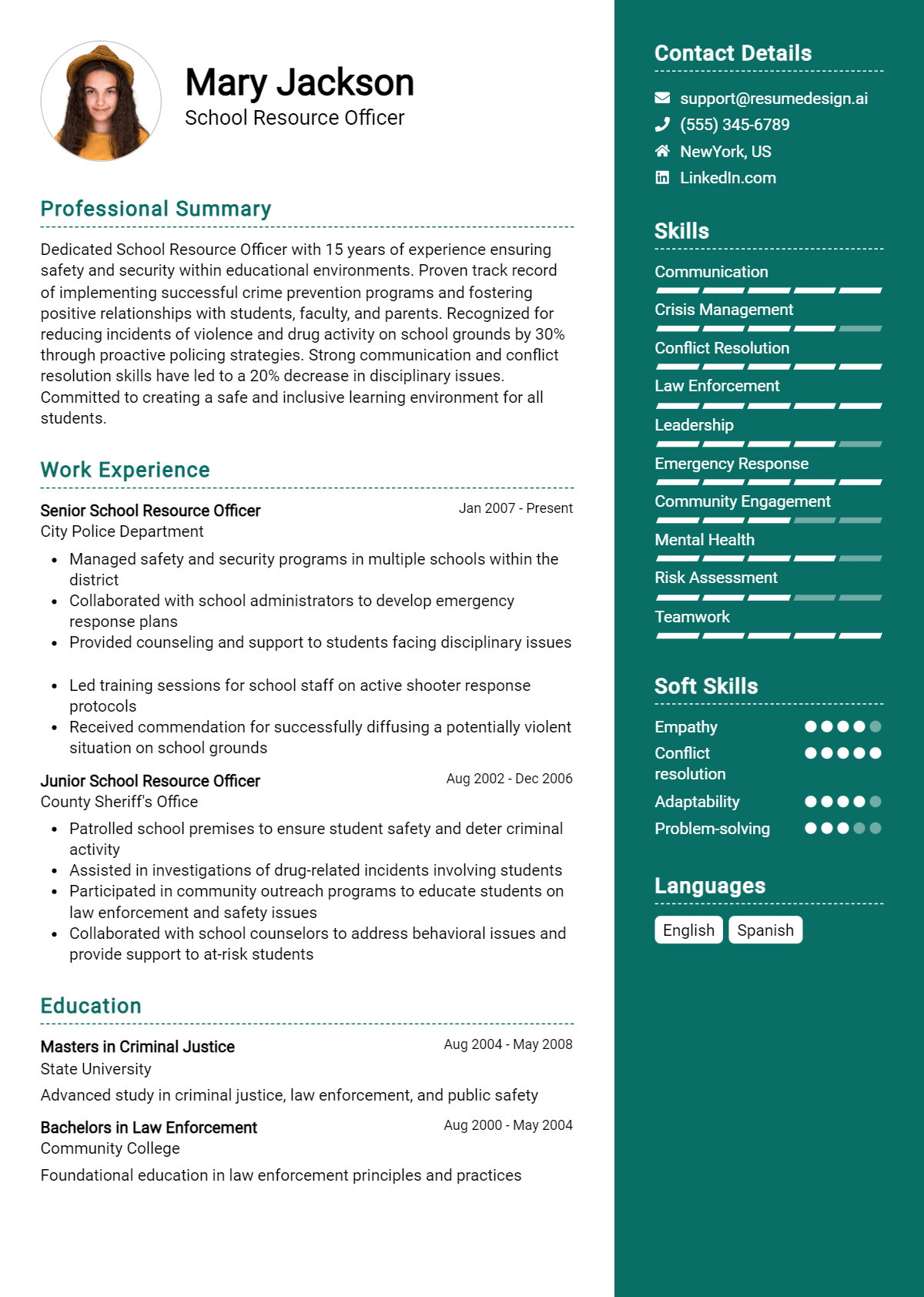
As a School Resource Officer (SRO), you play a crucial role in ensuring the safety and security of students, staff, and the school environment. During the interview process, you will be assessed not only on your law enforcement experience but also on your ability to connect with students and foster a positive school climate. Preparing for your interview is essential, as the questions you encounter will likely focus on your approach to conflict resolution, community engagement, and emergency preparedness.
Here is a list of common job interview questions for the School Resource Officer position, along with examples of the best answers. These questions will cover your work history and experience, what you have to offer the employer in terms of skills and community relations, and your goals for the future in building a safer school environment.
1. What motivated you to become a School Resource Officer?
My motivation stems from a passion for community safety and youth development. As a former educator, I understand the challenges students face and aim to foster a safe, supportive environment that encourages learning and personal growth.
Example:
I was inspired to become a School Resource Officer after witnessing the positive impact of supportive figures in students' lives during my teaching career. I want to be that positive influence and enhance school safety.
2. How do you build relationships with students and staff?
I prioritize open communication and approachability. By engaging in conversations, attending school events, and participating in activities, I create trust and rapport, which are essential for effective collaboration and support within the school community.
Example:
I regularly visit classrooms, join lunch periods, and participate in sports events. These interactions help me connect with students and staff, building essential trust and understanding.
3. Describe a time you handled a crisis in a school setting.
During a school event, a fight broke out among students. I quickly intervened, separating the individuals involved, and calmed the situation. I then engaged with the students to understand the root cause and recommended mediation sessions to prevent future conflicts.
Example:
At a basketball game, a fight erupted. I promptly separated the students, de-escalated the situation, and later organized a meeting to address underlying issues with the involved parties.
4. What strategies do you use to prevent bullying?
I implement educational programs on empathy and respect, facilitate peer mediation, and foster an environment where students feel safe reporting incidents. Building a culture of inclusion is essential to preventing bullying effectively.
Example:
I initiate workshops on bullying awareness and encourage students to participate in creating a supportive school environment, where they can voice concerns without fear.
5. How do you handle conflicts between students?
I employ conflict resolution techniques, such as active listening and mediation. I guide students through discussions to help them understand each other's perspectives and work towards a resolution that promotes understanding and respect.
Example:
When two students argued, I facilitated a mediation session where both shared their viewpoints. This helped them find common ground and resolve their conflict amicably.
6. How do you stay updated on school safety policies and laws?
I regularly attend training sessions, collaborate with local law enforcement, and review updates from educational and safety organizations. Staying informed ensures I effectively implement policies and best practices within the school environment.
Example:
I participate in quarterly training and maintain communication with local law enforcement to stay abreast of the latest safety regulations affecting schools.
7. Describe your experience with emergency response planning.
I have helped develop and execute emergency response plans, including evacuation procedures and lockdown drills. Collaborating with school administration and local agencies ensures that students and staff are prepared for potential crises.
Example:
I led a team to create a comprehensive emergency response plan, conducting drills that prepared students and staff for various scenarios, ensuring everyone knew their roles.
8. What role does community involvement play in your position?
Community involvement is crucial for fostering positive relationships and ensuring student safety. I actively collaborate with local organizations and attend community events to strengthen ties, creating a supportive network for students and families.
Example:
I participate in local events and partner with community organizations, which helps bridge the gap between the school and community, enhancing student support systems.
9. How do you build rapport with students and staff?
Building rapport starts with being approachable and visible. I engage in conversations, attend school events, and participate in activities. This fosters trust and encourages students to share their concerns, creating a safer school environment.
Example:
I regularly visit classrooms and join lunch periods. By taking time to learn names and interests, students feel valued, which opens lines of communication and helps me address any issues more effectively.
10. Describe a time you dealt with a crisis in a school setting.
During a school lockdown drill, a student panicked. I calmly approached her, reassuring her of her safety and guiding her to a safe area. This experience reinforced my crisis management skills and the importance of remaining calm under pressure.
Example:
I quickly assessed the situation, spoke softly to her, and reminded her it was a drill. By focusing on her emotions, I helped her regain composure and ensured the drill proceeded smoothly.
11. What strategies do you use to prevent bullying?
I implement educational programs about the effects of bullying and promote a culture of respect. Additionally, I encourage peer mediation and maintain open lines of communication for students to report bullying incidents, ensuring they feel safe.
Example:
I organize workshops that empower students to stand up against bullying. By involving them in discussions about empathy and respect, we create a supportive environment where bullying is less likely to occur.
12. How do you handle conflicts between students?
I address conflicts by facilitating open dialogue between the involved parties. I guide them to express their feelings while promoting understanding and compromise. This method not only resolves the issue but also teaches valuable conflict-resolution skills.
Example:
I once mediated a conflict by having each student share their perspective. By fostering a respectful discussion, they reached a mutual agreement and learned to communicate better in the future.
13. How do you ensure the safety of students during events?
I conduct thorough risk assessments before events, ensuring proper security measures are in place. Additionally, I coordinate with staff and local law enforcement to create a comprehensive safety plan that addresses potential issues.
Example:
For a recent sports event, I implemented a check-in system for attendees and stationed staff at key locations. This proactive approach ensured a secure environment for everyone involved.
14. Can you describe your experience with community outreach programs?
I actively participate in community outreach programs that educate families on safety and prevention. By collaborating with local organizations, I promote awareness and foster strong relationships between the school and the community.
Example:
I organized a safety workshop with local police, which helped families understand emergency procedures. This initiative strengthened community ties and enhanced trust in our school’s safety protocols.
15. What is your approach to working with parents?
I maintain open communication with parents through regular updates and meetings. I believe in involving them in their child’s education, addressing concerns, and providing resources to support their children’s success and safety.
Example:
I host parent-teacher meetings where I discuss safety policies and invite feedback. This collaborative approach fosters trust and keeps parents informed about their child's school environment.
16. How do you stay updated on laws and regulations affecting schools?
I regularly attend training sessions and workshops on school safety and legal updates. Additionally, I subscribe to relevant publications and collaborate with legal experts to ensure I am informed about changes in laws affecting schools.
Example:
By participating in state law enforcement conferences, I learn about new regulations. This proactive approach allows me to adapt our policies and practices to remain compliant and effective.
17. How do you approach building relationships with students?
Building relationships with students is essential. I engage in casual conversations, attend school events, and demonstrate genuine interest in their lives. My goal is to create an environment where students feel comfortable approaching me with concerns or issues.
Example:
I make it a point to join students during lunch or sports events. This helps me connect with them on a personal level, which builds trust and encourages open communication.
18. Can you provide an example of a conflict you managed between students?
I once mediated a conflict between two students over a misunderstanding. I facilitated a calm discussion, allowing each to express their feelings. Together, we worked towards a resolution, emphasizing empathy and communication, which restored their friendship.
Example:
During a heated argument, I separated the students, then brought them together to discuss their perspectives, guiding them to find common ground and resolve their differences amicably.
19. What strategies do you use to prevent bullying in schools?
I implement awareness programs and workshops on bullying, encouraging students to report incidents. I also promote a culture of kindness through peer mentoring and collaboration with teachers to identify at-risk students early.
Example:
I initiated a "Kindness Week" at my school, where students participated in activities that fostered empathy and understanding, helping to reduce bullying incidents significantly.
20. How do you handle situations involving illegal substances?
I address illegal substance use by first educating students about the consequences. If I encounter a situation, I ensure the safety of all involved, document the incident, and follow school policy, collaborating with counselors and law enforcement as necessary.
Example:
Upon discovering a student with illegal substances, I immediately ensured their safety, informed the administration, and facilitated a meeting with the student and their parents to discuss consequences and rehabilitation options.
21. How do you ensure student privacy and confidentiality?
I prioritize student privacy by adhering strictly to confidentiality guidelines and policies. When students share sensitive information, I reassure them their trust is valued, and I only disclose information on a need-to-know basis for safety concerns.
Example:
I once handled a disclosure of bullying, reassuring the student that their identity would remain confidential, which encouraged them to share more openly about their experience.
22. Describe how you work with teachers and staff.
I collaborate closely with teachers and staff by participating in meetings and offering training on safety protocols. I maintain open lines of communication to ensure a unified approach to student safety and well-being.
Example:
I regularly meet with teachers to discuss student behavior trends and work together to implement strategies that support a positive school climate, reinforcing our shared commitment to student safety.
23. What role do you believe a School Resource Officer plays in crisis situations?
In a crisis, a School Resource Officer acts as a first responder, ensuring the safety of students and staff. I coordinate with emergency services, provide support, and help manage communication, focusing on de-escalation and recovery.
Example:
During a lockdown drill, I ensured all students were accounted for and communicated effectively with local law enforcement, demonstrating the importance of preparedness in actual crisis situations.
24. How do you stay updated on school safety laws and regulations?
I stay informed by attending training sessions, workshops, and conferences related to school safety. Additionally, I subscribe to relevant publications and network with other professionals to share best practices and updates on laws.
Example:
I participate in annual training and webinars focusing on changes to school safety laws, ensuring I implement the most current practices in my role as a School Resource Officer.
25. How do you build relationships with students and staff?
Building relationships starts with being approachable and visible. I engage in casual conversations, attend school events, and show genuine interest in students' lives. This fosters trust, making it easier for students to come to me with concerns.
Example:
I regularly visit classrooms to introduce myself and share my experiences. I also participate in extracurricular activities, like coaching sports, which helps me connect with students outside of disciplinary matters.
26. Describe a time you had to manage a crisis in a school setting.
During a potential fight, I quickly assessed the situation, intervened, and separated the students involved. I communicated with them calmly, ensuring their safety. After the incident, I followed up with counseling support for the students.
Example:
Once, I noticed two students arguing intensely. I intervened immediately, took them aside, and facilitated a discussion to resolve their issues. This de-escalation prevented a physical confrontation and promoted conflict resolution skills.
27. What strategies do you use for conflict resolution among students?
I employ active listening and mediation techniques. I encourage students to express their feelings, helping them find common ground. This not only resolves the conflict but also teaches them valuable problem-solving skills.
Example:
In a recent situation, I facilitated a mediation session where students shared their perspectives. By guiding them to focus on solutions, they reached an agreement and even apologized to each other, fostering a better understanding.
28. How do you handle bullying in the school environment?
I take bullying seriously by implementing anti-bullying programs and educating students about its impact. I also establish a reporting system, making it easy for students to seek help while ensuring confidentiality and support.
Example:
I initiated a peer support group where students share their experiences and strategies against bullying. By promoting a culture of empathy, we significantly reduced incidents and empowered students to speak up.
29. Can you discuss your experience with school safety protocols?
I have been involved in developing and implementing safety protocols, such as emergency drills and lockdown procedures. Regular training and collaboration with staff ensure everyone understands their roles in maintaining a secure environment.
Example:
I led a recent lockdown drill, coordinating with teachers and students to ensure smooth execution. Post-drill, I gathered feedback to improve our procedures, reinforcing the importance of preparedness among staff and students.
30. How do you address the needs of at-risk students?
I prioritize building trust with at-risk students by creating a safe space for them to express their challenges. I collaborate with counselors and community resources to provide tailored support and interventions.
Example:
In one case, I identified a student struggling academically and socially. By connecting them with a mentor and providing academic resources, we saw significant improvement in their engagement and self-esteem.
31. What role do you believe a School Resource Officer plays in a school community?
A School Resource Officer acts as a mentor, protector, and educator. Building relationships fosters a sense of security, and proactive engagement helps prevent issues before they escalate, creating a positive school climate.
Example:
I view my role as a bridge between students and law enforcement. By being present and approachable, I help demystify the law enforcement presence, making students feel safer and more comfortable.
32. How do you approach diversity and inclusion in your role?
I actively promote diversity and inclusion by recognizing and respecting differences. I participate in cultural events and advocate for policies that address the unique needs of all students, fostering an inclusive environment.
Example:
I collaborated with student groups to celebrate multicultural events, allowing students to share their cultures. This initiative not only educated the community but also built respect and understanding among diverse backgrounds.
33. How do you establish trust with students and staff?
Building trust starts with being approachable and consistent. I make time to engage with students during lunch and at events, showing genuine interest in their lives. I also maintain open communication with staff to foster a collaborative environment.
Example:
I often visit classrooms and participate in school activities, which helps students see me as someone they can talk to. Regular meetings with teachers also ensure we’re aligned on school safety and student needs.
34. What strategies do you use to de-escalate conflicts among students?
I employ active listening and empathy to understand the root of conflicts. I use calm communication to diffuse tension and encourage students to express their feelings and find common ground. My goal is always to resolve issues peacefully.
Example:
In one instance, I mediated a disagreement between two students by letting each voice their concerns. I guided them to understand each other’s perspectives, which ultimately led to a resolution and restored their friendship.
35. How do you handle situations involving bullying?
I take bullying seriously and follow a strict protocol to address it. I investigate incidents thoroughly while ensuring the victim feels supported. I work with the school to implement preventative programs and educate students about the impacts of bullying.
Example:
When I learned about a bullying incident, I spoke with the victim privately to provide support. I then addressed the situation with the aggressor and involved their parents, reinforcing the school’s zero-tolerance policy on bullying.
36. Can you give an example of a time you had to respond to an emergency?
During a fire drill, I noticed a student who was visibly distressed. I quickly approached them, ensured they were safe, and guided them to the assembly point. I provided reassurance and later followed up to check on their well-being.
Example:
In an actual emergency where a student had an asthma attack, I immediately called for medical assistance while helping the student remain calm. I stayed with them until help arrived, ensuring they felt safe and supported.
37. How do you collaborate with parents and guardians?
I believe in proactive communication with parents to foster a supportive community. I invite them to school events, provide safety updates, and encourage them to share concerns. This partnership helps create a safer and more nurturing environment for students.
Example:
I regularly host workshops for parents on school safety and conflict resolution. This not only informs them about our protocols but also opens channels for feedback and collaboration on improving student safety.
38. What role do you think a School Resource Officer plays in mental health awareness?
As a School Resource Officer, I play a crucial role in identifying students who may need mental health support. I collaborate with counselors to promote awareness and provide resources, ensuring students feel supported and understood in difficult times.
Example:
I initiated a mental health awareness campaign that included workshops and information sessions for students and staff. This helped destigmatize mental health issues and encouraged students to seek help when needed.
39. How do you stay updated on laws and regulations affecting schools?
I prioritize continuous learning by attending training sessions, workshops, and conferences. I also follow relevant publications and maintain connections with law enforcement colleagues to stay informed about changes in laws and best practices impacting school safety.
Example:
I recently attended a state conference on school safety legislation, which provided insights into new policies. I also subscribe to newsletters from educational organizations to keep abreast of the latest developments.
40. How do you promote a positive school culture?
I promote a positive school culture by participating in school events, recognizing student achievements, and encouraging inclusivity. I facilitate programs that celebrate diversity and foster a sense of belonging among students, staff, and the community.
Example:
I organized a ‘Unity Day’ event that highlighted diverse cultures within our school. This not only celebrated inclusivity but also encouraged dialogue among students, fostering a sense of community and understanding.
41. How do you handle conflicts between students?
I approach conflicts by first listening to both sides without bias. I encourage open communication and mediation to resolve the issue amicably. My goal is to foster understanding and prevent future conflicts through education about empathy and respect.
Example:
In a recent situation, I facilitated a discussion between two students who disagreed over a project. By guiding them to express their viewpoints, they found common ground and worked together successfully.
42. Can you provide an example of emergency preparedness in a school setting?
Emergency preparedness is crucial. I regularly conduct drills for various scenarios, including lockdowns and evacuations. Collaborating with school staff ensures everyone knows their roles, which minimizes panic and promotes safety during real emergencies.
Example:
During a recent fire drill, I coordinated with teachers to ensure all students exited calmly and accounted for. This practice builds confidence and readiness among staff and students.
43. How do you engage with students to build trust?
Building trust involves being approachable and visible. I spend time in common areas, participate in school events, and have informal conversations. This helps students feel comfortable approaching me with concerns or questions.
Example:
I often join students at lunch, where I discuss their interests and challenges. This has helped me develop strong relationships and trust within the school community.
44. What strategies do you use to address bullying?
I address bullying through education, awareness campaigns, and individual counseling sessions. I also establish a reporting system to encourage victims and bystanders to come forward. My focus is on creating a safe environment for all students.
Example:
After identifying a bullying issue, I initiated a workshop to educate students about the impact of bullying and how to report it. This led to increased awareness and reporting.
45. How do you collaborate with school staff and parents?
Collaboration is key. I hold regular meetings with teachers and staff to discuss safety policies and share concerns. Additionally, I engage parents through newsletters and workshops to ensure everyone is informed and involved in school safety.
Example:
I organized a safety workshop for parents, discussing proactive measures against bullying. This improved communication between home and school, fostering a united front for student safety.
46. How do you stay updated on school safety regulations?
I stay updated by attending training sessions, workshops, and conferences related to school safety. I also review local and federal regulations regularly to ensure compliance and implement best practices within the school.
Example:
Recently, I attended a national conference on school safety, where I learned about new technologies and strategies that I later shared with my team to enhance our protocols.
How Do I Prepare For A School Resource Officer Job Interview?
Preparing for a job interview is crucial for making a positive impression on the hiring manager. As a candidate for the School Resource Officer position, being well-prepared will not only boost your confidence but also demonstrate your commitment to the role and the values of the school community.
- Research the school district and its values to understand its mission and culture.
- Practice answering common interview questions specific to law enforcement and school safety.
- Prepare examples that demonstrate your skills and experience relevant to the School Resource Officer role.
- Familiarize yourself with current issues in school safety and trends in adolescent behavior.
- Dress professionally to convey respect for the interview process and the institution.
- Prepare thoughtful questions to ask the interview panel about their expectations and the school environment.
- Review your resume and be ready to discuss any relevant experiences or certifications you hold.
Frequently Asked Questions (FAQ) for School Resource Officer Job Interview
Being well-prepared for an interview is crucial, especially for a role as dynamic and impactful as a School Resource Officer (SRO). Familiarizing yourself with common interview questions can help you present yourself confidently and effectively. Below are some frequently asked questions that candidates may encounter during their SRO job interviews, along with practical advice on how to approach each one.
What should I bring to a School Resource Officer interview?
When preparing for your SRO interview, it's essential to bring a few key items that will demonstrate your professionalism and preparedness. This includes multiple copies of your resume, a list of references, and any certifications or qualifications relevant to the position, such as law enforcement training documents. Additionally, consider bringing a notepad and pen for taking notes, as well as any questions you may have for the interviewers, which shows your interest in the role and the school community.
How should I prepare for technical questions in a School Resource Officer interview?
To effectively prepare for technical questions during your SRO interview, it is important to familiarize yourself with the specific duties and responsibilities of the role. Review relevant laws, safety protocols, and crisis intervention techniques. Additionally, you may want to study common scenarios that SROs face and think through how you would respond. Practical experience, even if limited, can be highlighted, so consider reflecting on past situations where you've utilized skills relevant to the position, such as conflict resolution and communication.
How can I best present my skills if I have little experience?
If you have minimal experience as a School Resource Officer, focus on transferable skills that may be applicable to the role. Highlight any previous experiences in law enforcement, community service, or educational settings that demonstrate your ability to connect with students, staff, and parents. Emphasize your willingness to learn and adapt, and provide examples of how your background has equipped you with the necessary skills for the job, such as teamwork, problem-solving, and crisis management.
What should I wear to a School Resource Officer interview?
The attire for your SRO interview should reflect a balance between professionalism and approachability. A business casual outfit is typically appropriate, such as dress slacks or a skirt paired with a collared shirt or blouse. If you have a uniform from a previous law enforcement position, you might consider wearing it to convey your dedication to the profession. Regardless of your choice, ensure that your clothing is neat, clean, and comfortable, allowing you to present yourself confidently to the interview panel.
How should I follow up after the interview?
Following up after your SRO interview is a crucial step in demonstrating your interest in the position. A thoughtful thank-you email to the interviewers can help reinforce a positive impression. In your message, express your gratitude for the opportunity to interview, reiterate your enthusiasm for the role, and briefly mention a key point from the discussion that resonated with you. Aim to send this follow-up within 24-48 hours after the interview to keep your candidacy fresh in their minds.
Conclusion
In summary, this interview guide for the School Resource Officer position has highlighted the essential points needed for effective preparation. It is crucial for candidates to engage in thorough preparation, practice their responses, and showcase relevant skills that align with the role. By being well-prepared for both technical and behavioral questions, candidates can significantly enhance their chances of success during the interview process.
As you move forward, remember to utilize the tips and examples provided here to approach your interviews with confidence and poise. Your dedication to preparation will not only help you stand out as a candidate but also affirm your commitment to fostering a safe and supportive school environment.
For further assistance, check out these helpful resources: resume templates, resume builder, interview preparation tips, and cover letter templates.